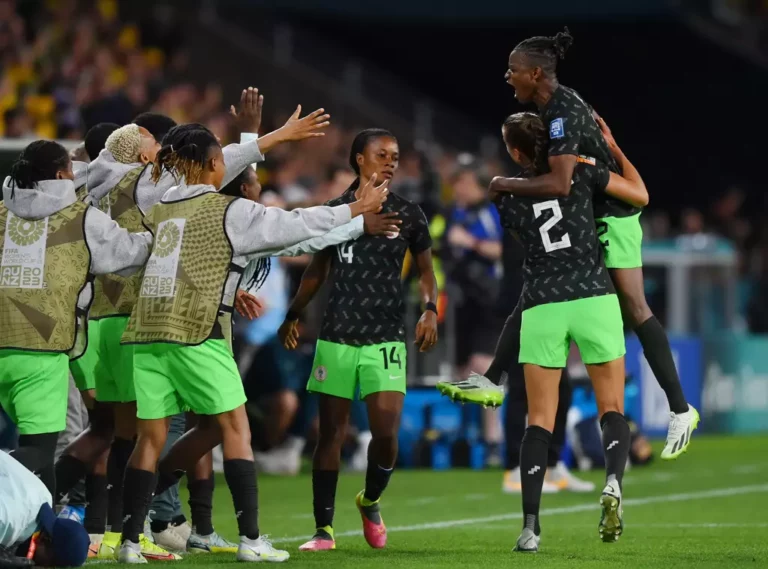
FOLLOWING the round-up of the group stage matches, three out of four of the African women’s football teams have scaled the hurdles from their respective groups to qualify for the knock-out stage of the 2023 FIFA Women’s World Cup.
Out of the four African representatives that qualified for the world cup, they are Morocco, Nigeria, South Africa and Zambia. Only Zambia failed to progress to the next round of 16.
The ICIR had reported that none of the four African teams won their opening matches, casting doubt on their strengths on the global stage.
But, The ICIR observed that out of the total 12 matches played by the African quartet at the ongoing FIFA women’s world cup in Australia and New Zealand, each one of them won at least one match apart from Morocco winning two in a row.
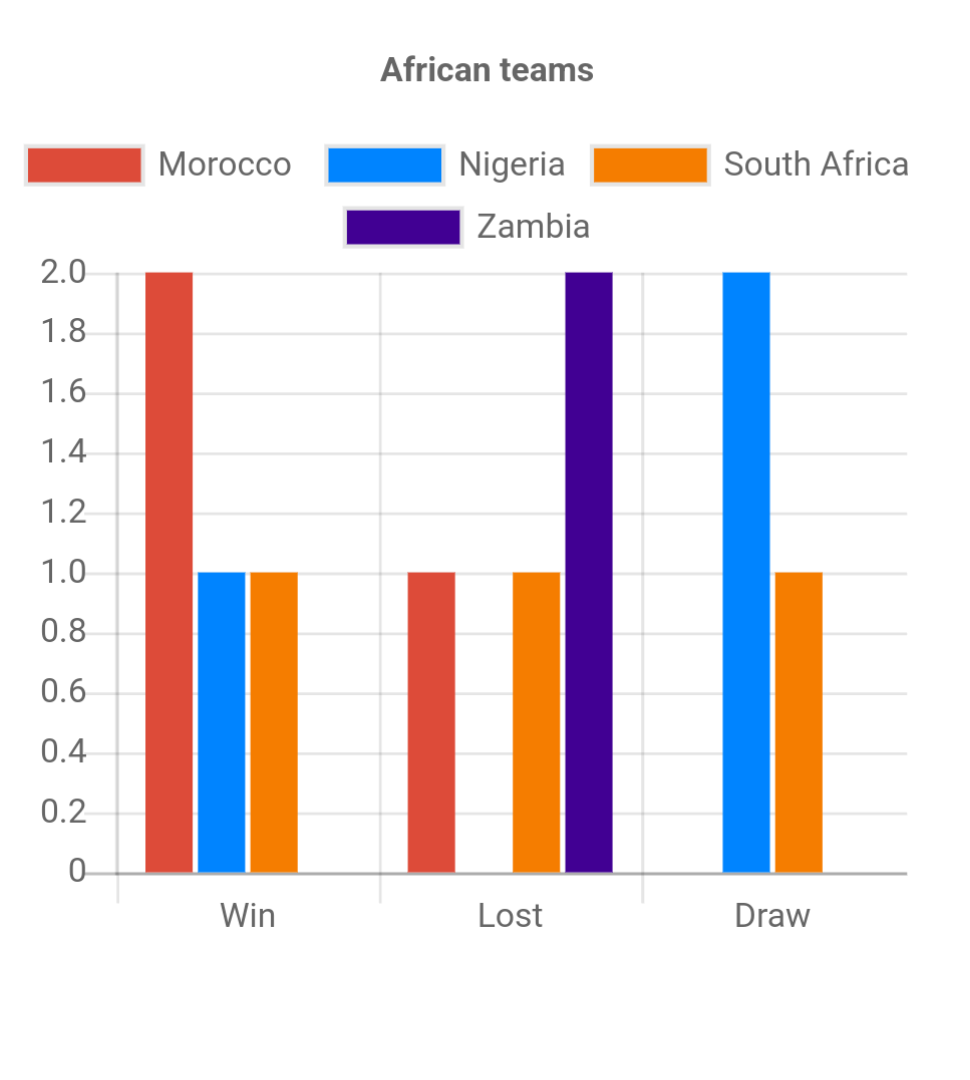
The bar chart analyses the wins, losses and draws of the 4 African teams from the group stage of the ongoing 2023 FIFA Women’s world cup.
Results from the group stage revealed that African sides won 5, lost 4 and drew 3 matches.
Nigeria and Cameroon are the only two African countries that have reached the knockout stage in the past. Nigeria became the first African side to progress to the knockout rounds in the USA in 1999, while Cameroon matched them in 2015 later in Canada.
It is believed this is the first time Africa had more than two teams advance from the group stage at the Women’s World Cup. However, this feat falls in the context of the tournament’s recent expansion to include more teams.
Round of 16 encounters
All three African sides qualified as the second from their groups. Due to this, they will fight tough teams to get to the top.
As the group stage commences tomorrow, 5, August, African representatives have another barrier to break. South Africa will face the Netherlands on Sunday, August 6, while, the next day, Monday, Nigeria will slug it out against England.
On Tuesday, August 8, Morroco will square against France.
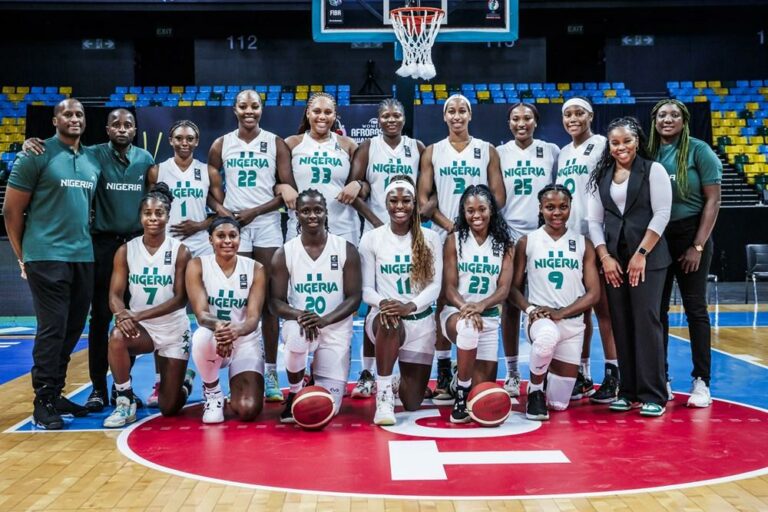
NIGERIA Senior Women’s Basketball team D’Tigress have secured a spot in the final of the ongoing FIBA Afrobasketball Championship after they defeated host country, Rwanda 78-48 in Kigali.
The D’Tigres’s victory against Rwanda in the Semi-final propelled their hope to remain on course to achieve the 4th title in a row and extend their unbeaten run to 23 matches at the tournament.
The first-quarter encounter between the duo was a stroll in the pack for the D’Tigress as they won with a 16-point difference, finishing 22-6 points.
Rwanda came alive during the second quarter as they to closed the gap with 10 differences, but they were not able to keep D’ Tigress at bay from scoring. It ended 22-12 in favour of Nigeria.
The third quarter saw Rwanda take the lead as they pulled the trigger to finish 17 – 14, but despite the third-quarter victory for Rwanda, D’ Tigress overpowered in the fourth quarter to end 21-13.
Nigeria’s Amy Okonkwo netted 23 points and had 10 rebounds and 2 assists.
The last time Nigeria lost a game in the Women’s Afrobasket was in 2015 against Cameroon in the semifinals. Since then, they won the title in 2019 and 2021.
Nigeria will either face Mali or Senegal in the final on Sunday.
FOLLOWING the tragic death of a medical doctor at Odan general hospital, Lagos Island, some health workers have since gone on social media, testifying on the poor state of the elevator, which has been ongoing for over three years.
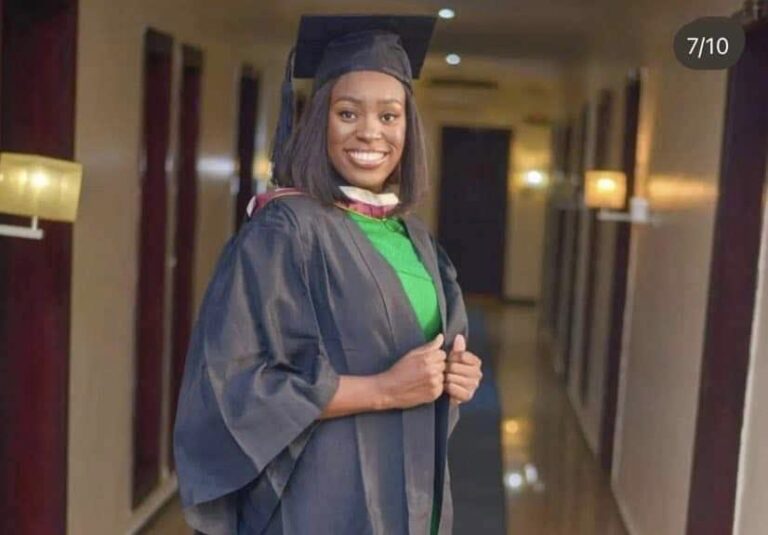
Diaso Vwaere, a medical doctor, lost her life on Tuesday, August 1, when the hospital’s elevator abruptly malfunctioned, plummeting from the ninth floor to the ground level.
Despite the crash, Vwaere’s body was hanging on a part of the elevator, fighting for her life, while it took the elevator engineers about an hour to arrive at the building and helped her out.
The hospital was, according to sources, devoid of the necessary blood for her resuscitation.
Vwaere was said to be on her way to meet a dispatch rider, who had come to deliver her food when the incident happened.
A doctor, Lase Moye, giving the account of the incident on Twitter, revealed that after the elevator crashed, the bystanders could hear her excruciating screams of pain as her forehead and other part of her body had a cut. Vware, at the moment, was said to be lying between the base of the elevator and the ground floor with the engine hanging over her.
“Called on professional engineers to come and dismantle it because any abrupt movement could let the elevator give. It took almost 40 mins for them to get there, initially, they sent representatives to dismantle it, and these guys came dressed in suit, suit? Really? when the day is over. Lol! They were at VI, VI is literally 15 mins to Marina or less. What took them so long?” Moye who in a separate post said she lives above Vweare explained.
The state of the hospital elevator has been a longstanding issue. The ICIR gathered that health workers and patients have been groaning over its bad condition for over three years.
The elevator had inadvertently stopped working on different occasions, even while carrying people. According to sources, the elevator capacity was reduced from carrying eight people to two when it started developing faults.
Another medical Doctor, Olanrewaju Aiyepola, said the incident was due to the negligence of the hospital management, saying that instead of repair of the elevator, the management always chose to patch it up.
“Particularly aggrieved because we’ve complained for a long time about this elevator. We’ve manoeuvred, managed and prayed each time we had to use it. Empty promises will be made to fix it….till it killed one of us,” Aiyepola wrote.
“We called for repairs; they’d do intermittent patching and ask us to manage it. Low-key, we lived in fear waiting for the next time we’d get stuck in the elevator. For an elevator that had a maximum capacity of 8 persons, it could only take one at a time.”
In a tweet seen by The ICIR, Medical Guard, an association of all Lagos State Medical and Dental Doctors, in 2020, tweeted about the non-functionality elevator of the hospital.
“FACT: The doctors quarters at General Hospital Lagos has 10 floors. It has a non-functional elevator and no running water. Doctors who live on the 10th floor, including pregnant women, climb the stairs multiple times daily.”
More testimonies
As news of the tragic death broke, some employees and patients have come forward, sharing their experiences of the elevator’s longstanding issues.
They all agreed that the elevator has been in a state of disrepair for several years, and some of them have experienced being trapped inside it in the past. Amidst these testimonies, some also accused the hospital management of negligence, misappropriation of priority and corruption in dealings with the hospital affairs.
The Bearded_Dr_Sina, a doctor who is popular on Twitter, while reacting to the incident, said he and his friend experienced a near-death situation on the same elevator three years ago.
“For context, three years ago, I also had the same experience on this elevator. I remember I and my friend panicking when the elevator got stuck. People have been calling for it to get fixed for three years. Now it has killed a Doctor. A Deep probe needs to be done. This can’t slide.”
Another hospital person who is most likely a staff of the hospital, Joy wrote “I got stuck in the elevator. We didn’t have a functioning pumping machine. We had to walk over those 10 floors to fetch water. I told us to strike, they sent screenshots of my message to the Oga, and he said I was a nuisance and I should go into politics if I wanted to fight.”
Colleagues stage protest
Odan Health workers protest over death of a colleague. Pc: Ayahuasca Shaman/twitter
In reaction to their colleague’s death, some young hospital workers at the Odan general hospital staged a protest regarding the unfortunate death of their colleague on Tuesday.
The workers also shut down activities of the general hospital and demanded justice over the incident. They walked down the street of the general hospital to show their displeasure.
In a viral video seen by The ICIR, the young doctors, clad in black, fiercely chanted towards the hospital directors’ who’s going to jail.’
The staff workers also raised placards with different inscriptions to demand for justice. In one of the placards seen by The ICIR, a doctor wrote; ‘the system is rigged against young doctors.”
Another doctor wrote, ‘it could have been me. “Let Doctors breathe! Dr Vwaere couldn’t breathe.”
NMA declares strike, demands justice
In a show of solidarity and call for justice, the Lagos state chapter of the Nigerian Medical Association (NMA) has declared a strike over a colleague’s death.
The doctors’ body directed doctors working in the three government hospitals on Lagos Island to begin an indefinite strike over the death of its colleague, Vwaere Diaso.
The NMA also proclaimed five days of national mourning in the state and asked medical staff at other government-run institutions to curtail their regular schedules in remembrance of the deceased colleague.
According to the association, only emergency medical services will be rendered during that period.
The Lagos Island Maternity Hospital, the Lagos General Hospital, and the Lagos Massey Street Children’s Hospital are all expected to go on an indefinite strike.
NMA stated this in a press statement signed by its state Chairman, Benjamin Olowojebutu, and Secretary, Ismail Ajibowo, on Wednesday, August 2.
The association said the death was unfortunate, and her death pains the NMA.
“We declare a five-day statewide mourning period; we demand an immediate, unbiased investigation into the circumstances surrounding this unfortunate incident; all those found culpable in this matter, especially the General Manager of the Lagos State Infrastructure Management Agency, Ms Adenike Adekambi, are all brought to justice.”
In addition, the doctors association said the blood transfusion system in Lagos State needs immediate revamping for improved service.
Meanwhile, the Lagos State government has reacted to the doctor’s death in a statement on its official Twitter handle on Wednesday, August 2.
In the statement, the government consoled the deceased’s family and said it has set up an inquiry to investigate the incident.
“An inquiry by a team of officials from the Lagos State Ministry of Health, Lagos State Health Service Commission, Lagos State Safety Commission and certified Lift and Vertical Transportation Equipment experts has commenced,” the Lagos state government said.
Former governors Adegboyega Oyetola, Atiku Bagudu, Bello Matawalle, and Simon Bako Lalong were prominent Nigerians who made it to the new list of nominees.
Others names on the list are Maryam Shetti, Ishak Salako, Tunji Alausa, Tanko Sununu, Ibrahim Geidam, Ahmed Tijani, Bosun Tijjani, Lola Adejo, Shuaibu Aninakar, Zephaniah Jossalo, Tahir Mamman, Aliyu Sabi, Alkali Ahmed, Heineken Lokpobiri and Uba Maigari.
On Monday, July 31, the Senate began screening the first batch of a 28-man list of ministerial nominees.
The second batch of ministerial nominees sent to the Senate for confirmation on Wednesday consists of 19 names, which includes six former governors.
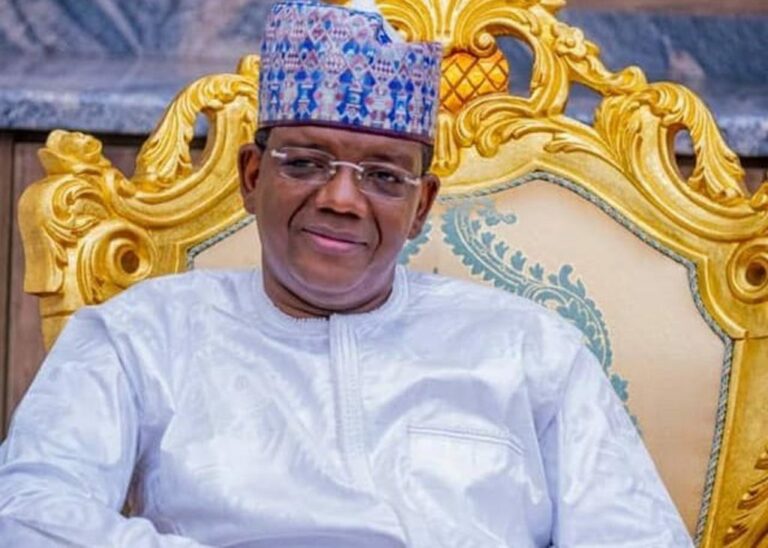
Among the former governors nominated by Tinubu is the Bello Matawalle of Zamfara state, who is being investigated over allegedN70 billion fraud.
The EFCC Director of Communication Osita Nwajah disclosed this on May 18 while addressing journalists at the Commission’s headquarters in Abuja.
“The Commission would like to put the nation on notice to expect more of the kind of wild allegations made by Matawalle as those at the receiving end of EFCC’s investigations fight viciously back.
“But the real issue with Matawalle is that he is being investigated by the EFCC over allegations of monumental corruption, award of phantom contracts and diversion of over N70 billion,” Nwajah said.
Accusing the governor of “monumental” corruption, the EFCC stated that it tracked down more than 100 companies that received payments from the claimed funds while there was no evidence of service to the state.
The EFCC said that as part of the extensive investigation of contracts awarded by the Matawalle administration, especially for phantom projects in the local government areas, the Commission recovered N300 million from a company, Fezel Nigeria Limited.
The Commission added that several of the contractors it had invited and questioned had made shocking admissions about how the governor allegedly forced them to return the money they had received from the state coffers to him through his aides after converting it to US dollars.
“They confirmed that they did not render any service to Zamafara State but were allegedly directed to convert the monies paid to them into United States Dollars and return to the State governor through some of his commissioners, notably the Commissioners in charge of Finance and Local Government Affairs.
The Commission stated that one of the contractors, an Abuja property developer, collected N6 billion from a N10 billion contract without rendering any service to Zamfara state.
“Another contractor collected over N3 billion for a contract for the supply of medical equipment, but the Commission traced a payment of N400 million from his account to a Bureau de Change operator.
“The contractor confessed the payment was to procure the dollar equivalent allegedly for the state governor,” Nwajah added.
It added that funds were traced to the Zamfara Investment Company.
As a result of Matawalle’s immunity from prosecution as a state governor at that time, the EFCC said that he has not yet been detained and charged with any crimes related to his alleged criminal behaviour.
Also, in another statement on May 19, the EFCC described Matawalle’s $2m bribe accusation against its suspended chairman Abdulrasheed Bawa as a means to divert attention from the alleged fraud perpetrated by the Zamfara governor.
In the statement signed by the spokesperson of the Commission, Wilson Uwujaren, the EFCC said Matawalle’s recourse to mudslinging is symptomatic of a drowning man clutching at straws.
The Commission warned the public about plans by some of the alleged corrupt, politically exposed persons to flee the country before May 29.
The EFCC, however, said it is working with its international partners to frustrate the escape plans of such politicians and bring those involved to justice.
Similarly, the Zamfara State governor, Dauda Lawal Dare, said his predecessor Matawalle, stole17 vehicles belonging to the state government.
Dare, who made the allegations while speaking with a local radio station in Gusau, the state capital, on Wednesday, May 31, also said Matawalle looted various public properties, including televisions and cookers, from the Government House.
“Former governor Bello Matawalle had gone away with 17 vehicles from his office and those in the deputy governor’s office claiming that the vehicles are his personal belongings. In fact, not even office equipment were spared,” he said.
Dare, a member of the Peoples Democratic Party (PDP), defeated the incumbent, Matawalle, of the All Progressives Congress (APC) in the March 18 governorship election.
DATA analysed by The ICIR has revealed that 27 professional bodies under 10 Ministries, Departments, and Agencies received a total of N377.58 billion as budget from the federal government in a decade.
The data was collated from the website of the Budget Office of the Federation.
In June, The ICIRreported the announcement by the federal government to stop funding some agencies, professional bodies, and councils from 2026.
The move was in line with the decision of the Presidential Committee on Salaries (PCS) and is expected to take effect from December 31, 2026. According to the memo, the affected councils must take full responsibility for their personal, overhead and capital expenditure from January 1, 2024.
With the suspension of budget allocation from the government, some levies issued by these agencies might subsequently increase. Levies like registration fees, licensing fees, renewal fees, examination fees and membership fees might become the primary source of funding among other alternatives, the programme officer at BudgIT, Damilola Onemano, told The ICIR.
She said, “When the Federal government pulls out its funding, there would definitely be a hike in the fees as we see in fuel subsidy.”
Some of the affected agencies include the Teachers Registration Council of Nigeria, the Computer Registration Council, the Librarians Registration Council, the National Education Research and Development Council, the Mass Literacy Council, the National Examination Council and the West African Examination Council (Local and International) under the Ministry of Education.
Under the Ministry of Health, the agencies are the Nursing and Midwifery Council, the Pharmacist Council of Nigeria, the Medical and Dental Council of Nigeria (MDCN), and the Medical Laboratory Science Council of Nigeria will be affected.
Others include the Environmental Health Council of Nigeria, the Nigeria Press Council, the Council for the Regulation of Freight Forwarding in Nigeria, the Council of Nigerian Mining Engineers and Geosciences, the Veterinary Council of Nigeria, the Council for the Regulation of Engineering in Nigeria, the Survey Council of Nigeria, the Legal Aid Council, the Council of Legal Education, the National Automotive Design and Development Council, the Nigeria Export Promotion Council, the Financial Reporting Council of Nigeria, the Nigeria Investment Promotion Council, and the Nigerian Council of Food Science and Technology.
Analysis on the budget
The ICIR findings on the budget allocated to 27 professional bodies showed that in the last 10 years, there has been an increase in the amount allocated to these agencies.
For instance, in 2014, the total amount allocated to these agencies was N24.43 billion. By 2019, the allocation had increased to N37.37 billion and in the 2023 fiscal budget, the 27 agencies were allocated a total of N69.08 billion.
In total, the eight agencies under the Ministry of Education received N178.61 billion, the four agencies under the Ministry of Health got N52.96 billion, and the four bodies under the Ministry of Industry, Trade and Investment got N29.70 billion.
Also, the two agencies under the Ministry of Information and Culture, Work and Housing and Justice were allocated N29.72 billion, N9.28 billion and N35.94 billion, respectively.
Meanwhile, the professional body under the Ministry of Agriculture and Rural Development, Transportation, Mine and Steel Development and Environment received N2.37 billion, N25.52 billion, N940.8 million and N12.17 billion, respectively.
NECO and WAEC received the highest allocation within the years in review. The two agencies, under the Ministry of Education, received a total of N75.21 billion and N35.21 billion respectively. At the same time, COMEG and FRC received the lowest amount in the same decade with N940.8 million and N1.31 billion.
The data further showed that within 10 years, no professional agencies received a budget of less than N42 million in a fiscal year.
Implication on agencies
Onemano said that the implementation of the policy might positively affect these agencies in promoting fiscal prudence, the autonomy of finances, accountability, and the inflow of revenue.
However, she questioned their sustainability, saying, “How can they survive if these agencies are constrained to what they generated from levies? Which part or services would suffer due to this constraint?”
Onemano noted that rather than cutting funding; the government needs to merge some agencies together, adding that to control exploitation, there has to be a regulatory body that checks the amount collected by these agencies.
RIGHT from the time of the structural adjustment programme of Ibrahim Badamasi Babangida, quite a number of past Nigerian Presidents avoided not to remove the petrol subsidy and unify the exchange rate as the policies are not “very easy to implement.”
A finance expert and development economist, Kelvin Emmanuel, made this point at The ICIRTwitter space on Wednesday, August 2.
Emmanuel, a guest speaker at the virtual event, shared insights on the theme, ‘Impact of Tinubu’s economic policies on Nigerians.’
He highlighted a number of problems the reforms present and probable solutions to help ameliorate the sufferings on Nigerians.
The incumbent president, Bola Tinubu, had done away with petrol subsidy and unified the exchange rate, but the decisions have sparked a surge in the pump price of petrol to about N620 and depreciated the naira to above N800 to the dollar.
The resultant effects are the current hike in transportation fare, increasing foodstuff prices, rising cost of living and other reverberating consequences.
Speaking at The ICIR Twitter space, Emmanuel said, “First of all, I will say that these policies are not very easy to implement. The policy implementation has eluded quite a number of Nigerian presidents, right from the time of IBB with the Structural Adjustment Programme.
“They are the two most powerful demons that have hunted Nigerians for decades.”
Lauding the political will behind the introduction of the reforms, he however, expressed concerns on some of the plans the government have to cushion the effects on the masses.
The concerns border on infrastructure, fiscal and monetary policy structure, inflation, gas supply, access to funds, and other defects in the Nigerian political and economy environments.
He said to tackle the problems, the government needed to remove the fuel subsidy and unify the multiple foreign exchange rate regime.
“The reality is that the government is not doing enough for public infrastructure.
“Check out what is in the budget. 4.9 per cent goes to health, 4.9 per cent to education, but 32.4 per cent goes to petrol subsidy, and it keeps rising because the most significant determinant of the price of petrol is the exchange rate and price of crude oil,” Emmanuel point out.
He argued that there was no how the government could have built with the inherent structure as there was no way to fund the budget since it has to use the money to pay for subsidies.
“I understand that it is not easy because Nigerians are not use to floating petrol prices but I tell you, looking at the budget, all the metrics, this is the right thing to do,” the economist maintained.
Also, fielding a question from how best the government would have handled the implementation of the reforms without hurting the masses, he replied that “there were no easy solutions to the problems.”
“The fact is that the former president didn’t have a plan for this president to remove fuel subsidy and exchange rate,” he added.
He, however, picked holes in some of the new administration’s planned interventions.
He pointed out that the government’s decision to provide 3,000 compressed natural gas (CNG) busses as palliatives to cushion the effect of the petrol subsidy removal might be impossible to achieve.
“You cannot provide CNG busses without CNG stations. It is like saying you want to provide buses without filling stations,” he said, adding that there are currently few or no CNG stations functioning in Nigeria.
“You need infrastructure for CNG, and to create that, you need to go back to the Nigeria gas infrastructure company, a subsidiary of NNPC, deregulate gas price, build high transmission pipes, fund it,” among other requirements, Emmanuel explained.
There is a problem also with the supply of gas around Nigeria, he pointed out, stressing that gas pipelines infrastructure are not evenly provided around the country as the north seems to be at a disadvantage.
He noted that gas distribution has been a major challenge in the power sector as there exists a moribund transmission infrastructure, besides the lack of financial muscles by power distribution companies.
This makes it difficult why the loads the Generation Companies (GenCos) supply to the Transmission Company of Nigeria (TCN) are not adequately taken, and loads from TCN are fully taken by Distribution Companies (DisCos), he explained.
He further noted that if the government could solve the problem of electricity supply, the impact of the fuel subsidy removal and foreign exchange unification would be reduced.
“If you solve power, the demand for petrol to power generators is also going to be reduced,” he said.
Speaking on agriculture and why the immediate past administration should have provided a head start for its successor, he said irrigation clusters and mechanisation should have helped ensure all-year-round farming, not seasonal farming.
“This is really required to slow down inflation because there is a supply-side problem,” Emmanuel said.
Emmanuel also touched on the planned intervention of the government to give out N75 billion to 75 businesses as part of solving the problem of the twin reforms, but said it wasn’t for him a welcome development.
He believes that the long-term solution to the problems is bringing down inflation.
“When you bring down inflation, the MPR (monetary policy rate) comes down. And when the MPR comes down, it is cheaper for companies to borrow,” he said.
Emmanuel also suggested that to address the shortfall in the forex market, the apex bank could compel companies to bring back their dollars to the originating banks and not use third parties to divert funds to foreign accounts.
ORGANISED Labour has suspended the nationwide protests following a meeting with President Bola Tinubu at the Presidential Villa on Wednesday, August 2.
President of the Nigeria Labour Congress (NLC) Joe Ajaero told journalists that the meeting had been fruitful and conversations were held around the work of the Presidential Committee on Subsidy Removal.
According to Ajaero, labour decided to call off the protests after the president made commitments on the revitalisation of the Port Harcourt refinery, improve minimum wage for workers, and other measures aimed at addressing the hardship caused by the removal of petrol subsidy.
“He (Tinubu) committed to an immediate restructuring of the framework for engagement in line with the input of the labour leaders. He let out a certainty that the Port Harcourt refinery will commence production by December this year. He pledged to ensure that agreement is reached on the wage award for Nigerian workers immediately.
“He promised to unveil a workable roadmap to the CNG alternative next week. On the strength of the President’s pledge and commitment, we have decided for a return to a new and reinvigorated dialogue process to allow for full implementation,” Ajaero said.
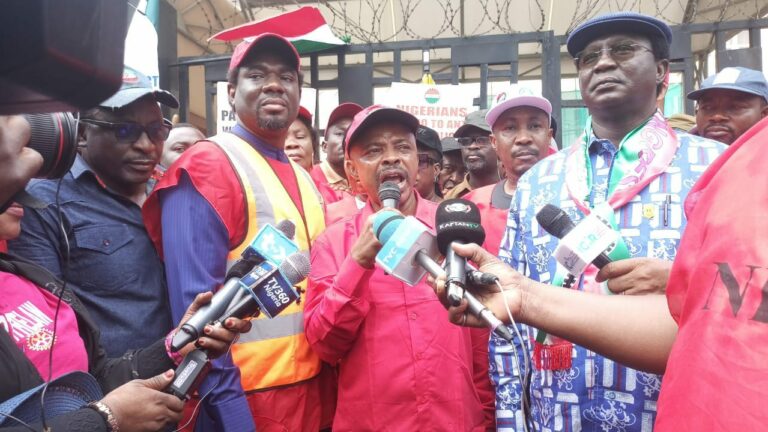
Organised Labour in Nigeria, including members of the NLC, Trade Union Congress (TUC) and affiliated groups, commenced a nationwide protest on Wednesday against the economic hardships caused by the removal of fuel subsidy under the current administration.
The NLC stated during the protest that Nigeria’s recurrent fuel crisis could only be resolved if refineries in the country begin production.
“It’s a fire brigade approach, it’s a quick pill that will leave only pain for now, but the pain will remain with us perpetually.
“What will address this issue is actually the issue of production, but the elites, not more than 10% of them, don’t want production; they want importation because they benefit from importation, this is the real issue, and therefore we must insist, we must continue to insist that our refineries must work. Those elites must tell us when our refinery will work,” former NLC President Ayuba Wabba said.
The protesters, however, pointed out that Tinubu has not shown interest in reviving the nation’s economy, as the problem of refineries was not addressed in his recent national address.
In an address to the nation on Monday, July 31, Tinubu said the sum of N1 trillion had been saved since the removal of fuel subsidy.
“In a little over two months, we have saved over a trillion Naira that would have been squandered on the unproductive fuel subsidy, which only benefitted smugglers and fraudsters. That money will now be used more directly and more beneficially for you and your families,” Tinubu said.
But Ajaero insisted that according to federal government officials involved in the negotiation process, not a kobo had been saved.
“Mr President talked about N1trillion saved. The committee where we meet, they told us that no one kobo has been saved so far; therefore, we have not agreed on what to pay anywhere,” Ajaero said.
During the protest in Abuja, the demonstrators pulled down one of the National Assembly Complex gates and gained access to the premises in defiance of security operatives, who earlier denied them entry.
FOLLOWING the new ministerial list transmitted by Nigerian President Bola Tinubu to the Senate on Wednesday, August 2, the percentage of female nominees dropped from 25 to 19.
Tinubu sent a new list to the Senate in a letter presented by Chief of Staff to the President, Femi Gbajabiamila, containing 19 names, out of which only two are female.
The President had sent a first list to the Senate on Thursday, July 27, made up of 28 names, of which seven are women. This brings the total number of ministerial nominees to 47, with only nine females included.
The two female nominees on the fresh ministerial list are Political and Social Activist Maryam Shetty and Information and Technology expert Lola Ade-John, according to the letter from Tinubu, read by Senate President Godswill Akpabio on Wednesday.
“In compliance with the provisions of Section 141(2) of the Constitution of the Federal Republic of Nigeria 1999 as amended and further in my earlier correspondence dated 27th day of July, 2023, I am pleased to forward to you the underlisted 19 ministerial nominees for confirmation by the Senate,” the letter read.
The Federal Capital Territory (FCT) also got its first ministerial nominee, Zephaniah Jisalo, who was a former member of the House of Representatives.
This comes after years of clamour for the appointment of a minister from the FCT.
The list contained five former governors: Adegboyega Oyetola, Atiku Bagudu, Bello Matawalle, Simon Bako Lalong and Ibrahim Geidam.
Others are Ahmed Tijani, Bosun Tijjani, Ishak Salako, Tunji Alausa, Tanko Sununu, Shuaibu Aninakar, Tahir Mamman, Aliyu Sabi, Alkali Ahmed, Heineken Lokpobiri and Uba Maigari.
To enhance women’s representation in governance, which has been historically low, Nigeria introduced the National Gender Policy (NGP) in 2006, which recommends that women fill up 35 per cent of appointive positions in the country for more inclusion.
Despite this policy, Nigeria ranked 123rd out of the 146 countries rated in the 2022 Global Gender Gap Report by the World Economic Forum.
Tinubu promised that women and young people will feature prominently in his government during his inaugural speech on May 29.
However, chances of attaining the 35 per cent affirmative action in appointive positions are beginning to look slimmer for Nigerian women.
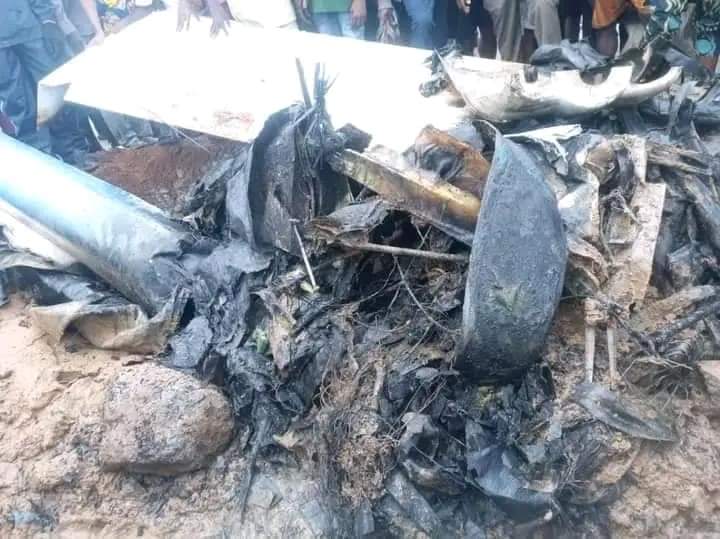
THE Nigerian Safety Investigation Bureau (NSIB) is investigating an aircraft crash in the Oba Akran area of Ikeja, Lagos on Tuesday, August 1.
The accident, which involved a Jabiru J430, a light single airplane with Nationality and Registration Marks 5N-CCQ operated by Air First Hospitality & Tours, occurred about 3:00 pm on August 1. Two occupants on board the aircraft survived.
In a statement on Wednesday, August 2, the NSIB spokesperson, Tunji Oketunbi, urged members of the public to assist the agency with relevant information.
“The NSIB, hereby, solicits information from the general public in form of pictures, video or recording evidences to assist in conducting a comprehensive investigation.”
He noted that the aircraft was on a test flight with two passengers onboard, before it crashed.
“The aircraft caught fire on impact but the spread was contained by the rainfall at the time of impact,” Oketunbi said.
The ICIR had reported that the director, public affairs and consumer protection, Federal Aviation Authority of Nigeria, (FAAN), Abdullahi Yakubu-Funtua, confirmed the incident and disclosed that the two passengers involved were receiving medical attention.
There have been incidents of helicopter crashes in Lagos State and other parts of the country, The ICIR can report.
In August 2020, a helicopter crashed into a building in Opebi, Ikeja, leaving two persons dead. In a recent report, the ICIR chronicled 14 aircraft crashes that took the lives of 35 people during the administration of former President Muhammadu Buhari.
Speaking with The ICIR in a phone conversation, the NSIB spokesperson promised that the outcome of the investigation would be made known to the public. But he did not give a timeline on when it would be concluded.
“It is difficult to say because one accident is different from the other. It depends on how quickly we are able to resolve issues concerning the incident.
“It may not be more than six months. But the global average is about 18 months,” he said.
The NSIB is a multimodal investigation agency charged with the mandate to investigate transportation accidents and serious incidents in Nigeria with the aim of identifying the probable causes and proffer safety recommendations that can prevent reoccurrence.
NOTE: Helicopter in the headline was changed to Aircraft.
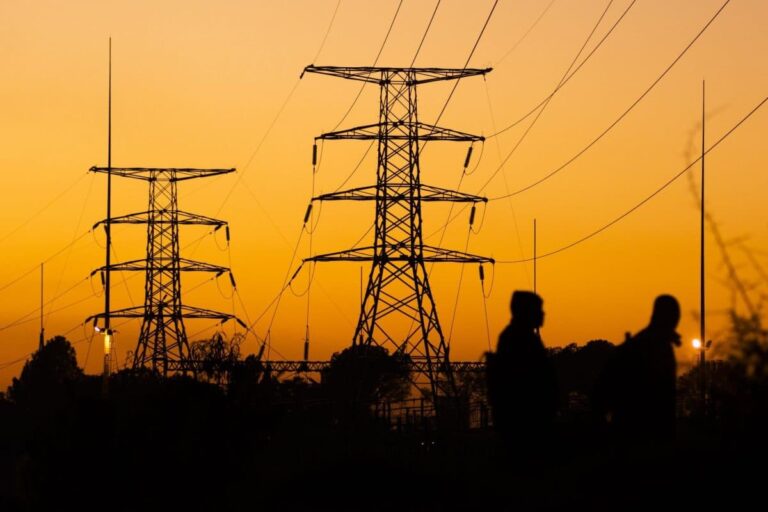
MAJOR cities in Niger Republic are left in darkness after Nigeria cut electricity supply to the neighbouring West African country.
Power cut by Nigeria is part of the sanctions imposed on Niger by the Economic Community of West African States (ECOWAS) following the military coup. The coup, which took place on Wednesday, July 26, ousted democratically elected President Mohamed Bazoum and brought in Omar Tchiani, the head of presidential guards.
Niger’s electricity company Nigelec said the power shortages are a result of Nigeria cutting supplies to its northern neighbour, according to this report.
The country is heavily dependent on Nigeria as its main supplier of electricity. In 2019, Nigelec’s chief executive said Niger relied on Abuja for up to 70 per cent of its electricity supply. Kainji Dam in western Nigeria generates Niger’s electricity.
But Niger hopes to achieve energy independence by building the ‘Kandadji Dam’ on the Niger River, about 180 kilometres (110 miles) upstream of Niamey. The dam should be completed by 2025, with a targeted annual capacity of 629 gigawatt-hours (GWh).
ECOWAS also imposed sanctions on Niger by suspending all commercial and financial transactions between the country and member states. The regional bloc is freezing Niger’s assets in ECOWAS central and commercial banks and imposing a “travel ban and asset freeze for the military officials involved in the coup attempt”.
“The same applies to their family members and the civilians who accept to participate in any institutions or government established by these military officials.”
On Sunday, July 30, ECOWAS issued a seven-day ultimatum to the Niger Republic military to release and reinstate President Mohammed Bazoum as the legitimate Head of State and government. The trade bloc threatened military intervention should the requests be ignored. But the junta that seized power dismissed the threats and warned ECOWAS against military intervention.
ECOWAS defence chiefs meet in Abuja
ECOWAS chiefs of Defense are currently at the Defense headquarters in Abuja for a two-day meeting headed by Nigeria’s Chief of Defense staff, Christopher Musa, to discuss the military coup in Niger.
However, defence chiefs from Mali, Niger, Guinea Bissau, Burkina Faso, and Guinea are absent from the meeting. The countries had thrown their support behind the newly installed junta. They warned that military intervention would be considered a “declaration of war” against their nations.
ECOWAS has also sent a delegation to Niger to negotiate with the military officers who seized power to find a diplomatic solution before they have to decide whether or not to intervene.