Home Blog Page 92

Weak regulations, poor compliance fuel fatal boat accidents on Niger waterways

BOAT accidents have become a recurring tragedy on Niger State’s waterways, claiming hundreds of lives in incidents that many say were largely preventable.

Under the scorching sun in Mokwa town of Niger State, a 55-year-old farmer, Abdulhamid Umar watched helplessly as rescuers pulled lifeless bodies of his two sisters and a teen boy from the river after a capsized boat claimed over 60 lives. Their deaths, like many before, were seen as not accidents of fate but of failures of safety oversight, regulation, and enforcement in Niger’s fragile water transport system.

“This ugly incident is now exactly one year and a month when thousands from Gbajibo Mubi to Gbajibo here were consumed by the boat accident,” Umar, told ICIR, starring at the boats on the river. 

Abdulhamid Umar speaking to ICIR in Gbajibo
Abdulhamid Umar speaking to ICIR in Gbajibo. PC: Mustapha Usman/ICIR

On October 1, 2024, when several Nigerians were flying the country’s flag, Umar’s family had already been consumed by the boat ferrying them from Mubi, Kwara State to Gbajibo in Niger State for Mawlid celebration.

“I lost three family members – a teen boy and two females to the ill-fated accident,” the 55-year old farmer said, adding: “The boat operator was almost close before the water began to swallow occupants.”

Life almost fled out of Umar when the tragic news was broken to him. Until his family members were buried, he continued to question the cause of the incident resulting in their death.

He, however, resigned to fate, saying: “We accept it in good fate as we all found their lifeless bodies when the rescue team searched for us. We buried them closer to water”, he told The ICIR, sobbing.

Findings’ reveal that after two ill-fated accidents in Gbajibo village, claiming over 200 lives, a regulatory body was set up to checkmate over-loading of passengers and goods. 

He said, “There was a NIWA committee formed after the two accidents occurred, comprising a water marshal and a marine to check boats. The union also checks the condition of boats before leaving. The rule is still in force.”

Boats overloading unabated

During a visit in October, several boats docking at Gbajibo’s Friday market were seen overloaded with passengers despite the tragic accidents previously linked to such dangerous excesses. Umar urged authorities to provide them with flying boats and lifejackets to ferry without fear of being drowned.

“If we can get a flying boat, we can get to the accident scene within minutes, and that will be commendable. They provided a few lifejackets, but we need more,” he said.

One late evening, Nuhu Usman, one of the survivors of boat accident that claimed many lives in Gbajibo village under Mokwa, set out to his farm. He joined the crowd toppling into boats to celebrate the Annual Mawlid in Gbajibo.

Usman's gesture during interview/ Mustapha Usma: ICIR 
Usman’ during interview. PC: Mustapha Usma/ ICIR

“We moved from Gbajibo Mubi to Gbajibo for the annual Mawlid. Others were coming for Mawlid but were heading back home after naming ceremony”, Usman said, adding: “We were eight in our family-five men with one little child that we lost to the incident. Two women also lost their lives.”

Usman, who survived the accident, had been left with a permanent scar of how he and other family members survived the incident.

Recounting how the incident happened, Usman said, “The boat had two engines but one was used while moving. The fault started from the engine and the spare engine started but didn’t work. It switched off immediately.”

He further narrated that the driver pushed on with the journey, even as the boat lurched from left to right before it finally began to sink.

According to him, the victims shouted for help while the water began to sink the engine and the boat. Suddenly, the victims began to drop inside the water as the boat sank.

Amidst battling on how to survive the accident, Usman picked a water-flask and handed it to his brother. “Before I jumped out, I made sure the boat almost sank. My brother could not swim so I had to assist him.

 “I told him not to jump into the water as he could not swim then; I handed him the flask.”

Commenting on overloading of passengers, he said each of the boats meant to carry about 20-30 passengers had been conveying more than 100.

Niger leads in boat mishap

Data reviewed by The ICIR shows that Niger State has consistently ranked among states with the highest number of fatal boat accidents in the country over the last decade. Between January 2023 and October 2025, boat mishaps in Niger state have accounted for a significant share due to heavy reliance on river transport.

Infographic showing cases of boat accidents in Niger since 2023

Also, media reports reviewed by The ICIR show Niger state has reported no fewer than 189 deaths across 11 separate boat mishaps within the year in review, making it one of the states with the highest number of reported incidents nationwide within the period reviewed.

It also shows a pattern of recurrent mass-casualty incidents concentrated around Mokwa, Shiroro, Borgu, Lapai and Agaie LGAs. The deadliest incident occurred at Gbajibo River, Mokwa, in October 2024, where about 60 people were confirmed dead, followed by another incident in Gausawa community, Borgu, in September 2025, which claimed 32 lives. 

Several other incidents recorded unspecified fatalities, suggesting the actual death toll may be significantly higher than reported. Community leaders and water transport unions estimate that many people beyond what was reported in the news died in boat-related incidents between 2023 and 2025, many of them during market days, religious festivities, or night journeys. 

Double tragedy for survivor 

Twenty five-year businessman, Muhammadu Nazuli almost died in the tragic boat accident on Oct.1 2024 when the boat was carrying over 200 passengers to Gbajibo in Mokwa town.

Nazuli narrating his traumatic experiences with ICIR
Nazuli narrating his traumatic experience. PC: Mustapha Usman/ICIR

“The ill-fated boat had over 200 passengers going for Mawlid celebration. When we started our voyage, it was smooth until we were about to alight. I heard a sound as I was very close to the boat when it was about to capsize.

Like Usman, Nazuli almost drowned as he suffered double tragedy when his boat crashed again after the survivors were transferred to rescued boats. 

According to Nazuli, when the boat came, the rescue team transferred them to the new boat. “They transferred some victims into the second boat. The boy and I got the second one and a rope was tied on it to draw us. While drawing the boat as a form of help, we hit the boat that came to save us,” Nazuli said.

 “It was after the incident that life jacket was enforced. Now, when leaving from Mubi, the passengers wear life jackets even when returning,” he added.

Despite engine faults, overloading persists  

Through extensive interviews with eyewitnesses, The ICIR found that boat drivers charged with ensuring passengers safety merely reduced their load slightly, prioritising their own struggle for survival over full compliance with safety measures.

Mohammed Alhassan, a boat driver who has been conveying farmers since he started working as boat drivers two years ago, told The ICIR that the enforcement team urged them to renew their registration and slightly reduce the number of passengers.

Alhassan, boat driver in riverbank
Alhassan, a boat driver. PC: Mustapha Usman/ICIR

The 20-year-old driver narrated that enforcement officers regularly told them to fix their engines, checking out everything before conveying large passengers to their farms. “They often enforce stickers for us to buy but the registration costs N10,000 and regular checking of boats”, he said.

Before now, boat drivers, according to Alhassan, took overloaded passengers, including about seven motorcycles in a single boat. But due to recurring accidents, the number of motorcycles has now been reduced to five.

“When there are passengers, we don’t even take bikes; we take little number of passengers since the accident happened”, he said, adding that five motorcycles does not amount to overloading.

Engine of small boat: Mustapha Usman: ICIR

He stated that the most affected victims over recurring boat mishaps, were male, saying that he had not been a boat driver when the first incident happened.

Abubakar Mahmud, a 28-year boat driver said that his small boat conveys over 32 passengers.

Mahmud's gesture: Mustapha Usman: THE ICIR
Abubakar Mahmud speaking with our reporter. PC: Muatapha Usman/ICIR

His boat conveys peasant farmers to nearby villages across Niger and Kwara States, charging N300 for each passenger. 

“My boat conveys over 32 passengers,” he said, adding, “I registered with the response team. The regulatory body does check on us as they are often stationed at the riverbank.”

Iliyasu Abdullahi, a rescue team member was engulfed with fear when he joined others to recover dead bodies from the water. His independence day celebration on October 1, 2024 was cut short when he was told about the accident.

“On that fateful day a boat accident occurred amid celebration of independence in Gbajibo. It was a sobbing day for the village. The boat capsized and we swiftly moved to the scene but we could not do anything.”

“The next day, I was among the rescue team and recovered lifeless bodies. Twenty four boats were used to search for the missing passengers. On the first day, we got 24 bodies and I could not continue due to fear. I didn’t join them the next day.”

According to him, a similar boat incident occurred in September 2023, where victims, particularly women, lost their lives to the mishap as 26 of them out of 29 were females breastfeeding babies. 

“The commissioner of transportation came and promised us life jackets, flying-boats, ambulances and that Marine police would be deployed. Since then, a rule has been set up for them including boat drivers and passengers. We talked to them about the dangers of overloading, but they are ignored. Passengers are part of the causes accidents, and they will tell you that it is their life.


“When NIWA came (after the September incident), they gave guidelines with the Niger State government supporting us with 200 lifejackets. In the October’s incident, 350 lifejackets were provided for us. We shared 150 lifejackets to Mubi village and we took 200”, he narrated.

Enforcement team withdraws

Abdullahi was not well pleased with how the government allegedly neglected the enforcement team in Gbajibo, after working for months enforcing lifejackets by passengers. 

“The ream worked for more than five months, leaving their families in hunger and that was how the local regulatory began not to function again”, he explained. 

Muhammad Nakubi, the secretary of boat drivers union in Mubi village narrated how his union often organised training for boat drivers plying the river for safety reasons.

Nakubi narrating his drivers’ ordeal: Mustapha Usman: THE ICIR
Nakubi, narrating his drivers’ ordeal. Mustapha Usman/ICIR

The middle-aged-man said that whenever it was cloudy, they advised boat drivers to reschedule their trip, citing that the breeze had caused boat mishaps in the past.

“We show them how they navigate the river to avoid accidents and overload the passengers. When it is cloudy, they should find a place of comfort,” he said, stressing that a life-jacket is made compulsory among them.

“We sit with NIWA to further discuss local ways of preventing accidents, training them on how to ply the river.” He noted that accidents come in many ways, especially wooden boats.

“We have a market leader. When the boat driver overloads, he will return the passenger even when they encountered a breeze along the way. When we see them with overload, we force them to reduce the number,” he said. He commended the government’s effort on the life-jackets provided.

Abubakar Ibrahim, a member of regulatory body of National Inland Water Authority, (NIWA), who spoke to The ICIR said that his union is still enforcing overcrowding of boat passengers.

He said that women were affected in the recurring boat accident but men lead as most victims.

Emergency boats: Mustapha Usman/ THE ICIR
Emergency boats.PC: Mustapha Usman/ ICIR

Nearly 900 people died in boat accidents in 2 years

Between January 2023 and October 2025, at least 857 people died in boat accidents across Nigeria, according to The ICIR’s analysis of media-reported incidents. That translates to an average of more than 26 deaths every month, or one fatal boat accident every three weeks, on waterways.

Infographic showing cases of boat mishap since 2023

The toll peaked sharply in 2024, accounting for 458 deaths, more than half of the fatalities recorded within the period. In 2023, boat accidents claimed 253 lives, while 146 deaths were recorded between January and October 2025 alone.

Boat mishap fatalities in Nigeria per year

State-level data further highlight Niger State as one of the country’s most dangerous corridors for inland water transport. While Kwara State recorded the highest fatalities (about 300 deaths) from just three reported incidents, Niger State followed closely with 189 deaths across 10 separate boat mishaps. The frequency of accidents, particularly around Mokwa, Gbajibo, Shiroro, Borgu and Lapai, suggests that authorities were repeatedly alerted to danger zones but failed to act decisively.

Other states with similar accidents are Kogi, which recorded 68 deaths, and Zamfara and Sokoto with 49 fatalities each.

Gunu mishap: Survivors struggle for life

On July 26, 2025, a boat carrying commodities and passengers capsized in Gunu village of Shiroro area of Niger State while the boat was heading to Kwata-Zumba market.

Sanusi Jagaba who survived the accident, struggled to recount how he survived. Luckily, the 38-year-old fishmonger who resides in Munya area, wore his lifejacket when his boat hit a trees log, tilting his boat before sinking into the deep Shiroro river.

Jagaba speaking on how he survived: Mustapha Usman: THE ICIR
Jagaba speaking on how he survived. Mustapha Usman/ICIR

“I truly thank God for how I survived through a lifejacket provided by the authorities before leaving. When we fell inside the water, I was lucky to have the lifejacket on,” he said.

Jagaba now struggles to rebuild his life after losing his capital in the accident. He added that although the boat was not overloaded when the accident occurred, only a few were wearing lifejackets.

Another survivor, Somalia Tanko, in Munya area of Niger State, was pulled out of Shiroro River while heading for his daily market business in Zumba of Shiroro area.

“I was pulled out of the water, but I didn’t know how it happened. We were heading to the market from Kabula to Gwata when our boat collided with a log of tree. I often buy fish then return immediately to resell them. Everything I do for business has perished and life is difficult.

“If there were no life-jackets, more lives would have been lost than  recorded. If it wasn’t a life jacket, I would have drowned.”

The tragedy shattered Tanko’s life, leaving him with no savings and forcing him to start again from zero.

Abubakar Dan Maimuna, 38-year old resident of Zumba village in Shiroro area of Niger State, witnessed how bodies of the dead victims were recovered. 

Dan-Maimuna was plunged into deep mourning the moment the tragic news reached him, shattering the fragile calm he had managed to hold onto. Surrounded by relatives and neighbours who gathered to console him, he struggled to process the loss, his world thrown into a state of unimaginable sorrow.

“We tried our best to reach the scene. It was a tree that caused the accident as the loggers didn’t completely cut it all. Water covered the log of the tree, the driver never thought the tree was there,” he narrated. 

“Now, the regulatory body becomes more serious than before as accidents occur yearly. When the boat drivers ignore warnings, they are severely punished. There was no breeze when the accident happened”, he stated, amidst robbing his palm hands..

Hamza Abdullahi, a 39 – year old resident of Zumba attributed recurring menace of mishap in Shiroro river to negligence. He said, “Before the incident, there was negligence as many people do not have life-jackets and there was excess water.”

He said, “When the incident happened, the commissioner of transportation came immediately the next day to witness all that happened. The accident was because of a tree inside the river and the water swallowed them without knowing the exact spot of the tree.

Moving boat
A boat ferrying some passengers. PC: Mustapha Usman/ICIR

“The tree broke the wooden bridge and it changed their plan. The passengers began to drop inside the water”, he added, commending the rescue workers. “Immediately, we were mobilized to the area. We witnessed the whole process, and 8 dead bodies were recovered.

 “A week before the incident, NIWA officials were here, educating boat drivers and others on the importance of wearing life jackets,” he said. “They also urged the operators to strictly limit the number of passengers each boat should carry.”

Umar Isha, the Sarkin Ruwa (Water Chief) of Zumba, recounted that eight boat accidents had occurred during his ten years as the community’s foremost water overseer. The 50-year-old leader described the grim realities of frequent mishaps on the river, painting a stark picture of the dangers boat users in the area continue to face.

“From 10 years back to now, we have about 8 boat accidents. The casualties within the timeframe should be more than 150 persons as the last incident was caused due to log of tree”, the leader said, noting that his team and government do check on boat drivers.

“The water from the dam was released into the river. Then, its second week, the boat drivers forgot the direction of where the water would be coming from. So they were on top of ravaging water when the boat turned.”

He stressed that neither the breeze nor the cloudy weather triggered the tragedy. Instead, it was a submerged tree trunk that claimed several lives. He appealed urgently for the dangerous tree lodged beneath the water to be cut down before it leads to more deaths.

NIWA decries disregard for safety regulations

The National Inland Waterways Authority (NIWA) in September, raised alarm over widespread noncompliance with safety regulations by local boat operators and passengers.

Olawale Adetola, NIWA’s General Manager for Business Development, said many people ignore life jackets and other safety guidelines, putting lives at serious risk during water transportation.

Adetola noted that the agency has continuously carried out sensitisation campaigns to educate boat operators on safety measures.

According to him, life jackets and other protective equipment have been distributed widely, but adherence remained low, and many operators still flout established safety rules.
Medical negligence in Nigeria: what’s known, and what needs to be done

0

Friday Okonofua, University of Benin

MEDICAL negligence in Nigeria came to the fore when author Chimamanda Ngozi Adichie accused a Lagos hospital of negligence after the death of one of her 21-month-old twin boys. Nkanu Nnamdi died on 6 January 2026 after a brief illness.

Friday Okonofua, emeritus professor of obstetrics and gynaecology and vice-president of the Nigerian Academy of Science, answers some questions about medical negligence in the country and how it can be curbed.

What is medical negligence?

Medical negligence is said to occur when a healthcare professional or a health institution fails to provide the expected standard of care, thereby causing harm to the patient. It can also be defined as improper, unskilled, or negligent treatment of a patient by a physician, dentist, nurse, pharmacist, or any other healthcare professional.

In Nigeria, the standard of care is set by the Medical and Dental Council of Nigeria. The Rules of Professional Conduct for Medical and Dental Practitioners, also known as the Code of Medical Ethics, stipulate several instances that would amount to medical negligence.

It can include wrong diagnosis, incorrect or inappropriate treatment, surgical errors or failure to inform patients of possible risks. The act or mistake has to be proven through review of medical records by an expert professional team. Such teams are set up by the specific hospital management or the Medical and Dental Council of Nigeria if the case is reported to the council. It cannot be insinuated because a patient said so, but must be accurately proven with facts and real-time evidence. And the harm has to be documented with assurance that such harm could not have occurred other than through the medical mistreatment.

How widespread is it in Nigeria?

As elsewhere in the world, it is common in Nigeria. Around one in every 10 patients worldwide is harmed in healthcare. In low- to middle-income countries, as many as 4 in 100 people die from unsafe care. Specific figures are hard to come by in Nigeria.

However, in Nigeria, a large proportion of medical errors are unreported or even unknown to patients. I speak from my experience as a doctor. Only those that result in severe complications and death are known and reported. Therefore, only a few cases come to the public’s attention. Incidentally, some patients sometimes perceive negligence when in fact there has been no negligence. A large proportion of such cases are reported due to the ignorance of our populace on medical matters. Therefore, only a few true cases come to the public’s attention.

What are the common examples of medical negligence in Nigeria?

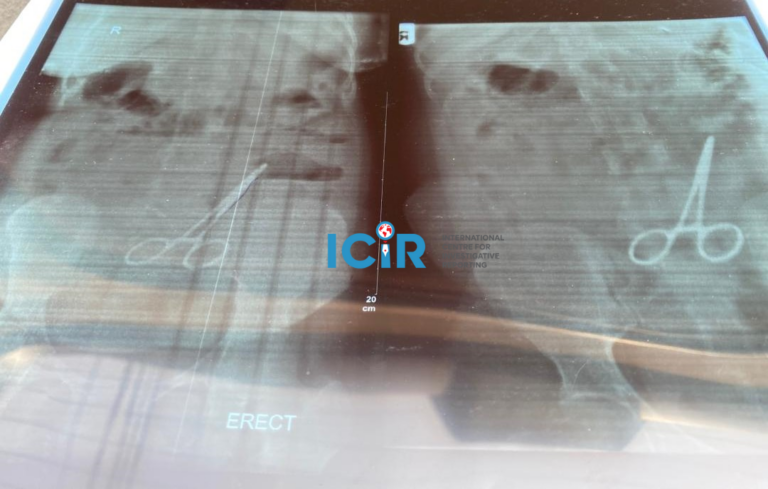
Some examples of medical negligence that have been reported in Nigeria include wrong prescriptions and surgical errors like wrongly tying the ureters (tubes that pass urine from the kidney to the bladder to excrete waste products). Others are inability to control bleeding during surgery and forgetting surgical instruments inside the bodies of patients. Recently, the Kano State Hospitals Management Board confirmed that surgical scissors were mistakenly left inside a patient’s body during surgery. It admitted negligence in this case.

Other types of negligence are substandard monitoring of patients and not promptly attending to patients during emergencies. Wrong diagnosis is another one. For example, a patient with cancer being diagnosed as not having cancer.

However, for medical negligence to be recognised by the law and professional codes, it needs to be proven that a doctor breached a duty of care, that the breach resulted in an injury, and that the patient suffered damage.

It is worthy of note that some patients sometimes encourage negligence, for example by refusing appropriate treatment. An example is when a patient with severe anaemia refuses blood transfusion for religious reasons. If such a patient dies without being transfused, the Medical and Dental Council of Nigeria would consider such a medical practitioner as being negligent. The council regulates the practice of medicine, dentistry and alternative medicine in Nigeria.

What are the factors responsible for medical negligence in Nigeria?

Some factors that lead to medical negligence in Nigeria include:

  • human resources – shortage of healthcare providers, leading to exhaustion and increased risk of errors
  • inadequate infrastructure – poorly equipped health facilities, inadequate medical facilities and lack of essential medicines
  • leadership and weak health governance of many of the health facilities
  • poor service delivery, due mainly to limited opportunities for continuous physician training in line with global standards.

What are the options for redress by patients or their family members?

Some may decide not to take action, recognising that in all aspects of life, mistakes do occur. In my experience in Nigeria, some families opt not to take further action and “leave everything to God”. They rationalise that no death occurs without God’s decision that such a death should take place.

However, in our increasingly westernised world, we have seen families deciding to take such matters to court or seeking redress from the Medical and Dental Council of Nigeria. Some may decide with the doctors to settle the matter out of court. In my experience, only a few succeed in court because an enormous amount of evidence is required to prove cases of negligence. The council is quite active on such matters and often provides a prompt response based on technical investigations.

What should be done to prevent negligence?

The capacity of the regulatory agencies (like the Medical and Dental Council) to enforce standards can be strengthened. This can be through regular exposure to global standards. And healthcare infrastructure can be improved by providing better facilities.

Other approaches include promoting a culture of safety among practitioners, encouraging continued learning, skills building and certification of health practitioners, and promoting patients’ education. There are abundant sources of information that patients can seek before accepting medical treatments recommended by their practitioners.The Conversation

Friday Okonofua, Professor of Obstetrics and Gynaecology, University of Benin

This article is republished from The Conversation under a Creative Commons license. Read the original article.

Despite fat budgets, empty shelves mar healthcare services in Kano PHCs

1

By Muhammad SANI

AMID record funding for Nigeria’s Basic Health Care Provision Fund (BHCPF), many primary healthcare centres in Kano remain neglected and under-resourced, leaving families to pay for treatment from their pockets. 
                      
The wooden shelves inside Tshohuwar Rogo Primary Healthcare Centre (PHC) in Rogo Local Government Area (LGA), tell a silent story. A few dusty boxes of Augmentin and paracetamol lay beside syringes and empty cartons. They are the remnants of a pharmacy that once served its purpose.

Seven years after Nigeria launched the Basic Health Care Provision Fund (BHCPF) to guarantee essential medicines and affordable healthcare, residents in rural Kano communities still face reality of insufficient drugs, poor infrastructure and out of pocket expenses for patients that keep soaring high.

Khadija Auwal, a mother of three, has grown used to walking home from her PHC in Tshohuwar Rogo with prescriptions instead of medicine.
“The hospital is working, but we hardly get essential drugs,” she says, clutching a small nylon bag of medicines bought from a nearby chemist under a neem tree.
Neglected rural health clinic compound with unpaved grounds and basic infrastructure exposes gap between urban and rural healthcare access
Neglected rural health clinic compound with unpaved grounds and basic infrastructure exposes gap between urban and rural healthcare acces

“It pains us whenever we have to buy drugs outside. They are expensive here, but what other options do we have?” she says, adding that she resorts to local herbs. “Sometimes I just buy what I can and use herbs to manage the rest,” she said.

Across many villages visited in Rogo and Gari LGAs, Khadija’s story is a familiar one. The BHCPF promised free and accessible healthcare to vulnerable Nigerians, but it has given way to a deepening crisis of drug scarcity. Families are forced to pay out of pocket for drugs that public funds were meant to provide or subsidise.

Maryam Musa, a pregnant mother, also in Tshohuwar Rogo community, Rogo LGA, who sold her goats to buy malaria drugs said: “I came to the PHC at dawn as I was feeling feverish and was suspecting malaria. But there were no malaria drugs in the facility, the doctor only prescribed some drugs for me to buy.”

‘We sold our goat to buy drugs’

Maryam’s husband rushed to the nearest chemist, about seven kilometres away, where he spent ₦4,800 on drugs the PHC should have had in stock.
“We had no cash that morning, so we sold one of our goats to pay for the drugs,” she says, adding: “Women die here because of small things like medicines and equipment. These things can be avoided if our PHC worked like it should.”

The National Primary Health Care Development Agency (NPHCDA) outlines minimum standards that every Primary Health Care Centre (PHC) is expected to meet. These cover the basic requirements for staffing, infrastructure, essential services and utilities.

According to the NPHCDA, standard PHCs should have consulting rooms, a reception and waiting area, a delivery room, a lying-in ward, an injection and dressing area. It also includes a pharmacy or dispensary, records section, stores and gender-segregated toilets.

Maryam

Facilities are also expected to have a functional water source, electricity supply with alternative backup, waste-disposal systems, perimeter fencing and staff accommodation to support round-the-clock service delivery.

Despite these national benchmarks, many PHCs in Kano still fall short of the minimum standards required for effective primary healthcare.
Lurwan Hassan, of Tshohuwar Rogo PHC, Ward Development Committee, expressed concerns over the Basic Healthcare Provision Fund (BHCPF).

He said that while funds are sent monthly for capitation, essential drugs and other hospital services remain insufficient. “Whenever we inquire, the health workers tell us that the money is not enough,” Hassan explained.

He added that the PHC faces numerous challenges, including shortages of drugs, inadequate infrastructure, and the need for extensive renovations. “If these issues are addressed, women in our community wouldn’t have to travel all the way to the general hospital. They could access necessary drugs and services right here at the PHC,” Hassan emphasised.

Funds released, shelves still empty

The Officer-in-Charge (OIC) of Rogo PHC, Rogo LGA, Ibrahim Yakubu, admits that while the facility receives funding through the BHCPF, it is far from enough to sustain operations.

“From July to September, there was no release of funds until October. Two years ago, we used to receive around ₦1 million, but now it has dropped to between ₦600,000 and ₦700,000. I asked why, but till today, there’s no feedback.”

Yakubu explains that what comes in is barely sufficient to keep the health centre running. “Most of the money goes into maintaining the building or buying small supplies. There’s little left for drugs,” he says, glancing toward the nearly empty dispensary.

Outside the facility, the Village Head, Mustapha Lawal, shakes his head as he walks around the PHC’s premises. “Our PHC is in great trouble. There is no equipment, no drugs, and the management is poor. We spend at least ₦2,000 every time someone falls sick, just to buy medicines from chemists. Many people have died because we lack emergency drugs,” he laments.

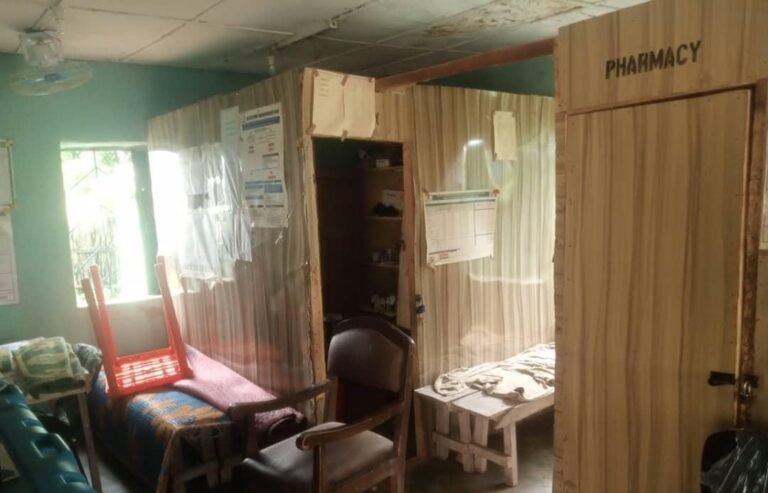
Makeshift pharmacy area with torn curtains and inadequate storage exposes poor healthcare standards and lack of proper medical facilities

At Liman PHC, a cramped room serves as the pharmacy. The shelves are nearly empty, cluttered with paperwork and half-used bottles instead of medicines.

The Officer-in-Charge, Anas Shazali Garba, insists that funds do come in regularly. He said the facility is paid ₦453,720 every month for drugs and ₦300,750 quarterly for renovations. But the visible stock hardly reflects those figures. When asked why, he replies quietly, “We will buy the drugs soon.”

For residents like Yusuf Ibrahim, a 45-year-old maize farmer in Liman ward, those promises mean little. According to him, illness is no longer just a health concern; it has become an economic crisis and stocking up the appropriate medicines should be treated with urgency.

“Every time I fall sick, I go to the PHC first but there are no drugs, only prescriptions,” he says, stressing that each episode forces him to spend between ₦1,500 and ₦3,000 at private chemists.

“Last year, I missed two weeks of farming because I couldn’t afford full treatment. Due to this, I lost most of my crops and ran at a loss,” he says, adding that he now keeps a small box of leftover malaria drugs at home, rationing them for emergencies.

Where did ₦425,790 go?

At Yandadi PHC in Kunchi, LGA, the situation is no different. Records show that the facility received ₦425,790 on October 6, 2025, for drug procurement. Yet, a visit to the centre reveals only a few cartons of syringes, paracetamol, and antibiotics stacked inside torn boxes.

The value of the visible drugs does not appear to justify the amount reportedly spent, raising concerns about inflated procurement costs or possible diversion of funds. A health worker who sought identity protection expressed concern over the lack of accountability in the disbursement process.

“There is no proper tracking. Once the funds hit the accounts, there’s no effective monitoring of what is bought or delivered. Some people use the money for personal things, and nobody checks,” the source said.

Financial transfer evidence shows minimal funding (NGN 425,790) revealing inadequate government investment in rural healthcare services and infrastructure

In Yandadi town, Kunchi LGA, Hauwa Bello, a widow with four children, recalled an emergency when she struggled to keep her youngest daughter alive.
“It was about two years ago that my girl, Safiya, was suffering from vomiting and diarrhoea. When we went to the PHC, she was given Limotil and O.R.S. Some injections were written for us to buy from the chemist.

“I went to the chemist, and everything was almost N7,500, which I don’t have. I believe these basic medications ought to be available in the hospital for free or even subsidised. So, I bought a few that I could afford from the chemist and returned home without getting the injections.”
Hauwa who said she earns less than ₦3,000 daily selling bean cakes, adds: “Sometimes I give Safiya only half the dose or skip days. The nurses are kind, but they say they don’t have the drugs. What can they do? The government says healthcare is free, but we are the ones paying the price.”

Abubakar Haruna, the Ward Development Committee (WDC) chairman of Yandadi PHC expressed deep concern over the persistent shortage of essential drugs at the facility.

Speaking during an interview, he explained that community members arrive at the clinic hoping to receive care, only to be told to buy basic medicines elsewhere.

Severely under-equipped examination room with aging hospital beds and minimal medical equipment highlights critical healthcare service gaps

According to him, this situation discourages people from visiting the health centre and weakens trust in the healthcare system, noting that the problem has continued despite regular allocation of funds meant to support primary health services.

“Every month, we hear that money has been sent, but when you come to the PHC, you don’t see the impact,” he said, adding that patients still struggle to access routine medication, while critical supplies remain unavailable.

The WDC chairman also raised questions about how the funds are being managed, pointing out that there is little transparency around spending and that the community is rarely given reports or explanations. “We ask where the money goes, and the answer is always that it is not enough but nobody shows us accounts or records.”

He emphasised that accountability is important not only for the government, but also for health workers and committees responsible for managing the facility.
 
At Shuwaki, Rogo LGA, 31-year-old Abubakar Rabiu sits beneath a mango tree, recovering from typhoid fever. He is a security guard earning ₦25,000 a month. He says the illness wiped out nearly half his salary.

“The doctor gave me a prescription, but the drugs weren’t available. I went to a private pharmacy and spent ₦12,600 on treatment. I had to borrow money from a colleague and delayed paying my child’s school fees for me to be able to treat myself. In reality, our healthcare is just talk.”

Kano healthcare expenditure vs service reality

Between 2020 and 2025, Kano State consistently allocated significant portions of its annual budget to the health sector, but implementation has lagged, undermining real improvements in care.

For example, in 2024, the Ministry of Health’s original budget was about ₦8.3bn, but by the third quarter of the year roughly 32.5 per cent of that amount had been spent.  

In the 2025 budget, the state primary healthcare board was allocated ₦10.75billion. Yet only ₦72.99 million, representing 0.7 per cent had been spent by the first quarter.

Deteriorating Kauyen Liman Health Clinic exterior shows years of neglect with damaged roof and poor maintenance of critical community healthcare facility

Independent fiscal analysis by BudgIT shows that between 2021 and early 2024, Kano State executed less than 20 per cent of its approved health budget on average.

The mismatch between what is budgeted and what is actually spent has serious consequences. Many PHCs remain under-equipped and understaffed, forcing patients in vulnerable communities especially in rural areas to go without care.

A promise broken

Created under Section 11 of the National Health Act, the Basic Health Care Provision Fund is meant to push money down to the primary health-care level, paying for essential drugs, basic upgrades and frontline services.

The releases are not automatic, but where facilities are accredited, the fund is designed to ease the cost of care and cut the crippling out-of-pocket spending that pushes many, especially in rural areas, away from the health system.

In 2024 alone, the federal government disbursed around ₦45.4billion under the BHCPF.  Kano State was among the largest individual beneficiaries, receiving approximately ₦2.67bn of the total.

Five years into implementation, the results tell a different story.
study of selected PHCs in Kano found deep structural problems. Nearly two-thirds of facilities surveyed reported delays in receiving funds, close to nine in ten operate with poor infrastructure, and more than half struggle with weak financial oversight and accountability.

Healthcare worker manages insufficient pharmaceutical inventory in cramped conditions revealing critical medicine shortages affecting patient care

Despite the steady inflow of BHCPF allocations, many PHCs across Kano still lack essential medicines, basic equipment, and adequate staffing. In places like Rogo, the absence of drugs has turned what should be a life-saving facility into a referral point for private chemists.

Experts argue that these gaps point to persistent problems of transparency and accountability in how funds are managed. Although the BHCPF now incorporates a digital tracking platform to improve monitoring, its impact will depend entirely on how strictly it is enforced at the facility level.

“The problem is not funding; it is what happens after the money is released. Without community monitoring and public disclosure of spending, corruption will always find a way,” says Kabiru Sabo, a health policy researcher at the Bayero University Kano.

Gali Sule, a pharmacist and Director-General of Kano State Drugs & Medical Consumables Supply Agency (KDMCSA), offered a contrasting view. He noted that drug availability in public health facilities has improved significantly in recent years. He attributed earlier shortages to diversion by staff.

Sparse hospital ward with outdated beds and broken equipment exposes dangerous lack of proper inpatient care facilities and medical resources

“Some workers get drugs cheaply but direct them outside for personal gain. We have strong monitoring now, and anyone caught will face the law,” he says. He highlighted ongoing reforms, including the establishment of a pharma-grade warehouse, direct procurement from registered suppliers, and the expansion of the Drug Revolving Fund (DRF), designed to strengthen accountability, ensure cost recovery, and guarantee drug quality across the state.

Ibrahim Rayyahi, public health advocate, noted structural challenges. He says, “PHCs are under local governments that lack financial autonomy. Weak governance and limited community oversight make stock management difficult.”

He recommended financial empowerment of PHCs, expanded DRF coverage, stronger community monitoring, and staff training to curb leakages.

Also, Omoniyi Adewoye, Program Manager, of Resource Centre for Human Rights and Civic Education (CHRICED) highlights that the possible reason for this unfortunate development is diversion of funds or even drug supplies by government officials or health workers at the facility level.

The DG, Drugs Supply Agency alluded to this, saying, “We have consistently advocated for strict monitoring of funds allocated for the healthcare sector in the state. While the state government deserves some commendation for scaling up financial allocation to the healthcare sector in recent times, it is disturbing that there is still acute shortage of drugs in our PHCs.

Inadequate medical supplies stored in deteriorating cardboard boxes expose poor inventory management and substandard storage conditions at underfunded health facility

“The government and Civil Society Organisations need to do more in tracking these funds to ensure that the funds released are used for the specific purposes they were allocated for. The Kano State Ministry of Health and all its relevant agencies need to urgently activate functional tracking and monitoring mechanisms to track funds released and ensure that any official or health worker found culpable is prosecuted.”

Kano PHC responds

Nura Sharif, a Program Officer at the Kano State Primary Healthcare Management Board (KSPHMB), explained that the funds were allocated on a facility-by-facility basis, with each of the 484 eligible PHCs receiving ₦300,750 per quarter, t0talling ₦601,500 for the first and second quarters of 2025.

He added that facilities also received capitation payments of ₦570 per enrolee from the Kano State Contributory Health Management Authority (KSCHMA), which is responsible for covering patients registered under the state insurance scheme.

Despite these allocations, Sharif said late disbursements continue to undermine operations. According to him, the National Primary Healthcare Development Agency did not release funds for first and second quarters for 2025 until August 18. This delay, he says, disrupted service delivery across PHC facilities in the state.

FOIA request Ignored by health ministry

A Freedom of Information Act (FOIA) request was sent on November 4, 2025 to the Kano State Ministry of Health, seeking clarification on how funds from the Basic Health Care Provision Fund (BHCPF) have been managed and disbursed to select PHCs in Rogo and Ghari LGAs.

The request specifically asked for records of allocations and expenditures for Tshohuwar Rogo, Liman and Yandadi PHCs, including details showing how much was released for drug procurement, facility maintenance and staff welfare.

It also requested invoices for drugs purchased, names of suppliers, as well as monitoring, audit and disciplinary reports relating to the facilities.

The FOIA application was submitted in line with Sections 1, 2 and 4 of the Freedom of Information Act, which guarantees citizens access to public records and requires government institutions to respond within seven days.

However, despite the legal requirement and follow-up efforts, the ministry failed to provide any response to the request and it did not transfer the application to any other relevant agency as required under Section 5(1) of the Act.

The lack of response raises further questions about transparency in the management of BHCPF resources, particularly in communities where residents continue to report persistent drug shortages and underfunded health facilities.

This report was made possible with support from the International Centre for Investigative Reporting (ICIR) under the Strengthening Public Accountability for Results and Knowledge (SPARK 2.2) project.

Press freedom on trial: After 22 months delay, FG appeals against journalists’ attack probe

0

THE Federal Government has asked the Court of Appeal in Abuja for permission to appeal a February 2024 judgment that ordered it to investigate, prosecute, and punish perpetrators of attacks against journalists and other media practitioners.

In a motion on notice filed on December 23, 2025, the Attorney-General of the Federation (AGF), through counsel A.B. Mohammed of the Federal Ministry of Justice, requested an extension of time to appeal the judgment delivered by Justice Inyang Ekwo of the Federal High Court, Abuja.

The application comes nearly two years after the ruling and after the statutory three-month period for filing an appeal had elapsed.

Under Section 24(2)(a) of the Court of Appeal Act, 2004, appeals against final decisions in civil matters must be filed within three months. The Federal Government did not lodge any appeal within that period following the February 16, 2024 judgment.

Justice Ekwo’s ruling arose from a suit filed on October 26, 2021, by Media Rights Agenda (MRA), represented by human rights lawyer Mojirayo Ogunlana-Nkanga.

In the suit, MRA accused the Federal Government of failing to protect journalists, investigate killings of media practitioners, and bring perpetrators to justice, thereby violating journalists’ rights to life and freedom of expression.

The organisation cited several murdered journalists, including Dele Giwa, former Editor-in-Chief of Newswatch magazine, killed by a parcel bomb in 1986; Bolade Fasasi, a former NUJ treasurer, shot dead in Ibadan in 1998; Edward Olalekan Ayo-Ojo, found dead in Lagos in 1999; Omololu Falobi of The Punch, killed in 2006; Godwin Agbroko and Abayomi Ogundeji of ThisDay newspaper, murdered in 2006 and 2008 respectively; and Edo Sule-Ugbagwu of The Nation, killed in 2010.

In his judgment, Justice Ekwo held that journalism is a constitutionally protected profession anchored on Section 39 of the 1999 Constitution and ruled that MRA had established its case with credible evidence.

He granted all eight declaratory reliefs sought by the organisation and ordered the Federal Government to take concrete steps to prevent attacks on journalists, investigate and prosecute offenders, ensure remedies for victims, and build the capacity of security and law enforcement agencies to protect media practitioners.

In seeking leave to appeal, the Federal Government said it was “desirous to appeal” the judgment but did not provide reasons for the 22-month delay, apart from stating that it required more time.

An affidavit in support of the application, sworn to by Kelechi Ohaeri, a litigation officer in the Ministry of Justice, stated that the request was made in the interest of justice and to exercise the government’s constitutional right of appeal.

The affidavit added that a proposed notice of appeal had already been prepared and that the grounds of appeal were “recondite.”

In his written address, Mohammed argued that the government had identified errors in the judgment after reviewing it and was entitled to appeal under Section 243 of the Constitution.

No date has been fixed for the hearing of the application.

Over the past decades, journalists in Nigeria have been killed in several violent incidents linked to their professional duties or unsafe conditions during reporting.

According to a report covering 2019–2025, at least 21 journalists were killed in Nigeria over that period, alongside 94 attacks including kidnapping, assault, mob violence and other threats to physical safety.

In 2020, Pelumi Onifade, a young reporter with Gboah TV, was killed during the #EndSARS protests in Lagos while covering events. His body was later found after being in police custody, and the circumstances of his death have not been fully clarified.

In 2019, Precious Owolabi, a Channels Television reporter, was shot and killed by a stray bullet while covering a protest in Abuja, one among several protest‑related fatalities.

Earlier in the decade, Enenche Akogwu, a Channels TV cameraman, was shot and killed while reporting on a Boko Haram‑linked bombing in Kano in January 2012.

Why I’ve also dumped NNPP in Kano- Female ALGON boss

0

THE Chairman of Tudun Wada Local Government Council and Chairperson of the Association of Local Governments of Nigeria (ALGON) in Kano State, Sa’adatu Salisu Soja, has resigned from the New Nigerian People’s Party (NNPP).

Her resignation was communicated in a letter dated Friday, January 23, 2026, and addressed to the NNPP leadership in Tudun Wada Local Government.

In the letter, Soja explained that her decision was influenced by her intention to align with the political direction of Kano State Governor, Abba Kabir Yusuf.

“My decision to resign from the New Nigerian People’s Party was motivated by the need to align with the political direction of Abba Kabir Yusuf.”

Soja, who is the only elected female local government chairman in the state, stated that the decision was taken after careful consideration and in line with her loyalty to the governor.

“My decision to resign was necessitated in order to follow the footsteps of my leader,  Abba Kabir Yusuf, Governor of Kano State.”

She noted that the move was aimed at supporting the development agenda of Kano State and its people through impactful projects and initiatives.

“In view of the above, I hereby resign my membership of the party.”

Soja also expressed appreciation to the party leadership and members for the support she received during her time in the NNPP.

“I wish to thank the party leadership and members for the support they have given me during my stay as a member of this great party.”

Her resignation comes amid a wave of defections from the NNPP following the exit of Kano State Governor, Abba Kabir Yusuf, who announced his resignation from the party on Friday, citing an escalating internal crisis and the need to protect the broader interests of the people of the state.

Yusuf was reported to have resigned alongside 21 members of the Kano State House of Assembly, eight members of the House of Representatives, and all 44 local government council chairmen in the state.

The development is expected to further weaken the NNPP’s political influence in Kano as more party members continue to realign with the governor’s political direction.

Meanwhile, the Kano State Commissioner for Environment and Climate Change, Dahiru Muhammad Hashim, has also formally resigned his membership of the NNPP, effective Friday, January 23, 2026.


Kano Governor Abba Yusuf dumps NNPP

0

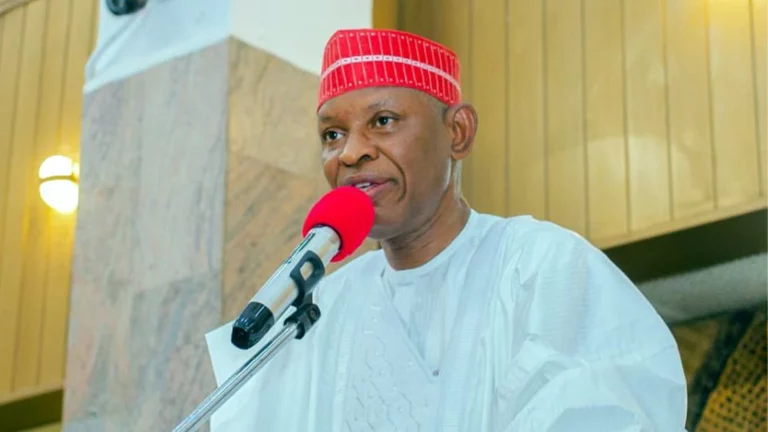
KANO State Governor, Abba Kabir Yusuf, has resigned his membership of the New Nigeria People’s Party (NNPP), citing deepening internal crises, leadership disputes, and protracted legal battles within the party.

The governor’s decision was made public on Friday, January 23, through a statement by his spokesperson, Sunusi Bature Dawakin Tofa.

The statement noted that Yusuf formally communicated his resignation in a letter addressed to the NNPP Chairman of Diso-Chiranchi Ward in Gwale Local Government Area, with effect from January 25, 2026.

“i write with a deep sense of gratitude to formally notify the leadership of the New Nigeria People’s Party (NNPP) of my decision to resign my membership of the party,” Yusuf wrote.

Yusuf thanked the party for providing him with a political platform and for the support he received from its leadership and members across Kano State since joining the NNPP in 2022.

“I remain sincerely appreciative of the opportunity given to me by the party, its leadership, and members across Kano State to be part of its political journey since 2022, as well as the support, goodwill, and cooperation extended to me during my time in the party,” he said.

He further attributed his decision to unresolved leadership disagreements and ongoing legal disputes that have continued to destabilise the party at both state and national levels.

“In recent times, the party has been confronted with persistent internal challenges arising from leadership disagreements and ongoing legal processes, many of which are presently before the courts for judicial determination,” Yusuf noted.

According to him, the disputes has resulted in widespread disenfranchisement among party members, deepening divisions and weakening internal cohesion.

Yusuf said his resignation followed careful reflection, saying that “without prejudice to the party’s capacity to resolve its internal challenges, I have come to the conclusion that my resignation is in the best interest of the people of Kano State,” he added.

Following Yusuf’s exit, at least 21 members of the Kano State House of Assembly, eight federal lawmakers, and 44 local government chairmen were reported to have also left the NNPP, signalling a major collapse of the party’s structure in the state.

The development positions the APC to gain its 29th serving governor, further consolidating its dominance ahead of future electoral contests.

The ICIR reported a pattern of defections from the People’s Democratic Party (PDP) to the ruling APC, particularly among governors and lawmakers seeking to align with the APC ahead of the 2027 polls.

National grid collapse continues in 2026, as Nigerian cities thrown in darkness

MANY major cities in Nigeria are currently experiencing blackouts due to a complete failure of the national electricity grid.     

The grid collapsed on Friday, January 23, marking the first such incident was recorded in 2026.

The Independent System Operator (NISO) said the power generation fell to zero megawatts, while electricity supply to all 11 distribution companies dropped completely by about 1 p.m.

The affected distribution firms include Benin, Eko, Enugu, Ikeja, Jos, Kaduna, Kano, Port Harcourt, Ibadan, Abuja and Yola, all of which recorded zero load allocation at the time of the collapse.

The latest incident comes months after multiple grid failures recorded in 2025, the most recent of which occurred on December 29, underscoring persistent challenges in the country’s power sector despite efforts to stabilise the system.

These breakdowns have persisted despite ongoing efforts to strengthen and expand the country’s power infrastructure.

Earlier, the Niger Delta Power Holding Company (NDPHC) announced the restoration of an additional 450 megawatts to the national grid following the completion of maintenance work at the Geregu National Integrated Power Project plant.

In another move aimed at improving system stability, NISO disclosed that on November 9, 2025, it collaborated with the West African Power Pool Information and Coordination Centre to carry out a synchronisation test linking Nigeria’s grid with the broader West African electricity network.

An earlier report by The ICIR shows that there is no end in sight to Nigeria’s grid collapse, as a report from the Nigerian Electricity Regulatory Commission (NERC) showed unresolved grid weaknesses.

The regulator, in the report, explained that the grid frequency performance also remained unstable, oscillating between 49.46Hz and 50.69Hz—well outside the prescribed 49.75–50.25Hz range.

Tasks awaiting Oke, Are, Dalhatu as Tinubu posts ambassadors

0

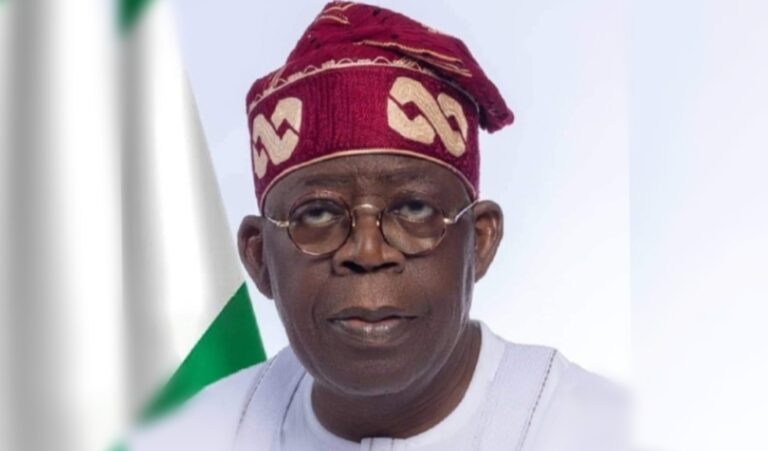
On Thursday, January 22, 2026, President Bola Ahmed Tinubu approved the posting of four ambassador-designates to key nations, including the United States, France, the United Kingdom, and Turkey in a move that signals an effort to enhance Nigeria’s global diplomatic footprint after more than two years of running an administration without consular heads.

However, the president soon made a volte-face by pausing his decision to post an ambassador to Turkey.

After assuming office in September 2023, the Tinubu administration recalled all Nigerian ambassadors, a move that attracted criticism following prolonged gaps in diplomatic representation that weakened Nigeria’s international influence, complicated consular services, and hampered bilateral cooperation. Opposition political parties warned that an absence of ambassadors could damage Nigeria’s global image and relations.

The ICIR reported in December 2025 that the Senate confirmed the ambassadorial nominees after the nominations had generated debates, given the credibility and past public records of some of them. 

Currently, former presidential aide, Reno Omokri, former Minister of Aviation, Femi Fani-Kayode and immediate past Chairman of the Independent National Electoral Commission (INEC) Mahmood Yakubu, are among 65 other nominees awaiting their postings.  

Ambassador-designates and their new posts

Tinubu directed the Ministry of Foreign Affairs to formally notify host governments under diplomatic protocols. The three ambassadors are:

  • Ayodele Oke, who was posted to France. Oke brings experience from previous diplomatic work and national intelligence networks. He is an alumnus of Emory University in Atlanta, United States, where he undertook advanced academic training. He previously served as Director-General of Nigeria’s National Intelligence Agency (NIA), Nigeria’s external intelligence arm, after rising through its ranks, as Regions Director at NIA headquarters. Before leading the NIA, he was Nigeria’s ambassador to the Secretariat of the Commonwealth of Nations in London. His tenure as NIA boss ended controversially in 2017 when he was suspended amid an investigation, but the case was later discontinued and struck out by a Nigerian court in 2023.
  • Lateef Kayode Are:  A former security service head and national security adviser, he was posted to the United States of America. Are graduated with First Class Honours in Psychology from the University of Ibadan in 1980 and later earned a master’s degree in International Law and Diplomacy from the University of Lagos. He served as Director-General of the State Security Service (SSS), Nigeria’s domestic intelligence agency from 1999 to 2007, playing a key role in national security operations. Are also held the position of National Security Adviser (NSA) in 2010, coordinating Nigeria’s security policy at the highest level. Earlier in his career, he was an officer with the Directorate of Military Intelligence.
  • Amin Mohammed Dalhatu: Who previously served as Nigeria’s Ambassador to South Korea was posted to the United Kingdom as High Commissioner. His tenure in South Korea involved promoting political, economic and cultural ties between Abuja and Seoul. His diplomatic career included leading embassy operations, overseeing consular services, and advancing Nigerian foreign policy objectives in Asia before his recent nomination.

The new envoys face a series of political, economic, and bilateral tasks which include rebuilding Nigeria’s bilateral engagement with the US, as it remains one of Nigeria’s most important diplomatic partners, with ties spanning trade, security cooperation and educational exchange. As ambassador-designate, Are’s immediate task will include stabilising relations after heightened tensions reported in recent diplomatic interactions and discussions around security cooperation.

Oke and Dalhatu are expected to strengthen ties with France and the UK because they are key partners for Nigeria in areas including investment, security, and regional diplomacy, especially in the Sahel and West Africa. They will help negotiate economic agreements and provide regular channels for political dialogue with host governments and investors.

Consular and diaspora engagement: Nigeria’s large diaspora communities in the US, UK and France are key stakeholders in economic and social remittances. Strengthening consular services, streamlining processes for Nigerians abroad, and protecting citizen rights will be important functions for the new envoys.

Multilateral and security cooperation: Given global security concerns, the envoys must navigate complex geopolitics to ensure Nigeria continues to seek stronger cooperation on counterterrorism, climate change, and cross-border crime. These areas are central to Nigeria’s foreign policy and will define the diplomatic engagements of Oke, Are, and Dalhatu.

The posting of ambassadors by Tinubu marks a turning point in Nigeria’s external relations. However, the success of these appointments will hinge on how effectively the ambassadors can strengthen bilateral ties, advance economic diplomacy, and address both domestic expectations and international challenges.

Club of Rome offers communication fellowship

THE Club of Rome is accepting applications for its Communications Fellowship 2026.  The fellowship is a seven-month mentoring programme aimed at increasing the diversity of voices covering sustainability issues and supporting early-career communications professionals from most of the world: Africa, Latin America and the Caribbean, the Middle East and Asia-Pacific.

The fellowship will be a remote placement with the successful fellow working from their home environment and with one trip to meet members of the Club of Rome team. The fellowship offers a modest stipend towards living costs and includes work-related travel costs.

The communications fellow will gain experience in communicating complex systems thinking for non-specialist audiences through a variety of platforms, including the website, multimedia and social media.

Successful candidate will work directly with the communications team, assisting with a variety of tasks including web publishing, preparing media outreach materials, event coverage, multimedia, social media and other communication activities.

Organiser says, “There are two positions available, and we welcome applications from candidates with a diverse range of experience. We are particularly looking for individuals who enjoy working across all communication channels, and those who are skilled in producing multimedia content.

“There is a modest stipend dependent on location for the seven-month fellowship, working Monday to Friday, 36 hours per week and includes 10 days paid leave. The fellowship will run from July 1, 2026, to January 31, 2027”.

The application deadline is February 20, 202,6 23:59 CET.  Due to the high number of applications received, incomplete applications, applications not in English and applications received after the deadline will not be considered. Interested applicants can apply here.

In Oyo, women farmers are facing land insecurity, gender bias

By Ibukun EMIOLA

ACROSS Oyo State, smallholder women farmers long recognised as the backbone of rural food production are waging a quiet but debilitating battle to access and retain farmland.

Findings by the News Agency of Nigeria (NAN) indicate that yearly, land leasing, prohibitive land prices, cultural barriers, and rising insecurity are undermining women-led agriculture, threatening food production in a state considered one of Nigeria’s major food baskets.

Every planting season, Oluremi Oyetunji, a smallholder farmer in Apaadi, Oluyole Local Government Area, prays for two things: the rains and leniency from her landlord.

Her fear is simple, losing the land before harvest.

“I leased the land I am using for about ₦20,000 to ₦30,000. When I tried to buy land, it was about ₦90,000 back then in 2006. Now, it is around ₦1.2 million near Ayegun, and I can not afford that,” she said.

Like other women farmers interviewed across rural Oyo communities, Oyetunji’s dependence on short-term land leases leaves her unable to plan for the future or expand production.

For Motunrayo Olusola, a young mother of five, who began farming five years ago, the uncertainty has cost her dearly.

“I lost a huge amount of money because the sons of the landowner where I leased  asked me to leave the land untimely. I had wanted to sell the maize after it dried to increase the income, but I sold the maize plantation cheaply due to the threat.

“ If you want to lease land for two to three years, most landowners will not agree; they only want yearly leasing,” she said.

This restrictive practice, common across Oyo State, limits farming productivity and reinforces poverty among smallholder women who already shoulder the bulk of subsistence food cultivation.

Data from the World Bank shows that only eight per cent of Nigerian women own land in their own names—one of the lowest ownership rates in Sub-Saharan Africa.

Most women access farmland through husbands, family networks or short-term lease agreements. These fragile arrangements offer neither legal protection nor room for investment in irrigation, mechanisation or soil improvement.

A 2022 study in the African Journal of Land Policy estimated that Nigerian women operate on an average of just 0.43 hectares, usually leased for a single season.

Such insecurity not only stifles productivity but makes them vulnerable to sudden eviction.

Rashidat Abass, a member of the Smallholder Women Farmers Organisation of Nigeria (SWOFON), Oluyole LGA, recalls mediating a dispute where women were forced out mid-season.

“We appealed to the landowners to allow the women harvest before leaving. The family decided to reallocate the land among themselves even though the women had already cultivated it. We begged for an extension so the crops could mature,” she said.

These stories are common—stretching from Ibadan’s peri-urban villages to Oyo, Iseyin, and Ibarapa.

Beyond cost and insecurity, cultural norms remain a major barrier for women.

“The Baales will not answer you if you go alone; they say they do not sell to women. If you insist, they inflate the price or sell you land belonging to someone else,”  Zainab Irekeola, a farmer from Idi-Iroko, Akinyele LGA, said.

Irekeola recalled how she once lost a plot because the landowner’s son secretly resold it.

To circumvent these barriers, many women now register farms under company names or bring male relatives for authentication. Temilade Olabiyi, SWOFON women leader in Oluyole LGA, said: “Oftentimes, community leaders or families will only sell to men or companies.

“A woman can easily be defrauded; all the land I use for farming is acquired with my company’s name, with my husband and a lawyer present,” she said.

Her remark reflects findings from a 2024 study in the Journal of Environmental Law & Policy, which noted that women’s access to land in Nigeria often depends on their relationships with husbands or male relatives.

Even when women are willing to buy, soaring land prices put land ownership out of reach.

“An acre in Akinyele now sells for between N2 million and N2.5 million. The state farm settlements I asked about were already full,” Irekeola said.

Similarly, Olabiyi said farmland at Latunde village jumped from N300,000 per acre in 2020 to between N800,000 and N1 million in 2025.

A Dataphyte analysis corroborates these reports, showing that peri-urban land values around Ibadan have increased fivefold in the last decade due to housing estates, road expansion, and government acquisitions.

The state’s historic farm settlements—established decades ago—are also overcrowded.

The land request form from the online portal of the Oyo State Ministry of Agriculture.

The Oyo State Ministry of Agriculture confirmed that seven of them were occupied nearly five decades ago, with men still making up 60–70 per cent of beneficiaries.

Agriculture Commissioner, Olasunkanmi Olaleye, maintained that land is available for all.

“You apply through the department of Crop and Farm Settlements. If land is available, you get it within two weeks to a month,” he said.

He added that land acquisition has never been one of the major challenges of smallholder women farmers, emphasising government support through subsidies, input distribution and access to improved seeds.

Atinuke Akinbade, SWOFON State Coordinator, said only a few had access to farmland.

“When our women apply, they are told settlements are full or unavailable. Their farms are scattered, making it difficult for them to benefit from interventions,” she said.

Lekan Shobowale, a landowner in Ibadan’s suburb, believes insecurity has made landowners reluctant to lease rural farmland to women.

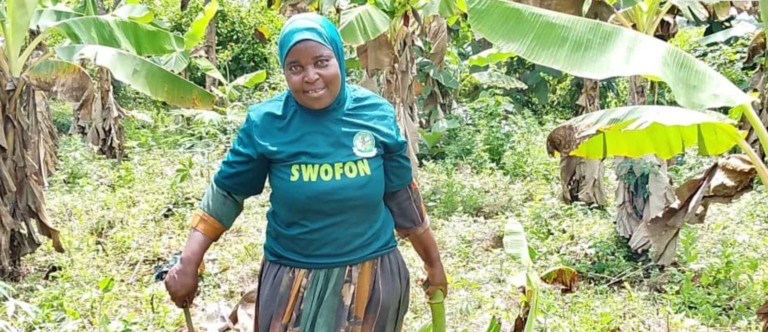
A woman farmer in her plantain farm. Photo: Ibikun Emiola

“Most farmlands left are far and dangerous; herders often invade, destroy crops or kidnap farmers. Male farmers are killed; how much more women who are raped or kidnapped.

“Women who venture into farming do not have the resources; land is the most basic necessity, yet most lands have been turned into estates. The remaining land are too far and unsafe,” she said.

Surveyor and land agent, Remi Akanji, also warned that family land disputes, fraud and encroachment heighten women’s vulnerability.

Experts say women’s weak land rights threaten food security and agricultural resilience.

Jaye Yekini, Project Manager at Whitegreen Development Services, said: “Land insecurity affects smallholder farmers, especially in the Southwest. Most women cannot access land unless they introduce a husband or male relative.

“They farm on leased land for short periods, limiting expansion and investment.”

He added that the land tenure system was stacked against women who lack financial power to buy land outright.

“The way forward is for government to lease out land directly to women, group them into cooperatives, and support them with inputs. At harvest, government can deduct its service charges,” Yekini said.

A 2021 study in Agriculture and Food Security supports this approach, concluding that strengthening women’s land rights significantly improves agricultural output and household resilience.

Agricultural enthusiast, Aina Olaosebikan, also said that farmlands continued to disappear to private and public projects.

“I saw bulldozers clearing farmlands while villagers watched helplessly;  that is how food insecurity begins,” he said.

For many women, the solution lies in collective ownership and government-backed allocations.

“We want the government to allocate farmland directly to SWOFON; our members can farm in clusters and benefit from interventions,” Akinbade said.

Farmers interviewed by urged the government to expand farm settlements, increase women’s quota in land allocations, provide irrigation, enhance security, and establish mechanisms to prevent arbitrary eviction.

Unless decisive action is taken, experts warn that Oyo risks losing a major segment of its farming population—particularly women—to land insecurity, rising costs, and deepening gender barriers.

For women like Oyetunji, Irekeola and Abass, farming is not just a source of livelihood; it is a lifelong identity.

This report was made possible with support from the International Centre for Investigative Reporting (ICIR) under the Strengthening Public Accountability for Results and Knowledge (SPARK 2.2) project.