THE Chartered Institute of Bankers of Nigeria (CIBN) has advised young bankers to get prepared for the current and future trends in the financial sector, as worries over the ‘japa’ syndrome unsettle many banks.
The CIBN president and chairman of council, Ken Opara, gave the advice at the graduation ceremony of the 2023 edition (second stream) of the institute’s mentorship programme, according to a statement the institute on Thursday, May 4.
The ICIR had reported of the wave of resignation witnessed in the banking sector which attracted the attention of stakeholders in the sector.
At the CIBN 15th Annual Banking and Finance Conference, the Chairman, Conference Consultative Committee, Abubakar Suleiman, had described the wave of resignation in the banking sector as an opportunity, rather than a crisis.
A Yoruba locution, ‘japa’ is used to refer to a situation where Nigeriansleave for other countries for greener pastures.
The brain drain development was not restricted to only the banking sector; it is a problem affecting talents across all sectors.
Opara, asserting that the industry was rising to the ‘japa’ challenge, spoke of CIBN’s intention to introduce a human resource centre to help in skills acquisition and transfer in the banking industry.
The institute’s mentorship programme this year was anchored on the theme, ‘Staying Ahead of the Curve in a Competitive Environment: Prerequisite for Career and Personal Advancement.’
Introduced in 2012 and re-launched in 2020, the programme aims at providing a platform for young bankers to be groomed and nurtured by senior and experienced professionals in the banking industry.
The programme is also aimed at delivering CIBN’s mandate of building capacity for the Nigerian banking industry.
‘’Staying ahead of the curve can simply be put as being aware of and prepared for current and future trends. It is about being proactive instead of reactive.
“In today’s fast-paced business landscape, where technological advancements, market disruptions, and unpredictable events are increasingly becoming the order of the day, staying ahead of the curve for relevance has become more critical than ever before, not only for organisations but for employees as well,” Opara said.
He stressed that staying ahead, in reality, requires impartation by experienced and successful individuals to influence the thinking pattern, professional character and relational attitude of the young ones.
Enhancing learning and career development for young bankers, reducing the incidence of professional misconduct among practitioners, enhancing bonding and building of new long-term professional relationships, assisting in acquiring competencies and professional experience and strengthening the talent pipeline into senior leadership roles in the banking industry, were the touch points in Opara’s statement.
He admonished young bankers that prioritising their all-around development was essential for long-term personal and career success.
He added, “By setting aside dedicated time, using technology to your advantage, and attending knowledge-sharing events, you can ensure that you are investing in your growth and development.”
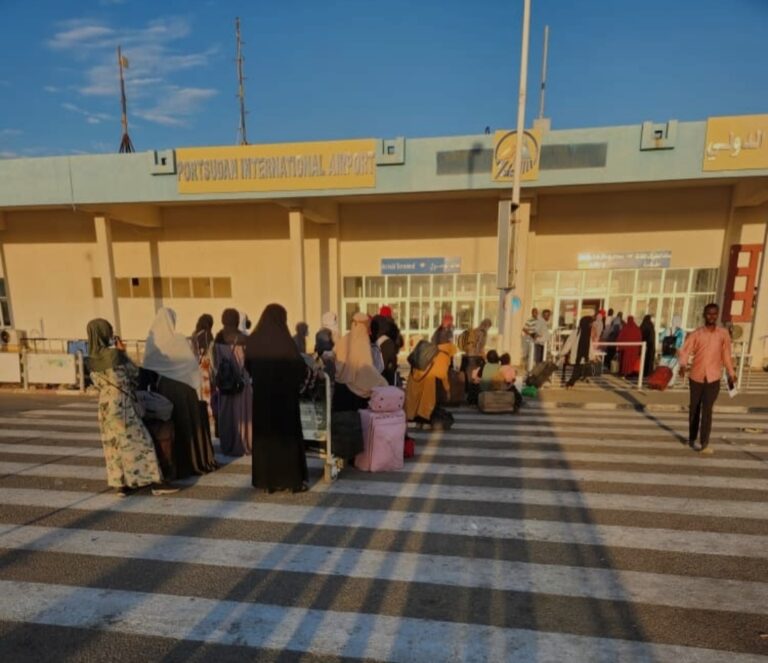
THE second batch of Nigerians being evacuated from Sudan have commenced boarding at the Port Sudan International Airport.
Head of Media Media, Public Relations and Protocols Unit, Nigerians in Diaspora Commission (NIDCOM) Adur-Rahman Balogun disclosed this on Friday, May 5.
“Today, Friday May 5, 2023, we are expecting arrivals from Aswan (Azman and Max Air) and Taco Aviation from Port Sudan.
“Boarding has commenced in Port Sudan. Insha Allah. More details later,” Balogun noted.
Earlier, Balogun told The ICIR during a Twitter space held on Thursday May 4, that the students were expected back in Nigeria on Friday.
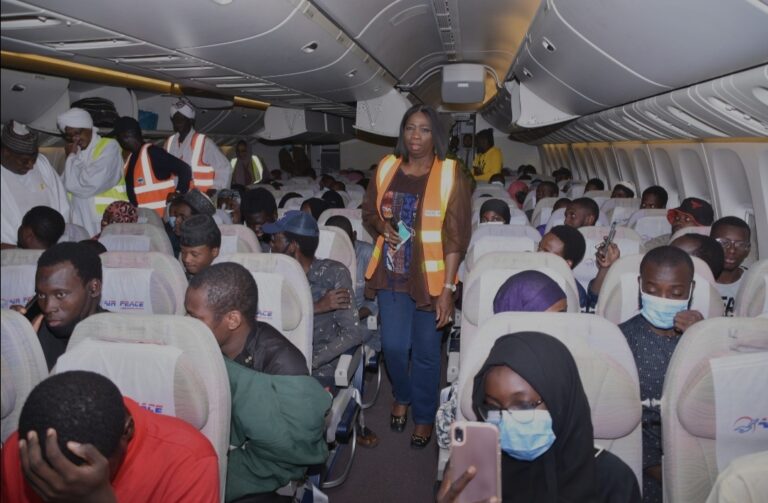
The first batch of Nigerians fleeing the crisis in Sudan arrived Abuja late on Wednesday, May 3, and received N100,000 cash, each, for transportation to their various homes.
They were also provided with dignity kits, N25,000 recharge cards and 1.5 GB data from MTN.
A total of 376 students landed at the Nnamdi Azikiwe Airport in Abuja on Wednesday.
The evacuation had taken longer than expected, due to the inability of the Nigerian government to airlift citizens directly out of Sudan, as the warring parties failed to heed calls for a ceasefire.
As a result, the government contracted bus operators in Sudan, and on Wednesday, April 26, the Nigerians embarked on the journey from Khartoum, the Sudan capital, to Egypt by road.
The students arrived at the Egyptian border on Thursday, April 27, hoping to proceed to the Aswan airport, from where they would be airlifted to Nigeria.
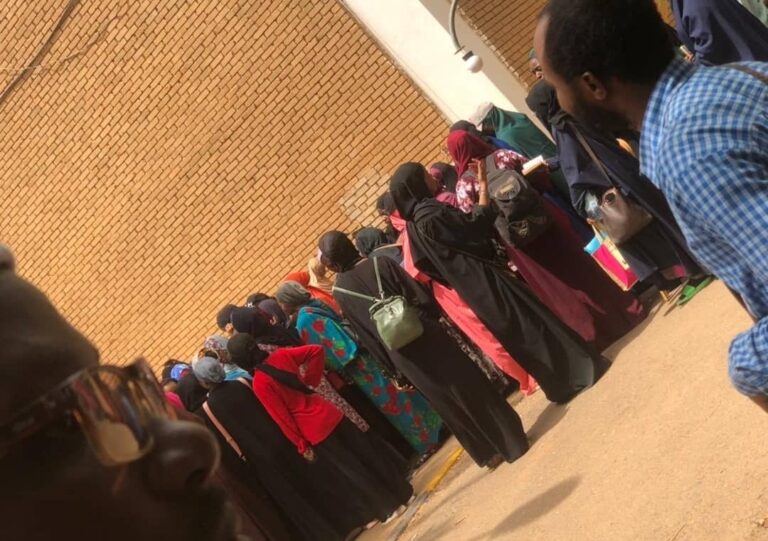
However, they were denied access to the country for several days by the Egyptian authorities, who demanded visa processing fees before the borders could be opened. They remained at the border for at least four days.
The Egyptian authorities eventually opened up the border with stringent conditions attached.
However, the hassles encountered at the border led Nigerian authorities to consider Port Sudan as an alternative route.
THE Nigerians in Diaspora Commission (NIDCOM) has highlighted some of the challenges and hurdles encountered in the evacuation of Nigerians stranded in Sudan.
NIDCOM Head of Media, Public Relations and Protocol Unit Abdulrahman Balogun highlighted the challenges while speaking during a Twitter Space titled ‘Sudan Crisis: Evacuation of Nigerians’, organised by The ICIR on Thursday, May 4.
He explained that the Federal Government would have used the Sudanese airport to evacuate the over 5,000 Nigerian students in Sudan if the situation was conducive.
“Some foreseen and unforeseen circumstances arose during the course of evacuation. For instance, Ethiopia is a very close border to Sudan and also closer to Khartoum where we have sizeable number of Nigerians and the emergency agency already planned to start the evacuation from Ethiopia but Ethiopia closed its border against Nigeria and all entities.
“It was when this was turned down that the Federal Government had to hire 40 buses to the tune of $1.2 million to convey Nigerians to a neighboring Egyptian border which is about 14 hours journey with the hope that the Egyptian authorities will allow Nigeria to equally use their facility to be able to evacuate.
“The Sudanese airport is not really conducive for evacuation purposes because crossfires and bombs are going off here and there and in fact we heard that a particular airline was bombed while trying to evacuate because they mistook it for the enemy’s airline. So the Nigerian government can’t take that risk.”
The NIDCOM spokesperson explained that, on arrival at the Egyptian border, the Nigerians were stranded due to challenges faced in securing the facility for their evacuation.
He added that the Federal Government had to sign an MOU before the Nigerians gained access to Egypt.
“We also met a block at the Egyptian border. At that time about eight to nine vehicles conveying 50 passengers in each of them had already been dispatched towards the Egyptian border so there’s nowhere to put them and they had to be stranded at the border for almost four to five days before there was a high level diplomatic touch here and there.”
He said that the agreement signed by the two countries, Nigeria and Egypt, for the evacuation, implies that “if you’re bringing 300 people into the country, then the plane too must have a capacity to take 300″.
According to Balogun, the cumbersome procedure of securing clearance for the Nigerians and the buses was another problem faced during the evacuation.
He added that Nigeria not having its own airline contributed to the delay in evacuation.
“All the other countries that you’re comparing to Nigeria have their own airlines and Nigeria don’t have a airline, until maybe before May 29 as the Honourable Minister of Aviation has assured and is still assuring Nigerians that before the handover date Air Nigeria will fly.”
The ICIRreported that the first batch of Nigerians fleeing the crisis in Sudan arrived Abuja late on Wednesday, May 3, and received N100,000 cash, each, for transportation to their various homes.
The batch comprised a total of 376 persons.
Minister of Humanitarian Affairs, Sadiya Farouq, received the evacuees at the Nnamdi Azikiwe International Airport, Abuja, in the early hours of Thursday, May 4.
NIGERIANS fleeing Sudan were initially denied access into Egypt, and Ethiopia, due to fears that they might refuse to leave, the Nigerians in Diaspora Commission (NIDCOM) explained on Thursday, May 4.
NIDCOM spokesman, Abdur-Rahman Balogun, who disclosed this during a Twitter Space organised by The ICIR, said the two countries feared that many of the Nigerians might flee into the city, rather than go directly to the airport, where they would be evacuated back to Nigeria.
The Twitter Space focused on the evacuation of Nigerians stranded in Sudan.
Nigeria has the highest number of foreigners in Sudan, according to the NiDCOM spokesman.
“There are about 5,000 Nigerian students in Sudan and a total of about two to three million Nigerians. No country has that number of citizens in the country.”
Last week, The ICIRreported that stranded Nigerians fleeing Sudan had arrived the Egyptian border. However, the Egyptian authorities refused to allow them to cross into their territory, leaving them stranded for days.
Egypt eventually gave stringent conditions for the Nigerians to cross its border.
Some of the conditions, according to Balogun, were: “Details and schedule of the aircraft; capacity of the aircraft; a strong pledge that once our citizens depart the border, they will be conveyed directly to the designated airport; a comprehensive list of the evacuees, with passport numbers and valid travel documents.”
Balogun said the Egyptian and Ethiopian authorities were being cautious. The country’s government did not want Nigerians fleeing the war to settle in their country as undocumented immigrants.
The NIDCOM PRO said, regardless of the war situation, “the countries were deeply afraid of Nigerians entering into the country and not going out”.
He said the authorities “worried that some Nigerians might hide and never come out”.
“Do you know of any country having as high 5,000 citizens in Sudan? The highest I have seen for any country is about 75 citizens and there are about 3-4 million Nigerians spread across Sudan.
“Before they let Nigerians in, the Federal Government had to sign a Memorandum of Understanding (MOU) which ensured that the number of Nigerians brought into the country will be the same number of people that will leave the country.”
“They don’t want anyone to escape into the city,” he added. “The MOU was even broken when the evacuees were at the airport and that caused another challenge.”
Nigerians were transported to Egypt and Ethiopia border because of the risk of evacuating from the Sudan airport in Khartoum.
The Ministry of Foreign Affairs had disclosed that flight operations in Sudan were difficult and unsafe due to the tension in the country.
As disclosed by the ministry, citizens are to be first evacuated by road to the Egyptian or Ethiopian border before they are flown to Nigeria.
THE Economic and Financial Crimes Commission (EFCC) has asked the Court of Appeal sitting in Lagos to nullify the pardon granted to an Indian businessman, Ashok Israni and three others by the Lagos State Government.
During the hearing of the appeal filed by Israni and two Keystone Bank officials, Anayo Nwosu and Olajide Oshodi, EFCC lawyer Rotimi Jacobs (SAN) told the panel, which includes Justice Joseph Ikyegh, Justice Ebiowei Tobi, and Justice B. I. Gafai. that pardon cannot be granted to prisoners whose rights of appeal had not yet been exhausted.
On December 9, 2019, Israni, Nwosu, and Oshodi were found guilty on an amended 15-count indictment involving conspiracy and receiving N855 million under false pretences by Justice Kudirat Jose of the Lagos State High Court.
For stealing, the judge gave each of them a five-year prison term.
The court found the bank and Israni’s NULEC Industries Limited guilty.
Additionally, the firms were told to pay the Federal Government a fine of N20 million for counts 1, 10, and 13, and the convicted individuals were instructed to return N395 million to the fraud victim.
The convicts appealed the verdict separately and pleaded with the appellate court to approve their pleas.
The appellants were allegedly released by the Kirikiri Centre of the Nigerian Correctional Services (NCoS) four months later while the appeals were still pending, according to the EFCC. This was allegedly done at the direction of the Lagos State Government.
Jacobs asked the court to deem the pardon “illegal” during the appeal hearing, claiming that the COVID-19 pandemic prevented judicial proceedings from taking place despite the appellants’ appeals having been filed and admitted since February 13, 2020.
The EFCC further asserted that after his release, Nwosu allegedly started posting things on social media claiming that he had been wrongfully imprisoned, found guilty, and treated poorly due to the whims and caprices of the Nominal Complainant.
Jacobs requested that the court reject the appeal and uphold the lower court’s decision.
Earlier, Wole Olanipekun and Biodun Owonikoko, both SANs and lawyers to the appellants, adopted their briefs of argument and asked the court to grant the appeal, overturn the lower court’s decision, and exonerate all of the appellants of all allegations brought against them.
Justice Ikyegh reserved the appeal for ruling after hearing the parties arguments.
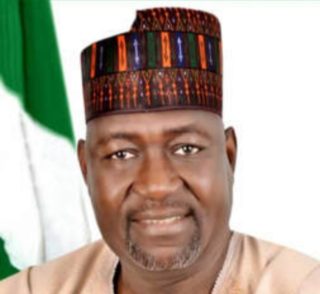
NIGERIA’S minister of Power, Abubakar Aliyu, has come under severe criticism for his directive that some distribution and power companies that the market operator had disconnected from the national grid be reconnected.
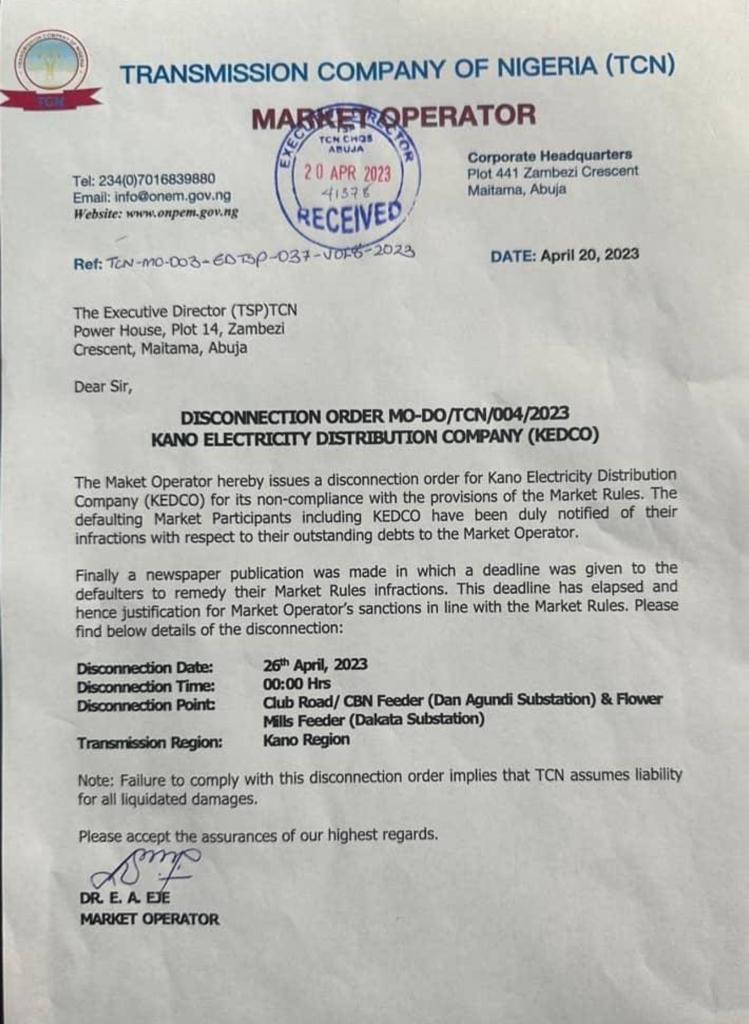
The Market Operator arm of the Transmission Company of Nigeria (TCN) had confirmed that it had disconnected three electricity distribution companies (DisCos) for failure to comply with market regulations, in line with the Electricity Regulatory Act of 2005.
The three affected companies are the Aple (Aba), Kaduna and Kano discos.
But Aliyu, according to a statement that the TCN issued on April 25, directed that the defaulters be reconnected to the national grid.
The Technical Officer of Market Operator, Edmund Eje, told The ICIR that non-adherence to set market rules included payment of outstanding invoices, posting of adequate Bank Guarantee (BG), and forwarding of their active power purchase agreements (PPA).
Abubakar Aliyu, Nigeria’s Minister of Power.
Eje stated, “The reconnection is coming at the intervention of the Honourable Minister of Power, Engineer Aliyu, who has considered the collateral consequences on the paying Disco customers.These suspended and disconnected defaulting market participants will be reconnected to the National Grid at the instance of the Honourable Minister of Power.”
The market operator further said that the minister’s intervention had automatically prolonged the grace period for the debtors to 60 days and warned that all market defaulters should comply with the provisions of the market rules.
What Minister’s action means for power sector reforms
Some industry analysts viewed the minister’s action as detrimental to the power sector reform as his tenure is barely a month to end. More so, they said, there is no Act that empowered him to reverse a regulatory compliance and market rules in the industry.
Some experts considered the minister’s action as a wrong signal to a sector that is barely surviving on a World Bank loan facility, and had failed several tests on market compliance.
“The Minister’s tenure is elapsing in less than a month’s time, and he’s reversing a sanction by a market operator. I’m not aware of any policy document where the Minister has to re-order the market operator to reconnect those guilty of market delinquence,” a power sector expert, Oyebode Fadipe, told The ICIR.
Fadipe argued that investors’ confidence would be eroded if the government’s decision on the sector was influenced by political considerations instead of market compliance.
He said, “If we continue to flout market rules like this, how would investors be serious with us? Many members of the market value-chain have complained that market values are not followed.”
To him, Aliyu was being clever by half in issuing a reconnection directive and 60 days’ grace when his tenure would be expiring in less than a month.
A letter to a distribution company confirming disconnection
Another power sector governance expert, Kunle Kola Olubiyo, told The ICIR that the minister’s actions could weaken the reinforcement of market compliance and regulatory consistency.
Olubiyo said, “Market & Extant Rules relating to day-to-day operations in the electricity market, particularly those relating to enforcement
and sanctions are the bedrock of the electricity market.
“There can not be a viable electricity market if the market rules are randomly flouted and deliberately designed for formality.”
He maintained that though the action by the minister could be well-intended, it nevertheless could set back gains recorded so far.
He said the minister’s action amounted to an assertion of political influence that could soon be counter-productive to the entire electricity demand and supply industry value chain.
Debts in power sector fuelled by poor market compliance
Government’s intervention in the power sector has been put at above N2. 7 trillion. Despite these interventions, the sector has yet to evolve to a self-funding status devoid of Federal government subsidies and growing debts.
Analysts said that to ensure a more efficient and market-driven compliance, the Central Bank of Nigeria has to take up some regulatory enforcement to ensure the sector does not collapse since the DisCos are struggling to repay loans from commercial banks because of illiquidity and poor regulatory compliance.
The CBN, at some point, escrowed the accounts of the distribution companies to ensure proper revenue tracking and payment of other power sector players in generation and transmission.
Proper liquidity in the sector, they pointed out, would also ensure that the Nigeria Bulk Electricity Trading Company (NBET) gets easier payment assurance guarantee for gas companies who had threatened force majeur severally as a result of debts owed gas companies.
The executive director of PowerUp Nigeria, Adetayo Adegbemle, described the CBN’s interventions in the power sector as a good development.
Adegbemle: ‘CBN’s interventions a welcome development’
“I love the fact that the CBN came into the power sector, not just to save the electricity sector but to save the banking sector as well of huge debts owed the sector by deposit money banks.
“The loans that the power sector took from the banks have become bad and if you don’t do anything, it’s going to be on the books of the banks and would cause more problems for the banks,” Adegbemle said.
Way forward and possible solutions
Nigerians are largely relying on multilateral lending from the World Bank and African Development Bank to sustain the power sector. The sector is also largely depending on subsidies from the government.
According to the World Bank Nigeria Country Director, Shubham Chaudhuri, Nigeria is currently accessing $1.5 billion from the global lender to address huge concerns in the sector.
Analysts say if market reforms are not prioritised and market rules adhered to, these interventions will not have effects on the necessary reforms needed to grow the sector.
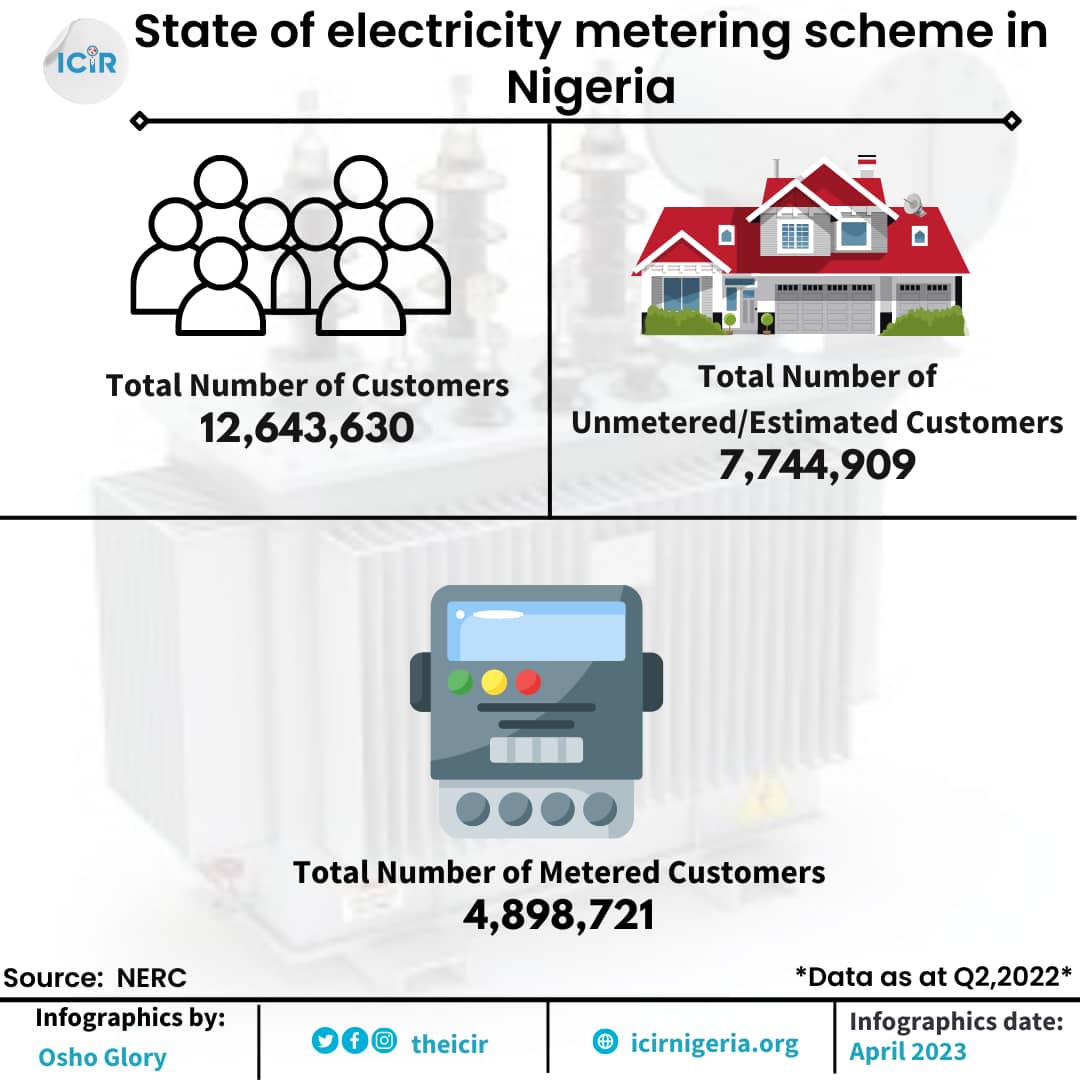
State of electricity metering in Nigeria
“The World Bank has put some conditionalities before we can draw from the loan facility they have approved for us. For instance, they spoke on regulatory compliance and adherence to market rules. They also spoke on improving the liquidity through proper metering,” a power sector governance expert and energy lawyer, Chuks Nwani, told The ICIR.
Nwani stressed the importance of market rules adherence that removes the sector from debts and prepares it for an efficiently run sector post-privatisation.
“The sector is bedeviled with illiquidity problems and poor compliance to market rules. Look at how we are even struggling to meter everybody to improve the collection in the sector. There are lots of issues that market discipline will solve for us, and we need to brace up for that, especially now the new government has emerged,” he said.
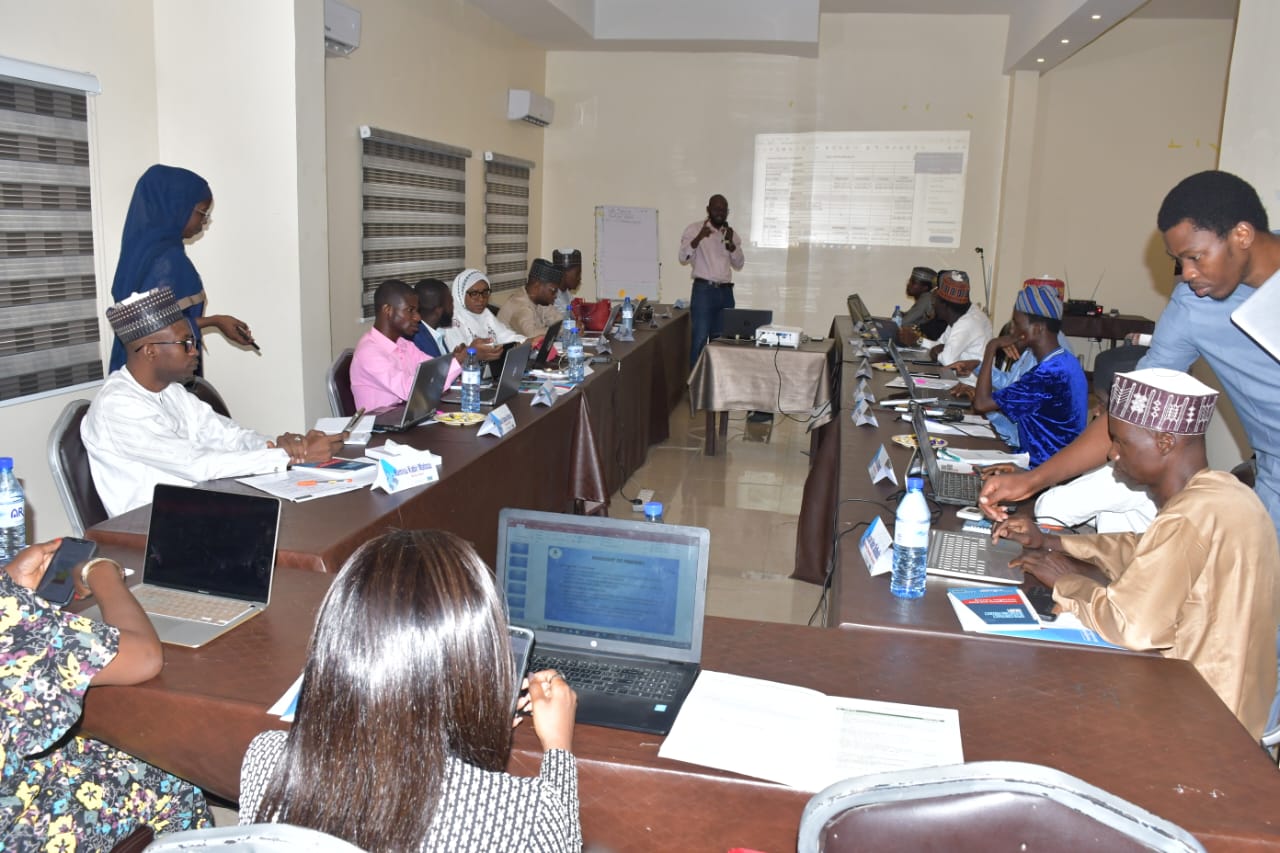
THE International Centre for Investigative Reporting (The ICIR) has concluded a three-day training program for a select group of journalists on the Open Contract Reporting Project (OCRP).
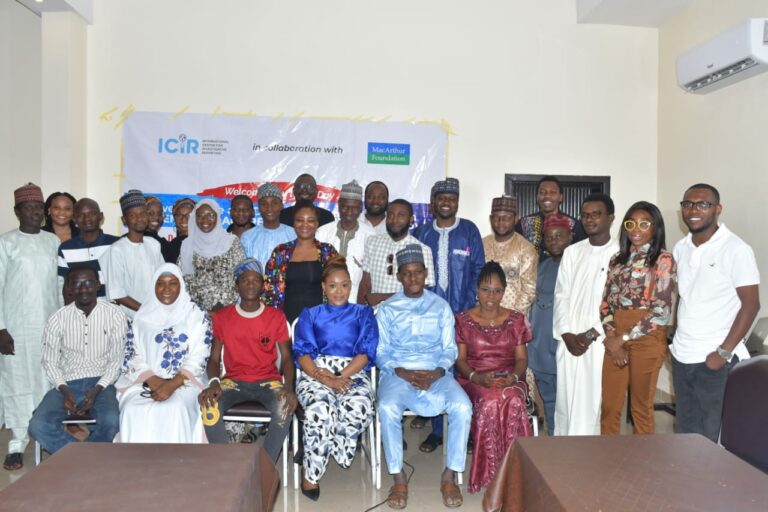
The training took place at Tahir Guest Palace, in Kano, and had journalists from the North-East and North-West zones in attendance.
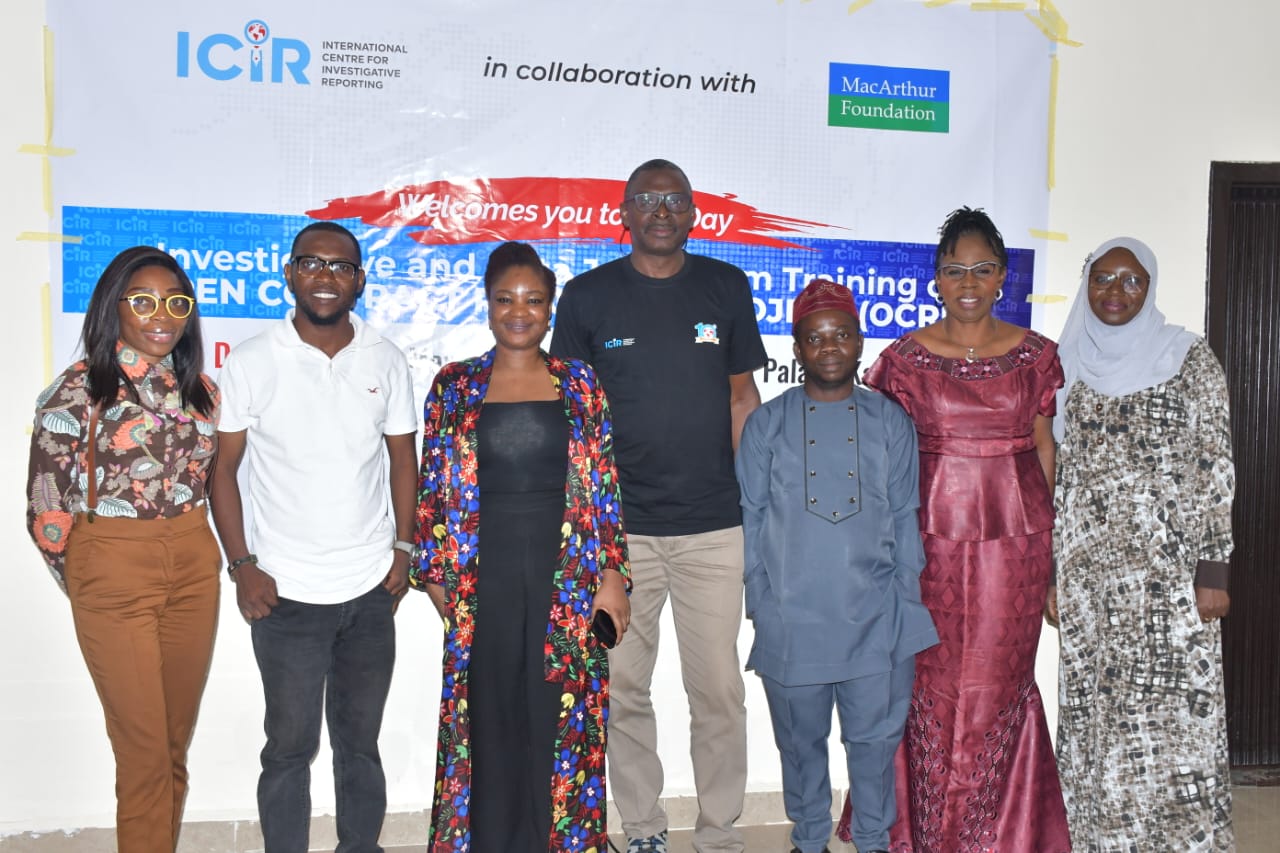
Group pictures of participants at the end of the #OCRP training.
The program was designed to build journalists’ capacity and enhance their skills in investigative reporting, data journalism, fact-checking, solutions journalism, the Freedom of Information Act, reporting in hostile or unsafe environments, and tracking procurement fraud, among others.
participants at the #OCRP training
An Open Contract Reporting Fellowship participant, Mohammed Taoheed Oluwatimileyin, tweeted on his page: “ I would blame myself if am not here.”
In an interview after the training, he explained that he applied for the program to acquire the knowledge and skills to report on procurement abnormalities in public sectors across Nigeria.
The ICIR Open Contract Reporting Project is supported by the Macarthur Foundation and was organised by the Centre to equip journalists with the tools and techniques to uncover wrongdoing in government and ensure that public officials are held accountable.
The Executive Director of The ICIR, Dayo Aiyetan, highlighted the importance of the training in his opening address and stressed its significance for journalists, stating that it provides them with the necessary skills to uncover wrongdoing in government and ensure public officials are held accountable.
The Executive Director, Dayo Aiyetan of TheICIR.
A university don, Prof. Abigail Obigwezzy, Head of Investigation of Daily Trust, Lami Sadiq, Independent Corrupt Practices Commission (ICPC) officer, Yetunde Mosunmola, Public and Private Development Centre (PPDC) director Jonathan Ebe, and Editor of Dubawa, Kemi Busari, were some of the trainers and mentors at the programme.
Faculty of Trainers and Mentors at the #OCRP training in Kano
The training enhanced journalists’ investigative and data journalism skills and built their capacity to cover procurement fraud and irregularities in the public sector across Nigeria’s six geopolitical zones.
The Executive Director of Progressive Impact Organisation for Community Development (PRIMORG) Okhiria Agbonsuremi has said the best place for Civil Society organisations (CSOs) to start on the sustainability journey is to stop paying rent.
Agbonsuremi said this to The ICIR in reaction to the applause gotten from the Macarthur Foundation.
The African Director of Macarthur Foundation Kole Shettima applauded PRIMORG for putting grants from the foundation into good use over the years.
PRIMORG, a Civil Society Organisation established in 2017, aims at promoting good governance, accountability, participation and the strengthening of the media through community and media engagements, training and collaboration.
Shettima made the remarks during an official visit to the organisation’s newly completed office building in the Federal Capital Territory (FCT) on Wednesday, May 4.
According to him, the development means the 29 per cent overhead cost from the Foundation’s grant has been well utilised, adding that owning an office building is “one of the most important things every organisation needs, and not worrying about annual rent, which usually for many people becomes a big problem”.
“Having your own space is a very good idea, and I am happy that you (PRIMORG) have been able to use the resources that you have to have your own space as well. I wanted to say thank you very much for the opportunity to leave what I was doing to come to this place.
“From my perspective, 29 per cent of the overhead cost is to sustain the organisation, to institutionalize the organisation, and to make sure that the organisation continues to thrive, giving all the challenges of fundraising and others. We are hoping that this is going to galvanize every one of you to continue to do the work you are doing.
“We are very happy and very excited about the work you are doing and the fact that you are in your own space,” Shettima stated.
Reacting to the visit, PRIMORG’s Executive Director Agbonsuremi, appreciated the support of MacArthur Foundation in the past five years.
He also expressed his gratitude to Shettima and his colleagues at the MacArthur Foundation Africa Office for their support and assistance in ensuring PRIMORG achieved its objectives and deliverables.
“I am so happy that you (Shettima) found time to come because your schedule is very tight. It is the MacArthur Foundation funds that we have used. We are very excited and happy that within a short time, we were able to get our own office complex. We have internal joy that we have been able to apply the funds sustainably to promote our sustainability.
“It will help us work harder and move forward, and we will not be able to discount the support of the MacArthur Foundation and the Nigerian team in particular because we have had a lot of support from you. We are very excited that you are giving us all this support,” Agbonsuremi stated.
Speaking further to The ICIR on the reason why PRIMORG opted for a permanent office, Agbonsuremi said the organisation is on the journey to sustainable development.
He noted that the organisation paid N4 million for office space as a tenant, annually.
“The best place to start on the sustainability journey is to stop paying rent through a reasonable investment in an office complex. PRIMORG was paying about four million naira (N4 million) as a tenant, and we knew this was not sustainable over a long time as the rent kept increasing.
“We were lucky to get an overhead grant from the MacArthur Foundation. We thought it was an opportunity to rally the Board members and staff to apply the financial gift towards acquiring an office complex,” he said.
The head of PRIMORG noted that the new office would provide an added benefit of generating project revenue for the organisation through rents.
“By this acquisition, we not only have a place of our own, but we have the additional advantage of generating project revenue when we rent out part of the building we are not using for our operations. We could have used the MacArthur Foundation free grant for other legitimate things like capacity building, conferences and staff welfare. Still, we thought investing in our office building would benefit everyone more in the long run.”
THE West African Examinations Council (WAEC) has announced dates for the commencement of the 2023 West African Senior School Certificate Examination (WASSCE).
According to WAEC’s Head of National Office, Patrick Areghan, the examinations will hold for seven weeks, from May 8 to June 23.
Areghan, who spoke at a pre-examination press briefing held on Thursday, May 4, in Lagos, said that this year’s examination is expected to be taken by a total of 1,621,853 candidates across 20,851 government and private schools in the country.
“A total of 1,621,853 candidates from 20,851 secondary schools have registered for the examination. Out of this number, 798,810 are males, amounting to 49.25%, while 823,043 are females, which is 50.75% of the total candidature,” he said.
“The statistics show that there is a further increase and decrease in the number of females and males respectively, compared to the 2022 diet. On the whole, the candidature for the 2023 WASSCE (SC) increased by 13, 868 over the figure of 2022 1,607,985.”
Areghan noted that schools have been directed to upload their students’ Continuous Assessment (CASS) scores, stating those who failed to do so within the allotted time frame will be subjected to penalties.
He emphasised the importance of CASS scores in computing grades for candidates taking the WASSCE (SC) examination and how technology has made it easier for schools to manage and access such data.
“CASS score is a major component in the computation of grades for candidates in the WASSCE (SC) examination. The use of technology has made it possible for the Council to provide platforms to enable schools to upload, manage and access students’ CASS data seamlessly and make such data available to schools on request.
“Currently, the Council allows upload of CASS data in SS1, SS2 and SS3, designated as CASS Year 1, CASS Year II, and CASS Year III at different upload periods. For each period of upload, the Council opens its portal free of charge for all schools and also extends the period of upload from time to time to enable all schools to upload. Schools that fail to upload within the expected time frame after several free upload periods face possible penalties.”
While lamenting the challenges the Council is facing in the implementation of the policy due to the uncooperative attitude of some schools, he said no school will have any result without completing the CASS upload.
This comes as the Joint Admissions and Matriculation Board (JAMB) is rounding off the 2023 edition of its entrance examinations into tertiary institutions in the country.
JAMB began the Unified Tertiary Matriculation Examination (UTME) for admission seekers nationwide last month.
This year’s examination was scheduled to hold between April 25 and May 2, but it has been extended to Saturday May 6 for candidates who missed the examination for genuine reasons.
AHEAD of the sittings of the election petition tribunals across the country, former Head of State Yakubu Gowon has urged aggrieved politicians and Nigerians to allow the court to discharge its duties without interference.
The Presidential Election Petition Tribunal will commence sittings on petitions on Monday, May 8. The current 13 justices of the Supreme Court will preside over the sittings.
Gowon, at a symposium held to honour a late Justice of the Supreme Court, Chike Idigbe, in Abuja on Thursday, May 4, appealed to politicians seeking legal redress over the outcome of the general elections to allow their cases to be judged by the tribunals.
He also asked that they accept the court’s decision when it is delivered.
“As we move forward as a nation, let us not forget the role of the judiciary, especially the Supreme Court, in questioning the decisions of the lower courts.
“The public should be humble to accept decisions of the Supreme Court as final. Let those aggrieved by the outcome of the election give the judiciary the opportunity to do their job and let them accept the decisions of the tribunals as it is,” he said.
Gowon emphasised the need for a strong, independent and impartial judiciary that will serve as a beacon of light for the nation’s democracy.
He said the judicial sector cannot afford to fail in its role of protecting the lives and property of citizens through the instrumentality of the courts.
The Independent National Electoral Commission (INEC) declared the candidate of the All Progressives Congress (APC), Bola Tinubu, the winner of the presidential election on Wednesday, March 1.
Tinubu polled about 8.8 million votes, defeating Atiku Abubakar, the presidential candidate for the Peoples Democratic Party (PDP) and Peter Obi, the candidate of the Labour Party (LP).
Atiku had 6.9 million votes, while Obi had 6.1 million votes.
However, both candidates are claiming that they won the poll and are disputing the result declared by INEC.
They filed separate petitions before the tribunal, seeking an order to annul the elections or declare them winners of the poll.