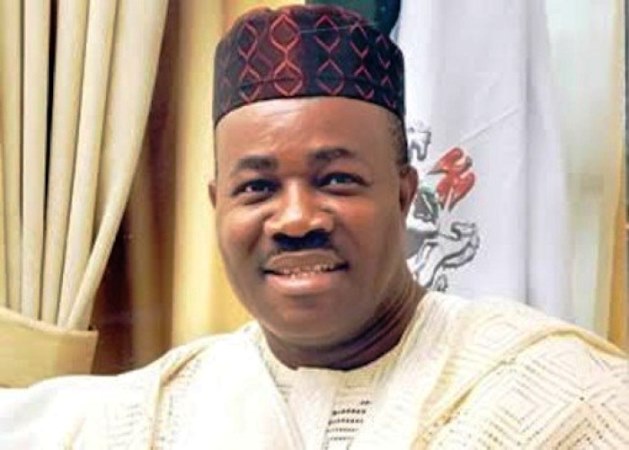
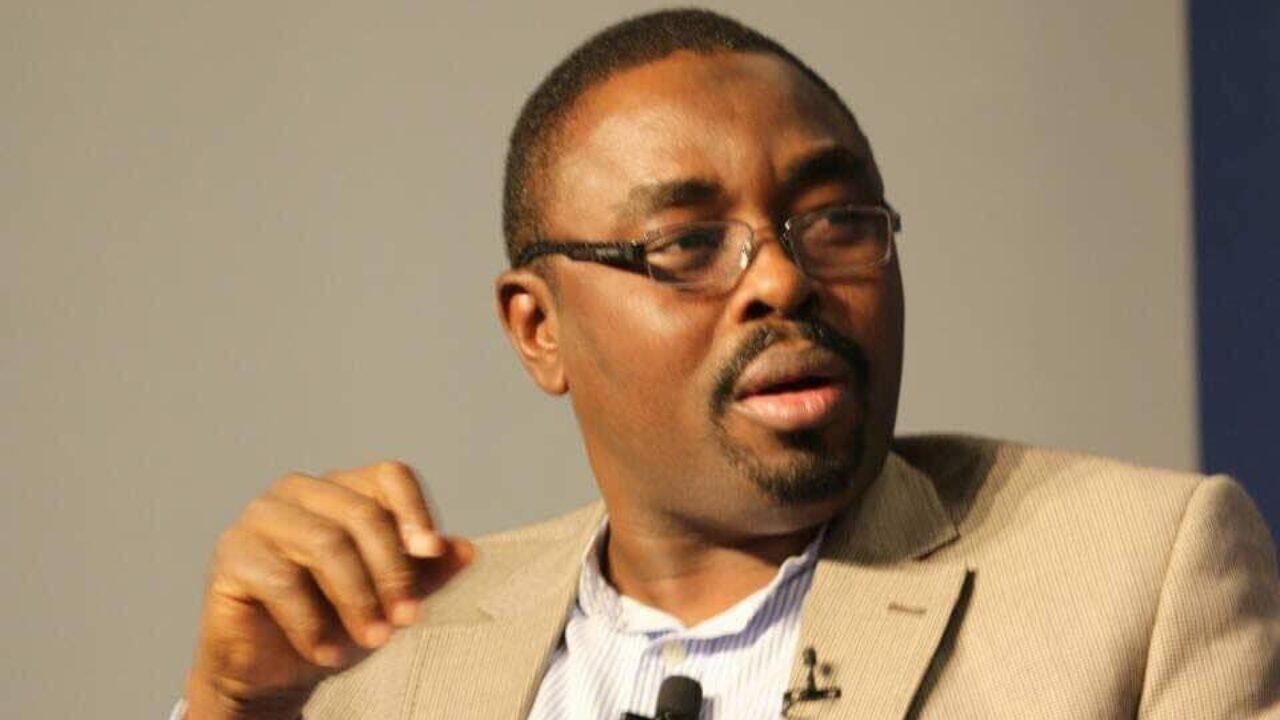
THE Supreme Court has restored former Akwa Ibom State governor, Godwin Akpabio, as the senatorial candidate of the All Progressives Congress (APC) for Akwa Ibom North Senatorial District.
The former minister who was in the race for the party’s presidential ticket but dropped his bid for another candidate was restored on Friday, January 20.
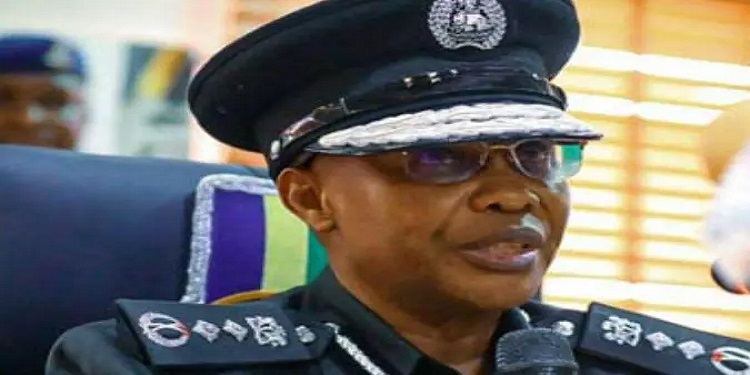
In Akpabio’s place, a court of appeal had earlier ordered INEC to recognise Udom Ekpoudom, a retired deputy inspector general of police, as the candidate of the party.
Delivering the judgment, Justice Ibrahim Saulawa of the apex court upheld the judgment of the Federal High Court in Abuja which in September last year granted verdict in favour of Akpabio.
Saulawa after reviewing the arguments canvassed by Akpabio said that his appeal was meritorious and therefore was allowed.
The judgment was on an appeal filed by Akpabio challenging the decision of the Court of Appeal to set aside his victory at the Federal High Court.
The Supreme Court in a unanimous judgment said each of the 10 issues formulated by the appellant was resolved in his favour, and against the respondent.
It held that the court below lacked jurisdiction to entertain the case, adding that whatever decision arrived at by the court amounted to nullity.
Recall that the Abuja division of the Court of Appeal had, on on November 14, 2022, set aside the judgment of Federal High Court Abuja, removing Akpabio as the APC candidate for Akwa Ibom North West Senatorial District.
A three-member panel of justices led by Justice Danlami Senchi held that Akpabio failed to file a proof of arguments within the time provided by the rules.
The panel further ruled that Akpabio, having contested the presidential primary of the APC, could not participate in the valid primary of the party held on May 27 and monitored by the Independent National Electoral Commission which produced Udom Ekpoudom as a candidate.
But Justice Emeka Nwite of a Federal High Court Abuja, had on September 22, 2022, ordered INEC to reinstate Akpabio as APC’s candidate, being the candidate nominated by the party in the second primary of June 9.
The trial court directed INEC to accept the former minister of Niger Delta as the APC flag bearer and directed INEC to publish Akpabio’s name as APC senatorial candidate for Akwa Ibom North/West Senatorial District in 2023.
He noted that Akpabio was validly nominated as the Akwa Ibom North/West Senatorial District candidate of the APC from the primary conducted by the party’s National Working Committee on June 9, 2022.
THE Independent National Electoral Commission (INEC) is in talks with the management of Meta in order to combat the menace of election disinformation ahead of 2023 polls.
This was disclosed by Director Voter Education and Publicity, Victor Aluko, at the launch event of ‘Run Am’, an artificial intelligence application, designed by Rise Networks, to serve as a fake news verification app for the 2023 elections.
Aluko said the Commission has also found ways to fight the spread of misinformation and disinformation and commended Meta’s initiative to stem misinformation on its platform.
“Only yesterday in the office, we were having a meeting with Meta, who is now in charge of Facebook, Instagram and WhatsApp, about this issue of how we can combat all these fake posts, all those things that tend to undermine the electoral process. That is where my department, voter education and publicity, has all the issues,” Aluko said.
“There was a time when a whole press release sheet of INEC was cloned. When I read that press release myself, I thought it was true. It carried the signature of my commissioner, who normally signs releases. And he himself, looked at the signature, he said ‘This is my signature, but I didn’t release this’. And we had to issue a rebuttal immediately.
“We are going to what we call, possibly, let me just use that term, the mother of elections, a very serious election, that will be contested seriously by very powerful parties and individuals, more than anytime in the history of our country. And now, you will see a situation where the electoral process will be pulled in different directions and when you have that, there will be a combination of both fake news, a lot of misinformation and a lot of disinformation.”
The Commission called on all stakeholders to join hands in combating fake news.
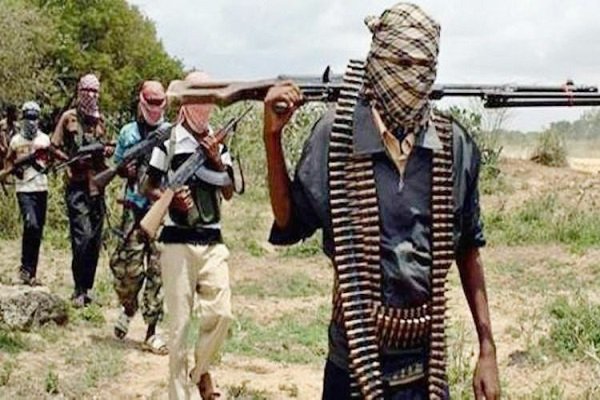
THE Nasarawa State Police Command has launched a search for six pupils who were abducted at the Local Government Education Authority (LGEA) Primary School Alwaza, Doma Local Government Area of the state, Friday morning.
The spokesperson for the state Police Command, Rahman Nansel, a deputy superintendent of police, told reporters in Lafia, the state capital, that a team of policemen, military and local vigilantes were on the trail of the abductors in a bid to rescue the pupils.
According to him, the abducted children are between the ages of seven and eight.
He said the state commissioner of police Maiyaki Muhammed-Baba had visited the community for an on-the-spot assessment.
Nansel appealed to people in the state to avail the security formations of any information that could help them apprehend the abductors and rescue the children.
The ICIR reports that the state Deputy Governor, Emmanuel Akabe, a doctor, visited the school on Friday to sympathize with the community and inform them of the government’s determination to rescue the children.
Arise TV correspondent in the community said three motorcyclists, with two people each, arrived in the community and took away seven children on their way to school. The gunmen dropped one of the children because there was no space to convey him on the motorcycles.
Alwaza community is less than 30 minutes from Lafia, the state capital.
Friday’s abduction may reignite the fears of kidnapping and abductions by gunmen in schools among Nigerian parents, teachers and school managers.
Since Boko Haram kidnapped 276 school girls on April 14, 2014 at the Government Girls Secondary School in Chibok, Borno State, abductions of pupils and students have spiked in Nigeria.
Several mass abductions and kidnappings have followed in different parts of the country, especially in the North.
In January 2022, The ICIRreported how parents withdrew their children from schools in Kaduna and Niger states because of insecurity.
Another reportby The ICIR showed how the government shut down 30 per cent of schools in Zamfara State for over a year because of insecurity.
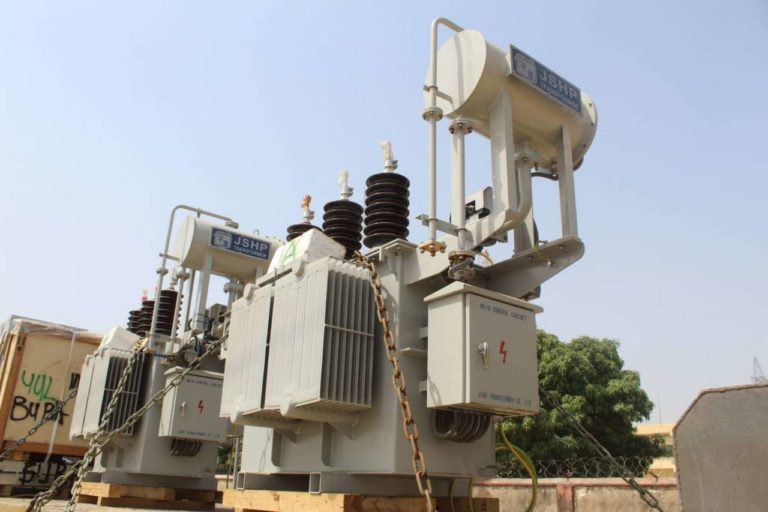
THE Transmission Company of Nigeria (TCN) said on Thursday January 19 that it has received eight brand new power transformers under the World Bank-funded Nigerian Electricity Transmission Project (NETAP).
The company, in a statement issued by its General Manager, Public Affairs, Ndidi Mbah, said its Kumbotso 330/132/33kV transmission substation, Kano, has taken delivery of another 13 heavy duty trucks, loaded with transformer accessories, bringing to 20 the total number of trucks that had delivered the accessories for 300MVA and 100MVA power transformers.
The company explained that the 300MVA is targeted at increasing bulk power to five substations, including DanAgundi, Hadejia, Wudil and Azare substations, as well as the Kumbotso substation where it will be installed.
The 100 MVA power transformer is aimed at increasing bulk supply to Kano industrial areas through the Kano Electricity Distribution Company.
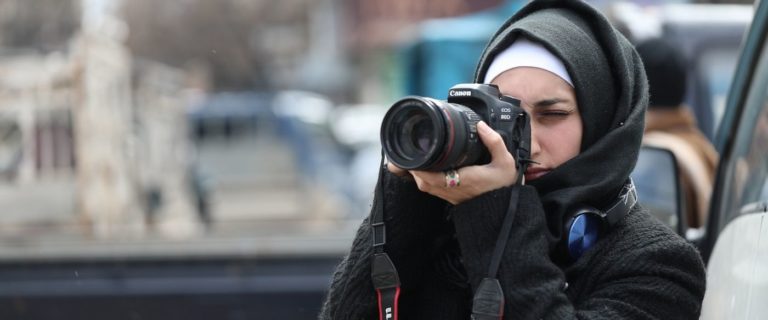
The awards honor women who have demonstrated extraordinary strength of character in journalism under difficult or dangerous circumstances.
Winners typically receive cash prizes, which have yet to be determined, and travel to the United States to attend the award ceremonies.
Self-nominations will not be accepted.
Full-time and freelance women journalists working in print, broadcast, or online media in any country can be nominated for the award.
The courage in journalism awards shows people that women journalists are not going to step aside, cannot be silenced, and deserve to be recognised for their strength in the face of adversity. It honors the brave journalists who report on taboo topics, work in environments hostile to women, and share difficult truths.
The organiser says, “Sexual harassment, threats, attacks, government oppression, a stubborn glass ceiling, unequal pay, accusations of fake news, and a growing mistrust of the media all threaten press freedom around the world.”
The deadline for the submission of applications is March 3, 2023. Interested applicants can apply here.
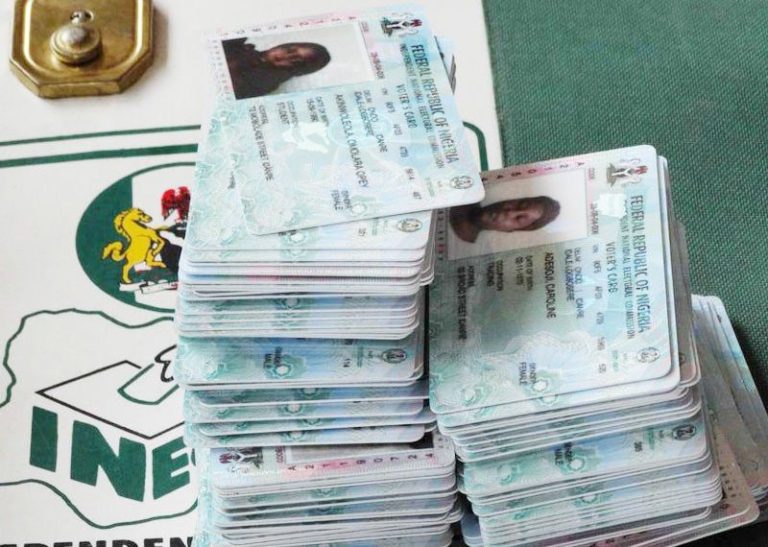
THE Cross River state governor Ben Ayade has declared January 26 and 27 as work-free days to enable workers in the state to collect their Permanent Voter Cards (PVCs).
This was disclosed in a statement by the state’s Commissioner for Information and Orientation, Eric Anderson, on Friday, January 20.
Government workers were urged to utilise the work-free days to collect their PVCs ahead of the forthcoming general elections rather than observe it as a day of rest.
“Government wishes to make it clear for the benefit of members of the public that though work-free, members of the public are expected to take advantage of the days to get their PVCs and not just sit at home.
“It is important that members of the public get their PVCs in readiness to make their votes count in the coming election. Your PVC is the pathway to achieving credible elections; get yours now,’’ the statement read.
Other state governments have also declared work-free days to enable residents visit the Independent National Electoral Commission (INEC) collection centres for PVCs.
On Wednesday, January 18, the Lagos State governor Babajide Sanwo-Olu declared four work-free days for PVC collection.
Workers were divided into four groups according to their levels, and each group was to observe one work-free day between January 24 and 27 to collect PVCs.
The Independent National Electoral Commission (INEC) had extended the deadline for collection of PVCs by eight days.
The deadline was earlier set for January 22 but was shifted to the 29th to allow more registered voters collect the cards.
A report has recommended that the challenge of cattle rustling should be treated as a priority in addressing the problems of insecurity and terrorism in Nigeria.
The report, published in January 2023 by Global Initiative Against Transnational Organized Crime (GI-TOC) identified cattle rustling as a significant contributor to the rising insecurity in the country’s Northern region.
“Addressing cattle rustling should be a priority in mitigating insecurity and instability in Nigeria. Effective responses to cattle rustling and its destabilising impacts at local, national and regional levels demand an in-depth understanding of the factors that drive it in different contexts, as well as the supply chains and networks involved in the market,” the report said.
The report titled “Driving destruction:Cattle rustling and instability in Nigeria” also noted that cattle rustling paved the way for farmer-herder conflicts and deserved attention as it was causing more instability than armed robbery or drug trafficking, as several armed groups terrorising the North had been formed in response to it.
“It has also repeatedly operated as a significant source of financing for armed groups, including regional insurgent groups operating in north-eastern Nigeria and northern and central Mali; cattle rustling is also interwoven with longstanding tensions between ethnicities, amplifying these and catalysing further conflict,” the report noted.
Describing it as an illicit economy enriching conflict actors, the report noted that cattle rustling stimulates the demand for arms, thereby creating a criminal network of armed groups across the continent.
The report also expressed concern that terrorism and banditry in Nigeria might spread beyond the North, as cattle rustling was moving towards Southern Nigeria and would escalate, if not adequately addressed.
Beyond focusing on terrorists and bandits alone, the report also recommended that others involved in the cattle rustling supply chain be targeted by law enforcement agencies to enhance the successful eradication of insecurity in Nigeria.
“In order to target the transporters, middlemen and buyers facilitating the movement and resale of stolen cattle, government should engage motor-park unions, cattle dealers associations and commercial truck and lorry drivers to identify those who conduct businesses with cattle rustlers,” the report further noted.
Kinsgley Madueke is the Nigeria Research Coordinator for the Global Initiative against Transnational Organized Crime.
*Update: This story was edited for proper attribution.
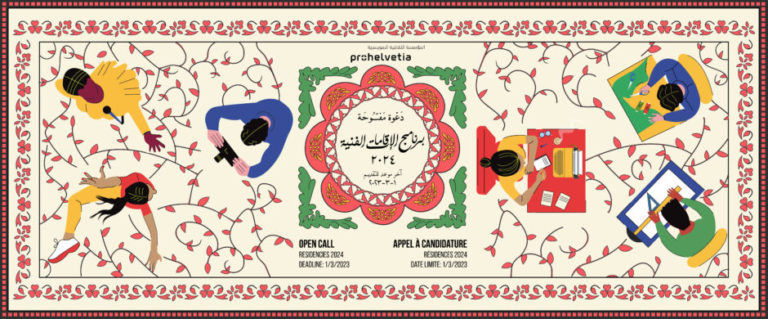
PRO Helvetia Cairo is inviting applications for its three-month residency in Switzerland for artists and arts professionals from the Arab region.
The aim of the residencies is to gain inspiration, explore new collaborations, and develop projects in connection with the country of choice, as well as to establish new networks.
The residency is an opportunity for artists and arts professionals working in music, literature, audio art, visual art, performing arts, and design to gain a broad view of the cultural landscape in Switzerland and the Arab world.
Artists and arts professionals from the Arab region can apply for a residency in Switzerland.
Pro Helvetia Cairo provides a local coach to assist artists and arts professionals. It will also cover accommodation and travel costs and a daily allowance.
The submission of the application deadline is March 1, 2023. Interested applicants can apply here.
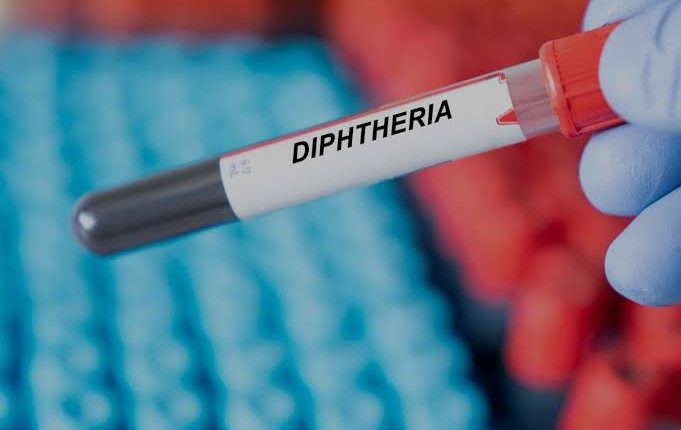
THE Nigerian Centre for Disease Control (NCDC) has confirmed diphtheria outbreaks in Lagos, Kano and Yobe states.
In a statement Friday morning, the Centre listed measures against a further spread of the condition.
The disease, locally known as throat disease, had killed dozens in Kano State as of Thursday evening.
Diphtheria is a serious bacterial infection caused by the corynebacterium species that affects an individual’s nose, throat and sometimes, skin.
The NCDC noted that people at risk are children and adults who have not received any or a single dose of the pentavalent vaccine (a diphtheria toxoid-containing vaccine) and people who live in a crowded environment.
Others are people who live in areas with poor sanitation, healthcare workers and others who are exposed to suspected/confirmed cases of the condition.
Diphtheria spreads easily between people through direct contact with infected people, droplets from coughing or sneezing, and contact with contaminated clothing and objects.
But it can be prevented through three doses of pentavalent vaccine (diphtheria toxoid-containing vaccine), as recommended for children in the sixth, tenth and 14th week of life by the Nigeria childhood immunisation schedule.
Signs and symptoms usually start after two – 10 days of exposure to the bacteria.
Its symptoms include fever, runny nose, sore throat, cough, red eyes (conjunctivitis), and neck swelling. In severe cases, a thick grey or white patch appears on the tonsils and/or at the back of the throat, associated with difficulty breathing.
To reduce the risk of diphtheria, the NCDC offers the following advice.
Parents should ensure that their children are fully vaccinated against diphtheria with three doses of the pentavalent vaccine as recommended in the childhood immunisation schedule.
Healthcare workers should maintain a high index of suspicion for diphtheria, that is, be vigilant and look out for symptoms of diphtheria.
Individuals with signs and symptoms suggestive of diphtheria should isolate themselves and notify the local government area (LGA), state disease surveillance officer or the NCDC through its toll-free line (6232).
Close contacts with a confirmed case of diphtheria should be closely monitored, given antibiotics prophylaxis and started on diphtheria antitoxin treatment when indicated.
All healthcare workers with higher exposure to cases of diphtheria should be vaccinated against the disease.
AT 2 AM on March 28, 2022 Olanrewaju Suraju, the head of the Human and Environmental Development Agency (HEDA), was asleep beside his wife in their bedroom in Abuja when they suddenly found themselves under attack by men who had broken into the house.
The men, who made off with laptops, mobile phones, and cash, could have been mistaken for ordinary criminals were it not for the fact that they mysteriously told the couple that they were ‘acting on information and instruction.’
Nigerian burglars recently appear to have developed a taste for targeting social justice activists. Houses are robbed, but the thieves also make a point of severely beating their victims too.
Suraju, an activist whose organisation is involved in a long-running battle with the Ministry of Justice over corruption involving one of Nigeria’s rich oil blocks, was a very vocal activist.
The attack against him and his wife was so vicious that it left both of them in the hospital.
Plain-clothed thugs
One month before the attack on the Suraju family, plain-clothed thugs had attacked activists on their way to a court hearing. Again victims were severely beaten and their phones and money were stolen.
A month before that, a similar group targeted Omoyele Sowore, initiator of the protest movement ‘RevolutionNow’ and publisher of the critical online news site Sahara Reporters.
He was also on his way to a court case. Afterwards, Sowore said, a source in the State Security Services (SSS) had told him that the attack had been ordered by them.
He also recalled that the same men had attacked him during a scuffle at an earlier protest, while SSS operatives and police had prevented his escape.
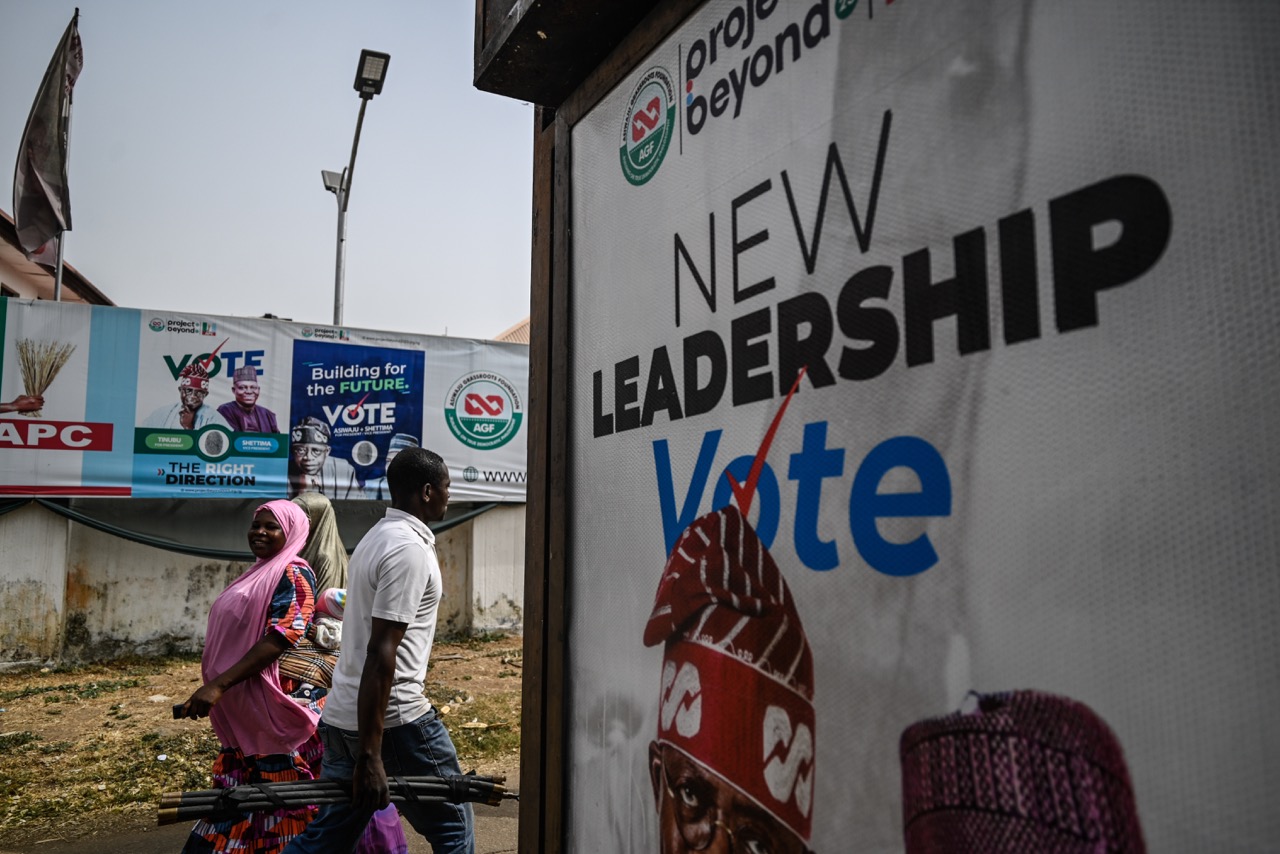
Commuters in Abuja pass a wall covered in election posters. Photo by Dawali David
‘We were alerted that one ‘Ali from Kano’ was leading a mob towards us’
Deji Adeyanju, an associate of Sowore who was himself once beaten so badly by vigilantes during a peaceful protest that he was hospitalised in a life-threatening condition, also says that sources in the SSS confirmed that the agency is behind the attacks.
‘They alerted us before the attack on us that one “Ali from Kano” was “leading a mob” towards us. As they were beating us, I mentioned this name, and it seemed to shake them, as if their secret had been exposed. Intelligence operatives in Nigeria now, whenever they can’t come out against anti-government elements openly, they hire thugs who go after them, both online and offline,’ says Adeyanju. ‘The leadership of this SSS goes after civil society instead of gathering intelligence on Boko Haram.’
Though Adeyanju formally reported the assault to the Inspector General of Police in December 2019, the police authorities have yet to make any arrests or publish an investigative report on the case. The same is true for the attack on Olanrewaju Suraju and his wife.
‘The police showed no interest at all’, Suraju says, ‘even when we tracked one of my phones, which was activated by the assailants and gave details of its location. The same authorities who use thugs to attack activists are in firm control of even institutions where victims are supposed to seek redress.’
In a joint statement about the attack, five prominent Nigerian organisations active in the fields of human rights, transparency, anti-corruption and media stated their belief that the attack was aimed at stopping Suraju’s activism.
Oppressive tactics
The recent uptick in violence against activists began in 2020 when organised protests against corruption and human rights abuses were gaining momentum amid a global wave of protests caused in part by the effects of COVID-19 restrictions on people’s lives and livelihoods. At the time the state security forces responded to these protests with a wave of oppressive tactics which have continued to date (see box).
On August 18 2020, amid the growing unrest, the head of the Human Rights Writers Association (HURIWA), Emmanuel Onwubuiko was among the first to go underground.
At the time he had been in the midst of an investigation into corruption at the Ministry of Humanitarian Affairs, where officials appeared to have embezzled 500 million Naira (around US$1.1 million) meant for children’s school lunches.
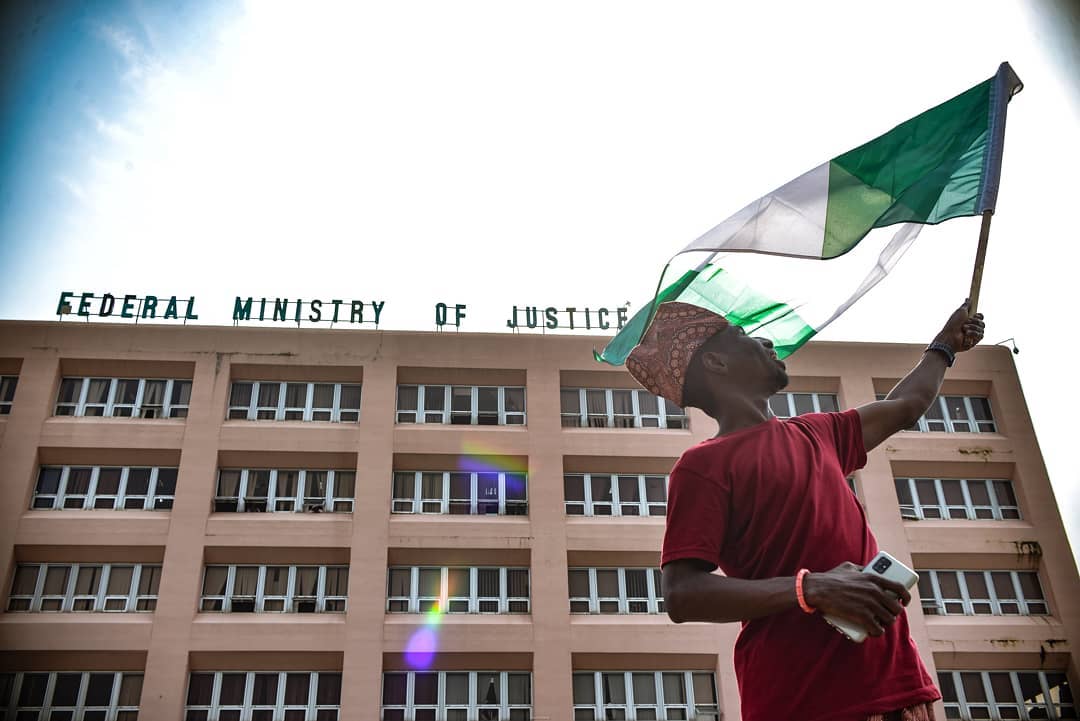
A protester waves the national flag of Nigerian flag during an #EndSARS demonstration outside of the Ministry of Justice in Abuja in October 2020. Photo by Dawali David
Onwubuiko made the difficult decision to relocate his family after being followed home by a Toyota Camry driven by ‘a fierce-looking person, with about two other armed occupants’ while driving in Abuja on the evening of August 18 2020.
Meanwhile, his work eventually led to an investigation by the Independent Corrupt Practices and Other Related Offences Commission (ICPC), a statutory agency that formally probes corruption, but so far the commission hasn’t published any report.
–
Massive retaliation
On August 5 2020 six Nigerian states found themselves gripped by #RevolutionNow protests that demanded better governance, proper infrastructural development, an end to extrajudicial killings, and the sacking of service chiefs over the poor security situation in the country. The police responded with teargas, injuring scores and arresting 91.
Meanwhile, protests against the police’s notorious paramilitary Special Anti-Robbery Squad (SARS) were also growing. The elite unit is accused of violence, extortion and extrajudicial killings, and tensions resulting from their enforcement of COVID restrictions finally erupted in a wave of resistance over the summer of 2020.
On October 15, the security authority of Abuja declared a ban on all protests, citing COVID-19 safety fears. This failed to stem the popular anger, however, and five days later, a protest at the Lekki Toll Gate in Lagos ended in tragedy as the Nigerian army was sent in, killing citizens and injuring over fifty more.
Since then, popular protests have lost momentum, but targeted attacks on individual activists continue. The latest among these is Victoria Chintex, local head of the Labour Party’s women’s wing in Kaura, Kaduna State. She was a leading official in the campaign of presidential candidate and Buhari challenger Peter Obi, who is amassing increasing support among anti-corruption activists due to his relatively clean record as a former governor of Anambra State and his published manifesto for improved governance, a pragmatic plan. Chintex was shot and killed by gunmen on 28 November in an apparent assassination.
–
The young men proudly wear T-shirts with the name of their governor
Local authorities’ tolerance of criminal behaviour is often more directly visible away further from the capital, in Nigeria’s 36 federal states.
Against a backdrop of soaring youth unemployment, officials are turning a blind eye to the activities of gangs of underemployed young men, so long as those gangs also act in their interest when called upon. Groups of unemployed young men often operate as ‘supporters’ or ‘security guards’ for governors or senators, sometimes even wearing T-shirts that proudly display the names of their benefactors.
On April 5, 2021 two protesters, Larry Emmanuel and Victor Udoka, were caught putting up posters calling on President Buhari to resign in Lokoja, the capital of Kogi State.
A gang of ‘supporters’ descended on the two, beating and flogging them before handing them over to the police. Rather than charge the youths with assault for attacking citizens engaged in a widely-practised form of political speech, the authorities instead took the side of the perpetrators.
The two activists were charged with disturbing the peace and jailed for 78 days before being released on bail. They were eventually acquitted more than a year later.
Commuters in Abuja pass a wall covered in election posters. Photo by Dawali David
Armed tax collectors
This tolerance of expedient criminality has also given rise to the phenomenon of freelance tax collectors, groups of youth who are licensed to collect ‘taxes’ from citizens.
Often armed, they frequently target farmers or set up roadblocks to extort the drivers of trucks transporting cash crops, wood and smuggled goods across state boundaries. Such groups are allowed to keep the lion’s share of the money they collect, in exchange for their loyalty and availability in times of need.
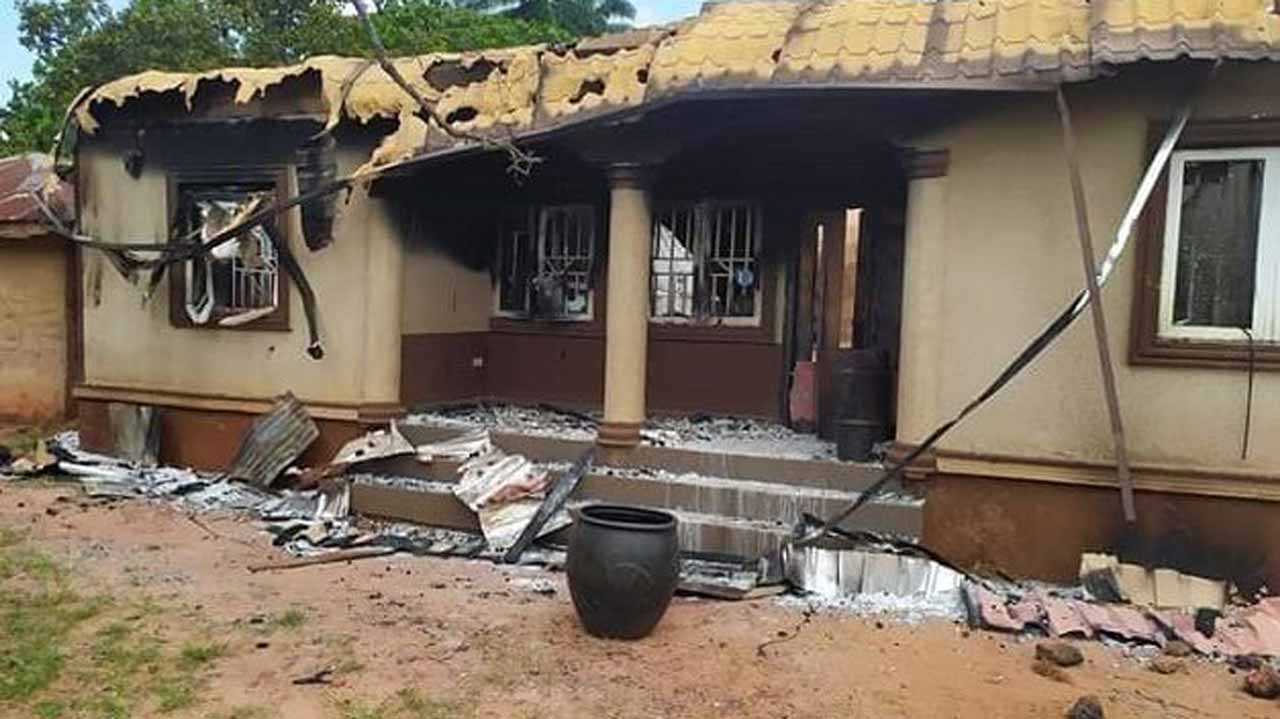
This debt usually comes due during election season, with tragic results: it was a group of tax collectors, for example, who burned Salome Achefu Abu alive in her house on November 18 2019. Achefu Abu was the state women leader of the state People’s Democratic Party, the opposition party in the state. The killers made no secret of being ‘on assignment’ for Yahaya Bello and Edward Onoja of the All Progressives Congress (APC), the state’s governor and deputy governor respectively. Other houses in the area were also burned down in the same attack.
The remains of the home of Salome Abuh, a leader of the People’s Democratic Party (PDP) woman leader, after she was killed in a targeted arson attack.
In his police statement, Ocholi Edicha, a group member who has since been convicted of arson and murder, said that they were sent by the ruling APC ‘to defeat the opposition’ PDP in that election.
‘Atta Akpa Ugbedu [a supposed leader of the APC] from Ejule [a major town in Ofu Local Government Area] ordered that the property of any person with affiliation to Peoples Democratic Party (PDP) should be destroyed’, his statement said.
It added that another APC party stalwart, identified as Barry from Itobe, directed that ‘we should continue destroying PDP members’ properties (and) continue burning houses unabated. They claimed that they are the people in control of the Government and nothing [in terms of punishment] will happen…’. Edicha described his group as being involved in ‘produce,’ a reference to their tax collections which in this case were levied from farmers.
‘Political thugs were observed moving around freely’
When asked to comment on the accusations against his boss, Governor Yahaya Bello’s spokesman Kingsley Fanwo denied that Bello had played any role in the murder, instead portraying the incident as part of broader violence between political opponents.
Meanwhile, Achefu Abu’s widower, Simeon Babani Seidu Abuh, also claims his wife was targeted. ‘She had already been beaten up while watching the voting process at her polling unit.’ After receiving hospital treatment for her injuries Achefu Abu decided to stay home to rest, but just the next day the couple’s home was set ablaze.
A report by election observers in Kogi state would later call for the annulment of the polls due to the unprecedented level of violence around the election, during which, it said, ‘political thugs were observed moving around freely in the company of Police and DSS operatives across many local government areas’.
Its report noted that the secretariat of the opposition Social Democratic Party, which had been located only a few metres from the State’s police command headquarters in the capital, Lokoja, was also burned down. The elections were not overturned, however. The results stood and Yahaya Bello remains governor.
A constant threat
Like opponents of the ruling party, journalists are under constant threat in Nigeria’s states. In 2022 alone the Press Attacks database reported a string of audacious attacks.
In one attack, thugs loyal to a high-ranking member of the Ebonyi State House of Assembly beat up the local representative of the Nigeria Union of Journalists, Nnamdi Akpa.
In other attacks in May and June, journalists attending opposition campaign rallies in Osun and Uyo states were badly assaulted.
In June Haruna Mohammed and Idris Kamal found themselves arrested and arraigned before a magistrate court for publishing a story that angered a member of the Bauchi State House of Assembly.
The police did nothing and quickly left
In October a gang loyal to a local politician in Zamfara state threatened and assaulted a leading member of the local Nigerian Union of Journalists, Ibrahim Musa Maizare, after he asked them to leave the building where the NUJ’s office was housed.
According to Mazaire, the men shouted that they would not leave the place because it was given to them by a politician and that as long as the politician continue to live they would not vacate the place.
Mazaire also said that while the police had quickly arrived at the scene, they did nothing and quickly left.
Nationwide, meanwhile, the use of legal charges to silence journalists is also on the rise, with more traditional charges of supporting terrorism, incitement and defamation falling out of favour, replaced by the use of a new law that criminalises cyberstalking. While the law is nominally meant to target fraud and identity theft, lawyers quickly realised that it had much broader oppressive potential.
Kaduna State-based reporter Luka Binniyat, for example, fell foul of the law in November 2021 after a report he filed for the local Catholic News Agency accused the state government of failing to protect farming villagers against violent bandits. (The same accusation has been published in many reports covering rural violence in Nigeria, including by ZAM).
The month before, two journalists in Kwara State found themselves charged with criminal conspiracy, defamation, inciting disturbance, injurious falsehood, and cyberstalking after they accused the state government of misuse of public funds while chatting in a Whatsapp group.
A ‘last chance’
Suraju of HEDA feels that Nigeria’s upcoming 2023 elections might be the last chance for a new government to ‘recognise that anti-corruption and human rights activists are partners in the development of Nigeria.’ ‘There will be little hope for the future otherwise’, he said. ‘Many activists, out of frustration, are (already) leaving Nigeria for developed countries.’
He added that the international community should do more in terms of ‘ex-communicating those with poor human rights records’ from ‘the comity of nations.’ ‘It’s really so bad.’
Meanwhile, also in the run up to the upcoming elections, the department supervising the secret services, the DSS, has warned state politicians to cease working with criminal gangs.
Olanrewaju Suraju, chairman of the Human and Environmental Development Agenda (HEDA). Source: Tribune Online