THE Acting Chief of Army Staff, Lieutenant General Olufemi Oluyede, has directed an investigation into a viral video showing an alleged altercation between senior Nigerian Army personnel and soon-to-wed partners in the Gwarinpa area of Abuja.
The video, widely shared on social media, captures moments of assault involving a senior officer and two soldiers.
The victims, identified as Vershima Mker and Miss Lami Iorvihi, also accused the officers of brutality, including physical assault and unlawful detention.
The altercation began when their vehicle was accused of obstructing the convoy of a senior military officer, identified as G.S. Mohammed, a major-general, on 3rd Avenue in the Gwarinpa area of the Federal Capital Territory.
The video also revealed how Mker was dragged out of his car and beaten, while Iorvihi pleaded for mercy as she recorded the scene.
The situation escalated when the officers demanded her phone when they caught her recording the incident, which allegedly led to the couple’s detention at the Gwarinpa Police Station for eight hours.
A statement issued on Tuesday, November 19, by the director of Army public relations, Onyema Nwachukwu, a major general, confirmed that the acting chief of Army staff ordered a full investigation into the matter.
“The attention of the Nigerian Army (NA) has been drawn to a viral audio-visual recording circulating on social media platforms, purportedly showing a senior Army officer and 2 other soldiers in an altercation with a man and woman within the Abuja metropolis.
“The circumstances leading to this incident are not clear at the moment. However, the acting chief of Army Staff, Lieutenant General Olufemi Oluyede, has ordered an immediate investigation to unravel the true circumstances surrounding this altercation,” part of the statement read.
While stating that the Nigerian Army remained committed to serving and protecting all ‘law-abiding Nigerians’, the Army assured that due diligence would be applied to reach a logical conclusion on the matter.
Meanwhile, the couple has filed a N150 million lawsuit against the officers, accusing them of inhuman treatment, assault, and unlawful detention.
The couple said in the suit that they had made efforts to clear the road for the convoy despite heavy traffic. However, the officer and his aides reportedly blocked their car, assaulted them, and subjected them to public humiliation.
The couple alleged that they were handcuffed and forced into the boot of a military vehicle before being taken to the Gwarinpa Police Station, where they were detained for eight hours.
According to the lawsuit, Mohammed ordered their detention and later compelled them to write an apology under duress before their release.
The lawsuit read partly: “The brutal Army general and his details handcuffed our clients, pushed them into the boot of one of their vehicles and took them to the Gwarpa Police Station where the Army general ordered our clients to be detained until he would give word for their release.
“And true to his word, our clients were detained for eight hours until General G.S. Musa personally came to the Police Station with armed soldiers and compelled our clients to write an apology to him under duress before they were released.”
THE Logan Science Journalism Programme at the University of Chicago’s Marine Biological Laboratory invites applications to its two intensive workshops for journalists interested in learning the process of basic biomedical and environmental research in Woods Hole, Massachusetts.
The programme will take place from May 18 to 28, 2025. The biomedical research course is intended for science/health journalists, and the environmental hands-on research course is designed for environmental journalists.
Science and environmental journalists with at least three years of experience can apply for this programme.
The organiser says, “The Logan Science Journalism Programme, founded in 1986, offers science journalists, writers, editors, and broadcast journalists a chance to forget about story deadlines and immerse themselves in basic biomedical or environmental research”.
The fellowship covers course fees, room, board and travel.
The deadline for the submission of application is January 15, 2025. Interested applicants can apply here.
AT least seven officers of the Nigeria Security and Civil Defence Corps (NSCDC) have been reported missing after they were ambushed by Boko Haram in Kaduna State.
The officers were said to be conducting a patrol of the national grid installation in Shiroro Local Government Area of Niger State. The area borders Kaduna State.
The spokesperson for the NSCDC, Afolabi Babawale, in a statement, said the NSCDC team, comprising nine officers and 71 others, was mobilised in response to recent attacks on power lines, a development that led to a blackout in the northern part of Nigeria.
Babawale said the attack occurred on Monday, November 18, in the Farin-Kasa area of the Chikun Local Government Area, Kaduna State.
He added that the special squad neutralised 59 bandits in the process.
Afolabi said seven personnel of the Corps were still “missing in action” as of the time he issued the statement.
The ICIR reported how the northern part of the country experienced a total blackout due to repeated national grid collapses caused by bandit attacks on power infrastructures.
This led the NSCDC commandant-general, Ahmed Audi, to establish a special monitoring squad to address the issue.
According to Afolabi, a combined team embarked on a patrol of the national grid installation from Shiroro along some flashpoints and vulnerable areas.
However, they came across some stranded expatriates in the bush around the Dagwachi village axis returning from a mining site in the Tutu area of Niger State. The team helped to protect them through the Farin-Kasa Area of Chukun LGA in Kaduna.
“Unknown to them, over 200 armed Boko Haram elements had laid ambush on a vengeful mission against security operatives who they claimed had been giving them problems, and from the top of a hill located at Farin-Kasa, they opened fire upon sighting the long convoy of the NSCDC monitoring team using different sophisticated weapons.
“The combined NSCDC operatives in the ambush, however, not overwhelmed by terrorists, repelled the attack and successfully neutralized over 50 of the terrorists in the crossfire.
“Seven operatives of the NSCDC are currently missing in action, and efforts are currently underway to locate them in the bush, while a few others who sustained various degrees of injuries are currently undergoing treatment in a medical facility,” Afolabi stated.
He added that the NSCDC, as the leading agency in the protection of critical national assets and infrastructure, would not be cowed or deterred by terrorists or any group of saboteurs.
He added that the NSCDC commandant-general while awaiting the full brief on the incident from the officers on the field, described the attack as callous, unfortunate, and an attack too many on security operatives who have sworn to defend the country.
The ICIR reported that the Nigeria national power grid collapsed again on Thursday, November 7, marking the second failure in just three days and the tenth since February 2024.
The incessant collapse of the grid often throws various regions of the nation into darkness, disrupting businesses and essential services across the country.
SMEX, a non-profit organisation advocating human rights in digital spaces across West Asia and North Africa, is seeking applications for its Rapid Response Digital Rights Fund.
This initiative aims to empower individuals, informal groups, and entities to effectively counter digital rights threats and violations online.
Through grants and support, it seeks to foster a more inclusive and equitable digital society, united in protecting digital freedoms even amidst adversity.
Applicants working on topics related to the below focus areas are encouraged to apply.
Eligible projects should address topics such as surveillance, spyware, cybercrime, internet censorship and content moderation.
Applicants will be evaluated based on their efficiency in achieving project goals, and the direct relevance of proposed projects to addressing digital rights issues in the West Asia and North Africa region.
The Basic Healthcare Provision Fund (BHCPF), a Federal Government initiative targeted at easing access to healthcare for the most vulnerable Nigerians, is revolutionising healthcare access in some rural areas of Niger State, by addressing critical issues such as decaying facilities, drug and staff shortages in health centres. This report explores the positive changes observed during visits to health centres in the local government areas of Agaie, Bosso, and Lapai.
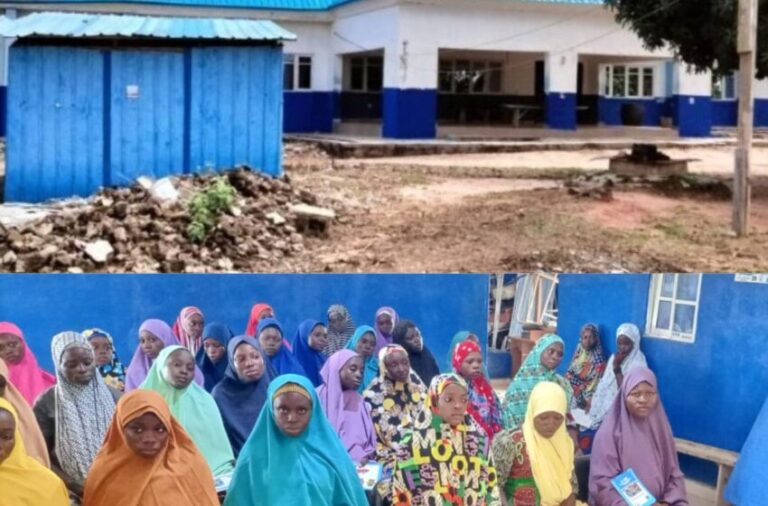
Before the introduction of the Basic Health Care Provision Fund (BHCPF), a Federal Government initiative aimed at providing accessible and affordable healthcare services to vulnerable Nigerians in 2021, the Comprehensive Primary Healthcare Centre, (PHC) in Etsugaie, Agaie Local Government Area (LGA), was a symbol of decay, with dilapidated infrastructure, insufficient supplies, and inadequate human resources. But with the intervention, the once struggling facility underwent a total renovation, leading to an improvement in medical services and the availability of essential items like drugs.
For the community members, this transformation was not just a cosmetic change but a crucial restoration of access to quality healthcare.
The Officer-in-Charge (OIC) of the PHC, Muhammad Ndagi, reminisced on the past difficulties the facilities faced, saying, “they [patients] would come for treatment, but there would be no necessary items in the clinic.”
Today, the centre has been revitalised and community trust in the healthcare system has been restored.
“We didn’t even have mattresses in the clinic in the past, until we started receiving BHCPF funds and we replaced them all,” Ndagi said.
A member of the Ward Development Committee (WDC), Zainab Ibrahim, corroborated Ndagi’s claims, saying that “unlike the previous years, there are now drugs at the centre.”
Access to essential medications is crucial for improving health outcomes and reducing mortality rates. The revitalisation of PHC Etsugaie has provided a lifeline to the local community, ensuring that healthcare is both accessible and reliable.
This centre is among over 200 facilities in Niger State benefiting from the federal government’s health intervention programme.
Virtually all the focal PHCs across Niger State assessing the BHCPF have been renovated, wearing a combination of blue and milk-coloured exteriors.
During a visit to the Etsugaie PHC and Beji PHC in Bosso amd Agaie LGAs in Niger State, the reporter observed that facilities have been revamped, each with new ceilings, roofing, motorised boreholes, and extensions of new buildings.
The BHCPF…
The BHCPF is established under Section 11 of the National Health Act (NHA Act), 2014, as the principal funding vehicle for the Basic Minimum Package of Health Services (BMPHS).
Beji PHC
The Fund serves to increase the fiscal space and overall financing to the health sector to assist Nigeria, particularly the most vulnerable – women, children, the elderly and People With Disability (PWDs), achieve Universal Health Coverage (UHC).
Funding of the BHCPF is derived from contributions including an annual grant from the Federal Government of Nigeria of not less than 1 per cent of its Consolidated Revenue Fund (CRF), grants from international donor partners and funds from any other source.
The National Primary Health Care Development Agency (NPHCDA), which oversees the scheme, states that the BHCPF aims to achieve Universal Health Coverage (UHC), with targets of 30 per cent coverage in three years, 70 per cent in five years, and full coverage in seven years.
The BHCPF also aims to ensure that each of Nigeria’s 774 LGA has at least one functional public or private primary health care facility.
These centres are essential for handling short-term and uncomplicated health issues, but many of them have faced neglect and a lack of qualified personnel.
The federal government said it has disbursed a total of N103,541,090,666 for the BHCPF since the commencement of its implementation in the country. The Coordinating Minister of Health and Social Welfare, Professor Muhammad Ali Pate, disclosed this during the Ministerial Oversight Committee meeting on the BHCPF in April this year.
Recruiting staff with BHCPF fund
Since receiving BHCPF funds since January this year, Halima Musa, OIC of Beji Primary Health Centre (PHC), has employed a nurse and a private security guard to assist with the day-to-day management of the facility.
She stated that the centre operates with 22 permanent staff members and many students.
Patients waiting to see doctor/nurse in Estugaei PHC.
“The last time we received BHCPF funds was in January 2024, and we received N300,000,” she said.
She noted that the facility started benefitting from the BHCPF in 2022, receiving N300,000 every quarter. The money, she said, has been used for overall repair and maintenance of the facility.
Musa explained that hiring a private security guard and a casual nurse was essential to maintain the facility’s security and ensure coverage during her absences or night shifts. Both the security guard and the casual nurse are paid a monthly stipend of N15,000 each from the BHCPF fund.
“We pay both the security and casual nurse N15,000 from the BHCPF fund and also with a monthly allowance,” Musa added.
“I decided to hire casual staff to prevent the facility from deteriorating, as many of the 22 permanent staff members are not always available.”
Similarly, in Etsugaie, OIC Ndagi confirmed that part of the fund is used to employ a midwife and a private security guard.
“We have two staff (a private security guard and a midwife) under our facility, paying them N7,000 and N10,000 monthly,” said Ndagi.
BHCPF funds help Beji PHC staff and improve service delivery
Speaking to the casual staff at Beji PHC, 24-year-old Sumaiya Yusuf, she explained that her initial plan was to return to her tailoring apprenticeship after graduating from school.
She was not expecting to get a job soon in a country where graduates are jobless. However, she was fortunate to be retained as a casual staff member, where she completed her one-year industrial attachment and received accommodation at the PHC staff quarters.
Sumaiya noted that her time at the facility had significantly contributed to her professional development, as she was involved in practical tasks every day.
“It has helped me a lot,” she said. She elaborated, “Initially my plan was to return to my tailoring apprenticeship after graduating from school.
“I never expected to easily find work due to the scarcity of jobs in Nigeria. However, I was fortunate enough to be retained as a casual staff member, where I completed my one-year industrial attachment and even had accommodation at the PHC staff quarters.”
However, she also highlighted the difficulties she faced when commuting from Maikunkele, the headquarters of Bosso LG, to Beji, often spending more on transportation than she earned.
“Every day I spent N1,200 and when the price got almost N1,600, I found it difficult to go.” Sumaiya’s engagement has allowed Beji PHC to provide 24-hour service delivery, according to Musa.
The BHCPF and its role in Nigeria’s health sector reform process
In Nigeria’s healthcare system, multiple agents operate at different levels, influencing how services are delivered. The government plays a central role, supported by two key technical agencies: the National Primary Health Care Development Agency (NPHCDA) and the National Health Insurance Scheme (NHIS).
These bodies are responsible for healthcare delivery, but private providers dominate in many areas, serving about 60% of the population (Alliance for HPSR and WHO, 2017).
Data from the 2018 Demographic and Health Survey (DHS) indicates that 46.5% of Nigerians seek treatment from private chemists and patent medicine vendors for childhood fevers, while 18.1% visit government health centres (NPCN and ICF, 2019).
Health Maintenance Organizations (HMOs) also play a key role in Nigeria’s healthcare system. HMOs were introduced in the mid-1990s, modeled after the U.S. ‘managed care’ system, and initially provided private health insurance for firms (Onoka et al., 2015). When the NHIS was established in 1999, HMOs became operators of the scheme, offering insurance plans and managing healthcare provider networks (Onoka et al., 2016).
The private sector’s dominance in healthcare is tied to the underfunding of public health services over several decades. To address this, the Basic Health Care Provision Fund (BHCPF) was established in 2018, offering an additional funding stream for healthcare.
The ‘Guideline for the Administration, Disbursement and Monitoring of the Basic Health Care Provision Fund’ (2020 Guidelines) guides its implementation (FMOH, 2020). The BHCPF operates through three ‘implementation gateways’:
The first, the NHIS gateway directs 50% of BHCPF resources to State Health Insurance Schemes (SHISs), which use the funds to provide a Basic Minimum Package of Health Services (BMPHS) at eligible primary and secondary healthcare facilities.
The second, the NPHCDA gateway allocates 45% of the BHCPF to public primary healthcare facilities to support drug procurement, facility maintenance, equipment purchase, and staff investment, ensuring that at least one functional primary healthcare facility exists in each political ward (NPHCDA, 2018).
The final 5 per cent is reserved for emergency medical treatment (EMT gateway).
The face of Beji and Etsugaie PHC before the intervention of BHCPF
Musa, the OIC of Beji PHC, recalled when she was posted to the facility in 2015. According to her, there was no power supply. Through the Basic Health Care Provision Fund (BHCPF), she was able to connect the facility to electricity. Built in 1993, Beji PHC serves the village and 28 surrounding communities.
It was reconstructed in 2016 by the state government. The facility includes a solar-powered water borehole, an eight-room staff quarters and a fully equipped laboratory, all provided through BHCPF.
6.-Etsugaie-PHC
When I was first posted here in 2015, the facility didn’t have access to power supply, and through money from BHCPF, I was able to connect electricity. Also, due to the engagement of casual staff and security guards, the facility now operates 24 hours a day,” Musa stated.
In Etsugaie PHC, Ndagi, the OIC, explained that BHCPF funds were used to provide potable water, mattresses, beds, solar panels, and free patients’ cards as motivation for clinic visits. These were all done over time, he said.
WDC, PHC collaboration driving positive change
Beji PHC stands out from other beneficiaries of the BHCPF in the state due to the collaboration between the Ward Development Committee (WDC) members and the facility’s management.
“Whenever the BHCPF funds are released, the management of Beji PHC immediately informs the Ward Development Committee (WDC),” Musa explained.
Significantly, this is the working relationship envisaged in creating WDCs usually made up of leaders in the community where a PHC is cited. This collaboration enables all stakeholders to be involved in the decision-making process and brings about transparency and accountability.
“We call a meeting to discuss and deliberate on the needs of the facility. This is to ensure that the funds are used to address the most urgent priorities,” she added.
Musa noted that this inclusive system has improved the facility’s operations and strengthened trust between the staff and the community.
“It’s a partnership that works for the benefit of everyone,” she said. Beji PHC has become a model in the region, delivering improved services and gaining widespread recognition.
“Through WDC, the PHC has annual, quarterly, and immediate development plans. These are plans to keep the activities of the facility running on a daily basis,” Musa explained.
Baduku Aminu Ahmed, Chairman of Beji WDC, confirmed this, adding that BHCPF funds are used effectively through mutual collaboration.
“We convene a meeting to evaluate and address the facility’s needs,” Ahmed said.
In Etsugaie PHC, Abdullahi Jibrin, Secretary of WDC, noted that regular meetings with PHC staff have led to decisions such as subsidising drugs and using funds for volunteer payments.
Ndagi, the OIC of Etsugaie PHC, corroborated him, saying, that “whenever the fund comes, we meet with WDC members to decide how the money should be used.”
Etsugaie, Beji PHC seeks government intervention for staffing
Despite these improvements, Etsugaie PHC faces a critical manpower crisis, with only two Community Health Extension Workers (CHEWs) available, risking the facility’s closure if these staff members are absent.
“Etsugaie PHC urgently needs additional nurses and midwives to handle deliveries and other essential tasks,” Ndagi, the OIC of Etsugaie, noted.
“Lack of adequate manpower is our major problem. We only have two CHEWs, and if they are not around, the facility will be closed. We need the government to come to our aid by providing more staff for us. We need nurses and midwives.”
Meanwhile, Musa, the OIC of Beji PHC, also expressed frustration over the severe shortage of human resources at her facility.
He added that previous appeals to the Director of PHCs at Bosso LGA and Bosso local government authorities have not yielded any results.
She also observed that the N300,000 quarterly fund provided to her is insufficient to meet her needs, stating that “the amount is not enough to cover the basic requirements, let alone additional expenses.’”
“I will love it if we can get a medical doctor and enough nurses in the facility to render effective services to the community. We also need an ambulance,” Musa said.
Neglect at Cheku and Duma PHCs as Beji and Etsugaie thrive
While residents of Beji and Etsugaie benefit from standard primary healthcare services, residents of many other communities, including Cheku and Duma, both of Lapai LGA, feel neglected by the government.
Cheku PHC signpost
Farook Ndako, the OIC of Duma PHC, highlighted severe challenges faced by the facility. Despite receiving money for medications and supplies, the building is in poor condition.
“The physical structure is over fifty years old and no longer habitable. It desperately needs expansion,” Ndako said.
The facility has seven staff members – three male and four female nurses -but Ndako emphasised this is insufficient given the growing population.
“We have reported these challenges to local government officials, who have escalated them to the state, but we are still awaiting a response,” Ndako added.
A visit to Cheku PHC revealed similar issues with the facility’s condition and staffing.
Umar Adamu, the OIC, said, “We operate with just one permanent staff and rely on volunteers to manage healthcare for 14 communities, including people from Edo, Yelwa, and Bina.”
The facility suffers from a lack of reliable water and inadequate bed space among others.
“The ceiling is badly damaged, leading to infestations of beds and other areas by animals, which makes it extremely difficult for both staff and patients to cope,” Adamu said.
274 PHCS benefits from BHCPF – show improved performance
In response to a Freedom of Information Act (FOIA) request, the Niger State Ministry of Primary Health Care (MPHC) said that 274 healthcare centers across the state have benefited from the Basic Health Care Provision Fund (BHCPF).
In the ministry’s response signed by Dr. Abdullahi Usman Imam, the Permanent Secretary of the ministry, it disclosed that the state received N495,289,476.15 in 2020, no allocation in 2021, N297,625,200.65 in 2022, N716,222,739.24 in 2023, and N343,360,485.48 in 2024 under the BHCPF initiative, all amounting to N1, 852,497,901.52.
The ministry also noted that the distribution of these funds follows the guidelines set by the National Primary Health Care Development Agency (NPHCDA) and the BHCPF Operational Manual.
In the allocation formula:
35 per cent of the funds go to Decentralised Facility Financing (DFF),
5 per cent to Human Resources for Health (Midwives),
5 per cent to Human Resources for Health (Community Health Influencers, Promoters and Services, or CHIPS),
5 per cent to operational funds for the State Primary Health Care Development Agency (SPHCDA), and another
5 per cent to the State Oversight Committee as part of the SPHCDA operational allowance.
The FOIA response highlighted that the BHCPF has contributed to significant improvements in healthcare delivery in the state. It also referenced a performance assessment supported by the NPHCDA in June 2021, where 134 focal facilities were evaluated across 10 priority areas.
In effect, the cumulative score from the assessment was 67 per cent, a considerable increase from the baseline score of 27 percent recorded in 2019.
The document noted that this positive shift in performance is a proof of the overall impact of the BHCPF on strengthening primary healthcare services across Niger State.
FOMWAN suggests strategies for effective utilisation of the basic healthcare provision fund
The amira of the Federation of Muslim Women Association of Nigeria (FOMWAN) Niger State chapter, Hauwa Kulu, called for better management of the BHCPF by PHC managers.
Kulu stated that the purpose of BHCPF is to cover operational costs and provide necessary supplies, and thus the importance of accountability and collaboration with Ward Development Committees (WDCs) should be highlighted.
Duma PHC
To maximise the fund’s impact, Kulu advocates for transparency in financial transactions.
“Every kobo must be accounted for,” she says, emphasising that “community trust is dependent on transparent financial management. Involving WDCs in fund monitoring can improve accountability and increase local engagement.”
She also recommends strategic planning as a key approach. Before disbursing funds to PHCs, state and local governments should establish clear budgetary allocations so that everyone involved understands the financial framework.
Furthermore, she said that collaboration with local philanthropists can help supplement funding and improve facility maintenance. By effectively utilising the BHCPF, she noted, PHCs can significantly improve maternal healthcare services, benefiting the entire community.
Kulu further emphasised the importance of strategic measures in PHC’s to maximise the impact of the BHCPF in the State.
She noted that these measures should emphasised effective feedback and monitoring.
Kulu advocates for increasing the capacity of WDCs, stating, “By empowering these committees, they can effectively monitor fund expenditures within their jurisdiction, assisting in identifying and addressing any financial leakages.” This oversight will make it easier to reinvest recovered funds into facilities that need to be improved.
She also emphasised the importance of creating a feedback platform for citizens to share their experiences with healthcare services. “This feedback mechanism will allow for continuous assessment and improvement of health services, ensuring that BHCPF meets its goal of improving healthcare delivery in rural areas,” Kulu concluded.
On his part, the programme director of the Initiative for Social Development in Africa, (iSODAF), Mathew Oladele, an initiative that promotes social accountability by using public data to advocate for improvements in healthcare and education services, said that to enhance the effectiveness of the Fund, it is essential to streamline the allocation directly to healthcare facility managers, bypassing state government bureaucracy.
Oladele also advocated for critical reforms, emphasising the importance of community-based organisation representatives overseeing fund management.
“When this is done, communities will have more confidence in the system.”
Furthermore, establishing the BHCPF account as a community-based funding mechanism would enable local members to contribute to the fund, he opined.
“This will make the program more efficient and sustainable,” Oladele explained.
Integrating town hall meetings with community members into the needs assessment report would also be beneficial, he noted, while recommending the alignment of basket funding, including which includes both BHCPF and community contributions, and the prioritisation of essential services to better serve citizens.
Oladele further stated that the community members should be empowered to address infrastructure challenges directly, adding that “the government should not come awarding contracts with BHCPF funding.”
This report was done with the support of the International Centre for Investigative Reporting, ICIR.
NIGERIA’s population may reach 450 million by 2050 unless urgent action is taken to reduce the nation’s fertility rates.
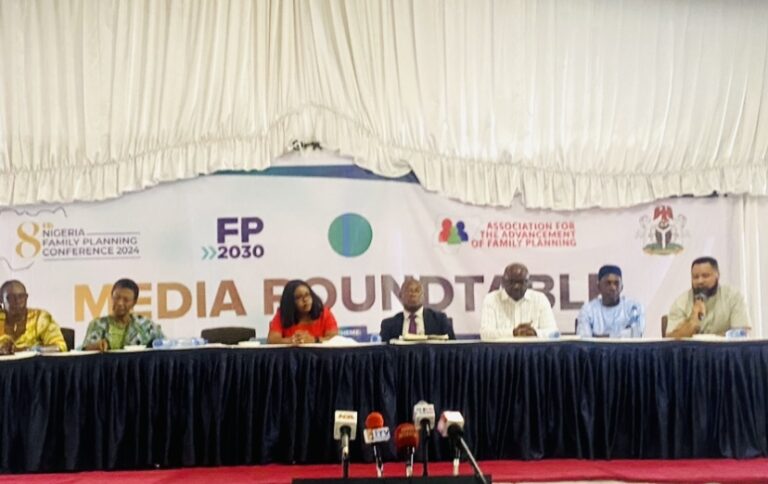
The chairman of the Association for the Advancement of Family Planning (AAFP), Ejike Oji, stated this while addressing journalists at the Media Roundtable for the 8th Nigeria Family Planning Conference in Abuja, on Tuesday, November 19.
Oji stated that the country adds at least four million people to its population annually, a growth rate he described as geometric and unsustainable.
The ICIR reports that following Oji’s prediction, Nigeria’s population will almost double its current size of 239 million in 26 years.
The event, hosted by the AAFP in collaboration with the Federal Ministry of Health and Social Welfare, brought together journalists, policymakers, and family planning stakeholders to discuss critical issues ahead of the biennial conference.
“If this trend continues, we could be adding six million or even 10 million people annually in the coming years,” Oji said, adding that “without reducing our fertility rate to four by 2030, Nigeria risks serious socio-economic challenges.”
Comparing Nigeria’s situation to nations like India and China, which he said successfully curbed fertility rates and invested in their youthful populations to drive economic growth, Oji stressed that family planning remained a critical tool for achieving sustainable development.
He said Nigeria’s fertility rate had decreased from 5.3 to 4.8, citing data from the 2023 Nigeria Demographic and Health Survey (NDHS).
While noting that the progress was notable, he called for greater efforts to meet FP2030 targets, warning that failure to act decisively now could result in irreversible challenges in the future.
In her contribution, a consultant at AMREF International, Ifesinachi Eze, highlighted the critical role of private sector engagement in addressing family planning and reproductive health (FP/RH) needs during emergencies.
While using the story of one Amina, a displaced woman from northern Nigeria, to illustrate the challenges faced by women in conflict zones, where access to healthcare is severely disrupted, she called on the concerned authorities to work towards birth control.
“Disruptions in family planning (FP)/reproductive health (RH) services due to conflict, natural disasters, or pandemics leave women with unmet needs, straining already fragile health systems.”
Eze announced the development of a private sector engagement guide for FP/RH supply chains in humanitarian settings under USAID’s PROPEL Adapt project.
This guide, created in collaboration with FP2030, she said outlined strategies to enhance private sector involvement in maintaining FP/RH services during crises.
She identified critical areas for private sector contributions, including logistical support, data-driven forecasting, funding and rapid response.
Eze further called for stronger public-private partnerships to combine government policy expertise with private-sector innovation and efficiency.
She cited success stories where such collaborations effectively addressed FP/RH challenges, urging the media to amplify these efforts to inspire further private-sector involvement.
The ICIR reports that the media roundtable set the stage for the 8th Nigeria Family Planning Conference (NFPC), focusing on advancing family planning initiatives within the framework of the Nigeria Health Sector Renewal Investment Initiative.
Other discussions at the roundtable revolved around pressing issues such as bridging the gap between policy and practice, ensuring equitable access to family planning services, and leveraging technology and private sector investments for sustainable progress.
Stakeholders also highlighted the importance of advocacy, resource mobilisation, and engaging faith leaders and communities to strengthen family planning programmes.
They also emphasised the role of the media in shaping public narratives on family planning.
Another key issue discussed at the event was a renewed focus on achieving FP2030 goals, including enhancing reproductive health services for adolescents and young people, ensuring the availability of rights-based quality services, and addressing vulnerabilities in underserved communities.
Meanwhile, the head of the Promotion Division of the Federal Ministry of Health and Social Welfare, Nma Ogbona, assured stakeholders and the public that the Federal Government was working to improve the country’s healthcare system and strengthen access to family planning and reproductive health services.
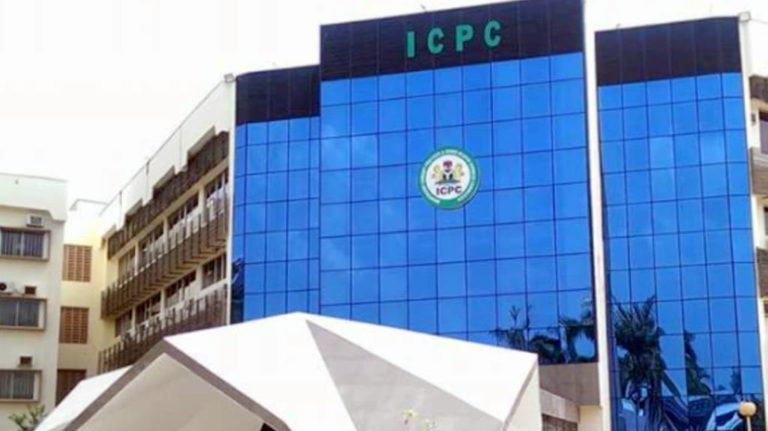
THE Independent Corrupt Practices and Other Related Offences Commission (ICPC) has commenced the 7th phase of its constituency and executive project tracking exercise.
The 7th phase covers 1,500 projects valued at N610 billion across 22 states.
In a statement issued on Tuesday, November 19, the acting director of public enlightenment and education, Demola Bakare, said the initiative focused on ensuring accountability in the implementation of projects funded by the government in critical sectors.
The exercise, which began on Monday, November 18, includes tracking projects executed by intervention agencies like the North-East Development Commission, Niger Delta Development Commission, Universal Basic Education Commission, and the Tertiary Education Trust Fund, among others.
According to the statement, the focus states include Kwara, Niger, Kogi, FCT, Kebbi, Kano, Kaduna, Jigawa, Bauchi, Gombe and Borno.
Others are Lagos, Ondo, Osun, Oyo, Akwa Ibom, Rivers, Cross River, Delta, Imo, Abia and Enugu State.
“The phase seven tracking exercise will cut across agencies of government including intervention agencies such as North-East Development Commission (NEDC), Niger Delta Development Commission (NDDC), National Agricultural Land Development Authority (NALDA), Universal Basic Education Commission (UBEC), Rural Electrification Agency (REA), National Primary Health Care Development Authority (NPHCDA), Tertiary Education Trust Fund (TETFUND) and Ecological Fund Office.
“The objective of the exercise is to deepen adherence to due process in the execution of government projects, improve value for money, and entrench the culture of compliance with the scope and specification as contained in the contract documents,” part of the statement read.
It highlighted the success of phase six of the exercise, which it said tracked 1,900 projects worth N500 billion across 24 states.
“The projects were tracked within the focal sectors of education, water resources, agriculture, power, health, energy, and roads.
“These projects in the sixth phase were awarded to a total of 1,355 contractors in 176 MDAs,” it added.
THE Chairman of the Economic and Financial Crimes Commission (EFCC), Ola Olukoyede, said two staff of the agency were dismissed recently over corruption allegations.
Olukoyede stated this during the opening of the 6th Annual Criminal Law Review Conference organised by the Rule of Law Development Foundation in Abuja with the title, “Optimising the Administration of Criminal Justice in Nigeria: How to Navigate Emerging and Systemic Challenges of Insecurity and Economic Hardship.”
At the five-day event, Olukoyede said the two staff were dismissed two weeks ago. The EFCC chair also said going forward, besides dismissal, workers found culpable would also be prosecuted.
He emphasised the importance of integrity, stressing that people should not fight corruption with “dirty hands.” He also declared that dismissed staff would not only be terminated but also prosecuted.
He asked how EFCC staff could credibly challenge the public if they were corrupt.
“And I have said this to Nigerians; who has ever given me one kobo in the course of my work, come out and say it. I stand to be challenged. I can’t be easily influenced by things like that.
“That’s why we must make up our minds to work together to do the right thing. Any staff that is corrupt, I will show you the way out. Again, some people may want to be overzealous. Out of 12, you must have Judas.
“I can’t stand here and say all is perfect. As many as you see, report them to us, and we will do justice,” he stated.
He emphasised the importance of integrity, particularly among legal practitioners, noting that it is not just about adhering to laws or crafting impressive briefs, but rather about combining law and morality to do what’s right.
He further stressed that integrity was essential for survival and that people’s conscience should guide their decision-making. Olukoyede also advocated reviewing ethics, values, and standards in legal practice, as he argued that it aligned with the EFCC’s mission to prevent corruption.
He welcomed constructive criticism of the EFCC but urged critics to express themselves responsibly, questioning the benefits of undermining institutions.
Meanwhile, the special adviser to the President on policy coordination and head of the Central Delivery Coordination Unit, Hadiza Bala Usman, commended Olukoyede on the reforms in the commission.
She lauded him for systemic development and frameworks in the area of corruption prevention, stressing that his policy drives were practical and sustainable.
She stated this in Abuja on Monday, November 18, while on a visit to the commission.
PRESIDENT Bola Tinubu is seeking the National Assembly’s approval for a fresh N1.767 trillion as a new external borrowing plan in the 2024 Appropriation Act.
The President’s letter containing the request notes that the loan would be used to part-finance the budget deficit of N9.7 trillion.
The President’s request was read by Speaker of the House of Representatives, Tajudeen Abbas, during plenary on Tuesday, November 19.
The President has also forwarded the MTEF/ FSP (Medium-term Expenditure Framework and Fiscal Strategy Paper 2025- 2027) and the National Social Investment Programme establishment amendment bill to the National Assembly, to make the social register the primary tool for the implementation of the Federal Government’s social welfare programmes.
The loan request has raised further questions as the Central Bank of Nigeria (CBN) recently said the Federal Government spent $3.58 billion servicing the country’s foreign debt in the first nine months of 2024.
Data sourced from the (CBN) report on international payment statistics showed that the amount represents a 39.77 per cent increase from the $2.56 billion spent during the same period in 2023.
According to the report, while the highest monthly debt servicing payment in 2024 occurred in May, amounting to $854.37 million, the highest monthly expenditure in 2023 was $641.70 million, recorded in July.
The trend in international debt servicing by the CBN highlights Nigeria’s rising cost of debt obligations.
Further breakdown of international debt figures showed that in January 2024, debt servicing costs surged by 398.89 per cent, rising to $ 560.52 million from $ 112.35 million in January 2023. February, however, saw a slight decline of 1.84 per cent, with payments reducing from $288.54 million in 2023 to $283.22 million in 2024.
March recorded a 31.04 per cent drop in payments, falling to $276.17 million from $400.47 million in the same period last year. April saw a significant rise of 131.77 per cent, with $215.20 million paid in 2024 compared to $92.85m in 2023.
The highest debt servicing payment occurred in May 2024, when $ 854.37 million was spent, reflecting a 286.52 per cent increase compared to $ 221.05 million in May 2023. June, on the other hand, saw a 6.51 per cent decline, with $50.82 million paid in 2024, down from $ 54.36 million in 2023.
July 2024 recorded a 15.48 per cent reduction, with payments dropping to $542.50 million from $641.70 million in July 2023.
In August, there was another decline of 9.69 per cent, as $279.95 million was paid compared to $309.96 million in 2023. However, September 2024 saw a 17.49 per cent increase, with payments rising to $515.81 million from $439.06 million in the same month last year.
Given rising exchange rates, the data raises concerns about the growing pressure of Nigeria’s foreign debt obligations.
The ICIR reported that in November 2023, Tinubu presented N25. 7 trillion as the proposed budget for the 2024 fiscal year to the Joint National Assembly. This was his first budget presentation as President since he assumed office in May 2023.
The 2024 budget also raised dust over budget padding with the Senate suspending, Senator Abdul Ningi for three months over his allegations that the National Assembly padded the 2024 budget.
The allegation was hinged on the unclarity of some times of the budget amounting to about N3 trillion.
Also, there were allegations of some projects carried out by ministries, departments and agencies (MDAs) without descriptions and disparities in constituency allocations.
Also, a civil non-governmental organisation, BudgiT raised issues with the budget, noting that 15 MDAs were expected to carry out more than 600 capital projects which they lacked the technical capacity to execute.
The Ondo State governorship election has come and gone, but not without throwing up some critical issues. In this analysis, The ICIR X-rays areas that should border the government of the day.
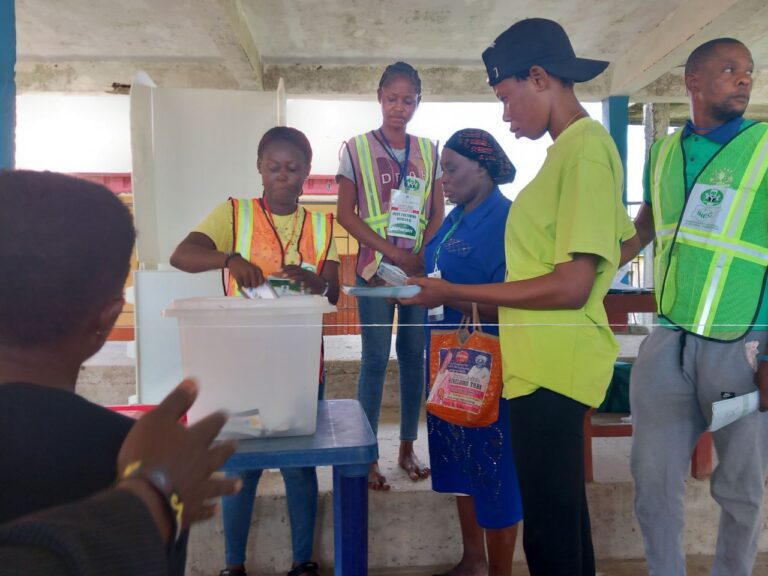
On Saturday, November 16, the people of Ondo State in Nigeria’s southwest zone headed to the polls, to elect a new governor for the next four years.
A total of 18 political parties fielded candidates in the election which was largely described as free and fair.
At the end of Saturday’s voting exercise, the incumbent governor and the All Progressives Congress (APC) flag bearer, Lucky Aiyedatiwa, emerged as the winner.
He polled 366,781 votes to defeat his main contender, the Peoples Democratic Party (PDP) candidate, Agboola Ajayi, who garnered 117,845.
The results as announced by the Independent National Electoral Commission (INEC) indicated that he won in all 18 local government areas (LGAs).
Announcing the results of the poll on Sunday, November 17, at the INEC collation centre in Akure, the Ondo State capital, the returning officer, Olayemi Durotimi Akinwunmi, a professor, declared Aiyedatiwa the winner and was returned elected.
Post election concerns
Amid Aiyedatiwa’s landslide victory, there was a general concern over vote buying during the election, which is a recurring decimal undermining Nigeria’s electoral process.
Alleged buying of votes was said to have undermined the credibility of the just concluded Ondo state governorship election.
In one of its reports, Yiaga Africa, an election-focused civil society organisation (CSO), said it observed vote-buying around polling units during the Saturday’s poll in Ondo State.
Describing as “the not-so-great stuff”, Yiaga stated, “Vote buying drama: still a major issue, with cash flying around polling units. In 11 per cent of polling units, ballots weren’t so secret. party agents were scooping.”
The programme director at Yiaga Africa, Cynthia Mbamalu, stressed the point further when she appeared on Channels TV’s programme, ‘The morning brief’, on November 18.
She explained that Yiaga Africa’s findings showed money paid in vote in some locations was as high as N20,000 per voter in different parts of the state during the poll.
The CSO had, in its pre-election report, indicated that political parties had started indulging in voters inducement even before the poll.
Mbamalu said data from the organisation shows people were openly collecting money, and showing their ballot papers to party agents.
She noted that vote buying had become a major challenge in Nigeria’s electoral process and was an important factor in the Ondo governorship election.
She asserted that the vote-buying observed during the poll was like a contest allegedly indulged in by both the APC and the PDP.
“Vote buying is becoming a major issue,” she said, lamenting it was one part of the security challenge during elections.
“We’re expecting to see a lot more arrests over vote buying or electoral offender and subsequent prosecution because that is one way to curb it,” Mbamalu said.
On the other hand, it is a call to the political parties and politicians that continuing to use money to influence the electoral process creates a bigger problem in the electoral system, she added.
Polling unit 6, ward 7, Ondo West local government area was closed to where vote-buying took place in the video captured by ICIR.
A video that went viral during the polls captured a scene where a vote buying suspect was apprehended during the election.
It was also observed that individuals indulging in the act were distributing money to voters at 18, Omolare Street, near Polling Units 06 and 05 in Ward 7.
The ICIRgathered that voters were offered N5,000, though the political party involved could not be verified.
Polling units 5, ward 7 in Ondo West local government area was beside unit 6 near where ICIR observed vote-buying
Penalties for infraction
The constitution of the federal republic of Nigeria, 1999 as amended, the Electoral Act 2010, as amended and the Independent National Electoral Commission (INEC) rules and regulations constitute the legal frameworks which regulate the electoral process in Nigeria.
According to the electoral umpire, bribery and corruption in the form of vote buying attract penalties.
In its rule, it states that anyone in breach of any of the provisions is liable to be arrested and charged to court and prosecuted by INEC after investigation by the relevant security agencies.
Specifically, it states that paying money to any other person for bribery at any election attracts the penalty of the conviction of the offender to a maximum fine of N500,000 or 12 months imprisonment or both.
It further provides that receiving any money or gift for voting or to refrain from voting at any election attracts the penalty of a maximum fine of N500,000 or imprisonment for 12 months or both.
Question mark on security agencies’ conduct
Over 43,000 security personnel, headed by the Nigeria police , including the armed forces, intelligence security agencies, and other sister security agencies, were deployed during the Ondo state governorship poll.
The police alone deployed 34,757 personnel to polling units, wards, and local government collation centres across the state, according to the Inspector General of Police (IGP), Kayode Egbedokun.
Their involvement was to use their personnel and material resources to safeguard the state’s 18 LGAs, 203 wards, and 3,933 voting units. However, the incidents of vote-buying and other electoral infractions went unhindered under their watch.
A public affairs analyst, Jide Ojo, believes that the issue of vote-buying during elections has become more worrying because of the hardship in the country.
Nigerians are faced with untold hardship following President Bola Tinubu’s petrol subsidy removal and exchange rate unification that have caused inflation to spike and resulted in the high cost of commodities and transportation.
Ojo noted that the rising cost of living makes it more difficult for Nigerians to survive on a day-to-day basis.
He said before Saturday’s poll, dominant parties had started distributing fertilisers and grains, garri, to different wards.
“That is voter inducement and it is criminalised by the Nigerian electoral law,” he pointed out.
“But how would you resist a situation where over half of the population is in abject poverty, where they don’t know where their next meal will come from?”
Ojo believes that if the welfare of Nigerians and the state of social amenities are improved, Nigerians would be able to resist any attempt at inducing them to vote against their chosen candidates.
Ondo police PRO feigns ignorance
Despite reports of vote buying during the governorship poll, the state police public relations officer, Ibukun Odunlami, feigned ignorance of any incident when an ICIR reporter called to enquire about the arrests made by the security operatives.
She claimed the vote-buying incidents reported were hearsay and that most of it was not done at the polling centres.
“People keep saying there was vote-buying, there was vote-buying. Nobody made any reports to the police,” she told The ICIR.
“Like I said, vote-buying didn’t happen at the polling units. So, we can’t start talking about it that there was vote-buying and arrest people because most of this vote-buying talk was more of hearsay,” she insisted.
Odunlami also argued that if there was any claim of vote-buying, it should have been reported to the police, adding that the command had asked anyone who observed such happenings to call the divisional police officer in the area.
She, however, hinted, “Although, I think there was a report that maybe the DSS caught someone, but I can’t stand in to talk about the DSS. So, I won’t be able to talk about it.”
Safety measures in riverine communities
During the governorship election, The ICIR observed a lack of life jackets and other safety measures at the Igbonla waterfront in Ilaje LGA.
A large crowd of people, including children, were seen boarding canoes at the waterfront without any life jackets and safety information from people paddling the canoes.
The waterfront leads to other riverine areas like Obe Nla, Obeji, Obearelewo, Obefela, Oberewoye and Obeagun.
A resident, Katode Otunwi, told our reporter that most of the adults were voters going to polling units in several communities in the area to cast their ballots.
It should be of worry that the incumbent governor of the state and APC’s winner of the poll, Lucky Ayedatiwa, is an indigene of Obe-Nla, one of the communities in the riverine area in Ondo south district.
The ICIRreported that Ayedatiwa voted in Obe-Nla around 9 am, seeking his first election as governor after he succeeded the late Governor Rotimi Akeredolu, who died on December 27, 2023, after a prolonged illness.
The incidents of boat mishaps have killed many people in Nigeria’s riverine area, especially those being transported without a life jacket on them.
A trend analysis of boat accidents and causes in the waterways of Nigeria carried out by C U. Akpudo, a university lecturer who specialises in maritime transport shows frequent accidents within coastal and inland waterways have caused significant loss of human lives and properties.
Some of residentsof Ugbonla area of Ondo State travelling by water to different communities in the area to cast their vote on Saturday, November 16. PC: The ICIR
According to the study, a total of 2,346 lives were lost to 266 casualties in boat accidents between 2010 to October 2021, stating the highest number of fatalities was recorded in 2021.
The study established that the major cause of boat accidents in Nigeria is human-related factors, which represented 67.21 per cent compared to 22.13 per cent caused by natural factors.
It further revealed that passenger boats have 52.46 per cent incidents relative to 14.21 accidents by cargo boats in Nigeria waterways.
The study recommended that to reduce the number of deaths and to save human lives, the availability of sufficient amount of life-saving appliances should be ensured on all the boats.
In other words, the government could subsidise the sale of life jackets to public boat operators for the use of their passengers, the research also recommended.