THE Independent Corrupt Practices and Other Related Offences Commission (ICPC) has described Illicit Financial Flows (IFFs) as one of the main issues threatening Nigeria’s economic growth.
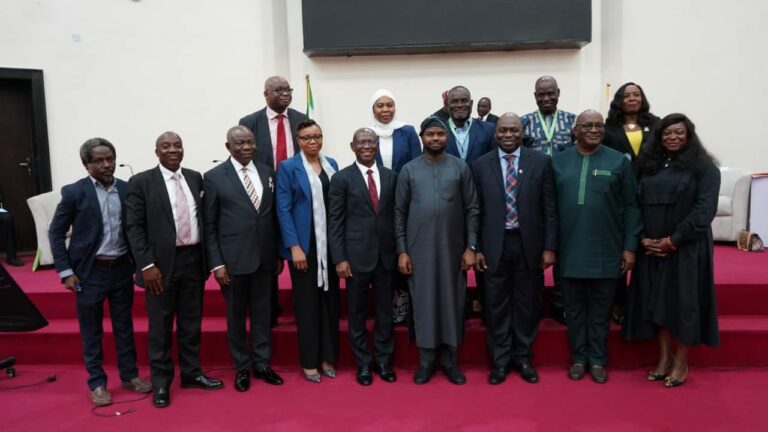
The Chairman of the ICPC, Bolaji Owasanoye, said this in Abuja on Thursday, August 17, during a one-day hybrid sensitisation workshop on the published “Guidelines for Private Sector Response to Illicit Financial Flow (IFF) Vulnerabilities in Nigeria” organised by the Commission.
Owasanoye stated that IFFs are draining Nigeria’s potential revenue and foreign exchange reserves.
According to him, this has resulted in exchange rate depreciation, inflation and an upsurge in the cost of servicing external debts, in addition to negatively impacting the cost of imported goods like petroleum with its attendant extreme effects on the daily livelihood experience of ordinary citizens.
On the way out of the IFFs trap, Owasanoye called for multifarious measures to tackle the threat in all its forms and to improve Nigeria’s quest for domestic revenue increase relative to the size of her economy.
He assured that the Commission would continue focusing on practical measures to enhance Nigeria’s ability to stem IFFs, reduce capital flight and improve the country’s capacity for domestic resource mobilisation.
He added that the ICPC would achieve that by identifying vulnerabilities and other weaknesses in the systems and processes of agencies and institutions within the public and private sectors and advising reforms to mitigate losses.
Owasanoye explained that the sensitisation workshop was necessitated by the need to get the feedback of the private sector constituency on any possible challenges towards implementing the recommendations in the guidelines.
He added that a similar platform would be created for public officers and other stakeholders to ventilate the Guidelines for Negotiation of Contracts and Agreements.
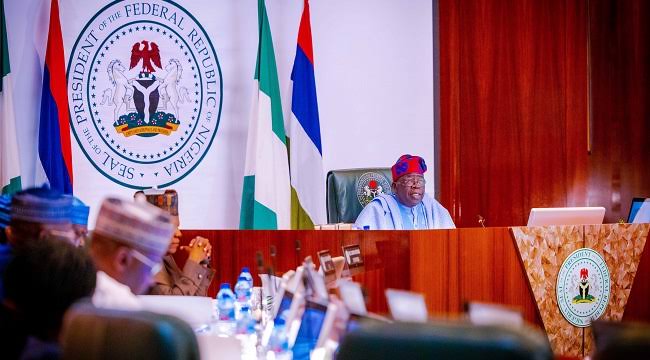
Also speaking at the event, the Special Adviser to the President on Revenue, Zacch Adedeji, who was the keynote Speaker, said President Bola Ahmed Tinubu will ensure that every kobo of the nation’s revenue counts.
Adedeji said President Tinubu believes in fiscal discipline and would ensure judicious utilisation of the country’s revenue and resources.
“The President believes in fiscal discipline, which rests on accurate revenue prediction. If the government can’t count your money, the government can’t allocate it, and if the government can’t allocate it, it can’t manage it. The administration of President Bola Ahmed Tinubu will make every kobo of our revenue count.
“In Nigeria and across the African continent, we continue to suffer various forms of IFFs, including tax evasion and other harmful tax practices, the illegal export of foreign exchange, abusive transfer pricing, trade mispricing, mis-invoicing of services, illegal exploitation and under-invoicing of natural resources, organised crimes, and corruption,” Adedeji said.
He added that checking illicit financial flows would address its negative impact on the global development agenda and governance challenges.
He commended the Chairman of the ICPC, Owasanoye, for the successes recorded by the anti-corruption agency in the fight against IFFs.
Adedeji said ICPC efforts have yielded excellent results and benefits through robust engagements and plugged leakages that enable IFFs by the relevant circulars issued by the Federal Government.
He advised the private sector stakeholders and operators at the sensitisation workshop to key into the government’s efforts to tackle IFFs.
In her welcome remarks, The Programme Director (Africa) of the Centre for International Private Enterprise (CIPE), Lola Adekanye, gave an overview of the published guidelines.
The sensitisation workshop was attended by stakeholders and operators in the private sector across the nation.
The “Guidelines for Private Sector Response to IFF Vulnerabilities in Nigeria” is published by the ICPC.
The guideline seeks to enable private sector practitioners to better understand the phenomenon of IFFs and guide them on what to look out for and avoid during their business transactions.
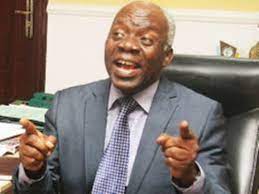
HUMAN Rights Lawyer Femi Falana has sued the Central Bank of Nigeria (CBN) over its decision to float the country’s currency, which he described as illegal.
Falana condemned the Apex Bank during an interview with Channels Television on Friday, August 18, saying the CBN Act made it mandatory that exchange rates be fixed.
“There’s no provision for floating the naira. It is illegal. You say, ‘The value of the naira will be determined by market forces.’ That is not there in the law.
“I have had to sue the Central Bank of Nigeria at the Federal High Court because Section 16 of the Central Bank Act has imposed a duty on the Central Bank to fix and determine the rate of the naira vis-à-vis other currency,” Falana said.
He added that some economic challenges in Nigeria resulted from the dollarisation of the economy, as some domestic payments were made in dollars, putting pressure on the naira.
“Section 20(1) of the CBN Act provides that the only legal tender in Nigeria shall be the currency notes issued by the Central Bank: only the naira.
“Section 20 (5) of the Act also provides that anybody who spends any other currency in Nigeria without the approval of the central bank has committed an offence and shall be prosecuted. The penalty is six months’ imprisonment,” he said.
Falana recommended that strengthening the naira and making it the only legal tender in the country would help address the problems with the economy.
Nigeria officially floated the naira after years of having different exchange rates on Wednesday, June 14.
This would allow buyers and sellers of foreign currency in the official FX market to determine rates they find comfortable rather than sticking to a capped price fixed by the CBN.
While the floating has been described as a step in the right direction by economic analysts, there has been no immediate relief for citizens, and the plunge in the value of the naira has led to an increase in cost of imported goods and declining purchasing power.
THE Nigeria Extractive Industries Transparency Initiative (NEITI) said Nigeria lost over 619.7 million barrels of crude oil valued at $46.16 billion or N16.25 trillion from 2009 to 2020.
This loss is from theft and sabotage, amounting to losing over 140,000 barrels of crude valued at $10.7 million daily.
The Transparency agency, also said that total revenue earnings to the government of $741.48 billion came from the oil and gas sector and N635.3 billion from the solid minerals sector between 1999-2020 and 2006-2020, respectively.
The Executive Secretary of NEITI, Orji Ogbonnaya Orji, said this in Abuja, on August 16 2023, at the end of stakeholders’ roundtable for the final approval of the 2021 Industry Oil, Gas and Solid Minerals Reports before their release to the public.
He said that in the absence of a board, the meeting was to get the nod of other stakeholders after the independent administrators submitted the documents.
The global Extractive Industries Transparency Initiative (EITI) Standard, which provides guidance for NEITI’s operations, requires that the Multi Stakeholders Group (MSG) which oversees the EITI reporting process and implementation in countries, approve the industry reports produced before they are released to the public.
Orji recalled that so far, NEITI has conducted a total of 13 cycles of reconciliatory reports in the oil and gas sector and 11 cycles of reports in the solid minerals sector.
He reiterated that NEITI had reported on subsidy payments from 2005 to 2021 and its huge negative consequences to the nation.
In these reports, he noted that it was revealed that Nigeria had spent $74.39 billion, which translates to N13.7 trillion, with an average of N805.7 billion annually, N67.1 billion monthly or N2.2 billion daily.
“After extensive consultation with the international secretariat, it was agreed that representatives of Companies, Civil Society, Media and Government should be invited to review, deliberate and approve the reports.
“This is not the first time we are adopting this approach, as you will recall that we had a similar experience when approving the 2019 Industry Reports immediately after my assumption of office. We had no Board then.
“The global EITI gave Nigeria waiver and approved that NEITI should convene a multi stakeholders’ roundtable to review and approve the release of the reports,” he stated.
On the reports expected to be officially made public latest by next month, he said the oil, gas and mining industries covered a total of 69 companies and 12 government agencies and one state-owned enterprise, while a total of 1214 companies with three government agencies were covered in the report of the solid minerals sector.
The objectives of the reports, Orji said, were to establish the quantities of minerals produced and utilised in the country.
Besides, he stated that the reports also sought to establish the revenue paid by oil, gas and mining companies and how much of such revenues were actually received into government coffers.
Other areas of focus by NEITI, Orji noted, are to identify investments made by the federation or the federal government in the oil, gas and mining industries, track subsidy payments, company remittances and liabilities.
“The processes followed, especially on the basis for computation and remittances of all revenues payable to the government such as taxes, royalties, and rents are equally of interest to NEITI.
“We hope that after this review and approval process, the independent auditors who are part of this meeting will in collaboration with the NEITI staff, reflect your comments, observations and remarks in the reports before they are finalised and released.
“Our immediate priorities are: to release the 2020-2021 Oil, Gas and Mining Reports and the Fiscal Allocation and Statutory Disbursement reports. This is consequent upon the approval we seek today from you and to conduct the 2022-2023 industry reports in the oil, gas and mining sector,” he stressed.
The stakeholders present were mainly drawn from the government, civil society organisations, extractive industries operators and regulatory agencies.
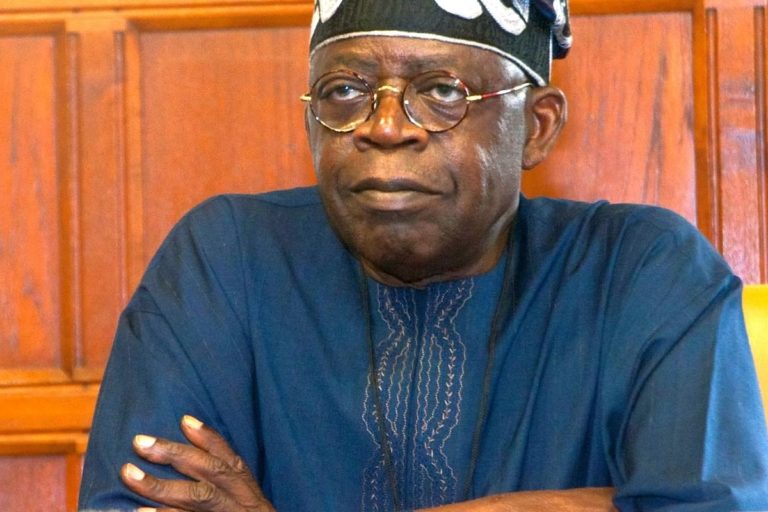
WHEN President Bola Tinubu announced the fuel subsidy removal in his inaugural speech on May 29, it came with mixed feelings and some uncertainties.
Days after, Nigerians started witnessing a new dimension of hardship with an increased cost of living—the rise in the cost of food and fuel price, leading to public agitation.
It was clear to the new administration that the pains were overwhelmingly unbearable.
The Nigeria Labour Congress (NLC) and relevant stakeholders kicked. And prominent among public concerns was why the Federal Government would initiate such a policy without the needed shock absorbers – reliefs.
Tinubu would later promise a palliative measure which many described as setting the cart before the horse.
The palliative…
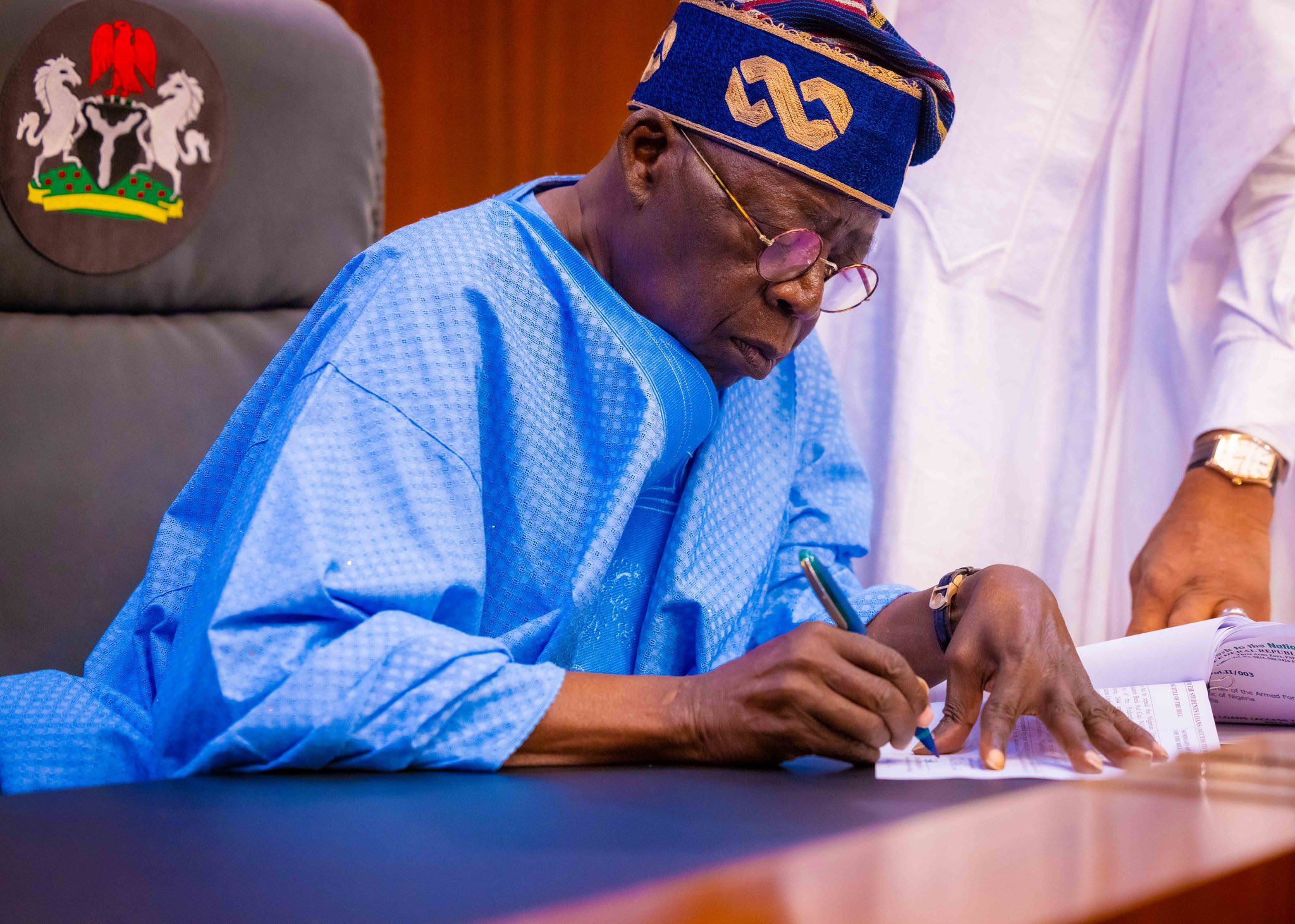
In no time, on July 13, the President wrote to the Senate seeking approval for the $800 million palliative loan from the World Bank. He described the plan as “shock-responsive safety net supports for all and vulnerable Nigerians and the cost of meeting basic needs.”
President of Nigeria, Bola Tinubu
Tinubu explained, “under the conditional cash transfer window of the programme, the federal government of Nigeria will transfer the sum of 8,000 a month to 12 million poor and low-income households for a period of six months with a multiplying effect on about 60 million individuals.”
The plan to disburse N8,000 to 12 million poor households still met stiff condemnation. Most Nigerians kicked against the plan. They considered it irrational considering the rising inflation put at about 22.79 per cent, low purchasing power and the increasing cost of transportation, which will render the sum worthless.
The average transport fare within major cities has increased by 97.88 per cent. This is based on the Transport Fare Watch data uploaded by the National Bureau of Statistics (NBS) Saturday, August 12, 2023. An average cost of a kilogram of beef stood at N2,653.02, indicating a growth of 27.55 per cent.
The ICIR even examined the feasibility of the federal government’s proposed intervention. Findings showed a typical Nigerian household has about five persons in a family. The family size is much higher in rural areas, with 5.42 individuals, according to the NBS, and 4.50 in urban areas.
In fact, the NBS survey on Nigeria Living Standards (2020) pegged Jigawa state as having the highest family size of 8.15 persons. And this implies such a family, for instance, would rely on N8,000 for a month to cushion the effect of the economic reforms if they emerged as beneficiaries.
Following public outcry in some quarters, the president withdrew the palliative for review, after which it was announced that each state, including the FCT, will get N5 billion as palliative.
But how has this kind of initiative fared in the past?
In the past, when the federal government implemented similar palliative projects, accountability and transparency in the distribution were a major public concern. And to a large extent, it did not work as it should. Politicians influenced who got what.
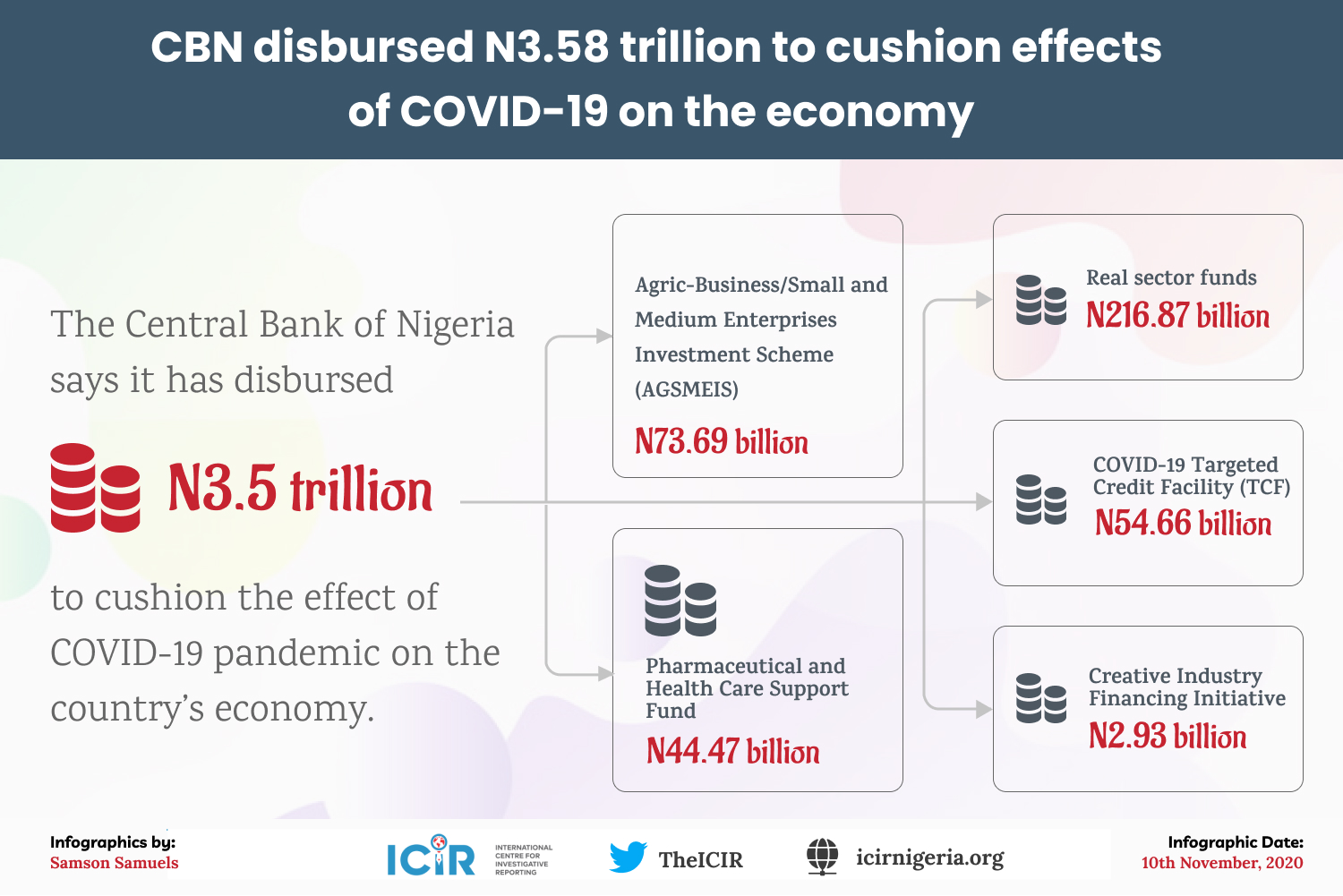
The scandalous hoarding of COVID-19 palliatives during the pandemic is still fresh in the mind of many and has remained a cause of distrust among most Nigerians.
The Subsidy Reinvestment Empowerment Programme (SURE-P) under former president Goodluck Jonathan’s administration is often considered as slush funds where government resources got looted in the name of palliatives to the masses. Few eyebrows were raised on the Conditional Cash Transfer (CCT) of the immediate past administration through the controversial.
How CBN allegedly disbursed N3.5 trillion for COVID-19 Palliatives PHOTO: ICIR
The Sure-P experience
The SURE-P initiative commenced in 2012. The idea was to reinvest savings from the nation’s fuel subsidy removal for social safety nets and public infrastructure. The entire initiative was to benefit the people directly.
But the pioneer chairman, Christopher Kolade, was the first to raise credibility concerns on the fuel subsidy palliative. He accused officials of the Jonathan administration of undermining the initiative and being overwhelmed by certain forces within the former President’s administration. Kolade later resigned, and the project went south.
“We started by saying we would offer employment to 5000 youths from every state. Of course, if you are sitting in Abuja, and you want to identify 5000 youths in all the states, it is difficult unless you involve people who are on the spot.
“Now, it was the feeling of our committee, led by me, that we needed politically neutral people to identify people in the states. In other words, get civil servants to go in there and say, according to the criteria you’ve agreed, these are the 5000 youths from this state. But we were told that would not be acceptable.
“So something was set up called State Implementation Committees made up mainly of people with political affiliations with one party or the other. When that was brought into play, I pointed out that I feared this would politicise our actions. And that therefore I felt we should take politicians out of this. But I was overruled by those who had the power to overrule me.
“And then, it started happening…”
In January 2018, a former Permanent Secretary at the Federal Ministry of Labour and Productivity, Clement Onubuogo, forfeited N664 million and $137,680 to the federal government, having been prosecuted for diversion of funds from the SURE-P programme. This was after the Economic and Financial Crimes Commission (EFCC) arrested him.
By May 2022, a judge, Babs Kuewuni of the Federal High Court, Ikoyi, Lagos, sentenced the accused to 12 years imprisonment, among other forfeitures, to the government’s coffer. But he was not the only one accused of fleecing the government through the SURE-P.
In the same year, the former governor of Katsina state, Ibrahim Shema, was accused of laundering N5.77 billion SURE-P funds. He was prosecuted before a justice, Hadiza Rabiu Shagari, on a 26-count conspiracy and money laundering charge.
Shema allegedly stole the money from the state’s SURE-P account.
In May 2022, the EFCC arrested the former governor of Zamfara State, Abdulaziz Yari, over alleged financial fraud of about N22 billion linking the politician to the SURE-P programme.
The anti-graft agency, in a statement issued on July 28, 2022, revealed that Yari, who was considered to have benefitted from the corruption of Ahmed Idris, former Accountant-General of the Federation, ordered N17.15 billion be paid into a private firm – Fimex Professional Services.
It remains unclear whether Yari and other accused persons listed by Idris will be prosecuted to the point of conviction. But, these were the sets of persons identified by the anti-graft agency.
In 2013, the Plateau State House of Assembly raised the alarm over unspent N3 billion SURE-P funds stored in government accounts, not disbursed to the beneficiaries. In November of the same year, the Senate queried Bala Mohammed, the former FCT minister, over the mismanagement of FCT funds. The lawmakers grilled him for the wrong transfer of N1 billion fund meant for the SURE-P project into the Abuja Investment Funds.
Towards the inauguration of the former President, Mohammed Buhari, in May 2015, beneficiaries of the SURE-P programme almost disrupted the swearing-in activities. The aggrieved group numbering 119, 000, under Community Service for Women and Youths Empowerment Project (CSWYEP), threatened over concerns the Buhari government might not settle unpaid benefits accrued from the SURE-P programme.
“But as we speak, the Federal Government owes February, March, April, and May; they are owing state operators also. Even the N100,000 monthly allowances of the state chairmen and other state operators have also yet to be paid. The Minister of Labour sent a memo, dated May 18 2015, to all states of the Federation stating that the programme will end May 29, 2015.”
The rots around the SURE-P project execution continued a year after Buhari assumed office.
The Independent Corrupt Practices and Other Related Offences Commission (ICPC), in November 2016, recovered 95 vehicles from public officials involved in SURE-P projects, among other loots worth N29.77 billion, recovered by the commission.
ICPC recovers 95 SURE-P Vehicles from government officials. File copy
The ICIR, on August 2018, further documented how N600 million SURE-P funds meant for tourism development centres were either never executed or done shoddily. A few of the projects in question were constructing art and craft markets at the National Stadium, Ikot Ekpene, Akwa Ibom State and the popular Ikogosi Cold and Warm Spring in Ekiti State. Both reportedly got awarded N11.5 million each, but a field visit revealed “there was no project or building designated as an art and craft centre” at the supposed project sites.
Buhari’s national social register
On Thursday, July 20, the National Economic Council (NEC) of the Tinubu-led administration resolved to discard the national social register over integrity issues.
For instance, the Anambra State Governor, Charles Soludo, argued that most of those who claimed to have been beneficiaries of the palliative through the social register under the Muhammadu Buhari administration would usually not own bank accounts, thus, challenging to have digitally received any money through transfer.
Soludo, while briefing the press at the presidential villa about some of the issues discussed at the council meeting, queried how the data of the poorest of the poor was generated. The Anambra state governor, a former head of Nigeria’s Central Bank, further argued that the beneficiaries may not even own mobile phones.
Regional distribution of the social register sourced from the National Social Safety-Nets Coordinating Office (NASSCO)
“Let’s talk about a social register and them distributing things through the social register by digital means, implying that these people already have account numbers and they have phone numbers.
“Maybe we are talking about some other people and not Nigerians. The poorest 25 per cent of Nigerians are likely, if not totally unbanked, and lack access to a telephone,” Soludo said.
“Now, in thinking through that, we felt that sitting in Abuja and calling on somebody in Anambra to compile a list and send it to you and then the person depends on who he brings, and the registers are generated, and people go to those villages and ask where those people are, and they don’t show up. This is stress testing. We think we need to go down back to the drawing board.”
He advised that if the FG was to deliver such palliative from Abuja, it should be executed in partnership with the state government using peculiar parameters and formats to generate the comprehensive register.
Soludo said such a move would be open and satisfy specific testable criteria, such that relevant officials could call out the villagers and everyone would confirm the real vulnerable people if the government is truly targeting the category of the masses.
“So the integrity test is what is missing with that register. Many have just described what is being counted as national register as bogus; some describe it as a phantom, some in all manner of terms. So we need to face the problem that we don’t have a credible register and get back to work on this.”
Having been recommended by NEC, this implies a possible scrap of the social register. The NEC is rated as the top decision-making body in the country. But this may not sit well with the social safety office.
The recommendation has since caused anxiety at the National Social Safety-Nets Coordinating Office (NASSCO), with different actors sharing conflicting positions. The office, managed by the Federal Ministry of Humanitarian Affairs, Disaster Management and Social Development (FMHDSD), insists the register is an aggregation of state registers put together by the respective states across the country, including the Federal Capital Territory (FCT).
“States build the register using a community-based targeting approach undertaken by targeting teams and enumerators engaged by states and overseen by their ministries of planning.”
Experts react
A professor, Bell Ihua is among those who believe it should be updated to capture new variables rather than puncturing the integrity of the national register.
“The compilation of the national social register is not a wasted effort. Taxpayers’ money was spent to compile the register, and the experts who handled the assignment are still around.
“We must not jettison the register, rather work towards verifying and upgrading it.”
Former Executive Secretary of the Nigeria Extractive Industry Transparency Initiative (NEITI), Waziri Adio, shared a similar perspective as Ihua. In h his article titled, Distrusts, Politics and the National Social Register, he criticised Soludo’s remark, stressing that the social register is the database of Poor and Vulnerable Households (PVHHs) in Nigeria; put together with input from the states and financial support from donor organisation.
“The way Soludo frames the issue, an impression has been created that Nigeria’s social register is a phantom one, cooked with dubious intent, totally devoid of rigour, and most importantly, assembled with no inputs from the states other than someone in Abuja casually calling some random persons and asking them to send whatever lists they could lay their hands on or conjure.
“Such an impression is not only incorrect, it is gravely unfair to the process that led to the NSR and the stakeholders that put it together.”
This was Adio’s position, standing solidly behind the process. He firmly believed the data aggregation process involved multiple stakeholders, including from the states, especially the ministries of budget and planning from the 36 sub-nationals, and thus, might invalidate the position shared by the national economic council.
The Permanent Secretary of the humanitarian affairs ministry, Nasir Sani-Gwarzo, further alluded to the earlier submissions of how the database came to be. He spoke recently at a multi-stakeholder meeting on Policy Dialogue on Nigeria’s Poverty and Vulnerability Profile. Present were representatives from the European Union (EU), World Food Programme (WFP), Save the Children, International Labour Organisation (ILO), the World Bank, United Nations Children’s Fund (Unicef), and NASSCO.
Perm Sec @FMHDSD Dr. Nasir Sani-Gwarzo: “The National Social Register is not a dataset that addresses every problem, but it’s a complete dataset that foresees every problem around poverty” pic.twitter.com/dfdNrgWWjM
It is not a national beneficiary register, he said. He explained it is a pool of data stakeholders and policymakers could leverage to identify social intervention beneficiaries.
“The national social register is not a dataset that addresses every problem, but it’s a complete dataset that foresees every problem around poverty.”
Though the government already indicated an interest in reviewing its proposed N8,000 palliative plan, carefully observing the gaps in the previous intervention projects would be handy.
THE National Assembly will be saving Nigerians from lots of economic distress if it evaluates and properly scrutinises the details of the transactions of the Nigerian National Petroleum Company Limited (NNPCL), $3bn emergency crude repayment loan from Afrexim bank, industry pundits have stated.
On Wednesday, August 16 2023, the NNPCL and Afrexim Bank jointly signed a commitment letter for an emergency $3 billion crude oil repayment loan.
The signing, which took place at the bank’s headquarters in Cairo, Egypt, will provide some immediate disbursement that will enable the NNPCL to support the federal government in its ongoing fiscal and monetary policy reforms aimed at stabilising the exchange rate market.
For many knowledgeable economists, the NNPCL’s poor reforms have pushed the country to a fiscal cliff while pushing Nigeria’s foreign exchange volatility further high.
Available records showed Nigeria’s major foreign exchange earning is from its oil resources, a situation that has made it steadily hinge its budgetary provisions on oil benchmark pricing.
The ICIR has earlier reported how the NNPCL kept shifting the goalpost on getting enlisted in Nigeria’s stock exchange, which could have offered it a platform to source for funds.
“NNPCL is borrowing to give to the federal government. As collateral, It’s is offering her future receipts. In essence, spending tomorrow revenues today,” a financial expert and development economist Kalu Aja said.
“The $3 billion you get today, you won’t get again, but it buys time for reforms,” he said.
Another development economist, Kelvin Emmanuel, believes the evaluation of the term sheet of the transaction by the National Assembly will save Nigeria from many economic problems.
“The National Assembly must review and ask specific questions on the deal. For instance, how many barrels of crude is involved in the swap, what is the duration of the swap, at what price was the swap deal consummated, what happens if crude oil price drops below the forward price, what happens if the crude oil price rises above the strike price, is the stock going out from Nigeria’s export quota?
“Other key questions to be raised by the National Assembly should also include: how will Federation Accounts and Allocation Committee FAAC audit the transaction to ensure NNPCL is transparent?
“If there’s no sovereign guarantee from CBN, what collateral did NNPCL use to secure the swap deal? What happens if there’s a force majeure on daily production volumes and the output is not sufficient to go around after deductions of JV cash calls?
Other key questions also include: Is Afreximbank going to send an irrevocable standing payment order (ISPO)to the NNPCL account with JP Morgan to debit payment from the source, until funds are liquidated?”
Apart from the raised concerns, the deal will cushion the effect of fuel price jump and scarcity of forex, associated with the free float of the naira, in line with President Bola Tinubu’s promise of harmonising various exchange rates.
It would be noted that the naira float had seen the currency plunge from below N500 per dollar on the official exchange windows to a record low of about N900 naira.
Also, Petrol now sells at N617 from the first increment of N540 per litre since May 29, when Tinubu announced that the fuel subsidy was gone.
Giving further insights on the $3 billion loan facility, O’tega Ogra, senior special assistant to the president on Digital/New Media via his social media handle, explained that the deal with Afreximbank would enable NNPC Ltd to defray taxes and loyalties in advance.
Ogra, said it would also provide the government with dollar liquidity to stabilise the naira with limited risk.
He clarified further that the emergency $3 billion crude oil repayment loan was not a crude-for-refined products swap but an upfront cash loan against proceeds from a limited amount of future crude oil production.
He said it would not pose any risk, adding that the exposure for NNPCL is very limited, covering just a fraction of their entitlements.
“Additionally, there are no sovereign guarantees tied to this loan,” he said.
On the benefit of the loan to Nigerians, Ogra said it would assist NNPCL in settling taxes and royalties in advance and also equip the Federal Government with the necessary dollar liquidity to stabilise the Naira, with limited risk.
Ogra said the funds would be released in stages or tranches based on the specific needs and requirements of the Federal Government.
“A strengthened Naira as a result of this initiative will lead to a reduction in fuel costs.
“This means that if the Naira appreciates in value, the cost of fuel will drop and further increases will be halted.
“A stronger Naira will result in lower prices from the current level, making subsidies unnecessary. The deregulation policy remains unchanged,”he said.
Nigeria Civil Aviation Authority (NCAA) has intervened in a planned strike action by some aviation workers under the National Union of Air Transport Employees (NUATE), leading to its suspension on Wednesday, August 16.
NUATE Secretary-General Ocheme Abah disclosed this in a statement on Wednesday, according to the News Agency of Nigeria (NAN).
Ocheme said the NCAA responded to a letter sent by NUATE informing them of intentions to embark on the strike action, asking for a week to address the demands by the workers.
NUATE had called for indefinite strike action by aviation security workers on Tuesday, August 15, over poor wages.
The call for strike action was contained in the letter to the NCAA, which disclosed that the N30,000 monthly remuneration paid to some workers was insufficient given current economic realities.
“The union asserts that despite attempts to negotiate with management across various aviation logistics companies, no meaningful progress has been made to secure fair compensation for workers. The union asserts that despite attempts to negotiate with management across various aviation logistics companies, no meaningful progress has been made to secure fair compensation for workers.
“The management of all the companies in the business have all failed to secure decent contracts that can avail fair remuneration for their workers. With current salary levels as low as N30,000 a month for graduates, there is no gain saying that AVSEC employment in Nigeria is nothing other than a slave labour camp,” the letter partly read.
In April, the NUATE, along with the Air Transport Services Senior Staff Association of Nigeria (ATSSSAN), National Association of Aircraft Pilots and Engineers (NAAPE) and the Association of Nigerian Aviation Professionals (ANAP) embarked on a 2-day warning strike which left many air travellers stranded.
The strike was also a result of unfavourable working conditions and non-implementation of minimum wage, among others.
The strike occurred after several warnings by the aviation workers to down work tools if conditions of service were not improved.
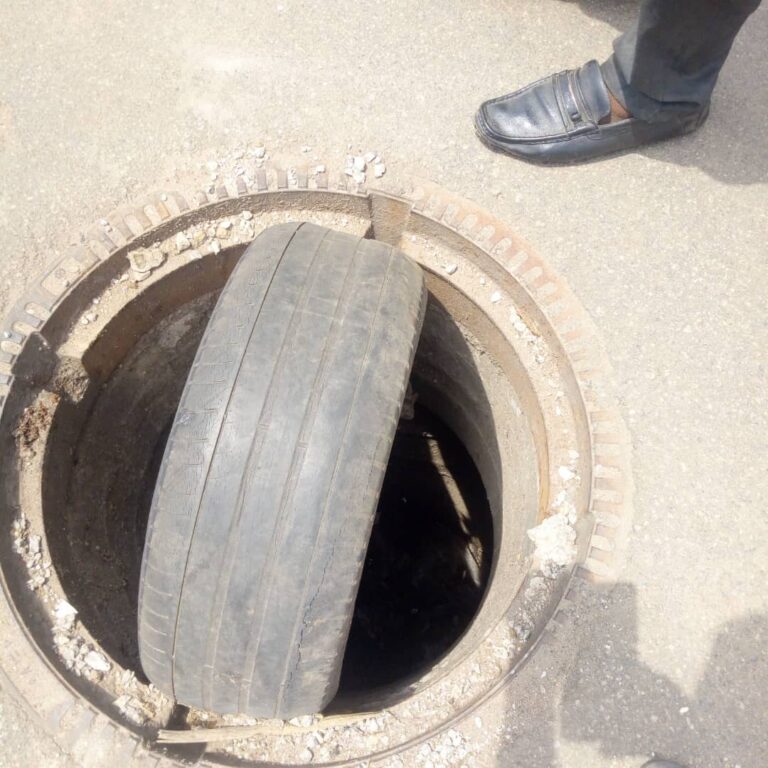
THE Federal Capital Territory (FCT) Command of the Nigeria Security and Civil Defence Corps (NSCDC) on Tuesday, August 15, declared battle against manhole cover thieves and vandals in the city.
Olusola Odumosu, the newly posted Commandant of the FCT Command, made the declaration on Tuesday in Abuja while taking over from Peter Maigari.
Speaking to the command’s staff, Odumosu orders vandals and those stealing manhole covers to leave or face the repercussions of their behaviour.
He also warned staff against arrogant behaviours in their interactions with law-abiding civilians.
“I have declared war on vandals, economic saboteurs, criminals, manhole thieves, the vandals of street and traffic lights, communication and electrical installations.
“These are all critical assets that contribute to the daily existence of Nigerians, and NSCDC has been at the forefront as the lead agency in this regard; I will ensure that these criminals are put where they belong,” Odumosu stated.
He said he has mapped out strategies, including deploying more men and increasing day and night patrols.
Odumosu additionally pledged to start using visibility policing as a strategy.
“What gave them the room to operate before was the fact that they didn’t see much security presence in a number of places with such facilities. So, we are going to improve on that.
“It is serious business. These criminals cannot be subjecting government to unnecessary expenditures as a result of their unwholesome activities,” he added.
Odumosu said he will take an audit of all the manholes in Abuja and also focus more on areas like Gwarinpa in a bit to rid the area of vandals.
Odumosu tasked the personnel to remain loyal to the country and the corps.
The ICIR, in a detailed report in May 2022, disclosed that manholes and gully pots are supposed to be an advantage to any urban city. However, in Abuja, they are often a dangerous spot waiting to happen.
The report highlighted how a welder and resident of Abuja, Oluwatosin Adekunle, woke up one Saturday morning anticipating watching his favourite football club play; he never got to watch it as he ended up at the hospital.
Adekunle, while alighting from a vehicle, fell inside an uncovered manhole around AYA.
In addition, Juliana Panshak, a visitor to Abuja, narrated her experience on her first visit to Abuja.
Like Adekunle, her leg fell into an uncovered manhole around Jabi garage when she was alighting from a vehicle, and
she nursed the injury throughout her stay in Abuja.
In doing the report, The ICIR gathered that some manholes require a ladder to climb into them; this makes them dangerous when left open.
It was also observed that many manhole covers in the city have been removed or stolen.
The Federal Capital Territory Administration (FCTA) blamed scavengers and vandals for the constant stealing and vandalisation of the manhole covers in the FCT.
The Director of Infrastructure and Facilities in the FCTA, Omoniyi Olaloye, told The ICIR that over 600 manholes were without covers in Abuja.
In her reaction, Josephine Adeh, Police Public Relations Officer (PPRO), FCT Command, told The ICIR that they arrested several perpetrators who stole and vandalised manhole covers.
THE Federal government, on Thursday, August 17, approved a sum of N5 billion palliative for each state and the federal capital territory (FCT) to address the impact of the fuel subsidy removal on the masses.
The total figure amounts to N185 billion for the 36 states and the FCT.
The governor of Borno state, Babagana Zulum, announced this to State House correspondents after the National Economic Council (NEC) meeting, presided over by vice president Kashim Shettima.
Zulum said each state, including the federal capital, would get N5 billion for palliatives.
The council comprises governors of the 36 states, the governor of the Central Bank of Nigeria (CBN) and other co-opted government officials.
Arising from the removal of the subsidy, the pump price of fuel has surged to over N600 per litre, causing severe hardship for individual households.
The House of Representatives has on Thursday, July 13, approved President Bola Tinubu’s request to source N500 billion from the N819.5 billion 2022 supplementary budget to fund palliatives to cushion the impact of subsidy removal on Nigerians.
The Senate also had on July 13 approved the President’s request of $800 million World Bank loan as additional funds for the financing of the national social safety net programme (NSIP) set up by the National Assembly.
A concessionary facility, the loan was to expand coverage of shock response and safety net support among the poor and vulnerable Nigerians to meet the cost of their essential needs.
An initial plan by the government to pay N8,000 to 12 million poor households was greeted with criticism, as many people assumed the plan would not be sustainable.
The government then decided that palliatives to cushion the effects of fuel subsidy removal would be implemented using new registers created by states after the council discredited the country’s national social record (NSR) supposedly used by the immediate past administration to implement conditional cash transfer (CCT) programme.
A social intervention programme is expected to jumpstart people from poverty, which makes it a temporary programme, Nigeria’s country director, ActionAid, Ene Obi, told The ICIR.
She, however, said the government needs to come clean on the issue of corruption and be accountable.
“You do not give people fish; you teach them how to fish,” the ActionAid country director said.
Also, there are concerns about the methodology and criteria the governments intend to use to select vulnerable Nigerians to benefit from the fuel subsidy palliatives.
The ICIR reported that the Federal and state governments recorded awful experiences during the Covid-19 pandemic distribution of palliatives to the citizens.
The disgruntled exercise caused a lot of controversies that trailed the entire process of the distribution of the Covid-19 palliatives.
Meanwhile, the National Bureau of Statistics (NBS) report showed that over 133 million Nigerians live in multidimensional poverty.
The figure indicates that 63 per cent of Nigerians are poor due to a lack of access to health, education, and living standards, alongside unemployment and shocks, adding that three out of five Nigerians live in poverty.
THE Athletics Integrity Unit (AIU) has declared Tobi Amusan not guilty of the doping charges against her.
The Nigerian world 100m hurdles defending champion had been dragged into the mug for missing three whereabouts which left her participation at this year’s championship hanging in the balance.
In a tweet on their official handle, the AIU on Thursday night said, “A panel of the Disciplinary Tribunal, by majority decision, has today found that Tobi Amusan has not committed an Anti-Doping Rule Violation (ADRV) of three Whereabouts Failures within a 12-month period.
“AIU Head Brett Clothier has indicated the Athletics Integrity Unit (AIU) is disappointed by this decision and will review the reasoning in detail before deciding whether to exercise its right of appeal to the Court of Arbitration for Sport (CAS) within the applicable deadline. The decision is currently confidential but will be published in due course,” the statement read.
FOLLOWING recent extortion and bribery allegations along Nigerian highways, the National Drug Law Enforcement Agency (NDLEA) has stated that it will take strict action against any corrupt acts by its personnel.
This was in reaction to an investigation by HumAngle that accused officials from the NDLEA and five other security agencies – the Police, the Nigeria Immigration Service (NIS), the Nigeria Security and Civil Defence Corps (NSCDC), Nigerian Army and the Federal Road Safety Corps (FRSC) – of extorting money from drivers and other road users at checkpoints along the Maiduguri highways in Borno state.
The organisation’s director of media and advocacy, Femi Babafemi, highlighted that measures are in place to prevent internal corruption.
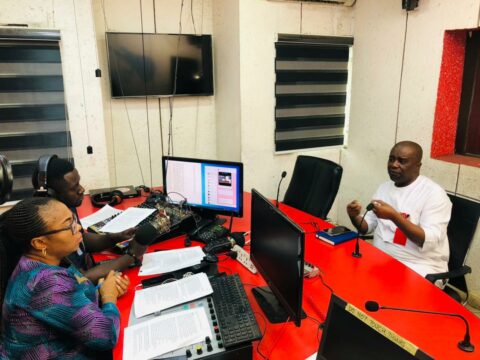
Babafemi made the statement at an episode of an anti-corruption radio show, ‘Public Conscience’, broadcast on Wednesday in Abuja and produced by the Progressive Impact Organisation for Community Development (PRIMORG).
“When you see officers of the agency on the highway, their responsibility purely is to check for drugs and not anything else, and so if you’re not trafficking or carrying drugs, you have no business with them.
“Rather, what people complain about NDLEA personnel on the roads is a delay in time used in searching vehicles which I don’t encourage,” Babafemi stressed.
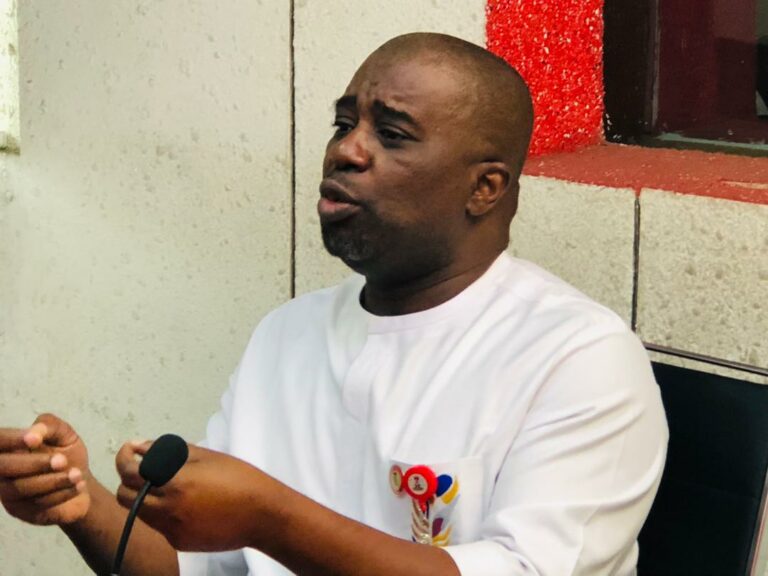
Femi Babafemi (white clothes) at the Radio studio
The investigative report (read here) put forward that drivers frequently feel obligated to pay security guards at checkpoints out of concern over delays. Along with NDLEA officials, the Nigerian Army, the Police, the Nigeria Immigration Service (NIS), the Nigeria Security and Civil Defence Corps (NSCDC), and the Federal Road Safety Corps (FRSC) were also included as suspects in the report.
PRIMORG in a statement made available to The ICIR said they had written to the NIS and the Nigeria Police Force for their responses to the allegation. At the same time, the Nigerian Army and FRSC failed to turn up for the radio programme despite being notified of the programme.