Home Blog Page 833

Why Nestle, Dangote Sugar, three other FMCGs post over N224bn loss in six months

NESTLE Nigeria, Dangote Sugar Refinery and three other fast-moving consumer goods (FMCGs) companies have reported a total of N224.299 billion pre-tax loss.

According to the companies’ financial statements for the six months ended June 30, 2023, Nestle posted a N69.12 billion loss, while Dangote Sugar recorded N31.37 billion.

The other three companies, International Breweries, Nigerian Breweries, and Cadbury Nigeria, reported N41.43 billion, N67.84 billion and N14.54 billion losses.


READ ALSO:

Nestle Nigeria redeems pledge, fixes borehole for community after The ICIR report

How Nestle Nigeria contaminates water supply of its host community in Abuja

CBN policies contributing to Nigeria’s rising poverty, food inflation, FX scarcity

CBN approves six companies to import milk, dairy products


A pre-tax loss is the total loss made by a company before an income tax obligation is deducted.

Relative to the half-year ended June 30, 2022, Nestle reported a N43.74 billion pre-tax profit; Dangote Sugar, N29.73 billion; International Breweries, N1.82 billion; Nigerian Breweries, N18.74 billion; and Cadbury, N3.35 billion.

The ICIR analysis of the financial statements showed that losses arose from huge finance costs (borrowing costs) incurred by the companies.

Pre-tax loss
Pre-tax loss. Chart by The ICIR

These include interest expense on leases, interest expense on borrowings, and exchange difference (realised and unrealised).

Following from the above, a total of N339.29 billion net finance costs were incurred by the five consumer goods companies in their half-year business operations that ended June 2023.

A net finance cost is the difference between finance income and finance cost (expense).

Nestle reported N129.91 billion finance costs in June 2023 from N2.44 billion; Dangote Sugar, N85.81 billion, compared to N5.36 billion; International Breweries, N6.74 billion relative to N3.58 billion; Nigerian Breweries, N96.22 billion from N10.14 billion; and Cadbury, N20.61 billion from N497.05 million.

Net finance cost
Net finance cost. Chart by The ICIR

According to analysts, the negative performances stemmed from the companies’ inability to hedge against “revaluation losses,” which arose from foreign exchange unification as most FMCGs companies have foreign currency-denominated obligations.

“What we are seeing is revaluation loss; it is like market-to-market loss,” an analyst, Ayokunle Olubunmi, pointed out.

“What we are seeing is revaluation loss; it is like market-to-market loss

He explained, “Assuming a subsidiary company took a loan of $100 from the parent company when the exchange rate was about N450, that amounts to N450,000 the company is owing the parent.

“Let’s assume that as of today, the exchange rate is N750, that means the amount the subsidiary is owing the parent will no longer be N450,000 but N750,000. So the difference (N300,000) is what is called revaluation loss.”

Another analyst, David Adonri, said it was anticipated that the floating of the naira and removal of fuel subsidy would make currency risks to crystallise and the cost of operations to increase for enterprises that have hard currency-denominated obligations.

But unfortunately, most of the companies did not hedge to mitigate the risk, Adonri, the executive vice chairman of Highcap Securities Limited, pointed out.

“Now that it has crystallised, they are left with no option but damage control,” he added.

According to him, the implication is that the losses would impair the companies’ balance sheets and cause their values to diminish.

“This may adversely affect their prices as the market corrects them to reflect current realities,” he asserted.

Adonri believed that the short-term impact of the public policies would fizzle out as the economy readjusts to change, giving rise to long-term benefits for the economy.

“The long-term prospects of the affected companies remain bright,” the Highcap Securities chief stressed.

Hedging against revaluation risk

According to Olubunmi, head of financial institutions ratings at Agusto and Co, with the liberalisation of the foreign exchange market, many companies would be resorting to a lot of forwards and derivatives transactions to meet their forex needs.

“What we are anticipating is that before the end of the year, volatility in the forex market should have at least settled to a large extent. By then, we won’t see that volume of revaluation loss again.

“I suspect that many of the companies will find a way to establish the liabilities owned to the parent companies. For some of them that actually took the loan from their parent companies, they may be forced to convert it into equities,” he said.

He was optimistic that the revaluation loss might still be in the companies’ books by the full year results, but added, “I don’t think we will see it in their 2024 accounts.”

Breakdown of the companies’ performances

Nestle Nigeria Plc

The company reported in the half-year ended 2023 a slight revenue growth of N261.77 billion from N222.450 in June 2022.

In June 2023, gross profit stood at N107.33 billion, operating profit fell to N60.79 billion, while a net finance loss of N129.91 billion dragged the company’s pre-tax loss to N69.12 billion.

“Included in interest expense on financial liabilities measured at amortised cost is interest expense on inter-company loan amounting to approximately N13.9 billion (2022: N4.8 billion) excluding the impact of foreign exchange differences,” the company stated in its financial report.

International Breweries Plc

The beverages – brewers/distillers – consumer goods company slightly grew its revenue to N116.13 billion in June 2023 from N111.40 billion in June 2022. An increase in cost of sales, brought the gross profit to N24.02 billion.

However, deductions, including administrative, marketing, impairment and other expenses, pulled the company’s operating loss down to N34.69 billion, while net borrowing loss to N6.75 billion dragged its pre-tax loss to N41.43 billion.

According to International Breweries, the balance of a loan amounting to $278 million obtained in 2018 with a maturity date of May 2021 was rolled over for an additional three years period.

It said, “The Company has entered into non-deliverable forward contracts to mitigate the forex risk on the contractual interest and principal repayments. There is also a loan (revolving credit facility) of N57 billion that has not been drawn down by the company as at end of the reporting period.”

Nigerian Breweries Plc

Also, a beverages – brewers/distillers – consumer goods company, NB Plc’s revenue rose minimally to N277.42 billion from N274.08 billion as gross profit settled at N112.324 billion after deduction from the cost of sales.

Deductions from the company’s marketing and administrative, and other expenses left the operating profit at N28.38 billion.
Net borrowing cost, which rose to N96.22 billion, pulled down the pre-tax loss to N67.84 billion.

“The 2nd Quarter of 2023 was significantly impacted by various factors, including the effects of fuel subsidy removal on consumers, naira devaluation and its effect on input cost, and mostly the revaluation of foreign exchange obligations.

“Together with the cash crunch, which materially impacted the 1st quarter, the Company’s net loss was escalated in H1,” the company said in its financial statement signed by its secretary, Uaboi Agbebaku.

Cadbury Nigeria Plc

A food products and diversified company, Cadbury reported a slight increase in revenue at N35.61 billion from N27.88 billion. Gross profit stood at N10.25 billion and operating profit to N6.07 billion. However, a N20.61 billion net finance cost brought the company’s pre-tax loss for the period to N14.54 billion.

Dangote Sugar Refinery Plc

Also, a food product consumer goods company, it grew its revenue to N202.78 billion from N185.46 billion. Cost of sales impacted gross profit to settle at N58.19 billion. Operating profit rose to N52.198 billion from N34.12 billion. It reported a net finance cost at N85.81 billion, and pre-tax loss at N31.37 billion.
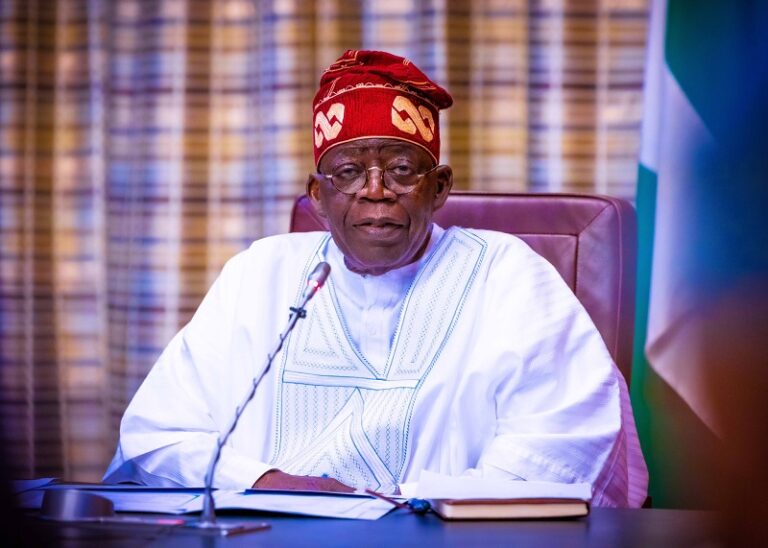
Hope for SMEs as FG offers loan at 9% interest rate

IN what could be a huge relief for businesses in Nigeria, squeezed by the inclement operating environment, the Federal government has offered a loan facility to small and medium enterprises (SMEs) at a nine per cent interest rate.

President Bola Ahmed Tinubu, who announced the policy direction in a nationwide broadcast on July 31 2023, said his administration recognised the importance of micro, small and medium-sized enterprises (MSMEs) and the informal sector as growth drivers.

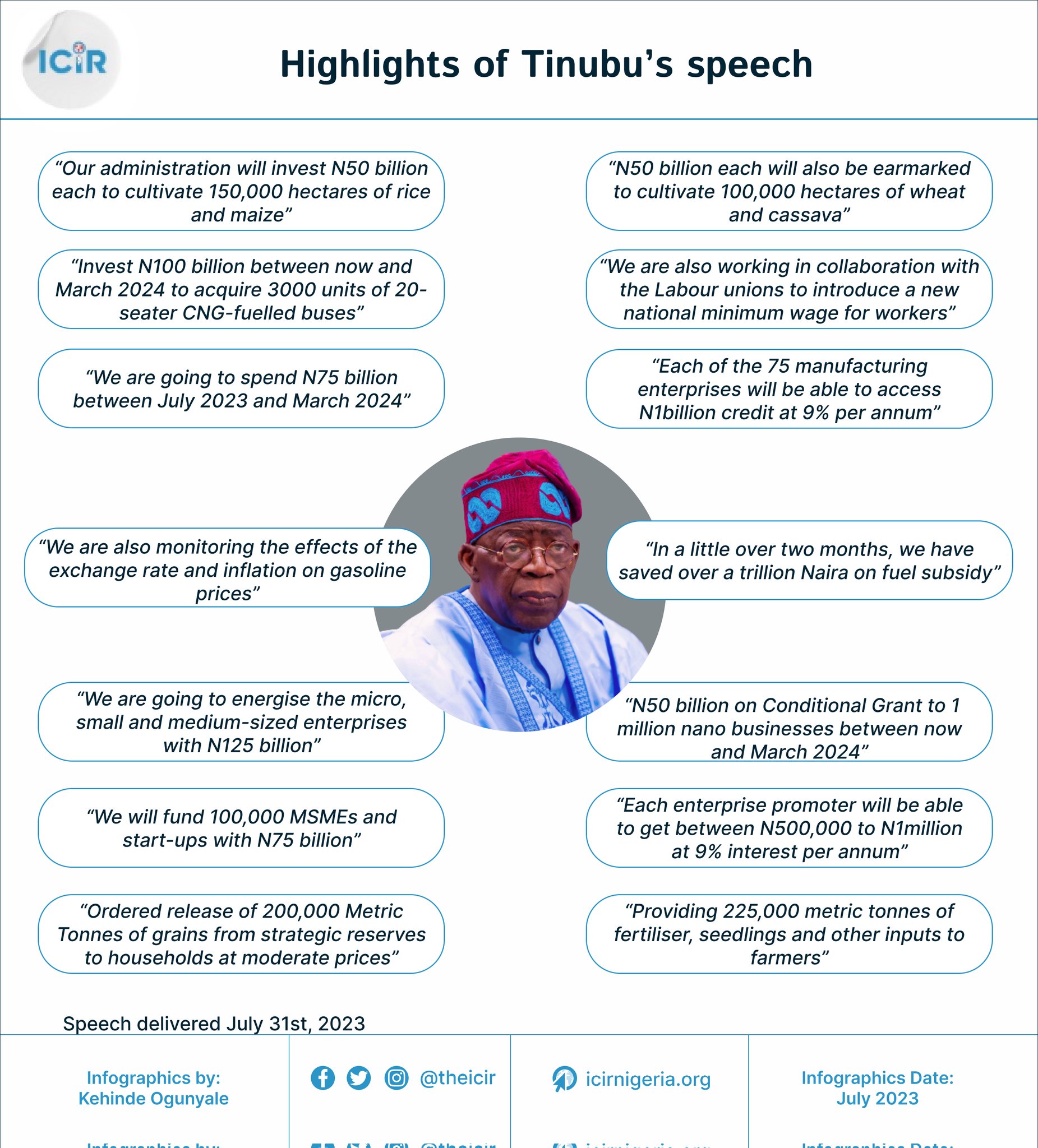
Tinubu said in the 20-minute broadcast, “We are going to energise this very important sector with N125 billion. Out of the sum, we will spend N50 billion on conditional grants to one million nano businesses between now and March 2024.

He pointed out that the administration intended to give N50,000 each to 1,300 nano business owners in each of the 774 local governments across the country.

The President, unveiling opportunities for the manufacturing sector, said, “We would strengthen the manufacturing sector and increase its capacity to expand and create good paying jobs. We are going to spend N75 billion between July 2023 and March 2024.”

The objective, he explained, was to fund 75 enterprises with great potential to kick-start sustainable economic growth, accelerate structural transformation and improve productivity.

Each of the 75 manufacturing enterprises, the President said, “will be able to access N1 billion credit at 9 per cent per annum with a maximum of 60 months repayment for long-term loans, and 12 months for working capital.”

A former minister of Agriculture, Audu Ogbeh, saw Tinubu’s speech as offering hope to Nigeria’s economic problems.

Ogbeh, however, advised that the President must assemble a reliable team to deliver his plan to Nigerians.

“We have too many of our grandchildren living in distress. Too little production in a country gifted by God. This is a huge relief for the people. I’m excited by this speech and I believe that it would solve majority of our economic problems.

Ogbeh: Tinubu's speech offers hope
Ogbeh: Tinubu’s speech offers hope

“We are only utilising 3.5 per cent of our land to produce food. People must feed well. The pruning down of interest rate is key and would help farmers,” he said.

Also, a professor of Political Science at the Nasarawa State University, Jideofor Adibe, said President Tinubu’s focus should go beyond the economy and touch on national healing and reconciliation.

Adibe said, “Some of his statements are emotionally appealing, but he must go beyond economic address. Also, if he said he saved N1 trillion in two months, does he know how many businesses closed shop within the specified time? These are the issues.”

Subsidy removal: Tinubu lists plans to ease hardship

PRESIDENT Bola Tinubu on Monday, July 31 highlighted his administration’s plans to ease hardship faced by Nigerians following the removal of petrol subsidy.

In a nationwide broadcast, the President reiterated his hope agenda, including creating jobs, supporting businesses, alleviating poverty and revamping the economy.

His broadcast came on the heels of the planned protests and strike by the Nigerian Labour Congress (NLC), scheduled to commence on Wednesday, August 2.

The ICIR reported that the President announced that the subsidy must go in his inaugural address on May 29.


READ ALSO:
We have saved over N1trn from petrol subsidy removal in two months – Tinubu

Ministerial screening: Why Senate did not grill Wike — Akpabio

Tinubu moves to create 1 million digital jobs with support from Google

Tinubu nominates Wike, El-Rufai, Umahi, others as ministers


Subsidy removal has tripled fuel prices nationwide – from N195 to the current N615, with a resultant astronomical rise in transport, food and other basic needs costs.

However, Tinubu said his government had saved over one trillion naira within two months it ended the subsidy regime in his Monday broadcast.

“This once beneficial measure had outlived its usefulness. The subsidy costs us trillions of naira yearly. Such a vast sum of money would have been better spent on public transportation, healthcare, schools, housing and national security. Instead, it was being funnelled into the deep pockets and lavish bank accounts of a select group of individuals.

“This group had amassed so much wealth and power that they became a serious threat to the fairness of our economy and the integrity of our democratic governance. To be blunt, Nigeria could never become the society it was intended to be as long as such small, powerful yet unelected groups hold enormous influence over our political economy and the institutions that govern it.”

Highlights of Tinubu Speech

He said the former administration of President Muhammadu Buhari made no funds available in the 2023 Appropriation Act for subsidy.

His plans to cushion subsidy removal pains 

The President said early in July, he signed four Executive Orders in keeping with his electoral promise to address unfriendly fiscal policies and multiple taxes that stifle the business environment.

According to him, the suspension and deferred commencement of some taxes would provide the necessary buffers and headroom for businesses in the manufacturing sector to continue to thrive and expand.

Some of the policies to cushion the effect of fuel subsidy removal and revamp the economy are strengthening the manufacturing sector by increasing its capacity to expand and create good-paying jobs by injecting N75 billion into the sub-sector between this month, 2023 and March 2024.

The objective is to fund 75 enterprises with great potential to kick-start sustainable economic growth, accelerate structural transformation and improve productivity.

Each of the 75 manufacturing enterprises would access one billion naira credit at nine per cent per annum with a maximum of 60 months of repayment for long-term loans and 12 months for working capital, noted Tinubu.

The government will reinvigorate micro, small and medium-sized enterprises and the informal sector with N125 billion. Out of the sum, it will spend N50 billion on conditional grants to one million nano businesses between July and March 2024.

“Our target is to give N50,000 each to 1,300 nano business owners in each of the 774 local governments across the country,” said Tinubu.

It will drive further financial inclusion by onboarding beneficiaries into the formal banking system.

In addition, the government will fund 100,000 MSMEs and start-ups with N75 billion. Under this scheme, each enterprise promoter can get between N500,000 to one million naira at nine per cent interest per annum and a repayment period of 36 months.

Agriculture and food sustainability

Tinubu said that to ensure that food item prices remain affordable, he ordered the release of 200,000 metric tonnes of grains from strategic reserves to households across the 36 states and FCT to moderate prices.

“We are also providing 225,000 metric tonnes of fertiliser, seedlings and other inputs to farmers committed to our food security agenda.”

He explained that his administration would support the cultivation of 500,000 hectares of farmland and all-year-round farming practice.

“To be specific, N200 billion out of the N500 billion approved by the National Assembly will be disbursed as follows: our administration will invest N50 billion each to cultivate 150,000 hectares of rice and maise. N50 billion each will also be earmarked to cultivate 100,000 hectares of wheat and cassava.”

He recalled his government’s launch of the Infrastructure Support Fund shortly after the subsidy removal to enable states to have more funds to invest in critical areas, including health and education.

Tinubu said part of his agenda was to roll out buses across the states and local governments for mass transit at a much more affordable rate.

To achieve this aim, his government would invest N100 billion between July and March 2024 to acquire 3,000 units of 20-seater CNG-fuelled buses.

He stated that the buses will be shared with major transportation companies in the states, using the intensity of travel per capita.

He stressed that participating transport companies would access credit under the facility at nine per cent interest per annum with 60 months repayment period.

Besides, the President said the government was working to review workers’ salaries and would make funds available for its implementation immediately after it is done.

He commended private organisations which had increased employees’ salaries.

While restating his zeal to give Nigerians a better life, he said the nation would exit the darkness and enter a new and glorious dawn under his watch.

Tinubu called for calm and understanding from the citizens as he promised that he would continue to work assiduously to put smiles on the citizens’ faces.

The ICIR reports that it is unclear at press time if Tinubu’s reassurance would convince the NLC to change its planned protests and strike.

We have saved over N1trn from petrol subsidy removal in two months – Tinubu

0

THE Federal Government has saved over N1 trillion two months from the removal of petrol subsidy, according to President Bola Tinubu.

The President said this in a nationwide address on Monday, July 31.

In his speech, Tinubu spoke about the economy and the impact of subsidy removal.

He said the subsidy had to be removed because it only benefitted smugglers and fraudsters.


READ ALSO:

Tinubu to address Nigerians as NLC insists on strike

Subsidy removal: Tinubu lists plans to ease hardship

Tinubu moves to create 1 million digital jobs with support from Google

Women make up 25% of Tinubu’s ministerial list


“In a little over two months, we have saved over a trillion Naira that would have been squandered on the unproductive fuel subsidy, which only benefitted smugglers and fraudsters.

“That money will now be used more directly and more beneficially for you and your families.

“For example, we shall fulfil our promise to make education more affordable to all and provide loans to higher education students who may need them. No Nigerian student will have to abandon his or her education because of lack of money,” Tinubu said.

Highlights of Tinubu Speech

The President also said he is collaborating with the labour unions to introduce a new national minimum wage for workers.

“I want to tell our workers this: your salary review is coming. Once we agree on the new minimum wage and general upward review, we will make budget provision for it for immediate implementation,” he stated.

On measures to reduce the cost of transportation as a result of subsidy removal, Tinubu said, “Part of our programme is to roll out buses across the states and local governments for mass transit at a much more affordable rate. We have made provision to invest N100 billion between now and March 2024 to acquire 3000 units of 20-seater CNG-fuelled buses.”

He added that the buses will be shared with major transportation companies in the states, using the intensity of travel per capita.

Tinubu says participating transport companies will be able to access credit under this facility at 9 per cent per annum with a 60-month repayment period.

The ICIR reported that the removal of subsidy led to a spike in the pump price of petrol, which also resulted in an increment in the cost of goods and services.

The development has led to a surge in transport fares across the country, leaving commuters in great agony.

Ministerial screening: Why Senate did not grill Wike — Akpabio

0

THE Senate on Monday, July 31, confirmed former Rivers State governor Nyesom Wike as a minister following his nomination by President Bola Tinubu.

He was asked to take a “bow and go”, following a request by Senator Barinada Mpigi (Peoples Democratic Party (PDP, Rivers).

Wike, a member of the PDP, spoke briefly on his achievements as governor before he was asked to take a bow.


READ ALSO:
Lagos, Kano, nine other states yet to get ministerial nominees

Women make up 25% of Tinubu’s ministerial list

Senate confirms Buhari’s ministerial nominees

Ministerial report on Kano mysterious deaths is misleading- Ganduje


Senate President Godswill Akpabio explained that Wike was not questioned during his appearance for the screening since the Senate already had his documents from his prior work as a minister.

He said Wike had appeared before the Senate for screening when ex-President Goodluck Jonathan nominated him as a minister.

“Having been nominated again for a ministerial position, there is no point asking him much questions,” Akpabio said.

Wike served as Minister of State for Education under former President Goodluck Jonathan.

In his short remarks, Wike said Tinubu will not regret choosing him to be a minister in his cabinet because he would perform.

He informed the senators that while serving as governor of Rivers State from May 2015 to May 2023, he initiated and finished several projects and asked representatives from many political parties to serve as commissioners.

“These things can be achieved if you are committed; if you have passion for the job.

“There are so many people who want to be ministers for the sake that ‘I was a governor’; for the sake that ‘I was a minister.

“But there are those who say, ‘Look, what do I have to offer? Am I committed to this job?’

“And I can assure you, if I am confirmed in whatever capacity, Mr President will not regret nominating me,” Wike stated.

After praising Wike’s ability to do his duties as governor, Akpabio requested him to take a bow.

Meanwhile, efforts by supporters of former vice president Atiku Abubakar to expel Wike from the PDP gained traction during the last weekend.

According to the Cable, PDP candidate in the 2023 presidential race, Atiku Abubakar, allegedly met with “elders and stakeholders” who are his supporters, where the “Wike problem” was extensively discussed.

Wike led a group known as G5 to oppose the election of Atiku during the 2019 presidential election.

Reports also said he succeeded in installing Simon Davou Mwadkwon (Plateau) as the Senate Minority Leader and Kingsley Chinda (Rivers) as Speaker House of Representatives.

Diphtheria kills 83 in seven states, FCT – NPHCDA

0

THE National Primary Health Care Development Agency (NPHCDA) has said 83 people in Nigeria died from diphtheria between May 2022 and July 2023.

Addressing journalists in Abuja on Monday, July 31, the Executive-Director of the agency, Faisal Shuaib, a doctor, said between May 2022 and July 27, 2023, the country recorded an estimated 2,455 suspected cases in 26 states.

Of the cases, 836 were confirmed in 33 Local Government Areas (LGAs) across eight states, and 83 died.


READ ALSO:

Diphtheria: 8 deaths recorded in Kaduna

Diphtheria outbreak confirmed in FCT, one death recorded

How Kano state is combating diphtheria outbreak

How funding, advocacy are mitigating spread of diphtheria in Kano


The affected states are Cross River, Kano, Katsina, Kaduna, Lagos, Osun, Yobe, and Federal Capital Territory (FCT).

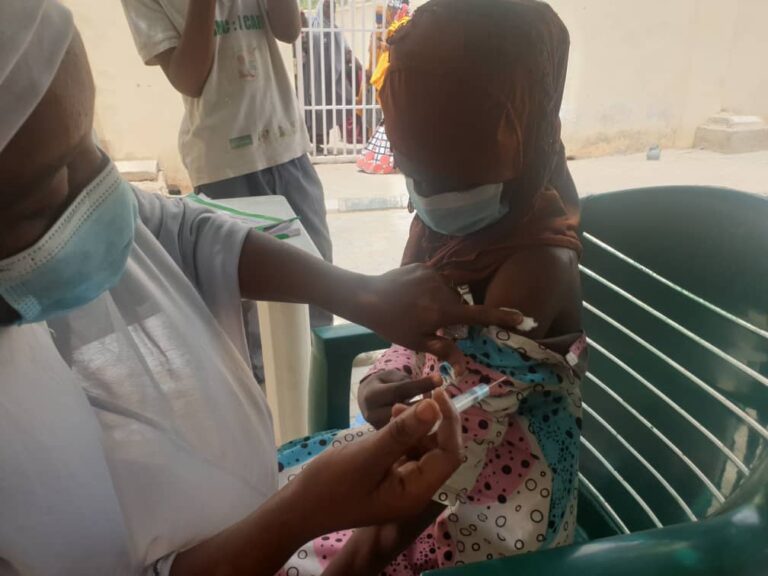
Working with the Nigerian Centre for Disease Control (NCDC), other partners and the affected states, Shuaib said the agency would conduct intensified mass vaccinations for identified at-risk populations, administering Tetanus TD for children four to 14 years and pentavalent vaccines for children under four years.

Diphtheria is a highly contagious vaccine-preventable disease caused by the bacterium Corynebacterium diphtheria, mainly spread through direct contact with an infected person or exposure to airborne droplets. It poses a severe risk to people of all ages, particularly our children.

It primarily affects the respiratory system, and symptoms include fever, cough, runny nose, sore throat, neck swelling, and breathing difficulties. If left untreated, the symptoms can lead to death, with a higher risk for partially vaccinated or unvaccinated children in crowded and unsanitary areas.

Shuaib urged that adherence to proper hygiene practices is crucial in preventing the spread of diphtheria. Simple yet effective measures like hand hygiene, good cough etiquette, environmental cleaning, eating nutritious meals, and isolating and quarantining suspected cases can significantly reduce the risk of infection.

He noted that the disease is totally preventable through vaccination. In Nigeria, pentavalent vaccines are used to protect against diphtheria and are administered to children at 6 weeks, 10 weeks, and 14 weeks of age, with additional doses being given during campaigns.

The NPHCDA boss blamed Nigeria’s cases on unimmunized children “despite the availability of vaccines in the country’s routine immunization schedule.”

“Despite the efforts of the Federal Government to provide safe and cost-effective vaccines, a significant number of children remain unvaccinated or partially vaccinated, compromising the country’s goal of achieving population immunity. Suboptimal vaccination coverage has been the main factor contributing to these outbreaks, with the most affected age group being those between 2-14 years.

“The NPHCDA, in collaboration with the Federal Ministry of Health, NCDC, the states, and our partners, is mobilizing all necessary resources to respond effectively to this outbreak. A comprehensive response plan has been activated to detect cases early, contain the spread, and prevent further transmission through a multi-phased strategy.”

The agency’s response to the ongoing diphtheria outbreak will be carried out in two phases, said Shuaib, with phase one covering LGAs across four states of Bauchi, Katsina, Yobe, and Kaduna.

Phase two covers outbreak response in 171 LGAs in six states: Kano, Katsina, FCT, Yobe, Kaduna, and Bauchi.

There will also be targeted outbreak responses in LGAs across eight states, which are Jigawa (8 LGAs), Borno (4 LGAs), Osun (4 LGAs), Lagos (3 LGAs), Zamfara (3 LGAs), Gombe (3 LGAs), Plateau (1 LGA), and Nasarawa (1 LGA).

He urged parents and caregivers to take their children, from birth to 14 years, to nearby health facilities for vaccination with the pentavalent or Td vaccines and other age-appropriate vaccines.


READ ALSO:


The ICIR reported Kaduna State recorded eight deaths on July 25.

Earlier on July 4, this organisation reported how the FCT recorded a death from the condition.

In May, The ICIR published a report on how funding and advocacy mitigated the spread of diphtheria in Kano State.

FIFA Women’s World Cup: Super Falcons qualify for Round of 16

0

NIGERIA’S Super Falcons on Monday, July 31, qualified for the Round of 16 in the ongoing 2023 FIFA Women’s World Cup after a goalless draw with the Republic of Ireland at Brisbane Stadium.

It is the third time the Super Falcons will qualify for the knockout stage of the FIFA Women’s World Cup. Their first was in the USA in 1999 where they ended their campaign at the quarterfinals, losing to Brazil 4-3.


READ ALSO:

FIFA Women’s World Cup: Africa waits for first win

Penalties, passes, and a touch of politics: FIFA Women’s World Cup is about to kick off

FIFA moves to tackle racism, selects victim Vinicius Jr to lead new anti-racism committee

UN-17 AFCON: Burkina Faso ends Nigeria’s 6th FIFA World Cup dream


Twenty years later, the Super Falcons reached the knockout stage of the FIFA Women’s World Cup, hosted by France. They ended the campaign in the Round of 16 after losing to Germany 3-0.

Super Falcons road to the Round of 16

Super Falcons began their campaign in the ongoing FIFA Women’s World Cup with a goalless draw against Canada in a Group B match, salvaging a point.

In their next match, they pulled a surprise, defeating the co-hosts Australia 3-2.

Their third group stage match against the Republic of Ireland ended in a goalless draw.

The current standing of group B in the ongoing FIFA Women’s World Cup.

The Super Falcons qualified for the next round with 5 points and 1 goal difference.

The Nigerian side is the only African team to have appeared at every edition of the FIFA Women’s World Cup since 1991. In that period, the team has recorded five wins from 29 matches.

Having won a record eleven Women’s Africa Cup of Nations titles with a total of 223 goals, the Super Falcons have not been able to replicate their goal scoring prowess on the global stage, scoring only 23 times at the FIFA World Cup.

The ICIR’s analysis shows that the team has failed to score in 18 of their previous 29 games at the FIFA Women’s Cup.

‘Journalism is not a crime’, MRA condemns harassment of journalists in Enugu

THE Media Rights Agenda (MRA) has condemned the continuous harassment and attacks on journalists in Enugu State.

The organisation also called on the state governor Peter Mbah to immediately stop the ongoing intimidation of one Michael Okechukwu Ilediagu, the publisher of News Center, allegedly orchestrated by his aides.

Ilediagu was said to have been arrested by agents of the government over his reporting on developments in the state, with no evidence that he had committed any offence.

In a statement released on Monday, July 31, by its Deputy Executive Director, Ayode Longe, the MRA said: “We wish to advise Governor Mbah, in the light of the fact that he is new to his office, that the media do not exist to sing his praises but to perform a constitutionally mandated function of upholding the responsibility and accountability of his government to the people.”

Longe said the ongoing attacks on the media by the Enugu government was in violation of the constitution and a breach of the oath Mbah took upon becoming the governor of the state.

The MRA warned that the unwarranted attacks on journalists engaged in the lawful pursuit of their professional duties will not go unchallenged.

“If the situation persists, we will be compelled to activate all constitutional means and international mechanisms available to us to challenge this ongoing illegality which constitutes a clear abuse of office and abuse of power.”

The organisation further called on President Bola Tinubu and the Inspector-General of Police, Olukayode Egbetokun, to order an investigation into abuse of power by police authorities in Enugu State at the behest of the Governor’s Office for the purpose of harassing and intimidating journalists, with the objective of preventing them from performing their constitutional functions.

The statement noted that the victim of the government’s harassment, Ilediagu, had been subjected to intimidation by operatives of the Police Anti-kidnapping Squad in the state, who invaded his home.

According to the statement, the officials of the Enugu State Council of the Nigeria Union of Journalists (NUJ) as well as other journalists and civil society actors in the state have confirmed that the journalist and publisher continues to face threats and harassment from state government officials.

Noting that it was a crime to use police power to advance the personal and political interests of government officials, the MRA stressed that journalism is not a crime to warrant the use of police units to hound journalists.

The organisation urged Mbah and his aides to abide by the rule of law and allow journalists and media organisations in the state to carry out their professional duties free of any harassment, intimidation or other attacks and threats.

Over the years, there have been efforts to suppress media and the civic space in Nigeria. In 2020, The ICIR reported that 160 journalists were attacked in two years, as the court was ranked 115th out of 180 countries on the Global Press Freedom Index.

In subsequent rankings by Reporters Without Borders, Nigeria dropped to 129th out of 180 countries. Also, The ICIR reported that 63 journalists and three media houses experienced various attacks in 2022.

According to the database of the Committee to Protect Journalists, at least 33 journalists have been jailed, and 12 killed between 1992 and 2023, despite the proclamation of press freedom in 1993.

A survey by The ICIR on Strategic Lawsuits Against Public Participation (SLAPP) in Nigeria, published on June 9, also revealed that 40 organisations faced lawsuits within the past year for reporting or advocating about public concerns. 

The survey, with 141 respondents including media organisations, journalists, and civic advocates, found that some of these organisations received up to 10 lawsuits in a year.

Among the 40 organisations that faced lawsuits, only 23 (57.5%) had the capability to defend themselves against the baseless suits, with 13 of them having an organisation size of 1-100 employees.

On the other hand, the survey revealed that 13 out of the 40 organisations lacked resources to pursue some of the filed lawsuits, with 69.2 per cent having fewer than 100 employees.

In addition to the sued organisations, five  received threats from the police and state actors within the same period. Out of these, only two had the capacity to defend themselves.

The survey showed that the majority of threats or lawsuits (representing 91.1 per cent) were targeted at journalism organisations.

Stakeholders proffer solutions 

Some media stakeholders kicked against continuous attempts to silence critical voices and media organisations and also proffered solutions to tackle the lawsuits and other attempts to frustrate and intimidate journalists and activists.

The stakeholders spoke during a Twitter Space organised by The ICIR on Tuesday, June 6, on the theme, ‘SLAPPThemBack: Examining frivolous lawsuit targeted at dissenting voices’.

The Deputy Director of Journalism Programme at the Centre for Journalism Innovation and Development (CJID), Busola Ajibola, said collaboration and cross-checking of investigative reports would protect journalists from frivolous lawsuits.

“In the course of my work over the years, I have come to realise that we underestimate how collaboration can protect us. When perhaps we are doing a story that we know will expose us to abuse or libel cases, then we had better come together and do some forms of cross publications. 

“The second one on my list is that; I think we need to work together with CSOs to put forward a legislative proposal that is aimed at stamping out SLAPP and in doing that we need to have a clear timeline.”

To tackle lawsuits, the founder of Foundation for Investigative Journalism (FIJ) Fisayo Soyombo suggested building relationships with supportive legal practitioners. However, he noted that sometimes the costs of prosecuting the cases, especially when expert witnesses are needed, require additional funds beyond legal fees.

Craig Newman School offers journalism entrepreneurship program

THE City University of New York’s Craig Newmark School of Journalism is inviting applications for its certificate program to assist journalism entrepreneurs develop specialised businesses. 

The remote program will also help independent journalists develop newsletters, podcasts, local sites and other niche news products.

English-speaking prospective media entrepreneurs can apply for a distance learning program.

The Entrepreneurial Journalism Creators Program will launch on October 17, 2023, and run for 100 days.

The organiser says participants will gain knowledge of audience identification and development, business model creation based on knowledge of market demands and revenue potential, compelling narrative telling, and the development of a portfolio of goods and services.

Graduates will know how to apply tactics to build a product, grow a following, market a project beyond its initial user base and engage with their community on an ongoing basis.

They will also develop a revenue portfolio by analysing and testing potential monetisation strategies for their new product or initiative. Graduates will also learn to identify tools and platforms for serving a community through newsletters, podcasts, and digital events or platforms.

Tuition costs US$4000. There are numerous scholarships available.

The deadline for the submission of the application is September 8, 2023. Interested persons can apply here

Black weekend: Supreme Court, Federal High Court lose judges

0

IT was a black weekend for the Nigerian judiciary following the death of two judges of the Supreme Court and the Federal High Court.

The two justices who passed on during the weekend are Chima Nweze of the Supreme Court of Nigeria and Peter Mallong of the Federal High Court.

Nweze reportedly died on the evening of Sunday, July 30, at the age of 64. A native of Obollo, in Udenu Local Government Area of Enugu State, he was born on September 25, 1958.


READ ALSO:

Supreme Court frees Nwaoboshi, quashes 7 years jail sentence 

Atiku reacts to Supreme Court judgment, says battle continues

Supreme Court to decide Tinubu, Shettima’s disqualification May 26

Supreme Court affirms Adeleke as Osun State governor


The spokesman of the Supreme Court, Festus Akande, confirmed Nweze’s passing, according to multiple reports on Monday.

Justice Chima Centus Nweze 

Nweze became very popular following his dissenting judgment in 2020, which opposed the declaration of Hope Uzodinma of the All Progressives Congress (APC) as winner of the 2019 governorship election in Imo State.

He held that Uzodinma’s proclamation as governor was invalid due to “wrong declaration”, noting that the APC candidate misled the court by showing ballots in 388 polling units that had not been checked.

The late jurist was also one of the justices that rejected the request by Atiku Abubakar of the Peoples Democratic Party (PDP) to view the server of the Independent National Electoral Commission (INEC) in order to contest the victory of President Muhammadu Buhari in the 2019 presidential election.

Also, in a split judgment of three against two, Nweze delivered the contentious Supreme Court ruling which declared Ahmad Lawan, the then-President of the Senate, as the legitimate candidate of the APC for Yobe North Senatorial District in the 2023 general elections.

Nweze was the court of appeals’ fifth-most senior justice before his elevation to the Supreme Court.

With his passing, the number of judges on the Supreme Court fell to 12, far less than the maximum of 21 allowed by statute.

He has held positions as a member of the Ondo State Local Government Election Petition Tribunal in 1999, chairman of the Ogun State Governorship and Legislative Houses Election Petition Tribunal, and chairman of the Nsukka Robbery and Guns Tribunal in 1998 and 1999.

Nweze was promoted to the Court of Appeal on February 15, 2008, where he remained till his appointment to the Nigerian Supreme Court on October 29, 2014.

The National Judicial Council (NJC) recommended that Nweze be appointed to the Supreme Court in 2014. The administration of former President Goodluck Jonathan accepted the recommendation.

Justice Peter Mallong

Peter Mallong, a justice of the Federal High Court, also passed on during the weekend.

Mallong reportedly died on Sunday after a brief illness. He was 60 years old.

He was born on January 21, 1963 in Yauri, Kebbi State.

The Chief Registrar Federal High Court of Nigeria, Hassan Sulaiman, confirmed his passing in a statement on Monday, July 31.

The statement reads: “It is with deep sadness and heavy hearts that we announce the death of our own, Hon. Justice Peter Hoommuk Mallong, a judge of the Federal High Court, who passed away on July 30 2023, unexpectedly after a brief illness in Abuja.

“We will miss him more than words can express. Funeral arrangements will be communicated to the public in due time.”