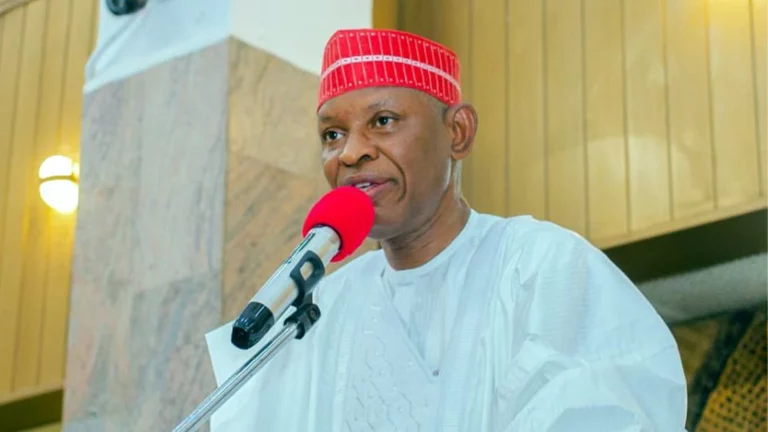
EDO State Governor Monday Okpebholo has approved the release of students and other persons arrested in connection with the protests that erupted in Ekpoma, Esan West Local Government Area, over rising insecurity and alleged kidnappings in the community.
The governor’s decision followed days of public criticism, pressure from student bodies, rights groups and political leaders over the arrest and continued detention of dozens of persons, many of whom were identified as students of Ambrose Alli University (AAU), Ekpoma.
The first batch of seven detainees was released on Tuesday. The Edo State Commissioner for Education, Paddy Iyamu, who supervised the process, said only verified students would be freed, while those found not to be students would continue to face investigation and prosecution.
Iyamu said the state government was working with the Students’ Union Government (SUG) of AAU and relevant security agencies to properly identify genuine students arrested during the security operations that followed the unrest.
The release came after a closed-door meeting between Okpebholo and the AAU SUG President, Osadebamwen Ehizojie Michael, during which the governor maintained that the violence that engulfed Ekpoma was not organised by students of the institution.
According to the governor, the disturbance was carried out by hoodlums and non-students allegedly hiding around the university environment and exploiting the insecurity situation to foment chaos, loot shops and extort law-abiding residents and students.
“This was not a students’ protest,” Okpebholo said, adding, “These are people who are no longer students but are hanging around the school, causing trouble and extorting students. We will put an end to that.”
He assured student leaders that any genuine student arrested during the operation to restore order would be released without delay.
“For students who were probably arrested, we will look into it and get them released to the SUG President. That is a promise I made, and I will do it as quickly as possible,” the governor added.
The protests began on Saturday, January 10, after residents and students took to the streets to express anger over rising kidnappings and insecurity in Ekpoma and its surrounding communities. What started as a demonstration quickly escalated into violence, with reports of burning of markets, looting of shops, destruction of public and private property, and attacks on security facilities.
Following the unrest, the Edo State Police Command carried out arrests during and after the protests, including early-morning raids on hostels and private residences. At least 52 persons were arrested and later arraigned before a court, which ordered their remand at the Ubiaja Correctional Centre.
The arrests triggered widespread condemnation, with the National Association of Nigerian Students (NANS), civil society organisations and rights groups describing the detentions as excessive and a violation of the right to peaceful protest.
Political figures, including former Vice-President Atiku Abubakar and Senator Natasha Akpoti-Uduaghan, also called for the immediate release of the detained students, urging the Edo State Government to adopt dialogue rather than repression.
Okpebholo, however, dismissed claims that the protest was triggered by genuine kidnapping incidents, describing such reports as false, stage-managed and intended to mislead the public and incite ethnic tension.
“The kidnapping they are talking about is fake. It was stage-managed. They were arranging to kidnap and release themselves,” the governor said, adding that a death recorded during the unrest was the most painful aspect of the incident.
He condemned the destruction of property in Ekpoma and warned that anyone, regardless of political affiliation, found sponsoring or using hoodlums to destabilise Edo communities would be prosecuted.
“I don’t care whether you are a politician or not. If you are using people to destroy our land and economy, we will go after you,” the governor said.
As of Tuesday evening, state officials said more releases were expected as verification of detained students continued. Meanwhile, rights groups have insisted that the government must ensure transparency, respect due process and address the underlying insecurity that sparked the protests.
Residents of Ekpoma remain tense but hopeful that the release of students would de-escalate the situation and open the door to dialogue between authorities, students and the wider community.
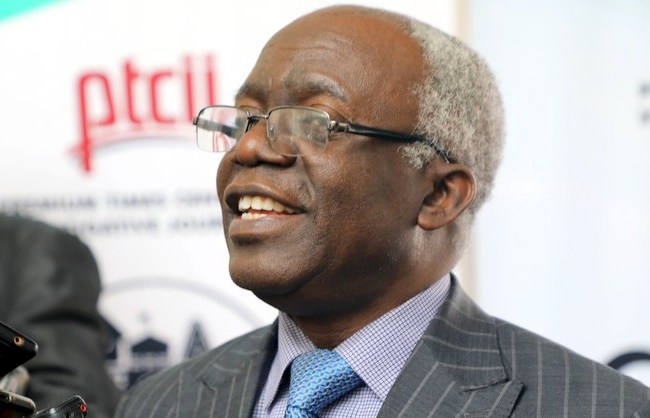
WIKKITIMES, a Nigerian digital media, has announced the launch of Femi Falana Legal Defenders Fellowship, a year-long pilot programme designed to strengthen legal defence for journalists and civic actors facing growing legal intimidation in Nigeria.
This was contained in a statement signed by the organisation’s Operational Manager, Nana Mohammed, and mailed to The ICIR.
It said the fellowship was named after Falana, a senior advocate, in recognition of his decades-long commitment to public-interest litigation, human rights, and the defence of press freedom in Nigeria.
According to the organisation, Nigeria is consistently ranked as one of the most dangerous and difficult in West Africa for media professionals due to regular monitoring, arbitrary arrests, physical attacks, and a prevailing culture of impunity for crimes committed against them.
It quoted the Committee for the Protection of Journalists as saying that at least 25 journalistswere killed with confirmed motives in Nigeria in 2025, adding that 34 were imprisoned, and about 20 journalists were held hostage, with many more detained globally.
“Center for Journalism Innovation and Development, CJID reported through it Press Attack that 72 journalists were attacked in 2025. Reports from RSF and CPJ indicate 2025 was a deadly year for journalists worldwide, with Nigeria facing persistent dangers, including violence, harassment, and impunity for attacks, even as new legal protections were discussed. These reports show a continued dangerous environment for Nigerian journalists,” part of the statement read.
Wikkitimes noted that Nigeria produced thousands of young lawyers yearly, many of whom it said were eager to serve the public interest but lacked practical training and mentorship in media law, digital rights, and Strategic Lawsuits Against Public Participation (SLAPPs). This gap leaves journalists vulnerable and deprives young lawyers of meaningful pathways into public-interest legal practice, it stated.
The platform explained that Femi Falana WikkiTimes Legal Defenders Fellowship was designed to close the gap, stressing that the fellowship would train, mentor, and place 25 early-career Nigerian lawyers in law firms, chambers, and legal aid organisations, where they would support journalists and civic actors facing legal threats.
Through intensive training, supervised practice, and the development of shared legal defence tools, the programme aims to strengthen Nigeria’s media defence ecosystem from within the legal profession, Wikkitimes noted further.
Haruna Mohammed Salisu, founder of the fellowship initiative, said the decision to name the programme after Falana reflected his consistent courage in challenging the misuse of the law to silence dissent and his role in mentoring generations of rights-focused lawyers.
“The fellowship draws inspiration from this legacy while operating independently and in line with professional and ethical standards. To work with journalists and media organisations in the country where journalists and public-interest actors are increasingly targeted with defamation suits, cybercrime charges, and other legal actions intended not to secure justice but to exhaust resources, delay investigations, and discourage accountability reporting. These practices–often described as ‘the process as punishment’ – pose serious threats to press freedom and civic accountability, particularly for independent and regional newsrooms with limited access to specialised legal support.
“The programme will run for an initial 12-month pilot phase, during which fellows will receive specialised training in media law, constitutional rights, digital rights, and the application of the Cybercrimes Act to journalism.
” Fellows will also contribute to building a shared legal defence repository and a practical SLAPP Defence Cheat Sheet for Nigerian lawyers, resources that will remain publicly accessible beyond the fellowship year. In the coming days, WikkiTimes will officially issue a call for applications, inviting qualified early-career lawyers committed to defending media freedom and civic accountability to apply for the fellowship.”
THE Kano State Hospitals Management Board has confirmed that the death of Aishatu Umar, a mother of five, resulted from medical negligence at the Abubakar Imam Urology Centre in Kano.
In a statement issued by its Public Relations Officer, Samira Suleiman, the Board said a preliminary investigation ordered by the Executive Secretary, Mansur Mudi Nagoda, found that surgical scissors were mistakenly left inside the patient’s body after a medical procedure.
“The board extends its deepest condolences to the family of the late Aishatu Umar and sympathises with them over this painful loss. We reassure the public that negligence will not be condoned in any form,” the statement read.
Following the findings, the board announced the immediate suspension of three health workers directly involved in the case from clinical duties, adding that the matter had been referred to the Kano State Medical Ethics Committee for a full investigation and appropriate disciplinary action in line with professional standards and the law.
The ICIRreported that a family member of late Aishatu, Abubakar Muhammed, broke the news of her demise in a Facebook post, calling on the Kano State government and health regulatory bodies to investigate the matter and take action.
Muhammed explained how doctors allegedly abandoned surgical scissors in the late woman’s stomach following an operation at the government-owned Urology Centre in Kano, noting that she suffered severe complications after the surgery, which eventually led to her death despite repeated complaints to the hospital.
The board ordered a full investigation into the case and assured the public that the probe would be transparent, impartial, and professional. It vowed that appropriate action would be taken in accordance with established regulations if any negligence is confirmed.
The case adds to the number of distressing reports of medical errors and negligence in Nigerian hospitals, where patients and families especially those without resources or public visibility have repeatedly suffered preventable injury and loss of life due to substandard care, misdiagnosis, drug administration errors and weak regulatory oversight.
Recall that award-winning Nigerian author, Chimamanda Ngozi Adichie, over the weekend raised allegations of medical negligence at Euracare Multispecialist Hospital, Lagos, which she said led to the death of her 21-month-old son, Nkanu Nnamdi Adichie-Esege.
AS Nigeria’s Super Eagles prepare to battle Morocco later tonight in what many analysts have described as their toughest test of the tournament, mixed emotions of anxiety, skepticism, and hope have gripped football fans across the country.
The encounter pitches Nigeria against a well-drilled Moroccan side that has been one of the most consistent teams in African football in recent years.
Both Nigeria and Morocco, buoyed by their strong domestic league and a squad blending Europe-based stars with local talents, are widely seen as favourites going into the tournament.
Nigeria enters the match on the back of a flawless tournament run, winning all five of their games so far and scoring 14 goals under French-Malian coach Éric Chelle’s leadership.
The Super Eagles have displayed tactical discipline, which has been rewarded with a commanding 4–0 victory over Mozambique in the Round of 16 and a 2–0 win against Algeria in the quarterfinals.
Morocco, meanwhile, remain unbeaten with four wins and a draw, relying on defensive solidity, quick transitions, and the scoring prowess of Real Madrid forward Brahim Díaz, who has netted in five consecutive matches, breaking his nation’s single-tournament goal record.
Home advantage, combined with key players like captain Achraf Hakimi, gives the hosts a formidable edge.
While recent performances by the Super Eagles have been wowed, some Nigerian supporters are still skeptical of winning against the North Africa team, who have proven to be a solid team in recent years.
Meanwhile, others remain hopeful, pointing to the Super Eagles’ attacking depth, consistent scoring, and elite performance in the tournament.
Nigeria and Morocco have met five times at AFCON, including a 1980 semifinal victory for Nigeria, adding confidence to supporters that the Eagles can overcome their hosts.
The Super Eagles’ attacking depth and individual brilliance, supporters argue, could be decisive if properly harnessed.
Nigeria will be missing a key player in captain Wilfred Ndidi in today’s encounter, after receiving a yellow card during the 2–0 quarter-final victory over Algeria, which led to his suspension for the match.
This has sparked concerns among sections of fans, considering his pivotal role in midfield and his leadership throughout the tournament.
We are ready – Eagles Coach
The Nigeria Head coach in his pre-match conference on Tuesday, January 13, has sought to calm nerves ahead of the match, insisting that the team is focused and fully prepared.
“We are ready for this game, for all of the games that we play in this tournament,” Chelle said, adding that “We try to play every game like the last and we will give everything as we have given everything.”
He further noted that he was aware of the magnitude of the fixture and was determined to qualify.
“Algeria was the biggest test,” he admitted. “Morocco is the biggest test. Every game is the biggest test for this team because the expectation is so big.”
Chelle hints on tactical change
During his press conference, the coach further hinted on tactical change that could see the Nigeria team adopt a defensive approach and rely on counterattacks.
“I feel that my squad is tired, so I may have to change my approach,” Chelle told reporters on Tuesday. “We might let Morocco have the ball and wait for them.”
“We have seen that they struggle when they come up against a low block. I think we will start like that. We will try to hold on in the first half and then play our game in the second half,” he added.
Reactions
Many Nigerians have continued to express mixed feelings over the match across social media platforms.
While some fans fear an exit, others see the match as an opportunity for the Super Eagles to reaffirm their status as one of Africa’s football powerhouses.
A social media user, Adegboye Segun wrote “Nigeria vs Morocco. A win for Nigeria will cement Nigeria’s name amongst the great national teams in Africa, Nigeria versus Morocco is more than just a football match. Nigeria and Morocco are two of Africa’s most respected football nations. Both have history. Both have pride.”
Sammy Wejinya doubted if Nigeria could defeat the Morocco team which has been unbeaten in their last 23 matches.
“Morocco are unbeaten in their last 23 games. They won 19 games in a row before Mali held them to a 1-1 draw on December 26, 2025. They haven’t lost a home game in official competitions in 16 years. They have played 38 home games since then. Can Nigeria do the near impossible?”
THE co-founder and former deputy chief executive officer of Newswatch magazine, Yakubu Mohammed, has died, aged 75.
Mohammed, born on April 4, 1950, reportedly died late Tuesday night in Lagos after a prolonged illness.
A native of Ologba in Dekina Local Government Area of Kogi State, Mohammed had a distinguished journalism career spanning several decades, serving in various capacities at New Nigerian Newspapers and National Concord before co-founding Newswatch, where he rose to become Managing Editor and later Deputy Chief Executive Officer.
Mohammed, alongside Dele Giwa, Ray Ekpu and Dan Agbese founded Newswatch in 1984, establishing it as a leading voice in investigative journalism during Nigeria’s military era. Giwa was killed on October 19, 1986, through a parcel bomb.
The late veteran journalist published his memoir in October 2025 titled “Beyond Expectations”, which chronicled the history of Newswatch and offered personal insights into the magazine’s formative years, including the controversy surrounding the 1986 assassination of founding editor-in-chief, Giwa, and the subsequent struggle for control of the influential magazine.
He attended St Joseph’s Primary School, Ayangba, in 1964; Government Secondary School, Okene, between 1965 and 1969; the University of Lagos from 1972 to 1975; and the Glasgow College of Technology in Scotland between 1978 and 1979.
Beyond journalism, Muhammed was a director at Yadara Nigeria Limited and Lastop Limited, member of the Nigerian Union of Journalists, the Commonwealth Journalists’ Association, and the Nigerian Guild of Editors. He also served as pro-chancellor and chancellor of the governing council of Ahmadu Bello University.
Mohammed’s death comes less than two months after the passing of another Newswatch co-founder, Dan Agbese, who died after a prolonged illness on November 17, 2025.
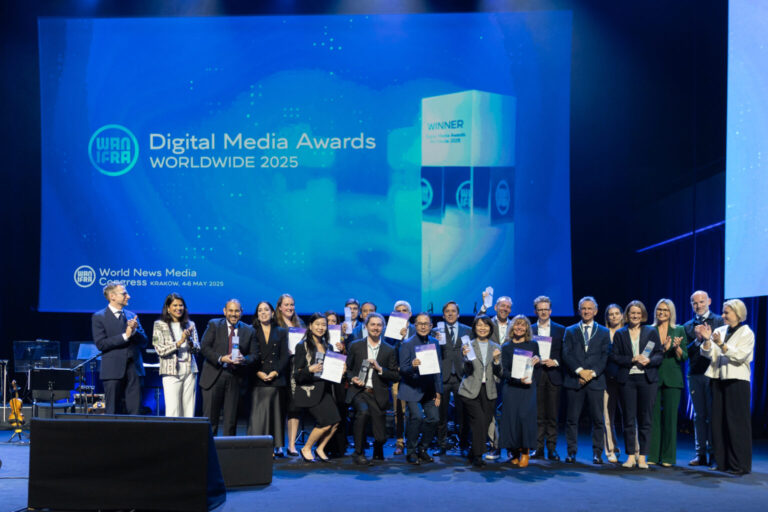
WORLD Association of News Publishers WAN-IFRA’s 2026 Digital Media Awards seeks entries to its award, the global benchmark for digital journalism excellence.
The awards honour publishers and media organisations that have delivered outstanding and original digital projects, products, or strategies.
Media organisations, whether digital-native or legacy, operating at the national, international, regional, or local level, can apply.
The deadline for the submission of applications is January 23, 2026. Interested applicants can apply here.
The President Bola Tinubu-led administration has signed a Comprehensive Economic Partnership Agreement (CEPA) with the United Arab Emirates (UAE), granting duty-free access to over 7,000 Nigerian products.
The deal is also expected to increase trade volume by over $3 billion and foster cooperation in investment services between the two countries, while allowing Nigerian businesses to enter the Middle East regional hub market.
The Minister of Federal Ministry of Industry, Trade and Investment (FMITI), Jumoke Oduwole, disclosed this in a statement late Tuesday, January 13, explaining that the CEPA would attract foreign investments and prioritise market access for goods and services, and also strengthen Nigeria’s push for economic diversification under the Tinubu administration.
Oduwole stated that the deal followed months of technical engagements with UAE counterparts, noting that “Emirates Airlines is also expected to expand footprints in Nigeria as a result of the deal.”
For exporters, Oduwole said the UAE would immediately eliminate tariffs on Nigerian agricultural and industrial products, including fish and seafood, oil seeds, cereals, cotton, pharmaceuticals and chemicals, with more products added over time.”
Speaking on the delivery of the agreement, the minister said, “For Nigerian exporters, the UAE will eliminate tariffs on over 7,000 products. Immediately, our agricultural and industrial products – fish and seafood, oil seeds, cereals, cotton, pharmaceuticals, chemicals and more- will enter the UAE market duty-free.
“Over the next three to five years, the UAE will eliminate tariffs on Nigerian machinery, vehicles, electrical equipment, apparel, and furniture. Nigerian industrial exports now have a clear and competitive pathway into one of the world’s most dynamic trading hubs. In addition, Nigerian businesses can establish operations in the UAE through new corporate entities, branches, and subsidiaries.”
Beyond goods, she said the agreement allowed Nigerian business visitors entry into the UAE for up to 90 days annually, while managers, executives and specialists could relocate under renewable three-year permits.
The minister stated that Nigeria on its part agreed to eliminate tariffs on about 6,000 products, mostly industrial inputs and capital goods, with 60 per cent removed immediately and the rest phased over five years.
“These imports are concentrated in industrial inputs, capital goods, and machinery that will strengthen Nigeria’s productive capacity. Nigeria’s Import Prohibition List remains in effect,” she added.
Oduwole said the CEPA expanded Nigeria’s services market access, with commitments covering 99 services across 10 key sectors, while positioning the country as a strategic gateway for global investors targeting Africa’s 1.4-billion-person market under the African Continental Free Trade Area (AfCFTA) framework.
She added that the agreement aligned fully with Nigeria’s World Trade Organisation (WTO), AfCFTA, and the Economic Community of West African States (ECOWAS) obligations, while commending her UAE counterpart, Thani bin Ahmed Al Zeyoudi, Minister of Foreign Trade and the UAE negotiation team for the collaborative effort.
“To the Nigerian private sector: this agreement was negotiated for you. I urge you to identify your opportunities with enhanced market access and move with confidence into the UAE market with the protections we have secured for you,” the minister said.
Some analysts, however, suggested that Nigeria should consolidate its geo-political business investment strategy with the tariff elimination, especially now that there’s a global concern about the United States’ President Donald Trump’s tariff impact among nations.
“This is an opportunity for Nigeria to expand our non-oil trade volume with the UAE, which jumped to $4.3 billion in 2024. It is approximately $3.1 billion in the first nine months of 2025. I’m sure when the NBS releases data for the last quarter of 2025, it will grow further. This is a huge opportunity for non-oil growth and businesses,” a development economist, Kingsley Obiakor, told The ICIR.
The Ministry of Industry, Trade and Investment assured that coordinated implementation with the Nigerian Export Promotion Council (NEPC), the Nigerian Investment Promotion Commission (NIPC) and the Standards Organisation of Nigeria (SON) would ensure that Nigerian businesses swiftly leverage the agreement, as Nigeria deepens its integration into global trade flows.
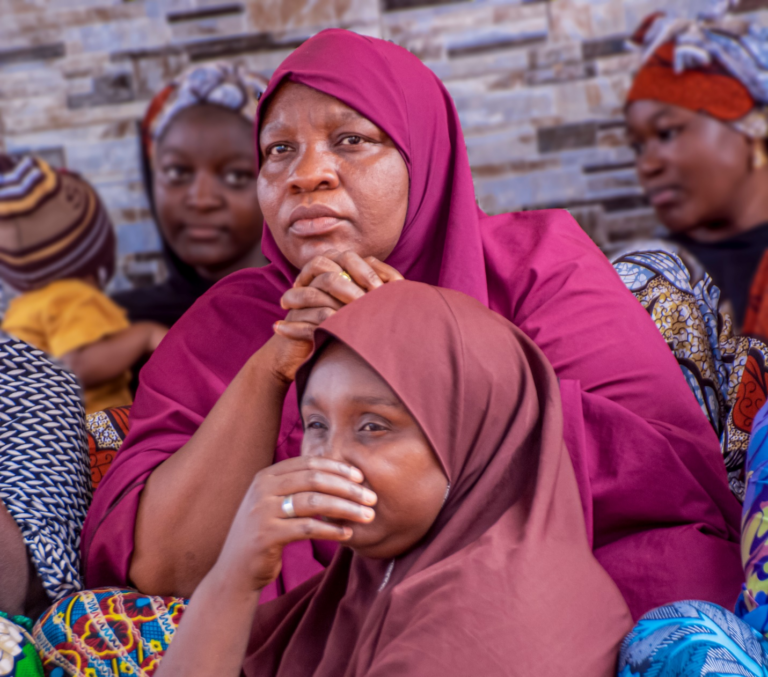
IN Rigolo, a quiet village of Magama Local Government Area, Niger State, the tragic incident of young mother leaves a sour taste. Exhausted from a painful labour, the poor woman passed away, her body left to cool under a mango tree while relatives wailed in anguish.
She had suffered post-partum haemorrhage (PPH), the leading killer of mothers in Nigeria, left untreated because the village health centre lacked even the most basic supplies, let alone electricity.
For years, as in many remote Nigerian villages, residents relied on traditional birth attendants (TBAs) who, though well-intentioned, were forced to practice in unsafe, under-resourced conditions. The result was a broken health system of empty Primary HealthCare Centres (PHCs), sporadic outreach from urban hospitals, and countless preventable deaths.
The dawn of Midwives Service Scheme
In 2009, the Federal Government of Nigeria, recognising the urgency of the crisis, entered into a partnership with the Society of Gynaecology and Obstetrics of Nigeria (SOGON). They launched the Midwives Service Scheme (MSS), a nationwide effort to provide the most neglected PHCs with qualified midwives, ensuring that every pregnant woman would have access to skilled birth attendance.
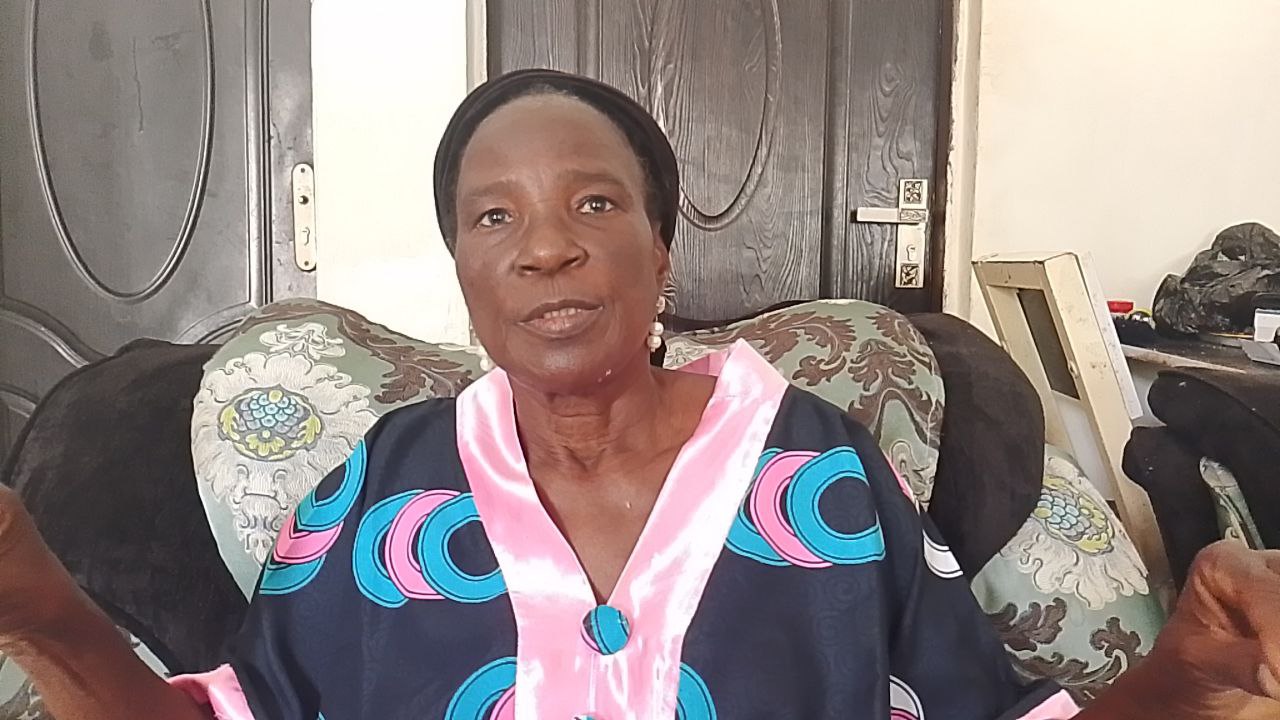
By 2017, after years of slow rollout, the scheme finally reached Rigolo, a community that had been left to fend for itself for decades. Among the 4,000 midwives dispatched nationwide, 61-year-old Janet Adonai Muazu, a retired nurse and midwife with three decades of frontline experience, answered the call.
Janet Adonai Muazu, retired nurse and midwife
From one midwife to a generation
Janet’s career began in the 1980s, when she first witnessed the realities of rural obstetric care, including inadequate facilities, a single health worker handling dozens of deliveries, and a disturbing pattern of preventable fatalities.
“We had women arriving in labour with their lives at risk. One health worker tampered with a placenta instead of referring a patient. The woman nearly died,” she recalls.
Such stories were rampant. Only half of women of childbearing age in Niger State have access to essential antenatal care from trained professionals. One in every 95 mothers dies from preventable pregnancy and childbirth complications.
Those early memories shaped Janet’s conviction that skill, compassion, and community trust are inseparable. When the MSS offered her the posting to Rigolo, a community she had never visited and a 130 km journey she would have to make each month from Kontagora, she accepted without hesitation. She knew that the work would be hard, but she also knew that her presence could tip the balance between life and death for countless women.
Rebuilding a PHC from the scratch
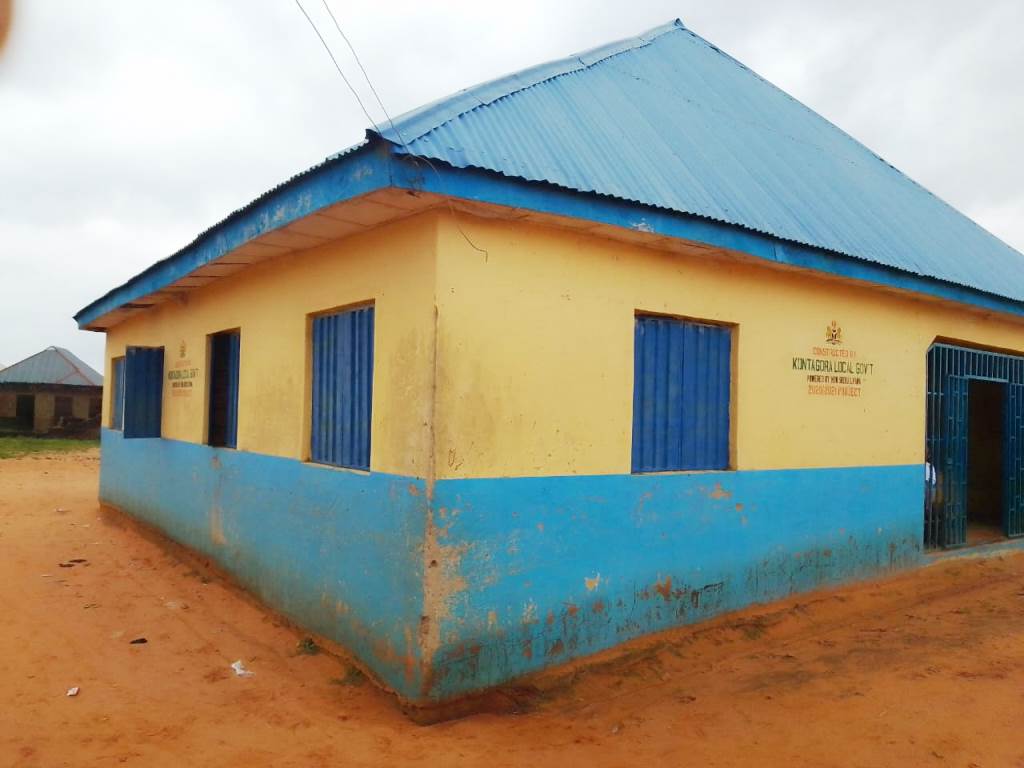
The day Janet stepped into the modest PHC building in Rigolo, she immediately set to work on three fronts: infrastructure, partnership, and capacity building.
The PHC lacked a reliable water source. Janet negotiated with local vendors to secure water delivery. While this was a stopgap, it provided the clean water essential for sterilising instruments and maintaining hygiene during deliveries.
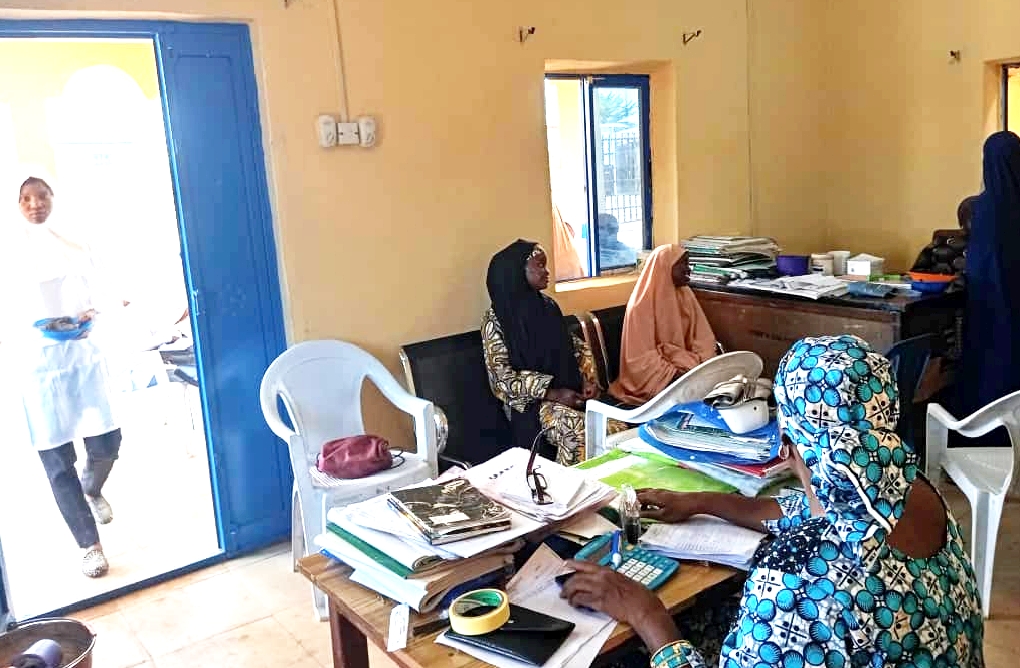
Officials attending to some patients
Within her first week, Janet linked up with Physicians for Social Justice (PSJ), an NGO that had been supplying free vitamin supplements to pregnant women in the state. By coordinating distribution through the PHC, she ensured that every expectant mother who walked through the doors received prenatal vitamins, iron, and folic acid, basic but life-saving nutrients. Within a few months, attendance at the PHC surged. Women who previously relied on traditional birth attendants (TBAs) began walking to the clinic, saying, ‘Mama is there.”
The only community health worker at Rigolo PHC, Aisha Mansur, was overwhelmed. Janet took Aisha under her wing, training her on the early recognition of PPH, the correct use of oxytocin and other uterotonics, and the umbilical cord pulse technique, a simple method that can control bleeding when administered promptly.
Aisha recounts a case where a newborn arrived barely breathing. Janet’s quick action, clamping the cord, giving a dose of oxytocin, and starting gentle ventilation, saved the baby’s life. Word spread, and soon the phrase “Go to the health centre. Mama is there” became a local rallying cry.
The ripple effect extended beyond the village. Grace Audu, a 28-year-old student at the Niger State School of Midwifery, credits Janet for her decision to pursue a midwifery career. “She handled emergencies with such calm; I wanted to be that steady presence for my own community,” Grace says.
The story did not stop there. Seeing the limited capacity of a single PHC, Janet established a formal referral pathway to Yauri General Hospital in Kebbi State, the closest tertiary health facility equipped for caesarean sections and comprehensive obstetric emergencies. She organised transport arrangements, shared contact lists, and educated families about the signs that required a transfer. “Even if a woman needed a caesarean, families knew they could always go to Yauri,” she explains.
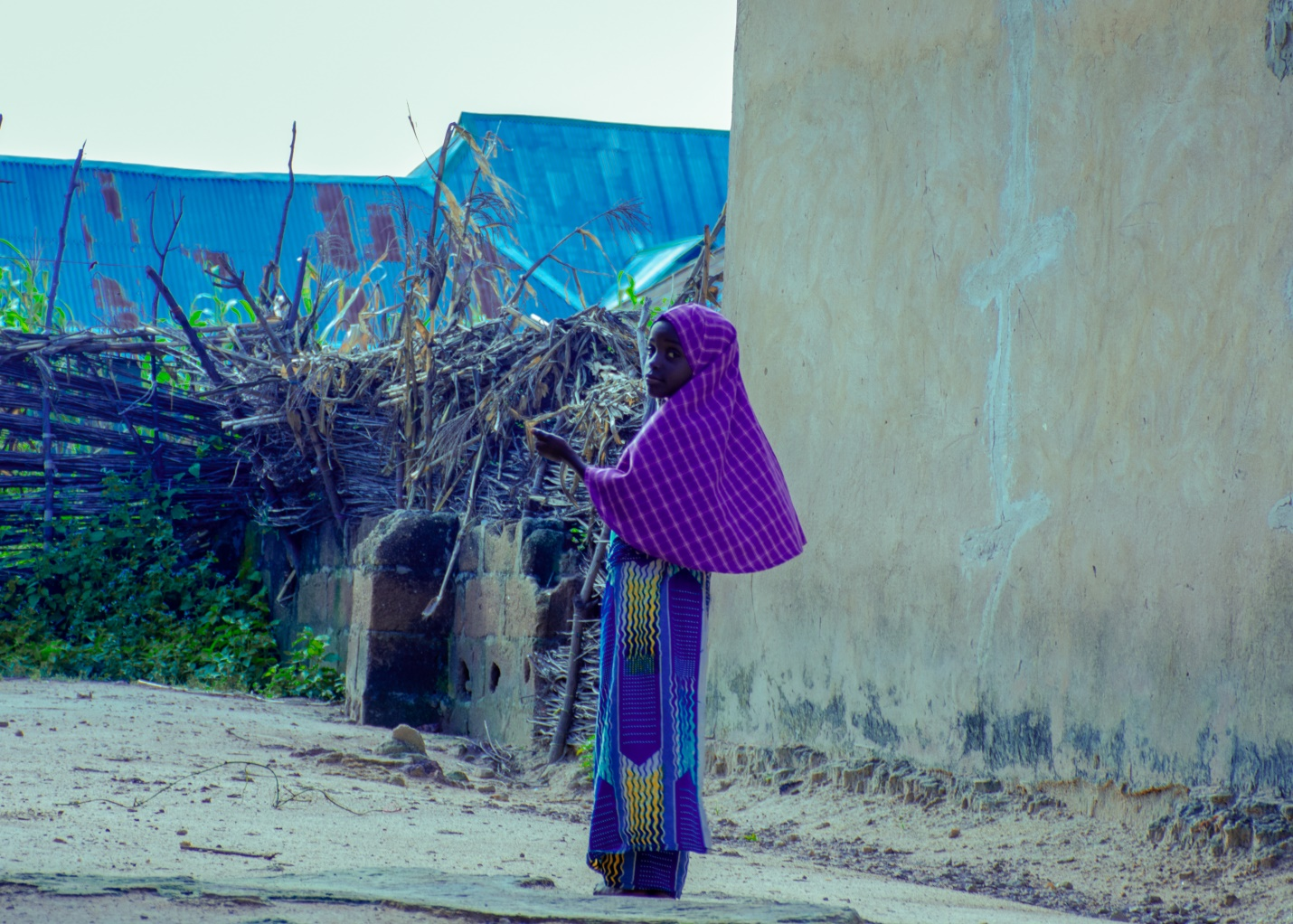
Rigolo, Magama LGA, Niger State Photo Credit: Anibe Idajili
Measuring impact with numbers and narratives
The changes were not just anecdotal. Within six months, antenatal care attendance moved from a “red” (critical) status to “green” in the state health database. Skilled birth attendance (SBAs) in northern Nigeria also rose from 25.6 % in 2011 to 33.1 % in 2021, a trend partially driven by MSS deployments like Janet’s. Maternal health literacy, the community’s ability to recognise danger signs, also improved dramatically, according to local health officials.
But the most powerful evidence comes from personal stories. Hassan Ibrahim remembers the night his wife nearly died from postpartum haemorrhage. “Mama clamped the bleeding, gave IV fluids, and saved her. Now I proudly tell anyone: ‘The MSS is a good government plan.’”
Zainab Jega, a mother of four who once feared childbirth, now mentors younger women on pregnancy danger signs, quoting Janet’s lessons: “When you feel you are bleeding too much, call the clinic immediately. Don’t wait.”
These stories indicate a cultural shift where women now educate each other, men support clinic visits, and local leaders demand better health infrastructure. The MSS-induced change in Rigolo was tangible.
The rough patches
Janet’s optimism is tempered by the systemic challenges that continue to threaten the MSS’s sustainability. By 2019, when her contract ended, staffing issues, delays in salary payments, and supply shortages, such as the lack of IV fluids and folic acid, threatened the MSS’s momentum. PSJ, her NGO partner, also ran out of stock, leaving the PHC without essential vitamins for expectant mothers.
Infrastructure gaps further complicated efforts. Even after securing water deliveries, the PHC still lacked reliable water supply. “In maternity, hygiene is everything,” Janet emphasized. “Without water, we struggled a lot.”
Short-term contracts also hindered sustainability. A 2022 survey found that many MSS midwives left within six months due to due to delayed payments and short-term contracts. The resulting turnover erodes community trust, as women have to re-establish relationships with new, unfamiliar providers.
The MSS has increased rural midwives by 9% and improved maternal literacy, but its future depends on scaling what works.
These challenges are not unique to Rigolo. Hauwa Kulu Abdullahi, National Media Officer for the Federation of Muslim Women’s Associations in Nigeria (FOMWAN), agrees that the scheme has been successful in the State but needs to improve in certain areas. “There are concerns about logistics, especially accommodation for midwives who reside far from their assigned PHCs. Remuneration for them also needs to be more consistent.”
Kenneth Nnaji, a maternal health policy analyst in Minna, Niger State, describes the MSS as a “solution sandwich” that is effective in the middle but incomplete without support on all sides. “We need to invest in education for midwives, infrastructure, and consistent funding.”
Attempts to reach Fatima Mohammed, Niger State’s PHC information officer, for clarification on the state’s support to the MSS have gone unanswered despite repeated inquiries via calls and WhatsApp. This silence highlights a lack of accountability that jeopardises sustainability.
While Rigolo’s story showcases the life-saving impact of the Midwives Service Scheme, Kwangwara, a community in Madara Ward, tells a very different story. Despite being in the same State, Kwangwara has never received a midwife under the MSS. The PHC remains underutilized, devoid of antenatal services, emergency care, and essential supplies like sanitary pads or delivery kits.
Maternal mortality remains high, with complications like postpartum haemorrhage and obstructed labour often going untreated. “I lost my sister during childbirth. No one could stop the bleeding,” laments Shamsiya, a grieving community member.
Shehu Tijjani, Ward Focal Person for Madara Ward, explained that the Kwangwara PHC, like other facilities in the ward without midwives, depends solely on Community Health Extension Workers (CHEWs) and trained TBAs for deliveries and emergencies. However, many TBAs still operate without formal training or sterile equipment, increasing risks during childbirth. “The government needs partners to sponsor midwives to PHCs,” Tijjani urges, noting the strain of sustaining such essential services alone.
The contrast between Rigolo and Kwangwara exemplifies the transformative power of the MSS, and the dire consequences of its absence. It highlights the urgent need for equitable deployment of midwives across all underserved communities.
Lessons from Rigolo
A PHC without water or reliable electricity is a fragile facility. This report shows the obvious need for governments to pair midwife deployments with basic utilities, ensuring that skilled care can be delivered safely.
Hussein Muhammed, founder of Good Leadership and Empowerment Awareness Initiative (GLEAI), stresses that “midwife deployments must be paired with basic utilities; without water and power, skilled care cannot be rendered safely or consistently.”
Meanwhile, Nnaji emphasizes the power of secure, long-term funding. “Permanent salaries and allowances, rather than shortterm contracts, will keep midwives motivated and reduce turnover, preserving community trust.”
Janet, who mentors Aisha, Grace and local advocate Hassan, adds, “When we have stable jobs and a steady supply of drugs, IV fluids and nutrition, we can focus on what really matters, which is saving lives.”
Pairing these with public-private partnerships will ensure a steady flow of life-saving supplies, while long-term contracts for midwives will promote loyalty and expertise. Together, these strategies will forge a strong, equitable system that safeguards mothers and their children.
Final reflections
When Janet first arrived in Rigolo, the village health narrative was of loss and helplessness. During her two-year contract, mothers arrived the PHC with confidence, newborns cried openly, and community health workers acquired new knowledge.
Janet’s hands may be older, but they remain steady, cradling new life and guiding younger practitioners. Her journey embodies a truth that the human element in maternal healthcare is irreplaceable, but it must be supported by sustainable systems and strong political will.
The Midwives Service Scheme has illuminated a roadmap for Nigeria that combines skill, infrastructure, community participation, and sustainable financing. But as the story of Kwangwara reminds us, the journey is far from complete.
To truly eradicate preventable maternal deaths, policy makers must prioritise universal access to basic utilities, including water, electricity, clean delivery spaces; long-term, protected funding for midwives and PHCs; strong referral and transport networks that link remote clinics to capable hospitals; and ongoing community education that transforms cultural norms around childbirth.
If these pillars stand firm, Janet Adonai Muazu’s legacy and the MSS unsung midwives will thrive in every Nigerian mother and child, nurturing generations to come.
This report was made possible with support from the International Centre for Investigative Reporting (ICIR) under the Strengthening Public Accountability for Results and Knowledge (SPARK 2.2) project.
HUMAN rights and environmental justice organisations have criticised the Lagos State Government over the ongoing demolition of homes in the Makoko waterfront community.
They said the action had led to the deaths of two babies and an elderly woman, the displacement of thousands of residents, and the arrest of a youth leader.
The Centre for Children’s Health Education, Orientation and Protection (CEE-HOPE) Nigeria, Health of Mother Earth Foundation (HOMEF), and Corporate Accountability and Public Participation Africa (CAPPA) raised the alarm in a joint statement shared with The ICIR on Tuesday, describing the operation as “brutal, unconstitutional and inhumane.”
“We view these latest attacks on vulnerable populations and the urban poor as the most violent manifestations of Lagos State government’s contempt for those it views as human scrap to be cleared for elite profit and at the pleasure of land speculators and the rich.
“The thuggish arrest of community members and forced displacement of families who have always known Makoko as home, underscore the helplessness of the struggling people in the country. We see this assault as comparable to what Nigerians are suffering at the hands of bandits in some parts of the nation. This state campaign of land-grabbing and displacement is repugnant and must be halted,” Director of HOMEF, Nnimmo Bassey, said in the statement.
The ICIR reports that the Lagos State government started the demolition of Makoko, a densely populated waterfront community along the Third Mainland Bridge, Lagos, three weeks ago.
The government said the exercise was part of a wider plan to redevelop waterfront areas and increase revenue from coastal assets.
Makoko has long been a flashpoint for forced evictions and government-led demolitions, a pattern that stretches back decades, with its first encounter in April 2005, followed by July 2012, when armed police dismantled parts of the stilt community after a 72-hour notice.
In 2022, The ICIR reported that the community resisted another planned demolition by the state government through an estate developer.
Reacting further to the latest destruction, the right groups said armed security personnel, demolition teams and “armed thugs” have repeatedly invaded Makoko since January 5, 2026, pulling down homes, setting some structures ablaze, and firing tear gas at residents, including women, children and elderly persons. It said at least three people, including two infants, have died in connection with the demolitions.
“Over 3000 houses have reportedly been destroyed so far, displacing more than 10,000 people. Five schools, two clinics, and several places of worship have also been demolished. Many displaced residents – including children – are now sleeping in boats, canoes, churches, school buildings, or in the open, exposed to the elements and serious health risks.
“These actions starkly contradict earlier assurances by officials of the Lagos State Ministry of Urban Development that the exercise was limited to structures within 50 metres of power lines – a claim later shifted to 100 metres, despite legal standards generally stipulating a 30–50 metre corridor,” Executive Director CAPPA, Akinbode Oluwafemi, said.
The organisations also accused security agencies of targeting community leaders, alleging that a Makoko youth leader, Oluwatobi Aide, popularly known as Woli, was arrested on Monday after he approached demolition officials to plead for time for residents to retrieve their belongings.
“According to eyewitness accounts, Mr. Aide approached officials of the demolition squad to appeal for at least a few hours, to allow affected residents retrieve their belongings after it became clear that the demolitions had extended beyond the originally communicated corridor and perimeter to power lines. Rather than engage with the community’s concerns, security agents reportedly arrested him. Since his arrest, Mr. Aide, who was tear-gassed during the demolitions and hospitalised last week, has experienced a further deterioration in his health while in detention.”
Similarly, the Executive Director of CEE HOPE, Betty Abah, posited that Makoko’s experience was not isolated, noting that demolitions had extended to areas such as Oko-Baba, which are not under power lines, reinforcing fears that the true objective was the clearance of the thriving Makoko community.
“Over the past year, the Lagos State Government has carried out similar demolition exercises in communities including Oko-Baba, Ayetoro (parts of Makoko), Otumara, Baba-Ijora, Oworonshoki, and Precious Seeds, displacing tens of thousands of low-income residents, particularly women and children. In several cases, demolitions were carried out without prior notice, consultation, or provision of alternative accommodation, and in defiance of pending court cases or injunctions. Earlier evictions in Badia East, Otodo-Gbame, Maroko, Monkey Village, Ilaje-Bariga, and Ifelodun reveal a long-standing pattern of forced evictions that have shattered livelihoods, uprooted families, and left women and children exposed to heightened risks of violence, hunger, and poverty” Abah said.
The organisations described the Makoko operation as a violation of Section 44 of the Nigerian Constitution, the African Charter on Human and Peoples’ Rights, and international standards on forced evictions.
“We therefore demand the following immediate actions (1) An immediate halt to all demolition activities in Makoko and other affected Lagos communities. (2) The unconditional release of Mr. Oluwatobi Aide and any other community members arrested in connection with peaceful advocacy or inquiries related to the demolitions. (3) An independent and transparent investigation into the reported deaths, use of force, and human rights abuses, with those found responsible brought to justice. (4) Adequate compensation, restitution, and resettlement for all affected residents, including restoration of destroyed schools, clinics, and livelihoods. (5) Respect for court processes, community consultation, and due process in all urban development initiatives,” the group said..
The group also warned that urban development driven by violence and mass displacement would only worsen Lagos’ housing crisis, which they said already had a deficit of over four million housing units.
THE Kano State Hospitals Management Board has ordered a full investigation into the death of a housewife, Aishatu Umar, who reportedly died after a surgical procedure at the Abubakar Imam Urology Centre in Kano, amid allegations of medical negligence.
The directive was disclosed in a statement issued by the board’s Public Relations Officer, Samira Suleiman, on Tuesday, January 13.
“The Kano State Hospitals Management Board, under the leadership of the Executive Secretary, Dr Mansur Mudi Nagoda, has taken note of the distressing report concerning the late Aishatu Umar,” part of the statement read.
The board assured the public that the probe would be transparent, impartial, and professional, noting that appropriate action would be taken in accordance with established regulations if any negligence is confirmed.
“We extend our deepest condolences to her family and loved ones. The Executive Secretary has ordered an immediate and thorough investigation into the alleged incident at Abubakar Imam Urology Centre to ascertain the facts and circumstances surrounding the matter.
“Patient safety remains our utmost priority, and the board is committed to upholding the highest standards of healthcare delivery in Kano State,” it added.
The ICIR reports that a family member of late Aishatu, Abubakar Muhammed, broke the news of her demise in a Facebook post, calling on the Kano State government and health regulatory bodies to investigate the matter and take action.
“The woman you see here is Aishatu Umar. She was a sister-in-law to me. She passed away yesterday around 1:00am. She is survived by her husband and five children. Living in Kano. She fell ill a few months ago and underwent surgery at the Abubakar Imam Urology Center in September.
“Following the surgery, she suffered from severe abdominal pain. Whenever she went back to the hospital, she was only given pain relievers. She suffered this pain for four months. Just two days ago, tests and scans were finally conducted, revealing that a pair of scissors had been left inside her body during the September operation.
“Efforts were being made to perform a corrective surgery yesterday, but her time had run out, and she passed away. Is this not pure negligence? Truly, every soul has its appointed time, but how can professional doctors forget scissors inside a patient? This tarnishes the reputation of healthcare workers and health authorities,” the family member wrote.
Mohammed’s call for justice is coming just a few days after award-winning Nigerian author, Chimamanda Ngozi Adichie, raised allegations of medical negligence at Euracare Multispecialist Hospital, Lagos that led to the death of her 21-month-old son Nkanu Nnamdi Adichie-Esege.
Adichie disclosed that Nkanu had initially been treated for what was thought to be a cold before developing a serious infection that required hospitalisation at Atlantis Hospital.
She also said the child was scheduled to travel to the United States on January 7 for further treatment, with a medical team at Johns Hopkins Hospital already waiting in Baltimore but requested a lumbar puncture and an MRI which led her to Euracare.
She said she was waiting outside the theatre when she saw medical personnel rushing in and later learned that Nkanu had been given an overdose of propofol by the anesthesiologist, causing him to become unresponsive, and was resuscitated but developed seizures and suffered cardiac arrest before he died.
Adichie formally issued a legal notice to Euracare Multispecialist Hospital, accusing the facility and its medical personnel of medical negligence and professional misconduct.
The hospital, however, denied the claims.
These latest cases add to the number of distressing reports of medical errors and negligence in Nigerian hospitals, where patients and families especially those without resources or public visibility have repeatedly suffered preventable injury and loss of life due to substandard care, misdiagnosis, drug administration errors and weak regulatory oversight.