Home Blog Page 1919

COVID-19: UK approves Pfizer/BioNTech vaccine, orders for 40m doses

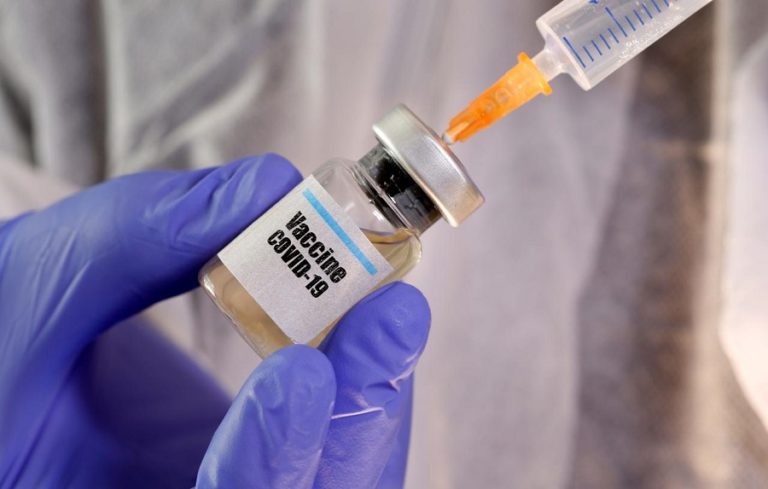
THE United Kingdom becomes the first country in the world to administer the COVID-19 vaccine on its population, as it granted temporary authorization for emergency use of Pfizer/BioNTech’s vaccine (BNT162b2), Wednesday.

Comprising England, Scotland, Wales and Northern Ireland, the UK currently has 1.64 million confirmed cases of the virus and 59,051 deaths.

The UK’s Medicines & Healthcare Products Regulatory Agency (MHRA) approved the use of the vaccine and consequently made an order for delivery of 40 million doses between this December and 2021.


Read Also:

UK’s approval of the Pfizer/BioNTech vaccine makes the product to beat other vaccine candidates, worldwide.

Nigeria’s Dr. Onyema Ogbuagu’s effort to the development of the vaccine was greatly commended by the US last week.

The elderly in care homes, front line health workers and vulnerable people will be prioritized in the first set of vaccination, kicking off next week.

40 million vaccines will be administered to 20 million people in the UK, as each person is expected to be given two doses.

UK Health Secretary, Matt Hancock told the BBC that an initial 800,000 doses would be available in the UK next week, and would deployed at the speed that it’s manufactured by Pfizer at its facilities in Belgium.

With the vaccine, “help is on the way” for lives and economy to have a fresh start, Hancock stated.

“It’s the protection of vaccines that will ultimately allow us to reclaim our lives and get the economy moving again,” Prime Minister, Boris Johnson said in response to the breakthrough, in a tweet.

In a joint press statement, US pharma giant, Pfizer and its German firm partner, BioNTech said they “are ready to deliver first doses to the UK immediately.”

The statement said “first authorization for a COVID-19 vaccine represents a scientific achievement to help combat this devastating pandemic.

“This constitutes the first Emergency Use Authorization following a worldwide Phase 3 trial of a vaccine to help fight the pandemic. Pfizer and BioNTech are anticipating further regulatory decisions across the globe in the coming days and weeks and are ready to deliver vaccine doses following potential regulatory authorizations or approvals.”

Wednesday’s authorization in the U.K. marked a historic moment in the fight against COVID-19, noted the statement.

Chairman and Chief Executive Officer, Pfizer, Albert Bourla, was quoted as applauding the MHRA for its ability to conduct a careful assessment and take timely action to help protect the people of the U.K.

“As we anticipate further authorizations and approvals, we are focused on moving with the same level of urgency to safely supply a high-quality vaccine around the world. With thousands of people becoming infected, every day matters in the collective race to end this devastating pandemic,” he added.

Similarly, CEO and co-founder of BioNTech., Ugur Sahin, said in the statement that “the Emergency Use Authorization in the U.K. will mark the first time citizens outside of the trials will have the opportunity to be immunized against COVID-19.

He expressed hope that the roll-out of the vaccination programme in the U.K. would reduce the number of people in the high-risk population being hospitalized.

He said the aim of the firms producing the vaccine was to bring a safe and effective vaccine upon approval to the people who need it.

“The data submitted to regulatory agencies around the world are the result of a scientifically rigorous and highly ethical research and development program,” he added.

The MHRA’s data from phase 3 of clinical study of the vaccine have shown efficacy rate of 95% (p<0.0001) in participants without prior SARS-CoV-2 infection (first primary objective) and also in participants with and without prior SARS-CoV-2 infection (second primary objective).

Pfizer and BioNTech said efficacy of the product was consistent across age, gender, race and ethnicity demographics, with an observed efficacy in adults age 65 and over of more than 94%.

“In the trial, BNT162b2 was generally well tolerated with no serious safety concerns reported by the Data Monitoring Committee to date. Today’s decision also is based on a review of Pfizer’s and BioNTech’s Chemistry, Manufacturing and Control (CMC) data for BNT162b2,” the firms said.

Pfizer said it had a 171-year track record of researching, developing, manufacturing and delivering innovative medicines and vaccines to patients in need.

“Pfizer and BioNTech are confident in their ability to safely and effectively deliver the vaccine to the people in the U.K. Based on current projections, Pfizer’s and BioNTech’s combined manufacturing network has the potential to supply globally up to 50 million vaccine doses in 2020 and up to 1.3 billion doses by the end of 2021 (subject to manufacturing capacity and regulatory approval or authorization).”

In a statement, the Department of Health said “the government has today accepted the recommendation from the Independent Medicines and Healthcare products Regulatory Agency (MHRA) to approve Pfizer/BioNTech’s COVID-19 vaccine for use. This follows months of rigorous clinical trials and a thorough analysis of the data by experts at the MHRA who have concluded that the vaccine has met its strict standards of safety, quality and effectiveness.

“The Joint Committee on Vaccinations and Immunisations (JCVI) will shortly publish its final advice for the priority groups to receive the vaccine, including care home residents, health and care staff, the elderly and the clinically extremely vulnerable.

“The vaccine will be made available across the UK from next week. The NHS has decades of experience in delivering large-scale vaccination programmes and will begin putting their extensive preparations into action to provide care and support to all those eligible for vaccination.”
Buhari agrees to address lawmakers over state of insecurity

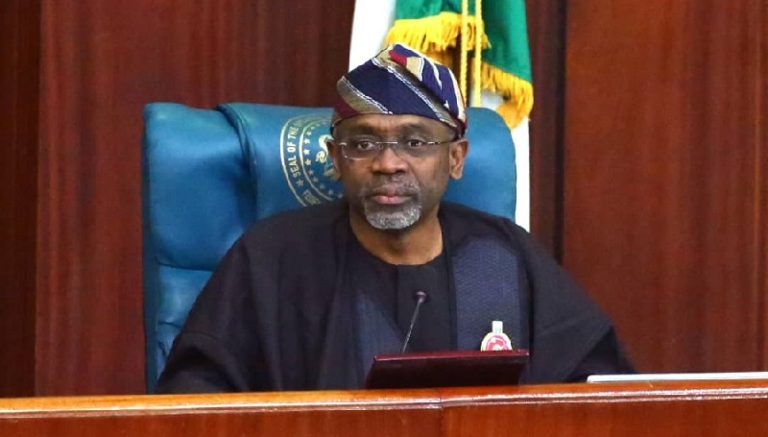
FEMI Gbajabiamila, Speaker of the House of Representative says President Muhammadu Buhari has finally agreed to address the House regarding the state of insecurity in the country.

He disclosed this on Thursday while granting an interview to State House Correspondents in Abuja.

The lawmaker said, as requested by the lawmakers an appointment has already been fixed with and an agreed date would be made public soon.

“He was ever willing to listen as its typical of Mr. President and the usual democrat he is. And what we basically sought is to convey resolution of the House and to fix a date which we did not fix out of respect for him and his very tight schedule but a date that would be convenient.

“We have agreed on a date he will meet with the House to address the situation,” Gbajabiamila stated.

According to him, he believes the President is more concerned about the insecurity situation across the nation. However, the lawmaker decided he would not pre-empt the president until he appears before the lawmakers.

The House had on Tuesday summoned the President through a motion moved on the floor following the Boko Haram attack on over 43 farmers in Borno State.

Reports say Gbajabiamila had pleaded it would be inappropriate to summon Buhari before the lawmakers until today’s visit to the presidency.

Nigerians and the global community had also condemned the violent attack while others called for the resignation of the president over the rising security concerns.

The Boko Haram insurgents subsequently claimed responsibility for the killings which the United Nations earlier put the casualty figure at 110 victims.

“I am outraged and horrified by the gruesome attack against civilians carried out by non-state armed groups in villages near Borno State capital Maiduguri,” Edward Kallon, UN Resident and Humanitarian Coordinator in Nigeria said in a statement

“At least 110 civilians were ruthlessly killed and many others were wounded in this attack.”

The ICIR also reported how over 600 deaths were recorded only in the North-East within six months.

How gunmen killed assistant commissioner of police in Calabar

THE Cross Rivers Police Command has confirmed the assassination of an Assistant Commissioner of Police (ACP), Egbe Edum in Calabar, the state capital on Wednesday.

Irene Ugbo, the Cross Rivers Police Spokesperson confirmed the incident to The ICIR in a telephone conversation.

According to the Police Spokesperson, Edum who served in Borno State, arrived in Calabar on Wednesday to see his wife and kids before he was killed by suspected armed robbers.

“He is serving at Maiduguri, he just came to see his family, the information we got is that he arrived this morning at about 1 am in a commercial vehicle and he had already called his wife to pick him up at a particular spot,” said Ugbo.


READ ALSO:

The spokesperson added that when the deceased’s wife got to the spot, they only met his body at the spot.

“So we are suspecting it could be chance armed robbers but we are still investigating. The Cross Rivers Commissioner of Police has sent men of our Intelligence Bureau to go into the area where his body was found and we are currently investigating his death,” She added.

Until his death, Edum was a commander of the Police Mobile Force Squadron 73 in Magumeri, area of Borno state.

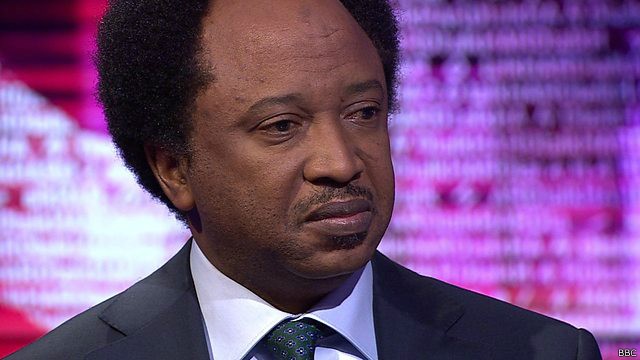
Insurgency: It’s foolish for Nigeria @60 to abandon its local defense industry for import -Shehu Sani

SHEHU Sani, a former Nigerian senator, has described as foolishness for Nigeria in her 60-years of independence to abandon her defense industry and rely on the western world for defense needs.

“It’s also foolish for Nigeria at 60 to abandon its local defense industry and rely on import,” he said while reacting to statements by Lai Mohammed, minister of information and culture blaming the government’s failure to prosecute the ongoing war against Boko Haram insurgency in the Northeast on global partners.

Mohammed, who stated this to newsmen in Makurdi on Monday, said the Buhari administration has made an attempt to acquire a better platform to prosecute the war but it has been denied this support for some unknown reasons.

While stressing that there is a need for more global support to tackle terrorism, he stated that without adequate weapons, the nation will remain at the mercy of terrorists.

Shehu, while condemning the west’s decision to deny the country the sale of weapons to prosecute the ongoing war against terror, also said that it is inexcusable for the country to fail, noting that Nigeria should explore other countries that sell weapons.

“It’s wrong for the West to deny Nigeria the sale of weapons to prosecute its war on terror. It’s inexcusable for Nigeria to fail considering that there are other countries that sell weapons,” he added.

The ICIR  had reported on Saturday how rice farmers were brutally murdered on Saturday in Kwashebe Zabarmari axis of Jere Local Government Area of Borno State.

A BBC report also shows that the deceased were attacked, tied and beheaded by the Boko Haram insurgents while they were harvesting rice on their farms.

The United Nations’ humanitarian coordinator in Nigeria, Edward Kallon, said that many others were wounded with several women taken away by the insurgents.

The Abubakar Shekau’s faction of the insurgents claimed responsibility for the killings in a three-minute and thirty-seven-second video released on Tuesday.

The group said it killed 78 farmers during the attack because the farmers arrested and handed one of its brothers to the Nigerian Army.

It warned that those arresting their members and giving out intelligence on their activities to the military will face the same fate if they did not desist from doing so.

“You think you can nab our brother and hand him to soldiers and live in peace,” a veiled man asked in the video.

“You think Allah will forget what you have done to our brother.”

“The third message is on those who notoriously nab our brethren and hand them to the military or give them a clue on us, you should know that, unless you repent, what happened to your people is awaiting you.”

According to Global Conflict Tracker, Boko-Haram has killed more than 37,500 since May 2011. The group has also displaced an estimated 2.5 million persons in the Lake Chad Basin. It is also responsible for nearly 244,000 number of Nigerian refugees.

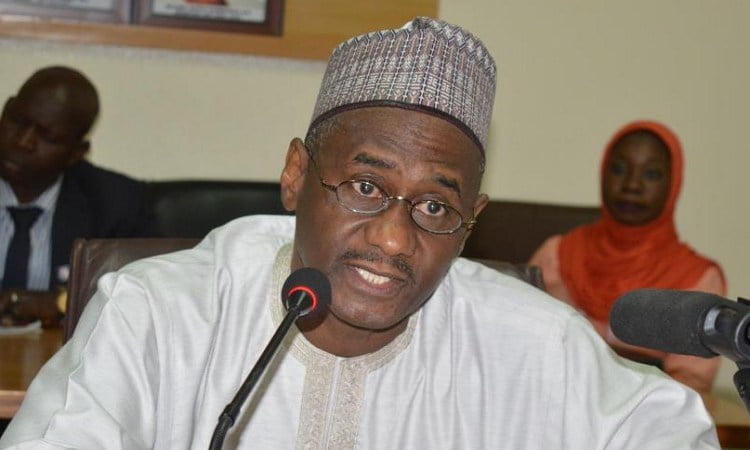
Arm, train Nigerian youths to fight insecurity, Usman Yusuf charges FG

USMAN Yusuf, a former Executive Secretary of the Nigeria Health Insurance Scheme (NHIS) has charged the Federal government to provide arms to Nigerian youths as part of measures to fight insecurity in the Northern region of the country.

Yusuf said this when he featured on The Morning Show programme aired on Arise TV on Wednesday in response to questions on how to tackle insecurity in Nigeria.

“What I suggested is the honest truth, and the truth is there are not enough soldiers, there are not enough policemen to handle this, and this is the truth. it’s not a shame it is not the first time in the world, that regular outfits are brought in to help the military.

“In the UK, during world war II, from 1940 to 1944, they formed what they call Home Guard. What they did was that they were composed of people that were young, and their purpose was to protect their Homeland against Nazi invasion.

“They trained them, armed them to protect their communities. And this is what I’m recommending, and this is what the government has to do before we get to anarchy where people would be carrying their own arms. The government can do it in a very controlled way. Communities and the military would train our youths, arm them, supervise them as forest guards,” said Yusuf.

He said that his statement should not be misconstrued as calling for everyone to carry arms in the country but he is advising that the government should engage the community in battling insecurity in the country.

He said there is no nation that can boast of being safe if it does not have control over her airspace, highways, waterways and forest.

“We don’t have control of our forest, we don’t have control of our highways, we are not secure. And we would only be deluding ourselves if we think things would change if we continue this way,” Yusuf added.

When one of the anchors of the programme, Reuben Abati asked Yusuf to speak on calls for the government to bring in private military contractors and the formation of State police, he said the people don’t care what the government calls it, they just want to be protected.

“There just has to be a control and uniformity, but we need to have police protecting our people. Many of this rural areas have never seen anything no electricity, no water, no schools, no hospitals and now we cannot even give them peace to go to their farmland and bandits attacking them, or taxing their farm products,” Yusuf stated.

On how insecurity has spread in Northern Nigeria, Yusuf stated that in Katsina State, where the Nigerian President, Muhammadu Buhari is from, about a quarter of it is in control of bandits.

“The way security is being done in this country is that things come from Abuja, without involving the people, people must be involved. We are in big trouble in Nigeria insecurity in this country has been killing our people. Our women have been raped, and our villages burnt,” he added.

Earlier, the Professor of Haematology-Oncology and Bone Marrow Transplantation published an article titled: “Insecurity is a symptom of corruption and bad governance,” where he held President Muhammadu Buhari responsible for the insecurity in the land.

“The primary responsibility of any government is to protect the lives and properties of its citizens, in this regard, the government of President Muhammadu Buhari has miserably failed to live up to its solemn responsibilities. Our people are sick and tired of repeated excuses and conspiracy theories as reasons for this failure,” he wrote.

Ghana Election: 17,027,641 registered voters expected to vote on December 7

0

THE Ghana Electoral Commission (EC) has indicated that a total number of 17,027,641 electorates will be eligible to exercise their franchise during the forthcoming December 7 presidential and parliamentary elections in Ghana.

According to the country’s voters register,  Greater Accra has the highest number of 3,528, 996 valid voters, while the Ashanti Region which is the second-highest region with eligible electorates has a total number of 3,019,178 registered voters.

The North East and Savannah Region which have the lowest number of electorates have 289,529 and 298,404 respectively.

Statistical and democratical analysis by the Electoral Commission reveals that 51.7 percent which represents 8,810,283 of the total registered voters are females while 48.3 percent with a total number of  8,22,358 are males.

The analysis also shows that about  2.6million of the total registered voters are young persons between the ages of 18 and 21.

The voters register has increased by 1,315,142 as against a total number of 15,712,499 during the 2016 election.

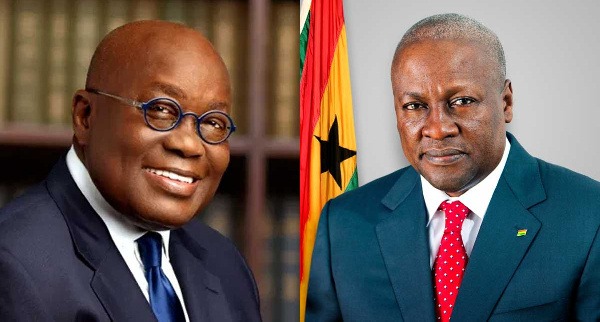
There are two major presidential candidates contesting this year’s election.

John Dramani Mahama, the candidate of the National Democratic Congress (NDC), who hails from the Northern Region of the country was the former president from 2012 to 2017. He was defeated in 2016 while seeking re-election by Nana Akufo-Addo from Gold Coast, the incumbent president and candidate of the New Patriotic Party (NPP).

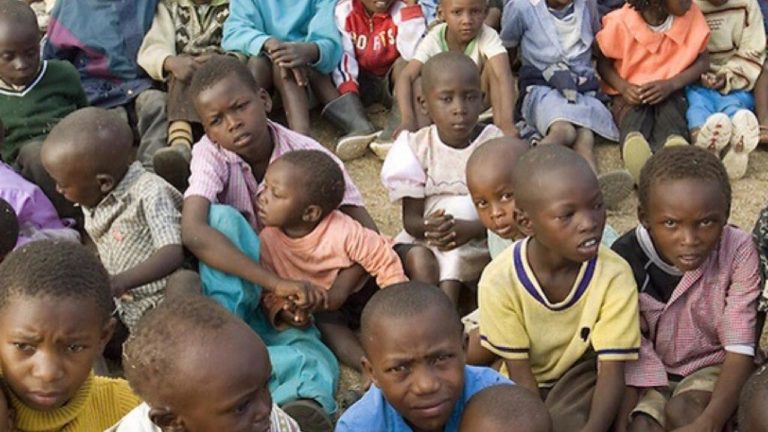
1.6 million Nigerian children among 11 million at risk of starvation across eleven countries

ABOUT 1.6 million kids in Nigeria are among 11 million children under five years of age that are at risk of extreme hunger and starvation across eleven countries, according to a recent report by Save the Children, a leading global humanitarian organisation for children.

The 11 countries in Africa, the Caribbean, ‎Middle East and Asia are Afghanistan, Burkina Faso, Democratic Republic of Congo, Haiti, Mali, Niger, Nigeria, Somalia, South Sudan, Sudan and Yemen.

The report, published on November 30, 2020, stated that a total of 1,651,700 children under five years of age in North East and North West Nigeria are at risk of hunger and starvation.

The Boko Haram insurgency in North East and North West Nigeria has reportedly had a negative impact on food availability as a result of destruction of agriculture, ‎disruptions in the food distribution system, displacement of families and death of bread winners, among other factors.

In a recent development, at least 43 rice farmers were killed by Boko Haram in Zabarmari, a community in Jere Local Government Area of Borno State, on November 28, a development which analysts believe would further compound food security challenges in Nigeria with farmers now wary of going to their farms.

‎Save the Children, in the report, analysed populations facing food insecurity across eleven of the worst affected countries in the world, using data from the World Food Programme (WFP) and the Integrated Phase Classification / Cadre Harmonise (CH) – a famine early warning system.

Then, using‎ UN population data, Save the Children extrapolated the estimated number of children under five considered to be at risk of hunger or starvation across all eleven countries.

“The first five years of a child’s life are critical. Without enough nutritious foo‎d to eat or the ability to absorb the right nutrients, children under five are at high risk of acute malnutrition which in turn can cause stunting, impede mental and physical development, increase risk of developing other illnesses and ultimately cause death,” the report said.

Save the Children called for an urgent and large-scale global response to help avert a humanitarian catastrophe, particularly devastating loss of lives among children, in the concerned countries. ‎

Chief Executive Officer of Save the Children, UK, Kevin Watkins, noted that global conflicts, chronic poverty and risks brought about by climate change contributed to the hunger crisis, which has been exacerbated by the COVID-19 pandemic.

Watkins warned that the situation could reverse gains made in efforts to reduce child mortality. ‎

“Levels of acute hunger, which were already at record global highs before the pandemic, are continuing to rise. Left unchecked, this puts millions of children’s lives at risk. The global hu‎nger crisis is caused by a persistent lack of access to nutritious food in some of the most vulnerable communities in the world, and threatens to set countries back by years or even decades in their efforts to reduce child mortality and alleviate poverty. The situation is critical. We are looking at the very real possibility that thousands of children could die,” Watkins said.

  • Nine million people are facing ‘acute food shortage’ in northern Nigeria

In a related development, the Cadre Hamonise (CH) 2020 report on food security and nutrition analysis said the Boko Haram crisis, flood and climate change has led to ‘acute food shortage’ in northern Nigeria.

The report, published on the website of the Food and Agriculture Organisation (FAO) of the United Nations in November, said over nine million Nigerians in the northern states are facing acute food shortage. ‎

‎The report reveals that about 9.8 million people in Nigeria would be in a hunger crisis or worse between October and December 2020, and if immediate measures are not taken to mitigate the situation, about 13. 8 million people will be facing acute food shortage crisis between June and August 2021.

  • North East region worst hit 

The report also said the part of the country most affected by the acute food shortage is the North East region covering Borno, Adamawa and Yobe states. The states are affected by the decade-long Boko Haram armed insurgency, which has left millions of people without food and other means of livelihood.

The three states are classified to be in crisis and emergency phases of acute food shortage by the CH food security and nutrition analysis.

‎FAO Representative in Nigeria, Fred Kafeero, noted that the COVID-19 pandemic-induced lockdown and other restrictions aimed at curbing the spread of the disease contributed to low food production in Nigeria in 2020.

Kafeero also‎ noted that there were challenges relating to access to markets and farm inputs.

“This is compounded by the insecurity in some parts of the country, crop pest and diseases infestation among others. Several households are still currently experiencing difficulties in assessing their basic food and non–food needs due to disrupted livelihoods resulting into reduced household income sources,” Kafeero added.‎

The report observed that results from Cadre Harmonise (CH) analyses in Nigeria serve as an early warning system that is used in estimating the areas, and population of vulnerable people, in need of humanitarian assistance as presented in the annual Humanitarian Needs Overviews (HNOs) and the Humanitarian Response Plans (HRPs).

The CH analysis led by the Government of Nigeria, is facilitated through the National Programme for Food Security (NPFS) with financial and technical support from FAO, the Permanent Interstate Committee for Drought Control in the Sahel (CILSS), the World Food Programme (WFP), the United Nations Children’s Fund (Unicef), European Union, the French Development Agency and the United States Agency for International Development (USAID).

Other members of the technical committee include the Famine Early Warning Systems Network (FEWSNET), Integrated Food Security Phase Classification (IPC), International Federation of Red Cross and Red Crescent societies (IFRC), Oxfam,  Administration for Children & Families (ACF) and Save the Children.

The states involved in the 2020 analysis are Adamawa, Bauchi, Benue, Borno, Gombe, Jigawa, Kano, Kaduna, Katsina, Kebbi, Niger, Plateau, Sokoto, Taraba and Yobe, as well as the Federal Capital Territory.

The findings did not include data from Zamfara State, which have not been finalised as of the time of presentation of the report.

The outcome from the CH analysis serves as an early warning alert to national and state governments as well as development partners including the humanitarian community on looming food insecurity and nutrition gaps faced in the states, and is used to galvanise support towards targeted actions.

COVID-19: Why Nigeria cases are low – Expert 

0

THE Chairman, Federal Capital Territory (FCT) Ministerial Experts Advisory Committee on COVID-19, Dr. Ejike Oji has said high population of youth in Nigeria is responsible for low confirmed cases of the deadly coronavirus disease in the country.

Addressing journalists at a Media Roundtable on the 6th Nigeria Family Planning Conference 2020 at the weekend, Oji said, “the COVID 19 pandemic is not so terrible in Nigeria due to the low level of aged people, just about 3.5 percent.”

He added that “the young (with great immunity) that are over 80 percent of the population are going around with it, without any trouble.”

Oji warned that cases of the pandemic could spike in the country because people fail to observe protocols set by health authorities for containing the disease.

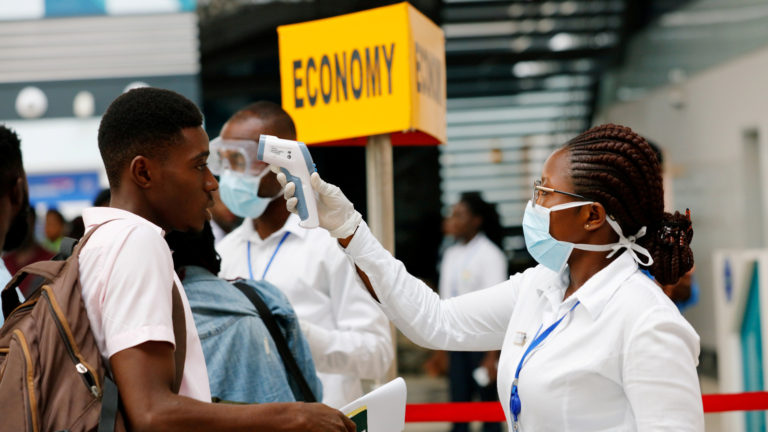
According to him, there were only three people at the Abuja isolation centre, located in Gwagwalada, few weeks ago, but the number had tripled at the time of the media briefing.

With the cold-inducing harmattan season, Nigeria has been recording increasing number of positive cases of the pandemic since the EndSARS protest ended abruptly in October this year.

The Federal Government, through the Presidential Task Force on COVID-19 had warned of spike in cases of the disease after the protest; and daily report of confirmed cases of the virus by the Nigerian Centre for Disease Control (NCDC) has been maintaining upward swing since after the protest.

145 new cases of the virus were reported by the NCDC on Tuesday December 1, 2020. 

Nigeria’s confirmed cases of the disease, according to NCDC is 67,557; active and discharged cases are 3,102 and 63,282 respectively; while 1173 fatalities have been recorded.

Lagos state leads the number of laboratory confirmed cases with 23,287 and 220 deaths, while Kogi, which has vehemently denied any case of the virus, is least with five cases and two deaths. 

As at December 1, 2020,  63, 245, 164 cases of the virus had been reported globally with 1, 469, 469 deaths, according to the European Centre for Disease Prevention and Control.

The US is leading the chart with 13.6 million cases and over 268,000 deaths.

#ENDSARS: Lagos panel strikes out petition seeking enforcement of N300 million judgement for lack of merit

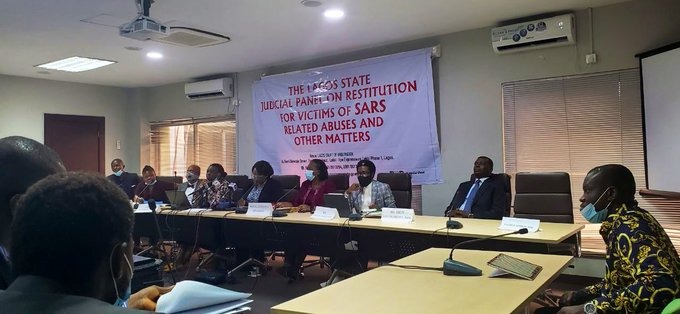
THE Lagos state Judicial Panel of Enquiry on police brutality has struck out a petition seeking the enforcement of a 300 million judgement for lack of merit.

Bonu Pascal, the petitioner, had approached the panel to seek the enforcement of a Federal High Court judgement against the police and the Badagry Local Government Area, Lagos State, over the death of his son.

But Joseph Ebosereme, counsel to the police informed the panel that the judgement has been appealed by the police and it is at the Supreme Court.

While tendering court documents before the panel as evidence, Joseph told the panel that the petitioner had rejected the sum of N30 million naira that the judgement was reduced to by Appeal Court.

He argued that the petition will set the pace for persons who have cases in the court to withdraw them and bring them before the panel should it allow the hearing of the petitioner.

In her ruling, Doris Okuwobi, a retired justice and chairman of the panel, who described the petition as abuse of court process said the panel lacks power to entertain any case that is before an appellate court.

Okuwobi cautioned petitioners against bringing the panel in collision with the appellate court.

Group raises concern over rise in Nigeria’s debt profile

THE Resource Centre for Human Rights and Civic Education, CHRICED has raised an alarm over the unsustainable rise in Nigeria’s debt profile.

This is contained in a statement emailed to The ICIR by  Ibrahim M. Zikirullahi, CHRICED’s Executive Director, on Tuesday.

CHRICED said the risen debt is a direct threat to Nigeria’s democracy, national stability and the survival of current and future generations of citizens.

It said it was lamentable that despite the huge borrowings, there are no positive effects of the debts in any sector of the country.

“Nigeria’s debt situation is very worrisome because as it stands, it will hobble the ability of future governments with the sincerity to deliver the concrete gains of democracy to the citizens of the country. It is also very strange and untenable that Nigeria’s debt profile has been rising at such an unsustainable rate, without infrastructure and other visible results to show for the huge sums borrowed over the years.

“Apart from a few projects, which completion have lingered on interminably, Nigerians have had very little to show for the huge debt, which successive governments have plunged the country into. 

“Despite the huge borrowing, infrastructure in the electricity power sector has remained as rudimentary as ever. This would be seen in the frequent collapse of the national grid, leaving citizens in most parts of the country in perpetual darkness. 

“The lamentable story is also the same with respect to major highways, which have become death traps despite Nigeria’s heavy borrowing from domestic and external sources. The state of education, healthcare and other similar social services are in a sorry state on account of poor governance despite the massive borrowing, earnings and multiple taxation of individuals and businesses.”

CHRICED warns that these debts have serious consequences for the country stressing that governments at various levels should be very circumspect when they borrow to fund “projects”.  

It lamented that the country has no circumspection whatsoever in borrowing, and as such, the welfare and well-being of present and future generation of Nigerians is being mortgaged on the altar of the profligate habit of perpetual indebtedness.

The group called on all Nigerians to take due cognizance of these realities and find legal and legitimate ways to pressure the government to stop going down the unsustainable path of reckless borrowing, which would end up overburdening the nation’s finances, and its ability to fend for itself. 

According to recent figures from the Debt Management Office (DMO), Nigeria now has a debt profile of N31.009 trillion. The DMO figures further indicate that the current high debt stock belongs to the federal, 36 states government and the Federal Capital Territory (FCT). It is similarly very disturbing that in the three months for which figures were released by the DMO, a total of $287.04 million was spent servicing external debt, while payment of principal sums gulped $70.27 million.