Home Blog Page 21

Insecurity: Opposition must unite to hold government accountable – Group

0

THE NIGERIAN Youths for Atiku (NYFA) has urged opposition figures to unite in holding government accountable over security challenges.

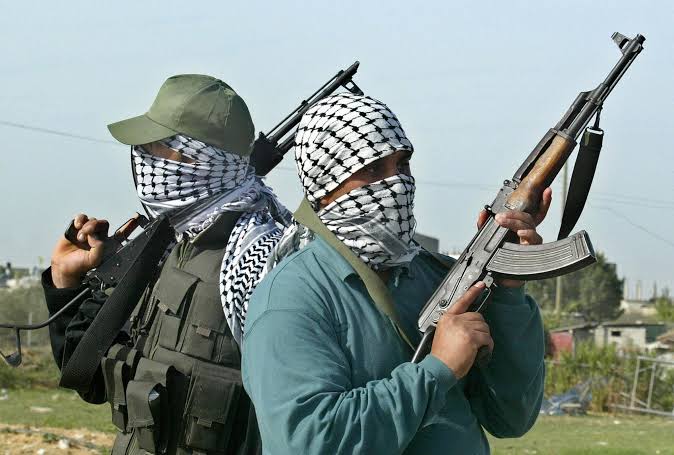
The Director-General of NYFA, Nigeria and Diaspora, Dare Dada, who made the call in a statement on Tuesday in Lagos, expressed deep concerns over the recent wave of abductions and kidnappings by terrorist groups in the country.

Dada said Nigeria was facing unprecedented security challenges that required collective action from opposition leaders.

He said banditry, terrorism and mass abductions had continued to threaten the lives and livelihoods of Nigerians across the country.

According to him, opposition figures should focus on demanding accountability from government officials charged with protecting citizens.

“Never in our recent history have Nigerians faced such grave threats to their security and collective existence.

“Bandits and extremist groups now openly challenge the authority of the state, while students, teachers and innocent citizens are abducted in large numbers.

“Yet, those entrusted with power continue to offer little more than excuses and empty promises,” he said.

Dada said insecurity had deteriorated to a level where criminal elements operated with little fear of consequences.

He said opposition leaders had a responsibility to speak with one voice against issues affecting ordinary Nigerians.

“Under such circumstances, opposition figures should be united in holding government officials accountable for their constitutional responsibility to protect lives and property.

“Sadly, some individuals within the opposition appear more interested in undermining fellow opposition leaders than confronting the failures of the government.

“Nigeria deserves leaders who place national interest above personal ambition,” he said.

The ICIR reports that Nigeria has continued to face worsening insecurity since the beginning of this century. What began as Boko Haram insurgency in the North-East has mushroomed into groups of terrorists, bandits and other criminals terrorising the nation.

The early years of the 21st century saw terrorists bombarding mainly the North-East, with sporadic attacks launched on the nation’s capital – Abuja.

However, just about two decades later, the crisis has ballooned, with terrorist groups, including Boko Haram, ISWAP, Lakurawa, bandits, the Indigenous People of Biafra (IPOB) and others attacking different parts of the nation.

(NAN)

NAHCON begins transportation of Nigerian pilgrims from Saudi Arabia on Wednesday

0

THE National Hajj Commission of Nigeria (NAHCON) says the transportation of Nigerian pilgrims from Saudi Arabia will begin on Wednesday, June 3.

The commission urged the returning pilgrims to comply with baggage and documentation requirements to avoid delays.

The Head of Aviation, Operations Department, NAHCON, Alhaji Habib Bello, said this while addressing the media in Makkah.

Bello said that flight schedules were determined by airlines and approved by Saudi Arabia’s General Authority of Civil Aviation (GACA), which allocates operating slots to all carriers.

According to him, Max Air will begin return flights on June 3 with pilgrims from Nasarawa State, while Flynas and Air Peace will commence operations on June 4 with pilgrims from Ogun and Oyo states.

He urged pilgrims to adhere to the approved baggage allowance of two 23kg bags and one 8kg hand luggage.

“Non-compliance can result in delays or removal from flight manifests.

“Pilgrims are also required to notify officials at least 48 hours before departure to facilitate passport release, luggage processing and transportation arrangements,” he said.

Also speaking, the Head of the Makkah Passport Committee, Alhaji Abdurrahman Mohammed, said that the commission had successfully concluded the first phase of the 2026 Hajj operation and was processing passports for returning pilgrims.

Mohammed said that passports were kept in safe custody to prevent loss, damage and cases of abscondment, adding that pilgrims must submit their travel details at least 48 hours before departure for seamless processing.

He said that mechanisms were in place to recover misplaced passports or secure Emergency Travel Certificates where necessary.(NAN)

Why we ‘interfaced’ with Okey Ndibe at Lagos Airport – SSS

0

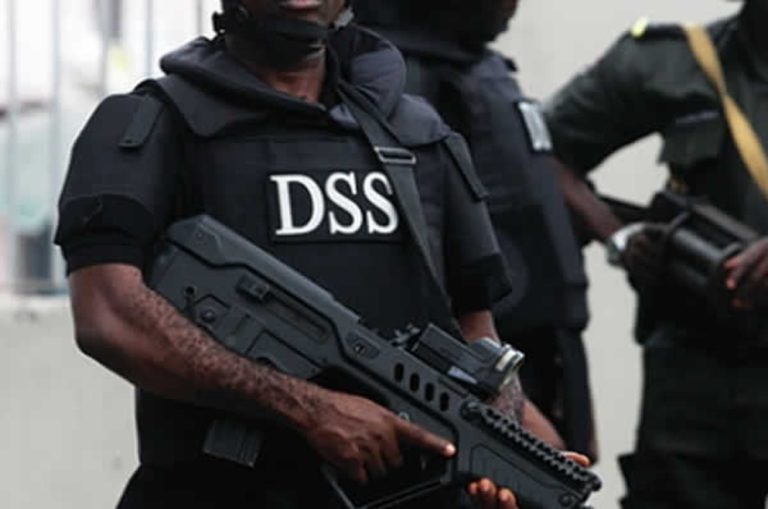
THE State Security Service (SSS) has dismissed the allegations that its operatives detained Nigerian writer, Okey Ndibe, at the Murtala Muhammed International Airport, Lagos.

In a statement on Tuesday, June 2, by the SSS Deputy Director of Public Relations and Strategic Communications, Favour Dozie, the agency said Ndibe was neither arrested nor detained on Monday June 1.

It described its operatives encounter with the writer as part of a routine watch-list review process.

The clarification comes amid earlier accounts that the US-based professor was briefly detained at the airport on Monday.

A statement by human rights activist Omoyele Sowore had noted that SSS operatives stopped Ndibe, questioned him over his travel plans, and described his arrival as ‘suspicious.’

According to Sowore, the questioning reportedly escalated into what he described as a short detention during which the writer was asked to explain his movements, including where he intended to go and who he planned to meet in Nigeria.

Ndibe later confirmed the development in a statement on Facebook, stating that he was held for more than three hours before he was released.

“I am so grateful for the expressions of concern by many friends, acquaintances and others over my detention earlier today by the SSS at Murtala Muhammed International Airport. The two agents who interacted with me were quite courteous throughout the three+ hours of my detention,” he wrote.

He further confirmed that he had been released and assured well-wishers that he was “fine and in excellent spirits.”

“I’d like to confirm that I’ve been released. Dozens of people have called me from different parts of the world, I was only able to speak to a few. In the coming days, I’ll find time to return more calls. But I want all to know that I am fine and in excellent spirits. I treasure your messages and gestures of friendship,” he added.

The SSS, however, rejected the description of detention, insisting that what occurred was an ‘interface’ linked to an ongoing review of old Watch-List Actions (WLAs), some of which date back to the military era.

According to the agency, Ndibe had been placed on its watch list since January 29, 2013, but his case had already been reviewed and downgraded as part of a broader clearance exercise directed by the current Director-General upon assumption of office.

The Service said the process was aimed at ensuring that Nigerians are not unduly embarrassed by outdated security listings and that affected individuals are assessed before final delisting.

It added that the airport engagement was part of standard procedures to verify that the activities and travel history of individuals no longer align with the original reasons for their listing.

“After barely an hour of his interaction with the Service, he was cleared and escorted,” the SSS said.

“Suffice to point out that since the inception of the current management, many Nigerians, including journalists have benefited from this process. This is despite the fact that the Service conducts this clearance to take care of watch list requests from other agencies. A case in point is that of Mr Lanre Arogundade, Executive Director of the International Press Centre, IPC, whose delisting was approved in May 2025, after over a decade on the watchlist.

“In the same vein, Prof Ndibe has been on Watchlist since January 29, 2013. Meanwhile, his case has been reviewed and downgraded. Thus, the interface with him at the airport was geared towards the final delisting of his details from the action. As part of the routine interface involved in the process, after barely an hour of his interaction with the Service, he was cleared and escorted. Note that, even on his Facebook post, he referenced the professional, courteous and decorous conduct of Service operatives, who continue to scale their respect for the rule of law and human rights under the new leadership,” he said.

SSS briefly detains writer Okey Ndibe at Lagos Airport

0

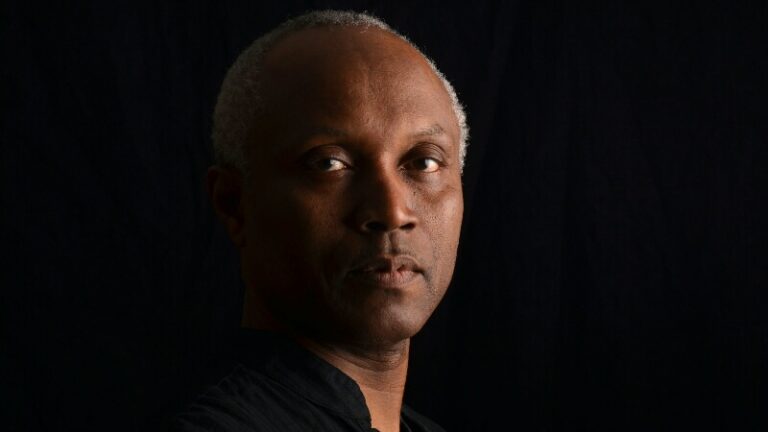
A NIGERIAN writer and public intellectual, Okey Ndibe, was on Monday, June 1, briefly detained by operatives of the State Security Service (SSS) at the Murtala Muhammed International Airport, Lagos, upon his arrival from the United States.

A statement by human rights activist Omoyele Sowore noted that Ndibe, a professor, confirmed the encounter, saying he was stopped by security operatives who described his arrival as ‘suspicious.’

He was also allegedly questioned on his travel plans, including where he intended to go and whom he planned to meet while in the country.

The US-based writer reportedly said the interrogation escalated into a short detention at the airport, during which he was asked to provide further clarification about his travel plans.

Sowore also noted that Ndibe explained the situation later changed when it became apparent that holding him could generate public backlash.

Efforts by The ICIR to get a reaction from the SSS were unsuccessful as calls and WhatsApp messages sent to its spokesperson, Favour Dozie, went unanswered.

While the SSS has yet to respond to the request or issue an official statement on the incident, the episode has drawn attention amid renewed concerns over the treatment of journalists, activists, and government critics in Nigeria.

The development comes against the backdrop of documented cases of intimidation against media professionals under the current administration of President Bola Tinubu.

According to data released by the Committee to Protect Journalists (CPJ) on May 29, 2026, at least 91 journalists have been arrested, physically attacked or harassed across Nigeria since May 29, 2023.

The figures were published in an interactive report tracking incidents across 12 states and the Federal Capital Territory (FCT)

The CPJ data shows that Abuja recorded the highest number of cases, with 30 journalists targeted, including arrests, physical attacks and harassment incidents. Lagos followed with 11 cases, while Borno, Kano, Kwara and several other states also recorded multiple violations against journalists.

Among those affected were reporters from multiple media organisations, including journalists covering protests and sensitive political events. CPJ noted that some journalists were targeted repeatedly within the period under review.

The organisation also cited cases involving journalists attacked during the EndBadGovernance protests in Abuja, where security operatives reportedly opened fire in the vicinity of media workers covering demonstrations.

The ICIR also reports that the 2026 World Press Freedom Index released by Reporters Without Borders (RSF) ranked Nigeria 149th out of 180 countries on the security indicator, describing the country as one of the most dangerous and difficult places for journalists in West Africa.

Overall, Nigeria ranked 112th globally and 12th in Africa, with an overall score of 48.11, placing it in RSF’s ‘difficult’ category for press freedom conditions.

The report highlighted repeated arrests, intimidation, attacks and detentions of journalists, particularly investigative reporters covering corruption, insecurity and governance issues.

Presidency mocks Atiku as Babachir Lawal quits ADC

FORMER Secretary to the Government of the Federation, Babachir David Lawal, has resigned from the African Democratic Congress (ADC), describing the party’s recently concluded presidential primary as being massively rigged in favour of former Vice President Atiku Abubakar.

Lawal, a key figure in the opposition coalition that adopted the ADC ahead of the 2027 general elections, said he was leaving the party because he could not be part of what he described as a manipulated and predetermined process.

“I am exiting the ADC because its just concluded primaries were at all levels massively rigged in favour of Kachalla Abubakar Atiku,” he said.

He alleged that results were “written or rewritten” to favour the former vice president, adding that even where elections were held, winners were replaced with loyalists of the former vice president.

“In the real sense it was a disgraceful charade,” he said.

Lawal, who hails from Atiku Abubakar’s home state – Adamawa – said remaining in the ADC would amount to supporting what he called Atiku’s “rigging machine” ahead of the 2027 elections.

“I do not intend to be part of Kachalla Atiku’s rigging machine in the 2027 general elections,” he stated.

He also said he was stepping back from active politics, adding that he would return to his village farm while consulting on his next move.

Reacting to the development, Bayo Onanuga, the Special Adviser on Information and Strategy to President Bola Tinubu, taunted the former president on Facebook.

He wrote: We have not fired any bullet against veteran presidential runner and northern hegemonic Abubakar Atiku yet. But a close ally just destroyed Atiku in many unflattering words. It’s a warning that the man should retire to Dubai quickly.”

The ICIR reports that Lawal has had a long political journey from the ruling All Progressives Congress (APC), where he served as Secretary to the Government of the Federation (SGF) under late President Muhammadu Buhari before he was sacked from office in 2017 over allegations linked to contracts under the Presidential Initiative on the North East (PINE).

He later became one of the APC’s internal critics and a vocal opponent of Tinubu’s administration

The former SGF resigned from the ruling party on June 29, 2025.

Ahead of the 2027 election cycle, Lawal joined other opposition figures, including Abubakar, former Rivers State governor Rotimi Amaechi and businessman Mohammed Hayatu-Deen, in a coalition that adopted the ADC as its platform.

However, Lawal’s resignation comes days after Abubakar emerged as the ADC’s presidential candidate for the 2027 election following his victory over Amaechi and Hayatu-Deen in a nationwide direct primary conducted by the party. 

The ADC declared that Abubakar secured over 1.8 million votes to defeat Amaechi and Hayatu-Deen by a wide margin.

However, the outcome immediately triggered protests from rival camps within the party, with both Amaechi and Hayatu-Deen rejecting the process and alleging manipulation.

Despite the initial backlash, developments in recent days suggest a possible easing of tensions within the coalition. Abubakar has met separately with both Amaechi and Hayatu-Deen in efforts aimed at reconciliation.

The ICIR reports that the former vice president will confront Tinubu, former Anambra State Governor Peter Obi, activist and publisher, Omoyele Sowore, and other contestants at the election slated for January 16, 2027.

Economic burden of tobacco consumption in Nigeria hits N211.2bn annually

0

THE ECONOMIC burden of tobacco consumption in Nigeria totals roughly N211.2 billion annually, spanning direct healthcare costs and indirect losses from illness and premature death.

The Communication Officer of the Nigeria Tobacco Control Alliance (NTCA), r Emmanuel Onwuka, disclosed this to the News Agency of Nigeria (NAN), on Monday, June 1, in Calabar.

NAN reports that World No Tobacco Day is celebrated annually on May 31.

The theme for the 2026 commemoration is: “Unmasking the Appeal: Countering Nicotine and Tobacco Addiction,” which highlights deceptive marketing strategies targeting young people.

Onwuka also said the tobacco industry continued to target young people through sophisticated marketing strategies that exploit their aspirations, emotions, fears, and desire for social acceptance.

He noted that Nigerian youths were increasingly exposed to smoking, shisha, and vaping content through music videos, fashion trends, entertainment platforms, and social media channels.

According to him, “attractive flavours, colourful packaging, and glamorous branding often conceal the devastating realities of addiction, disease, and premature death.

“Recent studies show that nearly one in five Nigerian schoolchildren aged 13 to 15 had experimented with at least one tobacco product, while about one in 10 adolescents within the same age bracket continued to smoke in spite of years of public health campaigns and awareness programmes,” he said.

Onwuka said the figures indicated that the tobacco industry tactics remained effective, while weak enforcement of the National Tobacco Control Act continued to expose adolescents to recruitment.

He noted that tobacco use remained a major driver of non-communicable diseases, including cardiovascular diseases, chronic obstructive pulmonary disease, and lung cancer.

Onwuka said following the Global Burden of Disease Study, almost 30,000 deaths recorded in Nigeria in 2021 were directly linked to tobacco-related illnesses.

He stated that many households faced financial hardship from treatment costs, while exposure to second-hand smoke continued to threaten children and pregnant women nationwide.

Onwuka called on parents, lawmakers, civil society groups, and young people to unite in protecting future generations from nicotine addiction and commercial exploitation.

“I urge governments to fully implement its commitments under the World Health Organisation (WHO) Convention on Tobacco Control through stronger political commitment and regulatory enforcement.

“We also advocate closing loopholes in the 2015 National Tobacco Control Act and 2019 regulations while banning all tobacco advertising, promotion, and sponsorship across media platforms,” he said.

He added that World No Tobacco Day should serve as a renewed call for urgent action to safeguard public health, strengthen the economy, and secure Nigeria’s future. (NAN)

The ICIR reported public health experts warning that rising nicotine addiction, particularly among young people, could undermine global gains in tobacco control.

The experts raised concerns that the tobacco epidemic was increasingly driven by a surge in newer nicotine products such as e-cigarettes, nicotine pouches and heated tobacco devices, which are aggressively marketed to young people.

Their warning comes as the World Health Organisation reports that tobacco kills more than seven million people yearly, including about 1.6 million non-smokers who are exposed to second-hand smoke.

Michael Olarewaju, a public health expert at Gwarinpa General Hospital in Abuja, said the growing trend posed a major threat to public health and required urgent regulatory action.

Olarewaju also noted the tobacco epidemic was no longer driven only by conventional cigarettes but increasingly by newer nicotine products such as e-cigarettes, nicotine pouches and heated tobacco products, many of which are being marketed to younger users. (NAN)

MAPOLY expels 365 students over fake admission documents

0

THE management of the Moshood Abiola Polytechnic (MAPOLY), Abeokuta, has expelled 365 students for securing admission with falsified academic documents.

This is contained in a statement on Monday in Abeokuta by the institution’s Head of Public Relations and Protocol, Mr Yemi Ajibola.

Ajibola explained that the affected students were enrolled in various Higher National Diploma (HND) programmes across the schools.

According to the statement, investigations revealed that the students submitted fake National Diploma (ND) results and forged academic transcripts from different institutions.He added that the documents were used to facilitate admission into the polytechnic.
The institution’s spokesperson said that the expulsion followed a comprehensive verification exercise on credentials submitted during admission and registration processes.

He noted that the action was part of efforts to sanitise its academic system and uphold standards.

“The institution reiterated its zero-tolerance policy on fraud, forgery and other forms of academic misconduct.

“A breakdown showed that 156 students were expelled from the School of Communication and Information Technology.

“The School of Business and Management Studies recorded 117 expulsions, while 54 students were affected in the School of Science and Technology.

“The School of Engineering accounted for 36 expelled students, while two students were affected in the School of Environmental Studies,” he said.

According to the statement, the rector, Dr Koye Jolaoso, warned prospective applicants against using fake credentials to gain admission into the institution.

Jolaoso said the decision reflected the polytechnic’s commitment to academic integrity, excellence and professionalism.

He added that the institution remained focused on promoting transparency and credibility in tertiary education. (NAN)(www.nannews.ng)

LP rejects ₦150m refund demand by disqualified presidential aspirant

LABOUR Party (LP) has dismissed allegations of fraud and political sabotage by disqualified presidential aspirant, Peter Agada, who is demanding a refund of N150 million paid to the party during his failed bid for its 2027 presidential ticket.

Speaking on Sunday, LP National Publicity Secretary, Ken Asogwa, said Agada’s disqualification was consistent with the party’s constitution and resolutions adopted at its national convention. He noted that the decision to zone the presidency to the South was neither new nor secret and was publicly adopted and ratified at the party’s national convention held on April 28, 2026.

“The decision to zone the presidency to the South did not happen yesterday. It is a settled matter that was adopted long ago and ratified at the national convention,” Asogwa said.

The ICIR reports that Agada’s demand was contained in a petition signed by his presidential campaign council’s president, Temilade Craig, and released on Saturday following his exclusion from the party’s presidential primary held on May 30.

He accused the party’s leadership of collecting nomination-related fees from Agada despite allegedly knowing he would be barred from contesting because of the party’s decision to zone its presidential ticket to the South.

The council claimed that the party received N150 million from Agada, comprising N50 million for Expression of Interest and Nomination forms and an additional N100 million contributed towards the party’s national convention and other activities.

“We members and supporters of Dr Peter Agada Presidential Campaign Council nationwide have read with shock and disgust the self-indicting and contradictory confession by the Labour Party leadership confirming that the party conspired to obtain aspirant fees, nomination fees and screening fees from our candidate under unfair pretences,” the statement said.

According to the council, the party acted in bad faith by accepting the payments, screening Agada and allowing him to campaign before eventually issuing him a disqualification letter shortly before the primary.

It also argued that if the party had already resolved to zone its presidential ticket to the South, it should not have allowed Agada, who is from the North-Central region, to purchase nomination forms and participate in the screening process.

“We hereby put them on notice of hearing soonest from the EFCC on our political networks’ jointly contributed campaign funds, which they obtained under false pretences from our principal, Arc. Dr Peter Agada,” the council stated.

Meanwhile, the LP National Publicity Secretary, in his reaction noted that resolutions reached at the convention were binding on all party organs, aspirants and stakeholders, leaving no room for exceptions, explaining that Agada knowingly pursued his presidential ambition despite being aware of the zoning arrangement.

“It is unfortunate that he chose to go against this zoning arrangement and proceeded to buy nomination forms,” Asogwa added.

The party also dismissed claims that Agada spent more than N300 million pursuing the presidential ticket, arguing that personal financial commitments by aspirants could not override validly adopted party policies.

The party maintained that Agada’s disqualification was neither targeted nor vindictive but was a constitutional enforcement of a collective party decision aimed at maintaining internal balance and cohesion ahead of the 2027 general election.

Nigerian workers deserve N1m minimum wage, says NLC

NIGERIA Labour Congress (NLC) has dismissed the proposed N100,000 national minimum wage being considered by state governors as inadequate, arguing that workers in the country deserve as much as N1 million monthly to cope with the worsening economic realities.

According to PUNCH, NLC spokesperson, Benson Upah, on Sunday reacted to comments by the Chairman of the Nigeria Governors’ Forum (NGF) and Kwara State Governor AbdulRahman AbdulRazaq, who disclosed that governors were considering a new minimum wage of N100,000.

AbdulRazaq had stated in a Facebook post on Saturday that the proposal was driven by rising inflation, escalating living costs and the growing financial pressure on workers, noting that state governments were already engaging the Federal Government and organised labour to develop a wage structure that balances workers’ welfare with fiscal sustainability.

However, Upah argued that while the governors’ willingness to review wages was commendable, the proposed figure fell far short of what Nigerian workers need to maintain a decent standard of living.

The labour leader cited the continued depreciation of the naira, soaring inflation, rising electricity tariffs, increasing petrol prices, shrinking purchasing power, and the impact of recent tax measures as reasons a significantly higher wage was necessary.

He also maintained that governments revenues had improved and should be able to support better remuneration for workers.

Upah further stressed that a nation’s workforce remained its most valuable asset and should be adequately compensated to drive productivity and economic growth.

The debate over workers’ wages has intensified amid mounting economic hardship following the Federal Government’s removal of fuel subsidies and the floating of the naira.

The ICIR reported that the Nigerian government approved a new national minimum wage of N70,000 in July 2024 after prolonged negotiations with organised labour.

The labour unions argued that soaring inflation had significantly eroded its value.

Recent increases in electricity tariffs, transportation fares and food prices have further strengthened calls for another wage review, with labour leaders insisting that workers’ salaries must reflect prevailing economic realities.

Meanwhile, the NGF is yet to formally present any proposal for a new minimum wage framework to the Federal Government or organised labour.

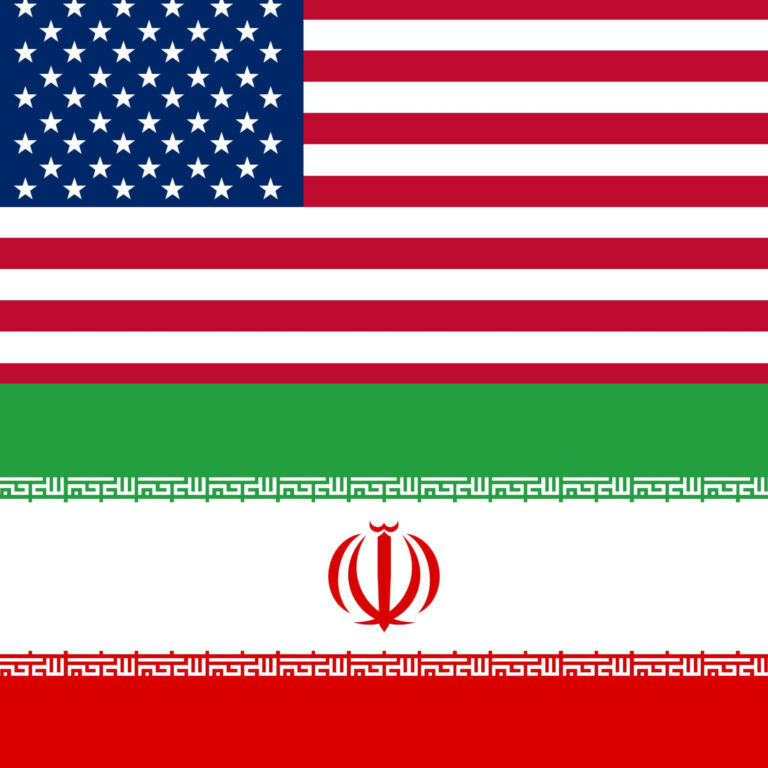
World Bank, WTO, IMF, IEA warn US-Iran war threatens developing nations

THE heads of major global economic institutions have warned that the ongoing conflict in the Middle East is straining global energy supplies and disproportionately affecting developing nations.

The warning came during a meeting in Washington, D.C., United States, according to a joint statement signed by the World Bank President, Ajay Banga; International Monetary Fund (IMF) Managing Director, Kristalina Georgieva; World Trade Organisaton (WTO) Director General, Dr. Ngozi Okonjo-Iweala; and the Executive Director of International Energy Agency (IEA) Fatih Birol.

They said the war was disrupting trade routes, rattling international financial markets, and heightening concerns over energy security, particularly due to the loss of supply through the Strait of Hormuz.

The global bodies noted that while the broader world economy had demonstrated resilience, the burden of the crisis was falling heavily on developing countries through rising fuel and fertiliser prices, increased market uncertainty, and mounting pressures on jobs. The surge in fertiliser costs is viewed as an immediate threat to upcoming planting seasons, which could worsen food insecurity and worsen inflation.

The institutions noted that shipping bottlenecks were forcing a rapid drawdown of strategic reserves. They emphasised that if maritime trade failed to stabilise swiftly, the combination of depleted stockpiles and high seasonal demand would create severe systemic vulnerabilities.

“If shipping flows do not return to normal, continued rapid depletion of global oil inventories ahead of peak summer oil demand in the Northern Hemisphere would present increasing risks for fuel security, market conditions, and broader economic resilience,” the statement said.

The institutions indicated they are actively monitoring the supply chains for energy and agricultural inputs and were exploring options to expand coordinated financial and policy support to assist the hardest-hit member countries in managing the domestic fallout of the crisis.

“At the same time, global oil inventories are being drawn down at a record pace in response to the major loss of supply through the Strait of Hormuz,” the statement added.

The joint intervention comes as the international community monitors diplomatic efforts to negotiate a potential ceasefire agreement that would include reopening critical maritime waterways and addressing regional security concerns.

The US-Iran war, which began on February 28, has disrupted global economy as efforts to stop the conflict through dialogue or diplomacy appears to have failed.