Every year, on May 23, the world marks the International Day to End Obstetric Fistula, also known as “World Fistula Day.” The day aims to draw global attention to one of the most devastating but preventable childbirth injuries affecting women and girls, especially in Nigeria.
In 2026, the commemoration theme: Her health is a right: Invest in ending fistula and childbirth injuries, comes amid renewed concern that thousands of Nigerian women are still slipping through the cracks in the health system.
For decades, poverty, weak maternal healthcare systems, child marriage, insecurity and poor access to emergency obstetric care have forced thousands of Nigerian women, especially in the Northern region to live with obstetric fistula (OF), which is caused by prolonged labour that leads to incontinence of urine, faeces or both.
There are two main types of obstetric fistula. Vesicovaginal Fistula, commonly known as VVF is a condition that causes uncontrollable leakage of urine while Recto-vaginal fistula (RVF), where the opening is between the rectum and the vagina results in leakage of faeces.
The ICIR reported that about 114,000 women and girls are currently living with obstetric fistula in Nigeria, while around 12,000 new cases occur every year due to prolonged obstructed labour and lack of timely medical intervention.
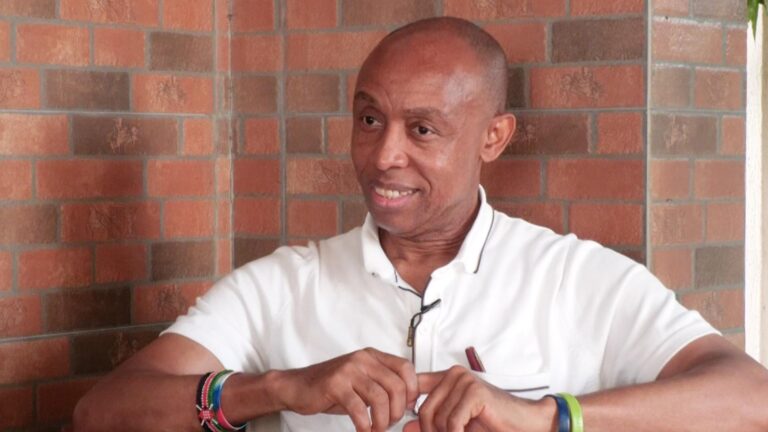
Amid this persistent health crisis, medical experts however say Nigeria is also recording measurable progress. According to the Lead surgeon and Project Director of the Evengel Vesicovaginal Fistula Center, Sunday Lengman, the latest figures represent significant progress compared to previous estimates, which showed that Nigeria once had as many as 150,000 women living with fistula.
“That’s about a third of what used to be, from 150,000 to 114,000,” he said.
Behind these numbers are real women across Nigeria that have shared their stories with The ICIR, many of them young, poor, and abandoned, who see VVF as a life sentence of leaking urine, rejection, poverty and silence.
What is VVF?
Vesicovaginal Fistula is the most common fistula among females. According to United Nations Population Fund, VVF is a type of obstetric fistula with an abnormal hole between the bladder and vagina caused mainly by prolonged obstructed labour. Without timely medical care, it leads to uncontrollable leakage of urine.
The condition often occurs when a woman stays in labour for days without access to emergency obstetric care, particularly Caesarean Section. Medical experts say the prolonged pressure cuts off blood supply to tissues in the birth canal, leaving permanent injuries. In nearly 90 per cent of cases, the baby does not survive.
Living in isolation
In Bauchi State, The ICIR documented the hidden world of girls and women living with fistula, many of them confined indoors, rejected by their families, and cut off from social life because of constant urine leakage and foul odour. Some were married as teenagers, others became pregnant too early, and many endured prolonged labour without skilled medical help.
Their stories reflect a shared reality of social isolation, as the women described being ostracised by families who are ashamed of their condition, while others lived in silence, believing their situation a was punishment and irreversible.
Although obstetric fistula has been virtually eliminated in many countries with strong healthcare systems, it remains a major public health crisis in Nigeria. In many rural communities, women still deliver at home or in poorly equipped facilities, while some travel for hours during labour to reach hospitals, often too late.
Nigeria has specialised fistula treatment centres supported by government, donor agencies and organisations like the United Nations Population Fund, but access remains limited.
Dr. Lengman explained that obstetric fistula is not merely a medical problem but a human rights issue adding that universal access to free and compulsory education may offer a more sustainable path to reducing fistula cases.
“Policies should be developed in the area of ensuring there’s a universal education that is basic and free for all people,” he said.
He said that ensuring that every girl completes primary and secondary education could naturally reduce early marriages and early pregnancies, which significantly increase childbirth complications.
The health expert said that Nigeria’s fistula response will remain relatively stable in 2026 because the biggest supporter of fistula treatment globally is not the US government but the Fistula Foundation, a California-based non-governmental organisation and one of the world’s leading funders of fistula treatment.
“Last year Fistula Foundation increased funding and actually extended their funding to many more national NGOs that are participating in the work in Nigeria. Also, last year the Nigerian government was also interested, so through the National Health Insurance Authority, fistula work is being supported, especially the surgery in several other centres in Nigeria,” he added.
Lengman said that data has shown that there are currently 45,000 women with fistula awaiting surgery because of inadequate funding, shortage of trained surgeons and lack of awareness.
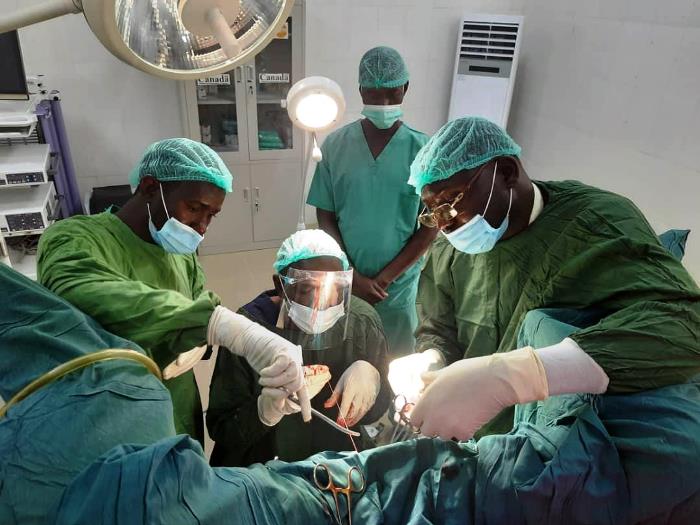
The ICIR reported that in Jigawa State, the structured fistula treatment programmes are transforming lives at facilities such as Jahun General Hospital, where data revealed nearly 5,000 free fistula surgeries have been conducted at the hospital between 2008 to February 2026.
As the world observes this year’s World Fistula Day, thousands of Nigerian women are reminded that safe childbirth should never destroy lives. No woman should endure lifelong injuries simply because she tried to give birth.