Home Blog Page 813

Tinubu orders NIMC DG to proceed on retirement leave, appoints Yusuf Yakub as DG Technical Aid Corps

0

PRESIDENT Bola Tinubu has ordered the Director-General of the National Identity Management Commission (NIMC), Aliyu Abubakar Aziz, to commence a 90-day pre-retirement leave with effect.

This was contained in a statement issued by the Special Adviser to the President on Media and Publicity, Ajuri Ngelale.

According to the statement, the pre-retirement leave will commence on Thursday, August 24, leading to his eventual retirement from service on November 24, 2023.

NIMC in Nigeria oversees national identification issues, including National e-ID card issuance, identity verification, services for National Identification Number (NIN) and data harmonisation and authentication.

The President has also approved the appointment of Bisoye Coker-Odusote to serve as the Acting Director-General of the commission for 90 days, with effect from August 24, after which a full term of four years will begin as the substantive NIMC DG starting on November 24, 2023.

Meanwhile, President Tinubu has approved the appointment of Yusuf Buba Yakub to serve as the Director of the Directorate of Technical Aid Corps (DTAC).

This came after the former DTAC Pius Osunyikanmi’s tenure recently expired.

According to the statement, the appointment is with immediate effect.

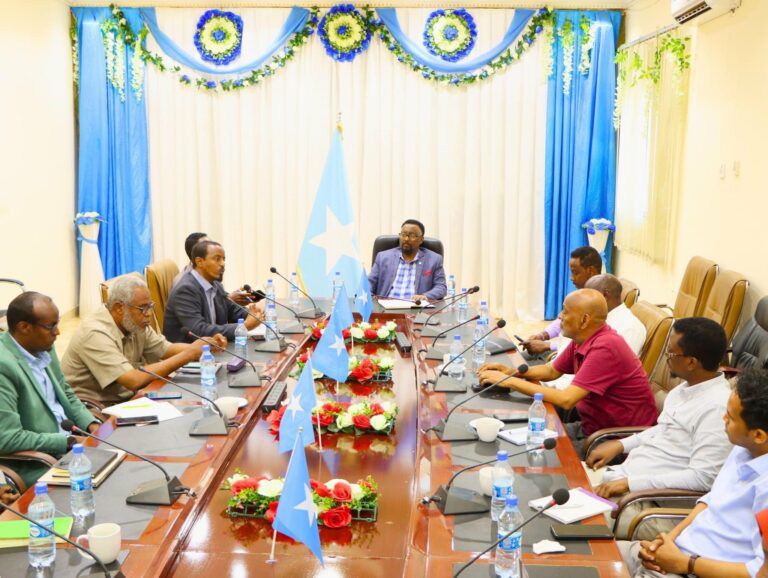
Somalia bans 1XBet, TikTok and Telegram,

THE Somalian government has banned TikTokTelegram and online-betting website 1XBet, adding that the ban is aimed at curbing the spread of horrific content and misinformation in the country.

The development was disclosed by its communications minister, Jama Hassan Khalif, via his Twitter handle on Monday.

According to him, this is due to concerns related to the spread of explicit content, blackmail, and the promotion of gambling.

“These platforms have had a detrimental impact on our youth and have been misused to harm many individuals in recent years,” he stated.

Khalif added, according to a report by Reuters that the said apps were responsible for indecent content and helping terrorists spread “horrific” messages to the public.

According to the report, the internet service providers are given until August 24, 2023, to comply.

“The minister of communications orders internet companies to stop the aforementioned applications, which terrorists and immoral groups use to spread constant horrific images and misinformation to the public,” part of the statement quoted by Reuters read.

1XBet is popular in Somalia for betting, especially on soccer matches.

TikTok, a Chinese-owned video-sharing company, has been banned in several countries due to security concerns and the platform’s alleged sharing of users’ data with the Chinese government.

UK government charges ex-Nigerian minister Diezani with bribery

0

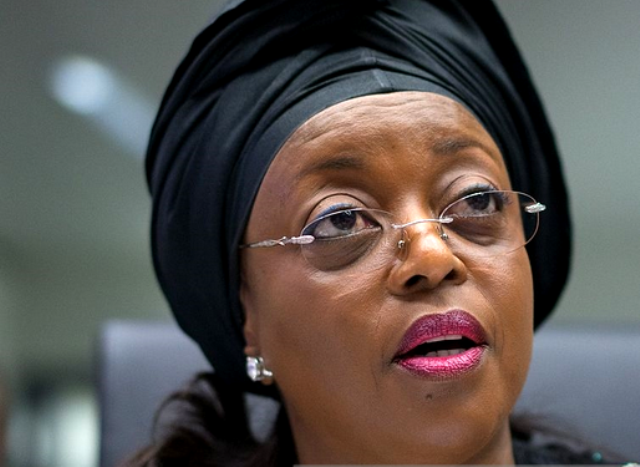
A FORMER Nigerian minister Diezani Alison-Madueke has been charged to court over alleged bribery offences by the United Kingdom government.

Madueke will appear at Westminster Magistrate Court on October 2, 2023.

A statement by the National Crime Agency (NCA) on Tuesday, August 22, confirmed that the charges are a milestone in what has been a thorough and complex international investigation.

Madueke, served as the petroleum resources minister during the administration of former President Goodluck Jonathan between 2010 to 2015 and also served as the president of the Organisation of Petroleum Exporting Countries (OPEC).

The NCA said it suspected that Madueke accepted bribes while serving as the Minister for Petroleum Resources in exchange for awarding multi-million-pound oil and gas contracts.

The former minister is accused of acquiring a minimum of £100,000 in cash, chauffeured cars, private jet flights, opulent family vacations, and the utilisation of numerous London properties.

The charges against her also outline financial benefits such as furniture, property renovations, staffing, covering private school fees, and receiving gifts from upscale designer stores like Cartier jewellery and Louis Vuitton items.

The head of the NCA’s International Corruption Unit (ICU), Andy Kelly, in the statement, said, “We suspect Diezani Alison-Madueke abused her power in Nigeria and accepted financial rewards for awarding multi-million-pound contracts.

“These charges are a milestone in what has been a thorough and complex international investigation.

“Bribery is a pervasive form of corruption, which enables serious criminality and can have devastating consequences for developing countries. We will continue to work with partners here and overseas to tackle the threat.”

NCA also disclosed that assets worth millions of pounds relating to the alleged offences have already been frozen as part of the ongoing investigation.

Similarly, in March 2023, the US Department of Justice, through the evidence provided by the NCA, recovered assets totalling USD$53.1m linked to Diezani Alison-Madueke’s alleged corruption.

“ICU officers have also worked closely with the Economic and Financial Crimes Commission of Nigeria during the investigation, as well as with the NCA-hosted International Anti-Corruption Coordination Centre.

“The IACCC brings together specialist anti-corruption investigators from agencies around the world to tackle allegations of corruption involving politically exposed people. It is currently working in 37 different jurisdictions,” the statement read.

The chief crown prosecutor for the Crown Prosecution Service (CPS), Andrew Penhale, noted that the CPS authorised the NCA to charge Diezani Alison-Madueke with bribery offences.

The CPS, according to the statement, decided to authorise the charge after reviewing a file of evidence from the NCA relating to allegations of bribery in Nigeria.

“Criminal proceedings against Ms Alison-Madueke are active, and she has the right to a fair trial.

“It is extremely important that there should be no reporting, commentary or sharing of information which could in any way prejudice these proceedings.

“The function of the CPS is not to decide whether a person is guilty of a criminal offence, but to make fair, independent and objective assessments about whether it is appropriate to present charges for a criminal court to consider.”

Meanwhile, Madueke has been the subject of several allegations in Nigeria, primarily linked to her tenure while she was serving as the minister of the Country. 

On October 25 last year, the Federal High Court in Abuja, ordered the final forfeiture of two Abuja houses and two luxury cars belonging to a former minister of petroleum resources, Diezani Alison-Madueke, to the Federal Government.

The two properties, according to the statement released by the Economic and Financial Crimes Commission (EFCC), are located at Plot 1854 Mohammed Mahashir Street, and No. 6, Aso Drive, in the highbrow areas of Asokoro and Maitama districts in Abuja and are valued at $2,674,418USD and N380,000,000, respectively.

The luxury cars are a black BMW saloon with Chassis No. B8CV54V66629 and registered plate number RBC155 DH, and a black Jaguar saloon car with Chassis No. SAJAA.20 GRDMv43376, valued at N36,000,000.

The Commission had on November 29, 2021, secured the interim forfeiture of the assets in a ruling on a separate motion ex-parte filed on September 27, 2021, which prayed the court to order the interim forfeiture of the assets on the grounds of reasonable suspicion that they were proceeds of unlawful activities.

“In granting the interim forfeiture order, Justice Olajuwon had ordered the EFCC to publish a notice in a national newspaper, inviting anyone with an interest in the assets to show the reason why they should not be finally forfeited to the Federal Government of Nigeria. The court consequently adjourned till January 22, 2022, for a report.

“In compliance with the order of the court, the forfeiture order was published in Thisday Newspaper of Wednesday, April 6, 2022. In the absence of any contestation of the interim order, the court today forfeited the properties to the Federal Government,” the Commission added.

Subsidy removal, climate change worsening challenges of women farmers -SWOFON

0

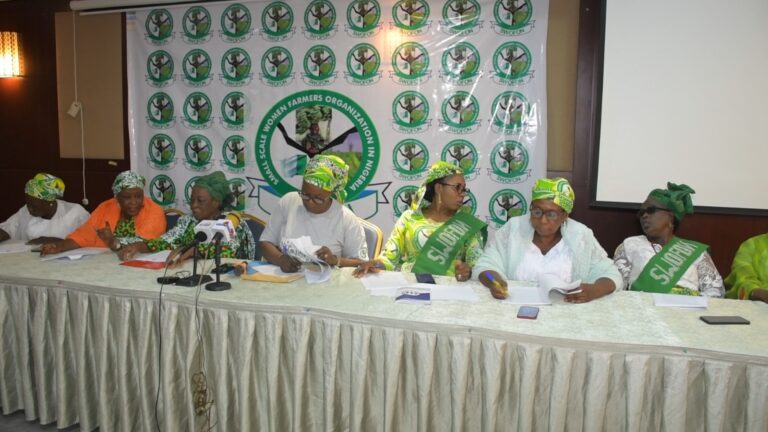
Fuel subsidy removal and declining climate conditions have been identified as some of the factors worsening small-scale farming for women in Nigeria by members of the Smallholder Women Farmers Organisation in Nigeria (SWOFON).

The women decried the rising cost of transportation, fertilisers and implements during a press briefing organised by International Budget Partnership (IBP) on Tuesday, August 22, in Abuja.

“The ensuing rise in the cost of farm inputs and transportation has had profound implications, particularly on smallholder women farmers who are the backbone of our agricultural industry.

“The removal of fuel subsidy, which has led to an undeniable increase in transportation costs, is unduly affecting the livelihoods of smallholder farmers who rely on affordable means of transportation to transport their produce from the farms to the market,” SWOFON National President Mary Afan said.

She added that farm inputs such as fertilisers, seedlings and agrochemicals have become more difficult to access due to transport challenges.

“Processing of farm produce, especially those that require petrol-powered engines, has also been paralysed by this policy direction.

“Similarly, this new reality is further compounding the woes of smallholder women farmers in Nigeria who are still grappling with the high cost of fertilizers and other agricultural inputs whose prices has since become exorbitant following the Russia and Ukraine war,” she noted.

While states like Jigawa have subsidised the cost of fertilisers, the women state that this has not helped the situation due to declining purchasing power.

Ramatu Dahiru, who represented the Jigawa State SWOFON Coordinator, stated that access to the subsidised products was limited and shared the challenges associated with accessing the products.

“They have politicised that one because from the grassroots, you have to go through the Ward level, through the Councillor, before you can get it. So when our women went there to procure, they told them that they can only get one bag. Those that are capable of buying can only get one bag. One bag is not sufficient for their farms,” Dahiru said.

They also alleged that interventions by the government were not directly targeted at smallholder women farmers, who were mostly affected by the flood.

The women also called for strengthening early warning systems on climate conditions by relevant agencies, gender-sensitive equipment and urgent palliatives measures.

SWOFON National Vice-President and Cross River State Coordinator said data collection exercises by the Nigerian Meteorological Agency (NIMET) in 2021, aimed at monitoring rainfall and planning for future climate issues, were not completed by the organisation.

“I remember some two years ago, NIMET gave us as farmers -I was one of the participants- they gave us some instruments that we placed in our farm. And we were recording the level of rainwater. Every day, we did it religiously. And we kept the documents, but they never came back to collect them. So we became like a point of ridicule.

“The instrument was there in the farm; any time it rains, we would run to collect the level of water. So I have been wondering why that project just stopped like that. I went to NIMET’s office in Calabar to submit my document because we needed the information to help our farmers against the next rainy season. But nobody seemed to know what was really happening,” she said.

Noting that some equipment had been provided in the past, the women said they were hardly sufficient for a large number of smallholder women farmers in the country.

In 2021, The ICIR reported that smallholder women farmers deal with the adverse effects of the changing climate conditions in Nigeria.

Why inadequate pesticide laws, regulatory lapses exist in Nigeria: Call for caution

0

By Donald Ikenna Ofoegbu

Part one – the why!

SINCE 2015, the Nigerian government has grappled with the ongoing issue of its food exports consistently being rejected by the European Union, United States, Asia, and other nations that prioritise food safety for their citizens and the environment.

These countries have implemented stringent measures to ensure food safety, responsible chemical usage, and a standardised import monitoring system.

Paradoxically, they generate revenue and secure employment by promoting the export of their locally banned toxic chemicals, including pesticides, to countries like Nigeria, which have inadequate or no food safety laws, weak regulations, poor manpower capacities, and little or no enforcement regulations.

The trade of internationally banned pesticide practices occurs under the umbrella of international conventions, treaties, and frameworks that allow the movement of highly toxic chemicals, particularly to developing nations. Despite the knowledge of the impossibility of safe handling of these toxic chemicals in the recipient country, this decision is facilitated by a few national delegates representing government ministries and agencies who lack the necessary capacity, handy information, network, and resources to make sound, informed decisions to the benefit of all Nigerians.

It is difficult to blame the governments of Europe, America, and some Asian countries, as well as their international agrochemical companies, for taking advantage of this situation and profiting from the manufacturing and trade of internationally banned and highly hazardous pesticides in countries like Nigeria. As the saying goes, “mugu fall – guy man go wak” (the victim has fallen, and the trickster is at work).

Often, private companies with a sole profit-driven agenda sponsor the questionable actions taken by food safety regulators in Nigeria. This trend has caused many if not all, regulatory agencies in Nigeria to operate contrary to their regulatory mandate. Instead of professionally regulating in an unbiased manner to ensure consumer protection and a healthy market, they promote and protect products, technologies, and methods. This toxic alliance between regulators and private companies in the food sector has not only resulted in significant compromises of food safety laws in Nigeria but also explains the growing food safety hazards and numerous deaths in the country.

This article aims to highlight and present instances of legal flaws and propose actions to address the gaps for better food and pesticide regulation in Nigeria.

Inadequate laws and regulatory lapses exist in Nigeria due to various factors:

1. Poor Collaboration between CSOs and regulators:

In Nigeria, there is a notable lack of effective collaboration between regulatory bodies and Civil Society Organisations (CSOs). This lack of cooperation poses a hindrance to the development and implementation of robust pesticide regulatory frameworks.

The CSOs such as the Alliance for Action on Pesticide in Nigeria (AAPN), Health of Mother Earth Foundation (HOMEF), Coalition against Paraquat (CAP), and others play a vital role in advocating for consumer protection and ensuring the enforcement of stringent pesticide regulations.

Unfortunately, rather than being recognised as collaborators working towards a safer nation, government officials often label many CSOs as antagonists, further exacerbating the lack of collaboration and trust between the two parties.

2. Poor Capacity and limited budget:

Regulatory agencies in Nigeria, including the National Agency for Food and Drug Administration and Control (NAFDAC), the National Environmental Standards and Regulations Enforcement Agency (NESREA), and the Ministry of Agriculture, encounter notable challenges due to insufficient resources and budgetary constraints.

These limitations impede their capacity to effectively enforce regulations and promptly respond to internationally banned or highly hazardous pesticide products.

Furthermore, these agencies often face a shortage of qualified personnel, lack adequate machinery, and have limited working laboratories for conducting product testing. These resource-related issues further contribute to the difficulties faced in enforcing robust pesticide regulations.

The lack of financial resources compels regulatory agencies to seek support from private sector companies and international development partners.

However, this reliance on external funding sources often leads to a concerning situation where these entities are primarily focused on advancing their own interests rather than improving regulations for safety. Consequently, the regulatory agencies become susceptible to external influence, resulting in a shift from their intended role as enforcers to becoming promoters and marketers for the very companies they are meant to regulate. This compromised relationship further undermines the integrity and effectiveness of the regulatory process.

3. Toxic Alliance between regulators and promoters of agrochemicals:

A concerning issue in Nigeria is the existence of a toxic alliance between regulators and promoters of agrochemicals. This alliance compromises the integrity of regulatory processes and prioritises the interests of agrochemical companies over public health and safety.

The close relationship between regulators and industry actors can result in compromised regulations, weak enforcement, and biased decision-making.

4. Proposed pesticide bills backed by a toxic alliance:

The current legal framework in Nigeria may inadvertently support the toxic alliance between regulators and agrochemical promoters.

Flaws in existing laws and regulations allow for loopholes that enable the exploitation of regulatory systems for personal gain, easing pesticide entry and turning Nigeria into a dumping ground for pesticides. The proposed bill to Establish a Pesticide Council 2021  (HB 1396) is one such proposed law that would promote the toxic alliance to the detriment of the Nigerian people and the environment.

For instance, Section 3 of the proposed bill – Composition of the Council – excludes and repeals the power of relevant agencies like NAFDAC, NESREA, NAQS, and the Federal Competition and Consumer Protection Council (FCCPC) as part of the Council members {Section 3(1b)}. For a Bill that seeks to protect against unreasonable adverse effects of pesticide on Nigerians and our environment, excluding these enforcement agencies is wrong, and suggest a lack of intention to collaborate with them.  

The bill went further in Section 3 (1b) to reserve two seats in the Council for an internationally affiliated association – CropLife Nigeria, as Council members. CropLife is an International Association consisting of international private companies that manufacture and promote highly hazardous pesticides. CropLife members – companies like Bayer –Monsanto, Syngenta, Corteva, BASF, etc, manufacture, and promote the usage of Highly Hazardous Pesticide like Paraquat, Glysophate, 1,3-dichloropropene etc, in developing countries like Nigeria, even when these pesticides are banned in their European home countries due to their adverse health impact on Europeans.

The bill in Section 4(i), boldly recommends that – “council members accept gifts of land, money and other property on such terms and conditions that is ethically acceptable to the Council and as may be specified by the person or association or organisations making the gift”. This is a window for lobbyists. It opens the Nigerian pesticide regulation to corruption and compromises the health and safety of Nigerians.

Aside from the recommendation that allows Council members acceptance gifts, the bill also gives power to the Chairman of the Council to delegate decision-making power to the members of the Council – by implication CropLife members and other council members.

In conclusion, the Bill seems to focus on jumping or overhauling the perceived existing bureaucracy in the current regulation of pesticides in Nigeria. The bill seems to focus more on harmonising the existing regular channels, thereby easing the registration and operational processes of pesticide promoters. It does not consider the existence of the existing regulatory agencies, officer liability to polluters or precaution to HHPs or environmental protection.

After the above points were highlighted by the Alliance for Action on Pesticides in Nigeria (AAPN) at the Public hearing on the bill in November 2021, the Farm Input Support Services (FISS) in the Federal Ministry of Agriculture and Rural Development (FMARD) publically withdrew their support of the bill.

CropLife delegates in attendance also okayed their removal from the bill. It is shocking that the same Farm Input Support Services (FISS) that publically withdrew their support from the Pesticide Council Bill 2019, is now Nichodemouly including CropLife Nigeria back in their proposed amendment of the Fertiliser Control Act of 2019. This stirs worries and suspicion on why FISS is insisting on forcing CROPLIFE into a national council.

5. Failure to work sustainably with local channels and groups Consistently:

Regulatory agencies in Nigeria often fail to work consistently with local channels and groups. These local stakeholders, including farmers’ associations, community organisations, and consumer groups, can provide valuable insights and feedback on the ground realities of pesticide usage and its impact. Engaging these groups in a sustained manner would help in developing more effective regulations and ensuring their proper implementation.

6. Poor Collaboration among agencies:

Inefficient collaboration among different regulatory agencies within Nigeria further contributes to inadequate laws and regulatory lapses. Fragmented coordination and lack of communication between agencies involved in food safety and pesticide regulation create gaps in enforcement and monitoring. Harmonizing efforts and establishing effective inter-agency collaboration is crucial to strengthen the regulatory landscape and addressing regulatory lapses effectively.

Part two: Checking the flaw

Based on the issues identified regarding inadequate pesticide laws and regulatory lapses in Nigeria, here are some recommendations to address these challenges. By implementing these recommendations, Nigeria can work towards establishing a comprehensive and effective pesticide regulatory framework that ensures food safety, protects public health, and promotes sustainable agricultural practices.

1. Enhance collaboration and partnership:

There is a desperate need to foster a culture of collaboration and cooperation between regulatory bodies and Civil Society Organizations (CSOs) to ensure meaningful engagement in the development and implementation of pesticide regulations.

Regulatory agencies and CSOs should establish regular dialogues, joint initiatives, and knowledge-sharing platforms between regulators, CSOs, farmers’ associations, community organisations, and consumer groups to incorporate diverse perspectives and enhance the effectiveness of regulations.

2. Strengthen regulatory capacity:

Both the federal and state governments need to prioritise and allocate sufficient financial resources and budgets to regulatory agencies like NAFDAC, NESREA, FMARD, NARS, etc to make them independent and enhance their capacity in terms of personnel, equipment, and laboratories for pesticide testing and enforcement.

Provide comprehensive and continuous training programs to regulatory personnel to enhance their technical knowledge and enforcement capabilities.

3. Promote transparent and accountable governance:

The new Secretary General of the Federation, having resumed office, should ensure transparency and accountability in the regulatory process by implementing clear guidelines and mechanisms to prevent conflicts of interest and undue influence from agrochemical companies or other external entities. There is a need to develop and enforce strict ethical codes of conduct for regulatory officials to prevent the acceptance of personal gifts, donations, and/or appreciation that compromises their mandate and understanding of their roles.  Bribes, lobbying or any form of unethical practices that compromise the integrity of pesticide regulation should not be encouraged – pesticides and food are public health issues. They can be a security threat.

4. Review and strengthen Existing Laws and Regulations:

CSOs and government need to conduct a comprehensive review of existing pesticide laws and regulations to identify gaps and inconsistencies.

Especially those that put business profit and ease the business entry of toxic chemicals that can be abused into Nigeria.

Caution cannot be thrown to the wind with haste in the check and approval of chemicals especially highly hazardous pesticides (HHPs) going into our food, water, soil, air and bodies. With the average life expectancy in Nigeria falling towards the mid-40s, more caution needs to the placed on food safety laws and enforcement. We need to amend and strengthen existing legislation to address the identified flaws, close loopholes, and ensure alignment with international best practices for food safety, environmental protection, and public health.

5. Introduce regulatory risk Insurance for agrochemical Investors:

To cover the investment loss of investors who, after a product registration (within the 5 years registration period), are forced to deregister, recall, remove and destroy a now ban pesticide product in Nigeria (following a NAFDAC or FMARD decision for public and environmental safety reasons), the Federal government through the Nigerian Agricultural Insurance Corporation (NAIC) should design an insurance policies like the Regulatory Risk Insurance.

This will provide coverage for losses or damages that may result from changes in government policies, laws, or regulations that affect businesses and investments.

This type of insurance can help protect agricultural businesses from financial losses due to unexpected regulatory changes that may affect their operations, such as restrictions on pesticide use, land-use regulations, or changes in import/export policies.

It will also give NAFDAC and FMARD more confidence to take bold actions that prioritise the safety and health of Nigerians, without fear of possible reprisal attacks and threats to their personal safety.

6. Enhance inter-agency collaboration:

There is a National Council on Chemical Management (NCCM) in Nigeria, chaired by the Federal Ministry of Environment. The council needs to wake up to their call and meet regularly using online platforms where budget provisions and logistics are not available. The relevant government should all be proactive and establish effective communication channels and coordination mechanisms among themselves; covering all regulatory agencies involved in food safety, environmental protection, and pesticide regulation, as well as CSOs and consumer protection groups.

We all need to foster inter-agency collaboration to harmonise efforts, streamline regulatory processes, and improve enforcement and monitoring of pesticide usage.

7. Promote public awareness and education:

All relevant MDAs at national, state and local government levels need to launch public awareness campaigns to educate farmers, consumers, and the public about the potential risks of pesticide usage, safe handling practices, and the importance of adhering to regulations.

There is a need to promote sustainable agricultural practices and the use of alternatives to pesticides through training programmes, workshops, and extension services. Traditional leaders, farmers’ associations, market groups, cooperative groups and local government councils and state land and agricultural commissions need to also play a key role in this regard.

7. Engage international partnerships:

NAFDAC, NESREA and other regulators, FISS specifically, need to seek collaboration with international organisations, development partners, and countries with robust pesticide regulatory systems to leverage their expertise, resources, and best practices.

The relevant regulator should seek technical assistance and capacity-building support to enhance Nigeria’s regulatory frameworks, enforcement mechanisms, and monitoring systems from such groups, not the promoters and markets for products.

Easier said and done, some may dare to say regarding the implementation of the above recommendations.

However, far from it. These recommendations are far from rocket science, and most need little or no resources, just friendly communication, building relationship, handholding one another, and deliberately putting Nigerian lives and interests first. After all, if we do not protect Nigeria who will? The West?

Donald Ikenna Ofoegbu is a Lead Coordinator for Alliance for Action on Pesticide in Nigeria (AAPN) he can be reached via ikennadonald@gmail.com

FCTA to prosecute owners of rickety vehicles, crush confiscated motorcycles

0

THE Federal Capital Territory Administration (FCTA) has pledged to clamp down on owners of rickety vehicles within the city.

The FCTA said this via its Directorate of Road Traffic Services (DRTS).

The agency said those operating illegal motor parks would also be prosecuted in addition to impounding automobiles and arresting owners of rickety vehicles.

The DRTS’s head of operations, Deborah Osho, announced this in Abuja on Tuesday, August 22 during an operation to free the city of illegal motor parks, rickety cars, tricycles, and motorcycles.

Osho asserted that during the operation in the FCT, around 20 automobiles, ten tricycles, and 15 motorcycles were seized for various infractions.

She claimed that the move was a component of a more significant effort to keep the city safe and secure.

According to her, the motorcycles and tricycles were seized for engaging in unlawful activity inside the city.

She continued by saying that efforts were being made to enforce the city’s ban on the use of illegal motor parks, commercial tricycles, and motorcycles.

“The main goal is to keep the city clean and free of rickety vehicles littering the streets of the capital city.

“Most of the commercial taxis, motorcycles, and tricycles were constituting a nuisance in the nation’s capital city. This is unacceptable.

“We are doing everything we can to address the problem, and we will continue to clamp down on all rickety vehicles and taxis operating illegal parks around the city,” Osho stated.

Commenting on the operation, the secretary, Command and Control, FCTA Taskforce Peter Olumuji, said that freeing the city of all sorts of illegality would improve security in the FCT.

He further stated that the DRTS would continue to pursue owners of illegal motor parks, drivers of shaky cars, and owners of commercial tricycles and motorcycles in conjunction with security agencies.

The ICIR reported that the newly Sworn-in Minister of the FCT, Nyesom Wike, on Monday, August 21, threatened to demolish illegally built houses and revoke ownership of some pieces of land.


READ ALSO:


Wike disclosed this during his inaugural briefing after he was sworn in as Minister along with 44 others in Abuja.

He promised that security agencies would be supported to carry out their duties during his administration.

He warned FCT residents that random positioning of markets would no longer be tolerated.

UNESCO-UNEVOC Skills in Action Photo contest calls for application

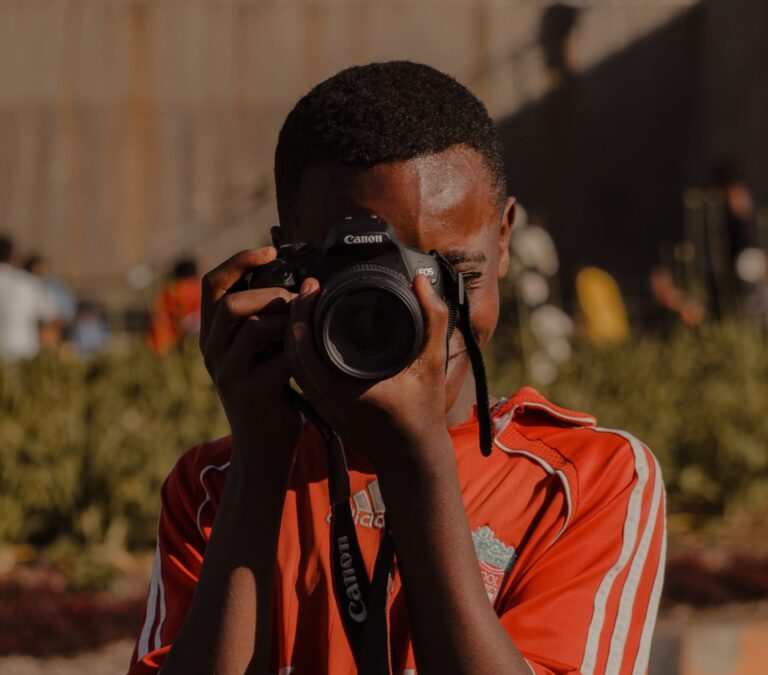
PHOTOGRAPHERS interested in youth skills, whether amateur or professional, are welcome to enter the UNESCO-UNEVOC Skills in Action Photo Competition.

The photo entry or submission applicant must be at least 18 years old.

It should show the innovative elements of technical and vocational education and training (TVET) in the photos submitted for the photo contest.

The theme for this year is “Skilling Youth for the Future.” Entries should highlight one or more of the following: photos underlining green jobs and skills, photos highlighting the digitisation of training and work, and photographs highlighting the significance of ensuring equal access to high-quality TVET, regardless of gender, ethnicity, nationality, or disability.

The first to third winners of the Skills in Action Photo Competition 2023 will each win USD 750, USD 500, and USD 350.The deadline for the submission of the application is August 31, 2023. Interested Individuals can apply here

Areas minister of sports needs to address in Nigeria sports

0

SPORTS in Nigeria is a sector that needs overhauling.

Former president Muhammad Buhari Administration saw two ministers during each four years tenure which generated both knocks and kudos.

The former ministers, Solomon Dalung and Sunday Dare, both steered the affairs of sports during the last eight years. Although the latter left indelible imprints with the introduction of some policies, the health of the industry is still looking pale, bordering on the paucity of sporting facilities, lack of sponsorship, poor welfare of athletes, among others.

Some of the initiatives during the last four years of the  Buhari administration were the National Sports Industry Policy (NSIP) which was aimed to increase private participation in sports development through investment and government incentives; the adopt initiative, which included: adopt-an-athlete, adopt-a-pitch, adopt-a-team and adopt-a-facility.

The adopt-a-facility witnessed the support to revamp the Moshood Abiola National Stadium in Abuja and the renovation of the National Stadium in Lagos.

Other include the 10-years football master plan towards rebuilding youth football and bringing to life the domestic national league.

President Bola Ahmed Tinubu administration appointed a former senator, John Owan Enoh (JOE), as the 36th Minister of Sports.

The ICIR spoke with stakeholders in the industry on their advice to this new administration.

John Owan Enoh
John Owan Enoh

Grassroot development

A sports journalist based in Lagos, Enitan Obadina, advised the new sports minister to develop sports at the grassroots level through policy formulation, saying that the Nigeria Sports Industry Policy (NSIP) introduced by the last administration is yet to come to life.

“It (NSIP) is still at the ministerial level and some discussion, it needs to pass fully into the law in a short space of time so that it will open up the sports industry for the private sector to get value and add value to the sports industry.”

According to him, the development of sports at the grassroots is the bedrock and catalyst to unearthing talents that will raise the flag on high in major sports competitions, both local and international.

But he lamented, “Most of the sports facilities and the places one can catch future stars or where coaches can train the future stars are dying.”

Building a multi-purpose sports hall

To enhance athletes’ performance in sports, Obadina said, “We need a world-class multi-purpose indoor sports hall that can host a major event. Maybe the administration can collaborate with private companies to help achieve that.”

He noted that some Nigerian athletes had failed doping tests, which caused national embarrassment, hence the need to build a doping lab.

Doping test facility

“Another area the new administration needs to spread its hands on is an area of doping. We need a doping lab. The last minister Sunday Dare talked about having a sport science in Abuja, that needs to come to life.

“If we have this centre, our athletes will be sharpened to be world-class right from Nigeria”.

Work on Infrastructure deficit

The spokesperson for Nigeria Scrabble Federation (NSF) Maxwell Kumoye said that the infrastructure deficit has been a major bane of Nigeria’s sports, saying that the country does not have enough sports infrastructure compared with other African countries.

“We do not have approved facilities that are of a high standard.

“So, the new minister will fight that infrastructural deficit and decay. We do not have enough, and the ones we have are in a sorry state, so when the minister comes in, let work begin on these facilities. Once these facilities get on the ground, then we can now talk about additional ones,” he said.

Coaches training

Kumoye stated that Nigeria has a comparative advantage over some African countries in sports like scrabble and weightlifting but needs modern training for their coaches.

“Our coaches, where do they stand compared with other African coaches in handball, volleyball, tennis, table tennis, scrabble, weightlifter? Yes, there are some sports we have a comparative advantage over in some African countries, both a lot of coaches are archaic, stone age,” he said.

Empowerment of technical official

The Scrabble federation spokesperson said the body managing sport in Nigeria should hold the various sporting federations responsible, get their calendar of events and look at their plans for managing and developing technical officials.

“For instance, in football, how many referees of Nigerian descent officiate at international competitions, whether at centre or assistant referee?

“In football, besides the immediate Nigeria Football Federation (NFF) president Amaju Pinnick, the rest are nowhere. In basketball, apart from Col. Sam Ahemdu, who is zone 3 FIBA Africa president, the rest are nowhere.

“So there must be a progressive plan towards getting Nigerians to international bodies, and they should not just go there and play second fiddle. They should be there to push so that Nigeria can be recognised. At the West African level Ghana is the one controlling WAFU”.

Athletes welfare

Kumoye added that there should be adequate training for athletes to prepare for local and international competitions.

“Most of these associations are near dormant; they do not have enough local competition and attending international competition, most do not. So how will they even qualify for the major Olympics?

“So the minister must work hard, getting funds for associations to compete on the continent even at the regional level.

“For years now, Scrabble has been recognised as an official sport but has hardly been funded by the sports ministry.”

Autonomy of sports association

He stressed the need for sports associations to be autonomous.

Sports federations in Nigeria include Amateur Bodylifting and Fitness Federation, Athletics Federation of Nigeria, Badminton Federation of Nigeria, Bobsled and Skeleton Federation of Nigeria, Cycling Federation of Nigeria, Handball Federation of Nigeria and Karate Federation of Nigeria.

Others are Ladies Golfers Association, Nigeria Acquatic Federation, Nigeria Archery Federation, Nigeria Autosport Federation, Nigeria Baseball and Softball Association, Nigeria Basketball Federation, Nigeria Chess Federation, Nigeria Cricket Federation, Nigeria Federation for Physically Disabled, Nigeria Football Federation, Nigeria Golf Federation, Nigeria Hockey Federation, Nigeria Judo Federation, Nigeria Olympics Committee, Nigeria Paralympic Committee, Nigeria Polo Sport Federation, Nigeria Rowing Canoe and Sailing Federation, Nigeria Rugby Federation and Nigeria Shooting Sport Federation.

Other are: Nigeria Table Tennis Federation, Nigeria Tenpin Bowling Federation, Nigeria Weightlifting Federation, Nigeria Wrestling Federation, Nigeria Fencing Federation, Sport Fishermen’s Association of Nigeria, Taekwondo Federation of Nigeria and the Nigeria Federation of Gymnastics 

World Athletics Championships 2023: Nigeria’s medal hopeful Amusan begins title defence today

0

NIGERIA’S world women’s 100m hurdle title holder, Tobi Amusan, will begin her title defence today -Tuesday – at the ongoing World Athletics Championships in Budapest.

Amusan is set to start her race by 6.12 p.m. today at the National Athletics Centre in Budapest.

The Nigerian was declared not guilty last Thursday after the Athletics Integrity Unit (AIU) freed her from a Whereabouts Failures charge, clearing her to compete in the Championship.

The world women’s record holder will run from lane four and seek to be one of the four automatic qualifiers for the semifinals.

At the last competition in Oregon, Amusan started her campaign with 12.40 seconds and completed with a historic gold medal in the final, running a wind-aided 12.06 seconds to become the first Nigerian world champion.

Since the commencement of the championship, Nigeria’s athletes are yet to have a podium finish.

Nigeria’s duo Usheoritse Itsekiri and Seye Ogunlewe ended at the men’s 100m semifinals.

Itsekiri finished 8th in heat 1 of the semifinals with a time of 10.19s while
Seye Ogunlewe placed 5th with a time of 10.12s.

They will return to the track much later for the men’s 4x100m relay.

Team Nigeria was near winning a medal on Day 2 as Ese Brume placed 4th with a season’s best of 6.84m after her name was in Bronze medal position until the last round of the competition where she dropped from the medal range position to Romania’s Alina Rotaru Kottmann.

Nigeria’s net reserves at $3.7bn ‘significantly’ lower than estimated – JP Morgan

NIGERIA’s net foreign exchange reserves are significantly lower than previously estimated, J.P. Morgan Asset Management said in a report.

The leading global financial services firm made the revelation while analysing the Central Bank of Nigeria (CBN) financial accounts.

Reading the tea leaves from the CBN’s audited financial accounts, JP Morgan said the lousy aspect of the record lies in the decline in the country’s net FX reserves.

“Net FX reserves are significantly lower than previously estimated. Based on partial information from the audited financial accounts, we estimate that CBN’s net FX reserves were around US$3.7bn at the end of last year, from US$14.0bn at end-2021,” it stated.

A look at JP Morgan’s analysis revealed that total external reserves, which is a summation of external reserves and the International Monetary Fund’s (IMF) special drawing rights (SDR), fell from $40.7 billion or N17.69 trillion in 2021 to $37.4 billion or N17.24 trillion in 2022.

From the figure, the SDR declined from $5.3 billion or N2.31 trillion to $5.0 or N2.31 trillion in the review period.

Contrarily, the CBN total liabilities, which comprise FX forward, securities lending, and currency swap, rose from $26.7 billion or N11.59 trillion in 2021 to $33.7 billion or N15.55 trillion in 2022.

It means that when the total liabilities are deducted from the total external reserves, Nigeria’s net FX reserves fell from $14.0 billion or N6.10 trillion in 2021 to $3.7 billion or N1.69 trillion in 2022.

According to JP Morgan, in arriving at the estimated sum, there are a few assumptions which, if incorrect, would substantially change the picture.

The first assumption is an addition of $5.0 billion in the SDR to external reserves in order to arrive at total gross FX reserves of $37.8 billion, broadly in line with the 30-day moving average of $37.08 billion previously published on the central bank’s website.

The second is in adjusting the gross external reserves with three key FX liability lines that include FX forwards ($6.84bn), securities lending ($5.5bn) and currency swaps ($21.3bn).

And the third is estimating currency swaps by backing out FX forwards and outstanding OTC Futures balances from an overall aggregate published in the financial accounts.

With Nigeria Eurobonds starting maturing in 2025 and continued maturities from 2027, high debt-servicing needs and a relatively lower net FX position make it imperative to continue on the reform path to attract FX flows.

JP Morgan suggested, “Nigeria would need foreign direct and other portfolio investments to attract FX inflows. Thus, in our view, continuing on the reform path would be imperative to allay concerns on the external side.”

The ICIR had, on August 11, reported that the apex bank released its seven years of Consolidated Financial Statements from 2016 to 2022.

The release had got many stakeholders in the financial corridor talking and querying the rationale behind the apex bank withholding its account for so long.

“What a country called Nigeria,” the chief executive officer/principal partner of Afrique Capital and Equity Funds Limited, Kazeem Bello, lamented, expressing that in the United States, the Federal Reserves Bank releases its quarterly and annual financial statements that must be submitted to Congress; otherwise, no single dime would be approved for government spending, nor would Congress approve the Credit Ceiling limit.

“If the CBN cannot produce or release its Financial statements in over seven years, I am wondering why anybody would compel the Commercial Banks and other financial institutions to publish their account or how will the CBN that does not have any published account be interested in the financial statement of the Bank published or not.

“We need serious house cleaning in Nigeria, and we need to get serious for the sake of the economy,” Bello, a development economist, said.

Meanwhile, the financial statements showed that apex bank owes JP Morgan and Goldman Sachs a combined sum of $7.5bn as of the financial year ended December 2022.

Included as part of its liabilities is another $6.3bn owned in foreign currency forwards.

It revealed that the group entered into a securities lending agreement with Goldman Sachs and J. P. Morgan, and as part of the agreement, the group pledged its holdings on foreign securities in return for cash. The cash received from Goldman Sachs is N0.23tn ($500m), 2021: N0.22tn ($500m), and JP Morgan N3.23tn ($7bn), 2021: N3.05tn ($7bn) is recognised in other foreign securities.