Home Blog Page 845

WAR ZONE? In South-East, Army is forcing travellers to come down from vehicles at checkpoints

SOLDIERS of the Nigerian Army, deployed under ‘Operation Udoka’, are forcing travellers in the South-East to disembark from vehicles at numerous checkpoints that litter the region, checks by The ICIR have shown.

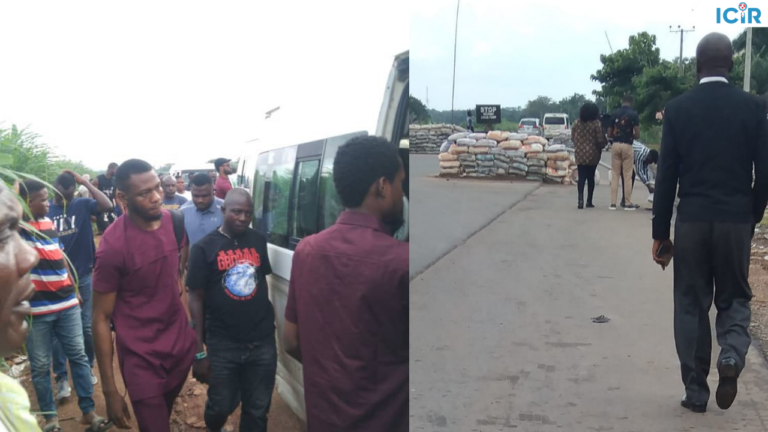
On getting to any of the checkpoints manned by heavily armed soldiers on major highways in the region, vehicles – both commercial and private – would stop to discharge passengers. The passengers, mostly travellers, will then trek across the checkpoint. On getting to a considerable distance beyond the checkpoint, they will stop and wait for the vehicle that was conveying them.

The driver will then move the vehicle past the checkpoint to meet the waiting passengers, who will subsequently return to their seats in the car.
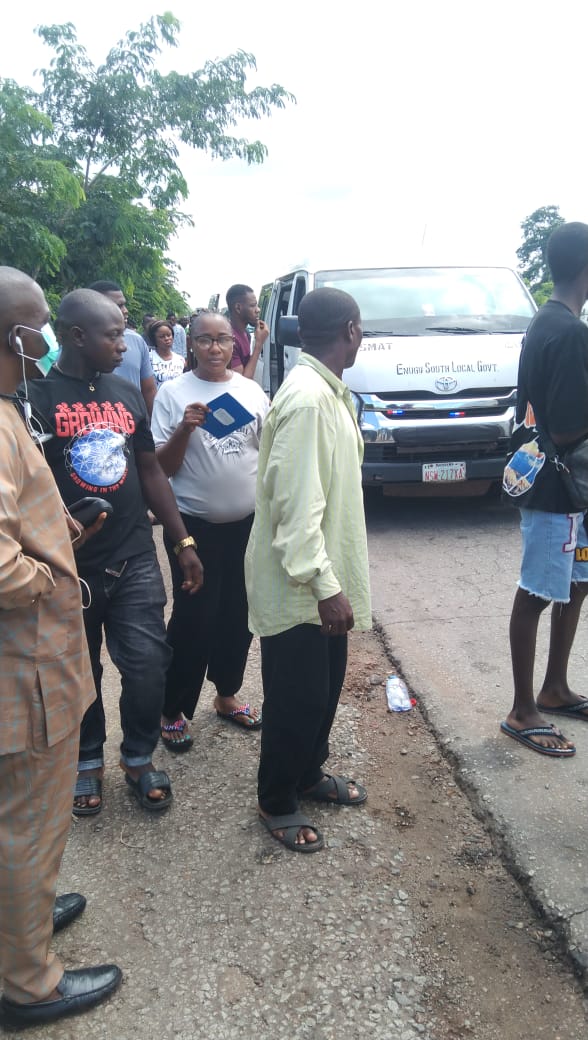
Passengers wait for their vehicle to pick them up after walking past a military checkpoint. Pix Ihuoma Chiedozie/The ICIR

The journey will continue until the vehicle gets to the next checkpoint, where the process will be repeated.

The ICIR’s correspondent, who experienced the situation while travelling across the South-East states, noted that the development frustrated motorists and travellers in the region.


READ ALSO:


During a trip from Enugu to Umuahia, Abia State capital, on Friday, July 21, the commercial bus boarded by The ICIR correspondent was made to stop and discharge passengers at eight different checkpoints.

At each of these checkpoints, passengers – both young and old, male and female – had to come down and trek to the other side to wait for the vehicle.

Interestingly, vehicles and passengers are not searched at the checkpoints. But The ICIR correspondent observed that the heavily armed soldiers were alert as they watched the passengers walking past the checkpoints.

During the morning period, when a lot of people are travelling, the checkpoints are usually crowded with so many passengers who disembarked from several vehicles. The vehicles, mostly buses, which had discharged the passengers, will also queue up. They wait until the passengers have walked past the checkpoints before driving through, one after the other, to pick up their passengers.

The ICIR correspondent observed that when the volume of traffic at the checkpoints is high, some passengers have difficulty identifying the particular vehicle they boarded.

Travellers walking through a military checkpoint after coming down from their vehicle. Picture by Ihuoma Chiedozie/The ICIR

However, The ICIR further noted that motorists, especially commercial transit bus drivers, and travellers, are not happy with the development.

The repeated disembarkation at numerous checkpoints is not only stressful, it also wastes time, making the journey last much longer than it should.

The journey from Enugu to Umuahia, which ordinarily should be less than one hour, lasted more than two hours.

“Is this a war zone? It is only in war zones that you can witness this,” an aggrieved passenger muttered as travellers waited for their vehicle to move past the checkpoint and pick them, to continue the journey.

Many passengers expressed anger at the situation. A passenger, who said she has gotten used to the situation, being a regular traveller on the route, explained that she starts her journeys two or three hours earlier than usual in order to meet up with appointments. “If not, you will not arrive on time. You have to add extra one or two hours in order to meet up,” the woman told other travellers.

An old woman, who complained of arthritis, could barely walk across one of the checkpoints and had to be supported by sympathetic co-travellers.

Insecurity in South-East: Operation Udoka the solution?

A report published by The ICIR in January ahead of the 2023 general elections highlighted the high level of insecurity in the South-East.

The situation stabilised a bit during and immediately after the elections, but insecurity in the region again escalated after an Indigenous People of Biafra (IPOB) faction led by Simon Ekpa ordered and enforced a one-week sit-at-home, from July 3 to July 10, to demand the release of IPOB leader Nnamdi Kanu.

In many towns and communities, individuals who ventured out to attend to business or other engagements were attacked. Lives were lost, and properties were destroyed.
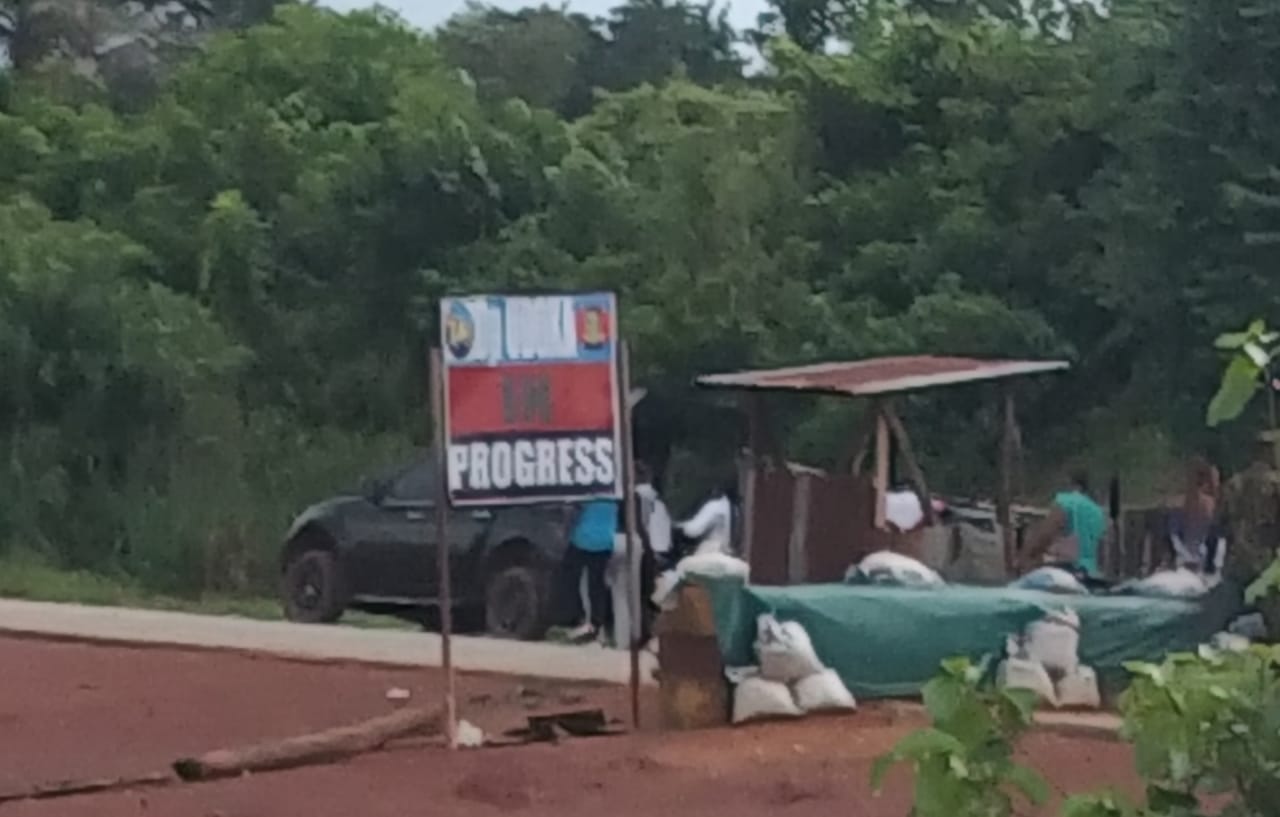
An 'Operation Udoka' checkpoint on a highway in the South-East. Picture by Ihuoma Chiedozie/The ICIR
An ‘Operation Udoka’ checkpoint on a highway in the South-East. Picture by Ihuoma Chiedozie/The ICIR

Concerns over further escalation of insecurity heightened after Ekpa declared a two-week sit-at-home in the South-East, starting from July 31, 2023, to August 14, 2023.

Operation Udoka is the Nigerian Army’s response to the insecurity in the South-East. In Igbo, the language spoken in the South-East, ‘udoka’ means ‘peace is greater’, or ‘peace is better’. The operation, under the control of 82 Division of the Nigerian Army, Enugu, has troops drawn from military and paramilitary formations.

The mandate of the Operation, as stated by former Chief of Defence Staff Lucky Irabor, is to “flush out the criminal elements disturbing the peace and socio-economic well-being of the South-East”. Top on the agenda of Operation Udoka is nullifying the sit-at-home orders in the region. After Ekpa ordered the two-week sit-at-home, the Chief of Army Staff, Taoreed Lagbaja, a Major General, ordered the troops to seize control of areas where pro-Biafra agitators enforce the sit-at-home order throughout the South-East states.

“The Chief of Army Staff has handed down clear directives to the 82 Division of the Nigerian Army operating in synergy with other security agencies to ensure robust patrols to dominate all flashpoints and emplace measures to ensure citizens are free to go about their legitimate businesses,” Director, Army Public Relations, Onyema Nwachukwu, a brigadier general, told Punch.

In line with its mandate, the presence of troops of Operation Udoka at numerous checkpoints in the South-East is aimed at ensuring security and stabilising the region.

While residents, particularly those undertaking trips on highways, express annoyance at being made to disembark from vehicles and trek at military checkpoints, a security source, who did not want to be named because he was not authorised to speak on the matter, told The ICIR that passengers are ordered to come down from vehicles because of several instances where unknown gunmen in vehicles attacked military and police personnel at checkpoints.

“The Army and the Police Force have lost men in these surprise attacks whereby hoodlums in vehicles launch guerrilla attacks at checkpoints. It has happened several times, so to avoid more losses, passengers have to come down before vehicles are allowed to pass checkpoints,” the source said, adding that there has been a drastic reduction in attacks on military and police checkpoints since the measure was put in place.

South-East residents divided over heavy military presence

While other passengers in the vehicle boarded by The ICIR correspondent during the trip from Enugu to Umuahia on Friday, July 21, were grumbling over the repeated disembarkation at military checkpoints, another passenger, who identified himself as Chigozie Ofoegbu, expressed support for the action of the troops.
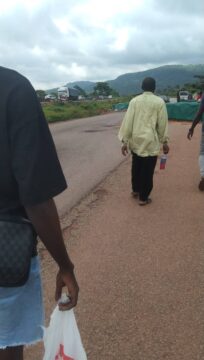
An old man walking past a military checkpoint after coming down from a vehicle. Pix by Ihuoma Chiedozie/The ICIR.

Ofoegbu, who said he is a trader, noted that the security measures taken by the soldiers are necessary. “We all know why they (military) are doing this,” he said, adding that heavy military presence has made the highways safer for residents and travellers.

A prominent Igbo leader, who asked not to be named, also justified the action of the troops.

“If you allow people to stay inside the vehicles at a checkpoint, maybe somebody will start shooting at the military personnel. All these are happening because of the high level of insecurity in our land, and our youths, our people are behind this. That is why we are calling on those behind this to have a rethink. In the South-East today, there are checkpoints everywhere. Stepping down from the vehicle at different checkpoints is annoying, but let’s have empathy. Let’s put ourselves in the position of the other person who is doing his job, manning the checkpoint to ensure the safety of other people,” the Igbo leader said in an interview with The ICIR on Saturday, July 22.

Leader of Nzuko Igbo, a pan-Igbo socio-political group, Okechukwu Obioha, condemned the action of the troops manning the checkpoints. In a chat with The ICIR on July 22, Obioha expressed anger at the heavy military and police presence in the South-East.

He blamed the insecurity in the South-East on ‘enemies’ of the region.

“This is not obtainable in any other part of the country. The South-East is now a police state. About four years ago, the South-East was the safest place in Nigeria. So enemies of the South-East now introduced unknown gunmen and other problems just to make sure there is restiveness in the region,” Obioha said.


“How come, despite all these checkpoints on the highways, kidnappers still operate and abduct people? We don’t really know what is happening. If you observe, you will notice that they don’t even search the vehicles at the checkpoints. They only ask passengers to come down and walk past. What about the drivers? A driver can also attack them, so why are they not searching drivers and the vehicles? What if there are things hidden in the vehicles? These things don’t make any sense to me,” he asked.
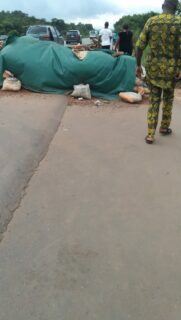
A check point.
A checkpoint.

Enugu-based rights activist Olu Omotayo, in an interview with The ICIR, noted that the military had to adopt strategies to avert attacks by unknown gunmen.

Omotayo, President of Civil Right Realisation and Advancement Network, ((CRRAN), pointed out that motorists and passengers were allowed to pass freely at the checkpoints in the past.

“This is happening because of the insecurity in the zone. In the past you will just drive past these checkpoints, but there was a day I was going to Agbani (in Enugu), and I discovered that people were asked to come down and walk past the checkpoint. From what I gathered, it was a response to attacks on checkpoints by unknown gunmen. Some people will just drive past and open fire, and in that process, many security agents have been killed. So that is the reason, from what I gathered.”

“If there have been casualties on the part of the military, it is not unexpected that they will devise strategies to survive,” he added.

Omotayo expressed hopes that normalcy will return as the security situation in the region improves.
Lagos releases 30 prison inmates

THE Lagos Command of the Nigerian Correctional Service (NCoS) says the Lagos State Government has pardoned 30 inmates.

The inmates were pardoned by the Chief Judge of the state, Justice Kazeem Alogba, and have, consequently, been freed.

The spokesperson of the Command, Mr Rotomi Oladokun, disclosed this during an interview with the News Agency of Nigeria (NAN) on Saturday, July 22.

According to him, the state government pardoned the inmates to reduce the number of people in the correctional centres in the state.

Most state correctional centres in Nigeria, including in Lagos state, are either overcrowded or at total capacity.

According to an NBS report, overcrowding in Nigeria’s correctional facilities happens due to inmates serving time without being sentenced.

The report also highlighted flaws in Nigeria’s criminal justice system, with cases frequently dragging on for years without resolution.

“The inmates released are those who committed minor offences such as assault, disorderliness, low-level shoplifting, road traffic offences, theft, and burglary, among others.

“There is, however, a need to free more inmates as the state custodial facilities are housing over 8,000 inmates, which is above their capacities,” Oladokun said.

Nigeria’s correctional centres can hold 50,083 inmates, but they currently have 70,056 inmates.

According to the World Prison Brief (WPB), an institution collating data on prisons worldwide, Nigeria is the 27th country with the highest number of prisoners globally.

Plateau records first two cases of anthrax in two communities

0

THE Plateau state government says it has recorded two suspected cases of the anthrax disease in two communities in the state.

Anthrax, according to the Nigeria Centre for Disease Control and Prevention, is a severe disease that can affect both human beings and animals, including wild animals and livestock like cows, pigs, camels, sheep and goats.

A statement by the state’s Director of Press and Public Affairs, Gyang Bere, on Saturday, July 22, disclosed that the Epidemiology unit of the state Ministry of Health and the Veterinary unit of the Ministry of Agriculture had been directed to address the outbreak.

The name of the two communities were, however, not mentioned in the statement.

According to the statement, samples had been taken to the National Veterinary Research Institute, Vom, for thorough assessment and further investigation.

The government also debunked a story published in the social media by an unnamed national newspaper that over 1,000 cows died due to a strange disease in the Mangu local government area of the state.

The statement read, “The said story is far from the truth, as it does not reflect the reality of happenings in the communities mentioned conspicuously in the story. For the avoidance of doubt, there is no such incident in any part of Mangu Local Government Area and the government has not received information about the mass death of animals from any of the communities mentioned in the reports.

“The story is based on hearsay, and there is no credible source that has authenticated the story, which has created tension in the affected communities.

“The government, therefore, advises the general public, particularly members of the said communities, to disregard the misleading story and assured Plateau people that a team of epidemiologists has been sent to the affected communities on the instruction of Governor Caleb Manasseh Mutfwang to ascertain the truth of the story to prevent loss of lives.

“However, there are two suspected cases of anthrax disease in two communities in the state. The samples have been taken to National Veterinary Research Institute, Vom, for thorough assessment and further investigation. While waiting for the outcome, Government would like to make it clear that there was no mass death of 1,000 cows in the mentioned areas as reported in the story.”

The state government, while advising members of the public to avoid contact with infected livestock and animal skins, urged residents to continue with their normal activities and report any strange signs or any unusual activities for swift intervention by the relevant authorities.

On Monday, July 17, The ICIR reported that Nigeria recorded the first suspected cases of anthrax in Niger state. 

The outbreak was recorded in a multi-specie animal farm in Gajiri, Niger state.

Hike in university tuition: Students’ body threatens protest

0

THE National Association of University Students (NAUS) has threatened to embark on a mass protest over the recent hike in tuition in tertiary institutions.

This was disclosed in a statement on Saturday, July 22, titled, ‘Warning Against Tuition Fee Increment’,  signed by both the NAUS chairman and national deputy president, Eruobami Ayobami and Babalola Daniel, respectively.

“It is with great displeasure we write to condemn the act of the Federal Government as well as higher institutions who have decided to increase the price of tuition in this current economic disintegration,” NAUS stated.

The association warned that any legislation enacting tuition increase in higher institutions would be met with immediate protests from the students population.

“We want to reiterate that as students, we won’t hesitate to come out en masse to protest against any form of implementation that poses a threat to the students’ community,” it added.

The body assured students of its commitment to always protect their interests.

NAUS advised the various higher educational institutions to rethink their plans to raise tuition as doing so would harm the academic system and students.

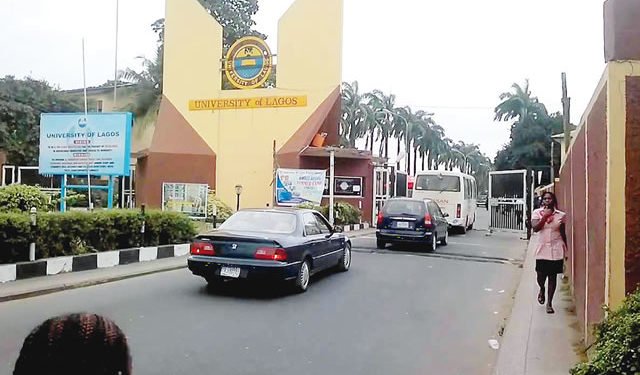
The ICIR reports that the management of the University of Lagos, Lagos State, has increased fees for undergraduate students in the institution.

The university management explained its decision to hike tuition for new and returning undergraduate students in a  statement it issued via the institution’s website on Friday, July 21.

It attributed the development to what it described as the “prevailing economic realities and needs” to meet its obligations to students and staff.

The statement noted that the adjustment would take effect from the first semester of the 2023/2024 academic session.

The students of the institution had been paying N19,000, but the management has fixed new fees at N190,250 for students studying Medicine, while for courses that require laboratory and studio, students are to pay N140,250.

Additionally, the Federal government has increased tuition for new students at Federal government colleges, also known as Federal Unity Colleges, through the Ministry of Education, to ₦100,000.

The fee increase was announced in a circular titled, ‘Approved Fees/ Charges for Federal Unity Colleges (1st Term) for new students’, signed by the Director of Senior Secondary Education, Hajia Binta Abdulkadir.

According to the statement, new students are expected to pay ₦100,000 instead of the old N45,000.

Heavy rainfall expected in FCT, neighbouring states on July 23 – FEMA

0

THE Federal Capital Territory Emergency Management Agency (FEMA) said heavy rainfall is expected in the nation’s capital, Abuja, and in neighbouring states on Sunday, July 23.

FEMA said it has, consequently, placed its emergency response team on high alert over the anticipated rainfall.

This was revealed in a statement released in Abuja on Friday, July 21 by the agency’s head of public affairs, Nkechi Isah, on behalf of the agency’s director general, Abbas Idriss.


READ ALSO:
[Flood series] Mapping out areas in Abuja prone to flooding

Flooding: Kogi govt reacts to ICIR’s report on inadequate preparations

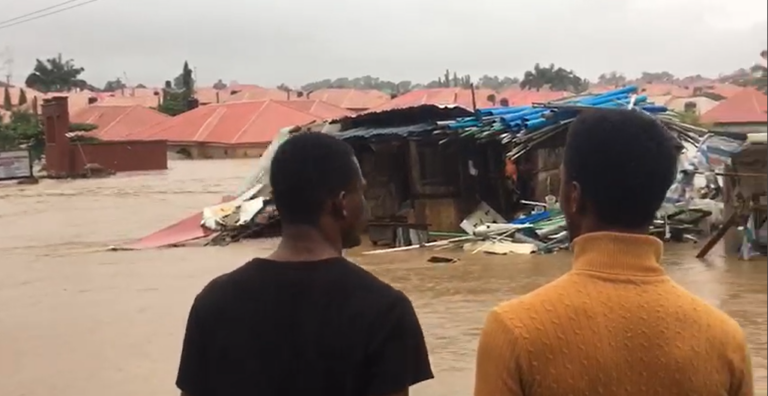
Properties destroyed as flood submerge houses in FCT community

Benue, Kogi States mostly unprepared, despite early flood predictions


According to the statement, Idriss said the Nigerian Meteorological Agency (NiMET) had predicted that moderate-to-heavy rain would fall on the Sunday in the Federal Capital Territory (FCT) and its bordering states.

He added that portions of Katsina, Kano, Bauchi, Plateau, and Taraba were also expected to have moderate-to-heavy rains.

He said that in addition to thunder and lightning because of the anticipated intense downpour, NiMET also issued warnings about potential flash floods, riverine flooding, strong winds, and soil erosion.

The statement anticipated displacement of people due to floods, outbreaks of water-borne diseases and damages to infrastructure.

Idriss stated that the organisation had alerted its search-and-rescue team to ensure a prompt and efficient emergency response.

The D-G claimed that in order to achieve the best results, he had also ordered an update on the organisation’s flood preparedness.

He urged locals to heed the early warning and refrain from driving or wading through standing water while it was raining.

He also advised residents to clear all blocked drains, and to dial the 112 emergency toll-free number in the event of an emergency.

The ICIR reported that the FCT had a flood incident in June 2023 following a heavy downpour that aggravated a flood drowning many houses in an estate. 

In the flood disaster, which had become a regular incident, 166 houses were submerged, as many residents were displaced from their homes. The ICIR captured it here and here.

Last year, flooding displaced  1.4 million people from their homes across the country, and more than 500 people were killed. 

The Federal government blamed the catastrophe on a combination of extraordinary rainfall brought by climate change, and on too much water being released when the Lagdo dam in Cameroon was opened, which poured into the River Niger and its tributaries.

Palliative: N8,000 is lot of money to many poor families – Gov. Sule

0

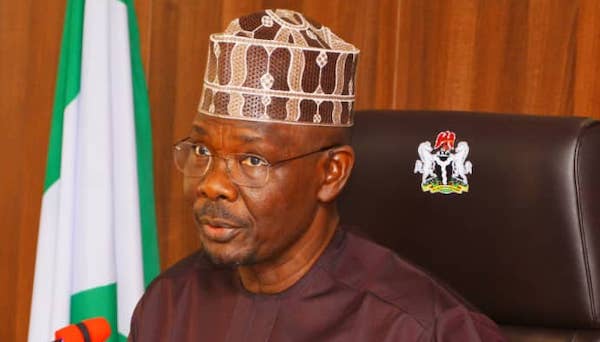
THE governor of Nasarawa state, Abdullahi Sule, has described the proposed N8,000 palliative by the Federal government as “a lot of money” to many poor Nigerians.

Sule said this in an interview with Channels Television’s Politics Today on Friday, July 21.

President Bola Ahmed Tinubu had proposed a cash transfer of N8,000 to 12 million poor households (60 million Nigerians) in Nigeria for a period of six months to cushion the harsh effects of the removal of fuel subsidy.

The initiative came under attack from many individuals and groups, who regarded it as too small to cushion the harsh results of the subsidy removal.

Tinubu bowed to pressure on Tuesday, July 18, ordering the review of the proposed scheme.

Reacting to the development, Sule insisted that the proposed N8,000 would help in reducing the impact of the subsidy removal.

“We were sharing only N5,000 and, believe me, there were so many people that were waiting for that N5,000 every month. Indeed there were some communities that were able to do some kind of contributions and they were able to do a lot in their various communities.

“So, N8,000 may not be so much money to some people, but it is a lot to so many other people who are from very poor families that don’t see N8,000 every month. The only thing is that let us identify those families,” Sule said.

Benue to prosecute workers collecting double salaries

0

THE Benue State government says civil servants receiving multiple salaries will be reported to the Economic and Financial Crimes Commission (EFCC) for investigation and prosecution.

Kula Tersoo, the Chief Press Secretary (CPS) to the state governor Hyacinth Alia disclosed this on Friday, July 21.

Tersoo said some of the workers were receiving salaries from up to three sources within the administration, including the Universal Basic Education Board, state and local governments.

“We already know some of them and they have been removed from the entire payroll. We are waiting for them to report that they have not been paid and that would be them reporting themselves.

“Those who were collecting double salaries as senior staff will be handed over to the EFCC for investigation and possible prosecution,” Tersoo said.

On Thursday, July 20, Governor Alia revealed that, at least, 2,500 ghost workers were discovered on the payroll of the state, according to a statement by Tersoo.

The discovery was made during a payroll audit and staff verification exercise carried out by the state, which led to a delay in payment of workers’ salaries for two months.

“He identifies ghost workers, ghost schools, double dipping, unlawful employment, salary padding, payment to dead or retired individuals, unlawful replacement, and inflation of the wage bill, as some of the payroll infractions discovered from the audit.

“He assures that workers who were successfully screened will receive their salaries before the end of this week, noting that government is not only fishing out ghosts workers and removing the padding associated with payroll fraud, but is also putting in measures to ensure the systems are protected, going forward,” Tersoo noted.

Alia also disclosed that the state saved N1.2 billion as a result of the verification exercise.

In June, the state suspended 23 local government chairmen and councillors  allegedly for their involvement in mismanaging public funds.

Palliatives: Kaduna state governor faults cash transfer scheme, calls it a scam

0

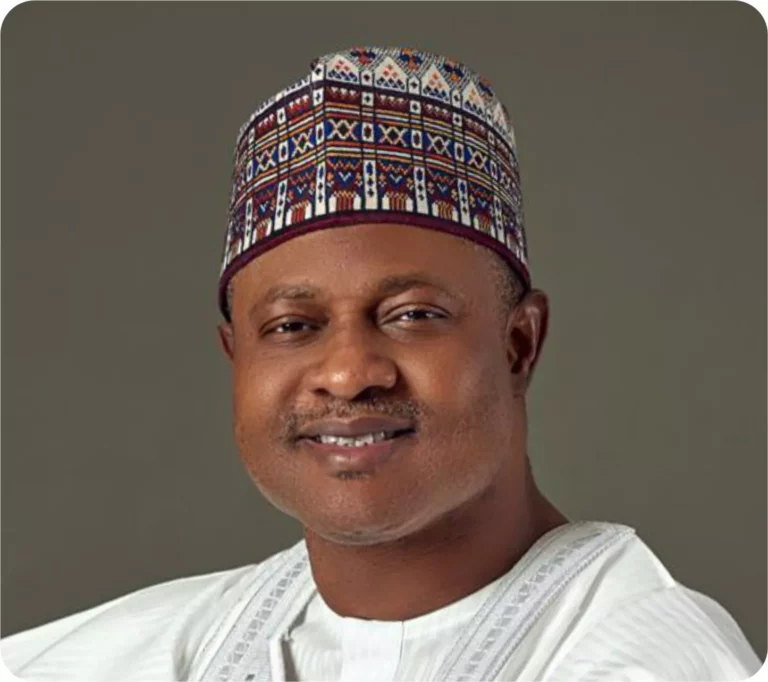
THE Governor of Kaduna state, Uba Sani, has faulted the cash transfer policy of the Federal government, describing it a scam.

Sani said cash transfers should not be something to be talked about at this period.

The governor declared this while speaking on Arise Television’s News Night on Friday, July 21.

He said, “That cash transfer, in my opinion, is a scam. Completely is a scam. I can be very certain about that, because who are you transferring the money to?

“Let me give an example. Go and check the current statistics. As chairman of the Senate committee on Banking for four years, I oversight Central Bank, I oversight all the commercial sectors of our economy for the last four years, and I looked at the statistics.

“About 70 to 75 per cent of the rural population in North West are financially excluded completely.”

He urged that the people in the rural areas be captured in the scheme.

“We are talking about important people in the society. They do not even have bank accounts, so who are you transferring the money to?” he asked.

He called on development partners like the World Bank to put in more money towards bringing more people into the financial services and target the vulnerable.

“Let’s put more money to ensure that we open accounts for them, get them involved. If we don’t do that, no matter what we do and however you do it, money will go to the wrong people. That’s the fact,” the governor declared.

The National Economic Council (NEC) on Thursday, July 20, dumped the national social register used in the former president Muhammadu Buhari’s administration for palliatives.

The council mentioned a lack of credibility as the reason for discarding it.

The decision was part of the outcome of the meeting by NEC members at the State House on palliatives for the people to ameliorate sufferings arising from the recent fuel subsidy removal.

The council, led by Vice President Kashim Shettima, advocated initiating a system for cash transfers to states based on their social records, as well as a six-month cash reward programme for public employees.

But NEC suggested that state governments undertake cash transfer programmes using state-generated social registers.

The council further suggested that the implementation be based on each state’s specific capacity and priority.

Meanwhile, the Christian Association of Nigeria (CAN) has urged the Federal government to implement policies and consider other options to lessen the economic impact of the fuel subsidy removal.

In a statement on Friday, July 21, CAN also appealed to Nigerians to “work together to build an economy that is inclusive, resilient, and offers opportunities for every Nigerian to thrive.”

Why we increased tuition fees – Unilag

0

THE University of Lagos (UNILAG) management has explained its decision to hike tuition fees for new and returning undergraduate students.

statement the management ssued via the institution’s website on Friday, attributed the development to what it described as the “prevailing economic realities, and needs” to meet its obligations to students and staff.

The statement noted that the adjustment in fess would take effect from the first semester of the 2023/2024 academic session.

Part of the statement read: “After careful deliberations with its stakeholders (students, parents/guardians, staff unions, alumni among others), the University of Lagos (UNILAG) Management has reviewed the obligatory fees (mandatory charges for an academic session/year) of new and returning undergraduate students of the University.

“The adjustment in fees, which will take effect from the 1st Semester, 2023/2024 Academic Session, is in view of the prevailing economic realities and the need for the University to be able to meet its obligations to its students, staff, and municipal service providers, among others.

“It is also pertinent to note that the University has not increased its obligatory fees in recent years. Management, therefore, seeks the kind understanding and support of students and other stakeholders with the assurance of its commitment towards ensuring that students get the best learning experience.”

The breakdown of the adjusted obligatory fees shows that fresh students who study courses without the use of laboratories and studios are expected to pay N126,325, while students whose courses require the use of laboratories or studios will pay N176,325.

The new students are also expected to pay N10,000 and N20,000 for the toxicology test for screening and utility charges, respectively.

Fees for returning students range from N100,750 to N140,250, depending on whether the course requires the use of a laboratory and studio. The returning students are also expected to pay N20,000 as utility fee, while every final year student is expected to pay N30,000 as convocation fee. 

Total fee returning students (who are not in the final year) studying laboratory and studio-required courses will pay is N120,750, while final year students of that category are expected to pay N150,750.

For students (not in final year) who study courses that require laboratory use, the total fee they will be paying is N160,250, while final year students in that category will pay N190,250. 

Also, the payable fee for returning medical students falls within the range of N210,250 to N240,250. This fee covers the N20,000 utility fee and the N30,000 charge for convocation ceremonies.

We can’t live on philanthropism – Unilag VC

The Unilag Vice-Chancellor, Folasade Ogunsola, said in an interview with the Premium Times that the university had been recording deficits of about N1 billion annually for the past three years.

Ogunsola said, “The truth is that the charges had been going up for quite some time but we kept managing in spite of the inflation. And, honestly, in the last three years or thereabouts, we have been having deficits of about N1 billion annually. We have been cutting down our costs to give quality education. But we can’t live on philanthropism.

“Our expenditure has continued to outstrip our income. Our roles as lecturers shouldn’t be to be going around on how to make money. We are supposed to be thinking, doing research, and engaging in serious community services. We are losing lecturers per second because the university system does not work.”

She explained that the process of introducing new fees was prior to the subsidy removal, as the university had commenced engagement with relevant stakeholders, including students and parents, since January.

On May 1, 2023, The ICIR had reported how the University of Abuja had increased its tuition fee.

According to the report, the returning students in the Arts and related faculties in the university would pay N82,000, while their medical counterparts pay N225,000.

The fees differed from the acceptance fee of N30,000 and other departmental and Students’ Union Government (SUG) fees.

The Vice Chancellor of the university, Abdulrasheed Na’Allah, had warned the students to resist the urge to disrupt the peace in the school because of the hike. 

He said any student caught engaging in violent activities on campus would face the penalty, including expulsion.

He warned, “The repercussion is swift and merciless. If anyone is caught anywhere destroying anything or simply disturbing the peace of our campus, I promise you I will descend heavily on such a person by showing him or her a way out.”

About three weeks later, Cyprian Igwe, an undergraduate student of the Sociology department at the University of Abuja, was rusticated from the institution allegedly for urging colleagues to dialogue on the school’s hike of its fees.

Igwe and Oladeru Samson Olamilekan, the Students’ Union’s director of Sports, were “banned from all the university campuses pending the determination of the case” for allegedly calling for a protest.

Palliatives: CAN urges FG to look beyond cash transfers

0

THE Christian Association of Nigeria (CAN) has urged the Federal Government to implement policies and also consider solutions beyond cash transfers to reduce the economic impact of fuel subsidy removal on Nigerians.

CAN in a statement on Friday, July 21, also proffered some possible solutions to mitigate the effects of the fuel price hike, appealing to Nigerians to “work together to build an economy that is inclusive, resilient, and offers opportunities for every Nigerian to thrive”.

“The fuel subsidy palliatives being considered by the government should go beyond cash transfers. Government should consider introducing mass transport across the states to reduce the cost of transportation. The multiplier effect of this will be profound.


READ ALSO:
Palliatives: Kaduna state governor faults cash transfer scheme, calls it a scam

Palliatives: NEC dumps Buhari’s register, states to produce new roster

World Bank, IMF laud Tinubu’s economic reforms, urge timely palliative

Reps approve Tinubu’s request for N500bn to fund palliatives


“Government should take measures to reduce the price of fuel. Such measures should include removal of unnecessary levies and taxes on imported petroleum products, the stabilisation of the foreign exchange market, and putting back our local refineries to functional and effective use,” CAN stated.

The religious body commended the administration of President Bola Tinubu for showing commitment towards building a united, peaceful, and progressive Nigeria.

Parts of the statement read: “Given the massive corruption that had characterised the fuel subsidy regime over the years, there was a general consensus that the removal of fuel subsidy had become inevitable if the Nigerian economy is to experience sustainable growth. However, it was also generally agreed that this must be done in such a way that Nigerians will not be subjected to untold hardship. In other words, what is idealistic must be balanced with what is realistic.

“Against the backdrop of the recent unprecedented hikes in fuel prices and alarming inflation, the national leadership of the Christian Association of Nigeria wishes to express its deepest concerns over the prevailing hardships faced by Nigerians and calls for immediate steps to mitigate the situation.

“While Nigerians were trying to adjust to the initial increase in the fuel price to N540 and its consequential effect on the cost of transportation, food, goods and services, and the general cost of living, another hike alluded to market forces took the price to N617.”

According to CAN, the hike in fuel price  has placed an enormous burden on the already struggling masses, while further widening the gap between the rich and the poor.

It added that the purchasing power of ordinary citizens has been eroded, making it extremely difficult to afford the basic necessities of life.

“The situation is just unbearable for millions of Nigerians who were already suffering poverty. While CAN acknowledges the complex and difficult decisions that government must take to manage the nation’s economy, there is an urgent need to prioritise measures that will alleviate rather than exacerbate the existing poverty level and hardships of Nigerians. It is therefore imperative that economic policies are formulated and implemented with utmost care and consideration for the prevailing hardships experienced by Nigerians.”

CAN appealed to the government to consider some of the recommendations it presented in the statement.

 “Government should engage with critical stakeholders in a meaningful dialogue to explore sustainable solutions to the current situation. It is pertinent to develop comprehensive economic policies that promote inclusive growth, job creation, and social well-being.

“Government should focus on diversifying the economy, reducing dependency on volatile commodities, and promoting investments in sectors with the potential to create sustainable employment opportunities. This will not only bolster economic resilience but also contribute to the overall well-being of citizens.

“While we agree that there is no gain without pain, the pain must not be unbearable. Consequently, we again urge the government to take into account the impact of its policies on the most vulnerable segments of the society, and ensure they are not disproportionately burdened and subjected to unnecessary hardships.

“Government must listen to the concerns of the Nigerian people and implement sound economic policies that prioritise the well-being of all citizens. By addressing the prevailing hardships caused by the recent fuel price hikes and high inflation, we can pave the way for a brighter future for Nigeria.”