Home Blog Page 9

FG unveils USSD credit service for Nigerians without smartphones

15

THE Federal Government has introduced a USSD-based consumer credit service to enable Nigerians access loans through basic mobile phones without requiring internet connectivity or smartphones.

The service, known as SPARK, was unveiled by the Nigerian Consumer Credit Corporation (CREDICORP) in Aba, Abia State, to expand access to consumer loans, particularly for first-time borrowers with little or no formal credit history.

CREDICORP’s Managing Director and Chief Executive Officer, Uzoma Nwagba, said the initiative was designed to make consumer credit accessible beyond traditional financial institutions.

“Today in Aba, Abia State, in Nigeria’s South East, we are demonstrating what that means in practical terms: credit for market women, a financial head start for young people, productive assets for transport operators, and with SPARK, a simple way for Nigerians to begin building their credit histories. This is how we make credit work for the people,” Nwagba said.

The event highlighted consumer credit opportunities for more than 1,000 residents and brought together beneficiaries, participating financial institutions, local vendors and government representatives.

The USSD code, 347333#, was announced as the access channel for the service. However, its full nationwide availability has not been confirmed, as CREDICORP said a wider rollout was expected before the end of 2026.

The initiative is designed to help borrowers establish repayment records, improve their credit profiles and potentially qualify for additional financial services.

CREDICORP’s broader consumer credit programmes cover five major categories aimed at improving access to essential goods, household equipment and productive assets.

They include compressed natural gas (CNG), electric vehicles, laptops, smartphones, tablets, generators and solar panels, furniture, household appliances, building materials, healthcare, apparel, food and beverages.

However, these categories represent CREDICORP’s broader consumer credit priorities.

Activities included demonstrations on accessing credit for market women and traders, presentations on the YouthCred initiative for young Nigerians, and the unveiling of credit-backed tricycles for transport operators.

The event also featured locally assembled tricycles provided through CREDICORP’s Securing Consumer Access for Local Enterprises initiative, known as S.C.A.L.E.

The Managing Director of the Ministry of Finance Incorporated and CREDICORP board member, Armstrong Ume Takang, said the showcase demonstrated how government policies could translate into economic opportunities.

“Through CREDICORP, we are seeing how well-structured public investment can stimulate enterprise, support local manufacturers and deliver measurable economic impact directly to citizens,” Takang said.

CREDICORP said it had facilitated more than N53.5 billion in consumer credit for over 351,000 Nigerians since commencing operations, with women accounting for approximately 59 per cent of beneficiaries.

According to CREDICORP, SPARK is a credit service, not a grant, noting that Nigerians who obtain loans through the platform will be required to repay them in line with the agreed terms.

However, comprehensive details of the product, including loan limits, interest rates, repayment periods and eligibility requirements, have not been publicly provided in the announcements introducing the service.

Nigerians are also advised to avoid unofficial websites, agents or individuals demanding upfront payments in exchange for guaranteed loan approvals.

Court fixes January 27 for ruling in alleged terrorism financing case against Tukur Mamu

0

THE Federal High Court in Abuja on Monday fixed January 27, 2027, for judgment in a charge filed by the Federal Government against Tukur Mamu, alleged terrorists’ negotiator during the Abuja-Kaduna train attack hostages in 2022.

Mohammed Umar, one of the court’s justices, fixed the date after the Federal Government’s lawyer, David Kaswe, and Mamu’s counsel, Johnson Usman, a senior advocate, adopted their final written addresses and presented their arguments for and against the case.

The News Agency of Nigeria (NAN) reports that Mamu, who was arrested on September 7, 2022 by the Egyptian security officials at the Cairo International Airport, was earlier arraigned on a 10-count charge bordering on terrorism financing.

However, the prosecution amended the counts by bringing in more offences, including unlawful possession of firearms without valid licence and money laundering charges.

When the case was called on Monday, Usman informed the court that the case was scheduled for adoption of parties’ final written addresses.

The senior lawyer said the the defendant’s final written address was dated July 22 but filed July 23.

“Our reply on points of law is dated October 30 and filed same day. We adopt these two addresses and we humbly urge this honourable court to graciously acquit and discharge the defendant on all the counts preferred by Federal Government as same, having not been proven in any manner,” he prayed.

Usman argued that though the defence team had consistently demanded for the licence of the rifle allegedly recovered from Mamu’s residence, the lawyer said the prosecution had failed to produce the licence in court.

“You mean the expired licence?” Justice Umar asked Usman.

Responding, Usman submitted that their contention was that the licence was not expired as at the time Mamu was arrested.

He said even though the prosecution took custody of the arms and the licence, their failure to produce the lience in court had raised serious issues of doubt.

He, therefore, urged the court to resolve the issue in favour of his client.

“My lord, if my vehicle licence expires and my car is parked at home, the VIO cannot arrest me. We have asked for this on three consecutive times, but they failed to produce it in court,” he said.

But Kaswe, as assistant director, who appeared for the Attorney-General of the Federation (AGF) on behalf of the Federal Government, disagreed with Usman’s submission.

The prosecution lawyer recalled that the licence and the rifle had already been tendered before the court.

“My Lord, the record of this court will show that we have tendered the licence together with the arms on the day the PW-5, an exhibit keeper, was led on evidence,” he added.

Kaswe reminded that after the prosecution applied for a safe keep of the rifle and other exhibits, the court granted their request.

The lawyer, who adopted the final written address dated September 18, said the process was filed on September 21.

“We respectfully adopt our written address as our oral submission and argument in proof of the case against the defendant and we urge my lord to agree with us that we have discharged the burden of proof placed before us and to convict the defendant as charged,” he prayed.

Usman, however, thanked the State Security Services (SSS) for granting access to Mamu’s family members in accordance the court order.

“My lord, I thank the current regime of DSS for the access given to the defendant’s family. When they do well, we should praise them. My sincere gratitude to the DG DSS,” Usman said.

After listening to the lawyers, the judge fixed January 27, 2027, for judgment.

NAN reports that Mamu, the sole defendant, was re-arraigned on June 1 on a 17-count charge.

He, however, pleaded not guilty after the counts were read to him and the prosecution commenced its cross examination of the accused, who had earleir opened his defence and testified as the sole defence witness.

Mamu opened his defence on April 23 after the Federal Government closed its case by calling seven witnesses in the ongoing trial.

In the count one of the charge, marked; FHC/ABJ/CR/96/2023, the defendant was alleged to have, sometime about March 28, 2022 in Kaduna, gave support to the Boko Haram terrorist group.

He was alleged to have instigated the terroror group to boycott the Chief of Defence Staff (CDS) Committee set up by the Federal Government to negotiate the release of the hostages (victims) of the Abuja-Kaduna train attack to enhance his act as the negotiator for the payment, receipt and delivery of ransom payment from the families of the hostages.

In count two, he was alleged to have undermined and obstructed the CDS Committee set up to negotiate the release of the hostages of the attack.

Count three accused him of receiving ransom payments in the sum of 120 million dollars on behalf of the terrorist group from families of victims of the attack contrary to Section 21(3)(a) of the Terrorism (Prevention and Prohibition) Act, 2022.

He was also alleged to have committed an offence preparatory to or in furtherance of act of terrorism when he exchanged voice note communications in relation to acts of terrorism with Baba Adamu, the Boko Haram spokesperson.

He was said to have committed an offence of dealing in terrorist property contrary to Section 23 (1) (a) of the Terrorism (Prevention and Prohibition).

The defendant was equally alleged to be dealing in terrorist funds in the sum of 1,840 Indian Rupees, 1,700 Egyptian Pounds and 115 UAE Dirham in counts 11, 12 and 13, which were found in his possession.

Mamu was also accused of unlawful possession of firearms when he had in his possession about 47 cartridges (ammunitions) without a valid licence sometime about March 28, 2022.

The offence, the prosecution said, contravened the provisions of Section 3 of the Fire Arms Act CAP F.28 LFN, 2004 and punishable under Section 28 of the Fire Arms Act, CAP F.28 LFN, 2004.(NAN)

FCT residents back proposed rent law, seek end to arbitrary hikes

0
SOME residents of the Federal Capital Territory (FCT) have welcomed the House of Representatives’ proposed Rent Regulation and Tenants Protection Bill, 2026, describing it as timely.
They said the proposed legislation could ease tenants’ financial burdens, curb excessive advance rent demands and protect renters against unlawful eviction.
The residents, who spoke with the News Agency of Nigeria (NAN) on Monday, however, emphasised the need for effective enforcement to ensure the bill achieves its objectives.
Their concerns came amid growing complaints about rising accommodation costs, arbitrary rent increases, harassment and other practices making it increasingly difficult for residents to secure and retain accommodation.
The proposed legislation seeks to limit advance rent payments to 12 months, prohibit unlawful eviction practices and establish an authority to regulate rental transactions and protect tenants.
Victoria Olabisi, a public servant, said the bill should be passed into law to reduce tenants’ financial burdens and protect them against arbitrary practices.
Olabisi recalled being asked to pay two years’ rent upfront as proof of commitment to securing accommodation, despite the landlord having no knowledge of her financial circumstances.
“I have been asked to pay two years’ rent in advance as proof of my commitment to securing a house, even though the landlord knew nothing about my financial standing. Such demands are unreasonable and should not be a condition for securing accommodation,” she said.
She stressed the need for strict enforcement, warning that the legislation might not achieve its objectives without adequate monitoring and penalties for offenders.
Olabisi also called for the regulation of estate agents, reasonable rent assessments based on location and available amenities, and measures to prevent discrimination against prospective tenants.
She said marital status should not determine whether an individual qualified to rent a property.
“Single people are often denied accommodation they can afford, while married applicants are questioned about the number of children they have before their applications are considered.
“In some cases, only government workers are considered eligible tenants.
“From my experience, this is frustrating and has no place in a fair housing system,” she said.
She urged lawmakers to introduce provisions against unjustified rent increases, insisting that any adjustment should be reasonable and guided by law.
Also speaking, Akinola Akin-Adubi, a legal practitioner, described the proposed legislation as a welcome development that could provide relief for tenants.
Akin-Adubi, however, identified arbitrary rent increases as a more pressing concern than demands for multiple years’ rent upfront.
“I do not think paying two years’ rent is rampant in Abuja. The major problem is arbitrary rent increases year after year,” he said.
He said although the Recovery of Premises Act provided for procedures governing recovery of rented properties, the proposed legislation should introduce additional measures to strengthen tenants’ protection.
The legal practitioner expressed concern about implementation, noting that passing legislation was easier than ensuring compliance.
He advised tenants to seek legal redress whenever landlords or agents violated their rights under the proposed law, if enacted.
A sociologist, Steven Okanlawon, expressed reservations about the proposed legislation, saying its provisions, as reported in the media, lacked sufficient details.
Okanlawon said limiting advance rent payments to one year might benefit residential tenants but would not necessarily address challenges confronting businesses renting commercial properties.
He explained that businesses could still face pressure to pay multiple years’ rent through informal arrangements because relocating could be expensive and disruptive.
The sociologist disclosed that his office landlord had previously demanded two years’ rent upfront, describing the experience as a concern requiring legislative attention.
He also questioned whether the proposed legislation would be effectively enforced, arguing that financially stronger landlords could enjoy advantages over tenants during disputes.
Okanlawon called for wider consultations with low-income tenants, measures against arbitrary rent increases and clear requirements for property renovations before landlords raised rents.
Reacting, Debo Adewale, a landlord residing in Kubwa, said the proposed legislation should also consider landlords’ experiences with difficult tenants.
“Some tenants can be very frustrating. They neither clean the compound nor contribute to its maintenance, so eviction may sometimes be the only reasonable option,” he said.
Adewale said landlords should have clearly defined legal provisions for addressing tenants who repeatedly neglected shared facilities or failed to fulfil their responsibilities.
He urged lawmakers to specify circumstances under which landlords could lawfully recover their properties to minimise disputes and protect both parties.
According to him, both landlords and tenants deserved protection against unfair practices.
Godwin Okafor, a house agent, opposed the proposed legislation, arguing that it could restrict landlords’ freedom to determine rental payment arrangements.
“Landlords should be allowed to agree with tenants on how they want to collect rent.
“Limiting payments to one year may not work for every landlord,” he said.
NAN reports that the bill sponsored by the lawmakers representing Enugu East/Isi-Uzo Federal Constituency and Bindawa/Mani Federal Constituency of Katsina State, Paul Nnamchi and Ahmed Doro, respectively, passed first reading in the House of Representatives on October 22.
The bill seeks to prohibit landlords, estate agents and property managers from demanding more than 12 months’ rent upfront as a condition for granting, renewing or continuing a tenancy.
It also covers residential and commercial properties and seeks to prevent landlords from circumventing the proposed restriction through compulsory service charges, separate agreements and artificial tenancy renewals.
However, tenants would be allowed to voluntarily pay more than 12 months’ rent where the arrangement originated from them, without coercion, threats, discrimination or retaliation, and was documented in writing.
The proposed legislation also seeks to establish the Federal Capital Territory Rent Regulation and Tenants’ Protection Authority to investigate complaints, monitor rental practices and facilitate dispute resolution.
The authority would also be empowered to order refunds of unlawful rent payments within 30 days, issue compliance notices and monitor landlords, property managers and estate agents.
Under the proposed bill, individuals who knowingly violate the advance rent restriction could face fines ranging from N500,000 to N5 million, while corporate offenders could pay between N5 million and N20 million.
The legislation further seeks to prohibit unlawful eviction methods, including threats, violence, disconnection of essential services, destruction or removal of tenants’ belongings and changing locks without lawful authority.
It would, however, preserve landlords’ rights to recover legitimately owed rent and repossess their properties through established legal procedures.
The proposed law follows increasing public concern about soaring rents, unjustified rent hikes and other landlord practices that have made finding and keeping homes harder for many FCT residents.
In October 2023, NAN reported residents’ complaints about indiscriminate rent increases, harassment and threats of eviction by landlords.
One resident, Dauda Abusali, an artist, disclosed that his landlord had asked tenants to leave if they could not afford the demanded rent, forcing him to send his family away temporarily.
Similarly, Esther Mamudu, a corps member, said her sister returned from school to discover that her rent had been increased without prior notice.
According to Mamudu, her sister was asked to pay immediately or vacate the accommodation.
In another reported incident, a tenant in Lambata, Kwali Area Council, reportedly engaged in a physical altercation with a caretaker after returning from work to discover that his room had been locked over an outstanding rent balance.
The incident, reported in November 2025, highlighted how disputes over rent payments and possession could escalate when parties resorted to self-help rather than established legal procedures.
There have also been reported cases of tenants facing intimidation, threats and pressure from caretakers acting on behalf of property owners, particularly over outstanding payments and disagreements concerning tenancy arrangements.
In one such account published in 2024, a tenant alleged that a caretaker threatened to evict her while she was away, despite her efforts to settle outstanding rent.
She said the caretaker stopped the alleged intimidation after learning that she had sought legal assistance.
Beyond eviction disputes, tenants have also complained about additional financial demands, including agency, agreement, caution and maintenance fees, which increase the cost of securing accommodation.
A 2026 policy brief by the National Institute for Legislative and Democratic Studies identified arbitrary rent increases, weak enforcement and limited access to affordable dispute resolution as significant challenges confronting tenants in Nigeria.
The report noted that steep rent increases could force low- and middle-income households to relocate, incur additional expenses or struggle to maintain stable accommodation.
Although the Recovery of Premises Act provides procedures for recovering rented properties in the FCT, the proposed legislation seeks to establish a broader regulatory framework addressing rental practices and tenants’ protection.
However, concerns remain about whether the proposed authority would have sufficient institutional capacity to investigate complaints, enforce decisions and protect vulnerable tenants against intimidation.
The proposed legislation has therefore generated debate over the need to balance tenants’ rights with landlords’ legitimate interests, particularly regarding property maintenance, rent collection and recovery of possession.
Stakeholders say effective implementation, affordable housing provision, transparent tenancy agreements and accessible dispute resolution mechanisms will be critical to addressing the challenges confronting the FCT rental market. (NAN)

Nigeria needs more drug rehabilitation centres, affordable treatment – Experts

0

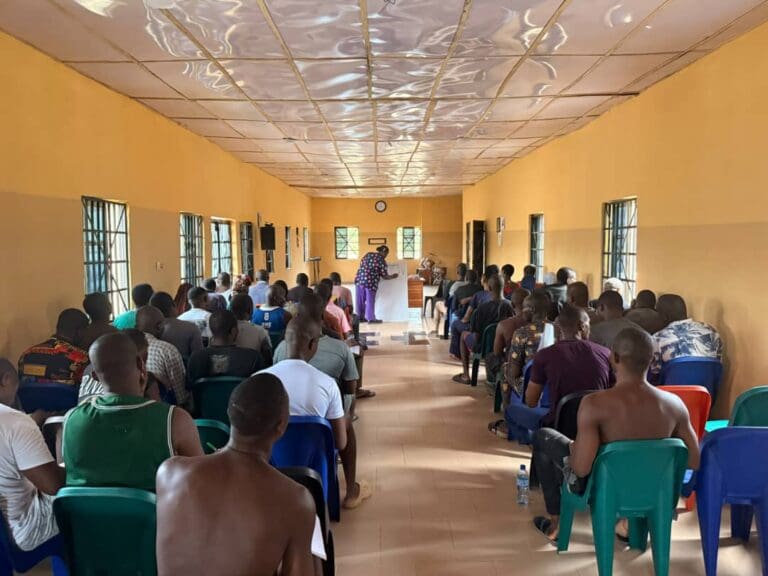
MENTAL health experts have called for increased investment in drug rehabilitation centres, affordable treatment and improved professional services to address substance abuse in Nigeria.

They made the call in separate interviews with the News Agency of Nigeria (NAN), citing inadequate facilities, high treatment costs and poor regulation of rehabilitation services.

Executive Director of Adicare Rehabilitation Home, Veronica Ezeh, a private facility in Lagos, said existing rehabilitation centres were grossly inadequate.

Ezeh, also a psychiatric nurse at the Federal Neuro-Psychiatric Hospital, Yaba, said the number of people abusing drugs was growing faster than available treatment spaces.

She listed government hospitals, National Drug Law Enforcement Agency (NDLEA) facilities, private homes, faith-based organisations, non-governmental organisations (NGOs) and traditional practitioners among providers of rehabilitation services.

However, she expressed concern over varying treatment standards, inadequate personnel, limited resources and the high cost of care.

She said some private facilities were operated by people without adequate knowledge of addiction treatment, resulting in inappropriate patient management.

“Some rehabilitation homes do not understand psychological treatment, medical treatment or proper patient assessment,” she said.

Ezeh added that poor referral systems and inadequate management of medical and psychiatric conditions undermined treatment outcomes.

She urged the Federal Government, particularly the Ministry of Health, to establish more properly equipped centres staffed by qualified professionals.

She also called for stronger regulation, mandatory registration of facilities and regular inspections to prevent abuse and unlawful detention of patients.

“Patients should receive professional care rather than being chained, locked up or deprived of their basic human needs,” she said.

Ezeh advocated partnerships among the government, private organisations and NGOs, alongside subsidies to reduce treatment costs.

Supporting the call for more facilities, Olugbenga Owoeye, Medical Director of the Federal Neuro-Psychiatric Hospital, Yaba, said the hospital had 90 beds dedicated to drug rehabilitation.

Owoeye explained that the facility had 60 beds for male patients and 30 for females, adding that the male unit had recently been renovated through an ECOWAS grant.

He said three consultant psychiatrists and about eight resident doctors provided daily care, while occupational therapy facilities also supported patients’ rehabilitation.

According to him, the facilities include computers, musical instruments, a barber’s salon, fashion-design equipment and a gymnasium to help patients acquire vocational skills.

Owoeye, however, said the available beds were insufficient to meet the needs of Lagos, which has an estimated population of 22 million.

“Government alone cannot do it,” he said, urging NGOs, corporate organisations and other institutions to support rehabilitation services.

He added that vocational training was essential to helping recovering patients become self-reliant and independent after leaving the hospital.

Similarly, Taiwo Obindo, a professor and consultant psychiatrist, described rehabilitation as a specialised and resource-intensive service.

Obindo said existing facilities could not meet the needs of the growing number of people with substance use disorders, particularly young Nigerians.

He said treatment could cost between N300,000 and N400,000 monthly, with many patients requiring at least three months of care, while some needed up to a year.

Obindo, the immediate past president of the Association of Psychiatrists of Nigeria (APN), identified inadequate personnel, rising medication costs and limited facilities as major challenges.

He urged the government to prioritise rehabilitation services.

Obindo called for improved remuneration, incentives for professionals working in rural areas, the integration of mental healthcare into primary healthcare and the implementation of the National Mental Health Act and Policy.

He also urged the National Health Insurance Authority to cover treatment and medication for substance use disorders, while stressing the need for sustained awareness campaigns.

Olumide Adams, a relative of a patient at the Drug Rehabilitation Unit of the Federal Neuro-Psychiatric Hospital, Yaba, recounted how his brother’s condition had improved since admission.

Adams said his brother had spent three months receiving treatment and was gradually regaining his mental stability, describing the experience as difficult but encouraging.

“It was really a tough and unforgettable experience, but we thank God that everything is now under control and my brother is gradually regaining his sanity,” he said.

He, however, appealed to the government to subsidise rehabilitation costs, noting that medication and other required services were expensive.

Similarly, a relative of a patient at Adicare Rehabilitation Home, who pleaded anonymity, expressed concern over the high cost of treatment, attributing it partly to the facility’s private ownership.

The relative urged the government to make private rehabilitation services more affordable for families.(NAN)

Police detain 3 fake ICPC personnel in Nasarawa

0

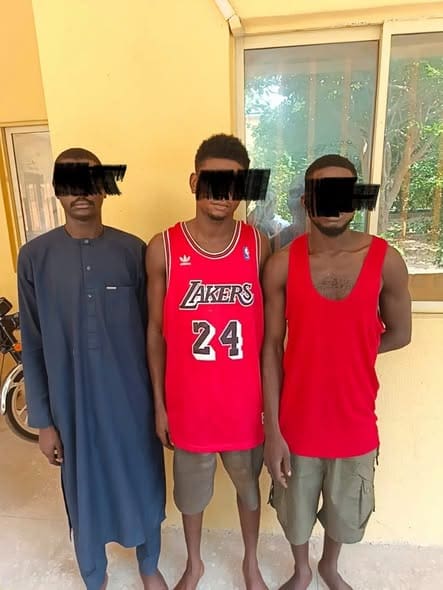
THE Police Command in Nasarawa State says it has detained three persons parading themselves as personnel of the Independent Corrupt Practices and Other Related Offences Commission (ICPC) in the state.

The command’s Police Public Relations Officer (PPRO), Ramhan Nansel, a superintendent of police, disclosed this in a statement on Sunday in Lafia.

The PPRO said the suspects were arrested following the interception of an unregistered Lexus IS 250 vehicle during a routine patrol operation around Bukan Sidi, Lafia.

According to Nansel, operatives of the Anti-Kidnapping Unit, while on patrol around Bukan Sidi, Lafia, intercepted the three persons travelling in the vehicle without a registration number.

“Upon interrogation, Mohammed Nuhu introduced himself as an officer of the ICPC and presented an identification card purportedly issued by the commission.

“However, when Mohammed Umar, the driver of the vehicle, was questioned about its ownership, he was unable to provide a satisfactory explanation, prompting the arrest of all three occupants for further investigation.

“During the course of the investigation, findings allegedly revealed that the ICPC identification card presented by Mohammed Nuhu was forged,” he added.

“He later claimed that he accompanied the driver from Kaduna State to Lafia because the driver did not possess a valid driver’s licence.

“Furthermore, profiling of the suspects revealed that Ibrahim Suleiman was allegedly associated with an unlawful society known as the Eiye Confraternity,” the PPRO said.

Nansel added that the allegations were being investigated to establish the full circumstances and determine the extent of involvement of each suspect.

He said the suspects remained in custody as investigations continued and would be charged in court for prosecution.

He further said that efforts were being intensified to verify the vehicle’s ownership and establish other offences that may be connected to the incident.

The command’s spokesperson added that the Commissioner of Police, Shettima Mohammed, reiterated the command’s commitment to proactive policing, intelligence-led operations and the sustained fight against crime and criminality across the state.

The PPRO therefore, urged members of the public to remain vigilant and promptly report suspicious movements and activities to the nearest police station for prompt action. (NAN)

Between culture and censorship: How the internet is reshaping modern Hausa

0

By Salisu Ibrahim

Language is never static. People pick up new ideas, technologies and contacts, and their words change with them. For Hausa speakers, social media has become a new place for that change. It produces new expressions, reworks old sayings and alters how words are written.

An online Hausa speaker may use expressions an earlier generation would not recognise. Some words are borrowed. Others take on new meanings, and proverbs are bent to fit modern life. Some speakers also use euphemisms and altered spellings for sensitive subjects. That raises a question: how much of this creativity is ordinary cultural change, and how much responds to the rules and perceived restrictions of platforms?

Hausa has always made new words

New vocabulary is not a recent development. Hausa has absorbed words through trade, migration, Islamic scholarship, education and city life. English does the same: Gen Z slang puzzles older speakers. A. H. M. Kirk-Greene’s study, “Neologisms in Hausa: A Sociological Approach”, ties new Hausa vocabulary to social change. The internet did not invent this process. It sped it up, so a phrase from a private chat can now reach thousands through reposts and screenshots.

When cultures meet, words change

Hausa speakers draw on English, Arabic and Pidgin depending on subject and audience. Borrowing is only part of the story. Tristan Purvis, in “Hausa Chat Jargon: Semantic Extension versus Borrowing”, studied WhatsApp conversations and found young speakers stretching Hausa words to name digital activities instead of adopting English terms. Modernisation does not have to mean replacement. Words also travel outward. Farooq Kperogi, in “20 Hausa words in everyday Nigerian English”, notes that suya literally means frying in Hausa but became the Nigerian name for barbecued meat, which Hausa speakers call tsire.

Social media works as a language laboratory

Informal online writing lets people experiment with words, spelling and meaning in real time. Proverbs show this well. Abdalla Uba Adamu’s 2023 paper on Hausa “neoproverbs” shows youth reusing a familiar form to describe digital life, as in “Komai nisan dare, akwai wani online”. Abdulwaheed Shuaibu Adeyemi’s 2025 study documents non-standard spellings and abbreviations on Facebook. These cause trouble for standard written Hausa and for learners, but they are conventions worth studying, not just errors. Not every variant is a new word, and not every expression will last.

Everyday online Hausa shows the pattern

Some of these words are borrowed, some stretch an older Hausa word, and some may be coded. One example cannot say which. That takes a date, a first appearance and testimony from users. None of this is new: a 2013 Ahmadu Bello University thesis, “Nazarin Hausar Kan Titi”, described the street speech of transport workers and others as a code outsiders struggle to read, and credited it with enriching Hausa. Online slang runs the same process faster. Words widely used by Hausa speakers in Northern Nigeria, many from dubbed foreign movies, include:

Hausa word Meaning
Suburbuɗa beating
Masuburbudar sanyi air conditioner
Mamazgi a stout man
Madatsi hacker
Masarrafi remote control
Saƙago robot
Sojan-afkawa undercover agent
Wayar dangwale touchscreen phone

Hidden meanings demand evidence before conclusions

People have always used indirect language for politeness, humour, privacy or religious and social expectations. Online, some also alter spellings or swap words because they believe a post will be restricted. These explanations are not interchangeable. Showing that platform rules drive a particular change takes evidence: interviews, dated examples and users explaining why they changed their wording. Without it, calling coded Hausa a response to censorship is premature.

The platforms also differ. Meta’s Community Standards govern Facebook posts, while Google’s Content Policies for Search govern Search results. Perception still matters, since users may change wording without any moderation notice. A 2024 IJCAI AI for Good paper by Fatima Muhammad Adam, Abubakar Yakubu Zandam and Isa Inuwa-Dutse shows how much context complicates detecting offensive Hausa content. It does not show that speakers routinely dodge moderation.

Newsrooms coin words too

Newsrooms coin words deliberately, because they report on institutions older Hausa had no term for. BBC Hausa renders the United Nations as Majalisar Dinkin Duniya, shortened to MDD. Broadcasters do not always agree, though. Usman Ahmadu Mohammed’s study of BBC Hausa, VOA Hausa and broadcasters in Niger and Cameroon found variation in terms and confused listeners. He links this to the lack of a body monitoring Hausa in the media. A newsroom coinage is a proposal. Audiences accept, ignore or rework it.

Documentation will decide what survives

Young people sit at the centre of this change, and it can widen gaps between generations. That is not decline. Standard Hausa and informal digital Hausa can coexist, as long as we do not assume every informal expression belongs in formal writing.

Linguists, journalists and educators should document the change: when an expression appeared, where it is used, what it means in context and whether it lasts. Public posts can serve as evidence, with care for private conversations. The aim is not to freeze Hausa, nor to accept every new word unexamined. Hausa speakers remain active participants in a living language, and recording what they create is how we understand its future.

Disclaimer: The writer is Salisu Ibrahim, Head of the Hausa Desk at Legit.ng. He writes on language, culture and digital media in Northern Nigeria. Views expressed here are the writer’s own and do not necessarily reflect the official policy or position of Legit.ng or any other organisation. 

NCDC identifies two suspected Ebola cases in North-East

0

The Nigeria Centre for Disease Control and Prevention (NCDC) has identified two suspected Ebola cases in Nigeria’s North-East, with both individuals isolated as health authorities conduct laboratory tests to determine whether they have tested positive for the virus.

The agency in a press statement on Saturday said contact identification and listing were ongoing to establish possible exposure and prevent further transmission.

However, the NCDC did not name the two states where the suspected cases were identified but promised to provide further updates on the matter.

The development comes barely days after Nigeria confirmed its first imported case of Ebola disease caused by the Bundibugyo virus in the Federal Capital Territory on October 20, 2026. Nigeria confirmed its first case after laboratory tests returned positive for a 42-year-old woman who had travelled to the country from Uganda through Addis Ababa, Ethiopia, on October 3.

According to the Minister of Health and Social Welfare, Ali Pate, the woman developed symptoms on October 7 and sought medical attention at a private health facility in Abuja on October 11, where she was admitted.

Following the confirmation, health authorities commenced contact tracing, initially identifying 44 people who might have been exposed to the virus.

The number later increased as investigations expanded and the NCDC’s October 29 situation report put the number of identified contacts at 62, all of whom were being monitored.

The index patient was medically evacuated to Switzerland on October 26 following a formal request from her country and clearance from Nigerian authorities.

The NCDC also strengthened surveillance, laboratory testing, infection prevention and control measures, while working with international partners to contain the infection.

The current outbreak is caused by the Bundibugyo virus, a strain of Ebola virus disease. The wider outbreak was reported in the Democratic Republic of the Congo in May 2026 and subsequently spread to other African countries, including Kenya.

The development has heightened regional health surveillance, with Nigeria’s authorities working to prevent further local transmission.

The NCDC has urged Nigerians to maintain proper hand hygiene, practise enhanced sanitation and comply with public health advisories.

It also advised the public against spreading unverified information, stressing the importance of relying on updates from health authorities.

Navy marines neutralise 34 terrorists in Lake Chad area

0

NIGERIAN Navy Marines at Naval Base, Lake Chad area in conjunction with the Army 403 Amphibious Brigade, under Operation HADIN KAI, have neutralised 34 terrorists in the area.

The Director of Naval Information, Abiodun Folorunsho, a captain, in an operational report on Saturday, October 30, explained that revised battle damage assessment provided that 28 terrorists were killed in action.

“On October 28, the Navy marines conducted offensive operations against terrorist elements, with initial reports indicating that eight terrorists were killed in action.

“A subsequent battle damage assessment revised the casualty figure to 28 terrorists killed in action,” he said.

Folorunsho also said that the marines, in a separate operation on Friday conducted an offensive strike against identified Boko Haram terrorist enclave at Dumba.

“The operation followed intelligence, surveillance and reconnaissance missions that facilitated the identification and monitoring of terrorist elements before a precision strike was executed.

“Preliminary battle damage assessment indicates that approximately six terrorists were neutralised, while several others reportedly sustained injuries.

“The casualty figures remain subject to further verification as operational assessments continue,” he said.

According to him, the recently established Navy marines have served as a force multiplier under Operation HADIN KAI since their deployment, strengthening the conduct of offensive operations against terrorist elements.

He also said that their operational contributions have enhanced the capacity to target terrorist enclaves, disrupt hostile activities and deny Boko Haram terrorists the freedom of action within the Lake Chad area.

“These efforts continue to support the degradation of terrorist capabilities and advance ongoing operations to restore peace and stability in the North-East.

“The Navy remains committed to supporting joint operations through sustained offensive action and intelligence-driven engagements to strengthen national security and protect vulnerable communities,” he added. (NAN)

WHO warns of rising diabetes cases in Africa, urges early diagnosis

0

THE World Health Organization (WHO) has called for increased awareness, early diagnosis and access to affordable treatment to reduce the growing burden of diabetes across Africa.

WHO Regional Director for Africa, Mohamed Janabi, a doctor, made the call in a statement in his message ahead of 2026 World Diabetes Day, marked on November 14.

Janabi said diabetes was increasingly affecting the lives and livelihoods of millions of people across Africa, with many unaware they had the condition until serious complications developed.

He said early diagnosis and timely treatment were essential to prevent complications, reduce suffering and save lives. He urged governments and communities to prioritise diabetes care.

Janabi said the 2026 World Diabetes Day with the theme, “Early Action on Diabetes,” highlights the importance of recognising symptoms and seeking medical attention promptly.

He said that according to the International Diabetes Federation, an estimated 24.6 million adults aged 20 to 79 years lived with diabetes in Africa in 2024.

Janabi said the number was projected to rise to 59.5 million by 2050, underscoring the urgent need for stronger prevention, screening and treatment interventions.

He expressed concern that nearly three out of every four adults living with diabetes in the African Region remained undiagnosed, representing the highest proportion globally.

He warned that undiagnosed diabetes increased the risk of serious complications, including kidney failure, blindness, cardiovascular diseases and lower-limb amputations.

The WHO regional director urged members of the public to recognise common diabetes symptoms, including increased thirst, frequent urination, unexplained weight loss, persistent tiredness and blurred vision.

He advised people experiencing such symptoms to seek medical testing and professional advice promptly, while encouraging them to sensitise family members and friends.

Janabi also urged people at increased risk of diabetes to undergo regular screening, noting that the condition could develop without obvious symptoms.

He called on communities to intensify awareness campaigns, share accurate information and challenge stigma and discrimination against people living with diabetes.

He encouraged people with diabetes to share their experiences, support one another and motivate others to seek medical attention early.

The WHO official urged healthcare workers to improve early recognition of symptoms, provide timely testing and deliver compassionate, patient-centred care.

He said every patient interaction presented an opportunity to promote prevention, improve diabetes management and prevent complications through appropriate medical interventions.

Janabi said that WHO was supporting African countries to strengthen diabetes services through primary healthcare and first-level referral facilities using established technical programmes.

He listed the WHO Package of Essential Non-communicable Diseases (WHO PEN), HEARTS technical package for cardiovascular disease and HEARTS-D package for diagnosing and managing Type 2 diabetes.

“Others include PEN-Plus, a regional strategy designed to address severe non-communicable diseases at first-level referral health facilities,” Janabi said.

He commended Rwanda for achieving nationwide district-level coverage of PEN-Plus, describing it as an important step towards expanding access to essential non-communicable disease services.

However, Janabi noted that significant gaps remained in access to trained healthcare workers, diagnostic services, essential medicines and continuous diabetes care across the region.

He urged African governments to prioritise diabetes prevention, early diagnosis and continuous treatment within primary healthcare systems and universal health coverage programmes.

He said such efforts required sustained investment in public awareness, affordable insulin, essential medicines, diagnostic equipment, skilled health workers and reliable healthcare systems.

Janabi also called on development partners, civil society organisations and the private sector to support country-led interventions, particularly in underserved communities.

He reaffirmed WHO’s commitment to supporting member states to accelerate progress towards achieving the 2030 targets of the Framework for the Implementation of the Global Diabetes Compact in the African Region.

Janabi said stronger collaboration among governments, healthcare professionals, communities and development partners was necessary to improve diabetes prevention, diagnosis and treatment outcomes.

He urged individuals to know the warning signs, seek testing and medical care early, and encourage others to take similar steps.

He said collective action could help build an Africa where diabetes was detected early and quality treatment was accessible to everyone.

Janabi stressed that timely diagnosis and treatment could prevent avoidable complications, including blindness, limb loss and deaths associated with diabetes. (NAN)

Heatwave: Doctor urges Nigerians to avoid dark clothes, drink more water

0
A PROFESSOR of Community Medicine, Eddy Ndibuagu, has urged Nigerians to drink more water, avoid wearing dark-coloured clothes and limit their exposure to direct sunlight to cope with the hot weather.
Ndibuagu, who works at Enugu State University Teaching Hospital (ESUTH), Enugu, gave the advice in an interview with the News Agency of Nigeria (NAN) in Enugu on Saturday, October 31.
He said people should stay under shade or in air-conditioned spaces to reduce the effects of the heat.
“Watch the clothes you wear. Avoid dark clothes, like black, because they absorb heat, Reduce the rate walking or farming under the sun. After such activities, stay under shade and drink plenty of water to avoid fainting or collapsing from exhaustion.
“Do not stay in places where you will sweat excessively. Ordinarily, you are supposed to take about three litres of water daily, but now you should increase the quantity,” he said.
Meanwhile, the ongoing heatwave in Enugu has left many residents struggling to cope with the hot weather.
A NAN correspondent who spoke with residents in separate interviews reports that they lamented the daily struggle to cope with the heat and its financial burden.
They said frequent water purchases, high energy costs due to erratic power supply and the need to buy rechargeable fans had added to their household expenses.
Bridget Onyia, a resident of Obiagu, said the heatwave was severe, especially amid erratic power supply.
According to her, some residents now sleep outside their houses or on roof slabs to enjoy fresh air because of the intense heat.
John Ekwueme, a resident of Ugwuaji in Enugu, said the ‘unbearable’ heat had forced him to buy a rechargeable fan for his family.
“We are all experiencing the heat because the segregation of people into different electricity bands (A, B and C) is not working. Some people do not even have electricity to cushion the impact of the hot weather,” he said.
Esther Agbo, a nurse, said water supply remained a major challenge for residents of Enugu metropolis, worsening the situation for low-income earners.
Victoria Okoroafor, a retired nurse, said heatwaves had become a reality in Nigeria due to global warming.
Okoroafor urged the government to improve electricity supply.
“People should also prepare by ensuring they live in apartments that allow natural breeze. They should always keep their windows open for free flow of fresh air,” she said. (NAN)