THE National Drug Law Enforcement Agency (NDLEA), has arrested a Brazil-based Nigerian drug kingpin Ejiofor Felix Enwereaku, for importing 36 blocks of cocaine, weighing 27.95 kilogrammes valued at over N8billion into the country.
Enwereaku who allegedly led the syndicate was arrested at the Murtala Muhammed International Airport, (MMIA) Lagos and later confessed to the crime. He also admitted paying $24,500 as bribe in three tranches to compromise officials of the anti-drug agency.
“The first was $10,000 delivered through his representative in Lagos and another $10, 000 via his First Bank account while the third tranche of $4,500 was paid at the point of his arrest,” a statement signed by the spokesperson of the anti-drug agency Femi Babafemi said in part.
Narcotic agents at the MMIA on Saturday, May 8, intercepted a bag that arrived at the Lagos airport from GRU, Brazil via Addis Ababa, Ethiopia on the Ethiopian airline with baggage tag No- ET331199 which was disclaimed by an arriving passenger on the flight.
The disclaimed bag was opened a day after a man came to the airport to make inquiry on how to retrieve the bag. The said man was arrested and provided useful information that led to the arrest of Enwereaku on Friday 14th May upon his arrival from Addis Ababa onboard Ethiopian airline.
“His group is suspected to be responsible for recruiting traffickers to move illicit drugs to various destinations using Nigeria as their transit location and also planting drugs in the luggage of innocent travellers,” the statement read.
THE Nigeria’s Gross Domestic Product (GDP) grew by 0.51 per cent in real terms in the first quarter (Q1) of 2021, marking two consecutive quarters of growth, data released by the National Bureau of Statistics (NBS) on Sunday have shown.
The uptick in growth was driven mainly by the manufacturing sector which grew 3.40 per cent(year on year) within the period, higher than -1.51 per cent in the fourth quarter (Q4) of 2020 and 0.43 per cent in first quarter (Q1) of 2020.
This indicates that Nigerian factories, especially food and beverage companies, produced more goods in Q1 of 2021 than in Q1 of 2020 or Q4 of the same year .
Generally, the GDP growth rate was slower than the 1.87 per cent reported in Q1 2020, but higher than 0.11 per cent recorded in fourth quarter (Q4) of 2020.
This is a breather for Africa’s most populous nation which saw negative growth rates in the second and third quarters of 2020 due to COVID-19.
In the quarter under review, aggregate GDP stood at N40.014 trillion in nominal terms.
This performance is higher when compared N35.647 trillion reported in the first quarter of 2020, the NBS said.
In the first quarter of 2021, average daily oil production stood at 1.72 million barrels per day (mbpd), lower than the average daily production of 2.07mbpd recorded in the same quarter of 2020 but higher than the production volume of 1.56mbpd in Q4 of 2020.
This means that oil production has dipped in the last 12 months. Analysts attribute this to lower oil demand by the United States, India, China and other countries owing to the pandemic.
Higher production is good news for Nigeria which depends on oil for over 70 per cent of its revenue, said Nonso Ihuoma, an economist.
“It shows oil sector is expanding and higher production could mean uptick in demand in the global market,” he said.
The oil sector recorded real GDP growth rate of –2.21 per cent (year-on-year) in Q1 2021, indicating a decrease
of –7.27 per cent relative to the growth rate recorded in the corresponding quarter of 2020 (5.06 per cent).
The non-oil sector grew by 0.79 per cent in real terms in Q1 2021, which was –0.75 per cent lower compared to the rate recorded in the same quarter of 2020 and -0.89 per cent lower than rates recorded in Q4 of 2020. Growth in the non-oil sector was driven mainly by the information and communication (telecommunication) sector, with other drivers including agriculture (crop production), manufacturing (food, beverage & tobacco), real estate, construction and human health & social services.
While oil sector contributed 9.25 per cent to the Nigerian economy in Q1 of 2021, non-oil sector’s share was 90.75 per cent.
Though the growth in Q1 of 2021 is positive, it is still slow and below the population growth rate of 2.6 per cent. The GDP is a sum of all the economic activities within a period of time. When population growth is higher than GDP growth, the economy is producing high levels of poverty, analysts say.
This is the case with Nigeria with 2.6 per cent population growth rate and cumulatively less than two per cent GDP growth in the last six years.
“It is a slight improvement, but it also means that economic growth is not fast enough to match population growth. This usually means that poverty is spreading,” analyst and manufacturer Ike Ibeabuchi told The ICIR.
“But considering COVID-19 and disruptions in the supply chain since Q2 of 2020, it was expected,” he explained.
About 105 million Nigerians are extremely poor, according to the World Poverty Clock.
Analysts, including the Lagos Chamber of Commerce and Industry (LCCI), are calling for easing or loose monetary police to expand the growth and bail millions out of poverty.
The LCCI said as economic growth was fragile with weak employment levels in the manufacturing and services sector, tightening monetary policy stance would stifle access to credit.
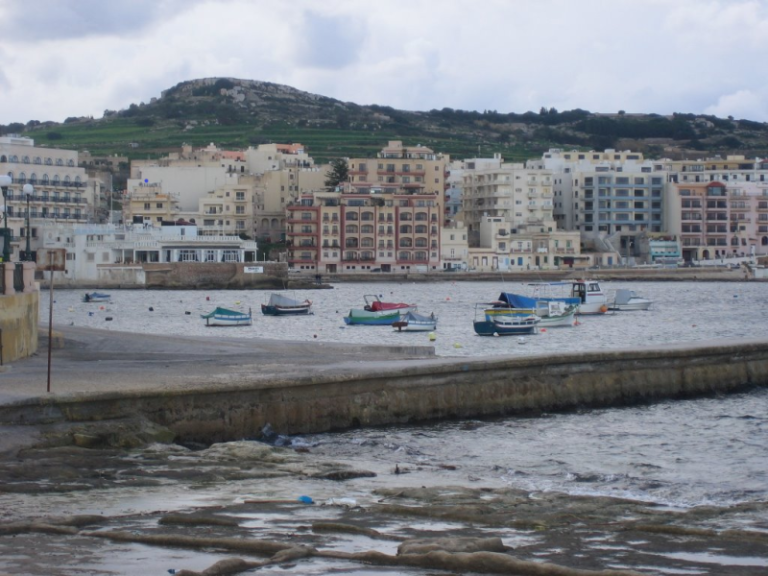
TWO Nigerian men have died in Malta after drowning in Dawret il-Gżejjer sea on Saturday, May 22, as one friend tried to rescue the other, a police investigation revealed.
The incident happened around 12.15 am when one of the men fell into the sea and began experiencing difficulties; the other man began shouting for help and jumped into the sea in an attempt to help his friend but also found himself in difficulties while swimming.
A rescue team comprising of the Armed Forces of Malta and the Civil Protection Department rushed to the scene to rescue the men, but unfortunately, the two men were pronounced dead on site.
POLITICAL Economist Pat Utomi has called for a special training school for Nigerian politicians to deepen their understanding of public service choices.
He emphasised that the country was hugely performing below its potential despite being blessed with human and natural resources.
Utomi, who is the Founder of Centre for Values in Leadership, spoke on Sunday at Nigeria History Series with a focus on oil and gas, calling for periodic review of various government policies to drive Nigeria’s socio-economic development.
“The country’s situation is as a result of the choices we made over time. We need a special school that brings in leaders of industry, stakeholders together with a special focus for those vying for public life to enable them to understand the consequences of the leadership choices they make in managing our collective destinies. Oby Ezekwesili has been doing something great in that regard and she needs all our support,” Utomi said.
Utomi, while speaking on developments in Nigeria’s oil and gas sector, regretted that the Industry was yet to perform optimally for the benefit of Nigerians. He further made a case for long-term policies that would impact Nigeria’s overall economy, irrespective of the political party in power.
Oil sector governance expert Bans Omotowa regretted that Nigeria’s oil and gas sector often punched below its weight as a result of wrong choices and distorted policies that were less attractive to investors.
“We’ve come up with the Gas Master Plan and the gas policies. Even the Gas Flare Commercialisation plan is not driving us fast in stopping gas flare in the country. The International Energy Association has hinted at plans to shift focus to clean energy. How is our policy adjusting to global energy demands? How is our long-term plan aligning to global energy demands.” Omotowa said.
He noted that the Nigerian government had benefitted from the Nigerian Liquified Natural Gas(NLNG) because the Act provided stability for operations with undue government interference, unlike the Nigerian National Petroleum Corporation,(NNPC).
“Stable economy, stable environment, incentives are some of the factors that made NLNG successful. Disruption on policies scares investors and it is not good for our economic development.”
Oil sector analyst Charles Osezua, also a participant at the session, said there must be continuity in Nigeria’s plans, which must be leveraged upon to drive economic growth and development.
He regretted that brilliant plans that yielded good results in the pasts were aborted, noting that this singular act was often investors’ nightmare in operating their oil and gas business in the country.
“Recently we had the oil majors in a long discussion with the government to get assurances on their investments in Nigeria’s oil and gas sector for a probable transition to a new legal government governing the oil sector.
“This is the bane of our industry operations, which is why consistency in policy is key to driving socio-economic development,” he further said.
THE National Agency for Food and Drug Administration and Control (NAFDAC) said it had destroyed over N500 million naira worth of substandard and falsified medicines, unwholesome processed food products, cosmetics and other counterfeit products in the North-East Nigeria.
The agency said the products were seized from importers and manufacturers by its various establishments in the region.
Some of the products were also brought by pharmaceutical and non-governmental organisations within the zones, according to the agency.
In a statement mailed to The ICIR on Sunday by NAFDAC Resident Media Consultant Sayo Akintola, the agency said some of the products included expired NADAC-regulated products voluntarily handed over to the agency by compliant companies, including GSK Pharma and non-governmental organisations within the North-East.
Various quantities of medicines such as antibiotics, herbal remedies, psychoactive, and anti-diabetic, including foods such as noodles, palm oil, vegetable oil, ‘ogogoro’ (local gin) non-alcoholic beverages, and sachet water were some of the products destroyed by NAFDAC, according to the statement.
Others were creams, pomade, and chemicals such as fake insecticides, fertilizers, as well as medical devices such as disposable syringe, I.V given set, personal protective equipment and imported falsified packaging materials for counterfeiting various NAFDAC-regulated products.
Destruction of the seized items was carried out in Gombe, Gombe State capital, by the Investigation and Enforcement team of the agency on Saturday, May 21.
Director-General of the agency Mojisola Adeyeye said NAFDAC would not relent until the nation’s markets were rid of unwholesome food, falsified medicines, and dangerous cosmetics in order to safeguard the health of people in the country.
Adeyeye, who was represented by Bauchi State Coordinator of NAFDAC Dayilim Josephine, said the estimated street value of the products destroyed was N515, 732.587.
She commended the collaborative efforts of sister agencies such as Standard Organisation of Nigeria (SON), National Drug Law Enforcement Agency of Nigeria (NDLEA), State Security Service (SSS), amongst others, towards the realisation of its mandate of ridding the nation of counterfeit products inimical to the health and wellbeing of people in the country.
According to her, the products could have found their way back to the markets with the resultant consequences, had they not been seized and destroyed.
A total of 240.15 tons of the burnt items were received from the North-East states, while 40 tons were received from GSK Pharma and destroyed, according to NAFDAC.
Meanwhile, the agency has urged the public to be on the alert regarding the presence of counterfeit COVID-19 vaccine on the African continent.
It, however, said, working with other relevant organisations in the country, it would ensure continuous surveillance of such products and continue to enforce the regulations governing the products in Nigeria.
MULTI-BILLION naira water facilities are falling apart at Itapaji community, Ikole Local Government Area of Ekiti State.
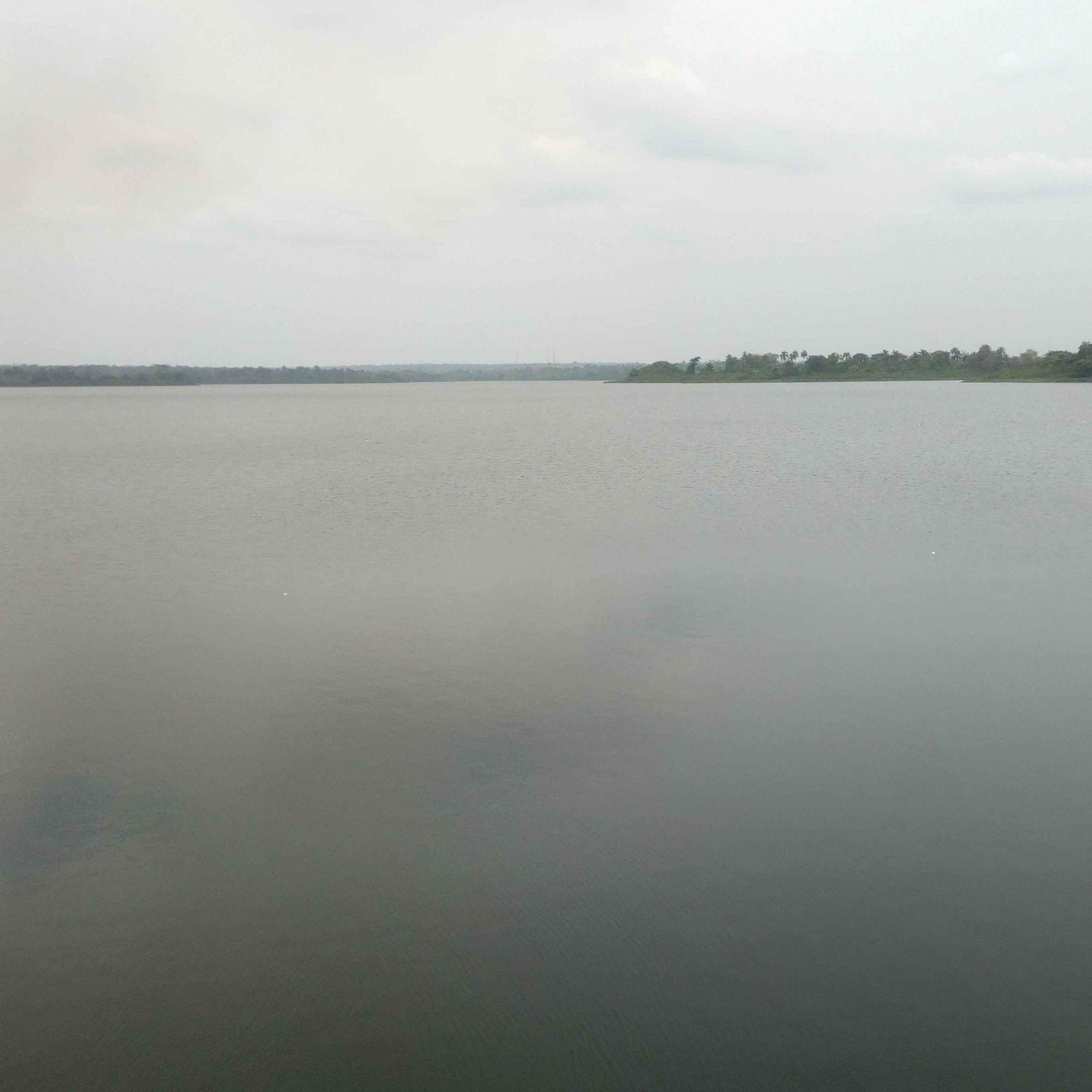
The decaying dam was commissioned in 1975 and has served the old Ondo State, then comprising Ekiti State.
The ICIR reporter, who recently visited four major dams in the state, observed that equipment at Itapaji dam has deteriorated.
The dam has capacity to supply water to 24 towns and villages, according to a 2019 report on the investigation carried out by Corporate Accountability and Public Participation Africa, CAPPA.
It also has mini-hydro electric power potential, and water supply capacity for irrigation and domestic use.
The state of Itapaji Dam in Ekiti state. Photo credit: Marcus Fatunmole/The ICIR
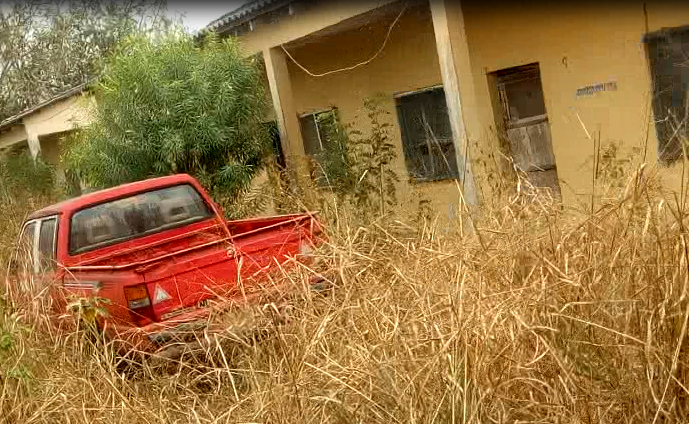
The ICIR reporter observed that buildings and the only operational vehicle remaining at the site are in bad shape.
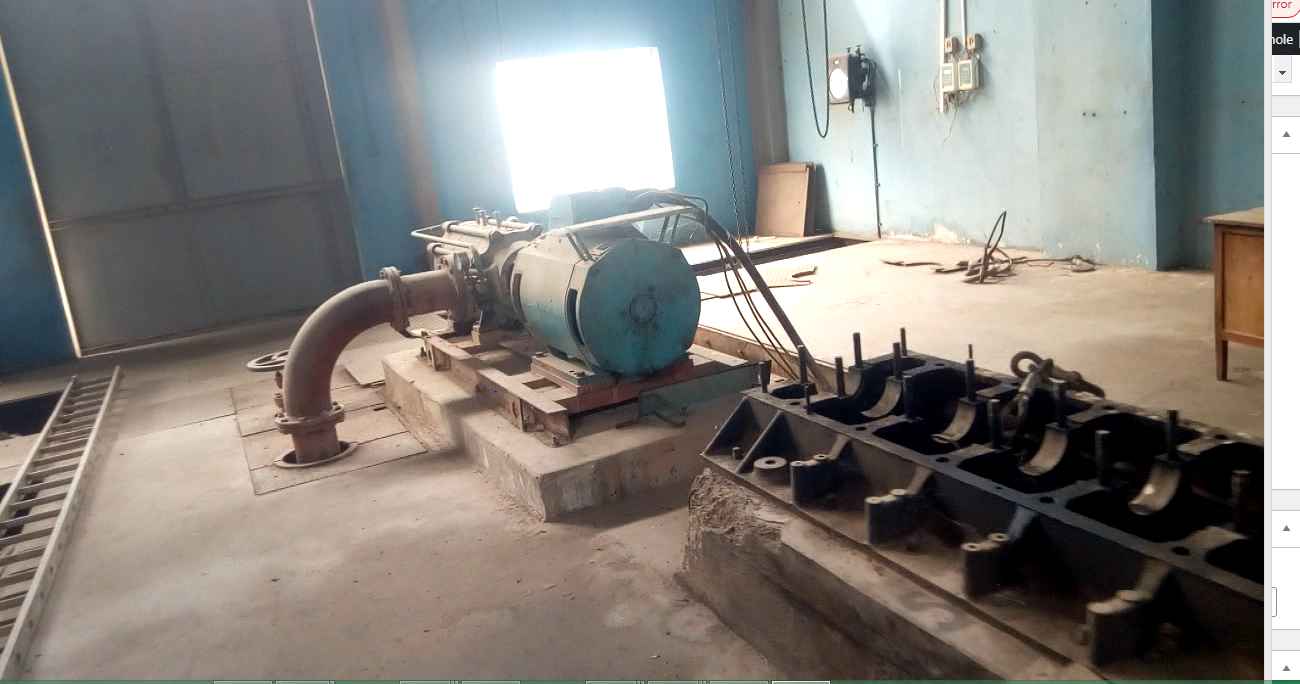
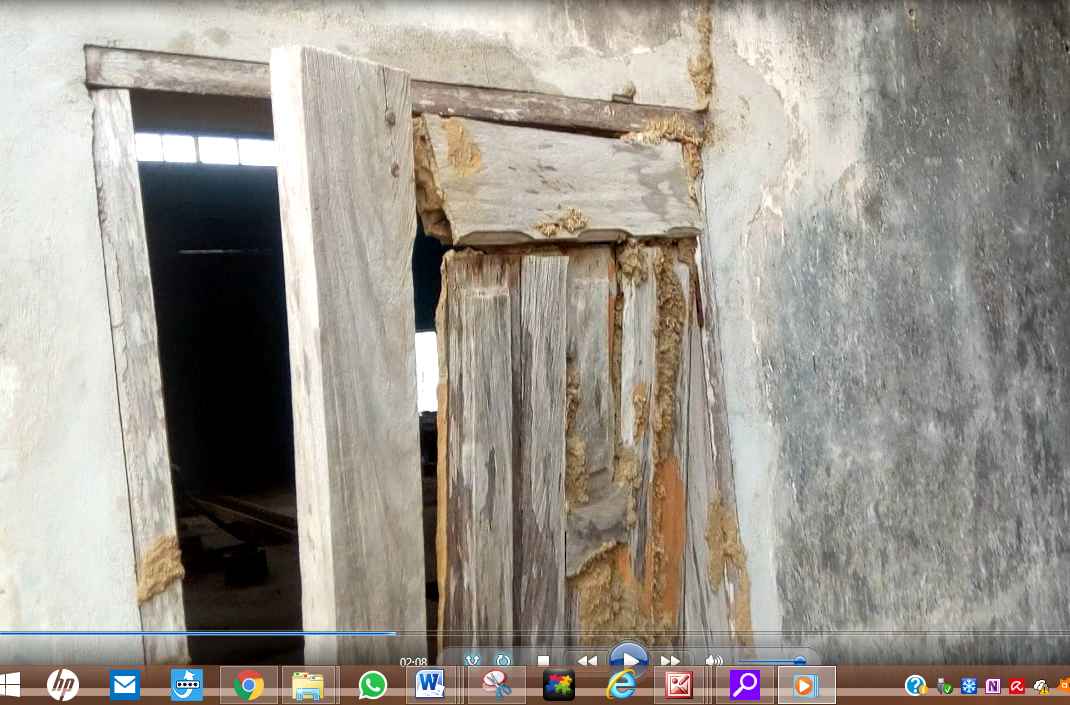
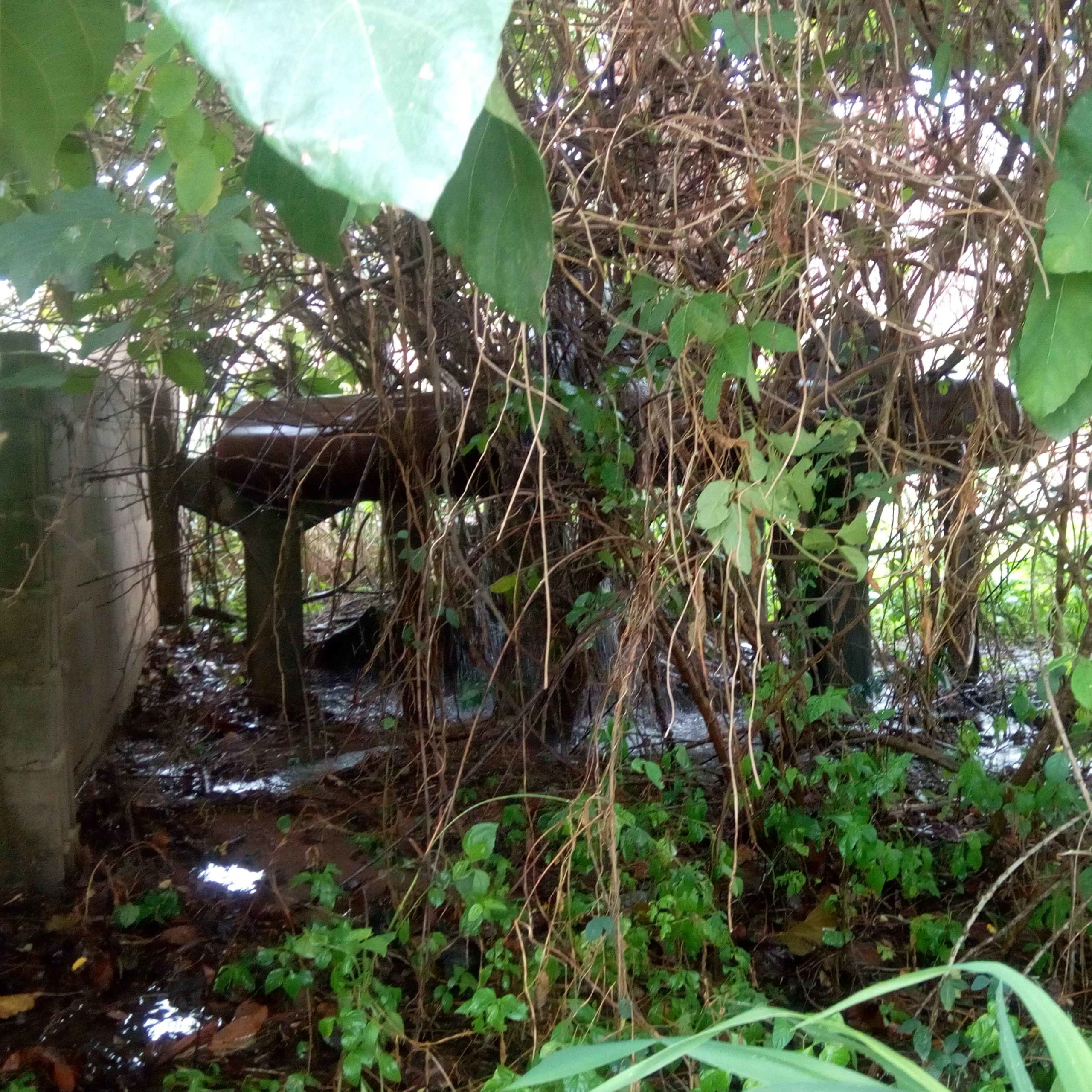
Many wooden doors within the buildings are eaten up by termites, and its rooftops blown off by wind. There are no signs any activity has taken place at the facility for decades as the area was overgrown with bushes, and the machines and metal pipes are covered with dust and cobwebs.
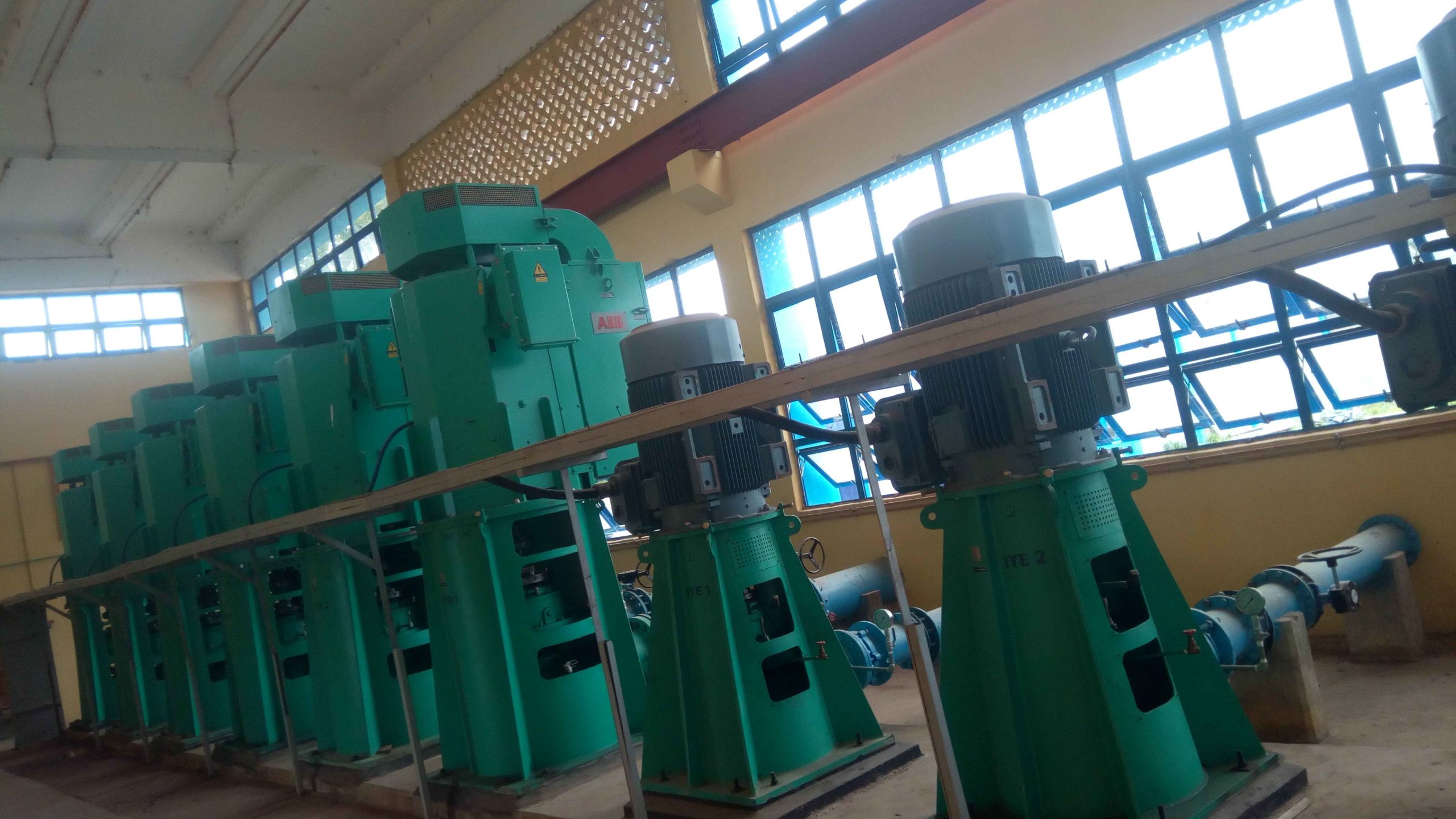
Among the ‘dead’ equipment are water treatment machines, power generating sets, power transformers, cables of various sizes, laboratory equipment, high and low lift machines, and dosing machines.
A few staff still working at the facility confirmed that the facility has not functioned for years.
Majority of working at the dam have been disengaged, and others deployed to the State Water Corporation.
The remaining workers live in two of the dilapidated quarters near the dam.
One of the wooden doors at Itapaji Dam consumed by termites. Photo credit: Marcus Fatunmole/The ICIR
The ICIR gathered that Itapaji Dam stopped working following the collapse of its electricity and power generating sets.
“We stopped working around 2009, just because there was no power supply. That was what brought us to where we are today,” one of the workers, who pleaded not to be named, so he would not be punished by the government, told The ICIR.
Except Itapaji, three other dams are rehabilitated through intervention of the World Bank and the European Union.
The three are Ero, Egbe and Ureje. Egbe dam is at Egbe, Gboyin Local Government; Ero dam is at Ikun, Moba Local Government; while Ureje Dam is at Ado Ekiti Local Government.
The dams are part of assets inherited by the state when it was created out of the old Ondo state in 1996 by Abacha regime.
How Fayemi government secured World Bank’s $55 million, EU $5 grant to rehabilitate dams
The state governor Kayode Fayemi approached World Bank in 2014 to secure credit of $55 million from the World Bank. The state was to provide a counterpart fund of 10 per cent.
Fayemi also sought $5 million aid from the European Union, estimated at N18 billion at the exchange rate of N305 to a dollar when the project fully began in 2018.
Some of the treatment engines at Itapaji Dam. Photo credit: Marcus Fatunmole/The ICIR
Fayemi could not continued the project in 2014 after losing to Fayose who only carried out soft components of the projects comprising staff training and other logistics.
After his relection in 2018, Fayemi continued the project, which comprises four dams, new headquarters building for the State Water Corporation and small water schemes.
In March 2021, the government said it has fully rehabilitated Ero dam, while partly repaired Egbe and Ureje dams.
Meanwhile, the state government has said residents would pay a minimum of N2000 monthly to benefit from the water supply.
Consequently, the government has issued forms to interested households to indicate interest to receive water meters in their homes.
The interest form sells for N5, 000 said the state Commissioner for Infrastructure and Public Utilities, Bamidele Faparusi.
Faparusi told The ICIR that the government used the EU to rehabilitate Egbe Dam and other small water schemes in the state, while Ero and Ureje Dams were revamped with the Bank’s credit, complemented by the state’s counterpart fund.
He said the government repaired Ero Dam to its original capacity with the Bank’s credit. All the water pumps at the Dam, including water treatment facilities such as low lift and high lift pumps, were replaced.
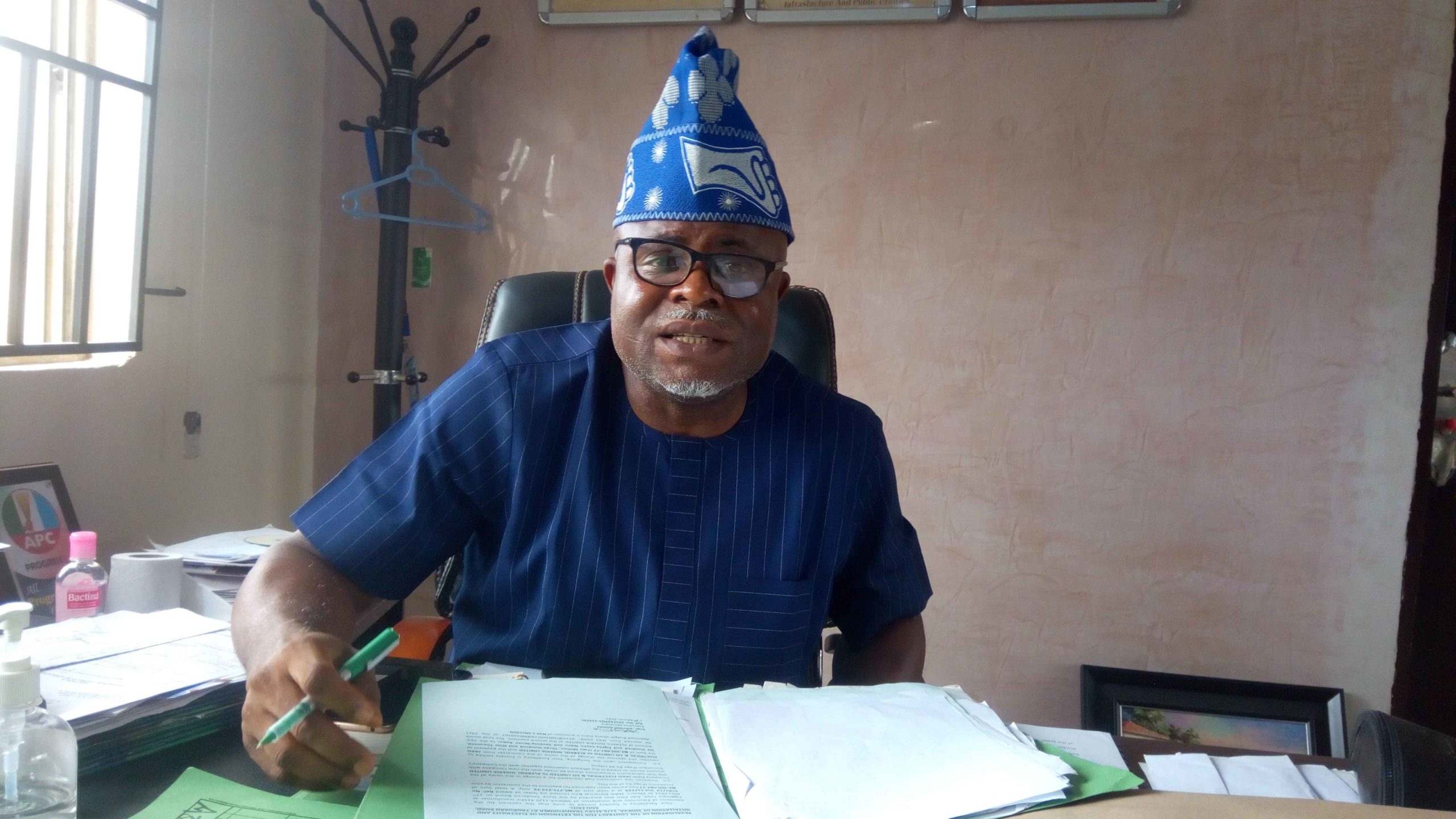
Ekiti State Commissioner for Infrastructure and Public Utilities Bamidele Faparusi. Photo credit: Marcus Fatunmole/The ICIR
“It’s a complete turnaround for that Dam. As we speak today, the Dam is back to its original capacity, and it’s pumping. We are already test-running it. We also refurbished the Ayetoro booster station that boosts water from that Ero Dam to Ado Ekiti. Then, the transmission line between Ifaki, which is about 10 kilometres transmission line, from Ifaki to Ekiti, was reconstructed. During the dualisation of that road, the original pipeline there was destroyed. We had to rebuild a new pipeline from Ifaki to Ado-Ekiti.
“We constructed a low-level reservoir from Fajuyi (Ado) to contain the water coming from Ero. That was the reservoir – 2000 cubic metres that we constructed at Fajuyi. We have tested it; it’s working. We also felt that the Ureje Dam that is supposed to service Ado mainly also had to be rehabilitated.
“We also rehabilitated Ureje Dam and brought it back to its original capacity. It was operating at less than 30 per cent before. But, now, all the low lift and high lift pumps have been changed so that the pumps can work at full capacity,” he explained.
Faparusi said the government would take away the State Water Corporation from the government to enable it to generate funds so that the state could pay back the Bank’s credit. He also said the government would dissolve the agency’s leadership.
“Part of the strategies is to reform the water corporation to run effectively, not as a bureaucratic institution, but as a commercial entity. Part of the reform is to move the Water Corporation out of government control and make it work independently and in a manner that will be profitable. In a way, they will be able to pay back the money; because they now have brand new facilities and the government will support them.
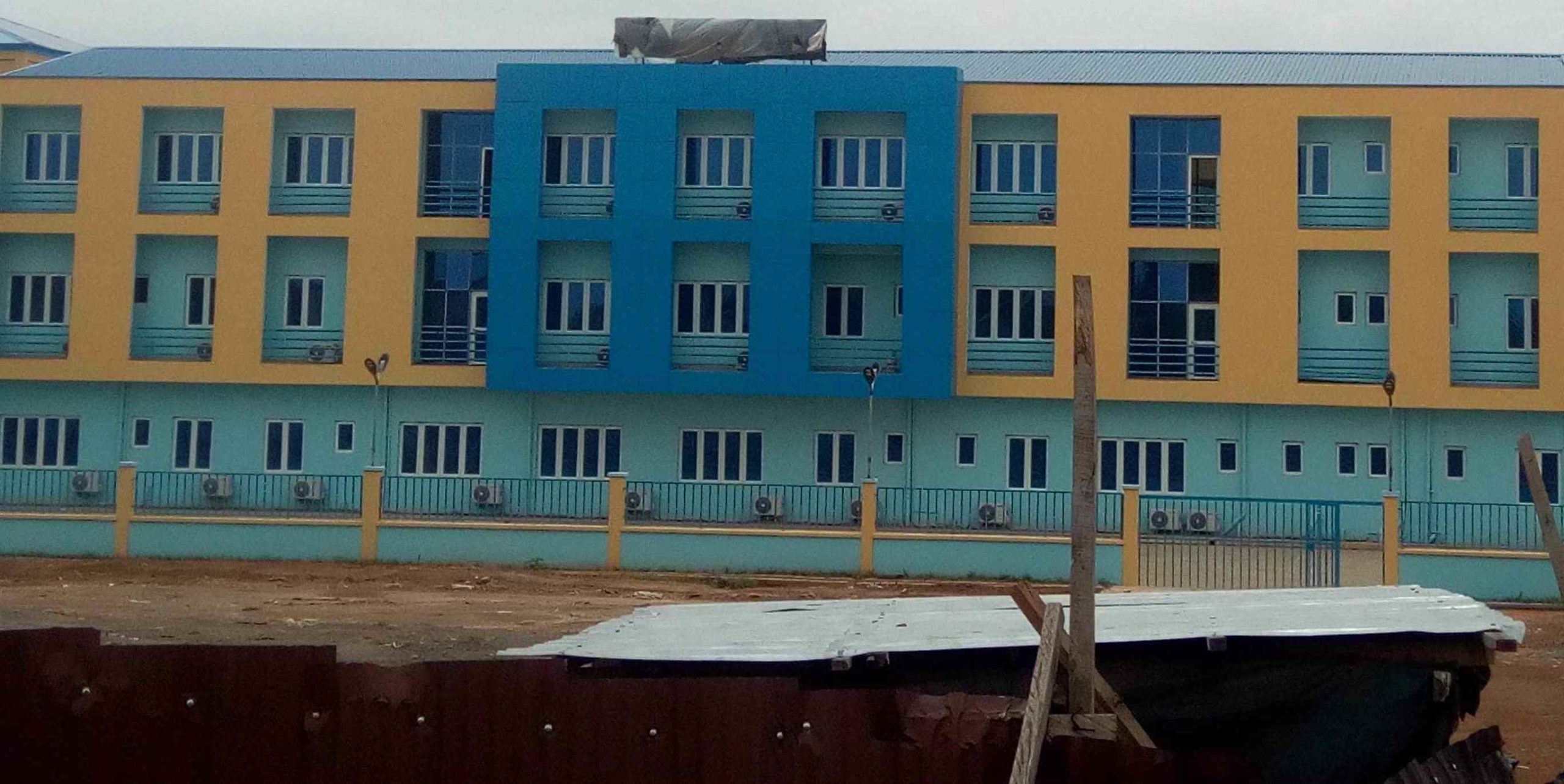
Side view of Ekiti State’s new Water Corporation headquarters, Iworoko Road, Ado Ekiti. Photo credit: Marcus Fatunmole/The ICIR
“We are about to appoint a new managing director and its management team. We are about to register Ekiti Water and Sewerage Company Limited, an Ekiti state-owned company that will take ownership of that asset and the business to run sustainably. It can be able to provide water to the people at a cost that will be sustainable and affordable to the people of Ekiti State,” the commissioner stated.
But a top official at the Water Corporation, who pleaded anonymity because of the “sensitive nature of politics in the state”, said the commissioner’s position on the agency’s commercialisation conflicted with the agreement reached with the World Bank.
The agency would remain an institution of government, but the government would reform it, said the official.
The official argued that rather than being withdrawn from government control, the Bank’s agreement with the state government was “corporatisation” of the agency, meaning the status quo would remain.
According to the official, Ero Dam is to service 60 per cent of communities in the state, that is, nine local government areas. The official also said the state government would repay the credit within 20 years, after a five-year moratorium.
The ICIR reports that the World Bank credit came through the Third Urban Water Supply Reform Programme (NUWSRP-3). The EU provided its grant under the Water Supply and Sanitation Sector Reform Programme Phase III.
Government blocks access to contract details
The government rebuffed efforts by The ICIR to get details of contracts awarded with the funds. While the State Water Corporation said the documents were too voluminous to release, Faparusi said making it available was unnecessary.
“I don’t know if that will be necessary because our people can be very gullible,” he told our reporter.
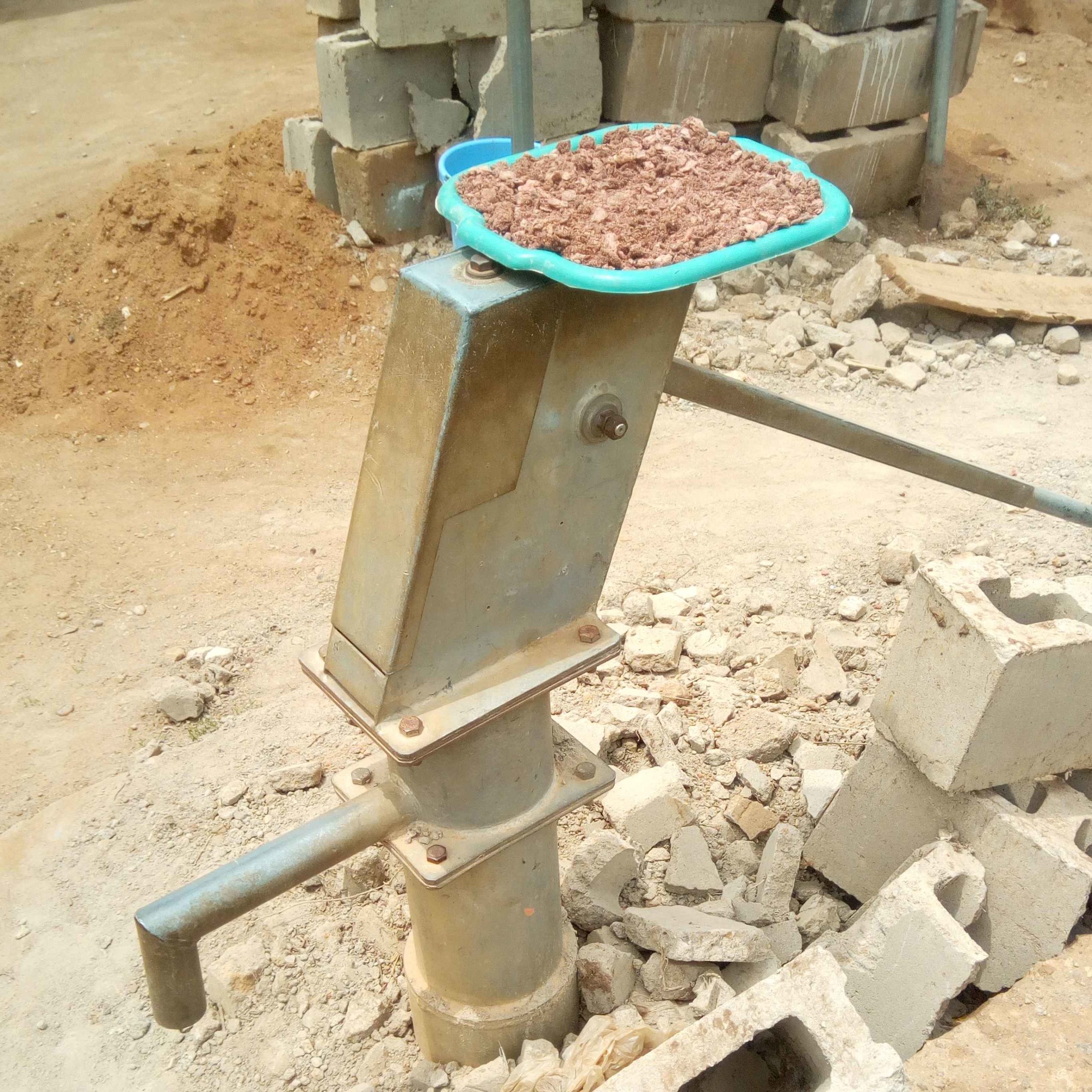
A non-functional borehole at Iworoko Ekiti. Photo credit: Marcus Fatunmole/The ICIR
The government also allegedly directed one of the contractors that handled the projects not to disclose details of the money it got to The ICIR.
Managing Director of Forstech Nigeria Limited Adewale Oduwole said he got a directive from the government not to provide details of the contract awarded to his company to build a new headquarters for the state Water Corporation.
Refusal of the state government and the firm to provide the information as requested violates Sections 1, 2 and 9 of the Freedom of Information Act.
Section 1, paragraph 1 of the Act states: “Notwithstanding anything contained in any other Act, law or regulation, the right of any person to access or request information, whether or not contained in any written form, which is in the custody or possession of any public official, agency or institution howsoever described, is established.”
Section 2, paragraph 2 of the Act stipulates that a public institution shall ensure proper organisation and maintenance of all information in its custody in a manner that facilitates public access to such information.
Section 2, paragraph 7 explains how the firm is answerable to this Act: “(7) Public institutions are all authorities whether executive, legislative or judicial agencies, ministries, and extra-ministerial departments of the government, together with all corporations established by law and all companies in which government has a controlling interest and private companies utilizing public funds, providing public services or performing public functions.”
Some of the high lift pumps at Ero Dam, Ekiti State Photo credit: Marcus Fatunmole/The ICIR
Section 9 paragraph 2 of the Act also requires that public servants should make information at their disposals available to the public.
“Every government or public institution shall ensure the proper organization and maintenance of all information or record in its custody, in a manner that facilitates public access to such information or record under this Act.”
Meanwhile, IDMON Engineering and Construction Company, which handled one of the dams (Ero Dam) told The ICIR his company got over N2 billion. Its Project Manager Adesemoye Lanre said the project started about two years back and ended in November 2020.
Oduwole and Lanre confirmed to our reporter that the state government had paid their companies.
Despite dams’ repair, potable water persists in Ekiti
Because of inadequate potable water in most communities in Ekiti state, residents still rely on rainwater, wells, rivers and other unsafe sources. Only a few residents in the largely rural state own boreholes.
The situation remains the same, two months after the works on the dams ended.
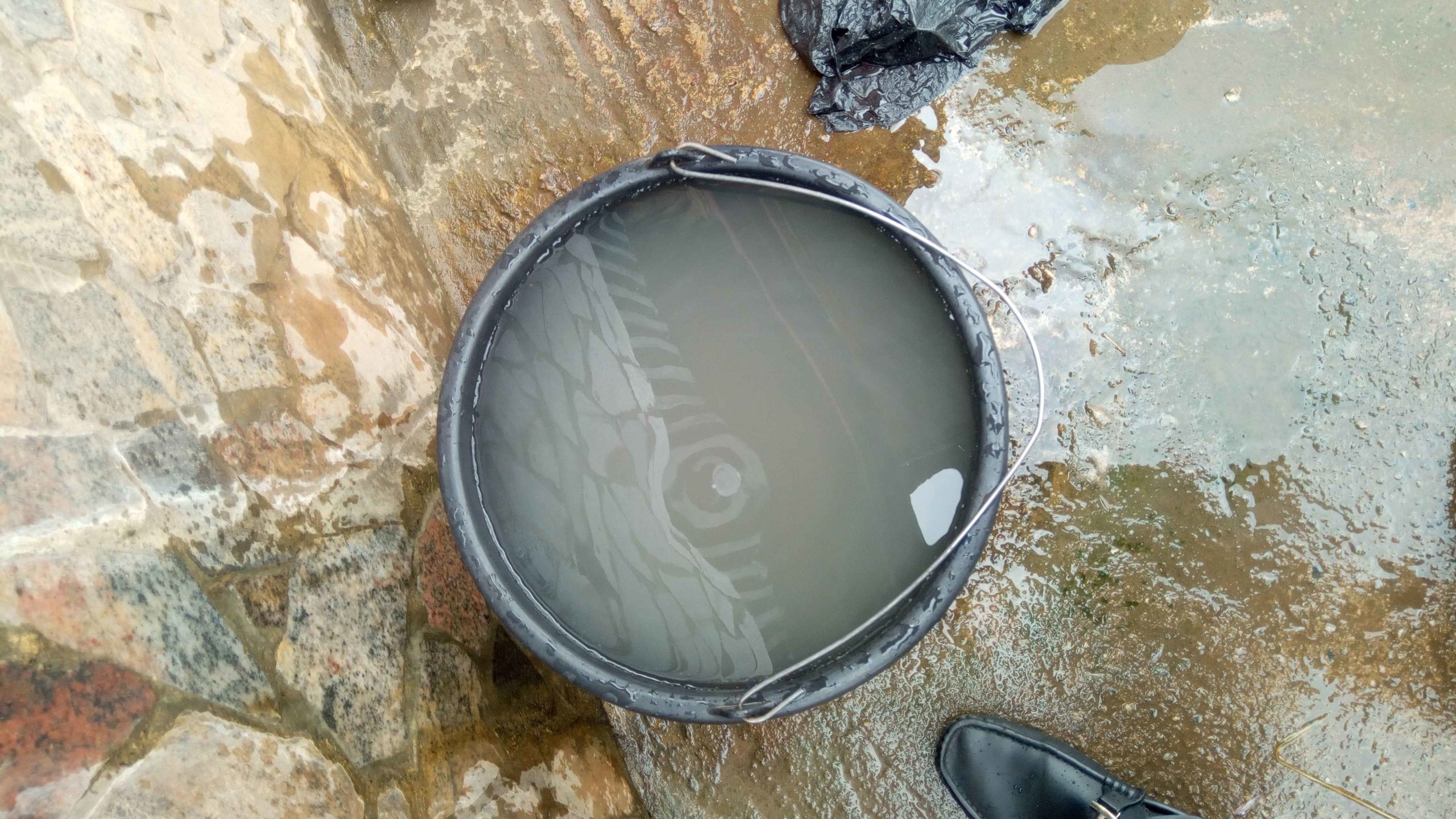
Polluted water used by Becky Michael, a food vendor at the heart of Ado-Ekiti, Ekiti State capital. Photo credit: Marcus Fatunmole/The ICIR
One of the residents was Becky Michael, a food vendor who uses polluted water to prepare meals she sells at the heart of Ado Ekiti, the state capital.
Oke-Isa area of the town where she runs her business has faced acute water scarcity for years.
Michael said she’s always concerned using such water to prepare food for her customers, but she must continue to do if she must continue her business to feed her family.
She buys the water from a water vendor who fetches it from a contaminated source.
Michael’s shop is around the old Governor’s Office in the state capital.
“We don’t have clean water; the water we use is not clean enough. If you’re using dirty water, it means you’re inviting sickness to yourself. We use dirty water for bathing. We use dirty water for cooking food, which is not good. I want the government of Ekiti state to look at it very well. We need clean water in this state,” she told The ICIR.
Other findings by The ICIR during visits to the state dams
Ureje Dam
Aerial view of Ado-Ekiti State Waterworks at Ureje Dam Marcus Fatunmole/The ICIR
There new buildings and equipment at the Dam, but surrounded by thick bushes. A multi-million naira unroofed building around the Dam also lies in the bush. According to the CAPPA report, Ureje Dam can produce 20,000 gallons of water daily.
The (old) headquarters of the state Water Corporation, located few metres from the Dam, was renovated with the World Bank credit. The government said renovation of the old office of the Water Corporation and building of its new headquarters were part of the agreement with the Bank’s credit.
Ero Dam
Judging from what was seen by our reporter, this Dam enjoyed more of the Bank’s credit than other water schemes in the state.
The investigation finds that the government replaced all major equipment at the Dam, including low lift, high lift pumps, electrician appliances, pumps and other gadgets.
Some of the new equipment at the Dam are two 1000 KVA power generating sets and three sets of 50KVA power generator.
Ero Dam was commissioned in 1985 and could produce 104,500 cubic litres of water daily.
Egbe Dam
The government repaired Egbe Dam with the EU grant. Though it did not provide much information on the project, our reporter observed that the government did much work at the Dam, including the procurement of new low lift and high lift pumps, pipes, power generating sets, and buildings for different departments.
Expert criticizes borrowing for water projects
Director of Programme, Corporate Accountability and Public Participation Africa Philip Jakpor is very familiar with dams and water in the state.
He queried the rationale behind the government borrowing for projects he believes the state government can fund.
Jakpor’s organisation visited the dams after the state signed agreements with the EU and World Bank on water projects in the state.
He observed no project funded by a loan from the World Bank by any state in Nigeria that had not failed.
Part of the buildings and abandoned operational vehicle at Itapaji Dam. Photo credit: Marcus Fatunmole/The ICIR
He said almost all states in the country owed the Bank and wondered why it would keep lending its money to execute projects that would not be sustainable.
He identified irregular power supply, poor maintenance culture as significant factors that made the Ero Dam collapse.
Jakpor blamed the state government for the collapse of dams in the state as, according to him, it refused to fund Waterworks in the state, so it could end up privatising them.
He queried further: “Why would we conclude that the state government cannot put those things together? It must be a deliberate thing.”
Jakpor added: “If the state government can go to the World Bank or EU to collect this type of money, why not just get the money from the banks here and repair the Water Work? Every year, are there no budgets for water in Ekiti state? Where do those monies go into?”
Why government takes water from Ero, Egbe to Ado-Ekiti
Egbe Dam. Photo credit: Marcus Fatunmole/The ICIR
Ureje Dam is not enough to service Ado Ekiti; the government has to bring water from Ero and Egbe to the state capital, Faparusi said.
He argued that Ado Ekiti is one of the fastest-growing cities in Nigeria. The southern part of the town gets support from Egbe Dam, while the government brings in water from Ero to service the northern part of the state capital.
“Ureje Dam can only service the nucleus (centre) of Ado. The water body there is not enough. It is operating in full capacity. But, because of the expansion that we wanted to do, there is no way the Dam can service those expansions. That is why wehad to bring in water from other dams,” the commissioner said.
Ikun community, the host community to Ero Dam, is about 70 kilometres from Ado Ekiti.
Residents react to acute shortage of potable water in the state
Kehinde Omotayo owns a shop at Oke Isa Market, Ado Ekiti. She does not have access to either borehole or public water, both at home and at her shop.
Like other people in the market, she gets water from a hotel, school and church located around the market. There are boreholes in those institutions from which people of the area get water.
When it rains, Omotayo scoops water and keeps it in her house. There is also a well in her compound from which she fetches water.
She supports the government’s policy that people pay based on how much water they use monthly, “in as much as the water will be available.”
Folake Omonijo. Photo credit: Marcus Fatunmole/The ICIR
Folake Omonijo is a resident of Isato-Oke in Ado-Ekiti. She told The ICIR that her area of the state capital gets water about three times a week. An influential man named “Apase” always helps people of the neighbourhood with water, she stated.
Whenever water is available, she stores it in her home because her house does not have a well.
Abiodun Yomi, another resident in the Isato-Oke in Ado Ekiti, who has lived in the area for 15 years, said tap water is always available on her street. She doesn’t have a well because there is a constant water supply in her area.
Our reporter found out that people or communities around water dams and government institutions are likely to enjoy the water more than those distant from water projects or government establishments in the state. For instance, the Old Governor’s Office is close to Isato-Oke (Ori Omi) in Ado-Ekiti. People in the neighbourhood enjoy a constant water supply because the area connects to water from the state Waterworks.
Some of the areas in Ado Ekiti where there is no water from the state Waterworks are Iwaro, Maryland, Abe Koko, Falegan, Ijigbo, Ajilosun, Okesa, 132 KVA, Shije, Oke-Ila, Basiri, Itamo, Aba, Moferere, Dalimo, Elemi, Oshodi.
There is public water at Isato, Ile-Abiye, Ekute, Oke-Isa, Fajuyi, Oke-Bola, Oke-Oniyo and Ureje.
Pastor Williams Alabi. Photo credit: Marcus Fatunmole The ICIR
William Olateju Alabi is the pastor in charge of Zone, RCCG Ekiti Province 1 headquarters, Miracle Mega, one of the institutions where people around the Oke Isa area in Ado-Ekiti fetch water.
He told The ICIR of the gesture by his church: “By the grace of God, we realized that people are suffering in the community in term of pipe-borne water. Since 2014, we have been giving free water to people around us here as part of our corporate social responsibility scheme of the church. We believe that the people should be able to benefit from the meagre resources available in the church. Freely we receive and freely we give to people.”
He said it was not easy for people in the area to get potable water, so the people get the church’s water freely.
Alfa Morufu Adedapo manages the Ajowa Mosque in Ado Ekiti. He also runs a furniture and carpentry shop adjacent to the mosque.
He said the mosque’s well had remained a water source for many residents in the neighbourhood, and it was the only one that would not dry up in the area, no matter the number of people who come to fetch.
Alfa Morufu. Photo credit: Marcus Fatunmole/The ICIR
“People come all the time to fetch. They come as early as the time we say our first morning prayers with their basins and bowls to get water. When the water goes down, we lock it for a while so that people can fetch it again. People on the street always pray for us because we make the well available to them. It helps residents around here, especially during the dry season when there is no water.
“We are pleased in the mosque that God gave us this well to be a blessing to our neighbours. Even though it is in the house of God, everyone here will testify that people make good use of it,” he said.
Iworoko is the closest community to Ado Ekiti. Pipes from Ero Dam transport water to Ado Ekiti run through the neighbourhood. But a foremost leader of the town said it was about 30 years ago that people in the community got water from public taps. Iworoko hosts many students from the Ekiti State University, Ado-Ekiti.
J. F. Bada holds the title of Odofin in the community and ranks second in Alawoko in Council.
He said the water that runs from Ero Dam to Ado Ekiti goes through the town, but the community’s people have not benefitted from it for 30 years.
He appealed to the government to provide an extension to the pipes to enable the community to get enough water.
F.F. Bada. The Odofin of Iworoko Ekiti. Photo credit: Marcus Fatunmole/The ICIR
The chief recollected how the community enjoyed pipe-borne water between the 1960s and 1970s from both Ero and Ureje Dams but claimed that the taps had stopped for a very long time.
According to him, many homes in Iworoko use water from wells, streams and other unsafe sources. He added that the community hosts over 12,000 students from the Ekiti State University, located between the town and Ado-Ekiti.
Kehinde Aluko, a resident of Iworoko, said she moved from house to house to get water in her neighbourhood.
“We only use well in my house. We don’t have access to pipe-borne water. There is no water in our well now. I only go from house to house to get water. I want to use the pipe-borne water from the government; I will be happy to see the water in my house one day, no matter how much it costs, because it will be better,” she said.
In Iworoko, people fetch water from rivers and small dams inside the bush, said Aluko, a fruit-seller.
Freedom Job has lived in Iworoko since 2009. He runs a boutique business in the community. He said it was tough getting water, especially in Iworoko, as people go very far distance before they get water.
His family begs for water in neighbours’ compounds, and they will not get enough that would take them through the day, he said.
Reacting to the monthly payment of a bill for water by households in the state, Job said there was a possibility the water would not be affordable to the poor.
A 100-level student of the University of Ado Ekiti, Abdulrahman Abdulaziz, said there was a water challenge in Iworoko, making people look for water from unsafe sources.
Abdulaziz, who spoke with The ICIR at the Iworoko Central Mosque, said the mosque had both well and borehole, from which nearby residents fetched water.
Queen Victoria Agbaje. Photo credit: Marcus Fatunmole/The ICIR
In Ifaki Ekiti, Queen Victoria Agbaje, wife of the town’s monarch who died recently, addressed our reporter on the state of potable water in the community at the town’s palace.
She said there was not much water in Ifaki, and people would go to streams and wells to get water for use. She said she learnt about the repair of public water facilities in the state a few months back.
She said that public water was not circulating to all the streets in the town, and the community suffers from water scarcity. “It gives us a problem to fetch water. I will just advise our government to look into it, to go round and see whatever they can do to help us,” she added.
According to her, people in Ifaki go to streams before they can get water. People who get water from streams trek between 15 and 20 minutes, she explained.
Ikere Ekiti, the second largest community in Ekiti state bordering Ado-Ekiti, does not enjoy water from the state Waterworks. James Olusola told our reporter in the town that streets like Afao, Okeosun, Nitel, Idi Isin, Niniowo, Ikoyi, Anaye, among others in the community, have not seen water from the state Waterworks for a long time.
Meanwhile, there is water in Otun Ekiti, according to Gbenga Asaolu, who is from the town. The motorcyclist said there was enough water for people in his community. He explained that if people in Otun complained of anything, it would not be water scarcity.
Otun Ekiti is very close to Ero Dam, making it possible for the community to enjoy a good water supply from the government, as claimed by Asaolu.
How to process water from the Dam to households
Victor Oyebola is a senior laboratory technologist at the Ero Dam, where he has worked for six years. He told our reporter how the water is drawn from the Dam to treatment plants and onward transport to homes across the state.
He said bottled water, which private firms mainly produce for sale to the public, passes through the same treatment procedures as the government waterworks.
Senior Laboratory Technologist at the Ero Dam in Ekiti State Victor Oyebola. Photo credit: Marcus Fatunmole/The ICIR
He, however, said the only difference is that companies can produce bottled water within a small environment and in a smaller volume than what obtains at Waterworks, which usually makes for a larger population.
Waterworks uses low lift machines to lift untreated water from the Dam. When the water leaves the low lift, it comes to the treatment plant. The point where the water arrives at the treatment plant is called an aerator.
The design of the treatment plant makes the use of a device known as a dosing pump possible.
The dosing pump discharges chemicals, i.e. aluminium sulphate (alum), lime (calcium hydroxide) and high-test hypochlorite (HTH), into the water at the aerator.
Oyebola said chlorine gas previously used had been phased out “because it is highly hazardous.” Another chemical that institutions producing water now use is known as HTH.
HTH is a combination of two elements which are bleaching agent and chlorine. It comes in a whitish granular form with a very choking smell. The HTH added at this point is a process called pre-chlorination.
After leaving the aerator, the water comes into the clarifier chamber.
The clarifier chamber is where the alum acts on the water. The alum captures the dirt in the water to form flocs; this is called flocculation or coagulation. The flocs settle at the basement of the clarifier. Some will even get attached to the clarifier wall, and clean water will remain at the top, Oyebola explained.
Some of the children who fetch water from stream at a village along Itapaji Road. Photo Credit: Marcus Fatunmole/The ICIR
Though clean water comes out at that level, it is not yet safe for use. The water further goes through another stage known as filtration, where the operators use the filter bed. There are chances that dirt would have escaped with the clear water from the clarifier to the filter bed. So, filter media are used at the filter bed to filter the sand that ran with the water from the clarifier, thereby allowing clean water to percolate, allowing the water to return underground (go down to a conserved area) for further processing.
When the water percolates into the ground, the filter media traps the dirt. Some underground pipes will take the water from percolation to the final destination; that is, the clear well tank or the main reservoir – where the water is stored underground for onward passage to the general public.
Except someone tells you that such a massive underground tank is at any such dams or Waterworks, you can never know because the reservoir is constructed like a vast parking space, having its surface filled with crushed stones; the type that construction firms use to build roads.
Before the final water gets to the clear well tank, another process called post-chlorination occurs to maintain a certain level of chlorine in the water.
A leaking fire hydrant at Usi Ekiti. The hydrant allows Fire Service vehicles to draw water during an emergency. Photo credit: Marcus Fatunmole/The ICIR
Also, there are chances that the underground pipes through which the water passes may get clogged with time. “It’s like a straw you use to draw liquid. With time, it could get blocked, and you will then need to clean the straw to allow water to pass again.
“That is the same thing that we do here. Whenever we want to wash this place, we call that process backwashing. That is, you allow water to percolate again. We do backwashing with the aid of some panels inside the treatment plant,” said Oyebola.
After conversing the water at the main reservoir, the water is now ready for onward passage to communities. At this level, the high lift pumps take the water to the general public.
There are different big and small machines and electrical appliances used during the process of water treatment. It takes billions of naira to set up a public water treatment plant, as seen by The ICIR at Ero Dam.
State of potable water in Nigeria
In its 2020 appraisal of potable water in Nigeria, the United States Agency for International Development (USAID) said access to clean water and improved sanitation facilities is a daily challenge for many Nigerians.
It noted that the problem is particularly acute in the northern part of the country, where only 30 per cent of the population have access to safe drinking water and adequate sanitation.
Minister of Water Resources, Suleiman Adamu. Source: Worldstagegroup.com
The organization explained that the challenge contributes to the high prevalence of waterborne diseases, threatens the livelihoods of smallholder farmers, and contributes to low school enrollment levels, especially among girls in the country.
The ICIR had on March 23 reported how amidst climate change threat, 80 per cent of people in Nigeria do not have access to handwashing facilities, which are made possible by the availability of potable water.
Of the N13.6 trillion signed into law as 2021 budget by the federal government, only N10.073 billion and N159.74 billion are for recurrent and capital expenditures on water, respectively.
Similarly, the estimated revenues of Ekiti state Water Corporation in its 2019 and 2020 budgets seen by The ICIR was 11 million naira for each of the two years, while it paid estimated salaries of 352 million and 300 million naira respectively to workers of the Water Corporation.
The state has a population of 2.2 million people, according to the 2006 national population census, which was the last census conducted in the country. The World Bank predicts an annual growth rate of 2.6 per cent for the country, which should make the state population be 3.2 million currently.
World Bank, Federal Ministry of Water Resources fail to respond to enquiries
However, the Nigerian office of the World Bank and the Federal Ministry of Water Resources failed to respond to The ICIR on the projects, despite acknowledging The ICIR’s requests.
A letter was submitted at the Bank’s Asokoro office in Abuja on Friday, April 9 2021. Another letter seeking an interview with the Minister of Water Resources on the projects was submitted to the ministry on Tuesday, April 13.
A civil society organisation YIAGA Africa has said that more than 21 offices of the Independent Electoral Commission (INEC) have been attacked in the last 24 months.
This was contained in a statement signed by YIAGA Africa’s Director of Programs Cynthia Mbamalu seen by The ICIR. The organisation expressed worries over the incessant attacks on INEC offices.
” These are indeed dangerous signs for the country’s fragile democracy as it will not just affect the commission’s preparation for upcoming elections but also diminish citizens’ confidence in the electoral process,” the statement read in part.
YIAGA Africa noted that the attacks were not only an act of sabotage to the constitution but an assault on democracy and credible elections.
The organisation further said the attacks would most likely have a negative impact on election planning, deployment of personnel and materials and the overall cost of elections in Nigeria.
“These sad incidents will create a financial burden on INEC and increase the cost on INEC and Nigeria by extension.
“In addition, it is also a source of distraction to INEC especially with the ongoing expansion of voter access to polling units and the planned commencement of the Continuous Voters Registration (CVR) across the country,” YIAGA Africa noted
The group also said citizens were interested in an in-depth investigation into the attacks and for perpetrators to be arrested and prosecuted as a deterrent to others planning similar attacks in the future.
INEC Chairman Mahmood Yakubu, on Wednesday, met with all Residents Electoral Commissioners (RECs) in the country, condemning recent attacks and arson of the commission’s state offices.
During the meeting, Yakubu said the increased arson and vandalism of state offices had become an ugly trend for the commission.
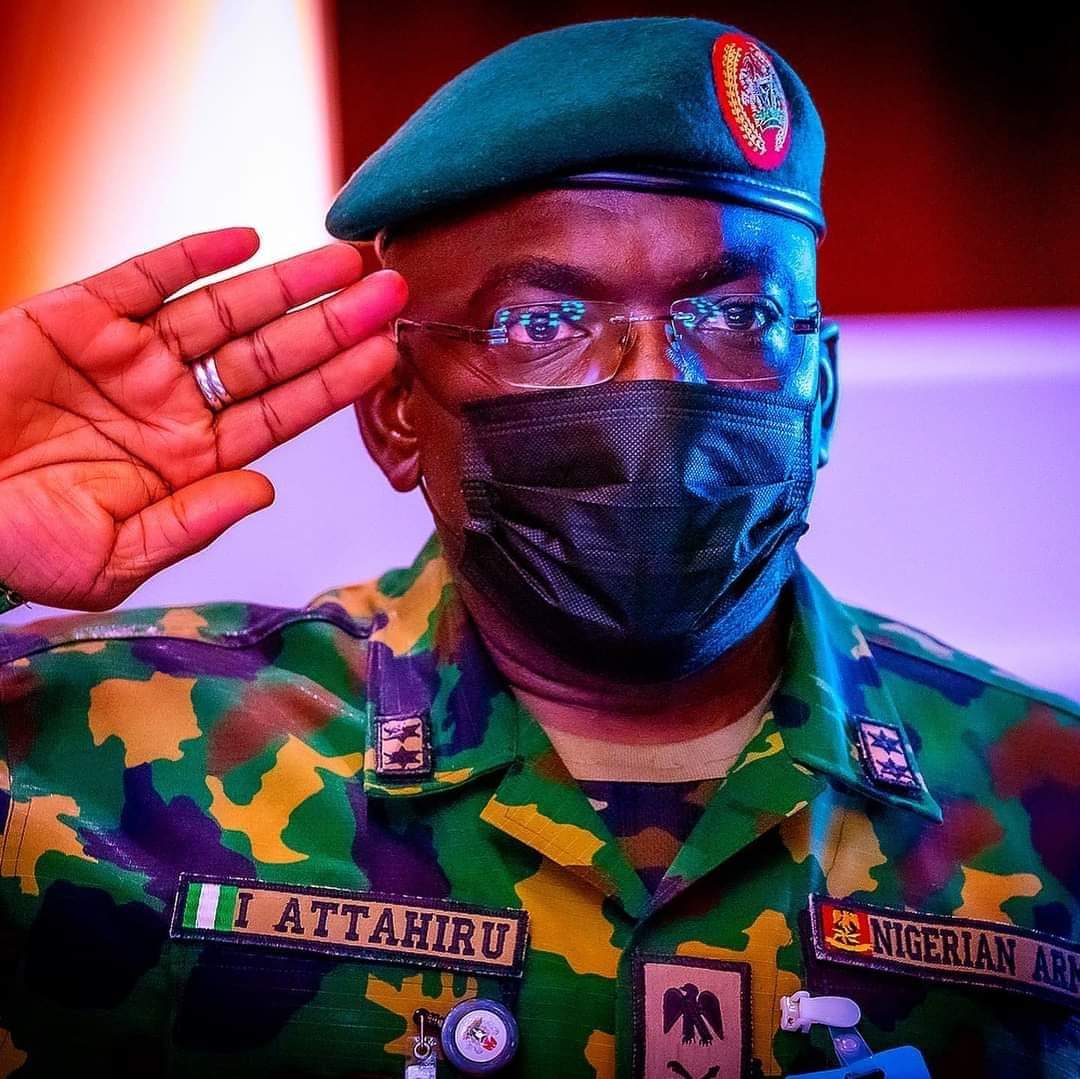
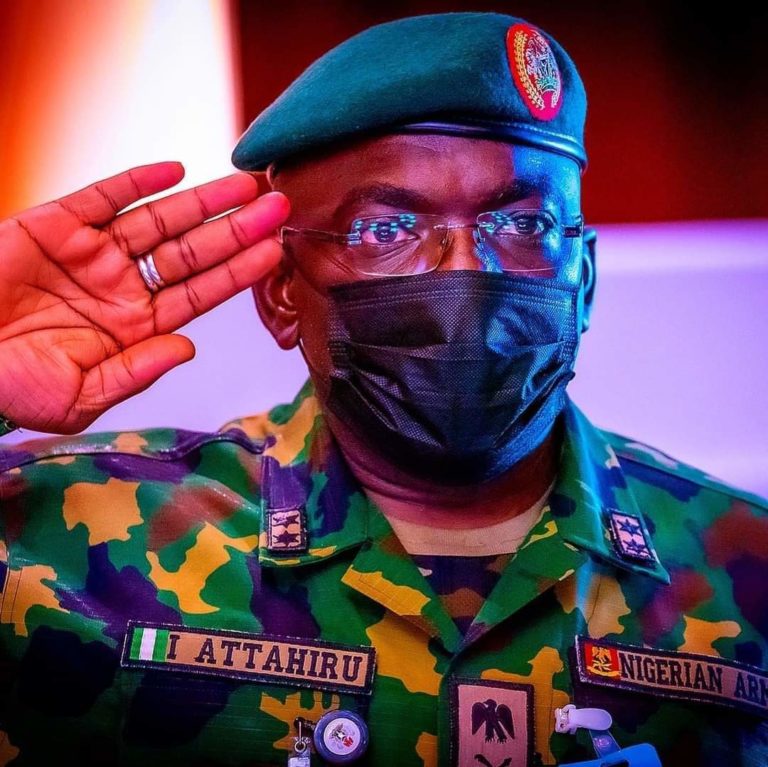
A few hours after the death of Chief of Army Staff (COAS) Ibrahim Attahiru in a military air crash in Kaduna, a viral statement surfaced online, claiming that he said over his dead body would there be Biafran and Oduduwa nations.
The viral statement, which surfaced online immediately after confirming his death, claimed that the COAS Lt. -Gen. Ibrahim Attahiru said he would not allow those trying to break out of Nigeria for their nations to succeed, stressing that the Nigerian Army had resolved to deal with secessionists threatening the peace of the country.
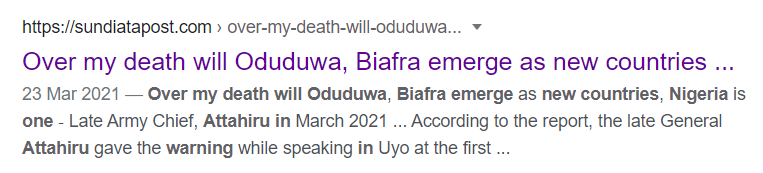
The claim published on the 23rd of March, 2021 by The Republic News and SundiataPost, and currently being widely shared on Facebook and Twitter after his death, alleged that Attahiru had said over his death would Oduduwa Biafra and emerge as new nations.
The False report being shared on WhatsApp
It is also being shared on WhatsApp with The Republican News link.
While the report on SundiataPost blog seems to have been replaced with a story about the Kogi State Governor Yahaya Bello’s statement on the COAS’ death, it still appears on Google search.
Sundiatapost on Google search
Attahiru died in a plane crash on Friday en route to Kaduna State.
The aircraft was conveying him and 10 others, including three brigadiers general, two majors, two flight lieutenants, two sergeants and another crew member.
According to reports, they were traveling to Kaduna State for the passing out parade ceremony of newly recruited military personnel scheduled on Saturday.
Findings
The ICIR found the claim to be False.
Two national newspapers crosschecked by The ICIR, which reported the event on the 23rd of March, 2021, had no quote of Oduduwa Republic or Biafra in the reports being linked to Attahiru.
They reported that the late COAS had said that the Nigerian Army would soon surmount attempts by some individuals to compromise the country’s territorial integrity by the declaration of sovereignty on behalf of ethnic nationalities in the country.
Attahiru, according to the national dailies, had, during the first Commanding Officers’ Workshop 2021 with the theme, ‘Repositioning the Nigerian Army to Defeat Contemporary Adversaries’ in a Joint Environment in Uyo, Akwa Ibom State, promised to deal with security threats across the country.
Late Chief of Army Staff Attahiru Ibrahim
He was reported to have said, “The Nigerian Army under my leadership would remain proactive and jointly work with other security agencies to deal with threats facing the nation decisively.
“The Nigerian Army under my watch remains resolute and is poised more than ever before to decisively deal with individuals or groups that threaten the peace, security and stability of our great nation,” he said.
Army spokesperson Mohammed Yerima’s statement released on the event did not contain the said quotes. There was also no evidence that he mentioned Biafra and Oduduwa in his speeches since he assumed office in February this year till his death.
Verdict
The claim that the Late COAS Attahiru Ibrahim, in his presentation at an Army event in Uyo, said that he would not allow Biafra and Oduduwa to emerge as new nations as long as he was alive is false. Checks carried out by The ICIR did not find anywhere the Late COAS made mention of Biafra and Oduduwa in his speech.
The statement also released by the Army after the event did not contain such reference credited to the late COAS.
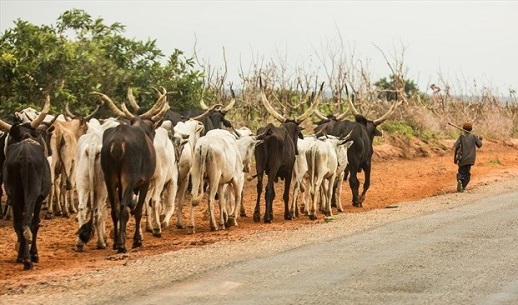
SUSPECTED herdsmen killed eight people on Friday during an invasion of Tse Ancha community of Markurdi Local Government Area of Benue State.
Chairman of Markurdi Local Government Area (LGA) Anthony Dyegeh confirmed the attack in a report.
Dyegeh said the community’s youths had swiftly mobilised themselves and fought off the terrorists, saving the community from further harm.
“The quick intervention of the youths of the community, who mobilised and repelled the attackers, saved the communities from being wiped out because they came in their numbers and were obviously out to kill more people, sack the community and march into neighbouring villages,” he said.
Spokesperson for the Benue State Police Command Catherine Anene was also reported to have confirmed the attack.
However, in a phone conversation with The ICIR, Anene said the police had not received reports of the attacks.
“I have not received this report please,” she told The ICIR reporter.
The Tse Ancha community members’ killing occurred barely 12 hours after the burial of the victims of an earlier attack by suspected herders on an Internally Displaced Persons (IDP) camp about three weeks ago.
The ICIR had reported that Governor of Benue State Samuel Ortom had blamed the attacks and killings of Benue people on Nigerian President Muhammadu Buhari, stating that the president was working for the Fulanis to take over the whole country.
“The body language, the action and inaction of Mr. President shows that he is only the president of Fulani people.” he said.
ON Friday, Nigeria lost its Chief of Army Staff (COAS) Ibrahim Attahiru, a Lieutenant General, in a military plane crash. He died alongside his aides.
There were other military officers who died alongside the COAS. A Brigadier General MI Abdulkadir was among the officers who died in the crash on Friday. Two Brigadiers General O. Olayinka and A. Kuliya were equally in the military plane that crashed on Friday.
Victims of Military plane crash on 21st May 2021
They were joined by aide-de-camp to the COAS Major LA Hayat, and another Major in the Army N. Hamza.
Orderly to the COAS Sergeant Umah was also in the plane. There were four crew members, including two Flight Lieutenants A.A. Olufade and T.O. Asaniyi. There were also Sergeant Adesina and Aircraftman Oyedepo.
The crashed aircraft was said to be conveying the COAS and 10 others to Kaduna.
According to reports, they were traveling to Kaduna State for the passing out parade ceremony of newly recruited military personnel to be held on Saturday.
A statement signed by the Air Force spokesperson Edward Gabkwet read that the cause of the crash could not be ascertained yet.
“An air crash involving a @NigAirForce aircraft occurred this evening near the Kaduna International Airport. The immediate cause of the crash is still being ascertained. More details to follow soon,” the statement read.
Meanwhile the remains of the late COAS and the officers were buried at the National Military Cemetery, Abuja, on Saturday.
The burial ceremony started around 2.52 pm with a 21-gun salute.