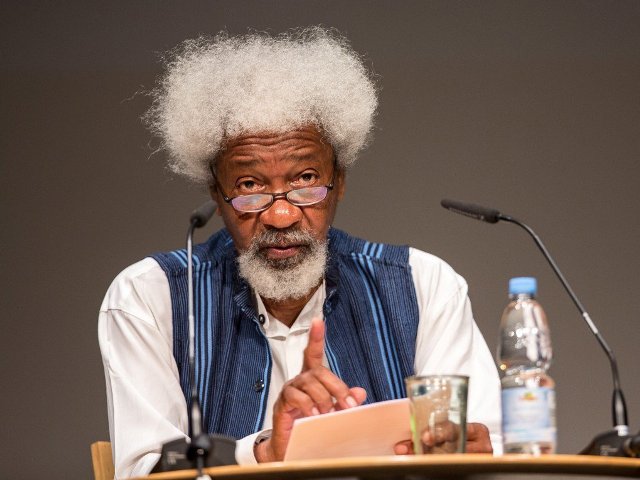
Nobel Laureate and elder statesman Wole Soyinka has advised the administration of President Muhammadu Buhari to seek help.
Soyinka said this in a statement on Saturday titled, “The endless martyrdom of youth,’ saying that the Nigerian government should stop improvising with human lives.
The Nobel Laureate added that the youth of the nation who are its future should not be served as a ritual offering on the altar of a failing state.
“Those who have been proven weak and incapable must learn to swallow their vain pride and seek help. Again, this is no new counselling, but of course the dog that will get lost no longer heeds the hunter’s whistle,” Soyinka said.
Soyinka was reacting to the recent kidnap and killing of some students from Greenfield University, Kaduna state.
He noted that the nation needs to remind itself of hideous precedents of the Chibok and Dapchi student abductions and many others.
According to him, the nation is at war but it continues to pretend that the happenings ‘are mere birth-pangs of a glorious entity’ rather they are ‘death throes’.
“The plague called COVID has met its match on the earth of some nation space once known as Nigeria, I grieve with the bereaved, but mourn even more for our youth so routinely sacrificed, burdened with uncertainty and traumatized beyond youth’s capacity to cope,” he said.
In Northern Nigeria, terrorist groups and bandits alike have been targeting schools and communities; killing and abducting students and other Nigerians.
While the country is yet to recover all the students from its first major student abduction in 2014, other students’ abductions have occurred and the story has not been different.
Apart from the abduction of students, innocent civilians are also being kidnapped, abducted and killed while some villages are being taken over by terrorist groups.
The ICIR has reported that the United States and Canada, had warned and advised their citizens to reconsider travelling to Nigeria as a result of insecurity in some parts of the country.
Stating their reasons, the US in a travel advisory said ‘Violent crime – such as armed robbery, assault, carjacking, kidnapping, hostage-taking, banditry, and rape – is common throughout the country’.
In response to the rising state of insecurity in Nigeria, Buhari had reluctantly let go of the former service chiefs, while decorating the newly appointed ones, he gave them an ultimatum of ‘few weeks’ to make the country secure again, however, the situation persists.
Nigeria is still unsafe. Hundreds of students and residents from various communities have been kidnapped between January and April, according to media reports.
REVENUE derived from Value Added Tax (VAT) on alcoholic beverages made up a significant portion of about N525.74 billion received by Kano State in federal allocations since 2015.
Checks by The ICIR shows that Kano is among the top 10 states that receive the highest monthly allocation from the Federal Government, part of which is derived from alcohol tax.
This is in spite of the state government’s policy of confiscating and destroying bottles of alcoholic beverages in line with the dictates of the Sharia Law, the Islamic legal code.
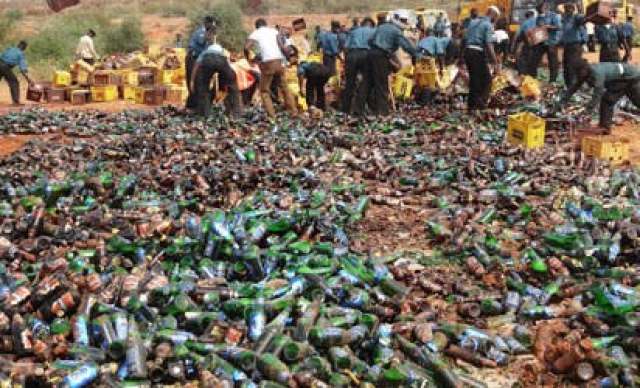
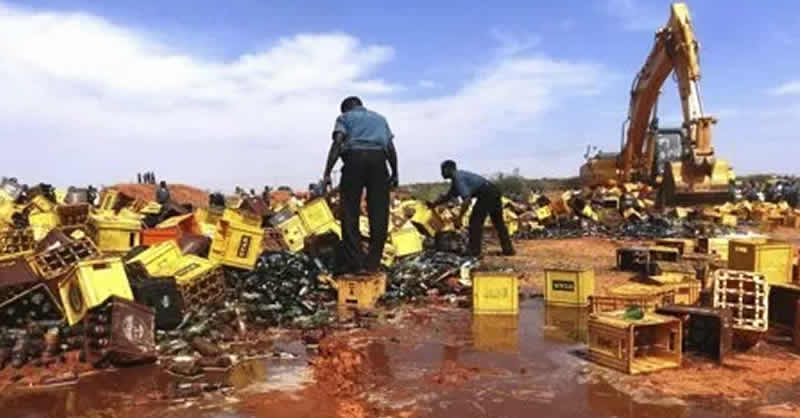
In November 2020, the Kano State Hisbah Board destroyed 1,975,000 bottles of beer worth over N200 million.
The alcoholic drinks were confiscated from traders within the Kano metropolis. The Hisbah police enforce compliance with the Islamic law, Sharia, which forbids the consumption of alcohol.
The destruction of the alcoholic drinks was carried out at an elaborate event where Kano State governor, Mr. Abdullahi Ganduje, was represented by his deputy, Mr. Nasiru Gawuna.
“In Kano, we have banned the consumption of beer in all parts of the state,” Ganduje stressed in a speech read on his behalf by Gawuna.
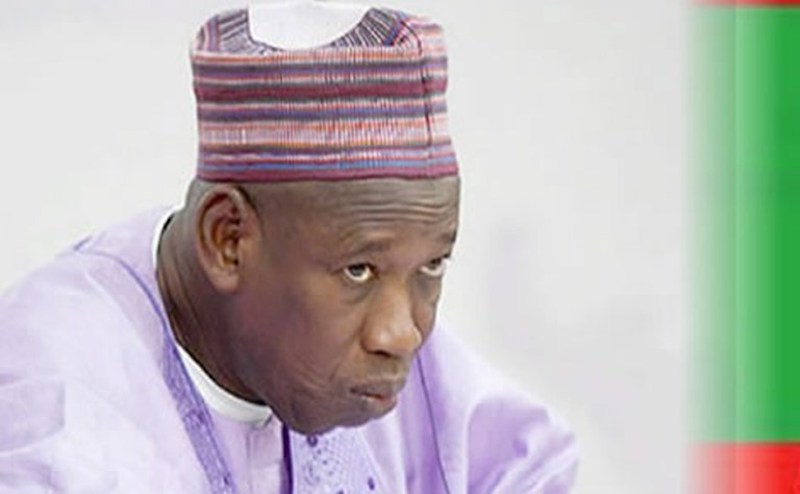
Governor Abdullahi Ganduje of Kano State
The November 2020 incident was not an isolated incident. Hisbah has been destroying alcoholic drinks in Kano and some other northern states before that event and has continued to do so to date.
About 12 states practise Sharia law in northern Nigeria. They are Kano, Kaduna, Katsina, Kebbi, Sokoto, Borno, Yobe, Jigawa, Bauchi, Gombe, Zamfara and Niger.
Hisbah which enforces compliance with Sharia Law in these states had outlawed economic activities involving the production, sale and consumption of alcohol.
The Kano State Law No. 4 of 2004 banned the manufacture and use of ‘intoxicants’, including alcohol, in the state.
But the irony is that Kano and these other states receive revenue from value-added tax (VAT) on alcoholic drinks in their monthly shares from the federal allocation distributed by the Federation Accounts Allocation Committee (FAAC).
Revenue from VAT is a major component of the money shared to the three tiers of government each month by the FAAC.
A breakdown of FAAC allocations to Kano by The ICIR shows that in 2015, the state received a total of N85.46 billion from the federation account. Kano also collected a total of N88.95 billion in 2016, N89.58 billion in 2017, N90.74 billion in 2018, N86.76 billion in 2019 and N84.28 billion in 2020.
Federal allocation to Kano State in 2020. Source: NBS Infographics by Isah Abdul-Azeez
The amounts collected by the state include revenue generated from VAT on alcoholic drinks from other states which allow, and support businesses that deal on alcoholic drinks. Kano State and other northern states which forbid alcohol also receive allocations of revenue generated from Company Income Tax paid by companies that produce alcoholic drinks.
The ‘hypocritical’ situation has raised concerns over equity and fairness in the sharing of federal allocations in Nigeria.
Checks by The ICIR also revealed that the development had resulted in a legal suit, which is currently pending before an Abuja Federal High Court.
Receiving shares of revenue generated from VAT on alcolohic drinks by Kano shows absence of equity, fairness in federal allocations
Director General of the Lagos Chamber of Commerce, Industries, Mines and Agriculture (LACCIMA), Mr. Muda Yusuf, in an interview with The ICIR, said the destruction of alcoholic drinks by Kano and some other northern states when they also receive shares of revenue from VAT on alcolohic drinks raises questions concerning equity and fairness in federal allocations.
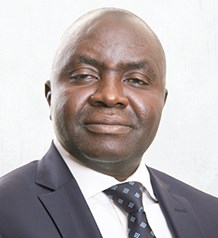
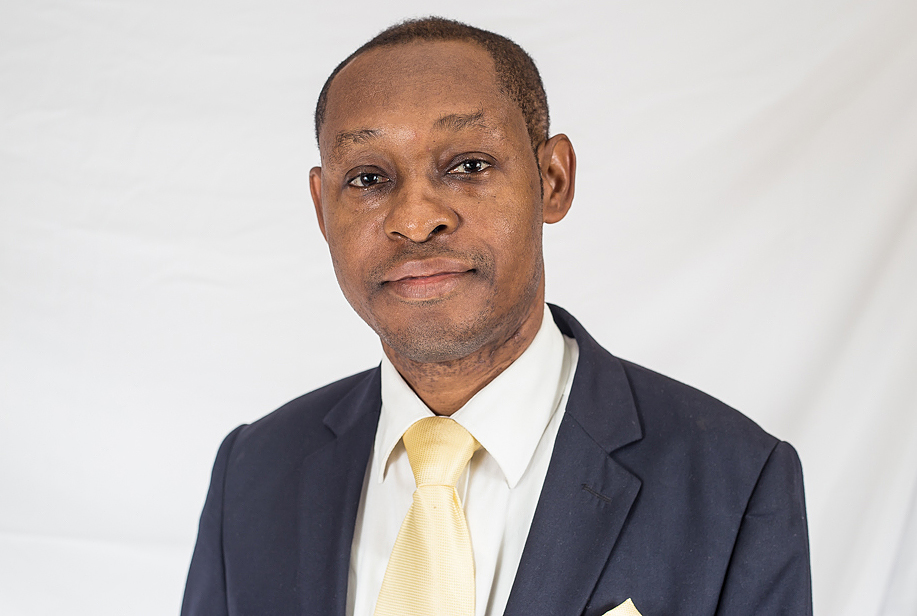
Muda Yusuf
Yusuf noted that, to ensure equity and fairness, revenue from VAT should be shared on the basis of derivation.
Speaking with The ICIR, he said, “It (destruction of alcoholic drinks while sharing in revenue generated from VAT on alcolohic drinks) raises issues concerning fairness and equity in the distribution of federal allocations.
“I think the ideal thing should have been that VAT should strictly be a state tax. Even if the Federal Inland Revenue Service (FIRS) should deduct anything it should be maybe 10 percent just for administrative purposes but 90 percent should be based on derivation. That is the only way you can ensure some equity.”
Noting that the issue is one of the problems encountered in the revenue allocation system in a federal structure, Yusuf added, “The VAT collected in each state is a function of the economic activities that takes place in each state and for all the economic activities there are things that the state provides to support those economic activities. Also those economic activities also generate what you call negative externalities. The state has to provide refuse disposal, has to take care of the environment, has to provide healthcare services and others for those people who are performing those economic activities.
“So ideally what is generated from VAT is what the state should use to support itself to provide support for those economic activities. But when you now collect the VAT and now begin to share it for everybody whether they contributed to it or not, it is not fair. So the way out is to make it 90 percent derivation.”
Yusuf also reacted to suggestions that states that destroy alcolohic drinks should be denied shares of revenue generated from VAT on alcolohic drinks.
“It is a very complex thing. How are you going to work it out? And it is not in every part of those states that alcoholic drinks are being destroyed. It is not in all areas of Kano that they don’t consume alcohol, I think they have some designated areas. I think the way out, in order to ensure equity, is to make VAT derivation based,” he told The ICIR.
Yusuf observed that making the sharing of revenue from VAT derivation-based would address the issues of equity and possible reduction of the amount accruing to the federation account from taxes.
“It (destruction of alcoholic drinks) could reduce the amount accruing to the federation account from VAT but what is important is to ensure that there is a lot more equity in the way things are done. For instance on this matter of alcoholic drinks there are some states that are supporting all of that and the VAT from alcohol is collected all over the federation and Kano State government cannot say ‘isolate the one that is from alcohol, we don’t want it’. They collect everything,” Yusuf further observed.
States that destroy alcolohic drinks should not receive shares of revenue from VAT on alcolohic drinks
Lead Director, Centre for Social Justice (CSJ), Mr. Eze Onyekpere, in an interview with The ICIR, insisted that the destruction of alcoholic drinks was illegal.
Eze Onyekpere
Onyekpere said states that engage in the practice should not be receiving shares of revenue generated from VAT on alcolohic drinks, as well as those realised from Company Income Tax paid by companies that produce alcoholic drinks.
“My position on this is that they should not be destroying alcoholic drinks in the first place but if they must destroy alcoholic drinks it makes no sense for them to share from the revenue from not just VAT but also Company Income Tax paid by companies like Nigerian Breweries that produce alcohol.
“Such taxes that are attributable to alcohol should be isolated, calculated and removed from the pool that should be shared with these states that destroy alcoholic drinks. Either they stop what they are doing or they withdraw from sharing in the process.”
Onyekpere, in the same vein, canvassed the arrest and prosecution of persons found to be engaging in the destruction of alcoholic drinks.
Goods worth billions destroyed by Hisbah in Kano, other northern states
In February this year, the Bauchi State Hisbah Board confiscated 260 crates of alcoholic drinks from hotels and night clubs as part of its effort to enforce the Sharia Islamic code.
The permanent commissioner in charge of Hisbah and Sharia implementation in Bauchi State, Mr. Aminu Balarabe, said a court order would be obtained to destroy the items as the subsisting Sharia law which came into force in the state in 2003 had unequivocally prohibited sales and consumption of alcoholic drinks.
Hisbah police regularly confiscate and destroy bottles of alcoholic beverages in Kano and some other northern states in compliance with the Sharia Law
Also in February, the Hisbah Board in Jigawa State destroyed about 3000 confiscated bottles of alcohol in the Kazaure Local Government Area of the state.
Earlier, in September 2019, the Kano State Hisbah Board destroyed over 196,400 bottles of various alcoholic drinks worth over N50 million.
In July 2020, a tricycle loaded with 100 cartons of alcoholic drinks was intercepted in Kano. The drinks were impounded and destroyed.
In a highly publicised incident in December 2018, the Kano State Hisbah Board seized and destroyed more than 30 trailer-loads of beer.
In September 2018, an official of the Kano State government revealed that the state’s Hisbah Board had confiscated and destroyed over 12 million bottles of beer within a period of seven years.
A distributor, Mr. John Simon, in an interview with The PUNCH newspaper in November 2020, said he lost over N35 million worth of goods after the Kano Hisbah Board confiscated and destroyed alcolohic drinks in his stores.
Court asked to declare destruction of alcolohic drinks as an act of economic sabotage
Meanwhile, an activist, Mr. Sesugh Akume, has gone to court to challenge the continuing destruction of alcoholic drinks by Kano and some other northern states.
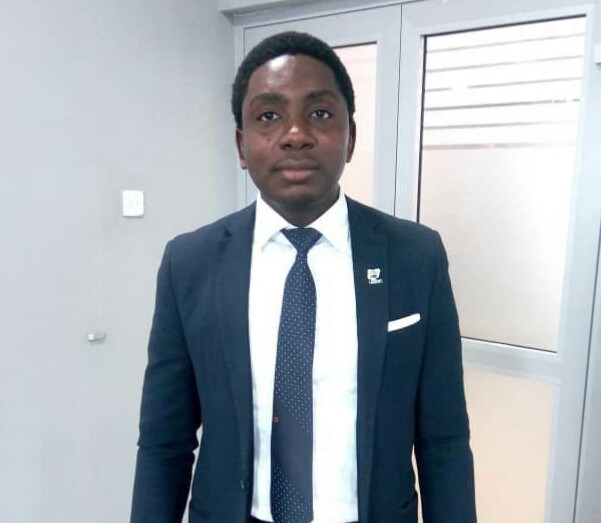
Sesugh Akume
The suit numbered FHC/ABJ/CS/275/2021 was filed on March 4, 2021 and has the Attorney General of the Federation (AGF) and the Economic and Financial Crimes Commission (EFCC) as respondents.
A copy of the originating summons, which was obtained by The ICIR’s correspondent, shows that the plaintiff, through his lawyer, Mr. Rodney Adzuanaga, is asking the court to determine whether the production, transportation, sale, consumption and possession of alcolohic beverages was forbidden by the 1999 Constitution of the Federal Republic of Nigeria or any other extant laws. The court is also to determine whether the ‘wilful’ destruction of bottles of alcoholic drinks and wasting the contents was not an act of economic sabotage.
The plaintiff is also asking the court to determine “Whether it is a contradiction destroying alcoholic beverage bottles and wasting the content whilst benefitting from value added tax (VAT) from alcoholic beverages?”
The plaintiff, Akume, asked the court to declare that the production, transportation, sale, consumption and possession of alcoholic drinks was not forbidden in Nigeria and therefore, any subsidiary legislation that criminalises it was unconditional, null and void.
The court was equally asked to declare that the destruction of alcoholic drinks was an act of economic sabotage, and that the “destruction of a source of VAT one enjoys is contradiction and hypocritical.”
Akume, in the same vein, asked the court to order the EFCC to determine and publish the extent of financial loss for each act of destruction of alcoholic beverages, and prosecute those responsible for the acts.
The court was also asked to order that it was not mandatory for the states that destroy alcolohic drinks to retain shares of VAT revenue from alcoholic beverages allocated to them from the federation account.
Stating the grounds upon which the reliefs were sought, Akume noted that “The alcolohic beverage industry is a top money earner for the country, and a means of employment and livelihood for millions, therefore any deliberate destruction and wastage of such products is an act of economic sabotage.”
Breweries, bottling and beverages sector major source of VAT revenue in Nigeria
Documents filed in the suit indicate that the breweries, bottling and beverages sector has consistently been the 4th biggest source of VAT in Nigeria, after professional services, other manufacturing and commerce, according to data from the National Bureau of Statistics.
Between January and September 2019, the sector contributed N31.8 billion in VAT to the economy. It also contributed N14.33 billion as VAT in the first quarter of 2020.
The money realised as VAT from the breweries, bottling and beverages sector, including those from alcoholic drinks, is shared to all states and local governments in Nigeria.
States that destroy alcolohic drinks should reject share of federation account derived from VAT on alcolohic beverages
In an affidavit in support of the originating summons, Akume argued, “Whereas the Federal Government allocating and distributing funds accruable to states and local governments is mandatory according to statute, no state or local government is mandated to keep and/or utilise the funds. States that do not appreciate monies sources from VAT derived from alcohol may pass laws in their respective Houses of Assembly (and Legislative Councils for local governments) to refund such amounts to the Federal Government, or donate to others who would appreciate same.”
Checks by The ICIR revealed that the suit will come up for mention and first hearing before Justice Anwuli Chikere of Court 3, Federal High Court Abuja, on May 10, 2021.
Attorney General should defend constitutional democracy against Islamic theocracy
In an interview with The ICIR, the plaintiff, Akume, noted that the northern states that are destroying alcoholic drinks are operating Sharia Law despite the fact that it was illegal to operate Sharia Law in Nigeria.
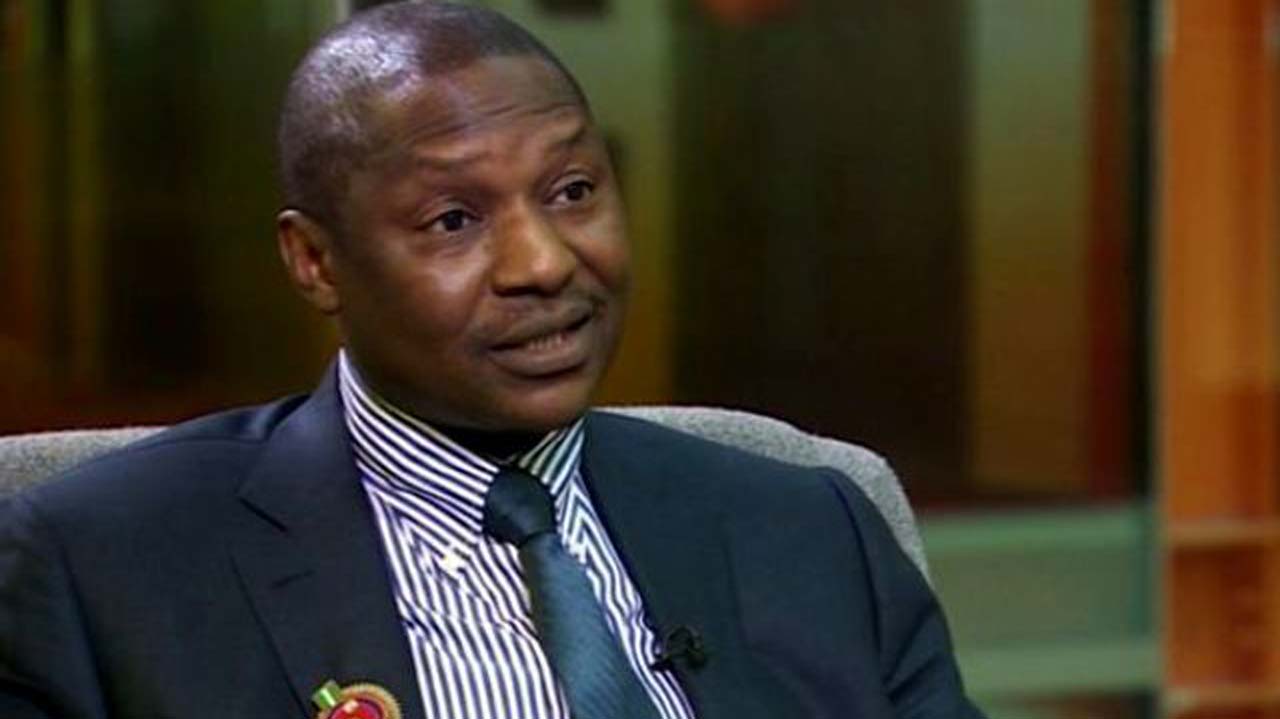
ABUBAKAR Malami, Attorney General and Minister of Justice
Akume said the Attorney General of the Federation should defend constitutional democracy in Nigeria.
“This suit puts the Attorney General in the position to either argue for a constitutional democracy which Nigeria is, or an Islamic theocracy which is the agenda of the states in the so-called core north,” he told The ICIR.
The activist further accused the states engaging in destruction of alcoholic drinks while at the same time collecting revenue derived from VAT on alcolohic beverages of hypocrisy.
“This suit exposes their hypocrisy. Why are they breaking beer bottles and at the same time enjoying VAT from beer? I want the court to call it hypocrisy. Second, even though the Federal Government has to send VAT to them, they don’t have to accept it. They are not duty-bound to accept it. I want the court to rule thus.”
Efforts to get the reaction of the Kano State government in this report were not successful. Calls to the Chief Press Secretary to the Governor, Abba Anwar, were not answered. A text message sent to him was also not replied as of the time of filing this report. A message sent to him through WhatsApp was also not replied.
Kano State Commissioner for Information Mohammed Garuba also failed to respond when contacted by The ICIR. A message sent to him on WhatsApp indicated that it had been read but it was not replied.
Also, efforts to find out whether the Federation Accounts Allocation Committee (FAAC) had considered stopping states that destroy alcoholic drinks from sharing in revenue derived from VAT on alcolohic beverages did not yield results. Mr. Henshaw Ogubike, spokesman of the Office of the Accountant General of the Federation, which coordinates the FAAC, told The ICIR to send enquiries in a text message. But the text message was not replied.
Available records did not state the total value of alcolohic beverages that have been destroyed by the Kano State Hisbah Board. Also, the Commander General Harun Muhammad Ibn Sina did not provide the information when contacted by The ICIR.
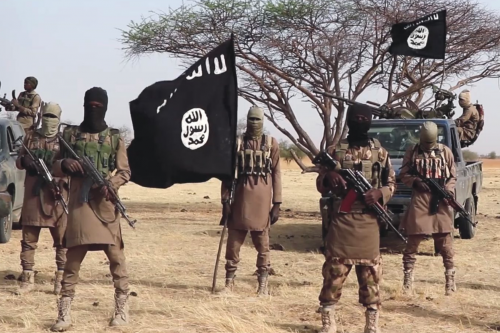
THE Islamic State in West Africa Province (ISWAP) attacked residents of Geidam, one of the major towns in Yobe State, on Friday, hoisting flags and distributing pamphlets to woo the residents.
Geidam is the hometown of acting Inspector-General of the Nigeria Police Force Baba Alkali.
The Premium Times had earlier reported how three customs officers were abducted during the attack.
The ICIR gathered that the terrorists’ presence was noticed in the town on Saturday, where they distributed pamphlets, inviting the residents to join them.
The terrorists, in the pamphlet written in Hausa, explained their ideology, saying that they would not kill Muslims who were not fighting them, adding that they were happy to accept anyone willing to repent and join them.
They also allegedly destroyed an Airtel station, some government buildings and burnt vehicles in the town.
Nigerian Army claimed victory on the terrorists
Meanwhile, the Nigerian Army, in a statement on their verified Twitter and Facebook page on Saturday evening, claimed victory on the terrorists.
The Army said they had recovered gun truck, assorted weapons and inflicted heavy casualty on the ISWAP/Boko Haram terrorists that stormed Geidam.
“Troops of Operation Lafiya Dole (OPLD) currently conducting Operation Tura Takaibango inflicted heavy casualty on Boko Haram/Islamic State West Africa Province (ISWAP) Terrorists in Geidam the Headquarters of Geidam LGA of Yobe State.”
Chief of Army Staff (COAS) Ibrahim Attahiru congratulated the Theatre Commander and troops of OPLD, including the Air Component for the feat.
The COAS restated the commitment of the Nigerian Army under his leadership towards ending terrorism and all violent crimes in the North-East and other parts of the country.
PRESIDENT Muhammadu Buhari’s newly approved list of justices of the Court of Appeal reflects staggering inequality, with 61 per cent of jurists coming from the North versus 39 per cent from the South.
The list also shows that 17 per cent are female against 83 per cent male.
Analysis of newly appointed Justices of the Court of Appeal. Infographics by Isah Abdul-Azeez
In a letter addressed to the Chief Justice of Nigeria Ibrahim Tanko Muhammad, Chief of Staff to the President Ibrahim Gambari says 18 names of jurists have secured President Buhari’s approval as justices of Nigeria’s Court of Appeal.
The justices are, according to the letter, approved “pursuant to §237 & §238 of the 1999 constitution… subject to their official seniority at the bench.”
The eighteen newly appointed justices include: Mohammed Danjuma (Sharia, Niger), Muhammad Ibrahim Sirajo (Plateau), Abdul-Azeez Waziri (Adamawa), Yusuf A. Bashir (Taraba), Usman A. Musale (Yobe), Ibrahim Wakili Jauro (Yobe), Abba Bello Mohammed (Kano), and Bature Isah Gafai (Katsina).
Others are: Danlami Zama Senchi (Kebbi), Mohammed Lawal Abubakar (Sokoto), Hassan Muslim Sule (Zamfara), Kenneth Ikechukwu Amadi (Imo), Peter Oyinkenimiemi Affen (Bayelsa), and Sybil Onyeji Nwaka-Gbagi (Delta).
The rest include: Olasunbo O. Goodluck (Lagos), A.I. Banjoko (Ogun), Olabode A. Adegbehingbe (Ondo) and Bola Samuel Ademola (Ondo).
The judicial appointment has, again, brought the issue of lopsidedness of President Buhari’s appointments to the fore.
The ICIR recently analysed the top management of the Nigerian National Petroleum Corporation (NNPC) and its subsidiaries, and found uneven geographical spread of senior appointments.
The North-East, North-West and North-Central occupy 60 per cent of all the NNPC appointments. Women, on the other hand, constitute only 25 per cent of NNPC’s top management.
Newly Appointed Justices of the Appeal Court
Out of 40 senior management positions within the NNPC ranging from chief operating officers and managing directors of its subsidiaries to general managers’ roles in the corporation, 24 are occupied by Nigerians from the North while 16 are headed by those from the South.
Nigeria is diversified and is broadly made up of the North and the South. The Federal Character Commission Act seeks to promote, monitor and enforce compliance with the principles of the proportional sharing of all bureaucratic, economic, media and political posts at all levels of government.
Section 14 (3) of the 1999 Constitution stipulates that the appointments into agencies of government should reflect the federal character without predominance of persons from a few states or from a few ethnic or other sectional groups in that government or in any of its agencies.
However, this provision is flagrantly disregarded by the Buhari despite his pledge to protect the constitution.
On the brink of his final secondary school exams, devout Catholic, Christopher Omeje had just closed from rosary prayers when he was gunned down by SARS officers, who mistook him for a criminal.
CHRISTOPHER Chukwuebuka Omeje died on June 30, 2009. He was 19 years old.
Cause of death? SARS.
Christopher lived in Ovoko, a town in Igbo Eze South Local Government of Enugu State, where he attended the Boys Secondary School.
He loved to read and excelled academically. He read anything, at any time. Labels, books, receipts, anything.
When the time for his Senior Secondary School Examination (SSCE) drew near, Christopher begged his father, Dominic Omeje, to get him a room in a house close to his school to enable him to study for his exams without distraction. His father obliged and found for him a house, paying the rent for a year.
The only thing Christopher loved more than reading, was attending Block Rosary gatherings, where fellow Catholics had prayer and fellowship sessions in front of a statue of the Blessed Virgin Mary. Christopher never missed these.
One evening, after a Block Rosary gathering, Christopher stood at a bus stop waiting for the bus home. While he waited, officers of the Special Anti-Robbery Squad (SARS), who were dressed in mufti, drove past him.
The officers stopped their car and reversed, screeching to a halt where Christopher was standing.
Then, one of the officers, later identified as Inspector Victor Ugwu, shot Christopher.
Just like that.
The officers put him in their car and drove off. Unfortunately, before they got to Iheaka, a nearby community, Christopher had bled to death.
The officers drove to Urban Police Station, in Nsukka, where they reported that they had shot him because they suspected he was a “criminal.”
They took the corpse to the University of Nigeria Teaching Hospital (UNTH) in Ituku Ozalla, Enugu.
When news of Christopher’s death reached his family, they could not believe it.
“We didn’t know what to do at first,” Christopher’s 27-year-old sister, Onyinyechi Omeje, says. “We didn’t believe the story.”
His father, Dominic, who was not in town when his son was shot dead, asked his brother Alphonsus Omeje to go to UNTH and confirm the news by identifying Christopher’s corpse. Alphonsus returned from UNTH with sad news.
Christopher’s corpse was in the mortuary for three months before the police released it to his family for burial. The police told the family that what had happened to their 19-year-old was a “mistake”.
During his burial, Christopher’s fellow Block Rosary members wept and walked the streets of Nsukka, chanting his name and demanding justice.
After the burial, Christopher’s family employed the services of a lawyer, Ike Obeta, and sued Inspector Victor Ugwu at the Enugu Ezike High Court. During one of the court sessions, Dominic asked Inspector Victor Ugwu if his son had done anything to him to warrant killing him. The latter said it was a mistake, that he did not even know Christopher.
Four years on, the case has amounted to nothing. “It appeared that the police didn’t want the killer to face justice,” Dominic says. “We kept on going and seeking justice for 4 years, yet nothing happened. At a point, I became tired. They were asking us to come today, come tomorrow.”
Inspector Victor Ugwu is still a free man.
“I have stopped thinking about it to avoid high blood pressure. Now, my son’s killer is free. We still see and greet. But each time I see him, I get angry because he reminds me of my late son.”
Dominic Omeje says he had to relocate his family to Nsukka because, at Ovoko, whenever his wife saw Christopher’s grave in front of their compound, she broke down in tears.
Apart from his own struggles with high blood pressure, Dominic says he fights the urge to cry anytime he hears the name of his late son or sees any of his former classmates. He recalls with difficulty how his son only stayed 15 days in the house he had rented.
Thaddeus Omeje, 21, one of Christopher’s brothers, says his late brother taught him how to play the drums, and was strict but gentle.
“He always encouraged us to be serious in whatever we were doing, especially with our education,” Thaddeus says. “He was a perfect example because he was always serious.
“Anytime we had assignments in Maths, we were never worried because he was always going to help us with them,”
On June 30th of every year, Christopher’s family—father, mother, three brothers and three sisters—say a prayer for him. They also have a celebration of Mass dedicated to him, to remember and celebrate memories of him.
Christopher would have been 31 years today. His killer, Victor Ugwu, has never been arrested.
Until justice is served and Victor Ugwu is imprisoned, all the family has to keep itself sane is the hope that their beloved son and brother is resting in God’s bosom.
This story is part of a multimedia project by Tiger Eye Foundation and media partners across Nigeria, documenting police brutality in Nigeria, and advocating for police reform.
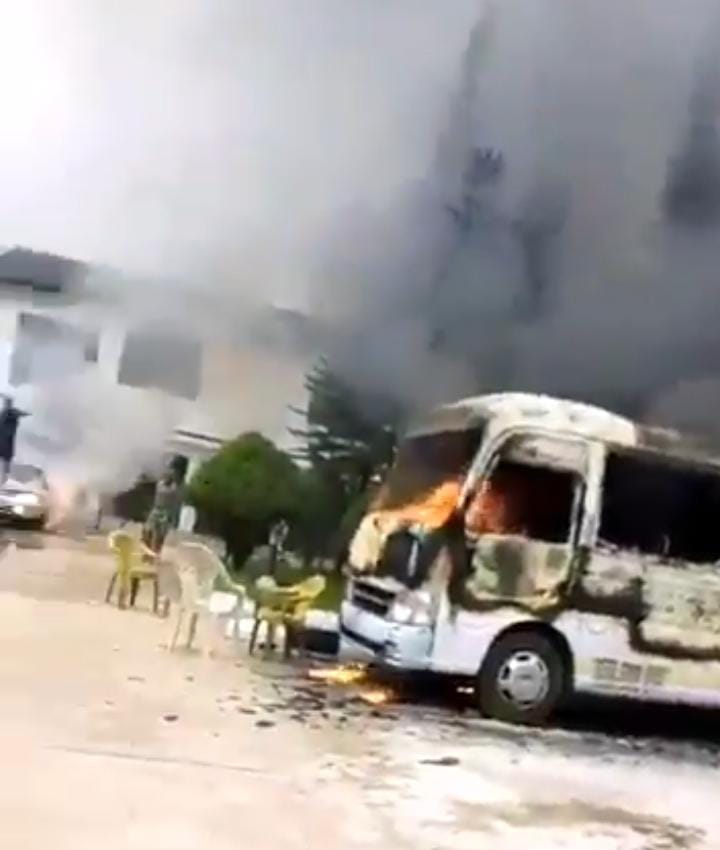
SOME unknown gunmen, on Saturday morning, attacked and razed the residence of Governor of Imo state Hope Uzodinma in Omuma, Oru East Local Government Area.
The gunmen also killed two operatives securing the residence before burning down properties.
According to a video seen by The ICIR, a man was seen lying unconscious at the gate of the residence while parts of the building were on flame.
A bus parked inside the residence was also set on fire while men tried to put out the burning fire.
The Imo State Commissioner for Information Declan Emelumba confirmed the incident, saying that a full-blown attack was repelled by security operatives.
Explaining the occurrence, Emelumba said at about 9 am, a group of hoodlums numbering about 15 driving in a motorcade of three vehicles accompanied by a tipper loaded with used tyres stormed the governor’s residence in an attempt to burn it down.
“In the crossfire that ensued a few casualties were recorded. Preliminary investigation suggests that the foiled attack may have been politically sponsored,” Emelumba said.
The attack is coming fewer than 24 hours after Uzodinma said politicians were sponsoring banditry in Nigeria to bring down the administration of President Muhammadu Buhari.
The governor also challenged security operatives to make the names of the politicians available to the media.
Recently, Imo State has been under continuous violent attacks. On April 5, some gunmen invaded the headquarters of the Nigeria Police in Imo State and Nigerian Correctional Service, freeing inmates and destroying public properties.
Uzodinma had said about 50 of the persons involved in the attacks on the security facilities had been arrested.
YOU will most likely love to have treated water from waterworks and bottled water at your disposal because they are usually safe, but little did you know about the long processes that the waters pass through before they get to you and other members of the public.
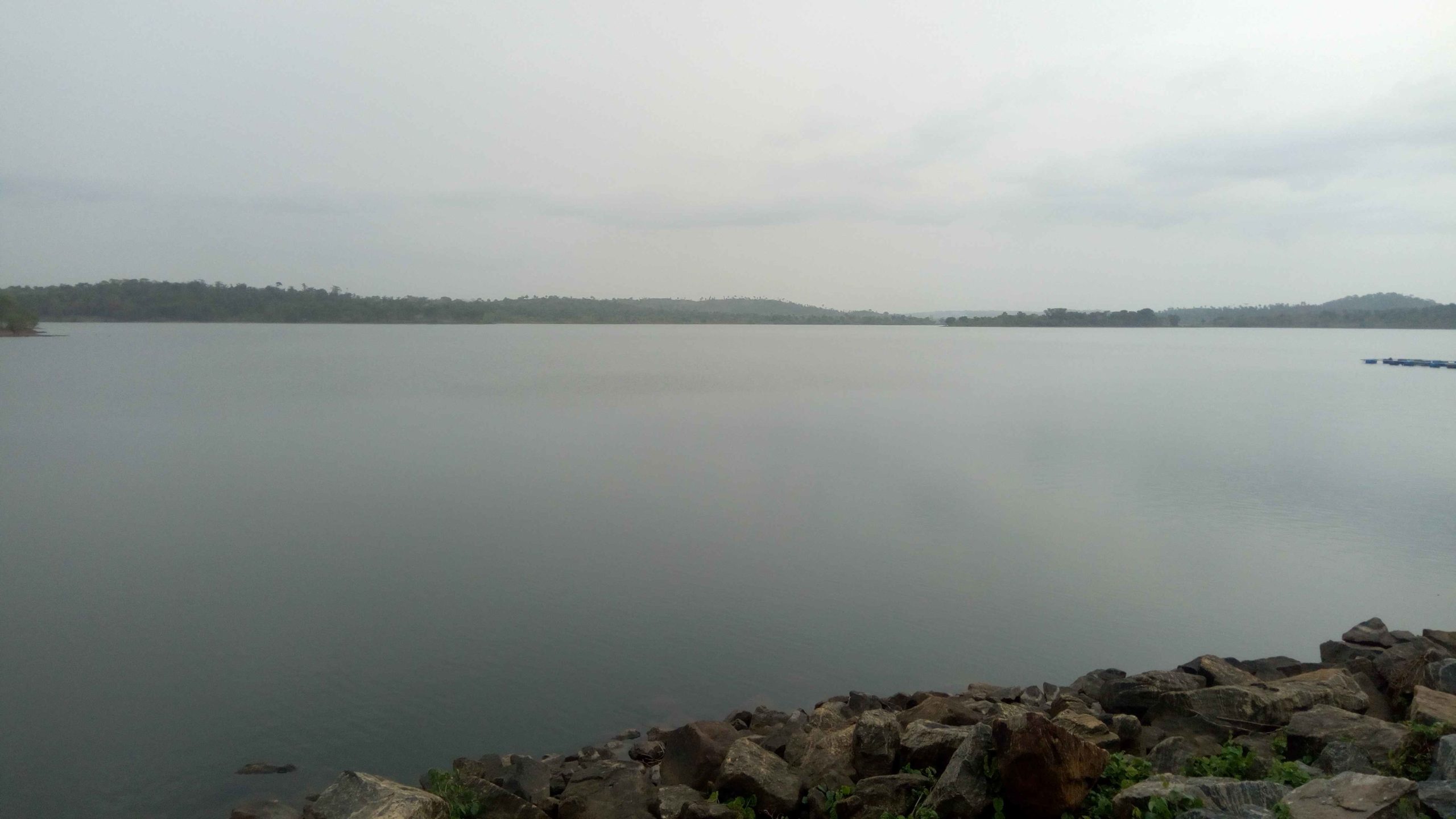
A senior laboratory technologist at the Ero Dam in Ekiti State, Victor Oyebola, recently took The ICIR through the stages involved in drawing raw water from the dam to treatment plants and onward transport to homes, offices and other locations across the state.
Ero Dam in Ekiti State. Photo credit: The ICIR
He said bottled water, which private firms mostly produce for sale to the public, passes through the same treatment procedures as the government waterworks.
He, however, said the only difference is that bottled water could be produced within a small environment and may be produced in smaller volume than what obtains at waterworks, which usually produces for a larger population.
Waterworks uses low lift machines to lift untreated water from dam. When the water leaves the low lift, it is received at the treatment plant. The point where the water is received at the treatment plant is called an aerator.
The treatment plant is constructed to make the use of a device known as a dosing pump possible.
The dosing pump discharges chemicals, i.e. aluminium sulphate (alum), lime (calcium hydroxide) and high test hypochlorite (HTH) into the water at the aerator.
Oyebola said chlorine gas previously used had been phased out “because it is highly hazardous.” Another chemical known as HTH is now being used instead.
HTH is a combination of two elements which are bleaching agent and chlorine. It comes in a whitish granular form with a very choking smell. The HTH added at this point is a process called pre-chlorination.
After leaving the aerator, the water comes into the clarifier chamber.
The clarifier chamber is where the alum acts on the water. The alum captures the dirt in the water to form flocs; this is called flocculation or coagulation. The flocs are settled at the basement of the clarifier. Some will even get attached to the clarifier wall, and clean water will settle at the top, Oyebola explained.
Senior Laboratory Technologist at the Ero Dam in Ekiti State Victor Oyebola. Photo credit: The ICIR
Though clean water comes out at that level, it is not yet safe for use. The water will still be made to go through another stage known as filtration, where the operators use the filter bed. There are chances that dirt would have escaped with the clear water from the clarifier to the filter bed. So, filter media are used at the filter bed to filter the dirt that escaped with the water from the clarifier, thereby allowing clean water to percolate, allowing the water to return underground (go down to a conserved area) for further processing.
When the water percolates into the ground, the dirt will be trapped by the filter media. There are some underground pipes that will take the water from the point of percolation to the final destination; that is the clear well tank or the main reservoir – the place where the water is stored underground for onward passage to the general public.
Except you are told that such a massive underground tank is at any of such dams or waterworks, you can never know, because the reservoir is constructed like a vast parking space, having its surface filled with crushed stones; as seen on a road being constructed.
Before the final water gets to the clear water tank, another process called post-chlorination is carried out too so as to maintain a certain level of chlorine in the water.
Also, there are chances that the underground pipes through which the water passes may get clogged with time. “It’s like a straw you use to draw liquid. With time, it could get blocked and you will then need to clean the straw to allow free water to pass again.
“That is the same thing that we do here. Whenever we want to wash this place, we call that process backwashing. That is, you allow water to percolate again. Backwashing is done with the aid of some panels inside the treatment plant,” he says.
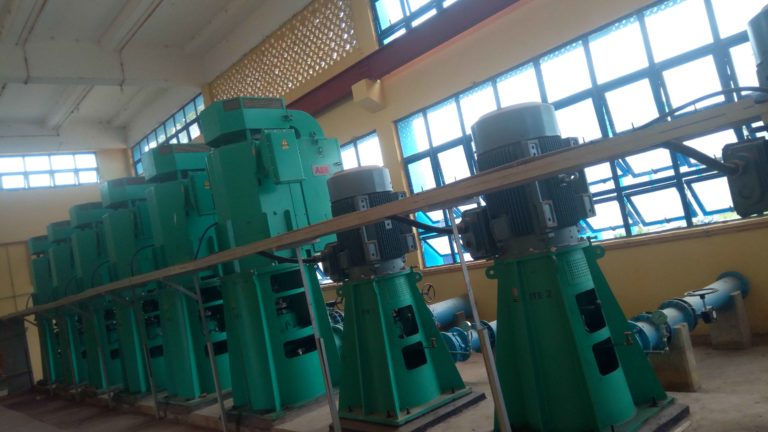
Some of the places where raw water goes through during the treatment process. Credit: The ICIR
After the clean water must have been conserved at the main reservoir, the processed water will be stored for onward passage to communities. At this level, the high lift pumps take the water to the general public.
There are different big and small machines and electrical appliances used during the process of water treatment. It takes billions of naira to set up a public water treatment plant, as seen by The ICIR at Ero Dam.
Oyebola says the chemicals added to water by people in their homes, such as water guard and alum are the same with those that are used at the treatment plant, adding that those used at the plant are only for industrial purposes.
Contaminated water can transmit diseases such diarrhoea, cholera, dysentery, typhoid, among others.
In a report in 2019, the World Health Organization said at least two billion people worldwide used drinking water source contaminated with faeces.
The ICIR had on March 23 reported how amidst climate change threat, 80 percent of people in Nigeria do not have access to handwashing facilities, which are made possible by availability of potable water.
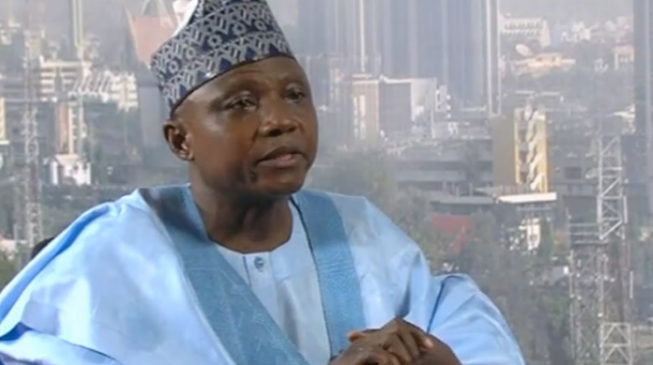
NIGERIA’S Presidential Spokesperson Garba Shehu has said those who are unwilling to forgive Communications Minister Isa Ali Pantami are the country’s problem.
Shehu said this on Friday evening when he featured on Channels Tv program, Politics Today, to discuss issues surrounding Pantami’s past views on religious extremism.
He stated that those persons were intolerant and portraying Nigeria as a country of people who would not forgive.
“They are the ones who are deeply intolerant and who are telling the world that yes, in the country, we have a set of people who don’t forgive, who don’t want to move on and so, they are a problem to the society,” Shehu said.
He added that Pantami’s issue was greater than that of former Minister of Finance Kemi Adeosun who resigned following reports that she had a fake NYSC certificate.
Defending the Nigerian government’s position on Pantami, Shehu further stated that the Quran and Bible also preached that one could change from being a bad to a good person.
Although many Nigerians have called for the resignation or sack of Pantami, the government said the minister was only being targeted by those who wanted his removal.
The ICIR had reported that the Presidency on Wednesday said, despite previous extremist views of Pantami, he would remain in seat as a minister because he was young when he took those positions.
For over a decade, thousands of Nigerians, most especially those from the northern region, have been killed, kidnapped and displaced due to violent attacks by insurgent and extremist groups. Observers also blame inciting statements from religious leaders as one of the causes of such violence. In many parts of the world, those with such allegations around their necks resign or are removed by their principals.
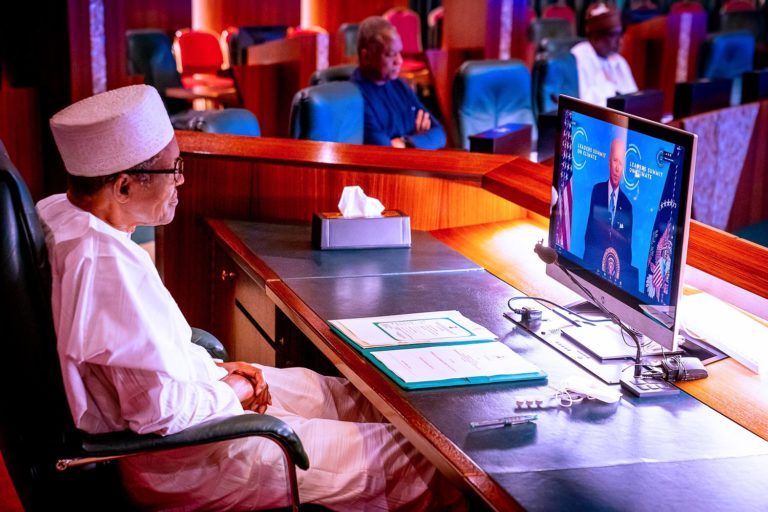
PRESIDENT Muhammadu Buhari, on Friday, said Nigeria was undertaking major environmentally-sound and climate-friendly programmes.
Buhari, while speaking during the World Leaders Summit on Climate on Friday, said even though the country was one of the vulnerable nations, his administration was committed to treading the path of sustainability
The two-day virtual climate summit, which started on Thursday, was organised by U.S President Joe Biden to mobilise world leaders to discuss issues of climate change.
Buhari noted that his administration was rolling out programmes to reduce gas emission and encourage clean energy.
“We are expeditiously implementing programmes that stimulate gradual transition away from use of woods, stoves, kerosene, to liquified natural gas, biogas and electricity,” he said.
The president also said that Nigeria had a target to end gas flaring by 2030, adding that Africa’s most populous nation, since rectifying the Paris agreement in 2016, had rolled out several policy enablers and frameworks to cut emission by 20 per cent unconditionally and 45 percent conditionally, with international support by 2030.
“Beyond ending gas flaring by 2030, the oil and gas sector has undertaken steps for diversification and risk management system, insurance engine, research and development and energy crisis planning.
“I reiterate Nigeria’s commitment to galvanise relevant stakeholders for climate exchange and our readiness to extend support for regional, continental and global multilateral processes for the attainment of lofty objectives of the Paris agreement.”
Buhari, however, commended Biden for bringing world leaders together for the summit, and for returning the US to the Paris Climate Change Agreement.
Recall that US had rejoined the Paris Climate Change Agreement in February 2021, after pulling out during the administration of former President Donald Trump.
THE United States government has warned and advised its citizens to reconsider travelling to Nigeria as a result of insecurity in some parts of the country.
The US State Department, in a statement on its website, https://travel.state.gov/content/travel/en/traveladvisories/traveladvisories/nigeria-travel-advisory.html, urged its citizens to reconsider travelling to Nigeria due to high level of crimes such as terrorism, civil unrest, and kidnapping. The government stressed that some areas in Nigeria had increased risks.
“Violent crime – such as armed robbery, assault, carjacking, kidnapping, hostage-taking, banditry, and rape – is common throughout the country,” the US said.
“Kidnappings for ransom occur frequently, often targeting dual national citizens who have returned to Nigeria for a visit, as well as U.S. citizens with perceived wealth. Kidnapping gangs have also stopped victims on interstate roads,” the U.S. government further said.
The US said it was worried that terrorists had continued to plot and carry out attacks in Nigeria, especially in the North-East part of the country.
According to the government, terrorists might attack with little or no warning, targeting shopping centres, malls, markets, hotels, places of worship, restaurants, bars, schools, government installations, transportation hubs, and other places where crowds gathered.
It said there had been civil unrest and low-level armed militancy in parts of the South, especially in the Niger Delta region where kidnapping and maritime crimes were pervasive.
The US government warned its citizens against violence between communities of farmers and herders in rural areas as well as maritime crimes in the Gulf of Guinea.
The US government said that it had limited ability to provide emergency services to its citizens in many areas of Nigeria due to security conditions.
In February, Canada had warned its citizens against non-essential travels to Nigeria due to the same reason -high level of insecurity and crimes in the West African country.
Canadians who happened to be in Nigeria were advised to exercise a ‘high degree of caution.’
In the travel advisory posted on travel.gc.ca</, a website of the Canadian government, Canadians were advised to “avoid non-essential travel to Nigeria due to the unpredictable security situation throughout the country and the significant risk of terrorism, crime, inter-communal clashes, armed attacks and kidnappings.”
But the Canadian authorities specifically warned the country’s nationals to “avoid all travel” to some parts of Nigeria, particularly the North-Western states of Kaduna, Kano, Katsina, Sokoto and Zamfara, as well as the North-Eastern states of Adamawa, Bauchi, Borno, Gombe, Jigawa and Yobe.
Canadians were also advised to avoid Plateau in the North-Central zone, and Niger Delta states – Akwa Ibom, Bayelsa, Delta, and Rivers.
Two South-Eastern states – Imo and Anambra – were equally classified as ‘no go’ areas for Canadians in Nigeria.