Home Blog Page 840

Insecurity has affected three national parks – but that is not the greatest threat to wildlife conservation in Nigeria

Andrew Dunn is the Director of Wildlife Conservation Society (WCS) Nigeria, based in Cross River State. Through his organisation, he has worked in Nigeria since 1992 to help conserve the environment, including the country’s endangered species. In this exclusive interview with The ICIR’s Marcus Fatunmole, he shares his thoughts on the state of wildlife and conservation in Nigeria while pointing out neglect by the state and federal government. 


The ICIR: What changes have taken place since you started wildlife conservation activities in Nigeria? 

Dunn: I have worked in conservation in Nigeria since 1992, and obviously, there have been a lot of changes since then. The National Park Service has grown considerably, and more NGOs are working in the environmental sector now. Some species have declined across Nigeria, such as elephants and lions, and some species, such as wild dogs, are no longer present in the country (extirpated). 

But there has also been a marked increase in interest in wildlife conservation in Nigeria, particularly among young people, and a growing sense of pride in the species that still survive in the country.
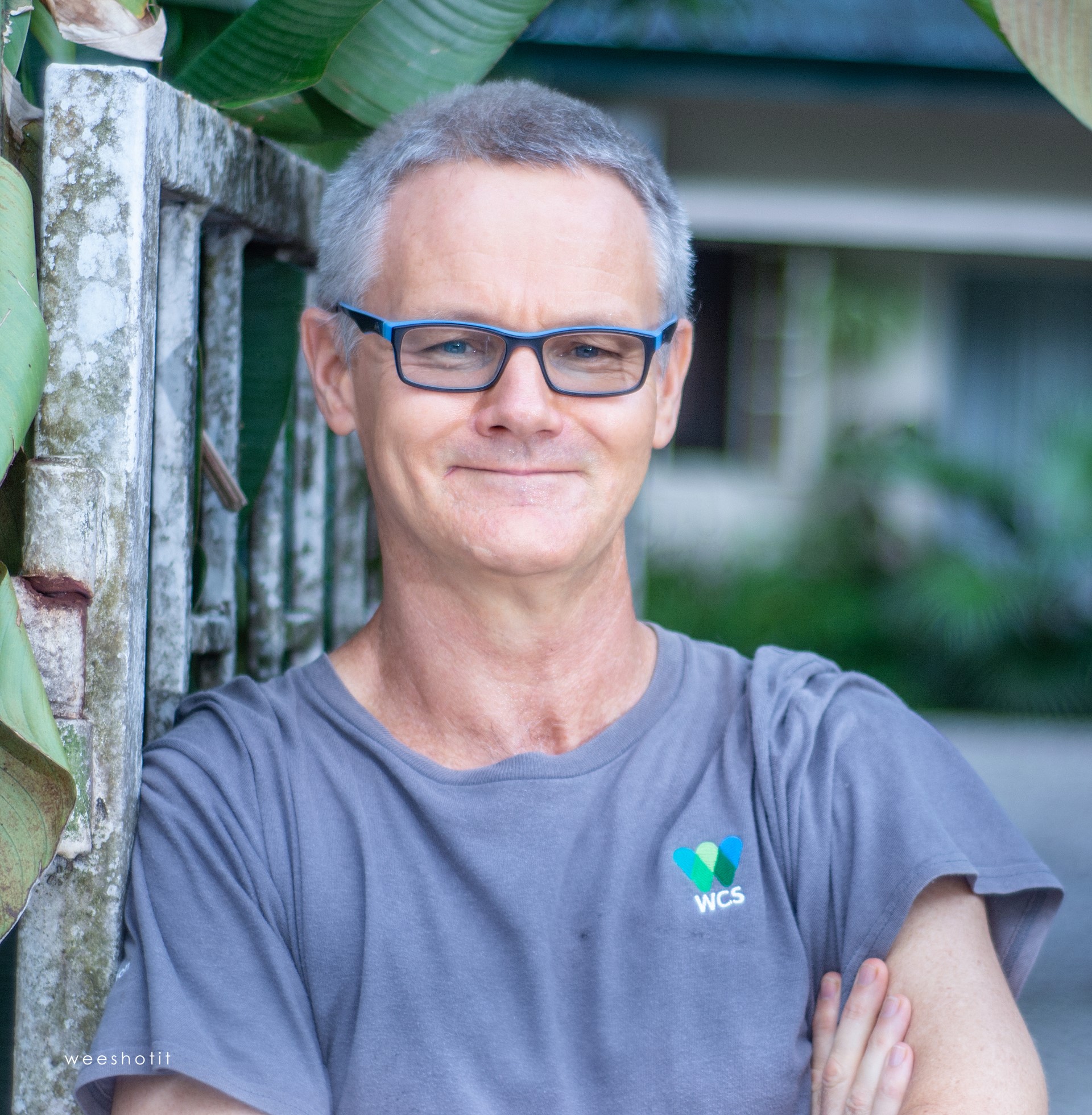
Andrew Dunn, Director Wildlife Conservation Society Nigeria

What major animal species are endangered in Nigeria, and what is their current population?

Nigeria has many endangered species, including the Cross River gorilla, Nigeria-Cameroon chimpanzee, Preuss’s red colobus, Niger Delta red colobus, lion, leopard, vultures, and elephants. Outside of protected areas, most, if not all, species are endangered.

Nigeria has many endangered species, including the Cross River gorilla, Nigeria-Cameroon chimpanzee, Preuss’s red colobus, Niger Delta red colobus, lion, leopard, vultures, and elephants

Wildlife conservation also has to do with logging. What can you say about this?

Yes, logging has a negative impact on our forests which are the richest areas for biodiversity in the country. Logging has always been a cause for concern, but in recent years has escalated out of control. In Cross River State, for example, a weakly enforced logging ban and a lack of support for the Cross River Forestry Commission resulted in a significant increase in logging, with much of the logging controlled by politicians.

Would you say the Nigerian government is doing enough to address the illegal wildlife trade (IWT)?

No, very little has been done to address illegal wildlife trade in the country beyond multiple workshops and the setting up of various task forces. Serious issues remain a cause for concern. For example, Nigeria is one of the few countries where ivory is still openly traded. However, with support from some NGOs, there have been some recent improvements made, especially by the Nigeria Customs Service.

Nigeria is one of the few countries where ivory is still openly traded.

What roles do porous and unprotected borders play in IWT?

The fact that Nigeria is one of the largest global hubs for the illegal wildlife trade is likely due to the presence of porous and unprotected borders, as well as corruption.

Is there any complicity between security agents, especially border patrol agencies, and people behind IWT?

Although there is no evidence to support such a link, it is well-known that IWT is worth millions of dollars each year.  

How much can Nigeria lose annually to IWT? 

The illegal wildlife trade (IWT) is a major transnational organised crime that fuels corruption, threatens biodiversity, and can have significant public health impacts.

In particular, the spread of zoonotic diseases such as COVID-19 in recent years underlines the importance of ensuring that wildlife is traded in a legal, safe and sustainable manner and that countries remove the profitability of illegal markets.

The global revenue from IWT has been estimated at between USD 7 and 23 billion per year.

What are the benefits of wildlife conservation? 

There are six main benefits of wildlife conservation:

  • Protection against climate change. Forests play a vital role in tackling climate change by storing carbon that would otherwise be released into the atmosphere. Wildlife helps forests store carbon more efficiently. Many tree species in tropical rainforests rely on animals like elephants and hornbills to eat their large, fleshy fruits – and so help disperse their seeds. 
  • Nutrient-rich food source. Wild animals serve as critical food source in many rural areas.
  • Nature’s medicine cabinet. Chemicals from nature have been a part of human civilisation ever since our early ancestors began using them to improve and enrich their lives.
  • Cultural significance. Non-material benefits, ranging from spiritual enrichment to leisure pursuits, while difficult to measure and value, are amongst the least recognised yet most important contributions of wildlife to human well-being. Wildlife offers numerous therapeutic benefits. Research has shown that people are most drawn to landscapes that are tranquil, aesthetically appealing, have a historic significance and contain wildlife. Natural habitats and landscapes which support thriving wildlife populations also serve as valuable spaces for people to interact with wildlife, ranging from photographing wildlife to watching wildlife films. Wildlife also provides us important spiritual benefits, with sacred places and species playing an important role in many people’s lives.
  • Improving soil health and fertility. Wild animals play a key role in enhancing the health and fertility of the soil by improving its nutrients. Wildlife, which ranges widely, can also move nutrients around – for example, the hippo’s night-time grazing in grasslands brings nutrients back to the river through their dung, increasing fish productivity.
  • Maintaining ecological connectivity and keeping ecological corridors open.

What’s your view on arresting and prosecuting people who engage in IWT in Nigeria?

In the unlikely event that you were ever caught and arrested for IWT in Nigeria, you were very unlikely to be prosecuted and jailed. However, there are signs that this is slowly changing.

In May 2023, two men were sentenced to four years imprisonment for conspiracy and unlawful possession of 839.4kg of Pangolin Scales and 145kg of Elephant Tusks.

What challenges does your organisation face in helping Nigeria conserve its wildlife?

Although there is a lot of attention on illegal logging, habitat loss caused by agricultural expansion by smallholder farmers is a much more serious threat to the remaining forests in Cross River State. 

WCS is working with cocoa farmers to reduce deforestation rates and protect important wildlife corridors. Hunting to supply the bushmeat trade is obviously a major conservation issue, and today there is little wildlife left outside of protected areas. 

A major threat to protected areas across northern Nigeria is illegal livestock grazing. As grazing reserves and stock routes are lost and converted to agriculture, pastoralists often have little option but to graze their livestock inside national parks. 

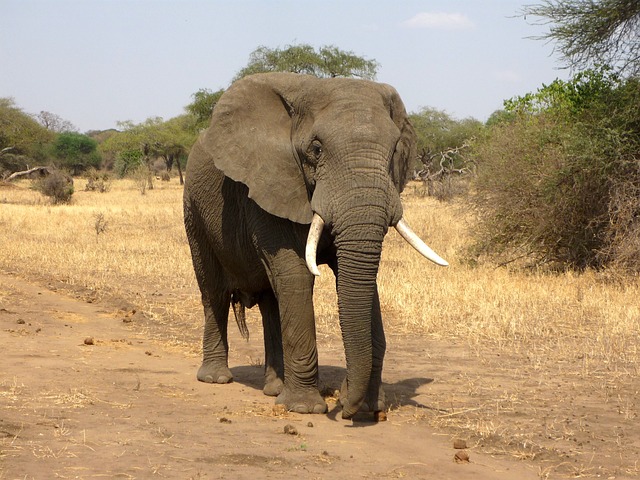
The greatest threat to elephants in the county is human-elephant conflict caused when elephants leave protected areas and raid local farms.

The greatest threat to elephants in the county is human-elephant conflict caused when elephants leave protected areas and raid local farms.

A major conservation issue in Nigeria today is insecurity. No fewer than three valuable national parks (Kainji Lake National Park, Kamuku National Park, and Chad Basin National Park) have been taken over by bandits and insurgents.

Rangers are unable to patrol under such conditions, and the parks have become no-go areas with serious repercussions for conservation as well as regional security. 

More support for the National Park Service, particularly the provision of better firearms and ranger training, is urgently required, together with stronger collaboration with the army.

However, perhaps the greatest threat is the lack of commitment from both federal and state governments in protecting wildlife. It is saddening to note that important wildlife refuges such as Yankari Game Reserve in Bauchi State and Afi Mountain Wildlife Sanctuary in Cross River State have been neglected by state governments and have been allowed to deteriorate.

You’ve lost someone you love: 4 signs you may need to seek grief counselling

0

By Stephen Asatsa, Catholic University of Eastern Africa

GRIEF is a natural response to losing something you felt a bond with. This loss ranges from death to the end of a relationship.

It could also be the loss of an election or of a body part through amputation. Grief is natural and normal. It serves as a psychological way of buffering you against the shock brought on by loss.

Experiencing the grief brought on by the death of someone you loved is an emotionally challenging journey. The intensity of your reaction will vary depending on factors like the nature of your loved one’s death, your relationship with them and their age. For instance, violent deaths or the loss of a child tend to evoke more profound pain than a death from natural causes or the passing on of an older person.

As a counselling psychologist who studies trauma and how communities process grief, I believe that understanding the symptoms of grief and recognising the signs that you aren’t coping with loss on your own are crucial for promoting healing and overall well-being.

Symptoms of grief

The common symptoms of grief can be categorised into four dimensions.

Physical symptoms: these affect the biological functions of the human body. They may include a change in eating habits, like overeating or a loss of appetite. You may also experience a general loss of energy and gastrointestinal issues, like constipation and stomach aches. Your immune system could also weaken, meaning you fall ill easier.

Intellectual symptoms: these affect the cognitive dimension. They include concentration deficits, such as repeatedly performing small tasks to accomplish simple assignments. Confusion may arise, leading to disorganisation and difficulty recalling certain things, like the names of children or specific rooms in the house. Making decisions and learning new things could also become challenging. This reaction is a result of the overwhelming pressure and disruption that grief exerts on the brain.

Social symptoms: these include how you relate to others after a loss. Some people may withdraw and retreat from the activities they enjoy. Others may display irritability or mood swings. They may also become more dependent, requiring the presence and support of others even for simple decisions.

Spiritual symptoms: these relate to religious or spiritual beliefs and values. Grief can lead to you questioning where your God was when your loved one died. You may doubt the power of your God or question the effectiveness of your prayers. These spiritual reactions are an attempt to understand grief by finding new meaning through looking to a higher power for answers.

All these symptoms are normal reactions to losing a loved one. They aren’t necessarily problematic. However, grief symptoms can be viewed as harmful if they present for longer than normal (usually more than 12 months) or if they affect your functionality to a point where you’re not able to perform your normal day-to-day activities smoothly.

Signs you aren’t coping

People who aren’t coping well with grief after losing a loved one exhibit several symptoms. These include:

Prolonged and intense grief: while grief is a natural process that takes time, an extended period of intense grief may suggest the need for additional support. If your grief persists beyond six months without significant improvement or relief, seeking professional assistance may be beneficial.

Impaired daily functioning: grief can disrupt daily life, but if it significantly affects your ability to function, it may be a sign that professional help is necessary. Finding it challenging to concentrate on tasks, make decisions or perform routine activities due to overwhelming sadness indicates you could benefit from grief counselling. You may also need the support of your peers or significant others.

Persistent emotional distress: feelings of emptiness, loneliness and a deep yearning for the deceased are normal aspects of the grieving process. However, if these emotions become overwhelming and persistently disrupt your daily life, it may be time to consider seeking professional help. Grief counsellors can help you navigate complex emotions and find healthy coping mechanisms. These mechanisms include sports, prayer, keeping a reflective journal or celebrating anniversaries linked to the deceased.

Self-destructive thoughts or behaviours: in some cases, grief can lead to thoughts of self-harm or a desire to join the deceased. These intense feelings of hopelessness and despair require immediate attention. If you experience persistent thoughts of suicide or engage in self-destructive behaviours, like using drugs in an effort to numb the pain, reach out to a grief counsellor or a mental health professional. This is crucial for your safety and well-being.

Way forward

Seeking professional help doesn’t indicate weakness or an inability to handle grief on your own. Instead, grief counselling provides a safe space to express your emotions, gain valuable insights and learn coping strategies that are tailored to your specific needs.

When in this safe space, talk about how you’re feeling. This helps you express emotions that you may have earlier blocked. It also helps you access your internal resources, such as resilience, spirituality and positive self-talk. Talking it out also helps get you to a place where you can accept a loss and move forward with your life.

Healing from grief takes time. Seeking help is a courageous step towards finding solace and restoring your well-being.The Conversation

Stephen Asatsa, Counseling Psychologist, Catholic University of Eastern Africa

This article is republished from The Conversation under a Creative Commons license. Read the original article.

Emefiele: NBA condemns DSS, NCoS fight in court premises

THE Nigerian Bar Association (NBA) has condemned the fight between officials of the Department of State Service (SSS) and the Nigerian Correctional Service (NCoS) over custody of suspended Central Bank of Nigeria (CBN) governor Godwin Emefiele.

The NBS, In a statement signed by its National Publicity Secretary Akorede Lawal on Wednesday, July 26, described the altercation as disgraceful and unlawful.

“The NBA has further condemned the brazen disrespect for the judicial process and sanctity of the court premises. The NBA has particularly denounced the DSS for its peculiar part in the disgraceful and unlawful conduct, considering the fact that the Court had earlier ordered that the suspended CBN Government be kept in a Correctional Centre pending the perfection of his bail conditions.

“According to the NBA President, Mr. Yakubu Chonoko Maikyau, OON, SAN ‘the courts and judicial processes remain the barometer by which the conduct of persons or agencies of government are gauged in assessing the rule of law’ ” the statement read.

The association added that the display between both agencies was a result of lack of discipline and professionalism in security outfits across the country, which it said was responsible for the slow progress in the fight against insecurity.

“A situation where officers of Federal Government agencies engage in a fight as witnessed by the public, for whatever reason, is antithetical to our security as a nation and creates a recipe for anarchy and chaos.

“Both the DSS and the NCoS are important institutions dealing with national security and administration of justice respectively, and the need for them to work in concert towards attaining justice in a secured Nigeria cannot be overemphasised,” the NBA noted.

The lawyers’ body further called for disciplinary measures to be taken against the officials involved, as well as overhaul of the institutions, and reorientation of staff.

Operatives of the two agencies engaged in a public fight over the custody of Emefiele at the Federal High Court in Lagos on Tuesday, July 25.


READ ALSO:


The fight occurred after the court granted Emefiele bail in the sum of N20 million and one surety in like sum.

The High Court also ruled that Emefiele be remanded in prison custody pending the fulfilment of bail conditions.

However, following the clash with the NCoS operatives, the DSS rearrested the suspended CBN governor in the court premises, minutes after he was granted bail.

Mediterranean wildfires claim over 40 lives

OVER 40 lives have been lost in a wildfire outbreak that has swept through Algeria, Italy and Greece, leaving villages and holiday resorts at risk, and prompting the evacuation of thousands.

On Tuesday, July 25, a firefighting aircraft trying to put out the flames in Greece crashed, resulting in the death of two pilots.

The aircraft, which had been tirelessly dropping water to quell the inferno, tragically came down on a hillside near the town of Karystos on the Greek island of Evia, east of Athens.

The brave captain, aged 34, and the co-pilot, aged 27, both lost their lives in the accident, the country’s airforce confirmed.

Greece is bracing for further evacuation flights as fires continue to ravage the islands of Corfu and Evia, with the Civil Protection Ministry warning of “extreme danger” of fire in six of the country’s 13 regions on Wednesday, July 26.

Over 20,000 people have been evacuated from their homes and resorts in the southern region of the holiday hotspot, Rhodes.

To facilitate the evacuations, close to 3,000 holidaymakers have already been flown back to their home countries, according to figures from the Transport Ministry.

The wildfires have dealt a significant blow to Greece’s tourism industry, a crucial pillar of the nation’s economy, and in response to the crisis, tour operators have taken the difficult decision to cancel upcoming trips to the affected areas.

Tourism contributes 18 per cent of the country’s Gross Domestic Product (GDP) and supports one in five jobs.

For islands like Rhodes, the reliance on tourism is even more substantial, making the impact of the wildfires all the more devastating.

Algeria has suffered the highest death toll so far, with 34 victims, including 10 soldiers who found themselves surrounded by flames during an evacuation in the coastal province of Bejaia, east of Algiers.

While Algerian authorities have managed to extinguish 80 per cent of the fire since Sunday, an extensive firefighting operation is ongoing, engaging around 8,000 personnel, hundreds of fire trucks, and several aircraft.

The relentless heatwave shows no signs of abating, with temperatures expected to surge beyond 44°C (111°F) in certain parts of Greece.

Sicily and Puglia in Italy have also been affected, forcing thousands to flee in the face of the advancing flames.

The combination of high winds and parched vegetation has made firefighting efforts arduous, leaving firefighters struggling to contain the inferno and create effective firebreaks.

Fires have also raged in neighbouring Tunisia, where 300 people had to be evacuated from the coastal village of Melloula.

Controversial music video: Don’t apologise, Soyinka tells Davido

NOBEL Laureate, Wole Soyinka, has shared his thoughts on the controversial music video released by afrobeat singer, David Adeleke, popularly known as Davido.

As reported by The ICIR, Davido was condemned by some Muslims for sharing a video of his signee, Olamilekan Taiwo, known as Logos Olori. The video featured persons dressed as Muslims, praying and dancing in front of a mosque.

However, as stated in a subsequent report by The ICIR, Davido took down the video from all his social media pages due to the criticism and pressure he faced from Muslims.

Soyinka reacted to the matter on Tuesday, July 25, in a piece titled “Davido’s Letter.” In the letter, he insisted that no apology was necessary, and urged the singer against extending one.

“No apology is required, none should be offered. Let us stop battening down our heads in the mush of contrived contrition – we know where contrition, apology and restitution remain clamorous in the cause of closure and above all – justice. Such apologies have not been forthcoming. In their place, we have the ascendancy of petulant censorship in the dance and music department. Just where will it end?” Soyinka wrote.

He noted that he had not seen the video, adding that he would appreciate it if anyone could make the material available for a debate.

“I have not seen the Davido supported video clip and would greatly appreciate if someone would make it available so we all can debate, objectively, the merits and demerits of positions taken over this recent product of the musician.”

He further added that he “insists on the right of the artiste to deploy dance in a religious setting as a fundamental given”.

“Such deployment is universal heritage, most especially applicable in the case of Islam where a plot of land, even without the physical structure, can be turned, in the twinkling of an eye, into a sacral space for believers to gather and worship in between mundane pursuits.

“Dancing in front of a mosque cannot therefore, on its own, be read as an act of provocation or offence but as affirmation of the unified sensibility of the spiritual in human. Let us learn to read it that way. Those who persist in taking offence to bed and serving it up as breakfast should exercise their right of boycotting Davido’s products – no one quarrels with that right”, the Nobel laureate added.

On Friday, July 21, Davido, the chief executive of Davido Music Worldwide (DMW), took to his social media to share a teaser of his signee’s latest music video titled, Jaye Lo.

In the video, Davido’s signed, Logos Olori was seen dressed in a white jalabia and cap alongside other men. While he was seated at the roof top, the other men were in front of the building praying and dancing on mats.

As a result, Davido faced criticism from Muslims, who mounted pressure on him to delete the video due to its perceived disrespect towards the Islamic religion. Eventually, the Afrobeat star yielded to the calls and took down the video.

SSB Tax: Presidency pledges to commit 10% of annual budgets to health sector

0

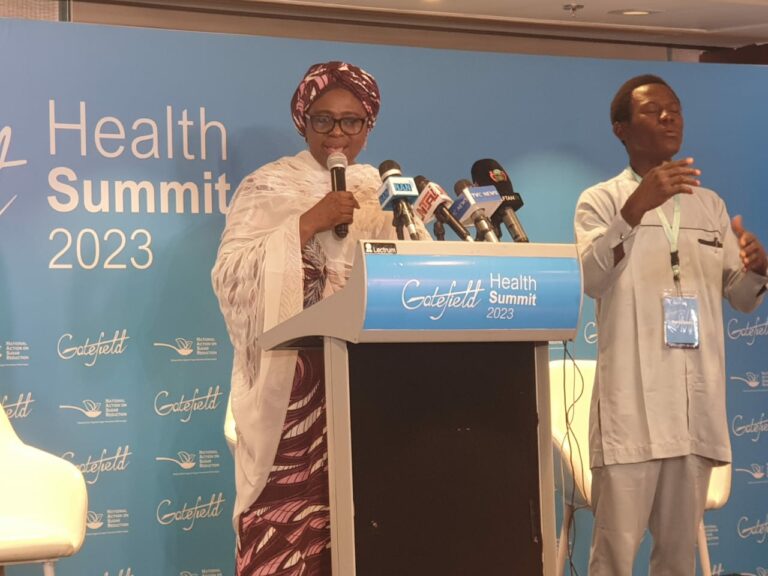
THE Presidency on Tuesday, July 25, pledged to commit 10 per cent of the nation’s annual budgets to the health sector.

Special Adviser on Health, Salma Ibrahim-Anas, made the commitment during the Gatefield Health Summit held in Abuja. The event was titled Taxing Sugary Drinks and Other Fiscal Policies for Health Financing.

She said with the current structure and funding; it would be difficult for the Federal Government to attain the Universal Health Coverage (UCH).

Ibrahim-Anas stressed that under the current administration, the 10 per cent proposed allocation to the sector would be the starting point as there are strategic moves to ensure the health sector secures the right funding in accordance with the Abuja Declaration, where member nations agreed to at least 15 per cent of annual budgetary allocation to the health sector.

“Mr. President has said he is going to increase allocation for health. He will start from 10 per cent of the total budgetary allocation for health, which is just the beginning…. he is ready to support us mobilising additional resources, wherever they are,” the medical expert stated.

“We will like to deliver integrated health care delivery that is well connected around primary, secondary and tertiary levels of care. Another strategy will be the public health emergency response will be established at the national and sub-national levels.

“We are moving towards local production of pharmaceuticals, consumables and other basic medical equipment, including sophistical equipment in Nigeria in partnership with several partners,” she noted.

She recognised the increasing cases of epidemic diseases in the country and the need to nip them in the bud as soon as possible.

While referencing data from the Nigeria Demographic and Health Survey (NDDHS) 2018 and World Health Organisation, the public health expert disclosed how non-communicable diseases (NCDs) have accounted for about 29 per cent of deaths in the country; heart disease 11 per cent, cancer four per cent alongside chronic respiratory diseases and diabetes.

She added that most victims of diabetes are mostly unaware of their status as diabetes patient until it gets to its worse stage. She frowned at the excessive consumption of sugary drinks.

The ICIR, in an investigative piece, had earlier documented how excessive sugar consumption often leads to diabetes, kidney failure, heart disease and other NCDs.

However, amidst the NCDs, she recommended evidence-based policies, public awareness and innovative funding alternatives such as the Sweet-Sugar Beverages (SSB) Tax to secure adequate funding for the health sector.

In his remarks, the Director General, National Institute for Cancer Research and Treatment (NICRAT), Usman Aliyu, advocated creative means of funding the health sector. He identified the SSB Tax as a measure which could go a long way in providing accessible healthcare services.

Aliyu disclosed that as of 2021, about 20 million cancer patients and more than half of the figure will die by 2030.

However, he said beyond advocating for a 20 per increase in the SSB tax, the Federal Ministry of Health should be carried along in implementing the funds in addition to the existing one per cent deduction from the Consolidated Revenue Account used to fund the Basic Health Fund.

Doctors declare total, indefinite strike

0

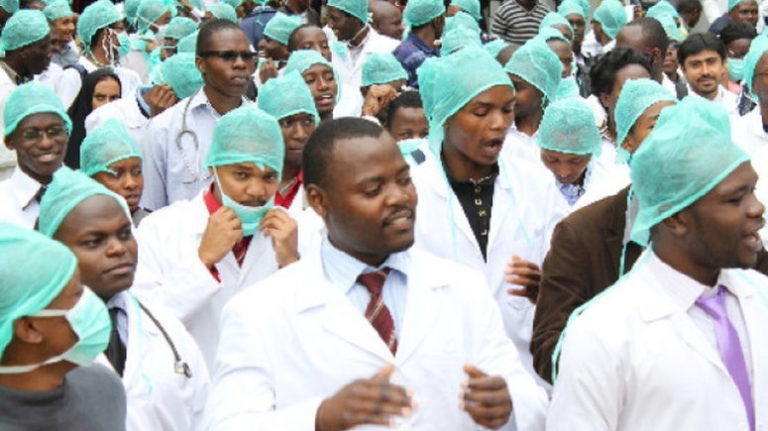
THE National Association of Resident Doctors (NARD) has declared a total and indefinite strike.

The group’s president, Emeka Orji, disclosed this in a statement released on Tuesday night.

Orji said the strike would begin 12:00 am, Wednesday, July 26.

NARD members work in public hospitals, meaning the strike may affect virtually all public hospitals across Nigeria.

The resident doctors are demanding immediate payment of the 2023 Medical Residency Training Fund (MRTF), release of the circular on one-for-one replacement, payment of skipping arrears, and upward review of Consolidated Medical Salary Structure (CONMESS) in line with full salary restoration to the 2014 value of CONMESS.

Others are payment of the arrears of consequential adjustment of minimum wage to the omitted doctors, reversal of the downgrading of the membership certificate by the Medical and Dental Council of Nigeria (MDCN), payment of new hazard allowance, skipping and implementation of corrected CONMESS in State Tertiary Health Institutions, and payment of omitted hazard allowance arrears.

The strike follows NARD’s May 15 declaration of a five-day warning strike to compel the Federal Government accede to its demands.

Until then, NARD had downed tools for 159 days since 2013, making the group the only association of workers in the nation’s health sector that has gone on strike beyond 100 days within the period.

NARD’s current strike is the first major workers face-off with the Federal Government since President Bola Tinubu took over power on May 29.

A similar decision taken by the Nigerian Labour Congress (NLC) over fuel subsidy was shelved by the workers’ leadership early June.

The ICIR in December 2021, reported that incessant strikes by the association and other health workers working in Federal Government-run hospitals resulted in the loss of about 300 working days between 2013 and 2021.

NARD ordered 61 per cent of the strikes.

The association was responsible for 11 of the 19 industrial actions recorded within the period.

The association went on strike for 154 days out of the total 252 days of industrial action recorded by the government as of that year.

The ICIR obtained the data on strikes in the sector from a response to a Freedom of Information Act request it sent to the Federal Ministry of Labour and Employment, headed by Chris Ngige, in August 2021.

The request followed incessant industrial actions by employees in the nation’s public hospitals.

More squeeze for SMEs as CBN raises benchmark interest rates to 18.75%

MICRO, small and medium enterprises (MSMEs) numbering about 39.65 million in Nigeria will have to brace up for accessing higher cost of funds for their businesses.

This is as a result of the Central Bank of Nigeria’s (CBN) raise of its benchmark interest rate, known as the Monetary Policy Rate (MPR), on Tuesday, July 25 by 25 basis points, from 18.5 per cent to 18.75 per cent.

The CBN also adjusted the asymmetric corridor around the MPR to +100-300.

The apex bank retained cash reserve ratio at 32.5 per cent, which  determines how banks will price their loans to customers.

These decisions were announced by the CBN acting governor, Folashodun Shonubi, after the two-day MPR meeting in Abuja.

The meeting outcome was delayed by over two hours, compared to the timing in previous meetings.

The consequence of these decisions is that costs of funds for businesses are expected to rise higher, as banks have to put their mark-up funds, which could see lending costs go as high as 27 per cent in commercial banks.

Shonubi, who defended the hike in rates, said that despite concerns, they had helped to moderate inflation surge.

“Our rate hikes have made lots of difference. Whenever we have had a rate increase, it has actually moderated the rate of inflation. That’s not all. During this MPC, we spent lots of time talking about inflation and the various tools we could use to manage it.

“In addition to interest rate hikes, we have also come up with various ways to tighten liquidity. We are not just looking at rate change to moderate inflation, we are also looking at every available tool that would help us rein in inflation,” he said.

Commenting on foreign exchange unification, Shonubi said the CBN was seeking to make the market more efficient, adding, “some of the liquidity challenges on foreign exchange being witnessed currently are being driven by the fact that the market has to find its level.”

The acting governor also declared that there was a huge demand for foreign exchange, which he said the current supply might not be sufficient enough to satisfy.

“As we satisfy the demands, the market will gradually begin to stabilise. For us, it is a market that anybody through a large institution can participate in,” he assured.

He expressed optimism that the foreign exchange volatility would normalise soon, while further reassuring that the apex bank would keep monitoring and intervening where necessary to ensure stability.

Reactions

The chief economist at Coronation Merchant Bank, Chinwe Egwim, who commented on the development, said an average Nigerian would feel the pinch more as costs of borrowing surge further high.

Egwim said, “The hike in rates at 25 basis points is a signal to high lending costs. However, the interest on fixed income instruments (government bonds and treasury bills) will go further up.

“An average Nigerian will have to fill the pinch more as companies pass on increased costs of borrowing to consumers through their products.”

She declared that monetary policy tool was not enough to hedge against inflation, while urging authorities to complement efforts to tackle inflation by enabling business environment and securing farmers in the nation’s food belt.

Also, the Director of Research and Strategy at Chapelhill Denham, Tajudeen Ibrahim, spoke of the need for compelling interest rate to attract foreign exchange and incentivise exports, and also lower inflation.

“Inflation is highly structural and we need to address insecurity to address food inflation, which drives core inflation. These require investing in infrastructure and logistics to enable farmers preserve their food,” he said.

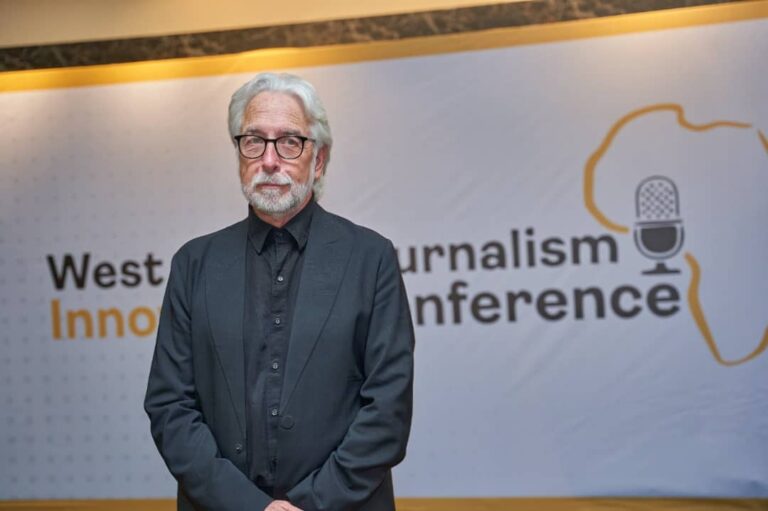
WAJIC 2023: Journalism should be more constructive to retain media relevance – Google News VP

VICE President of News at Google, Richard Gingras, has urged journalists to be more constructive in reporting to sustain the relevance of the media.

He said this on Tuesday, July 25, at the ongoing West Africa Journalism Innovation Conference (WAJIC) in Abuja, stating that the sector is facing a crisis of relevance caused by factors including declining trust of the audience and an overload of bad news.

“The Reuters Institute tells us that less than 10 per cent of our society regularly consume what we call serious news. Google tells us that less than 2 per cent of search curves are about matters of serious news,” he said.

He stated that the media had to work towards building the trust of the audience by changing the narrative structures of news to convey constructive values.

He also recommended that linguistics be considered in reporting to avoid amplifying societal divisions rather than bridging them.

“When you are covering a story, if you take the philosophy of journalism, if there is, for instance, a bus crash in a certain intersection in the city, and you are reporting on that and twelve people died, that’s not exactly a happy story, but you’ve got to report it.

“But can you report it with an air of constructiveness saying, yes, this happened, here are the reasons why we think it happened, hear what some of the potential solutions might be. Can we go beyond the old phrase about news if it bleeds it leads?” the Google News VP asked.

Gingras also stated that financial sustainability in the media could be achieved if the journalism community becomes the go-to source of information for communities, in the era of other social platforms.

“There is great opportunity and business value in enriching the fabric of a community by addressing the overall needs of that community. I fear we don’t use such approaches. If we don’t use such approaches the bridge, the divides in our societies, the important accountability journalism we do produce will not be heard beyond the depth of our own silos,” Gingras noted.

Explore business models, micro journalism for sustenance

Meanwhile, professionals present at the event have recommended that micro journalism and other business models be explored for sustainability of the sector.

Speaking during a panel session at the event, founder of media organisation Dataphyte, Joshua Olufemi, noted that journalism was leaving many segments of the population underserved due to the focus on political issues, and as a result, several needs remain unmet in other sectors, which, if satisfied could serve as a means of sustainability for the media.

“I think the challenge with our media is they think if it is not big, it is not rich of value. Why are we in journalism? So that people can have access. If it is 10 people that get the value and can pay for it, you had better stay with that.

“The small business owner who goes to Google is not going to Google so that someone in America buys that product. It is so that when you are in that area and you are searching for where to buy ABC, you know where to go to. So it is still local. I think we just need to think micro and think of diversification as a way to aggregate multiple,” he said.

Olufemi also noted that innovations to sustain media organisations do not need to be strictly digital, as there were other needs that could be addressed.

“Needs will always be the way to think about it. What do people need? Indigenous language. There are hundreds of languages in Nigeria that nobody has explored for journalism,” he said.

Africa Editor, Rest of World David Adeleke also said that subscriptions and advertising are not enough to keep media organisations afloat and urged stakeholders in the sector to be more open to other innovations.

“Outside of technology, the fundamental problem that journalism faces on the continent is financing. But it is easy to say, very difficult to solve. Media companies should be more willing to experiment with business models. Just be willing to innovate. People think because it has always been like this, it will always be like this, and that is another problem journalism faces all over the world,” he said.

Funding in journalism has been a topic of discourse over the years, and in 2022 The ICIR held a conference on media sustainability in commemoration of its 10th Year anniversary.

Panellists at the event, including Nigerian Professor of Mass Communication and former Federal University, Kashere, Gombe State Umar Pate, urged media houses to adopt innovative business models for sustainability.

Professor of Mass Communication at the University of Lagos Abigail Ogwezzy-Ndisika also stressed the need for media organisations to constantly review and audit what constitutes readers’ interest to improve business within the sector, a point which was also made by Gingras at the WAJIC 2023.

UniAbuja makes owning registered company a requirement for graduation

0

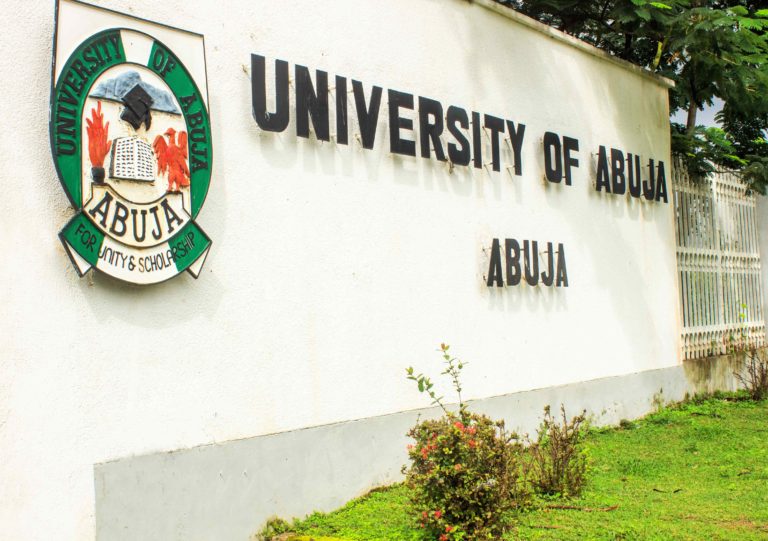
The Vice Chancellor, University of Abuja (UniAbuja), Abdul Rasheed Na’Allah, a professor, has said no student of the institution would graduate without registering a company with the Corporate Affairs Commission (CAC).

NaAllah stated while addressing journalists on the school campus, according to a Daily Trust report published on Tuesday, July 25.

He said the university partnered with the Abuja Chamber of Commerce to train students on raising firms of their own rather than depending on the government or other entities for jobs after graduation.

“What we’re saying to our students is that we’re not giving you certificate only to go and look for employment, we’re charging you to employ yourself and create wealth, charging them to change their mindset. Many of them have registered their companies, go to CAC and see the record.

“Know that no student will graduate from the University of Abuja without having a company registered with CAC, it’s now a law in this university. You cannot graduate from this university if you don’t have a company that you’ve registered. You must even practise this company because you must have registered the company a year or two before you graduate,” he said.

According to him, the Chamber of Commerce officials are always on the campus to teach the students on how to own and grow their firms.

“They’re constantly working with us and every time we’re always seeing something new. One of the new things this time around is that more than 1,000 students have registered their companies with CAC in this university. Students having companies and some of them are graduating, some in 300 level with opportunities to even practise the companies they have registered.”

The ICIR reports that nearly a half (54 per cent) of Nigerian youths are unemployed, according to the Federal Government.

The National Universities Commission (NUC) said in 2021 that Nigerian Universities alone had 2.1 million students.

This figure did not include those of the polytechnics, colleges of education, monotechnics and other tertiary institutions churning out graduates yearly.

In 2022, the Federal Government disclosed that 133 million people in the nation lived in multi-dimensional poverty – a reflection of acute unemployment and other challenges facing the country.