THE Lagos Chamber of Commerce and Industry (LCCI) has called for an independent framework that will help to resolve and manage disputes between the Nigerian Customs Service (NCS) and the business community.
Muda Yusuf, LCCI director-general, said this in a statement addressed to President Muhammadu Buhari and made available to The ICIR on Sunday.
Yusuf said matters of product valuation and harmonised system of product classification by the NCS was one of the most distressing encounters experienced by investors in the Nigerian economy.
He said the absence of an independent, credible and prompt appeal mechanism with the NCS was a major shortcoming in Nigeria’s international trade process.
“It is a situation that is hurting investment and weakening investors’ confidence. Importers are left entirely at the mercy of the Customs in the absence of a credible, independent window for dispute settlement between the Customs and the private sector. Under the present arrangement, the Customs Service is the accuser and the judge.”
Such a mechanism, Yusuf said, was unfair to investors and not consistent with the principles of natural justice. He said many companies had been compelled to pay outrageous additional charges on imports, thus distorting their investment plans and projections.
He noted that discretionary interpretations of product classification and valuation posed enormous corruption risks in Customs processes in Nigeria.
“Indeed, the biggest corruption risks in the interface between the Customs and the business community are around these two issues. This situation is hurting investors across all sectors – manufacturing, agro-allied, ICT, construction, Services etc.
“It is a disincentive to domestic and foreign investment; it creates uncertainty and aggravates investment risk, undermines economic diversification prospects, depresses capacity utilisation, and limits the scope for job creation. It is also not consistent with the vision to make Nigeria a top investment destination.”
He said that the Nigeria Customs Service had a weak trade facilitation culture and an absence of customer service orientation, stressing that the disposition was hurting investment, frustrating trade, and creating a negative investment sentiment.
He stated that a presidential intervention had become inevitable, especially with the start of the African Continental Free Trade Area (AfCFTA), noting that there was a need to ensure a balance between regulatory controls, revenue generation and trade facilitation functions of the NCS.
Yusuf asked President Buhari to issue an executive order creating the independent dispute resolution to restore the confidence of investors in the international trade process in Nigeria.
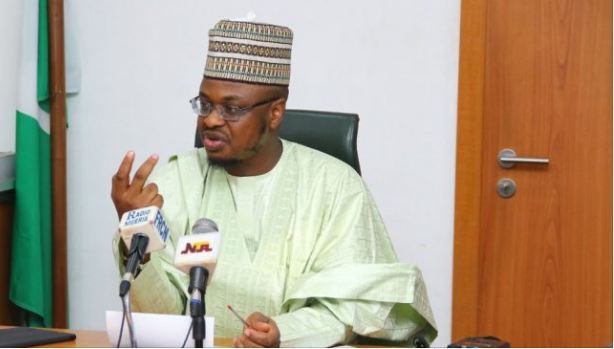
The federal government has directed telecommunications providers to put the proposed suspension of unstructured supplementary service data (USSD) on hold.
Femi Adeluyi, technical assistant (information technology) to Isa Pantami, minister of communication and digital economy, gave the directive in a statement on Saturday.
He said Pantami had called for a meeting on Monday with all stakeholders, including the Central Bank governor, executive vice chairman of the Nigerian Communications Commission(NCC), as well as mobile network operators (MNOs) and financial institutions.
Adeluyi said the purpose of the meeting was to ensure an amicable resolution of the impasse.
“The outcome of the meeting will determine the next steps regarding the status of USSD financial services,” the statement said.
Adeluyi noted that the minister had sent a letter with respect of the isssues to the CBN governor on March 3rd, 2021, regarding the need for the banks to do the needful.
The Association of Licensed Telecommunications Operators of Nigeria had announced on Friday that it would disconnect banks from USSD services Monday due to debt, which waa over N42 billion.
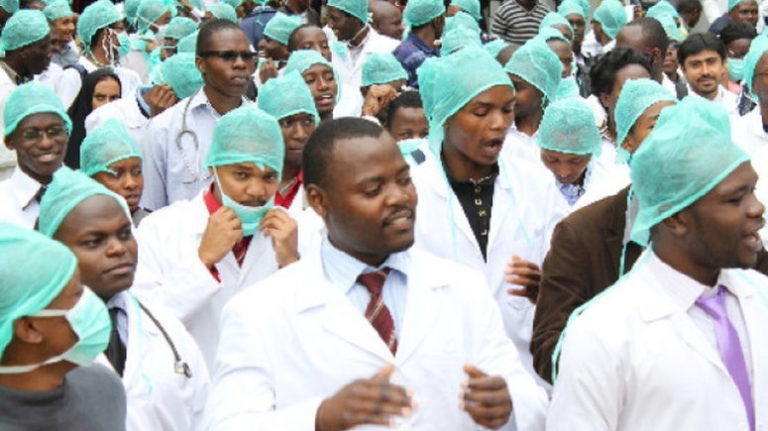
RAGING feud between Medical and Dental Council of Nigeria (MDCN) and chief medical directors (CMDs) of tertiary health institutions in Nigeria took a toll on house officers in the country who were owed salaries for three months.
The feud, which began in December 2020, left house officers without December to February salaries. They only began to receive their three months’ salaries on March 12, 2021.
Investigation by The ICIR revealed that the house officers had been engaged and paid by the hospitals until recently when the federal government took over the posting and payment of the doctors to avert alleged abuse.
Government’s decision did not go down well with the CMDs who then refused to forward the list of the interns to MDCN for vetting and onward salary payment.
House officers are graduates of medical schools who are employed for the purpose of receiving further training for a period of one year. The process, known as housemanship, enables the interns to acquire more practical knowledge by working in hospitals and getting paid. The housemanship programme is required to enable doctors to participate in the compulsory one-year National Youth Service Corps (NYSC) programme. Experience garnered during the housemanship helps the practitioners to excel in places of their primary assignment.
Checks by The ICIR showed that many of the doctors went through pains while being owed their salaries. A picture of Okorie Venetus, one of the interns, went viral on social media on Saturday March 6, after he reportedly collapsed at the University of Port Harcourt Teaching Hospital, Rivers State. He was said to have worked uninterruptedly for 72 hours, yet was owed three months’ salaries.
Uyilawa Okhuaihesuyi, president of National Association of Resident Doctors (NARD), an umbrella body of medical practitioners that cater to the welfare and other needs of the interns in Nigeria, told The ICIR that Venetus was just one out of many house officers who had bitter experiences during the period.
He accused some heads of public tertiary hospitals of refusing to submit the list of interns in their facilities to the MDCN for vetting and onward transfer to appropriate authorities for payment of their emolument – an attitude he alleged spanned three months.
His allegation was confirmed to The ICIR by Yusuf Sununu, chairman, House Committee
Femi Gbajabiamila, Speaker, House of Representatives. Source: Channels TV
on Health Care Service, who chaired the meeting of stakeholders where a directive on immediate payment for the interns was issued.
The NARD president said, following failed efforts to get the attention of government to ensure that the interns were paid, after engaging different means to end the stalemate, including writing to the National Assembly, leaders of NARD resorted to embarking on strike.
In order to avert the strike, the House of Representatives, through Femi Gbajabiamila, its speaker, convened a meeting of stakeholders which eventually made some resolutions on the crisis. The meeting took place between Tuesday, March 9 and Wednesday, March 10, 2021, at the National Assembly Complex.
A major resolution made at the meeting was immediate payment of the trainee doctors. The majority of them had got their salaries as of the time of filing this report on Saturday, NARD president said.
More accusations from NARD
According to Okhuaihesuyi, there was a shortage of house officers which he said stemmed from the feud between the MDCN and the CMDs.
The rift “is more like a rift between the chief medical directors and the MDCN. Because of that, they have not paid the house officers for over three months. We have written to federal ministries of health and labour, speaker of the House of Representatives and the Senate president,” he said.
According to him, there should be between 10 and 15 house officers in each unit of hospitals, but there were only about two.
He confirmed that the doctor who reportedly collapsed in Port Harcourt worked much more than the duration he should work, resulting in his collapse.
Uyilawa further alleged that the CMDs were “more like sabotaging the Federal Ministry of Health and the MDCN so that they can reverse the payment to them.”
“The CMDs know that if they do not submit the list, the house officers would not be paid. If they are not paid, the CMDs know that the house officers will react and will probably call for a strike,” he said, adding that “that is their aim. They know that with that, they will reverse the payment to the CMDs.”
He said only 19 of the CMDs submitted names of their officers for payment.
According to him, there were 2,136 house officers affected by the payment delay.
He also said only 5, 000 naira was being paid to doctors by the federal government as hazard allowance, while federal lawmakers were getting over a million naira.
Reaction by Sununu, Chairman, House Committee on Health Care Services
The lawmaker told The ICIR in a telephone interview that his committee was able to mediate in the matter within the first sitting because of the confidence that NARD had in the leadership of the House of Representatives.
He said: “When they came, we were able to find out what the problem was. The problem was based on the policy of the federal government to centralise recruitment and posting of house officers because many house officers were roaming the street and were not employed. Federal government moved posting and recruitment to Medical and Dental Council of Nigeria because of that.
“However, there was a delay by committee of CMDs and MDs to submit the list of the serving house officers to Medical and Dental Council of Nigeria so that the council can identify those who were recruited and were to be paid.
“And then, the MDCN issued a circular to stop payment of house officers. So, we now had two crises, not employing house officers and not paying those who were recruited. Based on that, the NEC (of NARD) resolved to go on strike.”
Following those actions, he said his committee invited the stakeholders namely, the Federal Ministry of Health; Budget Office of the Federation; Medical and Dental Council of Nigeria;Committee of CMDs; Nigerian Medical Association, and NARD to a meeting.
Many public hospitals in Nigeria are in poor state and health services are worsened by strike by doctors and other health workers. Source: Guardian
At that meeting, he said the committee “sounded a strong warning that all the CMDs must submit the list to the Medical and Dental Council of Nigeria within 48 hours, and all those in hospitals that were delaying should immediately be paid since there is budgetary allocation to that.” He vowed that the committee would follow its decision up with sanctions on any erring party.
According to him, the trainee doctors were paid within 24 hours after the committee’s directive.
But he advised that government must always conclude all processes involved in any subsisting programme before switching to another.
Reacting to allegation of doctors being paid 5,000 naira hazard allowance, he said: “We were all frank, especially before Mr. Speaker that N5,000 hazard allowance is not acceptable, and that we are working with the Federal Ministry of Health, Ministry of Labour and National Salary and Wages Commission to ensure they review the hazard allowance. Not only that, recently, you will also note a lot of brain drain in the country, and even the Ministry of Labour identified that as a major challenge.” He noted that “the need to review the hazard allowance cannot be over-emphasised.”
He revealed that COVID-19 led to brain drain of doctors in the country, resulting in vacuums in public health institutions. He said recruitment was ongoing and that government had been getting doctors to assist.
“Then, the other issue is (that) there is embargo on employment. Employment is only following waiver and there are a lot of bottlenecks. The hospitals need to obtain waiver for them to recruit, and it can take you more than six months to obtain a waiver,” Sununu stated.
Asked to express his view about the general health care system in the country, the lawmaker said the health system “is weak” and that a lot needed to be done to ensure that quality health care services were offered to people in the nation.
Response from Registrar, MDCN
After parrying questions from our reporter during a telephone interview, Tajudeen Sanusi, registrar, MDCN, said his organisation had no issue with anybody. He insisted he would not respond to our reporter’s question which sought his reaction on the issues.
After much prevarication, he said, “Do not force words into my mouth. MDCN did not say ‘transfer this to us.’ There were problems and government wanted to resolve these problems. That was why they said MDCN should take over. MDCN taking over is not that they give us money. No, our own is to scrutinise the list and forward to the Accountant-General Office where further action would be taken on the interns’ payment.”
“There are quotas allotted to these people. You see, if you have a quota of 40 and you go and employ 80, what do you want me to do? That is the situation. You have a quota of 40, you are employing 80. The quotas were allotted based on available human and material resources, and they have no right to adjust the quota themselves unless they invite Council for re-accreditation. Let us get things right in our society. People should not indulge themselves in acts of illegality, trying to legitimise the act of illegality. No, our Council will never allow that. That is just it. “
Chairman, CMDs group in Nigeria speaks
Jaf Momoh, chairman of CMDs and chief medical director, National Hospital, Abuja, said in an interview with The ICIR that nobody would accuse the CMDs of training medical doctors to enable them get their licences.
Dr Osagie Ehanire, Minister of Health. Source: Punch newspaper
His words: “Nobody can accuse us of trying to train a medical doctor for his licence and that you are over-recruiting. What happened to those who have finished training? So, they should go and roam the streets? A doctor who spent seven years training, his training should not be completed? It’s only one year. That is why the federal government decided that the training should be centralised, that everybody will be absorbed. The responsibility of MDCN is to get placement for all of them.”
He then spoke on the new resolutions of the Sanunu-chaired mediation team of the House of Representatives: “MDCN has been given three months by the National Assembly to get placement for all of them. There can be no issue of over-placement. It is like NYSC, it is one year. Are you going to say NYSC corps members are being over-placed? Everybody who is due is supposed to get a placement. People are misunderstanding it, thinking that it is employment – it is not employment.”
Momoh denied accusations by NARD and House of Representatives committee which said some hospitals having house officers failed to forward their names to the authorities to enable them get paid.
Immediate past NARD president gives more insight into crisis
Meanwhile, Aliyu Sokomba, immediate past president of NARD, gave more insight into the crisis.
He said the new policy emerged because government wanted to centrally place house officers as they did to graduates participating in the National Youth Service Corps in the country.
He said NARD felt there was a need for government to do a proper planning before implementing the decision.
He said government stopped sending emolument of the house officers to hospitals and decided to be paying them by itself without any concrete arrangement on ground.
Sokomba explained that government had stopped recruitment of new doctors, leading to an acute shortage of house officers in hospitals.
He said there could only be two house officers in a hospital, causing them to work uninterruptedly for many days.
He suggested that if government could not pay the doctors in the new plan, it should revert to the old method where hospitals paid.
NARD had embarked on a strike in June 2020 over lack of personal protective equipment (PPE) and poor welfare for its members amid the nation’s fight against COVID-19. The group also proceeded on similar action in September 2020 over unpaid allowances.
JOINT efforts of military, police and local vigilante have foiled an attempted kidnap and attack at Government Science Secondary School, Ikara in Kaduna State.
According to Samuel Aruwan, state commissioner for internal security and home affairs, the criminals invaded the school in early hours of Sunday, but their plot to abduct students was foiled by the quick response of the security operatives.
Aruwan confirmed that all 307 students of the school were safe.
“Between the late hours of Saturday and the early hours of today, suspected bandits stormed the Government Science Secondary School, Ikara, Ikara Local Government Area, in an attempt to kidnap students. Fortunately, the students utilised the security warning system in place, and were thus able to alert security forces in the area.
“The security forces comprising the troops of the Nigerian Army, police and some security volunteers moved swiftly to the school and engaged the bandits, forcing them to flee. The attempted kidnap was foiled,” he said.
The incident happened two days after 39 students were abducted from the Federal College of Forestry Mechanisation in Afaka, Igabi Local Government Area of the state.
Last week, soldiers prevented gunmen from abducting students of a Turkish school in Kaduna.
Also, an attempt to abduct some persons at the quarters of the Federal Airport Authority of Nigeria (FAAN) in Kaduna was foiled.
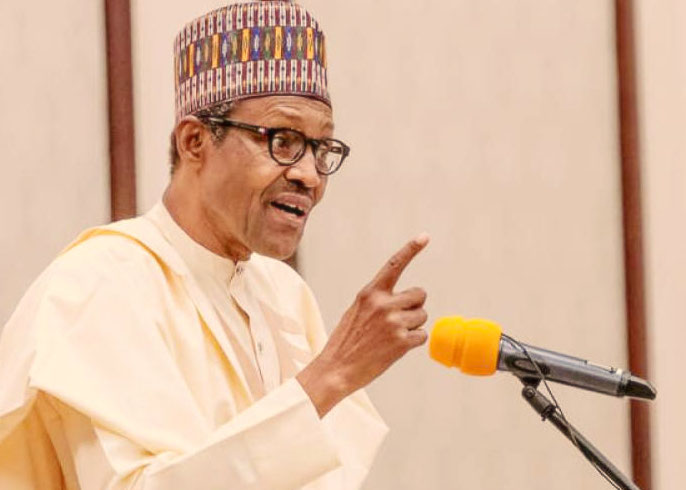
PRESIDENT Muhammadu Buhari has issued a ‘stern’ warning to bandits operating in Nigeria, saying that the country would not allow destruction of the school system.
Buhari said this in a statement issued by Garba Shehu, special assistant to the president on media and publicity on Saturday.
According to Shehu, Buhari also commended efforts of the Kaduna State government and ‘early response’ of the military that led to the rescue of 180 students, including eight staff members.
Buhari likewise urged the military to intensify efforts to ensure that others declared missing were found and returned safely to their families.
He also commended efforts and contributions of local intelligence in combating kidnappers in the country.
“Our military may be efficient and well-armed, but it needs good efforts for the nation’s defense and the local population must rise to this challenge of the moment,” the statement read in part.
This is coming a few hours after a viral video showed students captured by kidnappers pleading to the federal government for help.
The gunmen had abducted 39 students from Federal College of Forestry Mechanisation in Afaka, Igabi Local Government Area of Kaduna State.
In the viral video, the kidnappers demanded 500 million naira for the release of the students.
On many occasions, Buhari has assured Nigerians of his commitment to end insecurity in the country, but his assurances are like water off the duck’s back, given the kidnappings, abductions and killings have worsened across the country.
KIDNAPPERS of students of Federal College of Forestry Mechanisation, Afaka, Igabi Local Government Area of Kaduna State, have demanded 500 million naira for their release.
On Saturday, the criminals released a short video showing 39 students kidnapped from the college begging the state government to facilitate their release.
In the two-minute, six-second video, the gunmen were seen in military uniforms displaying their arsenal of weapons in a show of strength, threatening to eliminate their hostages if the government failed to pay the ransom or tried to secure their release by force.
“My name is Abubakar Yakubu. A student of the Federal College of Forestry Mechanisation Kaduna. I am appealing to the Governor of Kaduna State, the state government and the Federal government,” one of the students said.
Another abducted student appealed to the Nigerian government to come to their rescue by paying the 500 million naira demanded by their abductors.
She said, “Please, we need your help; they are asking for 500 million naira.”
On Friday, The ICIR had reported how the criminals kidnapped students of the college in the late hours of Thursday after breaching the parameter fence of the school.
However, in a statement on Friday afternoon, the Kaduna State government announced the rescue of 180 students by the Nigerian Army.
Samuel Aruwan, commissioner for internal security, disclosed that about 30 of the students were yet to be accounted for.
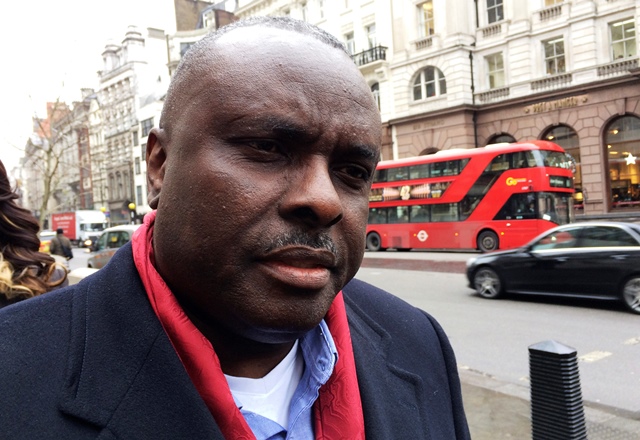
SENIOR lawyers are divided over who takes possession of 4.2 million pounds stolen by James Ibori, former Delta State governor.
While some of them say the money should be returned to Delta State, others affirm that it belongs entirely to the federal government.
The United Kingdom had, on Tuesday, signed a memorandum of understanding (MoU) with the Nigerian government in Abuja, to return 4.2 million pound assets stolen by Ibori, who was convicted in the United Kingdom and jailed for corruption in 2012.
The UK has recovered huge sums of money from Ibori, returning it in parts to Nigeria. But part of his largesse has divided opinion in Africa’s most populous country characterised by institutional theft and entrenched corruption.
According to Abubarkar Malami, Nigeria’s attorney-general, the funds were expected to be used for the completion of the Second Niger Bridge, Abuja-Kano Road, Lagos-Ibadan Expressway and other key infrastructures in the country.
Malami’s disclosure has since generated a lot of controversies and debates among Nigerians, with many asking questions.
Some analysts have accused the federal government of short-changing Delta State by breaking with its precedent of returning looted funds to their state of origin.
They recall that in December 2007, the federal government handed over a cheque for 300,000 pounds ( about N72 million at the time) to Plateau State government, being part of the funds allegedly laundered in London banks by former governor, Joshua Dariye.
They further noted that more than 5 million pounds recovered from the funds stolen by former Bayelsa State governor Dieprieye Alamieyeseigha was handed over by the federal government to Bayelsa State government in 2012.
While Femi Falana, Babatunde Ajibade, Jiti Ogunye, all senior advocates of Nigeria, opine that the money should be returned to Delta State from where it was initially looted, other senior advocates disagree.
Femi Falana, human rights lawyer, said that the federal government lacked the ‘locus standi’ to determine how the loot recovered from Ibori should be spent.
“The federal government has no locus standi with respect to how the money is spent. That is left for the people of Delta State to monitor the government of that state to ensure that the fund is not relooted,” Falana said, as earlier reported by The ICIR.
Both Ajibade and Ogunye have argued, like Falana, that the government should immediately return the money to Delta State.
However, Yemi Candide-Johnson and Kunle Adegoke (SANs), during their appearance on a radio programme on Nigeria Info, on Thursday, explained why the state government had no valid claim to the money.
They argued that the UK government-owned the money in accordance with its laws authorising it to confiscate proceeds of crime from persons convicted via the British judicial system, such as Ibori.
Nigeria, they argued, could not breach the terms of that agreement without consequences.
“The strict legal answer is that the money belonged to the British government, ” Candide-Johnson said.
“The process by which the proceeds of crime is extracted from the hands of criminals such as a convict like James Ibori, the law is quite clear that the government is to deprive criminals of the proceeds of their crime, (and it) has the power to take that money wherever it can be found,:” he further said.
“Governments across the world take possession of proceeds of crime and that is like a fine.”
Adegoke also maintained the same position about ownership of the soon-to-be repatriated funds.
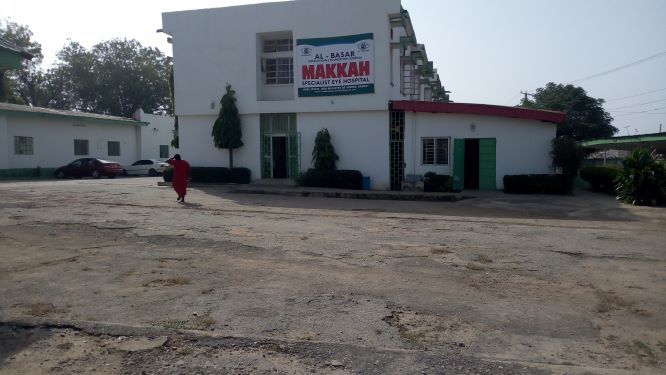
HARUNA Mohammed Salisu, publisher of WikkiTimes, an online news platform, has been threatened following an investigative piece exposing how Makkah Eye Clinic, owned by Saudi Arabia Albasar International Foundation, deviated from its creed of affordable healthcare and resorted to charging clients three times the amount in similar private institutions.
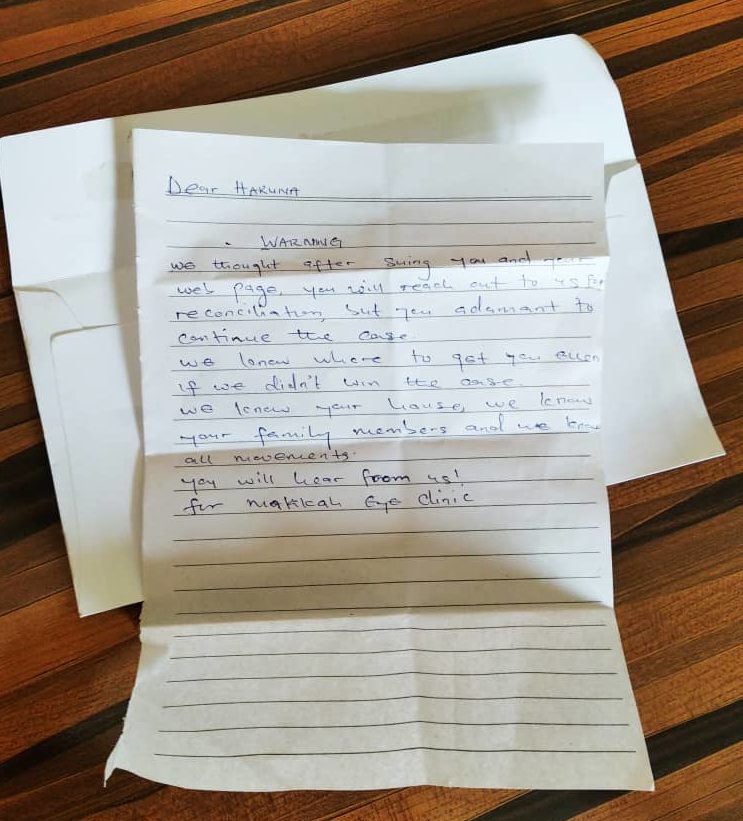
The reporter disclosed that the threat was contained in a letter sent to his office by someone from Makkah Eye Clinic.
The Makkah Eye report detailed how the clinic consistently maltreated patients seeking medical help, systematically disengaged indigenous staff on frivolous allegations, just as it continued to short-change the Bauchi State government on tax revenues for six years – allegations the management of the hospital conceded in an interview.
The two-month investigation by the reporter also documented several harrowing experiences of patients who consulted the facility and the high cost of services and medications offered by the hospital when compared to other health facilities in the state. For instance, Musa Haruna, a glaucoma patient, recounted how one Zulfikar Ahmed Abbasi, a Pakistani expatriate consultant ophthalmologist, rained insults on him for his inability to keep his scheduled appointment with the hospital.
The foundation, after the publication of the report, dragged WikkiTimes, its publisher and a reporter to court.
The investigation also led to the Christian Blind Mission, CBM, an international Christian development organisation working in Nigeria, suspending its eye care programme with Makkah Eye Specialist Hospital, Bauchi.
According to Haruna, “I went to my office this morning to search for an HDMI cable for our ongoing training at the Secretariat of the Nigeria Union of Journalists here in Bauchi.
“As soon as I opened the office, I saw an envelope on the floor. It looked as if someone pushed the letter from the doorstep.
“After opening the office, I saw an envelope on the floor by the door side. I read it and found that the content contained a threat to me and my family.”
The letter read in part, “We thought after suing you and your web page, you will reach out to us for reconciliation, but you adamant to continue the case.
“We know where to get you, even if we didn’t win the case. We know your house we know your family members and we know all movements,” the threat letter read in part.
Prior to receiving the threat letter, the journalist had said insiders at the hospital told him some officials of the hospital had issued verbal threats to the whistleblower who first gave WikkiTimes the tip-off about the dealings of the hospital.
The whistleblower said an expatriate doctor who left the services of the hospital in a telephone conversation detailed the plan of the hospital’s management to include a threat to life on the whistleblower and staff of WikkiTimes.
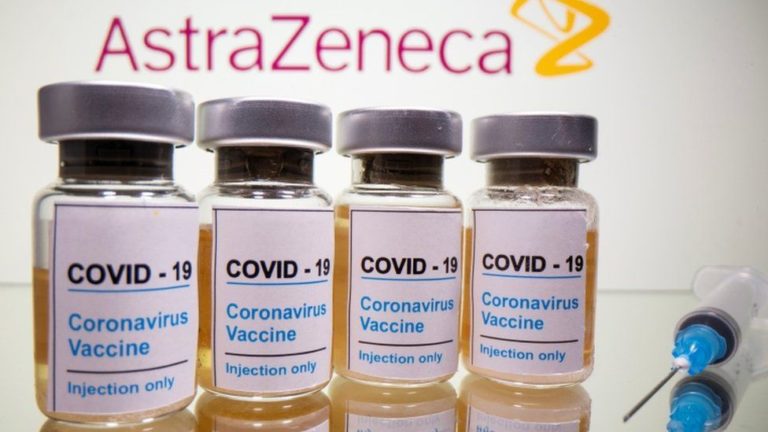
NIGERIANS, including medical experts, have expressed concerns over the federal government’s insistence on going ahead with the administration of AstraZeneca vaccine even when it is being suspended by countries on safety fears.
As of March 13, 2021, about eight European countries – Norway, Iceland, Austria, Estonia, Lithuania, Luxembourg, Italy, and Latvia – as well as Thailand, an Asian country, had suspended use of the vaccine as a precaution following reports of death and illness among recipients.
The death of a recipient of the vaccine was reported in Austria, which was among the first countries to halt the use of the vaccine. In rapid succession, other countries followed suit, pointing to instances of blood clot potentially linked to batches of the AstraZeneca vaccine.
The AstraZeneca vaccine is currently being administered on Nigerians after 3.94 million doses of the drug, manufactured by the Serum Institute of India (SII), arrived in Nigeria on March 2, 2021. The Nigerian government acquired the vaccine through the COVAX Facility, a partnership between CEPI, Gavi, UNICEF and the World Health Organisation.
Despite the suspension of the vaccine in some countries as a result of severe side effects which have led to fatalities, the Nigerian government, on March 12, insisted on going ahead with the use of the vaccine in the country.
A statement released by the National Primary Healthcare Development Agency (NPHCDA), on behalf of the federal government, said the doses of the drug received by Nigeria were not part of ABV5300, a specific batch of the AstraZeneca vaccine suspected to be linked to the alleged adverse side effects.
The federal government, in the statement, stressed that, so far, all side effects reported by Nigerians who had been administered with the vaccine were mild. The government urged Nigerians who were among those being prioritised in the current phase of the vaccination to continue receiving the vaccine.
Faisal Shuaib, DG/CEO, National Primary Health Care Development Agency
Vaccine will fail, FG should discontinue vaccination… Virologist
But a virologist, Bola Oyefolu, a professor of virology at the Lagos State University (LASU), in an interview with The ICIR, warned against continuing with the AstraZeneca vaccine in the country.
Oyefolu stressed that AstraZeneca and other vaccines that were developed for COVID-19 disease would fail because they were produced without adequate information and knowledge about the virus responsible for the disease.
“The thing is that any pathogen at all, not just this particular coronavirus, that we do not have enough research on and you have just a little information, and based on that you develop a vaccine, that vaccine will surely fail, either now or in the future. My position is we are yet to have enough information about the virus and we are developing a vaccine, surely it will fail. Now we are having different variants (of the virus) and as long as we have different variants, that vaccine will fail.
“If you look at the World Health Organisation (WHO) video clip on Frequently Asked Questions about the vaccine, you will find out that it is not wise at all to say you want to take the vaccine. The answer to everything is ‘likely’ and ‘maybe.’ I wonder why the Nigerian government insists on the vaccine,” Oyefolu said.
The virologist further told The ICIR that the federal government would not continue to give the vaccine to Nigerians if it loved its citizens.
He said, “If all facts are on the table, and if the government loves the citizens, and you know that several other countries are rescinding the decision to take the vaccine, if the government is sincere and loves the people and also knows that the economy of the country depends on the health of the people, I think the government should rescind that decision to administer the vaccine on Nigerians. They should not allow it.
“If you kill all your people or you make your people diseased, I do not know the country we are going to be in.”
Oyefolu advised the federal government to return the remaining doses of the vaccine sent to Nigeria and seek a refund of the money spent to purchase it.
“As for me, the Nigerian government should not go ahead with the vaccine. They should find a way of returning it, maybe by losing some percentage of the money paid instead of giving it to people and killing people,” the virologist told The ICIR.
FG advised to monitor those who have received the vaccine for adverse reactions
Another virologist, Sunday Omilabu, also a professor of virology, suggested that the federal government should monitor all those who had received the vaccine so as to detect any possible adverse reactions.
Omilabu told The ICIR in an interview that the AstraZeneca vaccine should only be suspended in Nigeria with ‘good reason.’
“Those countries that suspended the vaccine have good reasons for the suspension, so we should also have a good reason if we want to suspend the usage of vaccine. Almost all the countries of the world, including the developed countries, are using the AstraZeneca and only a few countries are suspending its use because of certain reactions some individuals developed. We should also look out for individuals with very strange reactions. If we do not have people with such reactions, then we do not need to suspend it. But we need to monitor those who have taken the vaccine because it might depend on individuals. Most people will take it and will not react badly – just mild reactions which are normal but some individuals might react differently. So we need to be on the look-out for those with strange reactions among those who have received the vaccine,” he recommended.
The virologist, however, observed that, so far, there had been no cause for alarm in Nigeria as none of the people who received the vaccine had reported any strange reaction.
When contacted by The ICIR, president of the Nigerian Medical Association, Innocent Ujah, a professor of medicine, said the Nigerian government should get full information concerning the side effects of the vaccine.
“I do not have full information (about the side effects). I need to study why those countries are stopping the vaccine. We need to know the side effects and have full information on the situation,” the NMA president said in an interview with The ICIR.
Another medical doctor, Chidi Esike, chairman of the NMA chapter in Ebonyi State, told The ICIR that the Nigerian government should investigate the reported side effects.
Noting that Nigeria should continue with AstraZeneca vaccine if it had been validated by relevant authorities, Esike noted that the reported side effects, over which the drug was suspended in some countries, might be linked to different batches of the product, as suggested by the Nigerian government.
But the medical doctor also advised that the COVID-19 vaccination exercise should be monitored in order to identify possible issues.
“The side effects might be due to different batches of the vaccines. They might not be consistent so I think we should go ahead with the vaccine if our people have validated it so that if we have any issues we will know the type of issues we have. If we do not have, we will continue with it. We should not stop because of what happened in other places as there are batch differences and other factors. What happened in other countries might not happen in our own case.
“We have not heard any such report (of severe side effects) from the United States, which is the largest consumer, given that it is the same vaccine that is being given to Nigerians. Britain has not reported anything. So those side effects can be anecdotal cases and need to be investigated.”
Chairman of the Nigerian Medical Association chapter in Imo State, Chidiebere Okwara, when contacted by The ICIR, said he would not comment on the matter since the federal government had already gone ahead to issue an official statement.
*Nigerians on Twitter doubt FG’s assurance on vaccine safety
Meanwhile, some Nigerians, who reacted to the statement issued by the federal government, through NPHCDA, reassuring citizens of safety of the vaccine, have expressed doubts over the government’s claim that the drug was safe.
The statement was posted on Twitter by Bashir Ahmed, a media aide to President Muhammadu Buhari. Reacting to the statement, a Twitter user, New Nigeria, with the handle @NewNig48, expressed concerns that the side effects might not manifest immediately. He tweeted, “Why don’t we suspend the administration of the vaccine for now? Those who are complaining did not get the vaccine yesterday. Side effects may take a longer time to show up. Please suspend its administration until cleared.”
Nnamdi, @iamNikeAce, stressed, “Even before this new development, I have said to myself to not take any vaccines. A lot of controversies behind this pandemic and vaccines.”
Also, P. C. Erudite, with the Twitter handle, @chimepat, tweeted, “Thank God that men at the helm of Nigeria’s affairs have already taken it.”
In the same vein, Micah Ugalah, @UgalaMicah, said, “So, I don’t just trust their sudden interest to save our lives. A Nigerian was part of the team that came up with one of the vaccine. Why can’t we encourage our own people to give us what will be peculiar to us. I don’t also trust this COVID-19 enterprise at all.”
Another Twitter user, NnanyiMoe, observed, said: “But this (FG statement on safety of vaccine) would have been better believed if it had been addressed in a live broadcast by the President. Our leaders must learn to interact with those they lead. Very important.”
Still reacting to the statement, Uncle Goody Goody told the Nigerian government, “Your assessment isn’t in line with Spain and the UK, you just depend on them for information and work with their conclusions. Don’t tweet like you are doing any special work to protect Nigerians.”
Ola Williams PhD observed, “The most painful part of this whole scenario is making me lose trust in NAFDAC who said they have certified this vaccine and did so in less than 24 hours. That was when I knew there is a foul play. There are levels to this thing.”
And, in a tweet that captured the seeming prevailing mood among ‘ordinary’ Nigerians, another Twitter user, Ntare, @Obatala, noted, “Our leaders thinking they will take vaccine and carry shoulder for us. Good thing they are the Guinea pigs this time.”
Twitter reactions suggest high level of vaccine hesitancy in Nigeria
The tone of the reactions trailing the statement issued by the federal government to assure Nigerians of the safety of the vaccine suggests that there might be a high level of ‘vaccine hesitancy’ in Nigeria, a phenomenon that has been observed in developed countries, including the United States.
Vaccine hesitancy is an unwillingness to accept the COVID-19 vaccine, which can be caused due to one of, or a combination of scepticism, misinformation and political polarisation.
A recent study conducted by Texas A&M University found that vaccine hesitancy posed a big threat to the actualisation of plans by the US government to vaccinate between 70 to 90 percent of the population in order to achieve herd immunity in the country. About 31 percent of 5,009 Americans surveyed in the study (before the vaccine was developed) said they did not plan to take the COVID-19 vaccine when it became available to them.
*WHO says no reason to stop using AstraZeneca vaccine
Reacting to the suspension of the AstraZeneca vaccine by some countries, the WHO said no link had been established between the drug and blood clot.
Margaret Harris, WHO spokesperson, said on March 12, 2021, “We have reviewed the data on deaths. There has been no death, to date, proven to have been caused by vaccination. We should continue using the AstraZeneca vaccine.”
HALIMA Aminu returned home from school one sunny afternoon in June and collected a bowl filled with Alewan Madara from her mother, to sell. The 8-year-old still had her uniform on when she stepped out with the local candy made from milk, looking to sell her stock to other students who were making their way home after school. Just the previous day, she had sold out her bowl of the local candy and thought it was a lucky streak when an older man, Adamu* a trader approached her, requesting to buy the entire stock.
Aminu recalls that he asked her politely to deliver the bowl of candy to his shop, which was a few meters from her house. She obliged, oblivious to any sense of danger. When they got to the shop, the 21-year-old trader fondled and penetrated her private area with his fingers. After which he sent her back home, threatening to kill her if she told anyone.
Unaware of what had happened to her daughter, Aminu’s mother was happy that she had been able to sell all the candy.
Afraid of getting killed, Aminu kept quiet and returned to Adamu’s shop for three consecutive days. Over that time he moved from fondling to raping the little girl. He promised to take care of Aminu, making her believe he would provide financial assistance for her and her family.
“Most minors who fall victims of rape in this region (northern Nigeria) return to the abuser for many reasons, one of which is the belief that the abuser will provide financial support. Some others who might have suffered neglect crave the attention the abuser gives, even when it is a painful experience,” says ThankGod Ocheho, a mental health practitioner working with Sexual and Gender-Based Violence survivors like Aminu who are living in conflict zones.
Aminu’s mother, Maryam only realised something was wrong with her daughter on the fourth day.
“When she came back that day, she didn’t want to talk. She was in a terrible state. And when i asked her what was wrong, it was then she told me what had happened to her. She was afraid that Adamu would carry out his threat to kill her if she told anyone,” Maryam said.
Maryam went to the police station to report the assault on her daughter. But they refused to record the incident or take any action, saying it was a family dispute and advised her to settle it within the family.
“I believe Adamu bribed the police with money because they were pushing for us to settle the case. They told me to accept it as fate. My husband also supported them in this. As far as he was concerned, the rape had happened and we should leave the consequences to God!” an angry Maryam said.
Undeterred by the lack of support from the police and her husband, Maryam did not give up trying to get Adamu arrested and punished for raping her daughter.
She approached the Save The Child Initiative (STCI), a Sokoto-based Non-governmental Organisation (NGO), which took up the matter. The organisation filed a report with the Criminal Investigation Department (CID) of the Nigeria Police Force (NPF), before he was finally arrested and detained in a cell.
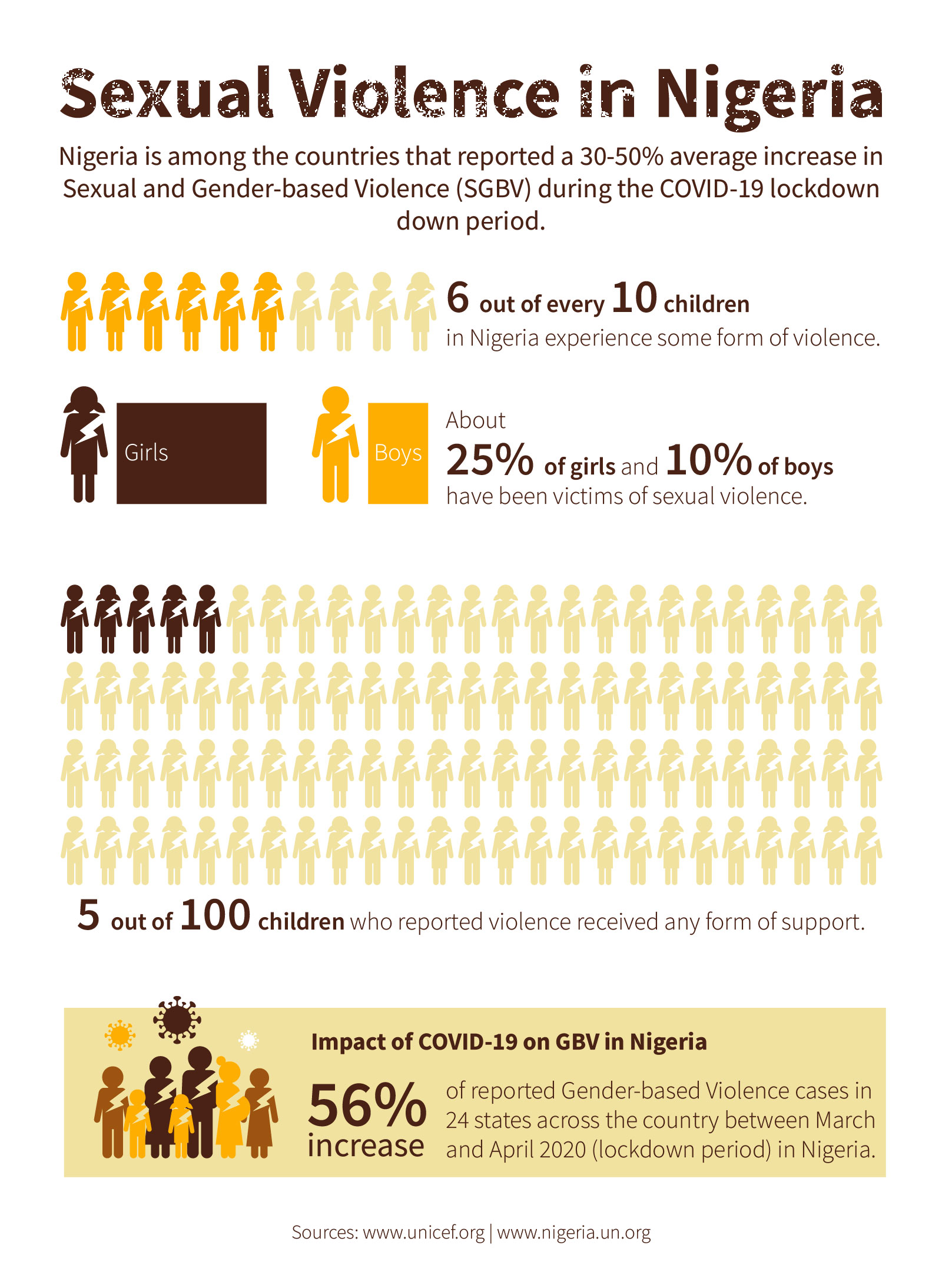
According to UNICEF, six out of every 10 children in Nigeria experience some form of violence. One in four girls and 10 per cent of boys have been victims of sexual violence. Of the children who reported violence, fewer than five out of a 100 received any form of support.
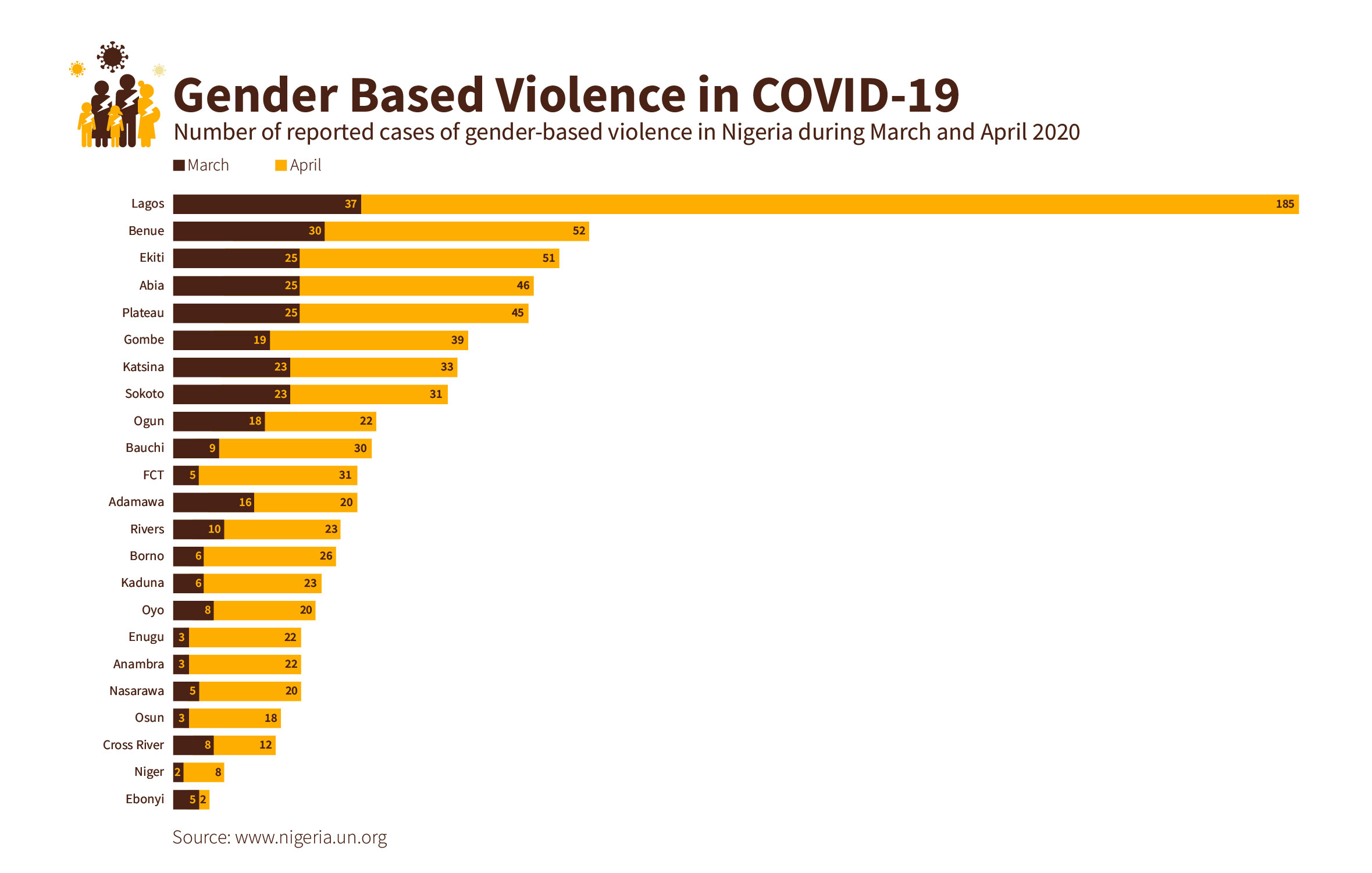
Nigeria is among the countries that reported a 30-50 percent average increase in Sexual and Gender-based Violence (SGBV) during the COVID-19 lockdown down period according to organisations such as the Lagos State Domestic and Sexual Violence Response Team (DSVRT). The most recent data revealed that between March and April 2020 – the peak lockdown period in Nigeria – there was a 56 percent increase of reported Gender-based Violence (GBV) cases from 24 states across the country.
While cases of SGBV spiked during the lockdown period, victims seeking assistance had no access to support networks and exigent support services.
Rukayya Ibrahim Iyayi, a SGBV advisor with Connected Development (CODE) said that most states simply don’t have Sexual Assault Referral Centres (SARC) and the few that do, shut them down immediately after the restrictions were implemented, leaving victims with no choice but to return home to their abusers.
“Most apparent was that the government didn’t prepare to tackle cases of SGBV during the lockdown period and most victims were stranded,” Iyayi submitted in an interview.
Access to centres where they can get affordable quality services is one of the biggest challenges that survivors of SGBV face. A brief by the United Nations (UN) women released in May last year, confirmed that survivors had little or no access to the few GBV referral centres. The centres that exist—mainly in urban areas, are underfunded and unable to deal with the demand for services from survivors.
At the most fundamental, the Violence Against Persons Prohibition (VAPP) Act, the single law in place that transcends the criminal and penal code in guaranteeing justice, protecting the rights and properties of SGBV victims, is yet to be domesticated in 23 out of 36 states since it was enacted in 2015.
The consequence of this failure to implement the ACT sets the eradication of GBV many decades behind as there is no structure in place to protect and provide for victims and survivors, says Chioma Agwuegbo, founder of TechHer who started a Twitter campaign #StateofEmergencyGBV and offline demonstrations to raise awareness of the problem and to push all the 36 State governors to adopt a call to declare a state of emergency against rape and gender-based violence.
More concrete response comes in the form of the Spotlight Initiative a global, multi-year partnership between the European Union(EU) and the United Nations (UN) to eliminate all forms of violence against women and girls. The initiative has partnered with several civil society organisations (CSOs) in Nigeria who provide services to vulnerable women and girls and particularly those experiencing multiple forms of discrimination.
The CSOs are also partners in the IDeyWithHer campaign which has been using advocacy material developed by the UN in Nigeria on GBV during the COVID crisis to address the upsurge in gender-based violence, as well as on the state of emergency declared by state governments and stakeholders in response to the crisis of violence against women and girls.
With six programming pillars including; informing policy, building institutions, women protection and empowerment, the intervention has engaged a number of Civil Society Organizations (CSOs) to implement thematic areas of the programme in states across the six geopolitical zones.
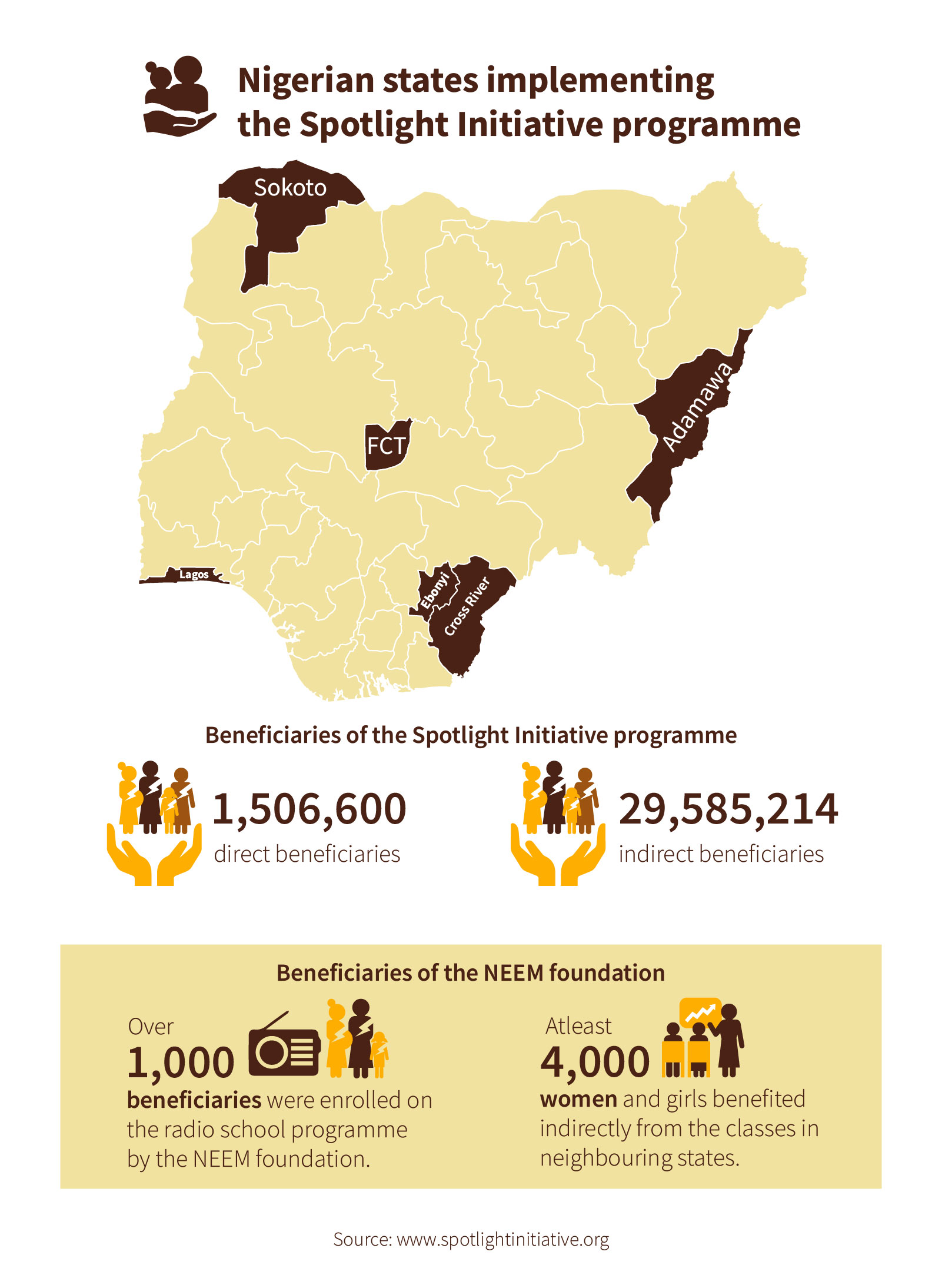
The programme is being implemented in Lagos, Sokoto, Ebonyi, Adamawa, Cross River states and Abuja, the Federal Capital Territory (FCT). It already boasts of 1,506,600 direct beneficiaries and 29,585,214 indirect beneficiaries in Nigeria alone.
NEEM Foundation is one of the partnered CSOs. The organization which primarily focuses on improving lives of those affected by insurgency in the northern region of Nigeria, employs basic education and psychological care tools to train, empower and care for victims/survivors of SGBV in Sokoto and Adamawa states. Both states are located in the northwest and northeast region of Nigeria, respectively. They have both recorded a significant measure of SGBV prevalence although the number of actual incidents are under-reported says Ibrahim due to cultural hindrances, discrimination and stigma which impedes collation of accurate data.
“Most SGBV cases are under-reported because of the stigma and delay in getting justice for victims. It is worse when the victim has to relive the terrifying moments over and over again in the courts or in the media, causing the stigma to linger for a longer period,” Ibrahim said.
A traditional lecture method is used to reach out to women and girls who are survivors or are at risk of SGBV. These classes are set up in local communities where the women and girls receive basic knowledge to communicate and understand English, as well as numeracy skills and becoming advocates in their own right, says Comfort Ene Abah, a second-chance educator at NEEM Foundation.
“I interact with over 200 women and girls daily in these classrooms and what I find most interesting is how they come together to help each other achieve a certain goal. They support and carry each other along in every class work and assignment. It motivates me,” Abah said.
Beneficiaries like Aminu are also provided with psychological care after undergoing the Depression, Anxiety, and Stress-Scale (DASS), a psychometric instrument used to assess the severity of symptoms related to depression, anxiety and stress – conditions common with victims of SGBV.
Since joining the programme, Maryam and her daughter have undergone a series of counseling sessions and reported an improvement in the way the young girl now relates with adults and peers, where she had formerly grown cold and shy.
However, as COVID-19 happened, it disrupted the programme that had registered 6,000 beneficiaries before the lockdown period, says Mustapha Alhassan, NEEM’s Head of Education and Inclusive Communities.
How the programme fared during COVID-19 lockdown period
Aisha Ahmad, a single mother of one and a victim of domestic violence, first heard of NEEM Foundation and the Spotlight Initiative in Sokoto, over the radio. Ahmad, 35, had suffered consistent physical torture and abuse from her husband for two years.
On one occasion, he had beaten her over an argument and locked her up in a room for several hours. They presented the case to the Hisbah Commission, a religious police force in northern Nigerian states responsible for the enforcement of Sharia law, and the commission helped the couple resolve their supposed differences.
“Despite that, he did not stop what he was doing to me. The beatings became worse until he divorced me,” Ahmad recounted in a hushed tone, as though reliving the abuse and expressing a sense of shame.
As a single mother with no skills or money, Ahmad reached out to the Spotlight Initiative and was immediately enrolled as a beneficiary. She has been attending counselling sessions three times in a week and is learning basic numeracy and literacy skills at Kashin Kadangare School but the counselling sessions and the literacy lessons came to an abrupt halt when the pandemic hit. These services and lessons have yet to resume nearly a year later.
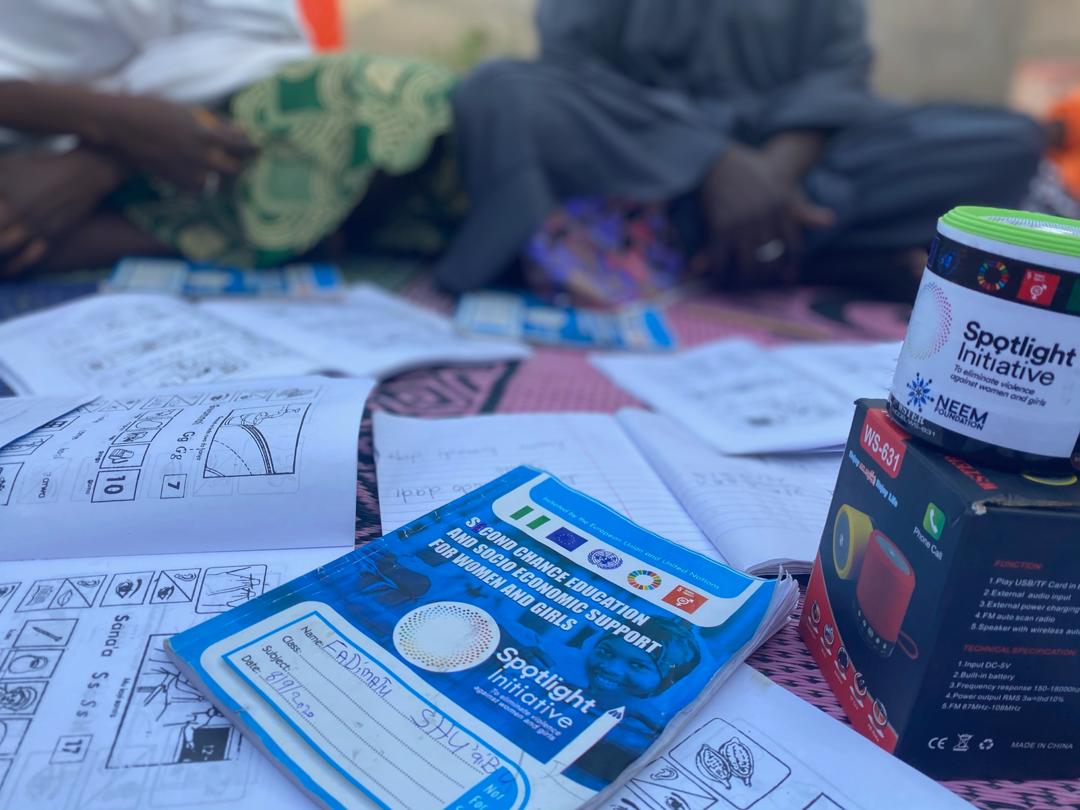
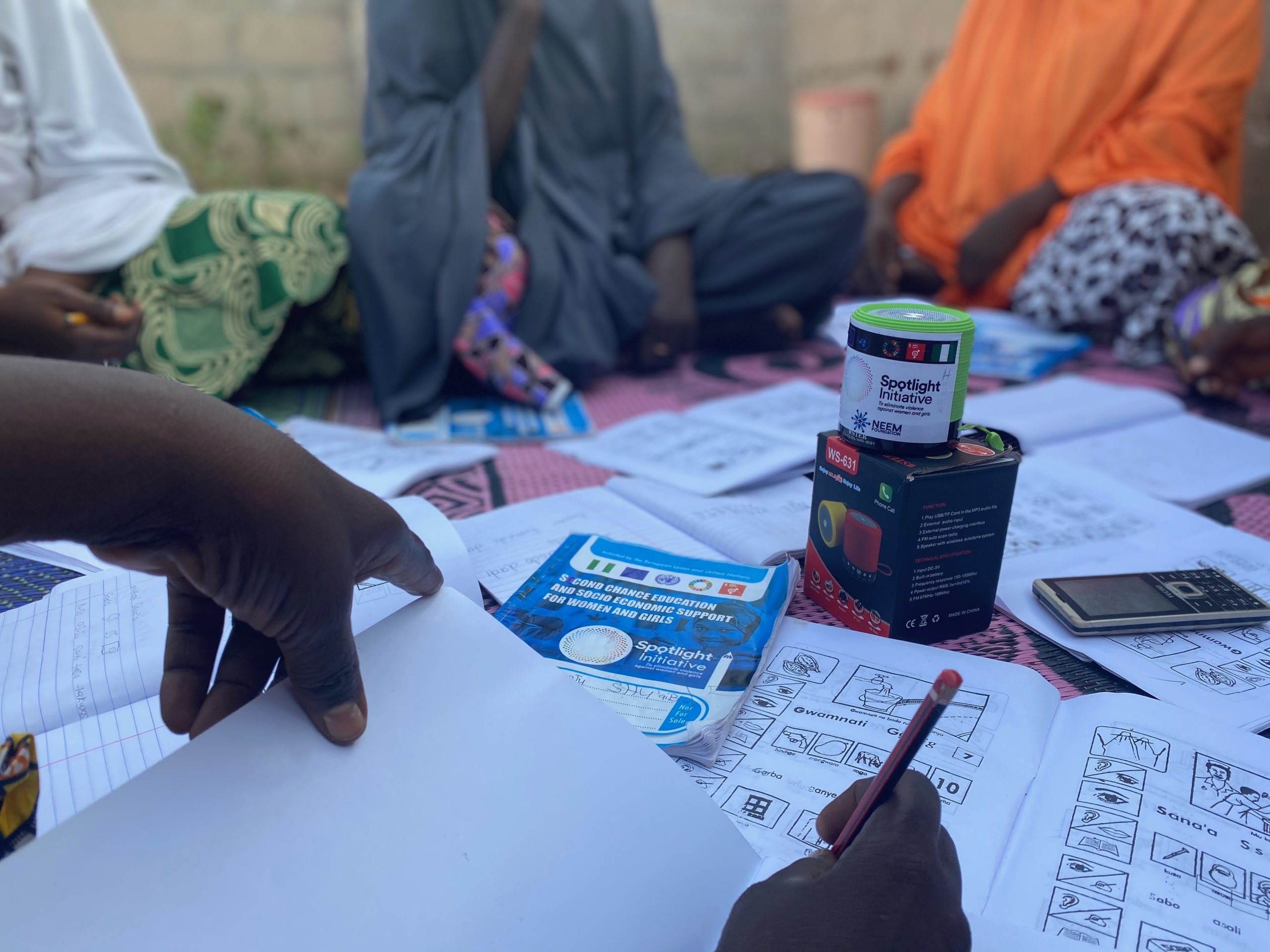
Transistor radio and notebooks distributed to cluster of students
“The COVID-19 pandemic led to the closure of all schools. For the majority of our learners, they could not and still do not have access to the internet and could not afford e-learning platforms,” says Alhassan
A broadcast and tele-therapy solution
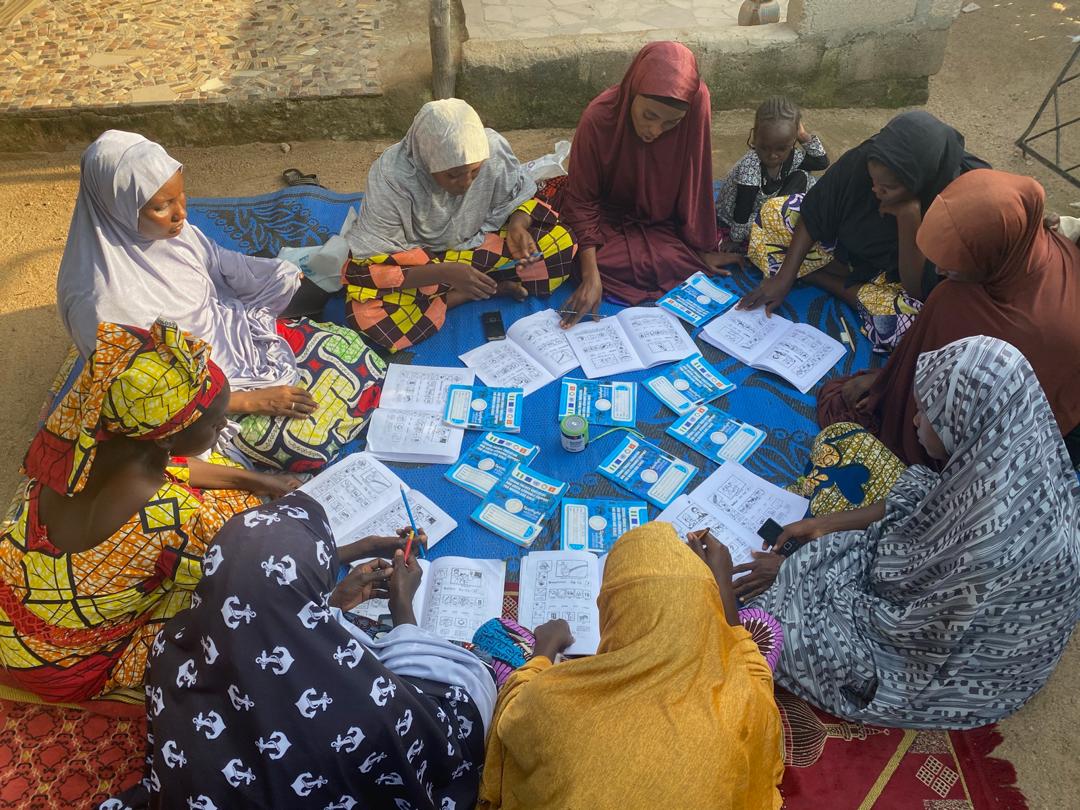
As COVID-19 disrupted learning for thousands of beneficiaries, NEEM Foundation adopted a new initiative to reach the women and girls at risk.The foundation distributed transistor radios to their registered beneficiaries to help them continue with their lessons which are aired in local languages to clusters of 10 women and girls in 10 communities across the state.
Students in cluster receiving lessons via radio
During one of the lessons, we found Ahmad seated on a large mat with nine other women, holding a pencil, as they all listened in for instructions on how to solve an exercise earlier announced by their teacher via a transistor radio. The station was tuned to Garkuwa FM, a broadcast programme which started airing radio lessons during the lockdown period in Sokoto.
“Over 1,000 beneficiaries were enrolled on the radio school programme and at least 4,000 women and girls benefited indirectly from the classes in neighbouring states,” Alhassan disclosed.
The radio school programme is not the first of its kind in Nigeria. Earlier, the Niger State government had adopted a similar approach to curb the adverse effect of COVID-19 on education. The Niger State Basic Universal Education Board (NSUBEB) started a radio programme, running for 30 minutes daily, airing all subjects for primary and secondary schools in the state. However, the state government in a report about the initiative said that it could not assess the number of beneficiaries of the programme.
For women and girls like Ahmad who needed counseling sessions, NEEM Foundation adopted a tele-therapy solution in which registered beneficiaries were able to talk via telephone with psychologists at least twice a week, depending on the need of the survivor.
Those without telephones were reached through mobile devices distributed to selected leads of the women’s cluster groups.
“It helped women and girls become their sister’s keeper,” Alhassan explained.
But the approach also had hiccups. Factors like poor network and availability of survivors to speak on the phone at specific times frustrated efforts, says Ocheho.
As much as the organization found ways to overcome challenges presented by the realities of COVID-19, the big question remains whether its approach of addressing vulnerability factors is an effective response to tackling SGBV, especially when in Nigeria, policies to protect the rights of women and girls exist only as paper tigers.
Does the approach help?
There are reports showing that empowering women directly addresses gender inequality – the driving factor of SGBV, according to the UN general assembly, which in 1993 recognised that violence against women is a manifestation of unequal power relations between men and women. And there are also studies showing that economic empowerment of women have resulted in increased GBV.
In a 2012 research report by Governance and Social Development Resource Centre (GSDRC), it submitted that the connection between economic empowerment and violence against women is an inverted ‘U-shaped relationship’.
“Where women have long-established economic power, they tend to be at lower risk of violence. However, where women’s economic power is in transition, men are more likely to feel threatened by this, and there is often a (relatively) short-term spike in male violence against women,” the report reads in part.
An immediate advantage can be recognised when girls like Aminu and women like Ahmad are empowered to function and thrive in society. However, for this to be successful, the states have to domesticate the VAPP Act.
In the meantime, outreach programmes such as those being delivered through community radio stations are providing the much-needed support.
*This report was supported by the Africa Women Journalism Project (AWJP) in partnership with the International Center for Journalists (ICFJ).