Home Blog Page 598

One year in office: Tinubu’s foreign trips

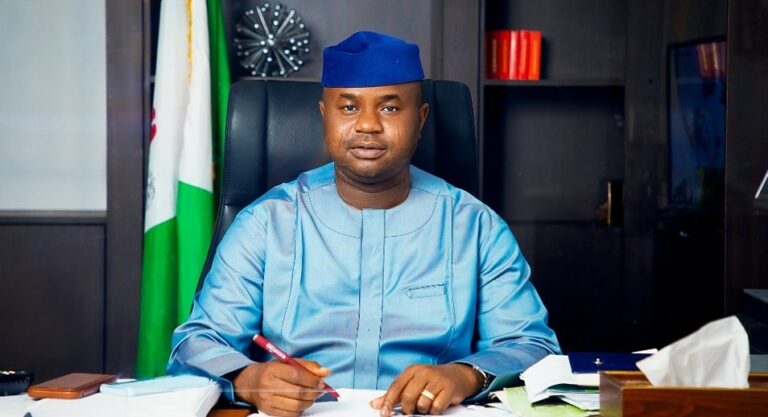
NIGERIAN President Bola Tinubu has made at least 17 trips out of the country for official and unofficial purposes since he was sworn in as president between May 29, 2023, and April 2024, the ICIR reports as part of the series tagged, “Tinubu’s one year in office”.

The president started his official travels in June, a few weeks after he assumed office. The purpose of his trips, as said by him and or his team, was to strengthen Nigeria’s position on the global stage, foster economic growth, and address some of the country’s other challenges.

In this report, The ICIR examines the president’s foreign trips during his first year as president, highlighting the purpose of each trip and its impact on addressing the country’s major concerns.

2023 trips:

New Global Financial Pact summit in France

A few weeks after his assumption into office, President Tinubu embarked on his first international trip to France in June for the New Global Financial Pact Summit.

The 2-day summit afforded the President the opportunity of projecting, on a global stage, his advocacy for widening the fiscal space, economic justice for Africa as the world accelerates the pace of energy transition, and the urgency of addressing the pressing issues of poverty and climate change.

Private visit to London

After the summit in France, Tinubu was billed to return to Nigeria, however in a statement by his special adviser on special duties, communication and strategy, Dele Alake, the president headed to London for a “short private visit” before returning to Nigeria for the Eid-el-Kabir festivities.

63rd ECOWAS summit in Guinea-Bissau

On July 8, President Tinubu made his first official visit within the African continent since assuming office, traveling to Guinea-Bissau for the 63rd Ordinary Session of the ECOWAS Authority of Heads of State and Government.

At the summit, he was elected as the new Chairman of ECOWAS, succeeding President Umaro Sissoco Embaló of Guinea-Bissau.

The regional leaders gathered to address pressing issues affecting the sub-region, including the status of political transition in Mali, Burkina Faso, and Guinea, as well as the ECOWAS Single Currency Programme and obstacles to free movement of goods along the Abidjan-Lagos corridor. While in Bissau, Tinubu also took the opportunity to visit and commend the Nigerian troops serving under the ECOWAS Stabilisation Force, reaffirming his commitment to supporting peace and democracy in the region.

Mid-year coordination meeting in Kenya

PTinubu took a trip to Kenya on July 15, as the Chairperson of the ECOWAS to participate in the Fifth Mid-Year Coordination Meeting (5thMYCM) of the African Union (AU), the Regional Economic Communities (RECs), the Regional Mechanisms (RMs), and the African Union Member States.

The meeting was focused on regional integration within ECOWAS, emphasising actions related to trade, free movement of persons, investment promotion, infrastructure development, peace, security, and stability.

Benin Republic’s 63rd independence anniversary

On August 1,  Tinubu made a short trip to the Benin Republic for the country’s 63rd independence anniversary ceremony.

G-20 leaders’ summit in India 

The President received a special invitation by the Indian Prime Minister, Narendra Modi to attend the G-20 Leaders’ Summit after which he proceeded to New Delhi, India on September 4.

The G-20 summit provides a platform for world leaders to address critical global issues and foster international cooperation. His participation was aimed strengthening Nigeria’s ties with other countries in Asia as well as bolstering economic ties, attract foreign investment and promote Nigeria as a business-friendly country.

Meeting with UAE authorities in Abu Dhabi 

After the G-20 summit in India, President Tinubu travelled to Abu Dhabi, United Arab Emirates (UAE) where he met with the President, Mohamed bin Zayed Al Nahyan to resolve the issue of a visa ban on Nigeria and also discuss other bilateral relations.

The meeting yielded a positive outcome including the immediate cessation of the visa ban placed on Nigerian travellers, resumption of flight schedules for both Etihad Airlines and Emirates Airlines, in and out of Nigeria, among others. Not long after the report on the win permeated the media space, counter reports emerge that the ban was not lifted or was reversed. The back and forth still lingers as of March of 2024 the issue is still being reported with a presidential aid saying the ban has not been lifted.

78th United Nations General Assembly in USA

Again, in September, the president travelled to New York, United States of America to attend the 78th United Nations General Assembly. Tinubu emphasized on the importance of seeing African development as a priority, calling on world leaders and global institutions to invest in Africa, expressed concern about the military coups in Africa, demanding for solutions to perennial problems and called on the international community to strengthen its commitment to arresting the flow of arms and violent individuals into West African regions.

Saudi-Africa summit in Ridyah, South Arabia

Tinubu on November 9, left Abuja for Saudi Arabia to attend the first Saudi- Africa Summit scheduled for the following day, November 10. The summit was aimed at having discussions revolved around supporting joint action, enhancing political coordination, addressing regional security threats, and facilitating economic transformation through research and the local development of new energy solutions, all while bolstering cross-sectoral investment cooperation.

Guinea-Bissau’s 50th Independence Day anniversary

The President travelled again to Bissau, Guinea-Bissau for the country’s 50th independence anniversary and armed forces day on November 15.

G20 Compact with Africa (CwA) conference in Germany

On November 18, President Tinubu jetted out of Nigeria to Berlin, Germany to attend the G20 Compact with Africa (CwA) conference. Tinubu joined other Heads of State of CwA member countries, to deliberate on enhancement of economic and business cooperation with a view to outlining concrete measures to boost investments in areas, including energy, trade, infrastructure, new technologies, among others.

COP28 Climate Summit in Dubai

The President left Abuja for Dubai, on November 28, for COP28 Climate Summit or the 28th United Nations Climate Change Conference of the Parties of the UNFCCC. This climate summit generated lots of controversies by Nigerians on social media after it was revealed  that over 1,400 Nigerian delegates accompanied  him to the summit.

However, the senior special assistant to the president on media & publicity, Temitope Ajayi, explained that not all Nigerians at the event were sponsored by the federal government.

2024 trips:

Private visit to France

On January 24, the president resumed his world tour. He made his first trip of the year on a private visit to Paris, France.

Visit to Qatar

The president went on a two-day visit to Qatar on February 29, at the invitation of the Emir of the State of Qatar, Tamim bin Hamad Al Thani and returned to Nigeria on March 4. The purpose was to further strengthen cooperation between Qatar and Nigeria in the area of security, cultural exchange, economic development, among others.

Inauguration of Senegal’s President-elect

President Tinubu went to Dakar, Senegal on April 2 for the inauguration of Senegal’s President-elect, Bassirou Faye, the youngest democratically elected African president.

Official visit to The Netherlands

President Tinubu embarked on an official visit to the Netherlands on Tuesday, April 23.
The visit aimed to strengthen bilateral ties and explore opportunities for collaboration.

Saudi Arabia Economic Summit

Following his Netherlands visit, Tinubu travelled to Riyadh, the capital of Saudi Arabia where he participated in the 2024 Special World Economic Forum (WEF) on global collaboration, growth, and energy for development.

Would you say Presdents Tinubu’s trips have yielded impact and affected the country positively?  Let us know in the comments. 
70% of environmental journalists report attacks, threats- UNESCO

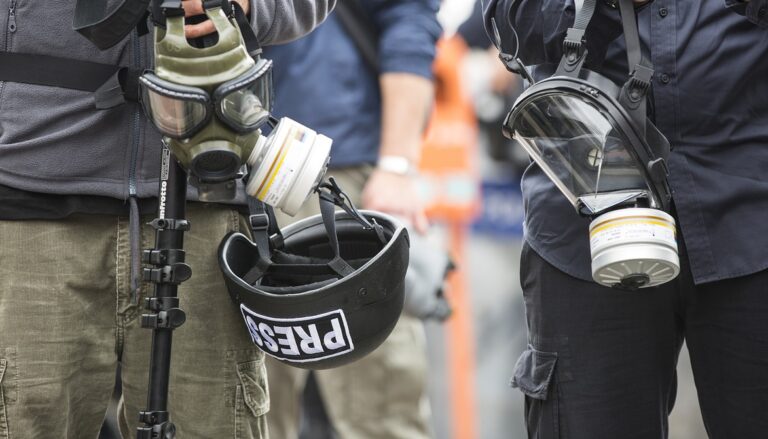
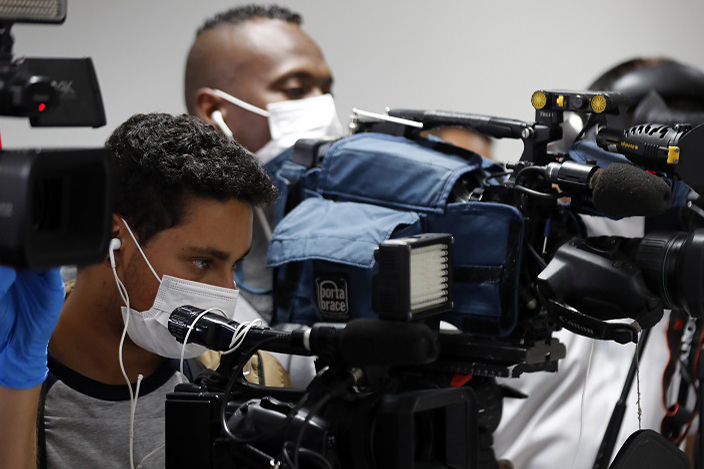
A RECENT report by the United Nations Educational, Scientific and Cultural Organization (UNESCO) revealed that 70 per cent of environmental journalists worldwide experienced attacks and threats in the course of their work. 

This was as the report warned of increasing violence against and intimidation of journalists dedicated to covering environmental issues, including climate change, pollution, and conservation efforts.    

The survey conducted in March, involving more than 900 environmental journalists from 129 countries, showed that at least 749 journalists or news media reporting on environmental issues were attacked in the last 15 years.


Read Also:

Press freedom: despite constitutional mandate, Nigerian laws fail to protect journalists

Punish DIA officers who detained, tortured FirstNews Editor, journalists urge Tinubu

Nigeria ranks 112th out of 180 countries on press freedom


Among them, two out of five subsequently encountered physical violence.

It noted that more than 300 attacks occurred between 2019 and 2023 – a 42 per cent increase from the preceding five-year period (2014-2018).

The UNESCO analysis also revealed instances in which journalists were targeted with murder, physical violence, detention and arrest, online harassment or legal attacks in the period 2009-2023. 

It said the problem is global, with attacks taking place in 89 countries in all regions of the world.

“Without reliable scientific information about the ongoing environmental crisis, we can never hope to overcome it. And yet, the journalists we rely on to investigate this subject and ensure information is accessible face unacceptably high risks all over the world, and climate-related disinformation is running rampant on social media. On World Press Freedom Day, we must reaffirm our commitment to defending freedom of expression and protecting journalists worldwide.”

Escalating physical attacks

No fewer than 44 environmental journalists have been killed for their work in the past 15 years, with convictions in only five cases, the report found. Other forms of physical attack were also prevalent, with 53 incidents.

It also found attacks had more than doubled in recent years, rising from 85 in 2014-2018 to 183 between 2019 and 2023.

The data shows that women journalists report being more exposed than men to online harassment, echoing the trend identified in UNESCO’s previous report.

In addition to physical assaults, a third of surveyed journalists reported censorship, and nearly half (45 per cent) admitted to self-censorship when reporting on environmental issues due to fear of attacks.

“Almost half (45 per cent) said they self-censored when covering the environment due to fear of being attacked, having their sources exposed, or due to an awareness that their stories conflicted with the interests of concerned stakeholders.”

Nigeria ranks 112 of 180 on the press freedom 

While these attacks continue on the global stage, Nigerian journalists are not left behind as they have continued to experience attacks from state and non-state actors.

The latest data on the 2024 World Press Freedom Index by Reporters Without Borders (RSF) placed Nigeria as one of West Africa’s most dangerous and difficult countries for journalists.

By this, Nigeria ranks 112th out of 180 countries where journalists are regularly monitored, attacked and arbitrarily arrested. 

However, the 2024 figure is lower than the 123rd position the country had in 2023.

According to RSF, “The level of governmental interference in the news media in Nigeria is significant. It can involve pressure, harassment of journalists and media outlets, and even censorship. This interference is even stronger during electoral campaigns. Addressing political issues in a balanced way can also be difficult, depending on the media outlet’s owner. To a large extent, government officials have a say in the appointment and dismissal of media officials, whether in the public or private sector.”

Again, Customs raises import duties

DESPITE calls for a fixed rate, the  Nigeria Customs Service (NCS) has again adjusted the foreign exchange (FX) rate for import duties to N1,441.58/$.

This represents a 4.94 per cent increase compared to the N1,373.64/$ adopted on May 1.

The rate adopted by Customs was observed on Friday, May 3, on the federal government’s single window trade portal.


Read Also:


The Customs typically adopt FX rates recommended by the Central Bank of Nigeria (CBN) for import duties based on trading activities in the official FX market.

Some economic analysts say the volatile exchange rate’s influence on the Customs duty has been ‘fatal’ for businesses in a largely import-dependent economy like Nigeria.

The new FX rate for import duties is above the official market rate of the naira as of May 2 when the naira closed at N1,402.67/$ on the official market.

In the parallel market, the naira closed at N1,380 to the greenback that same day.

According to the CBN on February 23, the Customs and other related parties must adopt the closing rate in the official window for import duty.

The apex bank said the FX rate at the point of importation should be used for import duty assessment until the termination date and clearance are finalised.

Commenting on the frequent changes in the customs FX rate for import duties on May 1, Muda Yusuf, chief executive officer (CEO) of the Centre for the Promotion of Private Enterprise (CPPE), said such movement was detrimental to the economy.

He said the frequent changes negatively impacted the economy’s real sector activities — such as planning, production, and other activities.

In his reaction, the  Director-General of the Manufacturers Association of Nigeria (MAN) Segun Ajayi-Kadir told The ICIR that the association was rooting for N800/$ as basis for the import duty calculations. This, he said, would make businesses make proper projections and have a moderate cost of production, which would bring down the cost of the end product.

“We have been engaging the government on this because if we keep having price uncertainties with the import-duty rates, it will be passed to the consumers at higher prices, leading to low sales. The disposable income of Nigerians is low and prices are up.”

Commenting further, he said, “It will lead to moderate cost of production and raw materials inputs, and it will bring down cost of end products and increase volume of sales. More production and sales means more revenue for the government and overall moderate inflation.”

FIRS directs banks to deduct stamp duty charges on mortgages

THE Federal Inland Revenue Service (FIRS) has reportedly asked the Nigerian banks to deduct a 0.375 per cent stamp duty charge on all mortgaged-backed loans and bonds.

Access Bank disclosed this in a notice sent to its customers on Thursday, May 2, stating that the directive took effect immediately.

The notification also contained that the directive did not affect old loans with already agreed terms and conditions. 


Read Also:


The ICIR could not reach Access Bank for confirmation when filing the report as the phone line of its investor’s relations contact person, Babatunde Adesugba, did not connect.

However, the statement read, “We would like to inform you that the Federal Inland Revenue Service (FIRS) has directed all Nigerian banks to implement stamp duty on certain transactions that require duty payments such as contracts and legal mortgages.

“To this end, a stamp duty charge of 0.375 per cent will be applied to loans backed by legal mortgage, shares, debentures, or bonds. The charge will be applied on the value of the legal mortgage, shares, debentures or bonds and remitted to the Federal Inland Revenue Services,” Access Bank stated.

According to the bank, in compliance with this directive, it has taken measures to streamline the process to make transactions more convenient for its customers.

“However, all previously approved loans will remain unchanged and should be repaid in full as per the agreed terms and conditions,” it added.

The ICIR reports that a mortgage-backed loan is a loan that banks extend to individuals or entities to buy a home and repay the loan amount over time with interest, while stamp duty is a levy charged on physical and electronic instruments or documents.

In January this year, the FIRS directed banks to deduct N50 as an electronic money transfer levy (ETML) from foreign currency (FCY) transactions.

Palliatives worsening Nigeria’s inflation, CBN tells Nigerian government

THE Central Bank of Nigeria (CBN) said it had identified palliatives as a new contributing factor to rising food prices in Nigeria, which fuels inflation.

The CBN governor, Olayemi Cardoso, revealed this in a document on the outcome of the Monetary Policy Committee (MPC) meeting held between March 25 and 26.

Cardoso said new dimensions of inflationary pressure were emerging, including ‘seller inflation’ arising from the oligopolistic structure of commodity markets, such as the gaining significance of local commodities’ prices. 

“In addition, huge purchases by the government for distribution as palliatives to vulnerable citizenry is adding another dimension to the food price inflation, with seasonal factors of food price increases during religious fasting and festive periods, adding price cyclicality. 


Read Also:


“Some of these new sources of inflation are better addressed by the fiscal authorities to complement the efforts of monetary policy in achieving all-round price stability,” he said.

Cardoso noted that the apex bank’s staff reports showed that the principal drivers of inflation acceleration are hikes in food and energy prices, which are associated with structural factors. 

“Having identified these non-monetary components of the current inflationary pressure, the major concern of the MPC at the March 2024 meeting was to ensure that the negative real interest rate is reduced to attract capital flows, improve liquidity in the foreign exchange market, and stabilise the exchange rate. 

“In the short term, attracting capital flows via foreign portfolio investments and moderating the exchange rate pressure is a proper course of action, bearing in mind the impact of exchange rate pass-through on inflation in an import-dependent economy like Nigeria. 

The ICIR reports that headline inflation surged to 33.2 per cent and food inflation to 40.01 per cent in March, rising further after the apex bank’s MPC meeting in February.

Some experts believe that inflation will likely rise in April when the National Bureau of Statistics releases the figure, which is expected to be released by mid-month.

Analysts at CardinalStone Finance Limited, a Lagos-based investment house, project that further inflationary upswing should be expected In April following the recent drastic hike in electricity tariffs.

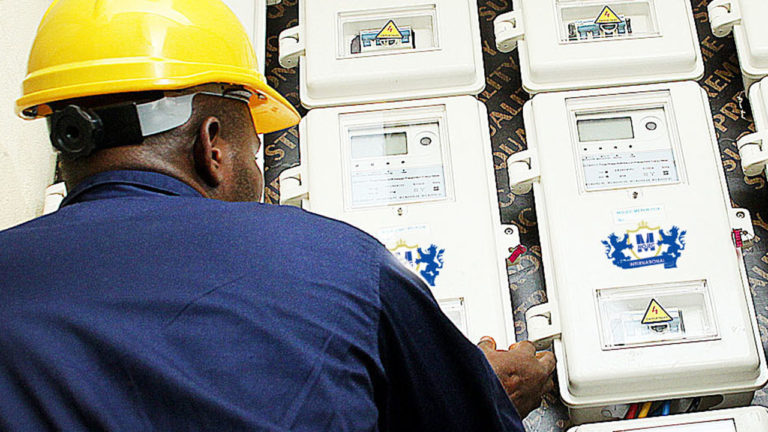
“The inflation outlook is biased to the upside, a consequence of the recent implementation of a new electricity tariff. For context, the Nigerian Electricity Regulatory Commission (NERC) have hiked price for Band A customer from N68 to N225 per kilowatt hour.

“Nevertheless, we see some downside risk from the recent currency sustainability. “Overall, we project inflation to print 34.6 per cent in April 2024.”

Also, analysts at Alpha Morgan Capital believe that inflation will further increase but at a continuously slower rate. 

“We tie this prediction primarily to the recent monetary interventions by the Central Bank of Nigeria in mopping up excess liquidity, curbing volatile exchange rate movement through various aggressive currency interventions, government fiscal policies, such as agricultural interventions, among others.”

In his statement on the MPC meeting’s document, Cardoso pointed out that the low Purchasing Managers Index (PMI) indicated diminished access to credit by critical sectors, calling for increased funds for these sectors.

“Consequently, there is a need to unlock the flow of credit, especially to agriculture, small and medium enterprises (SMEs) and manufacturing, as these sectors are key drivers of domestic output growth,” he added.


Court stops implementation of new electricity tariff

0

A Federal High Court in Kano has issued an order restraining the Nigerian Electricity Regulatory Commission (NERC) and the Kano Electricity Distribution Company (KEDCO) from implementing the new electricity tariff for Band A consumers.

The suit marked FHC/KN/CS/144/2024 was filed by Super Sack Company Limited and BBY Sacks Limited.

Others are Mama Sannu Industries Limited, Dala Foods Nigeria Limited, Tofa Textile Limited, and Manufacturers Association Of Nigeria Limited.


Read Also:


Ruling on an ex-parte motion by Abubakar Mahmoud, counsel to the plaintiffs, the presiding judge, Abdullahi Liman, stopped NERC and KEDCO from going ahead with the tariff hike pending the hearing and determination of the motion on notice filed before it.

The order also restrained the defendant from intimidating and threatening to disconnect the applicants’ electricity supply for non-acceptance of the new increased tariff.

In April, NERC approved an increase in electricity tariff for customers under the Band A classification.

With the new tariff, customers under the category, who are expected to receive 20 hours of electricity supply daily, would begin to pay N225 per kilowatt, starting from April 3 — up from N66.

Nigerians, including the House of Representatives and other stakeholders, have since criticised the sudden hike, asking NERC to suspend the implementation of the new tariff.

The ICIR reported that the Northern Elders Forum condemned the tariff, urging Nigerians to reject it.

“By implementing such exorbitant electricity tariffs, the government is effectively perpetuating a form of economic oppression that will only serve to widen the gap between the rich and the poor in Nigeria. It is imperative that this act of exploitation be firmly rejected and not be allowed to stand unchallenged,” the forum said.

CBN regrets declining economic activities despite hiking lending rate

DESPITE increasing the lending rate to 24.75 per cent, the Central Bank of Nigeria (CBN) has admitted regrets over the country’s declining economic activities.

The lending rate is currently at 24.75 per cent, which makes it difficult for small and medium enterprise businesses to borrow from commercial banks due largely to the ‘cost of funds’ (interest rates put on money borrowed from commercial banks).

The CBN deputy governor of Corporate Services, Bala Bello, disclosed this in a statement published on the bank’s website on Friday.


Read Also:


He noted that the country’s Composite Purchasing Managers’ Index declined sharply to 39.2 index points in February 2024 from 48.5 index points in the previous month.

According to Bello, economic activity has contracted for eight months due to exchange rate pressures, inflation, and security challenges.

“Economic activity has been contracting for eight consecutive months, mainly due to exchange rate pressures, rising input prices, security challenges, and other idiosyncratic headwinds. This calls for well-nuanced policy decisions targeted at price stability to forestall stifling economic activities and derailing output performance,” he said.

He noted that the apex bank was concerned over rising inflationary trends despite sustained hikes in the monetary policy rate, with forecasts of further price increases in the near term.

“Both food and core inflation rose in February 2024, underpinning an acceleration in headline inflation to 31.70 per cent in February 2024 from 29.90 per cent in the previous month.

“This continued rise in inflation was mainly due to high production costs, lingering security challenges, and exchange rate pressures,” he said.

He added that the country’s inflation soared to 33.22 per cent in March, which he noted was unacceptable and required coordinated efforts to curb it.

He explained further that inflation was unacceptably high and required decisive and coordinated efforts to curb it, given its adverse impact on citizens’ purchasing power, investment decisions and broad output performance.

“The Federal Government’s initiatives addressing food insecurity, such as releasing grains from the strategic reserves, distributing seeds and fertilizers, and supporting dry season farming, are important and commendable,” he added.

Recall that the MPC raised the country’s interest rate to 24.75 per cent in March.

Conversely, economy watchers say interest rate hikes are not enough to drive down inflation since commercial banks are not lending to businesses because of double-digit inflation at 33.22 per cent.

“Hiking of the interest rate is not the solution to declining economic activities. You could notice that banks are not lending much now to businesses, and most businesses are afraid to borrow from bank because of high interest rate. The government must look at the fiscal policy tool to support whatever monetary efforts are being employed by the CBN,” former Director-General of the Lagos Chamber of Commerce, Muda Yusuf told The ICIR.

Nigerian man convicted, faces 60-year imprisonment for cyber crime in US

A NIGERIAN, Okechukwu Valentine Osuji, 39, has been convicted of wire fraud and conspiracy by a federal jury in New Haven, Connecticut, United States (US).

He faces up to 60 years in prison.

The jury, on Wednesday, May 1 convicted Osuji for operating a business email compromise scheme in several countries, including the United States.

In a statement issued by the United States’ Department of Justice on Thursday, May 2, Osuji and his accomplices, John Wamuigah and Tolulope Bodunde defrauded their victims of over $6.3 million.

Osuji was convicted of conspiracy to commit wire fraud, wire fraud, and aggravated identity theft.

According to the Principal Deputy Assistant Attorney General, head of the Justice Department’s Criminal Division, Nicole M. Argentieri, Osuji led a network of scammers in Malaysia and his conviction shows how the department collaborates with international law enforcement to bring criminals to justice.

“Today’s conviction is another example of how the department’s collaboration with international law enforcement partners enables us to bring cybercriminals to justice in the United States.”


Read also:

Suspected killer of British-Nigerian teenager charged with murder

Court jails musician, two others 20 years for cybercrime

NPF, INTERPOL bust cybercrime syndicate targeting over 50,000 victims


The US Attorney for the District of Connecticut, Vanessa Roberts Avery also released a statement noting that the conviction was made possible as a result of hard work and shared commitment between the US and Malaysia’s law enforcement officials, adding that the agency will continue to look out for cybercriminals, no matter where in the world they operate.

“While it is often difficult to identify and bring to justice cyber criminals operating overseas, today’s verdict demonstrates the expertise of the FBI and Stamford Police in uncovering this criminal network and the shared commitment of our counterparts in Malaysia to ensure that fraudsters are held accountable in a court of law,” she said.

Similarly, the Executive Assistant Director of the FBI’s Criminal, Cyber Response, and Services Branch, Timothy R. Langan Jr, also vowed that the department would work tirelessly to bring to justice anyone who engages in criminal activities against Americans.

“This conviction is the result of hard work and close collaboration between the FBI and our local and international partners. Together, we will work aggressively to bring to justice anyone who engages in fraud and theft against Americans, no matter where they are in the world.”

Osuji was arrested in Malaysia and extradited to the United States in 2022. He is slated to be sentenced on July 24 and faces a mandatory minimum of two years on the identity theft count and a maximum penalty of 60 years in prison on the wire fraud and conspiracy counts.

His alleged accomplice, John Wamuigah, remains in Malaysia and is pending extradition proceedings, while Tolulope Bodunde pleaded guilty on February 16.

Institute holds webinar on how journalists can use Palmwatch

PalmWatch and the University of Chicago Data Science Institute will host a training webinar to teach journalists on how to use its new tool for reporting.

PalmWatch is a new open-access tool that offers a uniquely comprehensive and detailed picture of global palm oil supply chains.


Read Also:

Springer Nature organises webinar on migration, sustainability

Documentary Film Fellowship open for Nigerians

UNESCO invites journalists to annual World Press Freedom Day conference


The speakers will answer questions journalists may have about PalmWatch and its use.

The webinar will be held in English on May 7.

To register click here.


Press freedom: despite constitutional mandate, Nigerian laws fail to protect journalists

Section 22 of the 1999 Constitution of the Federal Republic of Nigeria (as amended) mandates the media to ensure the government’s accountability to the people through reporting. However, other laws passed by the Nigerian government fail to protect journalists carrying out this responsibility and are often deployed as tools to suppress the free press.


DURING the 29th Convocation Ceremony of Kwara State Polytechnic held in November 2023, the institution’s Rector, Abdul Jimoh Mohammed, made a passionate appeal to the government for funds.

Mohammed stated that the institution had funding problems and needed support for course accreditation and rehabilitation of old structures.

According to some reports, he also pleaded that the state government take over salary payments for six months while bragging about infrastructure already developed with the school’s Internally Generated Revenue (IGR).

Three months after this passionate appeal, a journalist with online media outlet The Informant 27, Abdulrahman Taye Damilola, reported that Mohammed had been less than truthful about his claims on inadequate funding, as the institution generated over N1 billion annual revenue surplus during the year.

The report also stated that Mohammed’s claims of infrastructural development were inaccurate as some of the projects were shoddy and incomplete.

Following the publication, some staff of the newsroom were arrested by the police. The writer and three of his colleagues, Adisa-Jaji Azeez, Salihu Ayatullahi, and Salihu Shola Taofeek, were arraigned before a magistrate in the state.

The charges brought against them at the time of the arraignment include cyberstalking and conspiracy under sections 24(1b) and 27 of the Cybercrimes Act. They were also charged with defamation under section 393 of Nigeria’s Penal Code.

Although the Act was established to prohibit cybercrime in Nigeria, some parts of the law have been weaponised against online journalists, regardless of the constitutional mandate to perform watchdog responsibilities.

Section 22 of the 1999 constitution of the Federal Republic of Nigeria as amended provides that “the press, radio, television and other agencies of the mass media shall at all times be free to uphold the fundamental objectives contained in this Chapter and uphold the responsibility and accountability of the Government to the people.”

However, until it was recently amended, Section 24 of the Cybercrimes Act, especially subsection 1b, which provides that “any person who knowingly or intentionally sends a message or other matter by means he knows to be false, for the purpose of causing annoyance, inconvenience, danger, obstruction, insult, injury, criminal intimidation, enmity, hatred, ill will or needless anxiety to another or causes such a message to be sent, commits an offence under this Act,” has been repeatedly used to obstruct the achievement of this goal.


Read Also:


The Economic Community of West African States (ECOWAS) Court of Justice also declared the section inconsistent with Article 9 of the African Charter on Human and People’s Rights.

Ayattullahi, who serves as The Informant247’s Editor, told The ICIR that the charges were later changed to criminal defamation and conspiracy, and described the ongoing process as draining, as it is taking a toll on both the author of the report and newsroom.

“When you know that even if you have facts they can lock you up at any time on the instruction of powerful people, definitely, even if you have evidence and you want to publish something in the future, you are going to think twice,” Ayatullahi said.

He also noted that delays by the prosecution was further frustrating the productivity of the newsroom and the progress of the case.

“On Monday, we were in court, and they told us that they could not get fuel to appear in court. The magistrate had to adjourn the case till the 15th of this month. Before this last sitting, they told us that they are yet to conclude the investigation, and once they finish the investigation, they are going to bring the evidence to court.

“When they were supposed to bring the evidence to court, they said they don’t have fuel,” he said.

More concerns despite amendment

In February 2024, Nigerian President Bola Tinubu signed an amendment to some sections of the bill, including section 24.

Section 24 (1b) now only punishes a person who sends a message that “he knows to be false, for the purpose of causing a breakdown of law and order, posing a threat to life, or causing such message to be sent.”

While Civil Society Organisations (CSOs) have commended this amendment, there are still concerns that the Act can be deployed to stifle freedom of expression.

A press release by six CSOs: Paradigm Initiative, Gatefield, ResearcherNG, FollowTaxes, North-East Humanitarian Hub and Anvarie Tech, urged the federal government to further amend the Act to reduce the chances of abusing citizens’ rights.

“We call on the Federal Government of Nigeria to take decisive action in further amending the Act to address these challenges and enact legislation and policy that are rights-respecting with particular interest in Sections 24, 38, 40, and others. We also call for safeguards against possible abuse by more explicitly requiring judicial oversight,” the statement co-signed by the organisations read.

The threat to press freedom and the civic space in Nigeria has been a matter of concern for several years, as journalists and other civic actors are targeted via several means, including laws like the Cybercrime Act, unlawful or prolonged detention and outright attacks by both state and non-state actors.

In 2023, The ICIR traced 39 journalists who had been harassed during the year in the line of duty through media reports, though the list is not exhaustive.

Of the 39, four journalists were staff members of The ICIR.