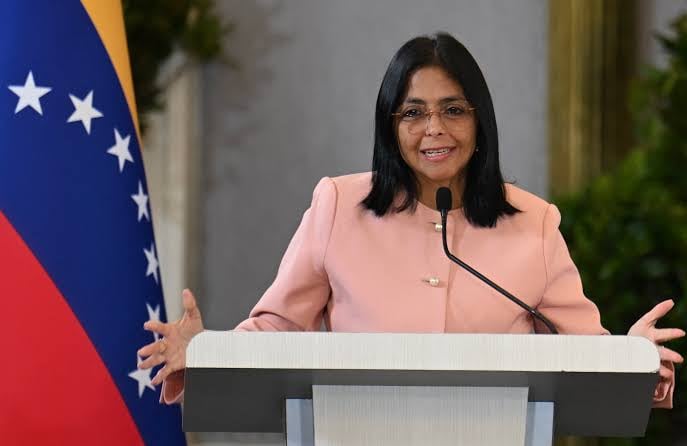
VENEZUELA’s Supreme Court has directed Vice President Delcy Rodríguez to take over as interim leader following the seizure and removal of President Nicolás Maduro by the United States.
In its ruling, the court ordered Rodríguez to “assume and exercise, in an acting capacity, all the attributes, duties, and powers inherent to the office of President,” citing the need to ensure administrative continuity and the comprehensive defence of the nation.
According to AFP, the court said Rodríguez would temporarily occupy the presidency of the Bolivarian Republic of Venezuela to safeguard the continuity of government and national sovereignty.
It added that it would later deliberate on the appropriate legal framework to address the president’s forced absence and maintain state stability.
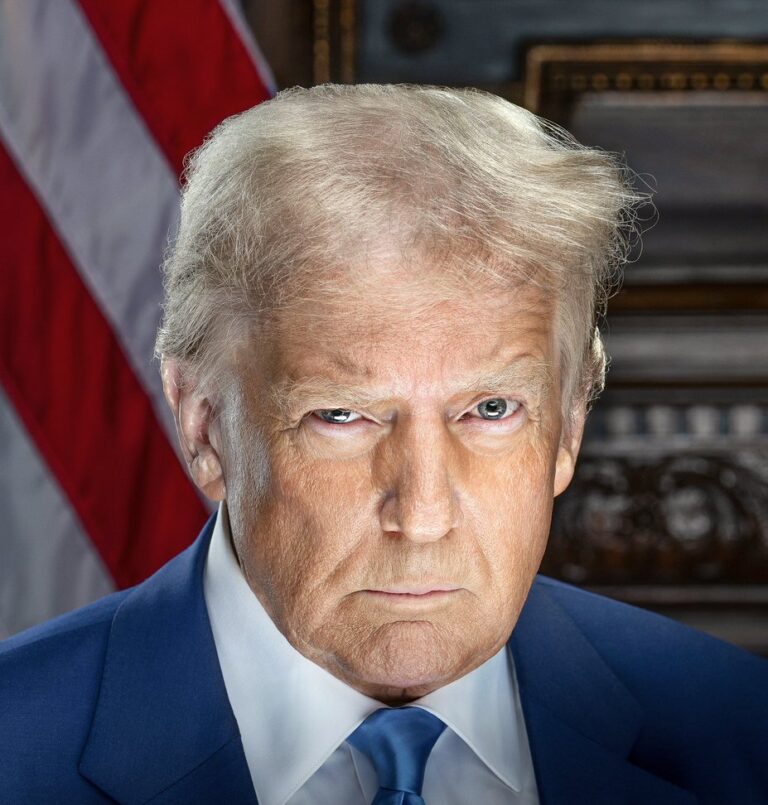
Earlier, US President Donald Trump said Washington would oversee Venezuela until a transition of leadership could be arranged.
“We’re going to run the country until such time as we can do a safe, proper and judicious transition,” Trump said at a press conference at his Mar-a-Lago residence in Florida. He added that the US did not want to install another leader only to face the same challenges that had persisted for years.
Trump provided few details on how the United States intended to administer Venezuela, despite the continued presence of the country’s vice president, legislature, and military, all of which have publicly opposed the US action. He said the plan would involve US oil companies investing billions of dollars to repair Venezuela’s damaged oil infrastructure, even as he maintained that the embargo on Venezuelan oil remained in force and that US forces would stay on alert.
“We’re going to have our very large United States oil companies, the biggest anywhere in the world, go in, spend billions of dollars, fix the badly broken infrastructure, the oil infrastructure, and start making money for the country,” Trump said.
Reports stated that a plane carrying Maduro landed shortly before 5 p.m. local time at Stewart Airport in New York, from where he was to be transferred to New York City.
Trump said the intervention would be carried out “with a group” largely made up of senior US officials, with a focus on restoring oil infrastructure and ensuring that the needs of the Venezuelan population were addressed.
US President Donald Trump has said American forces carried out what he described as a “large-scale strike” in Venezuela, claiming that President Nicolás Maduro and his wife were captured during the operation.
In a post on his Truth Social platform on Saturday, Trump said the operation was conducted in coordination with US law enforcement agencies and resulted in Maduro and his wife being “captured and flown out of the country.”
“The United States of America has successfully carried out a large-scale strike against Venezuela and its leader, President Nicolas Maduro, who has been, along with his wife, captured and flown out of the country,” Trump wrote.
Venezuela’s government, however, accused Washington of attacking civilian and military targets across several states, characterising the action as an act of “military aggression.”
According to Al Jazeera, Venezuelan authorities said the strikes affected the capital, Caracas, as well as Miranda, Aragua and La Guaira states, prompting the declaration of a national emergency.
The country’s opposition said it had yet to take an official position on the reported US action.
A spokesperson told media outlets there was no formal response at the time, as uncertainty persisted over reports of explosions and alleged military activity, CNN reported.
Maria Machado, a leading opposition figure and outspoken critic of Maduro, has previously supported months of US military build-up and operations that Washington said targeted narco-trafficking networks.
She described Trump’s actions as “decisive” following the US seizure of a Venezuelan oil tanker last month.
Machado was barred by the Venezuelan authorities from contesting the presidential election, a move condemned by opposition groups and several international actors. Her current whereabouts remain unclear, according to Al Jazeera.
Maduro has repeatedly accused the United States of seeking regime change in Venezuela, alleging that Washington aims to gain control of the country’s vast oil resources.
Meanwhile, the US embassy in Bogotá said it was aware of reports of explosions in and around Caracas and reiterated its warning for US citizens not to travel to Venezuela.
In a security notice, the embassy urged Americans currently in the country to leave as soon as it is safe to do so, noting that Venezuela remains under a Level 4 “Do Not Travel” advisory.
The embassy advised US citizens to shelter in place if unable to leave immediately and to maintain multiple lines of communication with family and friends abroad. It also recalled that in March 2019, the US Department of State withdrew all diplomatic staff from Caracas and suspended embassy operations.
Authorities said further details would be provided at a news conference scheduled for 11 a.m. on Saturday.
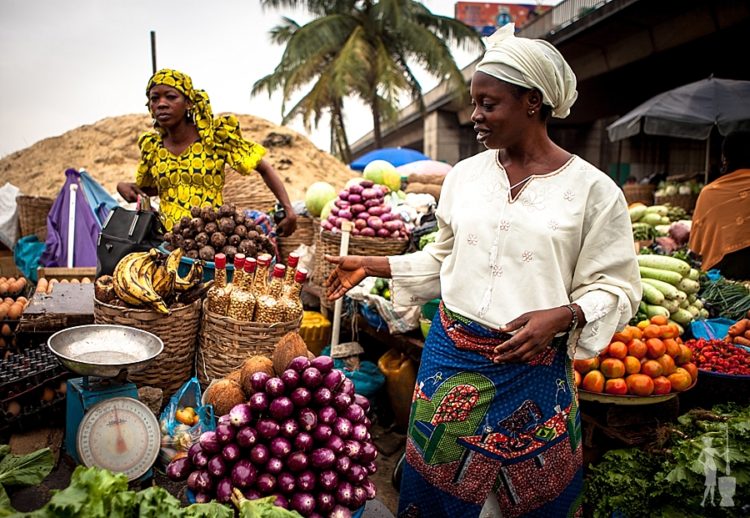
IN Nigeria, artificial intelligence has quietly become part of how ordinary Nigerians work, learn, sell, and communicate.
AI has helped students trying to understand complex topics, small business owners managing customers on WhatsApp, and AI tools are now woven into daily routines.
What makes AI especially important in Nigeria is the pressure to do more with less. Many people juggle multiple jobs, side hustles, or freelance work, often without teams or large budgets. AI fills the gap by acting as a digital assistant — helping one person write faster, design better, respond to customers promptly, and organise work efficiently.
Another factor is global competition. Nigerian freelancers, creatives, and professionals now compete in international markets where speed and quality matter. AI tools help bridge that gap, allowing users to produce work that meets global standards without expensive software or specialised training.
However, not every AI tool is easily adaptable in the Nigerian context. The most useful ones are those that work on mobile phones, have free or affordable plans, use minimal data, and fit naturally into existing habits like WhatsApp, social media, and remote work. Here are tools to use this The tools below stand out in 2026 because they meet those realities.
1. ChatGPT: This has become one of the widely used AI tool in Nigeria because of its flexibility. People use it to draft documents, generate business ideas, explain school subjects, write reports, create social media captions, and even prepare interview answers. For journalists and researchers, it helps structure stories and clarify complex issues, while for small business owners, it acts as a writing and planning assistant available at any hour.
2. ICIR Native AI: Developed by the International Centre for Investigative Reporting and unveiled in September at a webinar, the product is designed to help journalists and content creators transcribe audiovisual files, translate them into Nigeria’s major languages, and make media content more inclusive for diverse and hearing-impaired audiences. It has speech-to-Text Transcription, which enables the conversion of English audio into accurate text in real time, optimised for Nigerian accents and newsroom clarity and instant translation features, which enable translating transcribed speech into Hausa, Igbo, and Yoruba—maintaining meaning and accent-sensitive expressions among other features.
3. Leonardo AI: It’s an image and video generation tool that many creators rely on because it offers offers a free tier with daily tokens. This makes it especially attractive in Nigeria, where recurring subscriptions can be a barrier. With Leonardo AI, users can consistently generate high-quality visuals for blogs, social media, marketing materials, and personal projects without worrying about monthly payments.
4. Lexia AI : This is an AI-powered platform that simplifies e-commerce website creation for Nigerian entrepreneurs. The platform uses AI to generate product descriptions and images, and provides a user-friendly builder to create your online store.
5. Microsoft Designer: This is a free AI-powered design tool that helps users quickly create polished visuals without needing design experience. Built on DALL-E 3 technology, it turns simple text descriptions into complete graphic designs, making it a strong option for fast, AI-driven content creation, especially for social media and marketing.
In practice, Microsoft Designer is useful for Nigerians who need ready-to-use designs in minutes. Users can describe exactly what they want, such as an Instagram story announcing a flash sale or a promotional post for an online store, and the tool automatically generates multiple design concepts combining images, text, and layout.
These designs can then be easily adjusted to match brand colours, messaging, and style, making them suitable for small businesses, vendors, and content creators who want speed without sacrificing quality.
Microsoft Designer is accessible for free with a Microsoft account, which makes it easy for many users to adopt. While the platform provides a limited number of “boosts” for faster image generation and keeps core features free, some advanced options are tied to a Microsoft 365 subscription.
6. Canva AI : This has transformed how Nigerians approach design. Instead of hiring a graphic designer for every flyer or social media post, users rely on Canva’s AI features to generate clean, professional visuals in minutes.
It is widely used by small businesses, churches, NGOs, schools, and content creators who need consistent branding but have limited budgets.
7. Awa Doc: This is an AI-powered health assistant that provides instant medical guidance, helping users understand symptoms, get triage recommendations, and connect with care, all from their WhatsApp. It’s fast, private, and available 24/7.
The tool integrates medical and technical expertise by using an AI-powered healthcare assistant designed to break these barriers, delivering instant medical guidance through a simple chat. They use advanced AI to provide response, personalised health advice, and critical medical insights all within seconds, directly on WhatsApp.
8. WhatsApp AI chatbots: This includes tools integrated into WhatsApp Business, which are increasingly common among Nigerian vendors and service providers. These bots automatically respond to customer messages, handle frequently asked questions, confirm orders, and collect basic information. For businesses that receive messages at all hours, this reduces stress and ensures customers are not ignored.
9. Google Gemini: This is particularly useful when Nigerians need current and verifiable information. Unlike traditional search, it can be useful for accessing recent information / web data. Students use it for research, journalists for background checks, and entrepreneurs for market insights, especially when accuracy and recent updates matter.
10. CapCut AI: This has become a favourite among Nigerian content creators because it simplifies video editing. With automatic captions, transitions, and effects, users can turn raw phone videos into polished content suitable for TikTok, Instagram, and Facebook. Businesses also use it to promote products without hiring video editors.
11. Notion AI: this AI tool helps users organise their work, ideas, and projects in one place. Freelancers use it to manage clients, students use it to organise notes, and teams rely on it for planning and documentation. Its AI features help summarise notes and generate structured content from rough ideas.
12. Perplexity AI: This stands out for research and fact-checking because it shows sources alongside its answers. This makes it valuable for journalists, students, and analysts who need to verify claims and avoid misinformation. In an era of viral falsehoods, tools like this are becoming essential.
In 2026, the real advantage is not knowing many AI tools, but knowing which ones fit your daily work and lifestyle. Nigerians who use AI deliberately to save time, reduce costs, and improve quality are most likely to remain competitive in business, media, education, and the global digital economy.
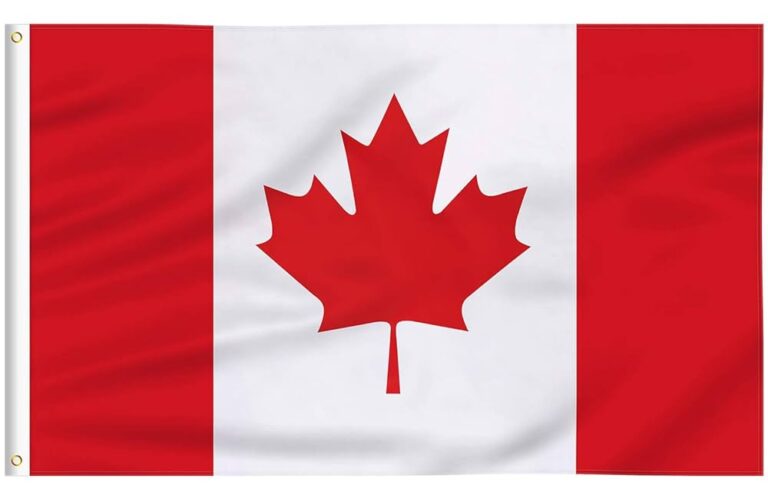
CANADA has deported 366 Nigerian citizens between January and October 2025 as immigration authorities stepped up enforcement to levels not recorded in more than ten years.
Records from the Canada Border Services Agency (CBSA) removals programme also indicate that 974 Nigerians are currently classified as “removal in progress,” meaning they are awaiting deportation.
The figures, last updated on November 25, 2025, ranked Nigeria ninth among the 10 countries with the highest number of deportees during the period. Nigeria also placed fifth among countries with the largest number of individuals pending removal.
A review of the CBSA data shows that Nigeria was the only African country to feature among the top 10 nationalities deported in 2025.
Other African countries were grouped under “remaining nationals,” a category that accounted for 6,233 removals in total during the year.
Mexico led the list of deportations with 3,972 cases, followed by India (2,831), Haiti (2,012), Colombia (737), Romania (672), the United States (656), Venezuela (562), China (385), Nigeria (366), and Pakistan (359).
A similar trend is reflected in the removal-in-progress data, where Nigeria again appeared as the only African country in the top 10, with 974 people awaiting deportation.
India topped the list with 6,515 cases, followed by Mexico (4,650), the United States (1,704), China (1,430), Nigeria (974), Colombia (895), Pakistan (863), Haiti (741), Brazil (650), and Chile (621).
Despite the increase in deportations, Canada remains a key destination for Nigerians pursuing better economic and educational prospects.
Data from the 2021 Canadian census showed that over 40,000 Nigerians migrated to Canada between 2016 and 2021, making them the largest African migrant group and the fifth-largest source of recent immigrants overall.
Additional figures from Immigration, Refugees and Citizenship Canada reveal that 6,600 Nigerians obtained permanent residency in the first four months of 2024, ranking fourth behind India, the Philippines, and China.
Between 2005 and 2024, a total of 71,459 Nigerians became Canadian citizens, placing Nigeria 10th among countries of origin for new citizens.
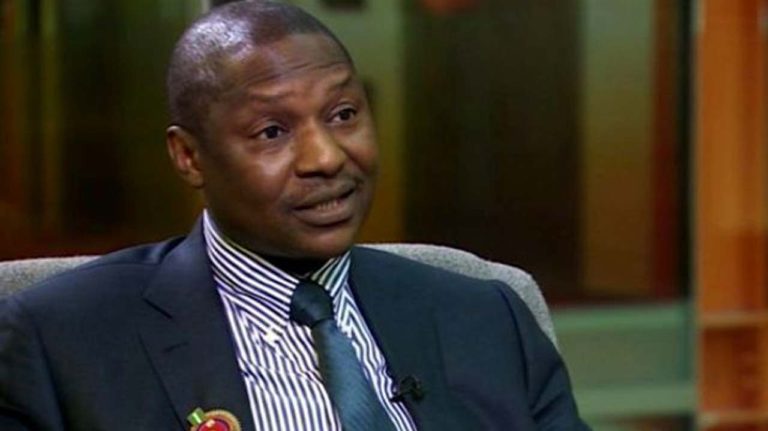
A FEDERAL High Court in Abuja has fixed January 7 for a ruling on the bail application filed by a former Attorney-General of the Federation and Minister of Justice, Abubakar Malami, a senior advocate, who is standing trial over alleged money laundering.
Malami is currently being remanded at the Kuje Correctional Centre alongside his son, Abdulaziz, and one of his wives, Bashir Asabe, following their arraignment by the Economic and Financial Crimes Commission (EFCC).
The accused are facing a 16-count charge bordering on money laundering, amounting to ₦8.7 billion.
They pleaded not guilty to the charges when they were arraigned on December 29, 2025.
Following their plea, the trial judge, Emeka Nwite, ordered that the defendants be remanded pending the hearing of their bail application, which commenced on January 2, 2026.
The court, however, adjourned the matter and fixed January 7 for ruling on the bail request.
According to court documents marked FHC/ABJ/CR/700/2025, the EFCC alleged that the defendants conspired to conceal, disguise, and retain proceeds of unlawful activities using corporate entities, multiple bank accounts, and high-value real estate transactions.
The prosecution alleged that between July 2022 and June 2025, Malami and his son used a company, Metropolitan Auto Tech Limited, to conceal over ₦1.01 billion, while an additional ₦600 million allegedly passed through a Sterling Bank account linked to the same company between September 2020 and February 2021.
In another count, the EFCC accused Malami, his son, and Asabe, described as an employee of Rahamaniyya Properties Limited, of disguising the origin of ₦500 million allegedly used to acquire a luxury duplex located on Amazon Street, Maitama District, Abuja.
The commission further alleged that the defendants conspired to launder ₦1.04 billion through the Union Bank account of Meethaq Hotels Limited between November 2022 and September 2024, while another ₦1.36 billion was allegedly taken under indirect control through the same company’s account.
The EFCC also alleged that Malami, while serving as Attorney-General of the Federation, concealed ₦700 million allegedly used to purchase a property at No. 3 Onitsha Crescent, Area 11, Garki, as well as ₦850 million used to acquire another property in the Jabi District of Abuja.
Other properties listed in the charge include real estate on Amazon Street and Rhine Street in Maitama, properties in Asokoro District, and houses in Gwarimpa, Abuja.
The anti-graft agency further alleged that Malami deployed unlawful proceeds amounting to ₦952 million to acquire multiple properties in Abuja, Kano, and Birnin Kebbi between 2018 and 2023, using proxies and corporate entities to obscure ownership.
The EFCC told the court that it had traced 41 properties valued at about ₦212 billion to Malami and his associates, which form part of the subject of the ongoing prosecution.
According to the commission, the alleged offences contravene provisions of the Money Laundering (Prohibition) Act, 2011 (as amended) and the Money Laundering (Prevention and Prohibition) Act, 2022.
NIGERIA’S economy is projected to expand by 4.49 per cent in 2026, reflecting sustained gains from ongoing reforms. However, concerns remain over the 70 per cent budget carryover of capital projects from 2025.
Already, President Bola Ahmed Tinubu has assured that the economic policies and reforms of his government would positively impact more households in 2026, noting that the government would build on the gains of such reforms within the year.
He cited easing inflation, stronger foreign reserves and renewed investor confidence as evidence that his administration’s reforms were beginning to yield results, adding that Nigeria “is entering a more robust phase of economic growth in the new year.”
Conversely, there are doubts that the economic projections and optimism shared by the Tinubu-led administration would not materialise as it struggles to fund the budget, despite accruing more money from oil sales, fuel subsidy removal, and appreciations in non-oil revenue, economic watchers say.
Funding the capital component of the federal budget impacts roads, rural economy and other critical infrastructure that affects average Nigerian.
In 2025, the Minister of Finance, Wale Edun, admitted the government realised just N10 trillion out of the N40 trillion revenue target for the 2025 fiscal year.
The development led to the Senate asking questions about persistent borrowing, overlapping budgets and weak capital project execution by the government.
“States and the Federal Government are getting richer from federation allocation since the removal of fuel subsidy. Has that reflected in the lives of the people?”, a development economist and public sector analyst, Celestine Okeke, queried.
He stressed the importance of funding the capital component of the national budget, which has a direct impact on the lives of an average Nigerian and economic development.
“Look at key critical roads across the country. You could see many people sleeping on the road this festive period because of abandoned and dilapidated road projects. This is the consequence of not cashing back projects in the budget,” Okeke said.
A development economist Celestine Okeke believes rural inflation could worsen
In his submission, the Chief Executive Officer of Economic Associates, Ayo Teriba, said the revenue gaps remained a worry in funding the national budget unless the government finds a way to attract more capital into the economy and reduce borrowings.
“The government must unlock opportunities in private capital and attract more investments. We have over 200 million market size, which can support the bottom of the pyramid and attract more investments into the economy,” he stated.
He advocated the importance of listing the Nigerian National Petroleum Company in the stock market and finding ways of making money from several government assets through securitisation.
Despite the concerns raised by economic watchers, the Central Bank of Nigeria (CBN) expressed cautious optimism on projected 4.49 per cent economic growth, as it hopes on structural changes in the oil sector, tax reforms and the foreign exchange market to sustain growth and disinflation.
What Central Bank 2026 economic outlook say
The CBN touted stronger private sector investment and improved macroeconomic stability as key drivers of the projected 4.49 per cent growth in 2026.
The apex bank disclosed this in its 2026 Macroeconomic Outlook for Nigeria, published on its website on Tuesday, December 30, noting that the projected growth compared with an estimated 3.89 per cent expansion in 2025.
CBN Governor, Olayemi Cardoso
“Importantly, the outlook is contingent on the implementation of well-sequenced, consistent fiscal and monetary policies. The fiscal policy stance is hinged on the full implementation of the 2025–2027 Medium Term Expenditure Framework (MTEF), which is expected to stimulate domestic consumption and investments, and drive aggregate demand and employment in the medium term,” the CBN said.
According to the apex bank, growth prospects for 2026 remain positive, supported by continued gains from broad-based structural reforms by the government. These reforms, it said, had helped to improve the business environment, boost capital inflows, raise government revenue, and enhance stability in the foreign exchange market.
The CBN explained that its easing monetary policy stance was expected to further support economic expansion, as anticipated reductions in lending rates lower borrowing costs and improve access to credit for businesses and households.
Increased private sector investment, particularly from large-scale projects such as the Dangote Refinery, is also expected to significantly brighten the growth outlook in 2026.
In addition, higher crude oil production, underpinned by improved security around oil assets, is expected to support output growth. The bank highlighted the role of enhanced surveillance and monitoring, especially following the launch of the Production Monitoring Command Centre (PMCC), as well as the expansion of domestic crude oil refining capacity and relatively stable energy prices.
The outlook also reflects expectations of increased fiscal spending, including pre-election expenditure, which could further stimulate aggregate demand. The CBN said effective coordination between monetary and fiscal policies, aimed at sustaining exchange rate stability, job creation and inflation control, would provide additional impetus to overall output growth.
However, the bank cautioned that several downside risks could weigh on the economic outlook in 2026. It noted that if the projected deceleration in inflation is not achieved, monetary policy easing could be reversed, thereby dampening growth prospects.
While ongoing reforms are expected to raise productivity, stimulate private sector activity, and support a more diversified and competitive economy, the CBN warned that the pace of improvement could be constrained by persistently high costs of doing business, poor infrastructure, and insecurity, all of which could undermine business operations.
Expected risk factors from CBN’s projections
The apex bank also highlighted the risk that cost-cutting measures by firms could increase unemployment, further shrink the formal sector, and ultimately constrain economic growth. In addition, unfavourable climatic conditions could result in crop losses, disruptions to businesses and transportation services, and weaker overall economic activity.
Negative shocks to crude oil production remain another key risk. The CBN said unanticipated security breaches around oil installations or force majeure events could reduce oil output below projections, thereby constraining growth.
The baseline projections are anchored on several key assumptions, including an average crude oil price of $60 per barrel in the fourth quarter of 2025 and $55 per barrel in 2026.
This is consistent with the US Energy Information Administration’s outlook that rising global crude oil inventories and supply glut would moderate oil prices.
The outlook also assumes an average Nigerian Foreign Exchange Market (NFEM) exchange rate of N1,451.63 per $1 in the fourth quarter of 2025 and N1,400 per $1 in 2026, supported by improved FX market efficiency, higher capital inflows, a current account surplus and broad-based economic recovery.
Petrol pump price will hover around N950 per litre in 2026
Domestic crude oil production is assumed at about 1.50 million barrels per day, excluding condensates, throughout the forecast period. Petrol pump prices are expected to hover around N950 per litre in 2026.
NNPCL filling station retail outlet
Government expenditure is projected to align with the 2025–2027 MTEF and Fiscal Strategy Paper, reflecting an expansionary fiscal stance aimed at supporting the $1 trillion economy initiative. The Monetary Policy Rate (MPR) and Cash Reserve Ratio (CRR) are assumed at 27.00 per cent and 45.00 per cent, respectively.
The CBN said the baseline projections were supported by assumptions of improving business confidence and stronger investor sentiment, alongside higher crude oil production, increased investments, enhanced security around oil and gas infrastructure, and rising activity in the midstream segment of the oil industry, particularly domestic refining.
Sectoral performance is also expected to support growth. The mining and quarrying subsector is projected to continue benefiting from reforms aimed at improving efficiency and the business environment. The services sector is expected to remain a key driver of growth, with transport, particularly road and rail, and wholesale and retail trade sustaining momentum.
The information and communication technology subsector is also projected to benefit from increased investments in 5G coverage, improved internet connectivity and accelerated nationwide digital transformation. Similarly, the real estate subsector is expected to support higher economic activity in 2026, driven by sustained government support, growing mortgage financing, and continued demand for housing.
On inflation, the CBN projected a continued downward trend in 2026, supported by stability in the foreign exchange and energy markets, the lagged effects of previous interest rate hikes, and improved policy coordination.
Headline inflation is projected to decelerate to 12.94 per cent in 2026 from an estimated 21.26 per cent in 2025. The anticipated moderation, according to the bank, would be driven mainly by declining food prices and lower petrol prices, with increased competition in the midstream segment of the oil industry expected to ease PMS costs.
Throughout 2025, the International Centre for Investigative Reporting (The ICIR) pursued stories that held power to account and amplified voices often ignored. Our reporting spanned agriculture, health, education, governance, security, the environment, the economy, and human rights, with a strong focus on women, vulnerable communities, and the failures of public institutions.
From investigations into abandoned public projects, illicit mining, oil pollution, and violent conflicts, to data-driven reports, fact-checks, and explanatory journalism, The ICIR remained committed to evidence-based reporting in the public interest.
A hallmark of our 2025 coverage was the ICIR Terror Series, an expansive reporting project documenting the human cost and systemic failures surrounding violent extremism and insecurity across Nigeria. The Terror Series remains a vital resource for understanding the complexities of terrorism and armed conflict in the country.
As we enter 2026, The ICIR is deepening this commitment. We intend to do more investigations, more data journalism, more fact-checks, and more accountability reporting, strengthening transparency, defending press freedom, and ensuring that stories that matter most to Nigerians are told, documented, and acted upon.
THE hearing on the bail application by former Attorney General of the Federation and Minister of Justice, Abubakar Malami, commenced at a Federal High Court in Abuja on Friday, January 2.
Malami, a Senior Advocate of Nigeria, is currently being remanded at the Kuje Correctional Centre alongside his son, Abdulaziz, and one of his wives, Bashir Asabe, over allegations of money laundering.
The three defendants are facing a 16-count charge brought against them by the Economic and Financial Crimes Commission (EFCC), bordering on the alleged laundering of ₦8.7 billion.
They pleaded not guilty to the charges during their arraignment on December 29, 2025.
Following the plea, the trial judge, Justice Emeka Nwite, ordered that the defendants be remanded at the Kuje Correctional Centre pending the hearing of their bail application, which was scheduled for January 2, 2026.
The ICIRreported that The EFCC had in the charge sheet marked FHC/ABJ/CR/700/2025, submitted to the court, alleged that the defendants used corporate entities, bank accounts, and real estate transactions to disguise the source of illicit funds.
The prosecution alleged that between July 2022 and June 2025, Malami and his son procured Metropolitan Auto Tech Limited to conceal the unlawful origin of over N1.01 billion, while an additional N600 million allegedly passed through a Sterling Bank account linked to the same company.
In another count, the EFCC accused Malami, his son, and Asabe, an employee of Rahamaniyya Properties Limited, of disguising the origin of N500 million allegedly used to purchase a luxury duplex located on Amazon Street, Maitama District, Abuja.
The commission further alleged that the defendants conspired to launder N1.04 billion through the Union Bank account of Meethaq Hotels Limited, with transactions spanning from November 2022 to September 2024.
Another count accused Malami and his son of taking indirect control of N1.36 billion paid through the same company’s bank account, funds the EFCC said were proceeds of unlawful activity.
The EFCC also alleged that Malami, while serving as Attorney-General of the Federation, concealed N700 million allegedly used to acquire a property at No. 3 Onitsha Crescent, Area 11, Garki, Abuja, as well as ₦850 million used to purchase another property in the Jabi District of Abuja.
According to the prosecution, the alleged offences contravene provisions of the Money Laundering (Prohibition) Act, 2011 (as amended) and the Money Laundering (Prevention and Prohibition) Act, 2022.
The anti-graft agency told the court that it had traced 41 properties valued at approximately N212 billion to Malami and his associates, and that these assets form part of the subject of the ongoing prosecution.
NINE people were killed on Wednesday night in a fresh attack during a crossover night celebration in Chigwi village, Vwang District of Jos South Local Government Area, Plateau State.
The secretary to the district head of Vwang, Iliya Chung, confirmed the incident to The ICIR in a telephone interview Thursday morning, January 1, saying the victims included men, women and children.
“What happened is that yesterday around 10 p.m. to 11 p.m., we got a call that there’s an attack at one of our villages called Boom in Chigwi village in Vwang district, and we were hearing gunshots and around 12 a.m. They started bringing some of the victims that were affected. So, around that yesterday, we received six bodies,” said Chung.
He explained that nine dead bodies were confirmed on Thursday morning, noting that an entire family was wiped during the attack. He could not confirm how many were injured. He said the affected community was still documenting the number of people injured.
“This morning, we confirmed that it’s nine people. There were eight corpses and another one who gave up at the hospital this morning. Currently, there is tension in the area. There is one family that was wiped, it’s only one child that survived in that family. We don’t know the number of people that were injured up till now because we are still gathering some of the names of the people. Police are there right now,” he said.
The ICIRthat the latest incident echoes the deadly Christmas Eve attack on communities in Bokkos Local Government Area in 2023, during which at least 160 people were killed.
Explaining the latest attack, Chung noted that the district head had warned its people because he had received a threat of the attack, but the threat showed that its target would be Farin Lamba community. Following the attack, he said the district has suspended its annual grand new year celebration.
“Even though we warned our people that we should not do crossover celebrations. We were hearing that there will be an attack, but not that area. They were saying that they would attack Farin Lamba, but they went to another village. We’re supposed to have our celebration today, New Year celebration in Vwang that the governor wanted to come for. Because of this thing now, there’s nothing we can do. We are suspending everything because of what has happened,” he said.
Chung said that a similar attack occurred two weeks ago at K-Vom division where a police officer was killed, and his gun was taken.
“About two weeks ago, there was an attack in K-Vom Division, in which they killed a policeman. He was on his duty post around 11 p.m. to 12 a.m., they came and killed him, and they left with his gun,” he added.
The Police Public Relations Office, Plateau State Police Command, Alfred Alabo, told The ICIR that he could not confirm the latest attack.
“I am working on some of this information,” Alabo said, noting that the officers in Vwang would inform him when they are done compiling their report on the incident. He also promised to get back to the reporter when he obtained report on the incident.
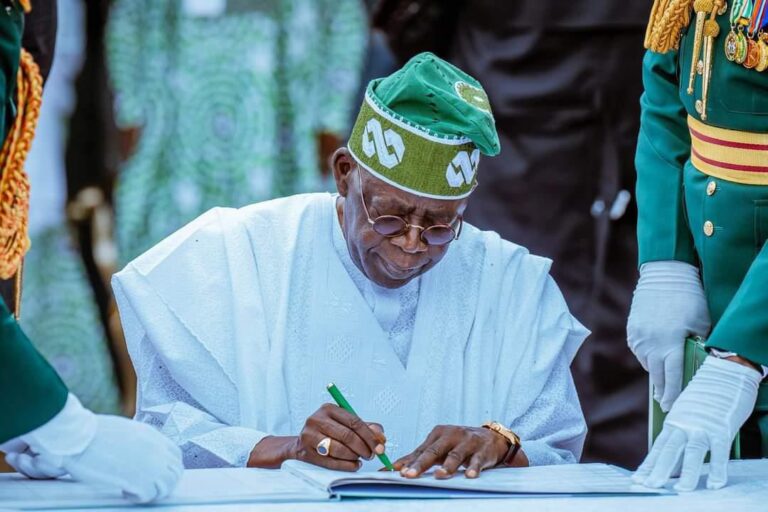
PRESIDENT Bola Ahmed Tinubu has assured that the economic policies and reforms of his government would positively impact more households in 2026, noting that the government would build on the gains of such reforms within the year.
The President cited easing inflation, stronger foreign reserves and renewed investor confidence as evidence that his administration’s reforms were beginning to yield results, adding that Nigeria is entering a more robust phase of economic growth in the new year.
In his New Year goodwill message to Nigerians on Thursday, January 1, Tinubu said 2025 closed on a strong note despite global economic headwinds, adding that the government would focus on consolidating gains and ensuring that the benefits of reform reach households across the country in the new year.
According to the president, Nigeria recorded consistent quarterly GDP growth in 2025, with annualised growth expected to exceed four per cent. He said inflation declined steadily to below 15 per cent, meeting the government’s target, while trade surpluses and greater exchange rate stability were maintained.
Tinubu also pointed to strong performance in the capital market, noting that the Nigerian Stock Exchange posted a gain of 48.12 per cent in 2025, extending a bullish run that began in the second half of 2023.
On external buffers, the president said Nigeria’s foreign reserves stood at $45.4 billion as of 29 December 2025, describing this as a “substantial buffer” against external shocks to the naira.
He added that foreign direct investment rose sharply in the third quarter of 2025 to $720 million, from $90 million in the previous quarter, reflecting renewed investor confidence and positive assessments from international credit rating agencies.
Despite allegations of alterations, which made many Nigerians ask the president to halt the implementation of recently enacted tax laws, Tinubu said his administration would intensify tax reforms in 2026, with a focus on harmonising taxes across all tiers of government to reduce multiple taxation and ease the burden on citizens and businesses. He said moderating inflation and interest rates would create more fiscal space for infrastructure and human capital investment.
The president’s assurances are coming at a time when households are still struggling to buy basic food and commodities with weak purchasing power as a result of the government’s policies of floating the exchange rate and fuel subsidy removal.
The president also addressed security, acknowledging continued threats from terrorist and criminal groups. He confirmed that, in collaboration with international partners, including the United States, Nigerian forces carried out strikes against terrorist targets in parts of the North-West on 24 December, with sustained operations ongoing in the North-West and North-East.
In 2026, he said, security and intelligence agencies would deepen cooperation with regional and global partners, while the government would continue to explore decentralised policing and regulated forest guards as part of efforts to tackle banditry and terrorism.
On social development, Tinubu stated that the government would accelerate the Renewed Hope Ward Development Programme, aiming to empower at least 10 million Nigerians by supporting at least 1,000 people in each of the country’s 8,809 wards. He said agriculture, trade, food processing and mining would be prioritised to stimulate local economies, alongside continued investment in infrastructure, including roads, power, ports, railways, healthcare and education.