MEMBERS of the Non-Academic Staff Union (NASU) and the Senior Staff Association of Nigerian Polytechnics (SSANIP) of the Moshood Abiola Polytechnic (MAPOLY), Abeokuta, have protested the non-payment of their three months’ salaries, among other grievances.
The protest, which took place in the school premises on Thursday, January 5, left other members of the polytechnic community stranded as various entrances to the institution were blocked by the aggrieved protesters.
Armed with different placards, the protesters called on the Ogun State government to come to their rescue.
They demanded a take-over of the institution by the state government, following the failure of the management of the school to meet up with its mandate.
Some of the inscriptions on the placards read, ‘Enough of suffering and smiling’, ‘Implementation of minimum wage’ and ‘Pay our pension deduction.’
Addressing journalists, the chairman of the MAPOLY chapter of SSANIP, Dada Olalekan, lamented the manner the school was being administered, describing it as “mismanagement.”
While also lamenting their unpaid promotion arrears, Olalekan pleaded with the state government to take over the school as it was done in other states so that the workers’ welfare would be adequately taken care of.
He said, “The management of MAPOLY is owing us three months salary from October 2022. All other institutions and government agencies are collecting the minimum wage, but MAPOLY has refused to implement the minimum wage.
“The management is owing us 55 months pension arrears. As I speak, nobody has a pension future here. If anybody retires tomorrow, there’s no future or pension for that person.
“The last promotion that was done in MAPOLY was in 2019; 2020 to 2022 promotions are still in arrears. Appointment promotion has not been done since 2019, while colleagues in other institutions have overtaken us because of promotion and appointment.
“The government should take account of MAPOLY and start to pay us as it is being done in all other states, like Oyo State.”
His counterpart in NASU, Kolawole Sapade, said MAPOLY was being run like a private institution where the only source of revenue are the school fees.
“The salary we are talking about now, if we collect it, there is no assurance that we will collect another salary in three months based on the JAMB and NBTE quota they gave to us.
“If we enroll students now with the limited quota they gave to us, and the limited school fees they are going to pay, there is no means of survival after March or April. That is why we are calling on government to come to our aid,” Sapade said.
The school’s spokesperson, Yemi Ajibola, could not be reached as several calls and text messages to his phone were not answered.
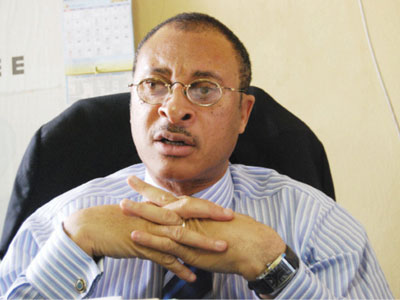
A political economist, Pat Utomi, believes the local currency may soon exchange above N,1000 to a dollar if the Federal government does not take “dramatic” action on Nigeria’s fiscal and economic policies.
Utomi said Federal government’s excessive borrowing from the Central Bank of Nigeria (CBN), against what the law says and violating the Fiscal Responsibility Act, cannot but affect the exchange rate.
“If you continue to generate or create money without creating value, the consequence is inflation and exchange rate will be collapsing, and will just multiply,” he said in a programme monitored on Channels Television on Wednesday, January 4.
Nigeria’s inflation rate at the end of November 2022 was 21.47 per cent. At the official window of the foreign exchange market, one dollar exchanged for N450.03 on Wednesday January 4, 2023, while it went for over N700 at the parallel market.
The ICIR had reported that the wide gap between the official and the parallel market rates had served as a trigger of economic distress for both the public and private sectors.
Utomi said unless some tougher economic decisions are taken, excessive borrowing by the Federal government would spell doom for the economy.
“If we don’t do something dramatic, the effect of this 2023 budget is that the exchange rate will go past N1,000 to a dollar. That is the direct effect of this budget, and you are going to see inflation probably go up to 50 per cent if some new dramatic changes are not made,” the economist said.
Utomi, describing the budget as “weak”, argued it would lead to loss of jobs, inflation, and unimaginable economic hardship.
He described the economic policies of the President Muhamnadu Buhari administration as “not people-friendly” and “not economic growth- oriented.”
He blamed leadership at the centre and “dysfunctional” state governors for Nigeria’s economic woes, and suggested that one of the ways forward would be for the Federal government to “fix” the civil service.
NIGERIA’S petroleum subsidy payments and government’s borrowings to fund budget deficits would see President Muhammadu Buhari leave a huge debt of N77 trillion for the incoming administration in May 2023.
The Director-General of the Debt Management Office (DMO), Patience Oniha, gave this information on Wednesday, January 4 during a public presentation on the 2023 budget.
Oniha, on the sidelines of the presentation, told journalists that if the National Assembly (NASS) approved the ‘securitisation’ of the ₦22.7 trillion Ways and Means debt secured from the Central Bank of Nigeria (CBN), the cost of servicing the loan would significantly reduce.
She mentioned issuance of promissory notes as another component that had spiked Nigeria’s debt stock.
The Director-General explained the debt had been growing because of new borrowings, although revenue generation, she pointed out, had been receiving significant attention.
“Like DMO always says, you can’t talk about debt without talking about revenue. We need the two to work together,” she said.
Oniha noted that the total debt stock would be made up of ₦44.06 trillion by the third quarter of 2022; ₦22.7 trillion Ways and Means borrowed from the CBN; projected new borrowings of ₦10.57 captured in the 2023 budget; and issuance of promissory notes.
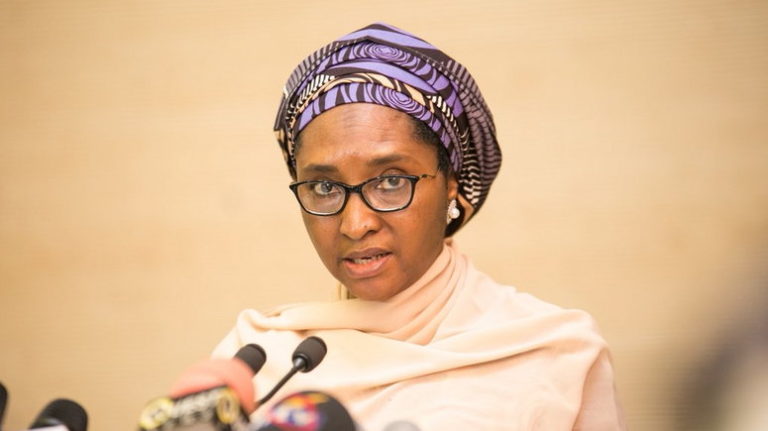
In a similar submission at the budget breakdown yesterday, the Finance minister, Zainab Ahmed, said the Federal government spent N5.24 trillion on debt servicing alone between January and November 2022, out of its N12.87 trillion total spending for the same period.
According to her, domestic debts gulped N2.51 trillion, foreign debts N1.08 trillion, and interest on Ways and Means, N1.64 trillion.
President Muhammadu Buhari had on Tuesday January 3 requested the National Assembly to reconsider its position on his request to pay an outstanding N22.7 trillion to the CBN borrowed through Ways and Means.
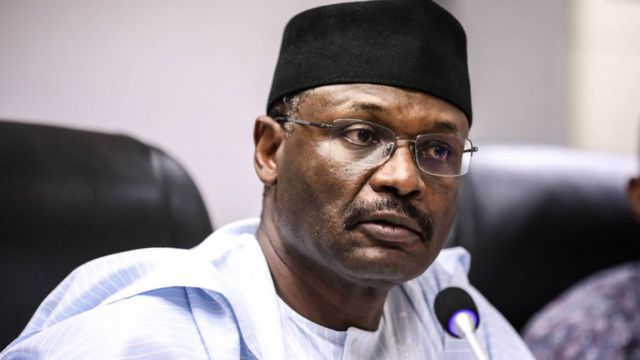
A FEDERAL Capital Territory (FCT) High Court in Garki has stopped the Department of State Services (DSS) from arresting the Chairman of the Independent National Electoral Commission (INEC), Yakubu Mahmood, over allegations bordering on false assets declaration.
The presiding judge, M. A. Hassan, refused, on Wednesday, January 4, the application seeking that Mahmood be arrested, as he rejected 14 other reliefs brought by the claimants.
Justice Hassan held that Mahmood’s asset declaration was lawful, valid and in compliance with the law, and thereby blocked the DSS, the Nigeria Police (NPF), and the Code of Conduct Bureau (CCB) from arresting him.
The ruling followed an originating summons marked FCT/HC/GAR/CV/47/2022 by Somadina Uzoabaka against the Attorney-General of the Federation and the INEC Chairman.
The plaintiff is seeking, among others, an order of mandatory injunction directing and compelling the INEC chairman to recuse, excuse and exclude himself, and or step down as the Chairman of INEC pending the investigation and consideration of the various allegations against him by the various law enforcement agencies.
He also sought an order of court stopping Mahmood from holding or assuming any public office for 10 years.
In his response to the allegations, the INEC Chairman gave the court several exhibits to show the sources of money for the purchase of the properties that the plaintiff alleged he illegally acquired, and insisted that his assets declaration was validly made.
The same court had on December 29, 2022 restrained the DSS from arresting and detaining the Governor of the Central Bank of Nigeria, Godwin Emefiele, on allegations bordering on terrorism financing and economic crimes.
Justice Hassan had extended the restraining order to the Inspector-General of Police (IGP), the Attorney-General of the Federation (AGF), the Economic and Financial Crimes Commission (EFCC), and the CBN, who were listed as respondents.
The order followed an ex parte application marked FHC/ABJ/CS/2255/2022 brought by the DSS seeking to arrest Emefiele over the allegations.
THE number of international immigrants of African origin is projected to reach 80 million by the year 2030.
In a recent PEW survey, of the 12 countries surveyed from five different continents, Nigerians ranked highest among people who desperately want to relocate to another country in search of a better life, a process now popularly referred to as ‘japa’.
Many Nigerians have set relocation from the country, as a top priority in their goals for 2023 and the poor standard of living, rising insecurity and economic uncertainties that loom over the country preparing for its general elections, change in government and drastic reform measures such as fuel subsidy removal, all in one year, are some of the main reasons behind the decision to japa.
A 2022 report by the European Union Institute for Security Studies revealed that the number of African migrants living outside their country of origin was around 41 million, with the majority 21 million of them living in another African country, while 11 million (56.4 per cent), five million (25.6 per cent) and three million (15.4 per cent) reside in Europe, Asia and North America respectively.
The International Organisation for Migration (IOM) also noted that increasing restrictive policies in traditional destinations such as Europe and new opportunities in emerging economies and trade routes, have led to greater diversification of travel destinations for Africans to countries such as Turkey, China and South Africa for business, trade, study and employment.
Today, millions of ethnic Nigerians live abroad and the largest communities can be found in the United Kingdom’ (500,000–3,000,000) and the United States (600,000–1,000,000 Nigerians). Other top destination countries include Canada, Germany, South Africa and The Gambia.
More alternative migration destinations offer more opportunities for work, income, business and remittances to families back home, which in turn help to boost African economies.
Routes Nigeria use for relocation
The five easiest routes for relocation used by Nigerians are a. study, b. work, c. marriage, d. application for permanent residency and e. asylum, but irrespective of the route one chooses to take, here are ten things you should do before you japa in 2023:
Find out the requirements of your prospective country:
Before deciding to relocate from Nigeria, it is important to find out what the visa requirements are for working.
Many Nigerians move abroad expecting to step straight into a similar job they had at home and then express surprise when they are unable to work due to visa restrictions, which can lead to frustration and depression.
Also find out what the requirements are for driving, studying and traveling. Sometimes depending on your visa, you might have restrictions on where and when you are permitted to travel.
Organise your documents:
Many Nigerians have been denied visas by foreign embassies for simply failing to organise their documents, including photographs, information about family members and employers, criminal history, information about where they live, financial background and medical examinations. Also make copies of all important documents.
Research your destination
Read up on the country’s weather, and etiquette norms, understand the actions that may offend locals so you can avoid doing them, learn how to greet people and how to share a meal, and be courteous.
Learn a skill
Basic services like hair making, barbing, tailoring and bead-making cost a fortune abroad and acquiring any of these skills can easily guarantee a source of income as you settle in and find your feet in your new country.
Know someone
Loneliness and depression are major complaints from Nigerians abroad and you should ensure that you save up contacts of relatives and friends abroad before you relocate.
Photojournalist Fati Abubakar in a Twitter thread published in April 2022, said that despite attaining success and access to and everything you ever wanted, the crippling loneliness can make one sad and bored.
It will also help to stay in touch with people in your home country as you adjust to your new environment and make new friends.
Think about healthcare
Health care varies significantly around the world, and your access to a local system could depend on what kind of visa you hold. Before you relocate, find out what options you have for healthcare insurance and coverage.
Save as much money as you can
Relocation abroad has a list of associated costs, and it is best to plan ahead and start saving. Some of these costs include visa, passport renewal, flight tickets, overseas travel insurance, vaccinations and health checks, rent, possible furniture or other items you may need, and living costs to cover you for a period before you start working.
A Nigerian residing in Texas, USA, Williams Ogidan shared this advice on Linkedin: “I know Nigeria is hard at the moment and I am not against anybody struck by the japa syndrome. However, before you japa make sure you have money or have savings to keep you for at least six months. Don’t come here and begin to feel entitled to your own country men helping you”.
Get rid of unneeded items
Decluttering is among the smartest thing you can do before you relocate, to prune your belongings to only what is essential for a simpler and cheaper move. Items such as outdated or outgrown clothes, shoes, toys, games, books, souvenirs etc, that are still in good condition can be sold to save more money, given away to family and friends or donated to charity. It also means you will have less items – which require less space – to keep in storage if you intend to store your property.
Pack a survival box
Also known as your essential box or open-first box, a survival box should contain all the items you are going to need on the day of your trip and the first couple of days after your relocation. This will ensure that you do not end up opening already sealed boxes in search of something you need or arrive at your destination without even the basic necessities for a refreshing shower and a good night’s sleep.
Have a goal in mind
Before leaving Nigeria, ask yourself what you would really like to get out of your experience abroad. Also, constantly reminding yourself why you chose to move abroad will help you make great decisions about how to spend your time and income overseas. It will also help you weather the hard and trying times.
THE early morning search for water nearly made Abdul Adamu, a senior secondary school student, miss his terminal exams.
Adamu woke up early on the day of the exams to prepare for school, only to be instructed by his parents to go fetch water for their household use.
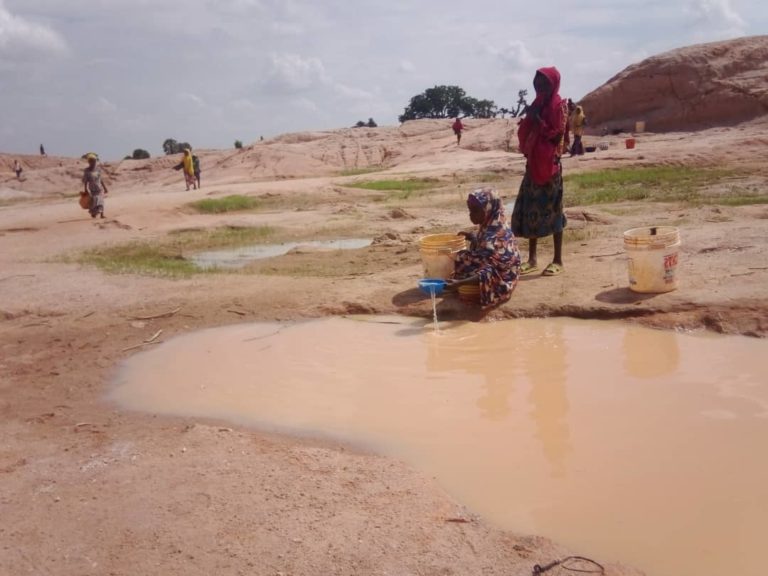
He was reluctant because it was getting late to go to school, but he couldn’t complain. He will have to travel 40 minutes on foot to fetch water from the nearest pond.
He obliged his parents and fetched some water, wolved down his breakfast and rushed out to school. On arrival at the examination hall, his fears were confirmed. Exams had already started, and Adamu was about 25 minutes late. Luckily, he was allowed to write the exams.
At another time, Adamu had just returned from school and had barely rested when his parents asked him to go fetch water.
Adamu lives in Shongo Sarkin Yaki, a community in Kwami local government area (LGA) of Gombe state that has been struggling with decade-long water scarcity and often has to rely on contaminated water sources for drinking, and other domestic purposes. This has caused residents of the community untold hardships and made them vulnerable to water-related and waterborne diseases, including hepatitis, cholera, and typhoid.
Adamu, Dan Masani Sarkin Yaki
Abandoned project dashes residents’ hopes
While residents of the community drink from contaminated water sources, a water project meant for the area was abandoned months after commencement.
In 2021, the federal government, through the Upper Benue River Basin Development Agency (UBRBDA), awarded the contract for the “extension of water pipeline and reticulation at Shongo Sarkin Yaki, Gombe North Senatorial District” to Hapco Multihydro Systems.
The project, which is under the supervision of the Federal Ministry of Water Resources (FMWR), was awarded at the cost of N50 million.
Findings showed that soon after the contractor was mobilised and heavy equipment moved to the site, the project was abandoned after one of the machines developed a fault.
According to sources in the community, the contractor gave no cogent reason for abandoning the project site.
Details of the project captioned as “extension of water pipeline and reticulation at Shongo Sarkin Yaki, Gombe North Senatorial District” in the budget is basically to “drill and install motorised borehole with 50 cubic metres overhead tank as a constituency project meant for the area.
The community was hopeful when the project commenced, with residents happy that it would put a stop to drinking contaminated water and contracting deadly diseases.
This situation has left many residents to fetch water from contaminated sources, especially during the dry season when water bodies in the area dry up, a practice that has been going on for decades of the community’s existence.
According to Sani Muhammad, a resident who lives and owns a mechanic workshop at Shongo Sarkin Yaki, the contractor only worked on the site for a day and left on the second day to return after Christmas break in 2021.
“Even if it is because of politics, they should come and do this project for us. We will be happy. We were joyous when the contractor moved to the site, and now we see their abandoned equipment daily and get annoyed,” Muhammad said, pointing to the driller truck.
He said members of the community often fall sick because of the unclean water source.
“My major concern is coming home after a tedious day to find out that there is no water. When I am tired and cannot trek the long distance to the pond to fetch water, I will take a bike to and fro, and it cost money”, Muhammed stated.
Community’s effort
Hassan Adamu, is the chairman committee supervising the pond where residents source their water.
“We like to imagine that the water is not contaminated because we take it on a daily basis. If truth be told, this water is not safe for consumption, and we sometimes see some impurities, including aquatic animals, in the water. Those aquatic animals look like tiny fish,” Adamu said.
Adamu said the community decided to set up a committee to reduce impurities found in the water and make it relatively safe for residents. Adamu, who heads the committee, said that donkeys, cows and other animals reared by people in the community are not allowed to come close to the water body.
“To enforce this regulation, we make sure the right punishment is meted out to offenders,“ he stated.
Adamu said he has once led youths in the community to protest before government officials and solicit the support of various NGOs across the state to help with the provision of clean water for the community.
He said community-led efforts have yielded no results in ensuring that the contractor returns to the site.
‘Water scarcity is a decade-long problem’
Abubakar Sadiq, the head of the Shongo Sarkin Yaki community, decries the water scarcity in the community, adding that the problem has been persistent for decades.
According to him, the project came through a senator, Saidu Alkali, representing Gombe North at the 9th national assembly.
When asked whether the government is aware of their situation or if he has written to the authorities, Sadiq said: “Whenever it is the dry season, we usually inform the authorities about the difficulties faced in getting water, even from the pond. At this period, we are often prone to diseases, especially cholera.
Abubakar Sadiq, the head of the Shongo Sarkin Yaki
“One major contribution or advise they (officials) gave is that we should boil our water before use. Like last year and this year, they (the government) vaccinated community members against some diseases.”
While pleading for quick intervention by the government on the project, Sadiq said he advised that instead of drilling a borehole, they should extend pipes from a nearby government estate.
“The water level in the community is about 480 metres, and this makes drilling boreholes in the community very difficult,” he said.
Children scooping water
More lamentations from the community
A relatively new resident of the community, Ibrahim Yahaya said when he arrived at the community five months ago, he was startled to see people drinking from such a dirty pond.
He said he and some community members who could afford it resorted to sourcing water from water merchants who sell at exorbitant prices.
“When I first came into the community, I could not cook for some days due to lack of water, and vendors didn’t bring water to the community. When they showed up, they sold a jerry-can for N70,” Yahaya said.
Another resident of the area, who identified himself as Alhaji Hassan, lamented the poor access to clean and portable water in the community, especially during the dry season when the pond dries up.
“In the entire community, we are faced with many challenges due to lack of water. Water vendors bring water worth N12,000, and it does not go round. It is even worse during dry seasons where we might go days without water from both the pondand the vendors,” he said.
He added: “If we want to drink good and clean water, we have to travel as far as Tumfure, about 5km away. It also cost us about N300 to and fro, plus additional fees for the water per jerry can. It is really pathetic that even our health facility doesn’t have water. The staff at the hospital often close early because of this.”
How poor access to clean water is contributing to high Cholera figures in Gombe
Absent, inadequate, or inappropriately managed water and sanitation services expose individuals to preventable health risks. Importantly, poor access to water, amongst others, fuels bad habits such as poor handwashing and open defecation, which is estimated to be practised by 25 per cent of Nigerians on a daily basis.
As elsewhere, poor access to water, sanitation and hygiene (WASH) remains a major challenge in Gombe, contributing to high levels of diarrhoea-related deaths. Poor and unclean water has also been increasingly linked to the transmission of diseases such as cholera, dysentery, hepatitis A, typhoid and polio, thus causing victims severe pain and stress.
Contaminated water
As of 2015, 57 million Nigerians were without access to improved water sources, while 130 million people were without access to improved sanitation.
Across most rural communities in Gombe North senatorial district, including Shongo Sarkin Yaki, there is an appalling deficit of water supply and sanitation facilities despite the allocation of resources to arrest the issue.
The state government budgeted N3.7bn and N2.6bn for the provision of water in 2015 and 2016 respectively. In 2021, N5.5bn was budgeted for the provision of WASH infrastructure.A major fallout of poor investment in the WASH sector is the increasing number of cholera-related deaths recorded in the state.
According to the Nigeria Centre for Disease Control (NCDC) cholera situation report, a total of 2,361 cases were recorded in Gombe state, leaving 51 victims dead in the year 2021.
Among the challenges highlighted by the NCDC are “open defecation in affected communities, lack of potable drinking water in some rural areas and urban slums, inadequate vaccines to cover all LGAs, wards, and settlements with cholera outbreaks, and inadequate health facility infrastructures and other cholera commodities for the management of patients.”
Currently, cholera has been declared an outbreak in Gombe state, with 10 deaths recorded out of 236 officially confirmed cases in 2022.
Speaking to pressmen on the matter at the Public Health Emergency Operations Centre in Gombe, the state health commissioner, Habu Dahiru, said the state government is taking measures towards containing the outbreak.
Fatima Damagum, a medical doctor at Aminu Kano Teaching Hospital, in an interview with this reporter, lamented the poor state of drinking water in Shongo Sarkin Yaki community adding that it is “not safe” for drinking.
“This source of water is definitely not safe. The stagnant body of water is most likely going to contain harmful microorganisms. Consumption of this water is often responsible for common water-related illnesses such as diarrhoea, giardiasis, dysentery, typhoid fever, Escherichia coli infection, and salmonellosis (typhoid),” she said.
Damagum noted that “some of the symptoms can include pain in the gastrointestinal, reproductive and neurological systems” adding that complications of these diseases can result in death.
“Government should ensure the availability of potable water. Clean drinking water is a fundamental human right. It is the responsibility of the federal and state governments to make sure tap water is not only clean but contains the right amount of minerals,” she stressed.
She further called on the government to “support water-related emergency preparedness and outbreak investigations both domestically and nationally, assess disinfection and treatment methods for drinking water and recreational water, provide tools for environmental microbiology laboratory capacity building and training on water sampling techniques and associated analytical methods and provide drainage and sanitation system.”
She also highlighted two possible solutions to waterborne diseases: systemic solutions and Individual solutions. According to her, apart from the government’s efforts, residents of the area can do something.
“If you do not have access to safe drinking water, please install a water purifier at home. If this is not possible, boil the water used for drinking and cooking.”
Umar Abdullahi, a resident doctor at State Specialist Hospital Gombe corroborates Damagum’s position.He stated that diseases such as Salmonella typhi and Salmonella Paratyphi (popularly known as typhoid), cholera, acute gastroenteritis, and Helicobacter Pylori can lead to fatality.
‘Project not abandoned but relocated’
When contacted to speak on the matter, the Information Officer, Upper Benue River Basin Development Agency (UBRBDA), Ahmed Isa Mbamba requested that an official letter be addressed to his Managing Director.
A Freedom of Information (FOI) letter was sent to the agency, specifically requesting for the project’s status, details of percentage releases and amount expended since project inception at Shongo Sarkin Yaki.
In a response to the request, Mbamba, who signed the letter on behalf of the Managing Director of the agency, said the project was not abandoned, saying that it was merely relocated to another location.
He said the project was relocated “due to difficulty of the formation of the area (Shongo Sarkin Yaki), which was not considered at the onset of the project.”
Mbamba stressed in the letter that “the drilling crew encountered geological challenges within the overburdened soil formation resulting into a breakdown of the drilling machine. The contractor replaced the damaged drilling machine with another one from Maiduguri, which started drilling at an alternative point for more than two months without success.”
According to the UBRBDA, the project was relocated to Pantami near the Proper Water factory and re-awarded to QL Teknik Limited at the sum of N37.1 million
. The remaining balance of 12.8million out of the initial N50m budgeted for the Shongo Sarkin Yaki project was used for the “construction of 1no Solar power at Gandu, and Shamaki ward, Gombe LGA”.
QL Teknik Limited, formerly Quartz Solar Energy Systems Limited, a member of Multibase group limited, was registered to do business in diverse areas in Nigeria. The company changed its name and re-branded in May 2016 with a view to diversifying to other areas of business, especially engineering. The company, categorized by Corporate Affairs Commission as inactive, was registered on 27th May 1998.
Mbamba stressed in the letter that the solar power project was carried out by Alh. Musa Iliya and Co. Limited. According to the supporting documents attached to the letter, the agency approved the relocation following a request by the lawmaker representing Gombe North Senatorial District, Saidu Alkali.
Meanwhile, efforts to reach the Senator, Alkali were not successful. At the time of filing this report, he did not respond to messages and phone calls to his known phone number.
An FOI request was sent to the Federal Ministry of Water Resources (FMWR), the parent ministry of UBRBDA, on September 19, 2022, to comment on the issue was ignored even after the expiration of the 7 days stipulated by the FOI Act.
*This report, initially published in November 2022 here is supported by the John D. and Catherine T. MacArthur Foundation and the International Centre for Investigative Reporting, The ICIR.
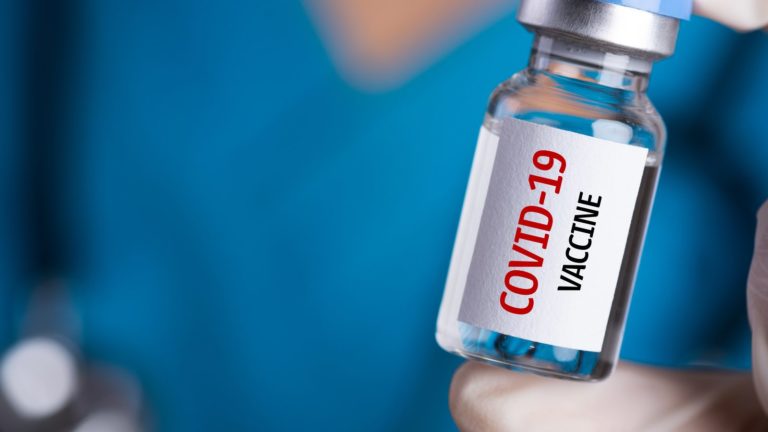
THE Nigerian Centre for Disease Control (NCDC) has revealed that Nigerians have some natural immunity against the COVID-19 variants if they take their vaccine doses and strictly adhere to non-pharmaceutical measures such as using nose masks and avoiding crowded spaces.
The Centre said in response to the current spike in cases, hospitalisations and deaths from the disease in China, the UK, South Africa, the United States of America, India and others that the virus continued to follow a different epidemiological course in Nigeria and most of Africa.
The Centre further disclosed that the country-targeted travel restrictions, including requests for PCR-negative tests from incoming travellers, had little or no effect on preventing the global and national circulation of Omicron – the virus variant – since it emerged with its relatives in 2021.
According to a statement it issued on Wednesday, the NCDC explained that other Omicron sub-lineages associated with increases in cases, admissions and deaths elsewhere did not cause the same in Nigeria, as confirmed by its genomics surveillance.
It blamed the current surge partly on the usual winter exacerbations of respiratory illnesses.
The Centre promised to convene a stakeholders meeting and decide on further measures to curtain the virus in the country soon.
The ICIR reports that Nigeria recorded its first case of the disease on February 27, 2020, and locked down some states on March 30 that year, as infections from the virus spiralled nationwide.
Among other measures, President Muhammadu Buhari constituted the Presidential Task Force on COVID-19 and approved emergency procurements of pharmaceutical and non-pharmaceutical measures to combat the pandemic.
As of Wednesday, Nigeria had recorded 266,450 cases of the virus and 3,155 deaths from the virus.
The global cases stood at 666,223,747, and deaths were 6,701,814.
The NCDC said regardless of COVID-19 variants in different parts of the world, severe disease, admissions and deaths disproportionately affect the unvaccinated and those with established risk factors, namely older people, people with co-morbidities and the immunocompromised.
It noted that the most important action for Nigerians was to get vaccinated against COVID-19, “as the vaccine is the most important intervention for preventing severe disease, hospitalisation, and death.”
The NCDC said before the recent case increase in China, the USA, the UK and other countries, genomic surveillance had shown that the Omicron SARS-CoV-2 variant and its lineages continued to dominate in recorded infections worldwide.
But the rise in the new Omicron sub-lineages XBB.1.5 in the UK and the US, and BF.7 in China raises concern as it may spread faster than older Omicron sub-lineages (e.g., XBB or BQ) and that they are responsible in part for current increases in cases, hospitalisations, and deaths.
However, the sublineage seen with cases in China, B.5.2.1 and BF.7 are responsible for the surge in China and does not appear to be increasing unusually in other countries, the Centre explained.
“The NCDC continues to strengthen genomic surveillance of the COVID-19 virus in Nigeria. Since the detection of the Omicron variant in December 2021, its sub-lineage (BQ.1/BQ.1.1) has been dominant in Nigeria. None of these dominant sub-lineages in Nigeria that are also circulating elsewhere has been associated with any increases in case numbers, admissions, or deaths locally.
“The sub-lineages partly responsible for the current increase in COVID-19 cases in other countries i.e., XBB.1.5 and BF.7 have not yet been detected in the country but B.5.2.1 has been seen here since July 2022 and the others are most likely here already. BF.7 and XBB have also been circulating in South Africa since October 2022 but without any accompanying increase in cases, severe illness, or deaths.”
THE Independent National Electoral Commission (INEC) on Tuesday, January 3 received the last batch of the Bimodal Voter Accreditation System (BVAS) machines, 52 days to the commencement of 2023 general elections.
This was disclosed in a statement released on Wednesday, January 4, and signed by INEC National Commissioner and Chairman, Information and Voter Education Committee, Festus Okoye.
According to the statement, the Commission created four airport hubs in Abuja, Kano, Lagos, and Port Harcourt to facilitate the smooth delivery of the machines.
“In furtherance of the preparations for the 2023 General Election, the Commission, yesterday, 3rd January 2023, received the last consignment of the Bimodal Voter Accreditation machines with 52 days to the election.
“The Commission’s Chairman, Prof. Mahmood Yakubu, National Commissioners and senior officials of the Commission were at the Nnamdi Azikiwe International Airport, Abuja, to receive the BVAS. Officials of the Nigeria Customs Service, the Nigerian Aviation Handling Company and airport security officials were at the airport to receive the INEC team.
“To facilitate the smooth delivery of the machines, the Commission created four airport hubs in Abuja, Kano, Lagos, and Port Harcourt.
“Over the last four months, several flights delivered the BVAS to the designated airports for movement to States of the federation ahead of the elections. With the arrival of the last flight in Abuja yesterday, the Commission has now taken delivery of the required number of the BVAS for all the polling units in the country and extra machines in line with our contingency provisions for all critical election materials,” parts of the statement said.
The Commission reiterated its determination to conduct a free, fair, credible, transparent, and inclusive election anchored on technology.
THE Department of State Services (DSS) says it has arrested one of the commanders of Islamic State West Africa Province (ISWAP) over the December 29, 2022 bomb blast in Kogi State.
The explosion, in which several persons were reportedly killed, occured at the palace of the Ohinoyi of Ebiraland Ado Ibrahim, a few hours before President Muhammadu Buhari’s arrival to commission some projects in the state.
It was reported that no fewer than four people died in the explosion in Karaworo District, Adavi Local Government Area.
In a statement released on Wednesday, January 4, by spokesperson Peter Afunanya, the DSS said one Abdulmumin Ibrahim Otaru and his associate, Saidu Suleiman, were arrested over the incident on Tuesday, January 3.
According to the DSS, Otaru who is also known as Abu Mikdad is a high commander of the ISWAP and have coordinated or participated in a series of terrorist attacks in different parts of the country.
Abdulmumin Otaru, high commander of ISWAP who masterminded Kogi explosion during Buhari’s visitOtaru’s associate, Saidu Suleiman.
According to the DSS, Otaru sustained a gunshot injury on his left foot while attempting to escape arrest. The agency said he is currently receiving treatment at a health facility.
Parts of the DSS statement read: “During investigations, it was ascertained that OTARU was a high commander of Islamic State West Africa Province (ISWAP) and either coordinated or was involved in the following dastardly operations:
“i. The 24th June, 2022 attack on Nigeria Police Area Command, Eika-Ohizenyi, Okehi LGA of Kogi State. A Police Inspector, Idris MUSA was killed and two (2) AK-47 rifles carted away in that attack;
“ii. The 5th July, 2022 attack on Kuje Medium Security Custodial Centre in Kuje Area Council of the FCT; and
“iii. 5th August, 2022 attack on West African Ceramics Ltd (WACL) in Ajaokuta LGA, Kogi in which three (3) Indian expatriates were kidnapped. It would be recalled that five (5) persons including one (1) Indian, two (2) Policemen and two (2) drivers of the company were also killed in the attack. The kidnapped expatriates were released on 31st August, 2022.”
Otaru operated terrorist cells in and around Kogi State, according to the DSS.
“Similarly, he and his gang had staged several kidnap operations in Kogi and Ondo states. Meanwhile, the suspects are in custody and will be prosecuted accordingly,” the statement added.
The DSS reiterated its commitment to the safety of the nation, assuring that it will work assiduously with stakeholders including sister security agencies to tackle the menace of terrorism and other forms of criminality and threats to national security.
The agency also called on citizens to support it and other law enforcement organisations with relevant information and all the necessary cooperation required to ensure a peaceful country.
ECONOMICS have warned the Federal government that rising budget deficit and debt servicing will starve the private sector of funds needed to drive the real sector of the economy.
President Muhammadu Buhari had on January 3 signed the 2023 budget into law. The N21.83 trillion budget has a recurrent expenditure of approximately N8.27 trillion and a capital expenditure of N5.9 trillion, with debt servicing increasing from N6.31 trillion to N6.6 trillion.
Economists say rise in debt servicing and massive borrowings to fund fuel subsidy have negative effects on the economy, especially the real sector.
The Chief Executive Officer of Cowry Assets Management Limited, Johnson Chukwu, told The ICIR that if the government did not caution its funding of the budget deficit, the private sector would be weakened in its capacity to drive the economy.
Chukwu said, “When we talk of the budget deficit of N12 trillion today, we are also talking of a national debt of more than N22 trillion. If the Federal government continues to borrow, the implication is that you are going to crowd out private sector funding for the real sector.
“The increase in projected revenue only gives incentives to spend more even when we haven’t met up with it in the last five years. Now, this has made us to increase the budget deficit, which is putting lots of pressure on our funding the private sector.”
The economist also warned that Nigeria may head the way of Ghana if it failed to address its appetite on “unregulated borrowing.”
Another economist and financial analyst, Gbolahon Olojede, said the government must address concerns of borrowing by widening its tax net beyond the formal sector.
“It is largely because of poor revenue that we are resorting to borrowing. The incoming government has lots of work to do on this, otherwise we will run into more trouble.
“The tax net is weak. The formal sector is carrying the burden of taxation. How far can you stretch the budget in formal sector? What is the government doing to expand the revenue net?” Olojede said.
He suggested to the government to deal with matters of wastages and costs of bureaucracy, adding, “We must industrialise and drive manufacturing, and stop the huge export of raw materials, which leaves us in economic losses.”
The ICIR reports that President Buhari had told the National Assembly at the signing of the budget on January 3 that to enable the budget work, the Federal Ministry of Finance must find a solution to the burdening impact of Ways and Means (loan from the central bank to the Federal government as lender of last resort), which is currently at N22 trillion.
He stressed the importance of economic managers addressing negative impacts of Nigeria’s rising debts through effective cooperation.