Home Blog Page 189

Police invite El-Rufai over alleged conspiracy, inciting disturbance of public peace

0

THE Kaduna State Police Command has invited the former governor of the state, Nasir El-Rufai, for questioning over allegations of criminal conspiracy, incitement of public disturbance, and mischief.

El-Rufai was also accused of causing grievous hurt.

He was invited alongside six prominent leaders of the African Democratic Congress (ADC).

The Command in a letter signed by the Deputy Commissioner of Police in charge of the State Criminal Investigation Department (SCID), Uzainu Abdullahi, directed the ADC Chairman in the state to ensure the appearance of the former governor and the other party members at the SCID on Monday, September 8, 2025.

Other ADC stalwarts invited with El-Rufai by the police include Jafaru Sani, Bashir Sa’idu, Ubaidullah Mohammed, Aminu Abita, Ahmed Rufa’i Hussaini and Nasiru Maikano.

The invitation letter titled “Investigation Activities: Case of Criminal Conspiracy, Inciting Disturbance of Public Peace, Mischief and Causing Grievous Hurt” said the invitation was to allow the invitees to explain allegations levelled against them by some complainants.

“You are requested to come along with them to SCID to clarify allegations reported against them by the complainants on 8th September, 2025,” part of the letter read.

Although the details of the complaints were not revealed, the police maintained that the move was part of efforts to maintain public peace and order in Kaduna State.

The invitation to El-Rufai and others followed a violence that erupted at the ADC transition committee inauguration in Kaduna last Saturday, when suspected thugs armed with cutlasses, clubs and stones attacked participants, injuring many and damaging vehicles.

Police later shut the ADC secretariat, with Kaduna command spokesperson, Mansir Hassan, saying the event was held without “prior notification” to security agencies despite “repeated warnings.”

Later, the ADC alleged that the Kaduna State Police Command was trying to brand opposition politics as a crime.

El-Rufai, who has been at loggerheads with his successor, Uba Sani, has been very vocal in recent months. Just a few days ago, he accused President Bola Tinubu’s administration of paying bandits to secure peace.

Recall that as part of its strategies to dislodge the ruling All Progressives Congress (APC) in the 2027 elections, leading opposition figures, including El-Rufai, former Vice President Atiku Abubakar, Labour Party presidential candidate in the 2023 poll, Peter Obi and former Rivers State governor Rotimi Amaechi, launched a coalition in Abuja on March 20.

After months of speculation over which platform the coalition would pursue its agenda, they settled for the ADC as a key opposition party that will challenge Tinubu’s APC in the 2027 elections.

World Charity Day: Why supporting independent journalism is key

0

EVERY World Charity Day, global attention often turns to individuals or organisations that contribute money or aid to alleviating poverty. 

For media owners and journalists, particularly those working as freelance and in independent media platforms, their work is quite vital in safeguarding communities from poverty, neglect, and corruption.

These journalists particularly challenge corruption, expose injustice, and give voice to the voiceless. This role, however, comes at enormous risk and personal cost.

In May 2024, the Nigerian Police Force Cybercrime Centre (NPF-NCCC) detained Dayo Aiyetan, Executive Director of the International Centre for Investigative Reporting (ICIR), and his reporter, Nurudeen Akewushola, for nine hours. 

Their “offence” was publishing a detailed investigation into shady land allocations allegedly linked to two former Inspectors General of Police. The ICIR investigation alleged that some police officers assisted a contractor and Managing Director of Copran International Limited, Andy Chime, to forge the signature of a deceased Deputy Inspector-General of Police Saleh Abubakar to secure a contract.

Chime used the documents to obtain a loan of N573 million from the Nigeria Police Mortgage Bank and also unlawfully used the houses on the land as collateral, thus short-changing the police.

Despite relying on court documents and verifiable testimonies, The ICIR reporter and its publisher were accused of “cyberstalking and defamation”.

The petitioners also accused Akewushola of soliciting money, an allegation he described as unfounded, noting it as a ploy to make the case appear weightier. 

But harassment is only part of the struggle. Financial risk is another.

The ICIR reported that following the intimidation of its reporters, Arase also dragged them to court, demanding they take down the publication and seeking multibillion-naira compensation.

Others have faced dangers that mirror the risks of humanitarian responders or even more. Investigative journalists covering insecurity have had to travel into bandit-occupied villages, insurgent-prone states, and remote border communities, places where government presence is weak, but abuses are rampant. 

In these areas, they often move without security escorts, relying instead on discreet local fixers. 


Support The ICIR: https://www.icirnigeria.org/support-us/

Journalism that holds power to account takes enormous resources. We invite you to support us to continue the work we do. Your support will strengthen journalism in Nigeria and help sustain our democracy. Make use of this link: https://www.icirnigeria.org/support-us/

You can also scan the QR code below.


Why supporting independent journalism is key – ICIR’s investigation head

For many independent newsrooms already struggling with scarce funding, the ability to keep producing such stories depends largely on public support and donation.

Speaking on this, the Deputy Editor and Head of Investigation at The ICIR, Fidelis Mac-Leva stressed that Nigerians must begin to see independent journalism as a charity service in its own right.

“Independent journalism plays a critical role in holding those in power accountable, providing a voice for the marginalised, and shedding light on issues that affect the most vulnerable members of society,” he said.

He posited that by supporting independent journalism, Nigerians can help ensure that the truth is reported, and that those who seek to exploit or harm others are exposed.

“This is especially important in a country where access to accurate information can be a matter of life and death. By supporting independent journalism, Nigerians can help promote transparency, accountability, and good governance, which are essential for the well-being and development of the country,” Mac-Leva said.

Fidelis Mac-Leva, Deputy Editor/Head of Investigation, ICIR

He also warned that silence or apathy from citizens could carry devastating consequences.

“If the public doesn’t support independent investigative journalism, corruption and abuse of power will go unchecked. It would mean poor governance, human rights abuses, and economic stagnation. Without support, independent outlets may not survive, and the voices of those who need to be heard may be silenced.”

According to him, individual donations can help support the costs of conducting investigations, including travel, research, and interviews. 

The ICIR gathered that a single field trip for an investigation can cost up to one million naira or more. This figure escalates substantially when multimedia content, such as video and high-resolution photography and laboratory testing are needed to complement the written report.

Mac-Leva further highlighted that by financially supporting independent journalism, individuals are essentially casting a vote for quality reporting. 

He noted that these contributions, regardless of their size, are a powerful way for the public to show they value the work being done, adding that it fosters a sense of community and shared ownership among readers, which serves as a major motivator for journalists. 

“Even small donations can add up to make a significant impact, and every contribution can help to bring about positive change in the country,” he added.


Your support will strengthen journalism in Nigeria and help sustain our democracy. Make use of this link: https://www.icirnigeria.org/support-us/

Presidency blames private investors for CNG price hike

0

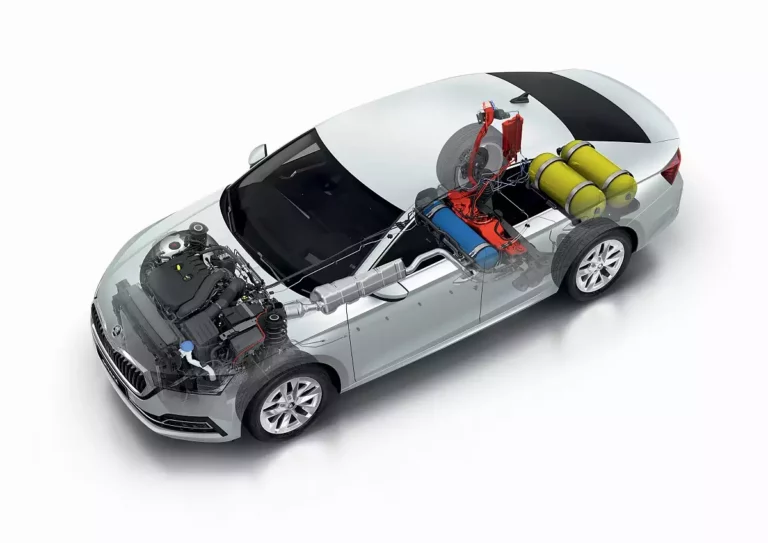
AMID mixed feelings expressed by motorists over the hike in the price of compressed natural gas (CNG), the Presidency has blamed the latest increment on private investors.

Reacting to the hike, the Presidency, through the Presidential Compressed Natural Gas Initiative’s (PCNGI) Brands and Corporate Communications Manager, Matilda Johnson, said the increment in the price resulted from the activities of private investors.

The PCNGI stated this in a statement issued on Thursday, September 4.

It said, “It must also be emphasised that the recent pump price adjustments announced by certain operators are purely private-sector decisions and not the outcome of any government directive or policy.”

The PCNGI described the reports attributing the upward review of prices to the government as misleading.

The statement reads in part, “The Presidential Initiative on Compressed Natural Gas (PiCNG) wishes to address recent misleading and outright false reports suggesting that the Federal Government has removed subsidies or increased the price of Compressed Natural Gas (CNG). This is incorrect.

“For absolute clarity: while pricing matters fall under the purview of the appropriate regulatory agencies, no directive or policy has been issued by the Federal Government to alter CNG pump prices.”

It further disclosed that the mandate of PiCNG, as directed by President Bola Ahmed Tinubu, was to catalyse the development of the CNG mobility market and ensure the adoption of a cheaper, cleaner, and more sustainable alternative to petrol and diesel across the country.

The initiative (the PCNGI), the office stated, attracted close to one billion dollars in private sector investment, underscoring confidence in the market’s potential.

“The Federal Government assures Nigerians that CNG will always remain significantly cheaper, cleaner, and more affordable than PMS and diesel. Our focus remains on deepening CNG penetration nationwide and encouraging broader private sector participation to ensure availability and affordability for all,” it added.

In July 2024, the Nigerian National Petroleum Company Limited (NNPCL) commissioned 12 new Compressed Natural Gas (CNG) stations to provide alternative fuel for Nigerians.

The ICIR reports that major filling stations, including NIPCO CNG and Mobil, raised their pump prices from N230 to N380 on Monday.

Despite assurances that it would serve as a good alternative to petrol, many drivers expressed frustration over what they fear could erode the cost advantage of CNG over petrol.

Hakeem Idris, a ride-hailing driver, described the price hike development as discouraging.

“Many Bolt drivers spend up to 10 hours in queues or drive long distances just to refill. Now with this sudden increase, the whole idea of CNG being cheaper is at risk,” he said.

IGP appoints Benjamin Hundeyin as Force Public Relations Officer

0

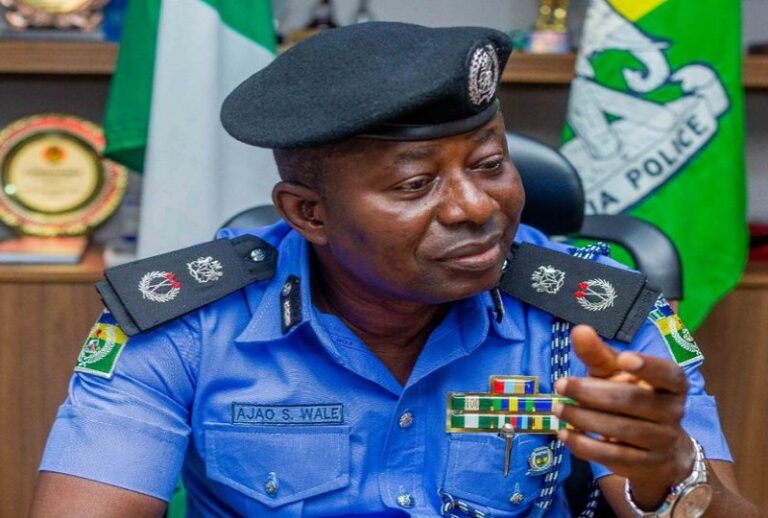
THE Inspector-General of Police (IGP), Kayode Egbetokun, has approved the appointment of Benjamin Hundeyin as the new Force Public Relations Officer (FPRO).

This was disclosed in a statement signed by the immediate past FPRO, Muyiwa Adejobi, on Thursday, September 4.

According to the statement, Hundeyin, who was until his appointment the spokesperson of Lagos State Police command, holds a BA (Hons) in English Language from Lagos State University and an MSc in Legal Criminology & Security Psychology from the University of Ibadan.

He also obtained a Certificate in Civil-Military Coordination from the Martin Luther Agwai International Leadership and Peacekeeping Training Centre, Jaji, Kaduna State.

The new police spokesperson is an Associate of the Nigerian Institute of Public Relations (NIPR), a member of the International Public Relations Association (IPRA), and an Associate of the Chartered Institute of Personnel Management of Nigeria (CIPM).

The statement described him as a seasoned communicator.

Hundeyin, who previously served as the Police Public Relations Officer at Zone 2 Command Headquarters, Onikan, Lagos, was part of the Nigerian contingent to the United Nations Peacekeeping Mission in Darfur, Sudan (UNAMID) in 2020.

He also served as the Administration Officer at the Force Public Relations Department, Force Headquarters, Abuja.

The Inspector-General of Police charged him to leverage his communications and security experience to bolster the Force’s Public Relations activities and ensure continuous positive relations with the public.

The Force said Hundeyin could be reached on 07062606717 or benjamin@hundeyin.com.

The ICIR reported on Wednesday that former police spokesperson, Adejobi, was redeployed to the Delta State Police Command as Deputy Commissioner in charge of Operations.

Tinubu proceeds on 10-day vacation in Europe

0
PRESIDENT Bola Tinubu will depart Abuja today, Thursday, September 4, for a vacation in Europe, as part of his 2025 annual leave.

This was contained in a statement signed and released by his Special Adviser on Media and Publicity, Bayo Onanuga.

The vacation will last for 10 working days.
Tinubu will spend the vacation in France and the UK and then return to Nigeria.
The ICIR reports that the trip is coming seven days after the president returned to Nigeria from an official trip to Brazil and Japan.
Just five months ago, in April, Tinubu sparked mixed reactions from Nigerians for taking an extended leave in Paris and London,
He had described the journey as a working trip intended to review his administration’s mid-term performance.

Data gathered by The ICIR in April indicated that since his inauguration on May 29, 2023, the president had embarked on at least 38 international trips, frequently described as official or private, with France being the most frequently visited.

According to the data, provided by GovSpend, a government spending tracker managed by BudgIT, the Presidency spent over N23 billion in 2024 to purchase foreign currencies for international trips of top government functionaries, including Tinubu, Vice President Kashim Shettima, and the president’s wife, Oluremi Tinubu.

The amount reflects a significant rise of 23 per cent from the N18.63 billion recorded in 2023 for the same purpose.

In 2023, Tinubu travelled abroad 13 times, followed by 19 trips in 2024, and at least nine in 2025.

In January 2025, the president attended the Africa Heads of State Energy Summit in Dar es Salaam, Tanzania, which focused on energy cooperation.

By May, he was in Rome, Italy, for the inauguration of Pope Leo XIV, a largely ceremonial visit.

Between June and July, he embarked on a series of trips — first to Saint Lucia for a state visit aimed at strengthening ties with Caribbean nations, and then to Brazil to boost cooperation in trade and agriculture.

In August, the president was in the UAE, likely Dubai, en route to Japan.

Later that month, he participated in the Ninth Tokyo International Conference on African Development in Yokohama, Japan, to deepen investment and bilateral relations. He then returned to Brazil for a second state visit focused on advancing agriculture and aviation agreements.

The ICIR reported in August that there was a growing concern over Tinubu’s health, with credible sources confirming to The ICIR that preparations were underway by his medical team to fly him abroad for urgent medical attention. However, the Presidency dismissed these concerns, describing them as ‘rumours’.

According to information gathered by The ICIR, the President was bedridden for several days, resulting in his absence from key state functions. 

The latest vacation did not indicate that Tinubu transmitted a formal letter to the National Assembly, as mandated by Section 145(1) of the 1999 Constitution (as amended), to empower Vice President Kashim Shettima to act in his absence. Both chambers of the Assembly are presently in recess.

Some former Nigerian presidents, including the late Muhammadu Buhari, had ignored this law and proceeded on leave without transferring power to their deputy.

However, critics contend that although the trips highlight Nigeria’s visibility on the global stage, they have produced little in terms of concrete economic relief for citizens grappling with soaring inflation, insecurity, and worsening living conditions.

You can stay updated on Tinubu’s journeys outside Nigeria via The ICIR Tinubu travel tracker

This report has been updated to include details of the president’s international trips since he assumed power on May 29, 2023

FCT Police confirm 4 dead, 1 injured in Mabushi tout-induced accident

0

THE Federal Capital Territory (FCT) Police Command has confirmed the death of four persons in a fatal motor accident at the Mabushi Bridge in Abuja.

The tragedy occurred on Wednesday, September 3.

According to the FCT police spokesperson, Josephine Adeh, preliminary investigations revealed that a grey Toyota Highlander, with registration number ABJ 206 EC, was forcefully taken over by three unidentified suspects near Berger Junction, Utako.

The vehicle, driven by one Emeka Ehekweme with his wife on board, reportedly lost control during a struggle for the steering wheel, veered off, and hit a parked Mazda that eventually somersaulted into a bridge pillar.

Ehekweme, his wife, and two of the suspected assailants were confirmed dead on arrival at the National Hospital, Abuja. A third suspect is said to be receiving treatment.

“The driver of the Mazda, identified as Suleman Mohammed, sustained no life-threatening injuries,” the police said.

The police have launched an investigation into the circumstances surrounding the incident and assured the public of a thorough probe.

“The Command commiserates with the families of the deceased and assures the public of a thorough investigation to ascertain the facts of the matter. Further developments will be communicated in due course,” Adeh.

The ICIR reports that car park touts, known locally as ‘agberos’ have been a menace to Nigeria’s capital and other cities.

All calls on the tiers of government to ban their activities have fallen on deaf ears. Many believe that the agberos are instrumental to politicians during elections. They are also easy tools during mobilisation for counter protests against good governance.

The touts pounce on any motorist that picks or drops passengers at car parks, regardless of whether the ‘passengers’ are relations to the driver or not.

Because of the poor transport system in major cities in Nigeria, commuters find it difficult to board vehicles at many car parks. Fares are exorbitant and it could take vehicles much time to leave the parks.

Commuters who could not endure delays and seek motorists who would accept less fares easily look for drivers to take them to their destinations. In most cases, these motorists drive private vehicles.

Did the Senate pass a 2025 Cybercrime Act?

0

A claim that a 2025 Cybercrime Act has been passed into law has surfaced on the internet. The claim has been circulating on Facebook and also on WhatsApp status, as retrieved by our fact-checker.

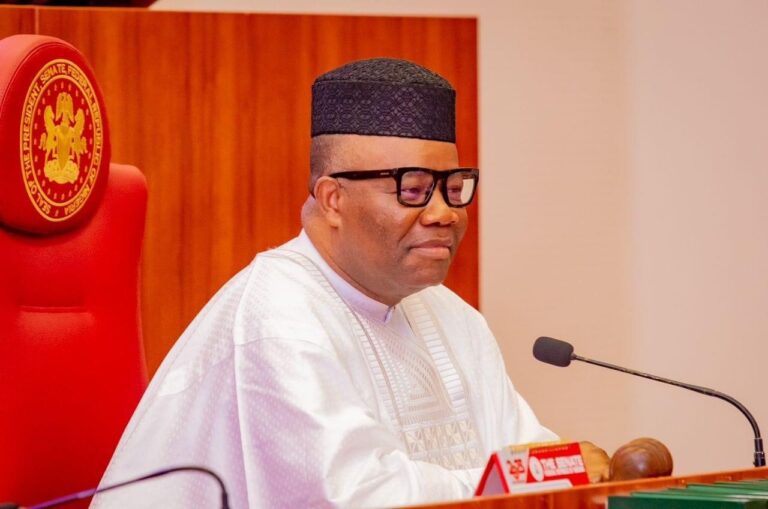
The claim noted that the act was signed into law by the Senate president, Godswill Akpabio, and warned that citizens should abide.

The post read:

“BREAKING: The new Cybercrimes Act 2025 has officially been passed into law by the National Assembly under Senate President Godswill Akpabio.
This means every provision in the Cybercrimes (Prohibition, Prevention, etc.) Act is now fully binding and enforceable across Nigeria.
If you’re an online user, content creator, or admin of any digital platform (WhatsApp, Facebook, Telegram, etc.), you must know what this law says — because ignorance will not be an excuse.” 
According to the purported act, key offences under the Cybercrimes Act include unauthorised access, like accessing someone else’s phone, laptop, or account without permission, which is punishable by up to 5 years in prison, among others.

The Nigerian Cybercrime Act (2015) is one of the main law against online crimes like fraud, hacking, identity theft, cyberstalking, and child pornography. It protects critical information systems, requires service providers to keep user data, and prescribes fines or jail terms for offenders. While it helps fight “yahoo-yahoo” scams and cyber threats, critics say parts of it restrict free expression and are sometimes used against journalists and activists.

Due to the sensitive nature of the claim, The FactCheckHub verified its accuracy.

CLAIM

The 2025 Cybercrimes ACT has been passed into Law

THE FINDINGS

Findings by The FactCheckHub show that the claim is FALSE!
Screenshot of the claim; Insert FALSE verdict

The FactChekHub gathered that the Nigerian Senate has been on its annual recess since late July 2025 and is not expected to resume until September 23, 2025.

This means no new Cybercrimes Act 2025 could have been passed during that time.

In addition, the passage of a bill by the National Assembly alone does not make it law in Nigeria; the President must also sign it before it takes effect.

In one of our fact-checks, we explained that for a bill to be passed into an act, it has to pass through several stages.

The most recent amendment to the law was the Cybercrime (Prohibition, Prevention, etc.) (Amendment) Act 2024, which President Bola Tinubu signed on February 28, 2024. Although talks about a potential review started in May 2025, no new Act has been passed since then.

Lastly, no local media outlets reported the news as such would be reported by credible media outlets across the country.

THE VERDICT

The claim that the 2025 Cybercrimes Act has been passed into Law is false; the Senate, concerned with making such laws, is currently on recess and will resume in September.

This report is republished from the FactCheckHub.

US Government releases $32.5 million to support displaced Nigerians

0

THE United States (US) Government has released $32.5 million to the United Nations World Food Programme (WFP) to support internally-displaced persons (IDPs) in Nigeria.

IN a statement released by the US Embassy on Wednesday 3 September, the WFP will deliver food and nutrition assistance to hundreds of thousands of people displaced by conflict in Nigeria.

The embassy said the funding would support 764,205 beneficiaries across the conflict-affected Northeast and Northwest regions of the country.

The intervention aims to ease food insecurity in communities severely impacted by violence and displacement.

As part of the support, 41,569 pregnant and breastfeeding women and girls, as well as 43,235 children, will receive complementary nutrition top-ups through electronic food vouchers.

The initiative is designed to improve dietary diversity and prevent malnutrition among vulnerable groups.

The embassy noted that the US contribution came at a critical time when millions of Nigerians faced acute food shortages due to conflict, displacement, and rising costs of living.

It pledged to continue working with humanitarian partners and government authorities to expand life-saving food assistance and build resilience in affected communities.

This intervention comes weeks after the World Food Programme warned it would suspend aid for 1.3 million people in the North-East due to a critical funding shortfall.

The ICIR reported that the agency’s food stocks had run out in July, forcing the closure of over 150 nutrition clinics in Borno and Yobe states and leaving hundreds of thousands of children without support.

The suspension highlighted the worsening food crisis in conflict-affected areas, where years of insurgency have displaced millions and left families dependent on humanitarian aid to survive.

Tinubu orders mandatory health Insurance across MDAs

0

PRESIDENT Bola Tinubu has ordered the compulsory implementation of health insurance across all Ministries, Departments, and Agencies (MDAs) in line with the National Health Insurance Authority (NHIA) Act of 2022.

A statement on Wednesday, September 3, by his Special Adviser on Information and Strategy, Bayo Onanuga, said the directive was part of efforts to expand coverage and cut down on Nigerians’ out-of-pocket medical expenses.

The president, through a directive issued to the Secretary to the Government of the Federation, noted that all civil servants must be enrolled in the NHIA health insurance plan.

He also said that contractors and service providers dealing with the government must show proof of valid NHIA-issued health insurance certificates before they could qualify for procurement processes.

“First, all MDAs must enroll their employees in the National Health Insurance Authority (NHIA) health insurance plan. Where desired, MDAs may take up supplementary private insurance coverage in accordance with the NHIA Act.

“All entities participating in public procurement must present a valid NHIA-issued Health Insurance Certificate as part of their eligibility documentation.

“This certificate confirms compliance with the mandatory health insurance requirement and serves as a condition precedent for continuing any procurement-related engagement,” the statement read.

Many Nigerians face the challenge of paying more for drugs and medical care. Some of the reasons are ballooning inflation and exit of pharmaceutical companies from the country because of skyrocketing costs of doing business. 

For instance, in 2023, a major pharmaceutical firm, GlaxoSmithKline(GSK), producer of prescribable medicine such as Augmentin and Amoxil, disclosed its strategic plan to stop the commercialisation of its prescription medicine and vaccines in Nigeria and transition to a third-party distribution model for its pharmaceutical products, citing foreign exchange concerns.

Meanwhile, while pushing for stricter implementation, Tinubu also called for constructive engagement with the private sector to ensure businesses are not unfairly burdened by the mandatory health coverage requirement.

The Presidency explained that the measure was intended to widen health insurance coverage, protect workers, and promote accountability, noting that universal access to healthcare remained a central goal of the NHIA Act.

Out-of-pocket expenditure remains the dominant mode of healthcare financing in Nigeria, accounting for more than 70 percent of total health spending. It is among the highest in the world. 

This system leaves millions of Nigerians unable to afford basic services, forcing many into debt or reliance on traditional medicine and unregulated drug vendors.

Signed into law in 2022, the NHIA Act makes health insurance compulsory for all Nigerians and places responsibility on the NHIA to deliver universal health coverage. However, nearly three years on, enrollment levels remain worryingly low. 

According to the Minister of Health and Social Welfare, Muhammad Pate, less than 10 per cent of the Nigerian population enrolled in health insurance.

The low coverage, according to reports, could be attributed to most Nigerians working in the informal sector and are not on payroll systems, making regular deductions for premiums nearly impossible.

Reports also cited distrust in government programmes, poor awareness, and skepticism fueled by corruption and service failures on the low coverage.

FG overhauls school curriculum, as History returns to classrooms 

0

THE Federal Government has announced a major overhaul of Nigeria’s national curriculum, reducing the number of subjects across all levels of basic and secondary education.

The development, according to a statement by the Ministry of Education on Wednesday, September 3, is designed to reduce the academic burden on students while focusing on skills-based learning, digital literacy, and entrepreneurship.

It noted that the reform followed extensive consultations with the Nigerian Educational Research and Development Council (NERDC), West African Examination Council (WAEC), National Examination Council (NECO), National Board for Technical Education (NBTE), National Business and Technical Examinations Board (NABTEB), and other stakeholders.

Alausa said the changes, set to take effect in the 2025/26 academic session, would allow children to learn in a more functional way without being overburdened. 

Teachers, he added, would benefit from a simpler structure, while government resources would be redirected to building a stronger, skill-driven education system.

Under the revised structure, pupils in Primary 1–3 will now take nine to 10 subjects, down from 13 to 15, while Primary 4–6 pupils will study 10 to 12 subjects, instead of the previous 15 to 17. Junior Secondary School (JSS 1–3) students will offer 12 to 14 subjects, a reduction from 15 to 18. 

At the Senior Secondary School (SSS) level, students will be expected to select eight to nine subjects, compared to the earlier 15 to 20, while technical schools will now focus on nine to 11 subjects, against the previous 18 or more, according to the statement.

The curriculum also introduces Humanities, Sciences, Business, one core trade subject, and compulsory general courses. 

The government has also reintroduced Nigerian History as a compulsory subject from Primary 1 to JSS 3, while a new subject, Citizenship and Heritage Studies, merges History, Civic Education, and Social Studies at the senior secondary level.

The ministry added that trade subjects for non-technical schools had been streamlined to six practical areas, which include Solar PV Installation and Maintenance, Fashion Design and Garment Making.

Others are Livestock Farming, Beauty and Cosmetology, Computer Hardware and GSM Repairs, and Horticulture and Crop Production.

“In addition, National Business and Technical Examinations Board (NABTEB) will now administer 28 revamped trade subjects for technical colleges. WAEC and NECO subjects have also been aligned to reflect the revised structure, focusing on core areas and relevant trades,” the statement added.

“The curriculum overhaul is a testament to the Federal Government’s commitment to revitalising the education sector, enhancing the quality of instruction, and ensuring that Nigerian students are equipped with the knowledge and skills required to thrive in the global economy,” it added.

The ministry assured parents, teachers, and students that it would provide the necessary support for a smooth transition to the revised curriculum.