Home Blog Page 20

UN General Assembly elects Bangladesh’s Rahman as next president

0

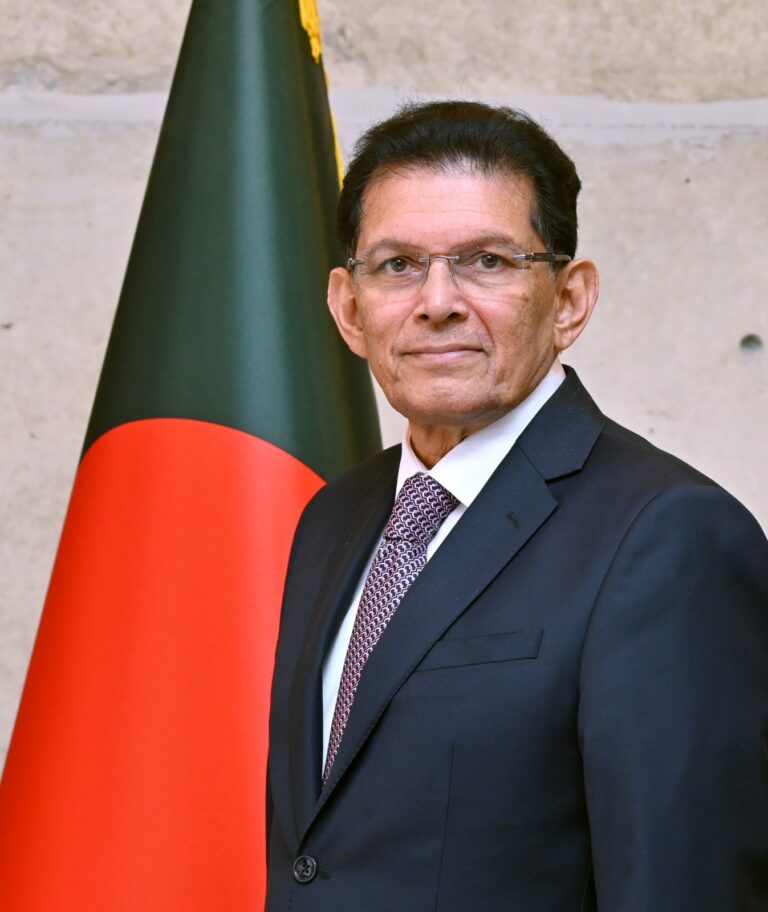
BANGLADESHI Foreign Minister Khalilur Rahman has been elected President of the UN General Assembly (UNGA) for the 81st session after defeating Andreas Kakouris of Cyprus in a closely contested vote.

Rahman secured the highest votes in the election that took place at the UN headquarters in New York, on Tuesday.

In a secret-ballot poll, Rahman secured 99 votes to Kakouris’ 91.

A total of 190 ballots were cast, with no invalid votes or abstentions.

The presidency rotates among the UN’s five regional groups, and the 81st session falls to the Asia-Pacific group. Rahman will serve a one-year term starting on Sept. 8.

His presidency will coincide with one of the most consequential processes on the UN calendar: the selection of the successor of the UN Secretary-General Antonio Guterres whose term ends on December 31, 2026.

Rahman brings more than four decades of diplomatic and multilateral experience to the role. A Bangladesh’s foreign minister since February, he previously served as national security adviser and high representative on the Rohingya issue.

A career diplomat, he joined Bangladesh’s foreign service in 1979. He also held senior UN positions in New York and Geneva.

Accepting the position, Rahman said he was taking on the role “with humility and respect” at a moment when confidence in the international system was under strain.

“The UN will commence its ninth decade at a time when trust in our organisation is being tested on multiple fronts,” he told member states.

“Taken together, these challenges tend to undermine the public trust and confidence in the ability of our organisation to deliver its promises.

The election comes amid what the current UNGA President, Annalena Baerbock described as an exceptionally difficult period for multilateral diplomacy.

Addressing member states after the vote, Baerbock said the UN was facing “not only headwinds, but immense pressure,” with consensus increasingly difficult to achieve and defence of the UN Charter becoming “a daily necessity.”

“The role of the president of the UNGA is no longer simply procedural,” she stated.

She warned that the international environment was unlikely to become easier in the coming year, as the assembly continues work on implementing the Pact for the Future, advancing reform efforts through the UN80 initiative, and navigating broader geopolitical divisions.

Rahman said his presidency would focus on six broad priorities: peace and security; accelerating progress on the SDGs; climate action and environmental protection; human rights; governance of emerging technologies, including artificial intelligence, and UN reform.

Drawing on Bangladesh’s experience in peacekeeping, he pledged to support preventive diplomacy, peacebuilding, and civilian protection.

He also highlighted the need to address development financing gaps, advance implementation of the Global Digital Compact and strengthen the UN’s effectiveness at a time of growing pressure on multilateral institutions.

Rahman’s overarching theme for the session is “Restoring Trust, Managing Transformation: A United Nations that Delivers for All.”

The president-elect said he would act as a bridge-builder, promising to engage all member states and seek common ground despite growing divisions.

“As your president, I will dedicate myself to rebuilding trust, nurturing consensus, and opening space for good faith negotiations that will lead to outcomes for all that are owned by all,” he said.

He also pledged to uphold the UN Charter, maintain geographical and gender balance within his office, and support the needs of smaller delegations.

The General Assembly is the UN’s most representative body, bringing together all 193 member states, each with one vote.

While its resolutions are generally not legally binding, the assembly serves as the principal forum for international deliberation on peace and security, development, human rights and international law.

The 81st session will open on September 8, with world leaders gathering two weeks later for the annual high-level debate at UN Headquarters, in New York. (NAN)
Insecurity: CAN declares 3-day national mourning

0

THE Christian Association of Nigeria (CAN) has declared a three-day national mourning, from June 12 to June 14 to honour the victims of violent attacks, mass abductions, and banditry across the country.

​The apex Christian body also designated June 14 as “Black Sunday” across all Churches as a mark of solidarity with families affected by the lingering security crisis.

CAN President, Daniel Okoh, an archbishop, made the announcement on Tuesday in Abuja while reading a communiqué issued at the end of the National Church Denominational Leaders’ Summit.

​The summit, held at the National Christian Centre and themed “The State of the Nation and the Way Forward,” brought together top church leaders, block leaders, and delegates to prayerfully review the country’s challenges.

​Okoh expressed deep concern over the escalating wave of violence, citing recent incidents of killings, kidnappings, and destruction of communities in states such as Oyo, Ogun, Borno, Kwara, and Kogi.

​He urged the Federal Government to immediately declare a state of emergency on national security to halt the ongoing bloodshed.

​”Communities are under attack; citizens are kidnapped from their homes and places of work, travellers are abducted on highways, and farmers are driven from their lands.

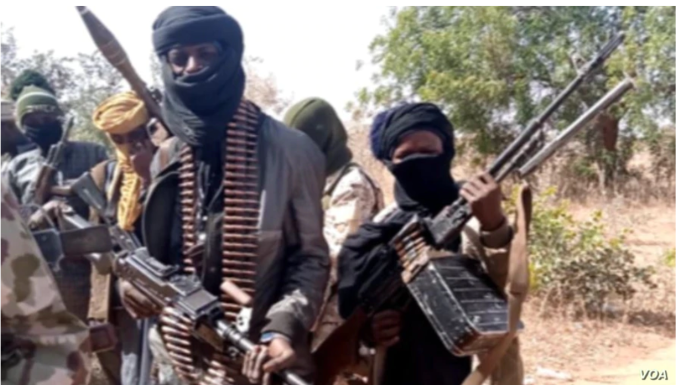
​”Innocent men, women, and children are killed, maimed, displaced, and, in some cases, brutally beheaded by criminal and terrorist elements,” Okoh said.

​The CAN President criticised the “recurring resort to conciliatory and pacifist rhetoric by senior government officials” in response to grave security threats, calling instead, for a proactive, result-oriented approach.

​He reminded the government that the primary responsibility of any administration remains the protection of lives and property.

​Consequently, the cleric demanded a comprehensive review of the nation’s security architecture, improved intelligence gathering, stronger inter-agency cooperation, and greater operational accountability.

He also threw his weight behind decentralising security operations, calling for the immediate acceleration of constitutional and legislative processes for the establishment of state police.

​The CAN president further demanded the immediate and unconditional release of all abducted school children, teachers, and other citizens currently held captive by criminal elements.

​On the humanitarian front, Okoh called for the establishment of a comprehensive compensation, rehabilitation, and resettlement programme for victims of terrorism and families who have lost livelihoods or loved ones.

He also tasked churches across the federation to strengthen internal support systems by providing humanitarian assistance, trauma care, and peace-building initiatives for displaced persons within their localities.

​Okoh lamented that premature electioneering, political calculations, and party defections were taking center stage among the political class while many communities remained under siege.

​He advised political leaders and parties to shun divisive distractions and prioritise national security.

​The cleric called on organised labour groups, civil society organisations and traditional institutions to collaborate in holding the government accountable.

​Okoh reaffirmed the church’s commitment to national unity, peace, and justice.

He stressed that while prayers would be intensified, they must be matched with sustained civic engagement and advocacy. (NAN)

NUT protests nationwide over Oyo, Borno school abductions, killing of teacher

0

THE Nigeria Union of Teachers (NUT) has staged a nationwide solidarity protest across all 36 states of the federation and the Federal Capital Territory (FCT) over the killing of a teacher and the abduction of pupils and staff in Oyo State.

Speaking during the protest in Abuja on Tuesday, June 2, the FCT Chairman of NUT, Abdullahi Shafa, said the action was in compliance with a directive from the union’s national headquarters, adding that the protest was held simultaneously nationwide to express the union’s anger over the killing of a teacher and abduction of pupils from schools by suspected kidnappers in Oyo State.

Shafa said teachers should not be subjected to such violence while carrying out their duties, describing the incident as disturbing and unacceptable.

“If you are aware, in the last few weeks, teachers and students in Oriire Local Government Area of Oyo have been troubled.

“A teacher there was beheaded instantly for no just cause. This is somebody that had gone to impact knowledge on our students.

“It is touching, horrifying, and devastating that a teacher who has put in his best to ensure that the children get qualitative education is being killed like that without any reason; all in the name of kidnapping and banditry. This is not good for the system,” he said.

He warned that the development had generated fear among teachers and could negatively affect teaching and learning if not urgently addressed.

The union leader urged the Federal Government and relevant security agencies to take urgent steps to protect teachers, students and school facilities nationwide.

Shafa also called for improved school infrastructure, including perimeter fencing and other security measures to make schools safer.

Backstory

The protest followed the abduction of pupils and teachers in schools in Oriire Local Government Area of Oyo State on May 15, 2026, when armed men attacked three schools – Community Grammar School, Baptist Nursery and Primary School, and L.A. Primary School.

Eyewitness accounts and earlier reports indicated that the attackers arrived shortly after 9 a.m. on motorcycles, some dressed in military-style uniforms, initially causing confusion among residents who mistook them for security personnel.

The assailants reportedly split into groups and simultaneously attacked the schools, firing shots to disperse pupils and staff before rounding up victims. Children were forced onto motorcycles, while others were taken in vehicles seized from the communities, with some abductees transported into nearby forest routes.

The incident later triggered widespread outrage across the country. 

Oyo State Governor Seyi Makinde confirmed that dozens of pupils and several teachers were abducted in the attack, while one teacher was killed. 

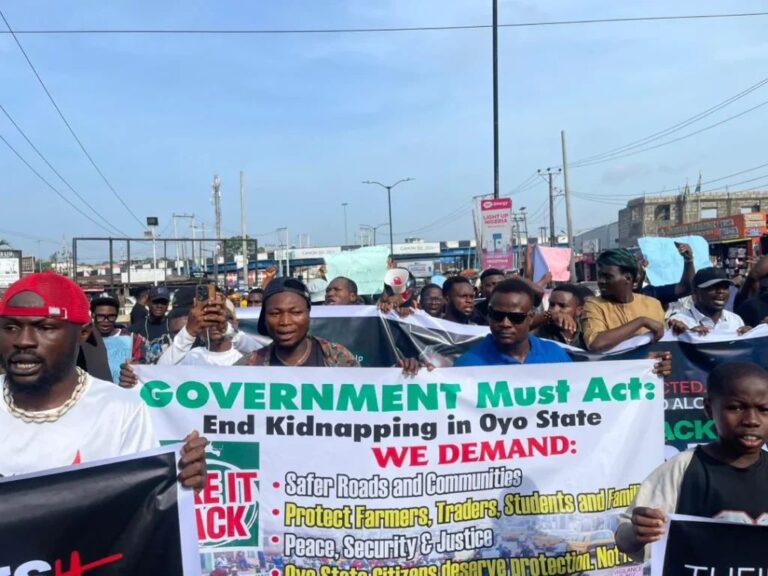
The incident has since sparked protests by civil society groups, teachers and residents in the state, particularly in Ibadan and Ogbomoso, where demonstrators demanded urgent government action to secure the release of the victims and improve security around schools.

It also led to a directive by the NUT for teachers in Oyo State to withdraw services, followed by the nationwide solidarity protest that began on Monday.

Protests in Oyo, Ogun, Akwa Ibom

The nationwide action saw teachers and civil society mobilisation across several states in solidarity with the victims.

According to reports, in Oyo State, public primary and secondary schools were shut on Monday as teachers complied with the NUT directive, grounding academic activities across all 33 local government areas. 

In Ibadan, civil society groups also joined protests, with demonstrators calling for urgent rescue operations and better protection for schools.  

A similar protest was held in Ogbomoso as residents reportedly staged protests, with some parents openly weeping for abducted children. Protesters described the situation as unbearable, urging both state and federal governments to intensify rescue efforts.

In Ogun State, residents in Abeokuta took to the streets with placards calling for stronger security and the immediate release of abducted pupils and teachers, joining the broader outcry over insecurity affecting schools.

On Tuesday, teachers in Akwa Ibom State, also complied with the NUT directive, withdrawing services and joining peaceful rallies. 

The union leaders called for urgent measures to protect schools and prevent further attacks.

Borno teachers protest abduction of students from Mussa school

Meanwhile, in Borno State, members of the NUT also marched to the Government House in Maiduguri and through parts of the city to protest the abduction of students from Mussa Primary and Secondary School in Askira Uba Local Government Area.

Union leaders said the protest was aimed at drawing attention to worsening insecurity in schools and demanded the unconditional release of abducted pupils and teachers.

The ICIR reports that the abduction of students from Mussa Primary and Secondary School in Askira Uba Local Government Area of Borno State occurred on the same day as the abduction of pupils and teachers from schools in Oyo State.

For over a decade, bandits and terrorist groups have continued to disrupt the Nigerian education system, kidnapping over 1,000 students, one of The ICIR reports on the crisis showed.

Insecurity: Opposition must unite to hold government accountable – Group

0

THE NIGERIAN Youths for Atiku (NYFA) has urged opposition figures to unite in holding government accountable over security challenges.

The Director-General of NYFA, Nigeria and Diaspora, Dare Dada, who made the call in a statement on Tuesday in Lagos, expressed deep concerns over the recent wave of abductions and kidnappings by terrorist groups in the country.

Dada said Nigeria was facing unprecedented security challenges that required collective action from opposition leaders.

He said banditry, terrorism and mass abductions had continued to threaten the lives and livelihoods of Nigerians across the country.

According to him, opposition figures should focus on demanding accountability from government officials charged with protecting citizens.

“Never in our recent history have Nigerians faced such grave threats to their security and collective existence.

“Bandits and extremist groups now openly challenge the authority of the state, while students, teachers and innocent citizens are abducted in large numbers.

“Yet, those entrusted with power continue to offer little more than excuses and empty promises,” he said.

Dada said insecurity had deteriorated to a level where criminal elements operated with little fear of consequences.

He said opposition leaders had a responsibility to speak with one voice against issues affecting ordinary Nigerians.

“Under such circumstances, opposition figures should be united in holding government officials accountable for their constitutional responsibility to protect lives and property.

“Sadly, some individuals within the opposition appear more interested in undermining fellow opposition leaders than confronting the failures of the government.

“Nigeria deserves leaders who place national interest above personal ambition,” he said.

The ICIR reports that Nigeria has continued to face worsening insecurity since the beginning of this century. What began as Boko Haram insurgency in the North-East has mushroomed into groups of terrorists, bandits and other criminals terrorising the nation.

The early years of the 21st century saw terrorists bombarding mainly the North-East, with sporadic attacks launched on the nation’s capital – Abuja.

However, just about two decades later, the crisis has ballooned, with terrorist groups, including Boko Haram, ISWAP, Lakurawa, bandits, the Indigenous People of Biafra (IPOB) and others attacking different parts of the nation.

(NAN)

NAHCON begins transportation of Nigerian pilgrims from Saudi Arabia on Wednesday

0

THE National Hajj Commission of Nigeria (NAHCON) says the transportation of Nigerian pilgrims from Saudi Arabia will begin on Wednesday, June 3.

The commission urged the returning pilgrims to comply with baggage and documentation requirements to avoid delays.

The Head of Aviation, Operations Department, NAHCON, Alhaji Habib Bello, said this while addressing the media in Makkah.

Bello said that flight schedules were determined by airlines and approved by Saudi Arabia’s General Authority of Civil Aviation (GACA), which allocates operating slots to all carriers.

According to him, Max Air will begin return flights on June 3 with pilgrims from Nasarawa State, while Flynas and Air Peace will commence operations on June 4 with pilgrims from Ogun and Oyo states.

He urged pilgrims to adhere to the approved baggage allowance of two 23kg bags and one 8kg hand luggage.

“Non-compliance can result in delays or removal from flight manifests.

“Pilgrims are also required to notify officials at least 48 hours before departure to facilitate passport release, luggage processing and transportation arrangements,” he said.

Also speaking, the Head of the Makkah Passport Committee, Alhaji Abdurrahman Mohammed, said that the commission had successfully concluded the first phase of the 2026 Hajj operation and was processing passports for returning pilgrims.

Mohammed said that passports were kept in safe custody to prevent loss, damage and cases of abscondment, adding that pilgrims must submit their travel details at least 48 hours before departure for seamless processing.

He said that mechanisms were in place to recover misplaced passports or secure Emergency Travel Certificates where necessary.(NAN)

Why we ‘interfaced’ with Okey Ndibe at Lagos Airport – SSS

0

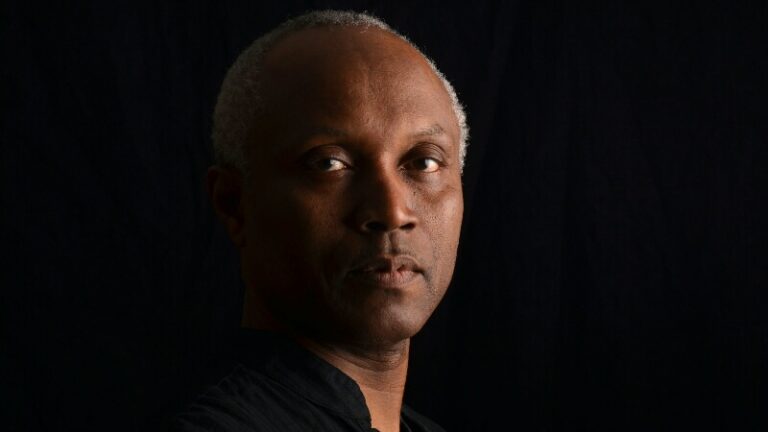
THE State Security Service (SSS) has dismissed the allegations that its operatives detained Nigerian writer, Okey Ndibe, at the Murtala Muhammed International Airport, Lagos.

In a statement on Tuesday, June 2, by the SSS Deputy Director of Public Relations and Strategic Communications, Favour Dozie, the agency said Ndibe was neither arrested nor detained on Monday June 1.

It described its operatives encounter with the writer as part of a routine watch-list review process.

The clarification comes amid earlier accounts that the US-based professor was briefly detained at the airport on Monday.

A statement by human rights activist Omoyele Sowore had noted that SSS operatives stopped Ndibe, questioned him over his travel plans, and described his arrival as ‘suspicious.’

According to Sowore, the questioning reportedly escalated into what he described as a short detention during which the writer was asked to explain his movements, including where he intended to go and who he planned to meet in Nigeria.

Ndibe later confirmed the development in a statement on Facebook, stating that he was held for more than three hours before he was released.

“I am so grateful for the expressions of concern by many friends, acquaintances and others over my detention earlier today by the SSS at Murtala Muhammed International Airport. The two agents who interacted with me were quite courteous throughout the three+ hours of my detention,” he wrote.

He further confirmed that he had been released and assured well-wishers that he was “fine and in excellent spirits.”

“I’d like to confirm that I’ve been released. Dozens of people have called me from different parts of the world, I was only able to speak to a few. In the coming days, I’ll find time to return more calls. But I want all to know that I am fine and in excellent spirits. I treasure your messages and gestures of friendship,” he added.

The SSS, however, rejected the description of detention, insisting that what occurred was an ‘interface’ linked to an ongoing review of old Watch-List Actions (WLAs), some of which date back to the military era.

According to the agency, Ndibe had been placed on its watch list since January 29, 2013, but his case had already been reviewed and downgraded as part of a broader clearance exercise directed by the current Director-General upon assumption of office.

The Service said the process was aimed at ensuring that Nigerians are not unduly embarrassed by outdated security listings and that affected individuals are assessed before final delisting.

It added that the airport engagement was part of standard procedures to verify that the activities and travel history of individuals no longer align with the original reasons for their listing.

“After barely an hour of his interaction with the Service, he was cleared and escorted,” the SSS said.

“Suffice to point out that since the inception of the current management, many Nigerians, including journalists have benefited from this process. This is despite the fact that the Service conducts this clearance to take care of watch list requests from other agencies. A case in point is that of Mr Lanre Arogundade, Executive Director of the International Press Centre, IPC, whose delisting was approved in May 2025, after over a decade on the watchlist.

“In the same vein, Prof Ndibe has been on Watchlist since January 29, 2013. Meanwhile, his case has been reviewed and downgraded. Thus, the interface with him at the airport was geared towards the final delisting of his details from the action. As part of the routine interface involved in the process, after barely an hour of his interaction with the Service, he was cleared and escorted. Note that, even on his Facebook post, he referenced the professional, courteous and decorous conduct of Service operatives, who continue to scale their respect for the rule of law and human rights under the new leadership,” he said.

SSS briefly detains writer Okey Ndibe at Lagos Airport

0

A NIGERIAN writer and public intellectual, Okey Ndibe, was on Monday, June 1, briefly detained by operatives of the State Security Service (SSS) at the Murtala Muhammed International Airport, Lagos, upon his arrival from the United States.

A statement by human rights activist Omoyele Sowore noted that Ndibe, a professor, confirmed the encounter, saying he was stopped by security operatives who described his arrival as ‘suspicious.’

He was also allegedly questioned on his travel plans, including where he intended to go and whom he planned to meet while in the country.

The US-based writer reportedly said the interrogation escalated into a short detention at the airport, during which he was asked to provide further clarification about his travel plans.

Sowore also noted that Ndibe explained the situation later changed when it became apparent that holding him could generate public backlash.

Efforts by The ICIR to get a reaction from the SSS were unsuccessful as calls and WhatsApp messages sent to its spokesperson, Favour Dozie, went unanswered.

While the SSS has yet to respond to the request or issue an official statement on the incident, the episode has drawn attention amid renewed concerns over the treatment of journalists, activists, and government critics in Nigeria.

The development comes against the backdrop of documented cases of intimidation against media professionals under the current administration of President Bola Tinubu.

According to data released by the Committee to Protect Journalists (CPJ) on May 29, 2026, at least 91 journalists have been arrested, physically attacked or harassed across Nigeria since May 29, 2023.

The figures were published in an interactive report tracking incidents across 12 states and the Federal Capital Territory (FCT)

The CPJ data shows that Abuja recorded the highest number of cases, with 30 journalists targeted, including arrests, physical attacks and harassment incidents. Lagos followed with 11 cases, while Borno, Kano, Kwara and several other states also recorded multiple violations against journalists.

Among those affected were reporters from multiple media organisations, including journalists covering protests and sensitive political events. CPJ noted that some journalists were targeted repeatedly within the period under review.

The organisation also cited cases involving journalists attacked during the EndBadGovernance protests in Abuja, where security operatives reportedly opened fire in the vicinity of media workers covering demonstrations.

The ICIR also reports that the 2026 World Press Freedom Index released by Reporters Without Borders (RSF) ranked Nigeria 149th out of 180 countries on the security indicator, describing the country as one of the most dangerous and difficult places for journalists in West Africa.

Overall, Nigeria ranked 112th globally and 12th in Africa, with an overall score of 48.11, placing it in RSF’s ‘difficult’ category for press freedom conditions.

The report highlighted repeated arrests, intimidation, attacks and detentions of journalists, particularly investigative reporters covering corruption, insecurity and governance issues.

Presidency mocks Atiku as Babachir Lawal quits ADC

FORMER Secretary to the Government of the Federation, Babachir David Lawal, has resigned from the African Democratic Congress (ADC), describing the party’s recently concluded presidential primary as being massively rigged in favour of former Vice President Atiku Abubakar.

Lawal, a key figure in the opposition coalition that adopted the ADC ahead of the 2027 general elections, said he was leaving the party because he could not be part of what he described as a manipulated and predetermined process.

“I am exiting the ADC because its just concluded primaries were at all levels massively rigged in favour of Kachalla Abubakar Atiku,” he said.

He alleged that results were “written or rewritten” to favour the former vice president, adding that even where elections were held, winners were replaced with loyalists of the former vice president.

“In the real sense it was a disgraceful charade,” he said.

Lawal, who hails from Atiku Abubakar’s home state – Adamawa – said remaining in the ADC would amount to supporting what he called Atiku’s “rigging machine” ahead of the 2027 elections.

“I do not intend to be part of Kachalla Atiku’s rigging machine in the 2027 general elections,” he stated.

He also said he was stepping back from active politics, adding that he would return to his village farm while consulting on his next move.

Reacting to the development, Bayo Onanuga, the Special Adviser on Information and Strategy to President Bola Tinubu, taunted the former president on Facebook.

He wrote: We have not fired any bullet against veteran presidential runner and northern hegemonic Abubakar Atiku yet. But a close ally just destroyed Atiku in many unflattering words. It’s a warning that the man should retire to Dubai quickly.”

The ICIR reports that Lawal has had a long political journey from the ruling All Progressives Congress (APC), where he served as Secretary to the Government of the Federation (SGF) under late President Muhammadu Buhari before he was sacked from office in 2017 over allegations linked to contracts under the Presidential Initiative on the North East (PINE).

He later became one of the APC’s internal critics and a vocal opponent of Tinubu’s administration

The former SGF resigned from the ruling party on June 29, 2025.

Ahead of the 2027 election cycle, Lawal joined other opposition figures, including Abubakar, former Rivers State governor Rotimi Amaechi and businessman Mohammed Hayatu-Deen, in a coalition that adopted the ADC as its platform.

However, Lawal’s resignation comes days after Abubakar emerged as the ADC’s presidential candidate for the 2027 election following his victory over Amaechi and Hayatu-Deen in a nationwide direct primary conducted by the party. 

The ADC declared that Abubakar secured over 1.8 million votes to defeat Amaechi and Hayatu-Deen by a wide margin.

However, the outcome immediately triggered protests from rival camps within the party, with both Amaechi and Hayatu-Deen rejecting the process and alleging manipulation.

Despite the initial backlash, developments in recent days suggest a possible easing of tensions within the coalition. Abubakar has met separately with both Amaechi and Hayatu-Deen in efforts aimed at reconciliation.

The ICIR reports that the former vice president will confront Tinubu, former Anambra State Governor Peter Obi, activist and publisher, Omoyele Sowore, and other contestants at the election slated for January 16, 2027.

Economic burden of tobacco consumption in Nigeria hits N211.2bn annually

0

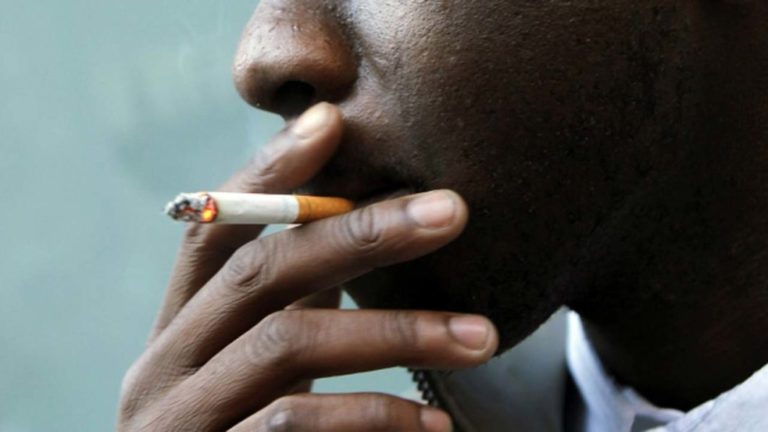
THE ECONOMIC burden of tobacco consumption in Nigeria totals roughly N211.2 billion annually, spanning direct healthcare costs and indirect losses from illness and premature death.

The Communication Officer of the Nigeria Tobacco Control Alliance (NTCA), r Emmanuel Onwuka, disclosed this to the News Agency of Nigeria (NAN), on Monday, June 1, in Calabar.

NAN reports that World No Tobacco Day is celebrated annually on May 31.

The theme for the 2026 commemoration is: “Unmasking the Appeal: Countering Nicotine and Tobacco Addiction,” which highlights deceptive marketing strategies targeting young people.

Onwuka also said the tobacco industry continued to target young people through sophisticated marketing strategies that exploit their aspirations, emotions, fears, and desire for social acceptance.

He noted that Nigerian youths were increasingly exposed to smoking, shisha, and vaping content through music videos, fashion trends, entertainment platforms, and social media channels.

According to him, “attractive flavours, colourful packaging, and glamorous branding often conceal the devastating realities of addiction, disease, and premature death.

“Recent studies show that nearly one in five Nigerian schoolchildren aged 13 to 15 had experimented with at least one tobacco product, while about one in 10 adolescents within the same age bracket continued to smoke in spite of years of public health campaigns and awareness programmes,” he said.

Onwuka said the figures indicated that the tobacco industry tactics remained effective, while weak enforcement of the National Tobacco Control Act continued to expose adolescents to recruitment.

He noted that tobacco use remained a major driver of non-communicable diseases, including cardiovascular diseases, chronic obstructive pulmonary disease, and lung cancer.

Onwuka said following the Global Burden of Disease Study, almost 30,000 deaths recorded in Nigeria in 2021 were directly linked to tobacco-related illnesses.

He stated that many households faced financial hardship from treatment costs, while exposure to second-hand smoke continued to threaten children and pregnant women nationwide.

Onwuka called on parents, lawmakers, civil society groups, and young people to unite in protecting future generations from nicotine addiction and commercial exploitation.

“I urge governments to fully implement its commitments under the World Health Organisation (WHO) Convention on Tobacco Control through stronger political commitment and regulatory enforcement.

“We also advocate closing loopholes in the 2015 National Tobacco Control Act and 2019 regulations while banning all tobacco advertising, promotion, and sponsorship across media platforms,” he said.

He added that World No Tobacco Day should serve as a renewed call for urgent action to safeguard public health, strengthen the economy, and secure Nigeria’s future. (NAN)

The ICIR reported public health experts warning that rising nicotine addiction, particularly among young people, could undermine global gains in tobacco control.

The experts raised concerns that the tobacco epidemic was increasingly driven by a surge in newer nicotine products such as e-cigarettes, nicotine pouches and heated tobacco devices, which are aggressively marketed to young people.

Their warning comes as the World Health Organisation reports that tobacco kills more than seven million people yearly, including about 1.6 million non-smokers who are exposed to second-hand smoke.

Michael Olarewaju, a public health expert at Gwarinpa General Hospital in Abuja, said the growing trend posed a major threat to public health and required urgent regulatory action.

Olarewaju also noted the tobacco epidemic was no longer driven only by conventional cigarettes but increasingly by newer nicotine products such as e-cigarettes, nicotine pouches and heated tobacco products, many of which are being marketed to younger users. (NAN)

MAPOLY expels 365 students over fake admission documents

0

THE management of the Moshood Abiola Polytechnic (MAPOLY), Abeokuta, has expelled 365 students for securing admission with falsified academic documents.

This is contained in a statement on Monday in Abeokuta by the institution’s Head of Public Relations and Protocol, Mr Yemi Ajibola.

Ajibola explained that the affected students were enrolled in various Higher National Diploma (HND) programmes across the schools.

According to the statement, investigations revealed that the students submitted fake National Diploma (ND) results and forged academic transcripts from different institutions.He added that the documents were used to facilitate admission into the polytechnic.
The institution’s spokesperson said that the expulsion followed a comprehensive verification exercise on credentials submitted during admission and registration processes.

He noted that the action was part of efforts to sanitise its academic system and uphold standards.

“The institution reiterated its zero-tolerance policy on fraud, forgery and other forms of academic misconduct.

“A breakdown showed that 156 students were expelled from the School of Communication and Information Technology.

“The School of Business and Management Studies recorded 117 expulsions, while 54 students were affected in the School of Science and Technology.

“The School of Engineering accounted for 36 expelled students, while two students were affected in the School of Environmental Studies,” he said.

According to the statement, the rector, Dr Koye Jolaoso, warned prospective applicants against using fake credentials to gain admission into the institution.

Jolaoso said the decision reflected the polytechnic’s commitment to academic integrity, excellence and professionalism.

He added that the institution remained focused on promoting transparency and credibility in tertiary education. (NAN)(www.nannews.ng)