Home Blog Page 68

Soldiers killed, residents abducted in Borno terror attack

SUSPECTED Boko Haram fighters and members of the Islamic State of West African Province (ISWAP) have killed many people and abducted scores of residents during an attack on Ngoshe community in Gwoza Local Government Area of Borno State.

According to reports, the attackers struck the community around 1 a.m. on Wednesday, March 4, after first overrunning a military post in the area.

The assault forced thousands of residents to flee to the neighbouring town of Pulka, where many displaced persons are currently sleeping on roads and in school buildings for fear of further attacks.

Daily Trust reported that the insurgents first stormed the military base in Ngoshe before moving into the community and attacking residents shortly after the Muslims broke their fast.

Reports further indicated that the violence lasted for several hours, causing panic and destruction before the air component of Operation Hadin Kai responded and pushed the attackers into nearby forests.

Confirming the incident, the spokesperson for the Borno State Police Command, Nahum Kenneth, said “some civilians whose number is yet to be ascertained were affected or killed during the attack. Several others are still missing and may have been abducted and taken towards the Mandara Mountains.”

Daso added that security authorities were still trying to determine how many people were taken during the attack.

“As of now, we have not completed the process of establishing the total number of those taken away. If reports about the Chief Imam being missing are confirmed, we will verify and update you accordingly,” he added.

When contacted by phone for further updates on the attack, Kenneth requested that a message be sent to his line.

He has yet to respond to WhatsApp and text messages sent to him as of the time of filing this report.

Ndume condemns attack

Meanwhile, the senator representing Borno South, Ali Ndume, condemned the attack while addressing journalists.

“The military base in the community (Ngoshe) was dislodged, with some major equipment destroyed. Residential houses and property worth millions of naira were also set ablaze,” Ndume said.

He added, “As it is, details about the unfortunate Ngoshe incident are still sketchy, but information at my disposal revealed that many of the fleeing terrorists were neutralised by the air component of the Joint Task Force North-East, Operation Hadin Kai.”

He also said some prominent members of the community were among those killed.

“Unfortunately, the Chief Imam of Ngoshe and some elders, as well as soldiers, were among those slaughtered or killed,” the lawmaker stated.

Ndume noted that many residents were still missing after the attack.

“More than 100 people are still missing or abducted during the attack, while thousands of civilians, mostly women and children, have been displaced and are currently taking refuge in Pulka community,” he stressed.

Authorities verifying number of missing people – Borno Gov’t

Reacting to the attacks, the Borno State Government said t was verifying the number of people abducted by the terrorists.

Speaking through the Commissioner for Information and Internal Security, Usman Tar said, the government said, “We are in the process of verification; the actual figure is yet to be ascertained.

The government said it had sent relief materials through the state Emergency Management Agency.

“Currently, the people are comfortable, and the military is on top of the situation, making sure that there is a security corridor for the transportation of the items to the victims.

“We have also dispatched healthcare and sanitation officials to the location to make sure there is no outbreak of a pandemic.”

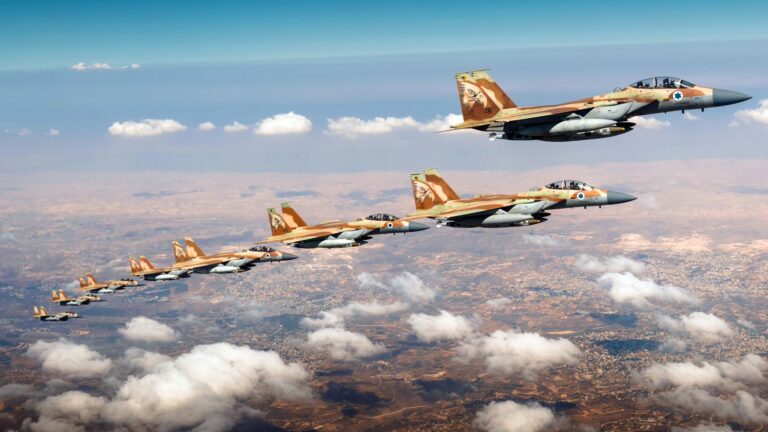
Israel expands airstrikes on Tehran as Iran fires missiles at Tel Aviv

THE war involving Iran, Israel and the United States entered its seventh day on Friday, March 6, with escalating military strikes across the Middle East.

Israel launched heavy airstrikes on Hezbollah-controlled southern suburbs of Beirut and began what it described as a “broad-scale” wave of attacks targeting infrastructure in Tehran on Friday. Meanwhile, Iran said it had fired missiles at the heart of Tel Aviv.

Explosions and flashes lit up the night sky over Beirut’s southern suburbs, according to Reuters footage. The Israeli military said it carried out 26 waves of overnight strikes in the area, targeting command centres and weapons storage facilities belonging to the Iran-backed Hezbollah militia.

Iran’s Islamic Revolutionary Guard Corps (IRGC) said it launched Kheibar missiles toward Tel Aviv on Friday as part of the 21st phase of its military campaign, dubbed Operation True Promise 4. In a statement, the IRGC said the operation involved a coordinated missile and drone assault aimed at sites in central Tel Aviv.

According to Qatari officials, Iranian drones also struck the Al Udeid Air Base overnight, the largest US military base in the Middle East, noting that no casualties were reported.

The IRGC added that Iranian forces had also targeted the Ramat David Airbase and a radar installation in Israel, as well as the Al-Adiri Camp where US troops are stationed. It also claimed responsibility for a drone strike on a base hosting US forces in Erbil in northern Iraq.

An IRGC spokesperson said new weapons and tactics would soon be deployed to confront what it described as Israeli and US aggression, without providing further details.

The seven-day conflict has hugely expanded beyond Israel and Iran as Iran has reportedly launched strikes toward Gulf states, Cyprus, Turkey and Azerbaijan. The confrontation has also extended to the Indian Ocean, where a US submarine reportedly sank an Iranian naval vessel near Sri Lanka.

Speaking at the Raisina Dialogue conference in New Delhi, Iran’s deputy foreign minister Saeed Khatibzadeh said the conflict was an “existential war” for Iran.

“This was an ‘existential war’ for Iran, leaving ​us with no choice but to respond wherever American attacks originate from,” he said.

Meanwhile, Hezbollah warned Israelis living close to the border with Lebanon to evacuate. In a message posted in Hebrew on its Telegram channel early Friday, the group urged residents within five kilometres (three miles) of the border to leave the area.

Reuters quoted the group as saying, “Your military’s aggression against Lebanese sovereignty and safe citizens, the destruction of civilian infrastructure and the expulsion campaign it is carrying out will not go unchallenged.” 

According to the Iranian Red Crescent Society, at least 1,230 people have been killed in Iran since the fighting began a week ago.

In Lebanon, the Health Ministry reported that Israeli attacks this week killed 123 people and wounded another 683. The ministry did not specify how many of the casualties were civilians or combatants. No deaths have been reported in Israel as a result of Hezbollah attacks.

Tensions have also spread to Azerbaijan as authorities said four Iranian drones crossed into its airspace on Thursday, injuring four people in the Nakhchivan Autonomous Republic exclave. Iran denied deliberately targeting its neighbour, which has a sizeable Azeri population.

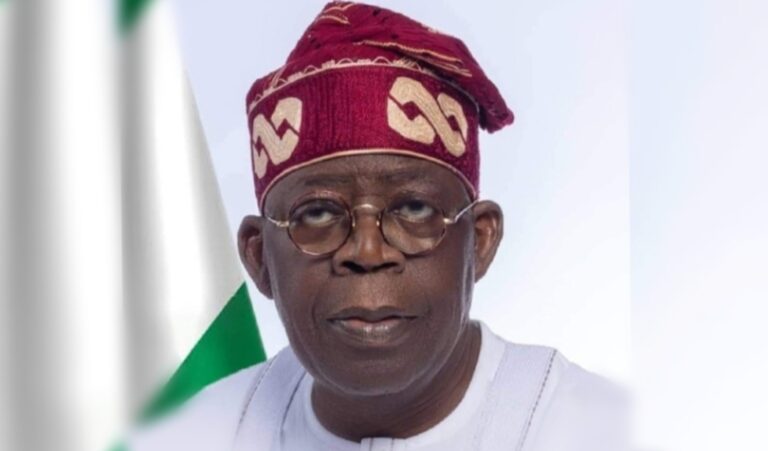
Ambassadors in limbo: Tinubu yet to deploy Fani Kayode, Omokri, others


TWO years into his presidency, Bola Ahmed Tinubu began appointing ambassadors to Nigeria’s diplomatic missions in January 2026. This followed rising diplomatic pressure from the United States after threats issued by President Donald Trump. 

In late October 2025, Trump accused Nigeria of failing to protect Christians from violence by extremist groups, warning that the US military could take “fast” military action if Nigeria did not crack down on attacks against Christians. Trump also ordered the US Department of Defense to prepare options for intervention, raising fears of a major diplomatic crisis between the two countries.                     The Nigerian government rejected the accusations, insisting that violence in the country affects both Muslims and Christians and is driven by insurgency and criminal banditry rather than state-sponsored religious persecution.

Despite the denial, the threat increased international scrutiny of Nigeria’s security situation and strained relations with Washington. Analysts and officials had observed that Nigeria’s failure to appoint ambassadors made the country vulnerable during the crisis.

Without a Nigerian ambassador in Washington, the government lacked a high-level diplomat to counter US narrative about religious persecution or lobby American policymakers, leaving a diplomatic vacuum that weakened Nigeria’s ability to influence US policy and respond quickly to Trump’s allegations.

Swift response to US diplomatic vaccum

On January 23, 2026, Tinubu approved the posting of three ambassador-designates, reversing an earlier announcement that had included a fourth nominee for Turkey following a mix-up. The three ambassadors were designated to key nations, including the United States, France, and the United Kingdom, in a move that signalled an effort to enhance Nigeria’s global diplomatic footprint.

Tinubu directed the Ministry of Foreign Affairs to formally notify host governments under diplomatic protocols on the approval of three ambassadors, with the former Director-General of Nigeria’s National Intelligence Agency (NIA) Ayodele Oke posted to France.

A former security service head and national security adviser, Lateef Kayode Are was posted to the United States of America, and former Nigeria’s Ambassador to South Korea, Amin Mohammed Dalhatu was posted to the United Kingdom as High Commissioner.

However, several high-profile nominees, including Femi Fani-Kayode, Reno Omokri, are among 65 other nominees awaiting their postings months after their confirmation by the Senate.

In December 2025, the Senate Committee on Foreign Affairs screened and approved non-career ambassadorial nominees forwarded by Tinubu which included former ministers, Femi Fani-Kayode and Abdulrahman Dambazau, former presidential aide Reno Omokri, former Enugu State Governor Ifeanyi Ugwuanyi, former presidential aide Senator Ita Enang, and former Independent National Electoral Commission (INEC) Chairman, Yakubu Mahmood.

After assuming office in September 2023, the Tinubu administration recalled all Nigerian ambassadors, but replacing them proved slow. This attracted criticisms following prolonged gaps in diplomatic representation that weakened Nigeria’s international influence,  and hampered bilateral cooperation.

For nearly 28 months, Nigeria’s more than 100 diplomatic missions across the world operated without substantive ambassadors, with chargé d’affaires and senior diplomats managing embassies.

According to a report by Reuters, the delay was linked partly to funding issues and security background checks on potential nominees.

In November 2025, Tinubu forwarded an initial three nominees which included Are, Dalhatu, and Oke to the Senate for confirmation.

Just days later, he sent an additional 32 names, consisting of 15 career diplomats and 17 political who are non-career nominees. Additional names were subsequently transmitted, bringing the total number of nominees to about 65 individuals.

Despite confirmation, many of the envoys have not yet been assigned to specific countries.

Diplomatic sources say postings typically require several additional steps like presidential assignment to specific missions, agreement from host countries meaning approval of the envoy by the receiving government, formal letters of credence, deployment by the Ministry of Foreign Affairs.

Without agreement from host countries, ambassadors cannot formally assume their posts.

Some analysts also argue that the short time before the next general election cycle could complicate acceptance by certain countries, as ambassadors typically serve longer diplomatic terms.

We are awaiting diplomatic clearance -Presidency 

The Presidency says Nigeria will soon announce the postings of newly appointed ambassadors, explaining that the delay is due to diplomatic procedures requiring the approval of host countries.

The spokesperson to President Bola Ahmed Tinubu, Bayo Onanuga, told The ICIR in a phone conversation on Thursday, March 5, that the list of ambassadors and their postings has already been prepared and may be released as soon as the necessary diplomatic clearances are received.

“There’s nothing delaying. He has already done it. If you understand the way the presidency works, you cannot just announce the postings of those people. You need to get the concurrence of the countries where our ambassadors are going to. I can tell you that the list is ready, the postings are ready and maybe tomorrow we are going to release it. Maybe tomorrow. I have the list of the postings. We are waiting for words from those countries where our ambassadors are going,” Onanuga said.

Responding to concerns about the prolonged gap before new appointments of new ambassadors were made, Onanuga said Nigeria’s diplomatic missions remained functional even without ambassadors, noting that officials such as consuls-general and other senior diplomats continued to manage Nigeria’s foreign missions.

“Even though the envoys were recalled, you still have another line of diplomats there in charge of the affairs. So, it’s not only when you appoint an ambassador that you have the embassy running.

He downplayed suggestions that the absence of an ambassador, particularly in the United States, complicated Nigeria’s diplomatic engagement during recent tensions involving President Donald Trump.

“It’s not only when you appoint an ambassador that you have the embassy running. The president of the country is the first ambassador of the nation, followed by the foreign affairs minister,” Onanuga said, adding that the government had continued to conduct diplomatic engagements despite the absence of ambassadors.

Delay can weaken Nigeria’s diplomatic influence- Diplomat

A former diplomat and public affairs analyst, Iliyasu Gadu, said the prolonged absence of ambassadors could weaken Nigeria’s diplomatic influence.

“When they recalled the ambassadors in October 2023, the main reason given was the cost of maintaining those embassies. They were being recalled so that they could streamline the offices and the embassies and then send fresh ambassadors after doing the due diligence. We had only chargé d’affaires, that’s people in charge of affairs.”

He added that the absence of an ambassador in strategically important countries could limit Nigeria’s ability to influence discussions or respond to emerging diplomatic issues.

Gadu also explained that appointing ambassadors does not automatically mean they can assume their posts, as host countries must first approve them through a diplomatic process known as agrément.

“They have to do their own checks through intelligence investigations thoroughly. To represent a country abroad is not a small deal. You have to be able to know the kind of person that’s coming. Perhaps if some countries now do not allow people with questionable security background.

Secondly, if they have issues regarding health, this might also constitute delay. Under the process, the sending country submits the credentials and background of the proposed envoy to the receiving country, which then conducts its own checks before granting approval.

“They have to look at their academic records, business records and past utterances. In some cases, countries also carry out intelligence checks. If they are not satisfied, they can reject the nominee without giving reasons,” he added noting that the process could take between three and six months depending on the investigations conducted by the host country,” he added.

Gadu advised the Nigerian government to rebuild its diplomatic engagement with foreign partners after the long period without ambassadors.

According to him, the government must strengthen funding for foreign missions and restore the operational capacity of Nigerian diplomats abroad.

He also urged the government to consult experienced diplomats to help reposition Nigeria’s foreign policy and strengthen its presence in global affairs.

“A lot of things are happening in the world now and Nigeria does not seem to be present in some of these developments,” he said.

Iran war fallout: risks for the Red Sea and the Horn of Africa

0

By Federico Donelli, University of Trieste

The death of Ayatollah Ali Khamenei, Iran’s supreme leader, in March 2026 marks the end of a political era in the Middle Eastern country. Khamenei was killed in US and Israeli airstrikes on Iran’s capital, Tehran. This has triggered a war drawing in numerous countries across the Middle East.

The Horn of Africa and Red Sea regions, which link Africa and the Middle East, share a dense web of military, political and economic interactions that enable crises on one shore to quickly affect the other. Here, Somalia, Eritrea, Yemen, Sudan, Ethiopia and Djibouti sit along one of the world’s most important trade and geopolitical corridors.

But the consequences of Khamenei’s death may be less dramatic than many expect. This is because power in Iran is dispersed across entrenched institutions and security elites who are capable of preserving regime continuity.

The Horn of Africa and the Red Sea

Iran is no stranger to the Red Sea and the Horn of Africa. During the 1990s and 2000s, Tehran established security and economic ties with several countries, notably Sudan, to gain a foothold along the Red Sea.

Iran’s influence waned, however, during the 2010s as Gulf states, particularly Saudi Arabia and the United Arab Emirates, increased their diplomatic, financial and military presence.

As a political scientist studying Middle Eastern and African security, I have followed Iran’s regional engagement for years. From my perspective, events in Iran and the Gulf matter to African countries because conflicts, arms flows and rivalries can easily spill across shores in a single strategic region.

Three intertwined dynamics shape how Khamenei’s death affects the Red Sea and the Horn of Africa.

Firstly, Tehran’s influence here has declined over the past decade. This is with the exception of Yemen, where Iran supports the Houthi movement, which has previously attacked Israeli-linked vessels.

Secondly, the way this latest conflict was triggered and has escalated may be more important than a change in Iranian leadership. It could contribute to a broader erosion of moderation.

Thirdly, the Islamic Revolutionary Guard Corps (IRGC) – Iran’s powerful military force – is set to play a pivotal role in the post-Khamenei transition.

This is significant for the Horn of Africa and the Red Sea. Iran’s engagement here has largely relied on unconventional methods. Naval manoeuvres are an example, such as the long-term deployment in the Red Sea of the Iranian vessel Saviz, which has served as a logistical and intelligence platform. The country has also deployed military advisers and established arms networks to transport Iranian weapons.

Any future leadership closely aligned with the IRGC is likely to keep using these low-cost tools.

In this sense, continuity will likely prevail over rupture. Iran’s ambitions are filtered through a sober assessment of constraints that the ongoing war may entrench.

Iran’s shifting priorities

Since the 1979 revolution, Iran has considered itself a middle power with legitimate claims to regional pre-eminence. The Red Sea and the Horn of Africa gradually became part of Iran’s expanded strategic geography.

Following the consolidation of the regime promoted by Ayatollah Ruhollah Khomeini, Khamenei – who took over in 1989 after his predecessor’s death – progressively translated Iran’s ambition into strategic depth.

This aimed to extend Iran’s security perimeter beyond its borders through alliances, proxies and low-cost commitments.

In the 2000s, Iran cultivated close ties with Sudan and Eritrea.

It established naval access points in the two countries and used soft power tools, such as development aid and religious networks. It considered the Bab al-Mandeb Strait, which is between Yemen and Djibouti, vital for countering Saudi and Israeli influence and maintaining alternative trade routes.

The limitations of this expansion became apparent, however.

Iran’s ambitions soon came up against reality. The country’s economy was weakened by sanctions linked to its nuclear programme and US withdrawal from a 2015 nuclear deal.

Meanwhile, political power remained fragmented across competing institutions. Domestic pressures, including economic hardship and periodic protest movements, were mounting. Instability in neighbouring states such as Iraq, Syria and Yemen made long-term regional power projection costly and uncertain.

After 2015, Saudi Arabia increased its engagement in the Horn of Africa through financial aid, diplomatic pressure and military cooperation linked to the war in Yemen.

Seeking logistical support along the Red Sea and aiming to counter Iran’s influence near the Bab el-Mandeb strait, Saudi Arabia strengthened its ties with regional governments. This prompted Sudan, Djibouti and Eritrea to sever or scale back their relations with Tehran. They effectively aligned themselves with Saudi Arabia and its allies. Iran redirected resources to higher-priority theatres of war, such as Iraq, Syria and Yemen.

For a decade, therefore, Tehran’s presence in the Horn of Africa and the Red Sea has become more selective and opportunistic. Iran has relied on indirect leverage there, such as Houthi operations, rather than direct expansion.

Khamenei’s death is likely to reinforce rather than reverse the trend. In fact, the outcome of the current war and the start of a delicate succession process could prompt an even more cautious approach abroad.

Worsening fragility

Although a change in Iranian leadership may not alter the approach to the Red Sea and the Horn of Africa, the dynamics that led to the recent conflict may have an impact on the region.

The scale and visibility of the Israeli-US attack – and Iran’s direct retaliation – signal something deeper: the erosion of thresholds in the use of force.

Iran is not buying time and avoiding direct confrontation while limiting the manoeuvre room of its rivals.

This could usher in a period of “anything goes”.

Regional actors, from Gulf states to local governments, are likely to feel increasingly justified in bypassing established security norms. The Red Sea has already become a crowded arena. External powers are projecting their strength. Local states are exploiting competition among them. The reshuffling of forces triggered by the war in Iran will have repercussions throughout the region.

In such a context, characterised by multiple hierarchies, even a reduction of Iranian capabilities could have knock-on effects.

The region’s fragility – as seen in civil war in Sudan, tensions between Ethiopia and Eritrea, instability in Somalia and the heavy presence of military bases along maritime routes – amplifies these risks.

In other words, the question is not whether Iran will suddenly expand into east Africa. It is whether the regional climate will shift towards fewer restrictions and greater acceptance of coercive tools.

If escalation becomes normalised in the heart of the Middle East – the region’s most interconnected theatre – the fallout could be felt in places like the Horn of Africa.

Uncertainty in the short term

Khamenei’s death is likely to generate uncertainty in the short term at the regional level, but will lead to continuity in the long term.

Over time, Tehran has adopted what can be termed a “realist defence” doctrine – deterrence through a strong indirect presence, but at reduced cost and risk.

Iran’s view of international politics as a zero-sum game – where one actor’s gain is another’s loss – and its desire to reduce the influence of its rivals are not merely the result of personal legacies. Rather, they are deeply rooted in the country’s identity.

For the Horn of Africa, this means that Tehran is likely to remain a secondary but persistent player: active enough to hinder its rivals’ strategies, yet restrained enough to avoid major commitments.The Conversation

Federico Donelli, Associate Professor of International Relations, University of Trieste

This article is republished from The Conversation under a Creative Commons license. Read the original article.

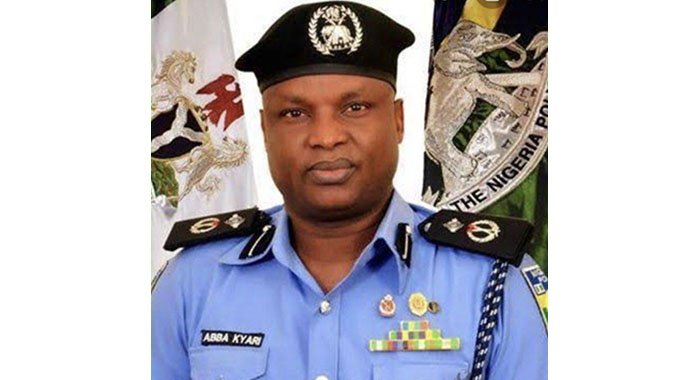
Kyari still facing drug charges despite acquittal – NDLEA

0

THE National Drug Law Enforcement Agency (NDLEA) has reacted to the acquittal of suspended Deputy Commissioner of Police, Abba Kyari by a Federal High Court in Abuja.

The court cleared him of a 23-count charge bordering on alleged non-declaration of assets on Thursday, March 5.

The presiding judge, James Omotosho, held that the prosecution failed to establish the allegations against Kyari and his co-defendants.

Kyari, a former head of the Police Intelligence Response Team (IRT), was charged alongside two of his brothers, who were accused of swearing false affidavits in an alleged attempt to conceal the ownership of certain properties.

Reacting to the judgment, the NDLEA’s spokesperson Femi Babafemi, in an interview with the News Agency of Nigeria (NAN), acknowledged the court’s decision but maintained that the ruling by Omotosho should not be confused with the main drug-related case against the suspended police officer.

The agency had accused Kyari of failing to fully disclose assets allegedly linked to him, including several landed properties in the Federal Capital Territory and his home state of Borno.

However, in his ruling, Omotosho held that the prosecution did not present credible evidence linking Kyari to the properties cited in the charges.

The judge explained that ownership of landed property could be established through traditional history, title documents, acts of possession or possession through a connected party.

According to him, the NDLEA failed to provide any of these forms of proof to establish that some of the properties allegedly linked to Kyari were actually owned by him.

Kyari had denied ownership of some of the properties cited by the NDLEA during the trial.

Testifying in his defence in November 2025, he told the court that some of the assets in Borno State belonged to his late father and were inherited by him and his siblings.

He also dismissed claims that he owned a polo playground in the state, saying the facility had existed long before he became a police officer.

However, Kyari admitted owning a farmland along the Abuja-Kaduna Road, which he said he had operated for about a decade.

He also acknowledged maintaining accounts with banks including United Bank for Africa, Access Bank and Guaranty Trust Bank.

2022 charges against him

The ICIR reports that the charges were filed in 2022 after the agency alleged that it uncovered 14 undeclared assets linked to Kyari.

The agency had claimed that the assets included shopping malls, a residential estate, farmland, lands and a polo playground.

It also claimed that about N207 million and €17,598 were found in Kyari’s bank accounts.

The charges, filed under suit number FHC/ABJ/CR/408/2022, accused the defendants of disguising the ownership of properties and converting funds, offences punishable under the NDLEA Act and the Money Laundering (Prohibition) Act, 2011.

‘Cocaine case ongoing’

Despite the acquittal in the asset declaration case, Kyari is still facing trial in a separate criminal matter.

He is currently being prosecuted before another judge of the Federal High Court in Abuja, Emeka Nwite, over allegations linked to a cocaine trafficking deal.

In that case, Kyari is standing trial alongside four other suspended police officers, Sunday J. Ubia, Bawa James, Simon Agirigba and John Nuhu, who were members of the police special tactical unit.

Two suspected drug traffickers initially charged in the case, Chibunna Patrick Umeibe and Emeka Alphonsus Ezenwanne, had earlier pleaded guilty and were convicted in 2022.

“First, I need to clarify that the ruling by Justice Omotosho is completely different from the main and substantive drug case which continues before Justice Emeka Nwite of the Federal High Court, Abuja on Monday, March 16.

“That one is very much on course. The case determined by Justice Omotosho today is a different case of money laundering and non-declaration of assets,” the NDLEA spokesperson said.

He added, “On your question on whether the agency will appeal the ruling or not, the prosecution team has been directed to apply for the Certified True Copy of the judgment, which details will help the management take a decision on what next to do.”

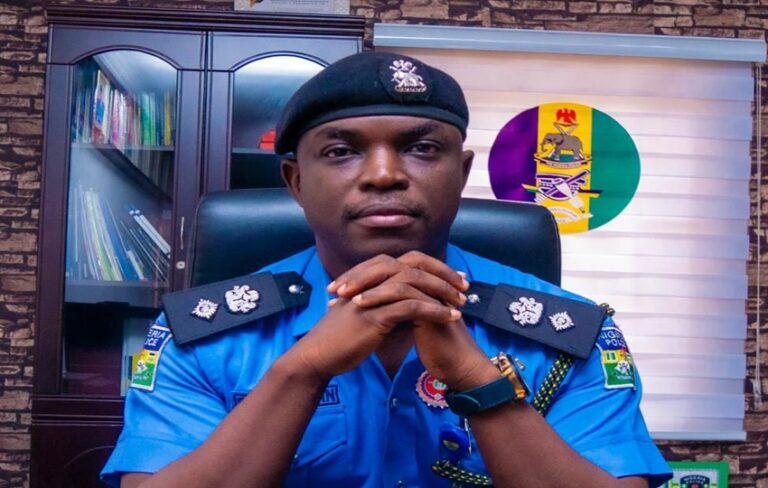
Disu removes Hundeyin as Force PRO – Report

0

THE Nigeria Police Force (NPF) has removed its Public Relations Officer (PRO), Benjamin Hundeyin, an Assistant Commissioner of Police (ACP), six months after he assumed the role.

A report by The Whistler said the approval for his removal was granted on Thursday, March 5, although details surrounding the development remain unclear as of the time of filing this report.

The development comes amid a series of restructuring within the police hierarchy, barely 24 hours after his inauguration by President Bola Tinubu as the substantive Inspector-General of Police (IGP)

Disu was appointed last week as the 23rd IGP following the removal of Kayode Egbetokun, who had held the position since 2023.

Hundeyin was allegedly removed Thursday morning.

It remains unclear who will take over the role as the new FPRO.

“We don’t know who will take over from him, although we thought he would last longer, considering his expertise,” a source said.

“When a new IGP is appointed, it is not unusual that some positions would be vacant. Unfortunately, he was affected,” the source added.

Efforts to reach Hundeyin proved abortive as he could not be reached on the phone when filing this report.

The Badagry-born assistant commissioner of police was appointed Force Public Relations Officer by Egbetokun.

Hundeyin, an alumnus of Lagos State University, holds a BA (Hons) in English Language and an MSc in Legal Criminology & Security Psychology from the University of Ibadan.

He also possesses certificate in Civil-Military Coordination from the Martin Luther Agwai International Leadership and Peacekeeping Training Centre in Jaji, Kaduna.

His professional affiliations include the Nigerian Institute of Public Relations (NIPR), the International Public Relations Association (IPRA), and the Chartered Institute of Personnel Management of Nigeria (CIPM).


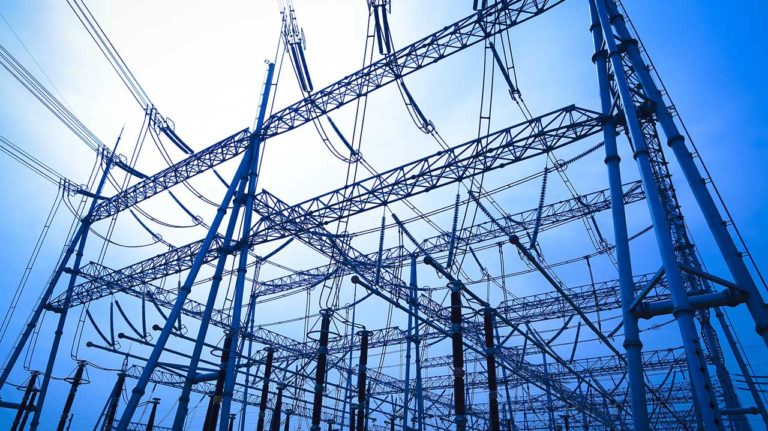
FEC approval of grid management company raises questions about TCN, NISO responsibilities

THE establishment of Grid Asset Management Company (GAMCO) to address national grid and blackout challenges in Nigeria is raising questions about agency duplication responsibilities in the power sector.

The Transmission Company of Nigeria (TCN) has been unbundled, and currently maintains the grid, repairs lines and substation. It also sustains field operations related to transmission.

The Nigerian Independent System Operator (NISO) currently controls power supply flow, dispatches electricity and ensures grid stability.

At a time when the electricity sector is struggling with debt problems, questions are being raised over duplication of responsibilities with GAMCO, which has already been approved by the FEC.

“GAMCO, TCN, NDPHC and FGN PowerCo all deal with aspects of transmission infrastructure. There’s a need for streamlining to ensure a wholistic and harmonised approach to transmission issues, including alignment with NISO on resolving dispatch bottlenecks,” said former managing director of the Niger Delta Power Holding Company of Nigeria (NDPHC), Nnaemeka Ewelukwa.

The ICIR reports that the Federal Executive Council (FEC) approved GAMCO at its meeting on Wednesday, March 4.

Minister of Information and National Orientation, Mohammed Idris, said the firm’s establishment would strengthen the electricity transmission value chain.

“The president has seen that where the problem is…largely in the transmission section,” the minister said while announcing the approval after the FEC meeting.

However, the approval has raised some dust as electricity sector governance experts raised alarm over duplication of roles with Nigeria Integrated System Operator, NISO, and Transmission Company of Nigeria, TCN, at a time the sector faces a liquidity crisis.

The Chief Executive Officer of the Association of Power Generation Companies (APGC), Joy Ogaji, queried the duplication of roles with NISO and GAMCO’s legality in line with the Electricity Act, 2023.

“This raises many questions. What is NISO’s role? Is this formation in accordance with the EA 2023? ⁠Is TSP being phased out, or will it operate side by side? What asset is this GAMCO going to manage,” she queried.

Also, the President of the Nigeria Consumer Protection Network, Kunle Olubiyo, said the move could lead to massive job losses in TCN.

“What happens to the existing staff of the current Transmission Company of Nigeria?” Olubiyo asked.

This comes as the country grapples with a drop in power supply in the past weeks, which NISO attributed to a shortage in gas supply.

The ICIR reports that GenCos and the Nigerian government recently clashed over the N6.6 trillion power sector legacy debt.

Kano deputy governor faces impeachment after rejecting APC defection

0

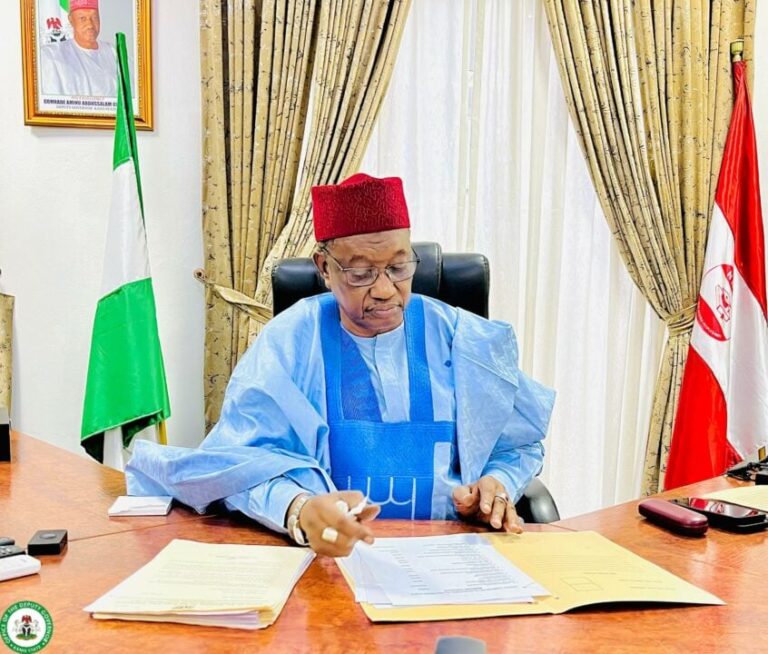
THE Kano State House of Assembly has commenced the process that could lead to the impeachment of the state’s Deputy Governor, Aminu Abdussalam Gwarzo, over allegations of gross misconduct, abuse of office and breach of public trust.

Daily Trust reported that the impeachment notice was introduced during plenary by the Assembly’s Majority Leader, Lawan Hussaini Dala, who said the move was taken in line with Section 188 of the 1999 Constitution of the Federal Republic of Nigeria (as amended).

Presenting the notice before lawmakers, Dala said the allegations against the deputy governor linked to his tenure as Commissioner for Local Government between 2023 and 2024.

He alleged that during the period he supervised the administration of the state’s 44 local government councils, Gwarzo was involved in diverting funds intended for local government operations.

According to the majority leader, the deputy governor allegedly received N1.5 million monthly from each of the 44 local government areas between June 2023 and January 2024.

He said the payments amounted to N66 million every month over seven months, bringing the total to approximately N462 million.

Dala further claimed that between February and July 2024, the deputy governor allegedly collected additional funds from the local government councils under the pretext of executing special assignments.

He said the payments were N3.255 million monthly from each council, amounting to roughly N726 million during the six-month period.

The lawmaker argued that such transactions represented a breach of public trust and undermined the standards of transparency and accountability required of public office holders.

Dala alleged that the deputy governor authorised payments of N10 million each from the 44 local government councils to a pharmaceutical company, NovoMed Pharmaceuticals Limited.

He said the payments, which allegedly totalled N440 million, were made in violation of the state’s procurement and fiscal management laws.

““The misuse of official capacity to confer undue advantage constitutes abuse of power and is contrary to the obligations of public office,” He was quoted to have said.

He added that the claims collectively amounted to gross misconduct as defined under Section 188(2) of the constitution.

Dala also informed the Assembly that the impeachment notice was signed by 38 lawmakers, meeting the constitutional threshold required to begin the impeachment procedure.

Following the presentation, members of the House indicated their support for the notice, while the Speaker acknowledged receipt of the document, and he is expected to formally notify the deputy governor in accordance with constitutional provisions.

The development came amid heightened political tensions in the state following the defection of Governor Abba Yusuf from the New Nigeria Peoples Party (NNPP) to the All Progressives Congress (APC).

Earlier in January, the Kano State Commissioner for Information and Internal Affairs, Ibrahim Waiya, asked Gwarzo to consider resigning after reportedly refusing to defect with the governor to the ruling party.

Addressing journalists in Kano, Waiya said governance required trust, loyalty and shared political alignment among members of the executive council.

According to him, it would be difficult for a deputy governor who no longer shares the governor’s political ideology to continue participating in government decision-making.

“If I were him, I would humbly resign,” the commissioner was quoted as saying, adding that it would be the most honourable option.

Yusuf, who was elected in 2023 on the platform of the NNPP, recently announced his defection to the APC, citing the need to strengthen cooperation with the federal government and attract development projects to the state.

His defection triggered a wave of political realignments in Kano, with several lawmakers, local government officials and political actors also switching allegiance to the APC, which now has 30 of the 36 governors in Nigeria.

Israel slams South Africa over Hague Group meeting on Middle East conflict

ISRAEL has criticised South Africa following a meeting of the Hague Group, accusing Pretoria of aligning with hostile actors and promoting what it called an anti-Israel agenda.

In a statement shared Thursday by the Israel Ministry of Foreign Affairs, Israeli officials condemned South Africa’s role in organising the latest gathering of the Hague-based coalition, describing it as a “distorted anti-Israel meeting.”

“South Africa, a close ally of the murderous regime in Tehran, which slaughtered thousands of its own citizens, just organised another distorted anti-Israel meeting of the ‘Hague Group’. These two corrupt regimes, united by their hatred of Israel, recently held a joint naval exercise,” the statement read.

The Israeli statement further mocked the expected outcomes of the meeting, claiming they would be “as successful as Iran’s navy,” while also claiming that some countries had distanced themselves from the forum.

“We can expect the outcome of the Hague meeting to be as successful as Iran’s navy, which is probably why Bolivia and Honduras had the sense to leave this forum,” it added.

The Hague Group was formed in January 2025 by a group of countries including South Africa, Bolivia, Cuba, Namibia, Malaysia, Senegal, Honduras and Colombia. The coalition was established to coordinate diplomatic and legal efforts related to the Israeli Palestinian conflict and to support international legal processes connected to the issue.

The group’s initiatives have included meetings of dozens of countries aimed at discussing measures related to the Gaza war and the enforcement of international law concerning the conflict.

The ICIR reports that the ongoing war between Iran, Israel and the United States entered its sixth day on Thursday, March 5, with casualty figures rising across the Middle East.

Iran Supreme Leader, Ayatollah Ali Khamenei, and some of the country’s leaders were killed in the joint Isreal-US strikes on Tehran on the first day of the conflict.

According to Reuters, Iranian Red Crescent Society said at least 1,045 people have been killed, including 175 schoolgirls and staff in a strike on a primary school in Minab on the war’s first day.

Israel Ambulance Service said that 10 civilians were killed, including nine in an Iranian missile strike on Beit Shemesh near Jerusalem on March 1, as the military has yet to report any combat casualties.

Meanwhile the Lebanon Health Ministry said 77 people were killed in Israeli strikes, and Syria state news agency SANA said that four people were killed when an Iranian missile struck a building in the southern city of Sweida on Saturday.

Iraqi health authorities said at least 13 people were killed including 11 militiamen, one army soldier and one civilian.

Meanwhile the US said it that it had destroyed many US naval ships. It also boasted that it had fully taken over Iran’s air space.

Executive order on NNPC remittance undermines Host Community Trust – Accountability Lab

0

THE Accountability Lab Nigeria said the recently signed Executive Order on oil and gas revenues remittance would undermine contributions to Host Community Development Trusts (HCDT).

President Bola Tinubu had on February 18 signed the executive order directing the Nigerian National Petroleum Company Limited (NNPC) to remit oil and gas revenues directly to the federation account. This move seeks to boost government earnings, block leakages, and strengthen oversight in Nigeria’s petroleum sector.

The president further directed that all operators and contractors must pay royalty oil, tax oil, profit oil, profit gas, and other government entitlements directly to the federation account.

According to the order, NNPC will no longer collect the 30 per cent management fee and the 30 per cent frontier exploration fund deductions from profit oil and profit gas.

The order suspended the payments of gas flare penalties into the Midstream and Downstream Gas Infrastructure Fund, with proceeds going directly to the federation account.

Reacting to this development, the Accountability Lab Nigeria, in a statement issued on Wednesday, March 4, by its Country Director, Friday Odeh, said that with the order, the Petroleum Industry Act (PIA), which enshrines a statutory mechanism for channeling three per cent of the operator’s annual expenditure into community-defined development priorities, could experience upset, leading to service delivery disruptions.

It stressed that the HCDT were conceived to provide stable, predictable funding for communities impacted by oil and gas operations and community-driven development.

It was also established to support planning, implementation and a mechanism for reducing conflict and enhancing local accountability, the organisation said.

The Accountability Lab Nigeria argued that while the order did not abolish HCDT, its revenue centralisation could undermine the structural logic that sustains it.

“When major revenue streams are folded into the central account without dedicated safeguards for community funds, there’s a risk that HCDT will be viewed as optional or duplicative. This could weaken enforcement and operator commitment.

“Direct remittance to the federation account subjects all petroleum revenues, including those that effectively fund community obligations, to the annual budgetary cycle. This can diminish the predictability and community inflows,” it added.

It stated that further that the net effect could be that HCTDs, while legally intact, become administratively weakened and vulnerable to underfunding.

The organisation suggested that the executive order signaled a broader review of the PIA for statutory protection of HCTD which could include a ring-fencing mechanism that ensures statutory triggers that ensures timely, predictable Trust funding.

Notably, one of the most consequential changes in the order is the suspension of payments of gas flare penalties into the Midstream and Downstream Gas Infrastructure Fund (MDGIF).

Under Section 52 of the PIA, this fund was intended, in part, to finance infrastructure and environmental mitigation related to gas activities. At the same time, Section 103 of the PIA established an Environmental Remediation Fund under the Nigerian Upstream Petroleum Regulatory Commission (NUPRC) with operator contributions tied to environmental harm.

Against this backdrop, Accountability Lab argued that redirecting flare penalties into the federation account would disrupt the polluter pays principle, undermining the causal link between environmental harm and financing its mitigation.

The organisation emphasised that the order would make remediation funding subject to annual budget negotiations, rather than automatic allocation, and weakens public traceability of environmental expenditures.

This shift, though fiscally motivated, risks weakening environmental justice frameworks designed to ensure that companies pay for remediation and communities receive compensation for damage incurred.

It stressed the importance of amendment of the PIA provisions to maintain the connection between environmental penalties and remediation financing.

Under the executive order, all taxes, royalties and profits under Production Sharing Contracts (PSCs) are to be fully remitted to the federation account, effectively blocking deductions at source by the national oil company.

The Presidency said the decision would safeguard and enhance oil and gas revenues for the federation, curb wasteful spending, and eliminate duplicative structures in the oil and gas sector.

According to the order, which has been officially gazetted, the NNPC will no longer collect and manage the 30 per cent frontier exploration fund.