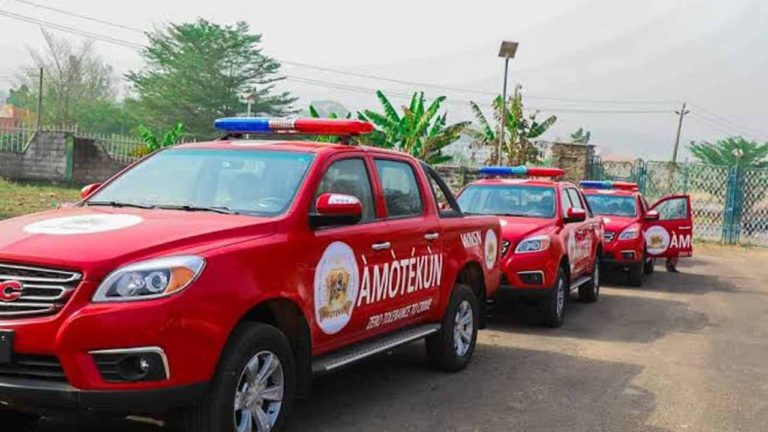
THE Amotekun in Ekiti State have arrested three suspects over an attack on a woman at the Igbara Odo area of the state on Monday.
This was stated by its commander in the state Joe Komolafe, in a statement on Tuesday.
He said the suspects whom he identified as Abubakar Musa, 25; Yussuf Lawal, 20; and Babangida Usman, 30, attacked the woman on the farm with machetes and inflicted wounds on her head before escaping into the bush in the view of other people in the farm.
He said that the woman had been taken to an undisclosed hospital where she was receiving medical attention.
Komolafe noted that the arrest of the suspects by his men was a result of timely information and a tip-off from residents of the area.
“This arrest was as a result of a timely tip-off. A woman was attacked on her farm yesterday (Monday) and taken to hospital. But this morning, we directed the boys to go and search the bush and mount roadblocks to make sure that the attackers did not escape,” he said.
“When the suspects learned that Amotekun operatives were on the road, they decided to escape through the bush. It was then that our men got a hint on the particular route they were passing through. So, the other Amotekun detachment went to lay an ambush for them and they were arrested.
“When interrogated, they could not state their mission in the area and could not provide information on where they stayed.”
Why stating that the suspects would be handed over to the police for further investigation and possible prosecution, Komolafe appealed to residents of the state to avail the Corps of credible information that would forestall breakdown of law and nip crimes in the bud.
“It is our appeal to residents to give timely information to security agencies so that we can swoop on them and arrest them. If you see strange faces, please report; you can be guaranteed of secrecy of information. Give us timely information, my men are ready to enter the bush and secure the state.”
“For example, the unfortunate shooting of the Elewu of Ewu Ekiti, Oba Adetutu Ajayi, there was no way that people in that community would say they had not seen strange faces in that forest.
“The same thing is applicable in the case of the petrol station manager, which happened in Isan Ekiti. There’s no way some people in that area would say they did not see strange faces. Please give timely information about security issues.”
THE Movement for the Actualisation of the Sovereign State of Biafra (MASSOB) has said the newly created South-East security outfit named Ebube Agu would not be seen operating in six months.
A leader of MASSOB Kingsley Madu said this during a telephone interview with The ICIR on Wednesday in reaction to the establishment of Ebube Agu.
“Even though they have announced Ebube Agu security outfit, we cannot condemn that, but I know in the next six months we cannot see anything like Ebube Agu operating. I am not seeing anything positive in Ebube Agu, but at the same time I am not condemning it,” Madu said.
He stated that Ebube Agu might not live up to its expectation because of the method by which it was created.
Governors of South-East states in Nigeria had, on Sunday, launched a regional security outfit called Ebube Agu to tackle security challenges in the Eastern part of the country.
According to Madu, there must be a consultative meeting with relevant stakeholders for Ebube Agu to be functional.
He further said that the security outfit must be made to function independently and not under other established security agencies.
“Ebube Agu must function independently and not in the hands of Nigerian Police, Army or security chiefs. Let it be an Igbo native security outfit as the name implies. It shouldn’t be allowed to be controlled by the Nigerian security agencies who incidentally are Fulanis themselves,” the MASSOB leader stated.
On whether Ebube Agu was set up to sabotage the Eastern Security Network, Madu said MASSOB did not see it that way, noting that they were two faces of a coin.
“Ebube Agu is like another face of the coin. ESN can be working underground, while Ebube Agu would be a normal security outfit. ESN is still there, their impact is being felt so they are not opposing themselves,” he noted.
The Indigenous People of Biafra (IPOB) had said Ebube Agu was set up to sabotage the ESN created by its leader, Nnamdi Kanu.
Spokesperson for IPOB Emma Powerful said this in a statement on Tuesday, stressing that there was no need for another security outfit because of the existence of ESN.
“However, whether or not they were under any influence, we want to remind them that there is no need for them to form another security outfit in our land since we have our formidable ESN.
“Any other security outfit formed in South-East will crash because ESN is already on ground and living up to expectations,” the statement read in part.
Governor of Imo State Hope Uzodinma had said the idea to create the ESN was originally conceived by South-East governors before it was hijacked by IPOB and used for perpetrating crimes.
There have been several violent clashes and confrontations between the Nigerian Army and the ESN, leading to the death of many and the destruction of properties.
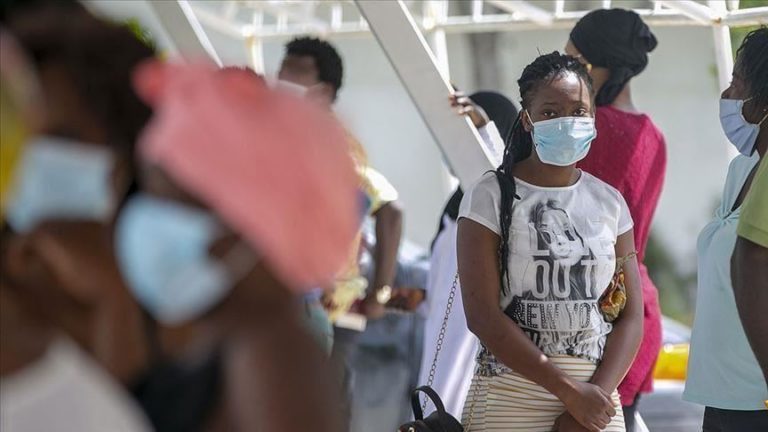
AFRICA has now recorded more than 115,000 deaths from COVID-19 pandemic.
This is according to information displayed on the websiteof the World Health Organisation (WHO), African region.
Africa’s first COVID-19 case was recorded in February 2020 in Egypt.
Data gathered from 47 African countries plus seven countries show that a total number of 115,905 deaths have since been recorded in the region. The total number of confirmed COVID-19 cases in Africa is 4.355 million while 3.912 milion have recovered.
According to the data, South Africa is the African nation with the highest number of confirmed COVID-19 cases. Since the outbreak in South Africa, the country has recorded 1.559 million cases and 53,356 deaths arising from the virus. This represents 49.55 per cent of all cases in Africa.
Morocco is the second country with 502,277 recorded cases and a total of 8,909 deaths, while Tunisia is third with 272,940 cases, reporting 9,332 deaths.
The global number of confirmed cases is over 136 million with almost 3 million deaths from the virus across countries of the world.
The WHO recently said only two per cent of global vaccination against COVID-19 had been done in Africa.
Globally, the WHO said 690 million COVID-19 vaccine doses had been administered but only two per cent was in Africa. Although the health organisation said 31.6 million vaccines had been delivered to Africa, only 13 million had been administered.
The ICIR had reported that WHO said 45 African countries had received vaccines and 43 of them had begun vaccinations. However, the pace of vaccine roll-out has not been uniform as 99 per cent of the doses given in Africa have occured in 10 countries.
THE Nigerian government is unable to make a resolute decision on fuel subsidy removal, compounding the country’s economic woes and putting the future of over 200 people in jeopardy.
Each month, more than N120 billion is pumped into an unsustainable subsidy regime amidst dwindling revenues facing Africa’s most populous nation. The Nigerian government printed N60 billion to augment March allocation to states – reflecting the precarious finances of the country.
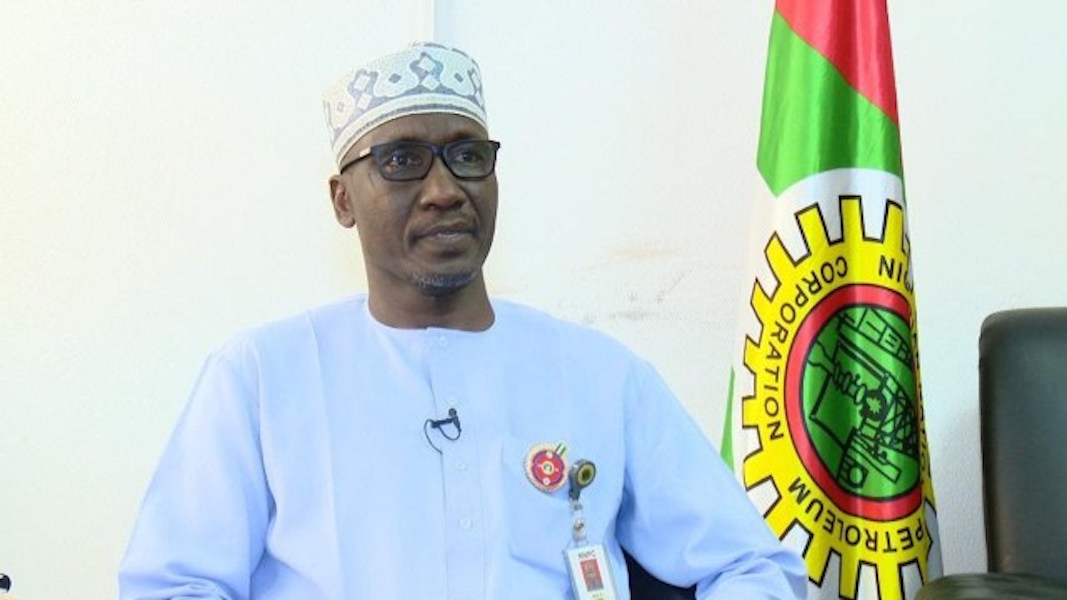
The Nigerian National Petroleum Corporation (NNPC)’s Group Managing Director Mele Kyari had, in the first quarter of 2020, declared a ‘no subsidy’ payment regime in the petroleum downstream sector. However, the corporation has continued to pay for subsidies, despising the country’s precarious economic situation.
Mele Kyari, NNPC Boss. Photo credit: thecapital.com
Eating the future
In Africa’s largest economy with highest number of poor people in the world, N120 billion would pay the minimum wages of N30,000 for at least four million citizens. It could build up to 2,400 houses for thousands of homeless Nigerians. But absence of these in a subsidy regime has meant more socio-economic unrests in the country.
Energy experts are unhappy that Nigeria’s dwindling revenue is further plundered by an opaque subsidy regime.
“We may be eating up the future with the way we are going. For some us ,we cannot say this enough. This is not the way to go. Most often, I wonder what the Nigerian Labour Congress wants to achieve in the way and manner they tread with the government on the subsidy issue. We cannot keep making economic decision political all the time You can see the way we’re struggling to pull this through.” the Chairman of Major Oil Marketers Association of Nigeria Adetunji Oyebanji told the ICIR.
Global rise in oil price at slightly above $60 per barrel could have ushered Nigeria into a golden era. It should ordinarily have increased foreign exchange inflows into the country in dire need of it. However, the Federal Government has pledged to continue with the subsidy regime in the next six months, amounting to N720 billion, putting the country’s fiscal status in further peril.
“What we are gaining from the rising oil price, we are loosing through unsustainable subsidy payment,” an oil sector governance expert Henry Ademola Adigun told the ICIR.
The number of PMS trucks shipped per day is estimated at 80.23million litres, as confirmed by the Petroleum Product Pricing Regulatory Agency (PPPRA), spiralling the subsidy cost. Energy experts allege that some of Nigeria’s petroleum products find their way to neighbouring West African countries which benefit largely from a corrupt subsidy regime.
Analysts put the blame on the doorstep of the NNPC, which is the sole PMS importer, wondering why it cannot superintend the industry as expected.
“NNPC cannot play the role of an importer and a regulator at the same time. This is why we are seriously advocating for the passage of the Petroleum Industry Bill. It may not be a perfect document, but it would definitely deal with a lot of issues that have been impeding the growth of the petroleum sector.” Adigun stated.
Experts say for Nigeria to address concerns of sole importation by the NNPC, there is a need to have a market driven exchange rate, since the government has been the sole importer of PMS and most of its detailed import statistics shrouded in secrecy.
“We have raised this concern severally about multiple exchange rate. It is hurting the economy seriously. A market-driven exchange rate would have attracted more marketers into importation and also give easier access to dollar for the manufacturers to drive businesses and improve investment climate for the country. ” Director-General of the Lagos Chamber of Commerce Muda Yusuf told the ICIR.
Energy analysts say the federal government must be able to pass the Petroleum Industry Bill to have a fiscal framework that would drive investment into the Nigeria’s petroleum sector.
They say Nigerian government is loosing investments to smaller African countries for lack of proper fiscal framework in driving the sector.
“Smaller countries like Mozambique are attracting massive investment in the gas sector. We cannot keep delaying the passage of this bill forever. We’ve been on this for a long time now. The oil is the mainstay of our economy and we’re hurting ourselves if we keep delaying the passage of this all important bill.” Professor of Energy Economics at the University of Ibadan Adeola Adenikinju told the ICIR.
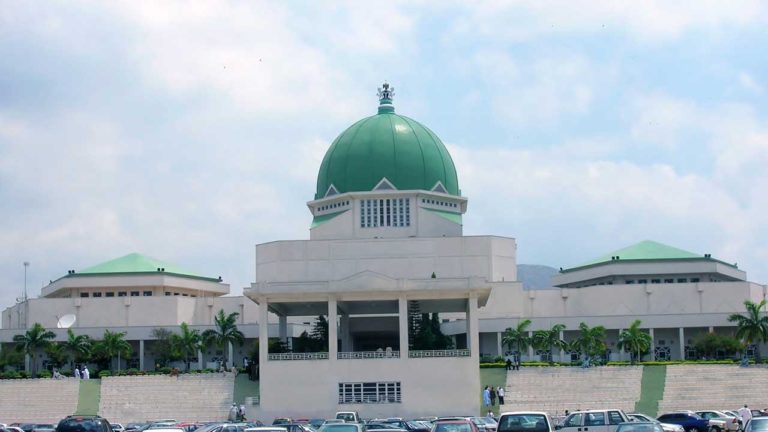
NIGERIA’S lawmakers have 2,500 aides whom they have refused to pay their 24 months’ salary arrears.
The legislative aides, under the aegis of Parliamentary Staff Association of Nigeria (PASAN), have threatened to commence an industrial action to protest the refusal of the National Assembly to pay their 24 months’ salary arrears.
The 24-month salary arrears arise from increment in Nigeria’s national minimum wage from N18,000 to N30,000 in 2019.
A legislative aide Zebis Prince, who spoke on behalf of the protestants, said the 9th Assembly had failed to pay them since inauguration.
“We are disturbed that despite an express legislative resolution mandating the CNA to ensure payment three weeks after, the Chief Accounting Officer of NASS has chosen to hold us to ransom.
“The continued refusal of CNA to pay about 2,500 aides their 2019 salary arrears have created a sharp division between them (aides) and the management,” Prince said.
He added that the legislative aides had exhausted the internal dispute resolution mechanism and thus resolved to pursue their demands with all available legal means.
“So, we are presenting our demands to the Speaker of the House of representative, Rep. Femi Gbajabiamila, as the boss of our principal and the Senate President,” Prince noted.
Speaker of the House of Representatives Femi Gbajabiamila, in response to the protesters, assured that their arrears would be paid.
“I believe that every labourer should be paid his wages. We are looking into it. While these things can be protracted, not paying wages of 2019 is inexcusable.”
“We will look into it. I will just ask that you be patient. We plead for your understanding. We know there are financial constraints but one thing I know is this will be resolved amicably and your arrears will be paid,” Gbajabiamila said.
Nigeria is currently battling several financial woes worsened by the global COVID-19 pandemic. Major infrastructural projects are billed to be financed with borrowings.
Former governor of the Central Bank of Nigeria (CBN)Sanusi Lamido Sanusi said the country was set up to fail due to high cost of governance.
Sanusi lamented that until the political structure of Nigeria was reviewed, the country might be unable to conquer its economic woes, saying that government officials took the bulk of the nation’s wealth.
“We have 36 states, 774 local governments, each LGA has a chairman, a speaker, at least 10 councillors, the state has a governor, deputy and legislature. You can imagine the hundreds of legislators.
“By the constitution, we have a president and vice-president, 36 ministers. We have a bicameral legislature consisting of 360 House of Representatives members and 109 senators.
“Each of these political office holders has a retinue of personal staff, vehicle and so on. We have set ourselves up to fail,” Sanusi said.
Polytechnic lecturers in Nigeria, under the Academic Staff Union of Polytechnic (ASUP) who are also on strike, say their salary arrears have not been paid.
THE compelling story about the ordeal suffered by two Nigerians, Ajima and Susan Ogbole, who sought medical care at AZ Sint Jan in Belgium, has caught the attention and sympathy of the media, human rights activists and the public in Nigeria and elsewhere in the world -except the western European country where the grave injustice took place.
Ajima had been diagnosed with multiple uterine fibroids which were limiting her chances of becoming a mother, something she had always wanted. She opted to have a myomectomy done to remove the fibroids so she and her husband Williams could finally become parents.
However, the journey to parenthood took more twists and turns than they had envisaged. Ajima lost her cervix during a laparoscopy operation in 2017 that was done after the myomectomy, which she said neither she nor her husband consented to, leaving her permanently unable to have her own children, except through surrogacy.
Recounting her experience during a press briefing held via Zoom on Tuesday, Ajima said the doctor who performed the botched medical procedure had informed her that there was no difference between a cervix and fibroid.
Three months later, the hospital reached out to her through a letter admitting negligence and with a promise to make restitution and initiate insurance claims for her and her family.
“Due to this error, I had to come to terms with the reality that I will not get pregnant naturally nor artificially because the connection between my cervix and vagina was gone and my best option to bearing a child is through surrogacy,” Ajima said.
However, the new reality that she would never conceive and carry a pregnancy left her brokenhearted, even though she tried to remain strong and hopeful in the face of hopelessness. She later underwent two failed surgery attempts to reconstruct her cervix. Doctors told her there had been no breakthrough on that area of medicine.
“I had to undergo a cervix reconstructive surgery at UZ Gent, a procedure that had never been successfully done in medical history with the aim of pregnancy and another reconstructive surgery at the University of Ghent after six months, making this my fourth surgery in two years due to the negligent act of AZ Sint-Jan hospital. Sadly, the surgeries were both unsuccessful with the aim of a pregnancy,” she explained.
Abike Dabiri-Erewa, chairman and chief executive officer, NIDCOM
Ajima and Williams then considered surrogacy as the only option left to having their own children. In Belgium, commercial surrogacy is illegal, altruistic surrogacy is legal, but there is only one hospital taking in couples and there are extremely strict rules to get in.
According to Belgian law, the woman who gives birth is the legal mother of the child and the only option left for Ajima will be to file for adoption of the child after two months.
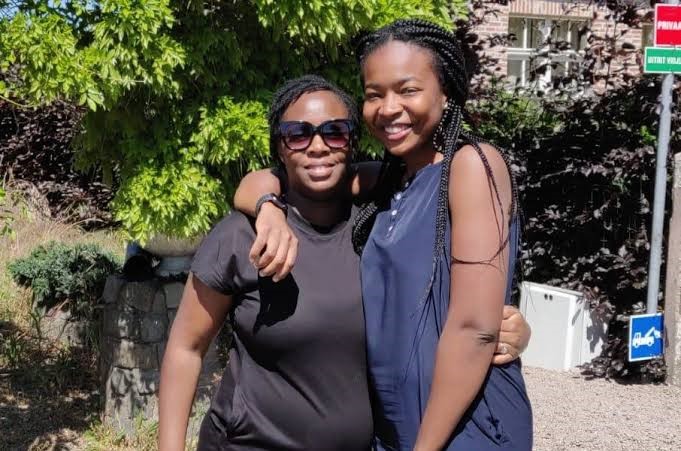
Determined to become a mother, Ajima took the option, bringing Susan into the picture. Susan is the wife of Ajima’s younger brother AJ, who already had two children of her own. Taking Ajima as the older sister she never had, Susan said love for her sister-in-law compelled her to become a surrogate when studies took her to Belgium.
After reaching the decision, they came down to Nigeria to have the baby implanted in Susan after AZ Sint Jan reneged on its promise to carry out the embryo transfer without any explanation. The process was successfully done in Nigeria and they returned to Belgium. Susan had a healthy pregnancy and in October 2020, delivered a healthy baby girl to whom Ajima and Williams gave the name ‘Imani,’ which means ‘Hope’ or ‘Faith’ in Swahili.
During labour, nurses and midwives at AZ Sint Jan, who handled the delivery, injected her with epidural, an anaesthetic that effectively blocked the pain from labour contractions during childbirth. This was after assuring her it was best for her .
However, the joy of the new parents was turned into gloom when it was discovered the next day that Susan had become paralysed from waist down, possibly due to the epidural she was given.
Reacting to the excruciating pain she felt during the administration of the epidural, Susan said the midwives told her that she was feeling so much pain because “it is a good epidural.”
In response to a question raised by our reporter on why Susan opted to have their baby in the same hospital that stole her right to carry her own pregnancies, Ajima explained regretfully that “the hospital is the closest to our home and they doctor who admitted negligence in my case reached out and apologised.”
“No Belgium hospital was willing to give us the opportunity for surrogacy. He assured us that he would see to her safe delivery. We believed that the hospital would not let us down again. If we could turn back the hands of time, we would have done differently,” she added.
Six months after the birth of her daughter via surrogacy, Ajima has been unable to file for her adoption. She explained that Susan’s residence permit would expire in October this year and if she relinquished ownership of Imani too soon and returned to Nigeria, she would have fewer chances of getting the justice she deserved.
The conspiracy of silence in the Belgium media and public
Ajima and her husband have called out the Belgium media over what they described as a conspiracy of silence since their story broke out.
They alleged that all the media organisations contacted refused to use their platforms to amplify their demand for justice. The Belgium media had no representation during Tuesday’s press conference which had over 50 participants in attendance from across the world.
Williams confirmed that Belgium’s constitution guaranteed freedom of speech and of the press. Belgians have free access to the Internet and freedom of assembly, yet only two of William’s friends have shared the story since it became public Much of the support they have received have come mainly from Nigeria and other parts of the world.
Article 19 of the Belgian Constitution guarantees the freedom to demonstrate one’s opinions on all matters, but with a caveat that “offences committed when this freedom is used may be punished.”
Article 25 further states that “The press is free; censorship can never be introduced; no security can be demanded from authors, publishers or printers. When the author is known and resident in Belgium, neither the publisher, the printer nor the distributor can be prosecuted.”
It is not immediately clear why the Belgium media has chosen to remain silent on this matter that is already taking a global dimension with the #JusticeforAjimaandSusan hashtag already going viral on the Internet space.
We Want Justice – Family
Ajima is happy to finally have her daughter Imani, but she still seeks justice for herself and Susan.. According to her, “the legal system in Belgium is set up to protect doctors instead of patient-victims,” while sharing in passing the experience of another African from Cameroon who lost her sight in the same hospital where she underwent surgery for an eye problem.
“We will not accept the way that we have been treated and we will fight for justice, justice that this family deserves,” said her husband Williams.
He said at the press conference that the journey to getting justice, which began since 2018 when they discovered Ajima’s cervix had been arbitrarily cut off, was slow and accused the hospital of threatening them with lawsuit for speaking out.
The family has written to the Nigerian Ministry of Foreign Affairs through the country’s embassy in Belgium. Letters have also been sent to the offices of the Vice President and Nigerians in Diaspora Commission (NIDCOM).
In the letter addressed to the ministry, which was seen by The ICIR, the family is demanding that AZ Sint Jan hospital accept that it committed medical errors in Susan’s case and publish a letter of unreserved apology in three national dailies in Belgium.
The family is asking the Belgian hospital to take full responsibility for Susan’s treatments and stop sending medical bills to them. They are also demanding payment of €5 million each to both Susan and Ajima as damages for the irreparable damage done to them.
They also want the Belgian government to grant the immediate family members of Susan and Ajima essential visas upon application to enable family members provide the much-needed care and comfort to both traumatised women.
TWITTER, a social media platform that is popular among Nigerians, has explained why it established an African station in Ghana and not Nigeria, which is the most populous African nation.
Twitter announced the African station on Monday in post by Founder Jack Dorsey.
Dorsey said Ghana was a supporter of free speech, online freedom, and the open internet, which the platform was also an advocate.
The official announcement further read that Ghana’s recent appointment as host of the Secretariat of the African Continental Free Trade Area(AfCFTA) aligned with Twitter’s overarching goal to establish a presence in the African region.
Twitter also said it had already laid foundations through partnerships with Amref Health Africa in Kenya, Afrochella in Ghana, Mentally Aware Nigeria Initiative (MANI) in Nigeria, and The HackLab Foundation in Ghana.
On reasons for setting up an African Station, Twitter said the essence was to truly serve the public conversation, and be more immersed in the rich and vibrant communities driving the conversations taking place every day across the African continent.
In 2019, the Nigerian government deliberated on a bill to censor open speech, most especially on social media in the country. It was Prohibition of Hate Speech Bill. There was also the Protection from Internet Falsehood and Manipulation and Other Related Offences Bill targeting Nigerians on the social media.
A civil society organisation Amnesty International had said the bill was an infringement on human rights and freedom of speech in the country.
“Social media is one of the last remaining places where Nigerians can express their opinions freely. The harassment of journalists and bloggers and the introduction of the Cyber Crimes Act have already shrunk the civic space and created a climate of fear,” said Programmes Manager of Amnesty International Nigeria Seun Bakare.
Ghana ranked 118 on World Bank’s 2020 Doing Business as against Nigeria’s 131. Africa’s most populous nation is hard hit by harsh business environment, including multiple taxation and regulatory pressure.
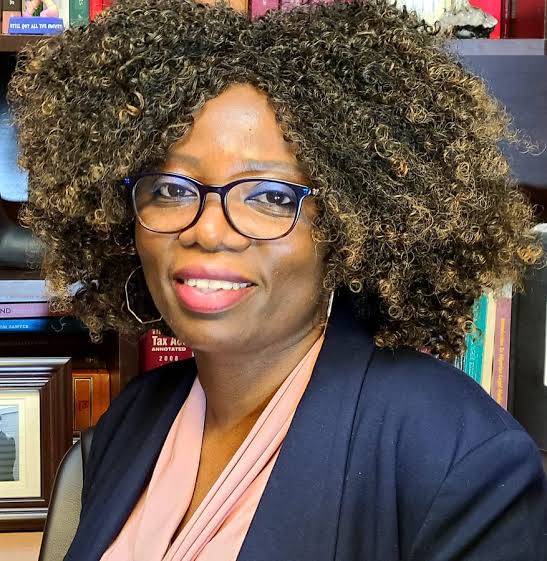
NIGERIAN-BORN Canadian lawyer Foluke Oyedeji-Laosebikan has received her Queen’s Counsel appointment in Saskatchewan, Canada.
Queen’s Counsel is equivalent to the Senior Advocate of Nigeria title.
In a statement, Minister of Justice and Attorney- General for Saskatchewan, Gordon Wyant said: “I am pleased to recognise Dr. Laosebikan for her commitment to the legal community, and her dedication as the President of the Law Society of Saskatchewan. She is well-deserving of the Queen’s Counsel designation.”
Queen’s Counsel appointments are based on recommendations from a Committee consisting of Saskatchewan’s Minister of Justice and Attorney-General, the Chief Justice of the Court of Appeal for Saskatchewan or the Chief Justice of the Court of Queen’s Bench and the past presidents of the Saskatchewan branch of the Canadian Bar Association and the Law Society of Saskatchewan.
In addition, individuals must live in Saskatchewan, Canada, and must have practised law for at least 10 years in the superior courts of any province or territory of Canada, the United Kingdom or Ireland.
Laosebikan started practising in Canada in 2011. She finished her secondary school from Moremi High School, Obafemi Awolowo University, Ile-Ife in Nigeria. She obtained LLB, LLM and PhD degrees in Nigeria and South African universities. She was also a professor for a period of time in South Africa, prior to moving to Melfort in 2004.
In her response to the appointment, Laosebikan said she hoped to be able to contribute to moving the Law Society of Saskatchewan forward and to ensure everyone had access to justice in the coming years.
Laosebikan is the proprietor of FLK Law Firm in Melfort, and presently the President of Law Society of Saskatchewan, Canada.
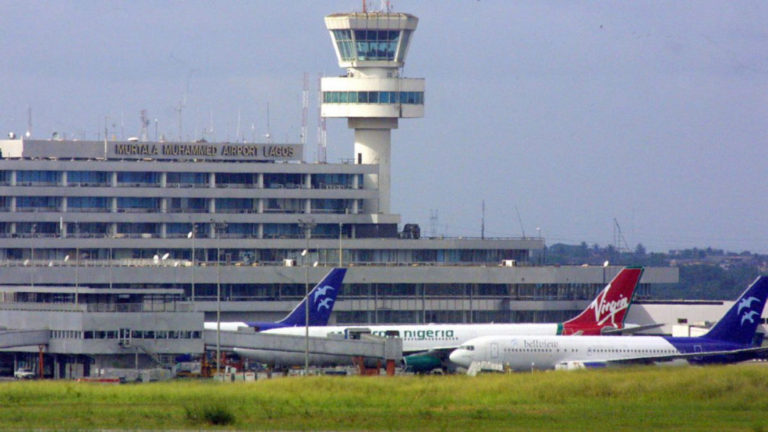
CRIMINAL elements are planning attacks on Kaduna, Maiduguri, Sokoto, Kano, Abuja, Lagos and other airports in the country, the Federal Airports Authority of Nigeria (FAAN) has stated.
In a memo written by FAAN Deputy General Manager of Administration and Logistics S.M. Mamman, and addressed to airport chiefs of security, the agency requested that airports authorities put in place countermeasures to avert and curtail the attacks.
“I am directed to convey an alert from the Ministry of Aviation regarding security threats by criminal elements against Airports in Nigeria and to request for the immediate enumeration of necessary countermeasures for the protection of Airports/Facilities under your purview,” the memo read.
“Specifically, the Airports top on the list for which criminals are considering carrying out attacks include those in Kaduna, Maiduguri, Sokoto, Kano, Abuja, and Lagos amongst others. However, all airports are hereby alerted and requested to operate at a heightened threat level.”
The memo also directed airport authorities to submit a list of existing and additional countermeasures to address the threats, along with their cost implications, where applicable.
They have also been directed to urgently convene an emergency meeting of airport security committees “to review the status of airport security, jointly recommend appropriate measures and share responsibility for effective implementation.”
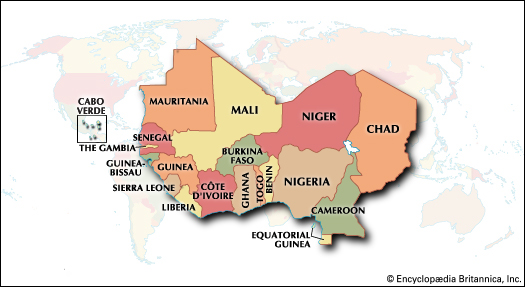
AS vote-counting continues in presidential elections in republics of Benin and Chad amidst several controversies, the results of the ballots have substantial economic and security implications on their close neighbour, Nigeria, a report has found.
The report, published by SB Morgan, an organisation focusing on geopolitical research and strategic communications consulting around Africa, titled ‘Shrinking Spaces: What elections in Benin and Chad could mean for the region,’ states that the elections in Benin and Chad hold potential implications for Nigeria.
According to the report, for Chad, the results of its presidential election will have an influence on the fight against insurgency in Chad, while for Benin, it is trade with Nigeria.
Idriss Déby is the President of the Chad Republic in the Sahel region and he has been in power since his military days in 1990.
Like Nigeria, Chad is also battling insurgency unleashed by the Boko Haram terrorist group. There have also been concerted efforts to fight the terrorists, but not much has been achieved as the sect continues to invade the porous boundaries of both nations.
The SB Morgan report states that Deby, who is seeking re-election to extend his long reign, is likely to secure his seat but is “less able to protect the population of his country against non-state actors due to decades of neglect and inadequate governance structures.”
Nigeria military has had several encounters with terrorists along the Lake Chad Basin, leading to casualties on both sides.
The report notes that if Deby retains his seat, the Multinational Joint Task Force between Chad and Nigeria against Boko Haram will remain sporadic and irregular.
Benin Republic
Patrice Talon is the incumbent president of the Benin Republic, a country sitting close to South-Western Nigeria.
It is largely known for its trade relations with Nigeria. As the ballot counting in the Benin Republic continues, the SB Morgan report says any political unrest may have critical implications for Nigeria.
While some opposition parties in the country have boycotted the election owing to post and pre-election violence, SB Morgan report says the actions of the incumbent president are a sure way to generating unrest in the country, thereby hampering trade between the countries.
The report further reads that Benin relies largely on trade, and any disruption of that trade due to internal unrest can plunge the country into crisis.
“Prolonged post-election instability would mean a creeping refugee crisis into Nigeria through the latter’s South-West zone, which would be an irony when one considers the fact that the pastoral conflict between nomadic herders and farmers in the 12 Southwest of Nigeria has led to the influx of refugees into the Benin Republic, via the Seme Border, Nigeria’s most important economic border region,” the report reads.
Recently, due to the farmer-herder crisis in some parts of border communities between the countries, some Nigerians in Ogun State have sought shelter in the Benin Republic.
The results of the presidential elections in the Benin Republic and Chad have not been published as of the time of filing this report.