Home Blog Page 1840

Farms, cows and blood: Untold story of reprisal attacks on Fulani herdsmen in the South-East

IN a video clip which has gone viral on the social media among members of the Fulani community in the South-East, a number of able-bodied young men, armed with guns and dressed in the dark blue uniforms of the Eastern Security Network (ESN), a vigilante outfit set up by the outlawed Indigenous People of Biafra (IPOB), marched through farmlands in Awgu, Enugu State.

A voice running in the video said the ESN men were looking for Fulani herdsmen who were grazing cows in farms.

At a point in the video, the ESN troops raced off in pursuit of herdsmen who were sighted with cows inside a farm.

The video ended after a cow which was grazing in the farm was shot dead by one of the ESN ‘soldiers’.

Members of the Eastern Security Network (ESN)

As the cow fell, dying from the bullet wound, the voice in the video vowed that herdsmen would not be allowed to graze cows in farmlands in any part of Igboland.

A South-East youth leader of the Miyetti Allah, the umbrella body of Fulani herdsmen, Mr Yunusa Usman, shared the video clip via WhatsApp, with The ICIR.

Usman and other members of the Fulani community say the emergence of the ESN had resulted in a spike in attacks against herdsmen in the South-East.

Mr Gidado Sidiq, the leader of the Miyetti Allah and the Fulani community in the South-East, told The ICIR that more than 50 Fulani in the region have been killed, or gone missing between January and March.
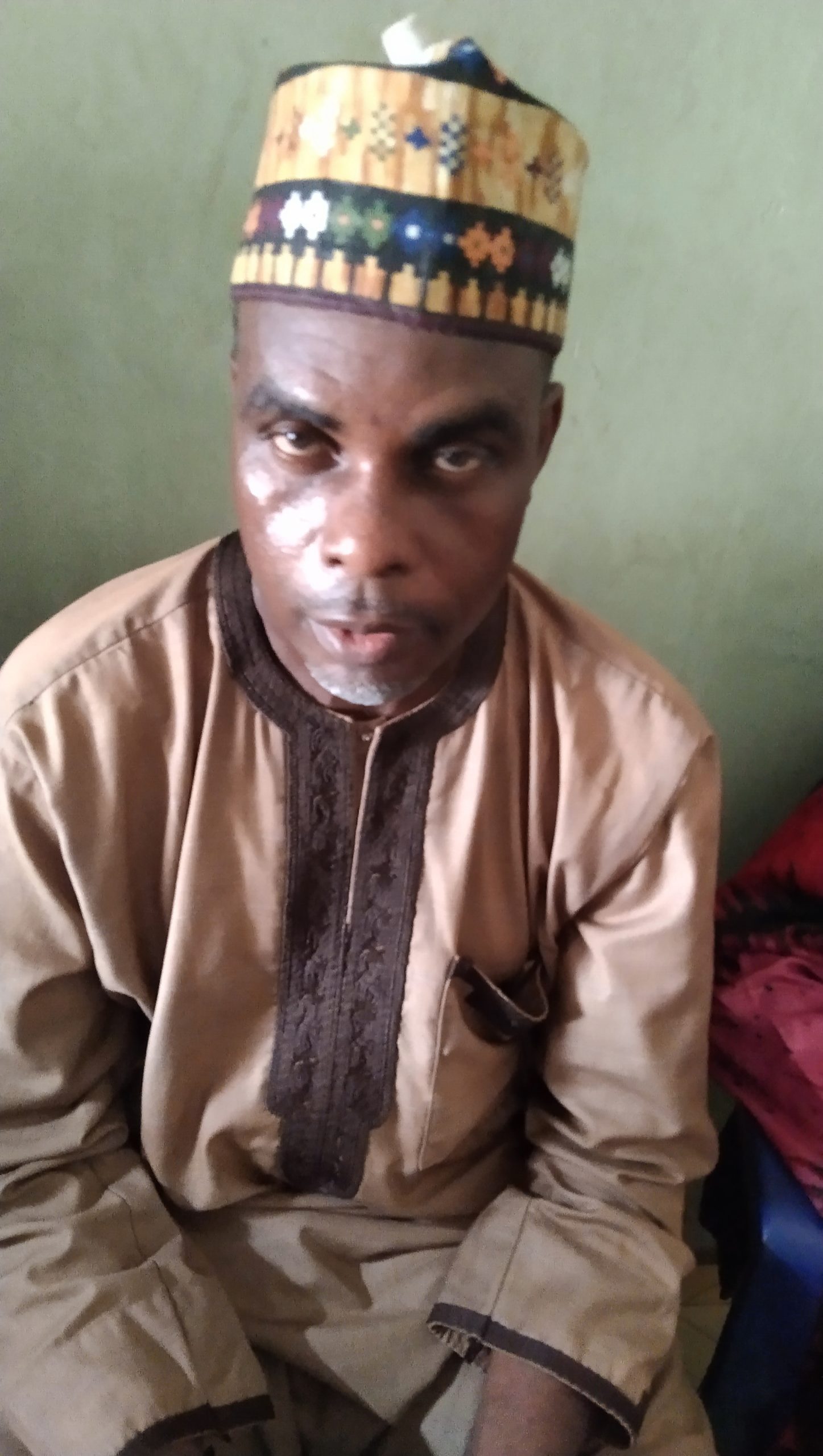
Gidado Sidiq
Gidado Sidiq, leader of the Miyetti Allah and Fulani community in the South-East

According to Sidiq, about 22 Fulani were killed in Anambra, while over 30 were lost in Ebonyi State.

He also alleged that no fewer than five herdsmen were killed in Enugu during the period.

But the claims made by the South-East Fulani community could not be independently verified by The ICIR. Police commands and other residents in the zone also doubted the claims.

  • Emergence of Eastern Security Network informed by desire to ‘retaliate’ and protect

However, what is not in doubt is the dread with which the Fulani community in the South-East views the activities of the ESN.

The ESN was launched in December 2020 by IPOB leader, Mazi Nnamdi Kanu, to protect the South-East and the South-South – the areas that made up the defunct Republic of Biafra – from ‘criminal activity and terrorist attack’.

The infamous ‘Nimbo massacre‘ in which about 20 persons were killed by suspected Fulani herdsmen at Ukpabi Nimbo, an agrarian community in Uzo-Uwani Local Government Area of Enugu State, in April 2016, was the first high profile attack linked to the cattle rearers in the South-East.

Since then, several indigenes of the zone had been killed in numerous attacks by suspected armed herdsmen. The victims include women who were raped to death in their farms, and clergymen, particularly Catholic priests, who were kidnapped and killed.

Ensuring the safety of forests and farmlands – which the IPOB leader said had been converted to slaughter grounds and raping fields by suspected herdsmen – is one of the major mandates of the ESN and it is not surprising that the emergence of the vigilante outfit has coincided with a spike in reports and allegations of attacks on Fulani herdsmen in the South-East.

  • Members of Fulani community recount ordeals in South-East

In separate interviews with The ICIR, members of the Fulani community, who had fallen victim to attacks on cattle rearers in the South-East, linked their travails to the emergence of the ESN.

Usman, the Miyetti Allah South-East youth leader, told The ICIR that it is believed that the ESN was behind the recent upsurge in attacks on the Fulani in the zone.

Yunusa Usman, Miyetti Allah youth leader in the South-East

“We heard that it is the Eastern Security Network (ESN) but we are not sure,” he said when asked if he knew the identity of those attacking herdsmen in the South-East. “They kill our cows everyday – sometimes they will kill the boys who are with the cows and hide the bodies. We have reported to the police, to the civil defence, to the DSS and to every other security agency but nothing has been done to stop this.

In parts of Enugu like Aninri and Awgu, we are being attacked. Since the #EndSARS protests, police have not been responding to complaints against these people that attack our cows,” he alleged.

Usman further alleged that, just recently, three of his cows were shot and killed at Mburubu, a community in Nkanu East Local Government Area of Enugu State.

“I reported to the police but nothing was done. A week ago, at Awgu in Enugu, they (ESN) went to the bush and started shooting Fulani cows with AK47 and posted it on the social media. “They are the Eastern Security Network, Nnamdi Kanu’s people,” Usman added.

Like many of the Fulani in the South-East, Usman said he was born and bred in the zone, and has not travelled to the North.

Usman's cow was killed for grazing on a farm
Usman’s cow was killed for grazing on a farm

“I was born and brought up here (South-East). My mother gave birth to me at Obolo Afor and I also had all my children here in Enugu. I live at Akuke Awkunanaw in Enugu. I have not even travelled to the North before. I am an indigene of the South-East,” Usman said while noting that, sometimes, members of the Fulani community are attacked because of misgivings arising from the actions of their kith and kin in the northern part of the country.

Commenting on alleged cases of kidnapping involving Fulani herdsmen in the South-East, Usman observed that criminal elements among the Fulani and the Igbo sometimes collaborate in criminal activities.
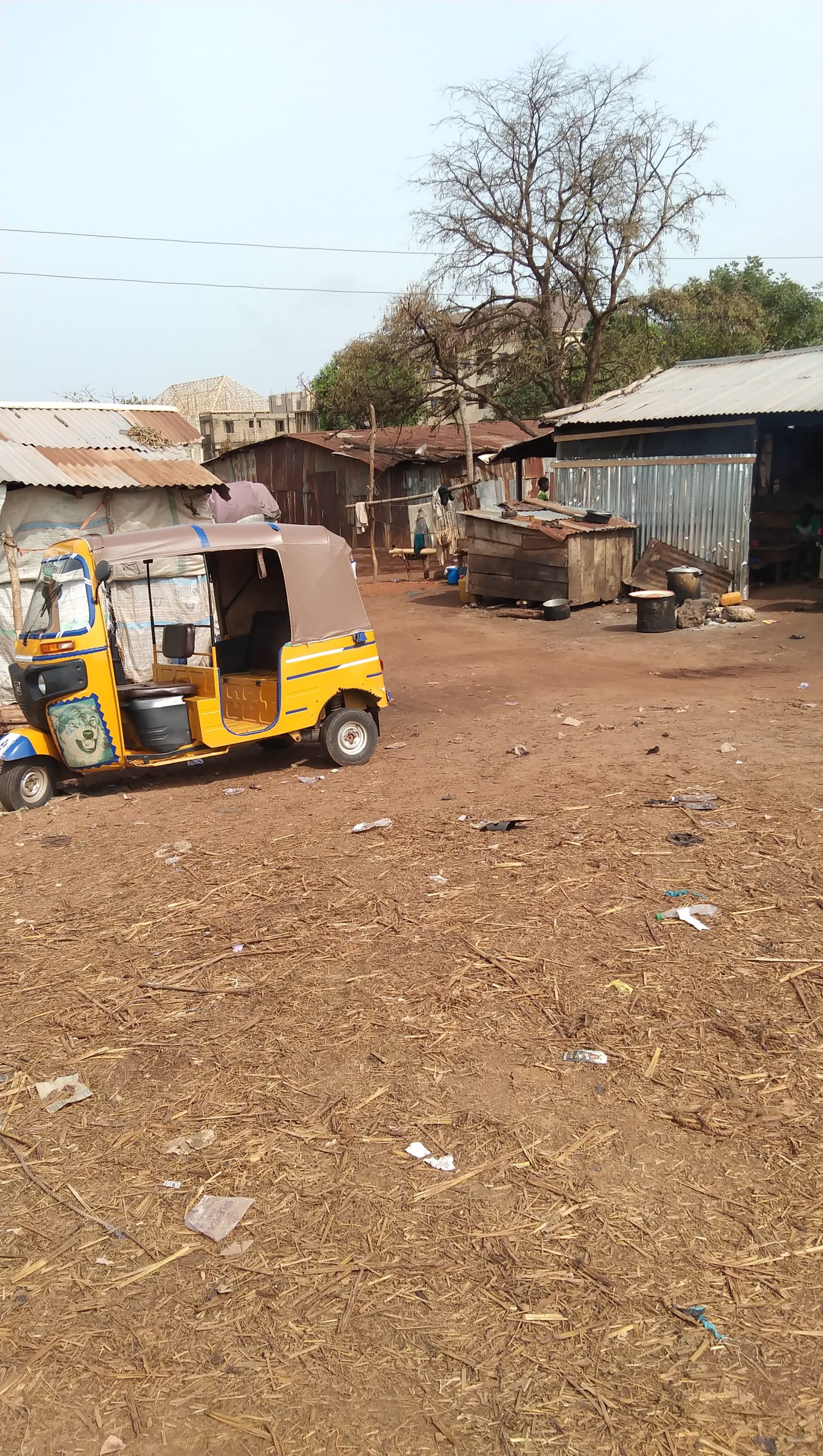
A Fulani settlement in the South-East

He said, “You see, before anybody will be kidnapped, the person’s brothers would be involved. If it is an Igbo man Igbo people will be involved because they will be the ones that know he has money. Even if it is Fulani that will kidnap the Igbo man, Igbos would also be involved as informants. Whenever an Igbo man is kidnapped they will say it is Fulani but I believe Igbo people are involved. If a Fulani man is kidnapped a Fulani would be involved. Sometime ago my senior brother was kidnapped and they killed him even after we paid ransom. We later found out that the kidnapping was carried out by our people (Fulani) who knew that he has money.”

Noting that the Fulani in the South-East wish to live in harmony with their host communities, Usman said, “We are begging the government and the people to understand that we are also indigenes. We are ready to work with the government, community leaders and the security agencies to ensure peace and harmony in the South-East. If there are bad people among us we will hand them over to law enforcement agencies.”

Ardo Saidu, Sarkin Fulani Enugu (Chief of Fulani in Enugu), was in a meeting with some other elders of the Fulani community at New Gariki, Awkunanaw, when The ICIR approached him for an interview. The Sarkin told The ICIR that series of meetings convened by governors in the South-East had not stopped recent attacks on members of the Fulani community, particularly the herdsmen.

“The governors of the South-East are not doing anything about this problem. Whenever we report that our people have been killed, the governors call for meeting and promise to take action but in the end they will not do anything and nobody will be arrested,” he said, adding that the situation is worse in Ebonyi State.

Ardo Saidu, Sarkin Fulani, Enugu

“No single Fulani is remaining in Ebonyi State,” Saidu said. But the claim was found to be untrue, as The ICIR‘s correspondent met members of the Fulani community during a subsequent visit to Abakiliki, Ebonyi State capital. When the reporter wanted to talk to them, they referred him to their leader, Alhaji Sani. But Sani ignored requests to speak with The ICIR. Also, efforts to speak to him on the telephone after The ICIR‘s correspondent had left Ebonyi State were not successful.

During various phone calls, Sani only said he will call back. He had yet to do so even after suspected Fulani herdsmen reportedly attacked Obegu, a community in Ishielu Local Government Area of Ebonyi State, on March 29. About 25 persons were reported to have been killed in the attack by the suspected herdsmen.

Some Fulani herdsmen, who spoke with The ICIR at a herders’ settlement at Awka, Anambra State, narrated what transpired in recent attacks on their members.

Isyaku Idris said he knows four out of 22 Fulani that were allegedly killed in Anambra since January 2021.

“I know four of the 22 people that were killed. Ali, Hassan, Hamidu and Usman,” he said.

Another herdsman, Mohammed Idris, explained that he survived an attack on the Fulani community at Ugwuoba, in Awka, Anambra State. “They killed two people in my presence during the attack at Ugwuoba. Herdsmen were attacked and killed while they were out grazing cows and as a result, the cows were left to roam free all over the area. I was the one that went to our Sarkin to report what happened,” Idris said, adding that the attackers were on motorbikes, but were not wearing uniforms.
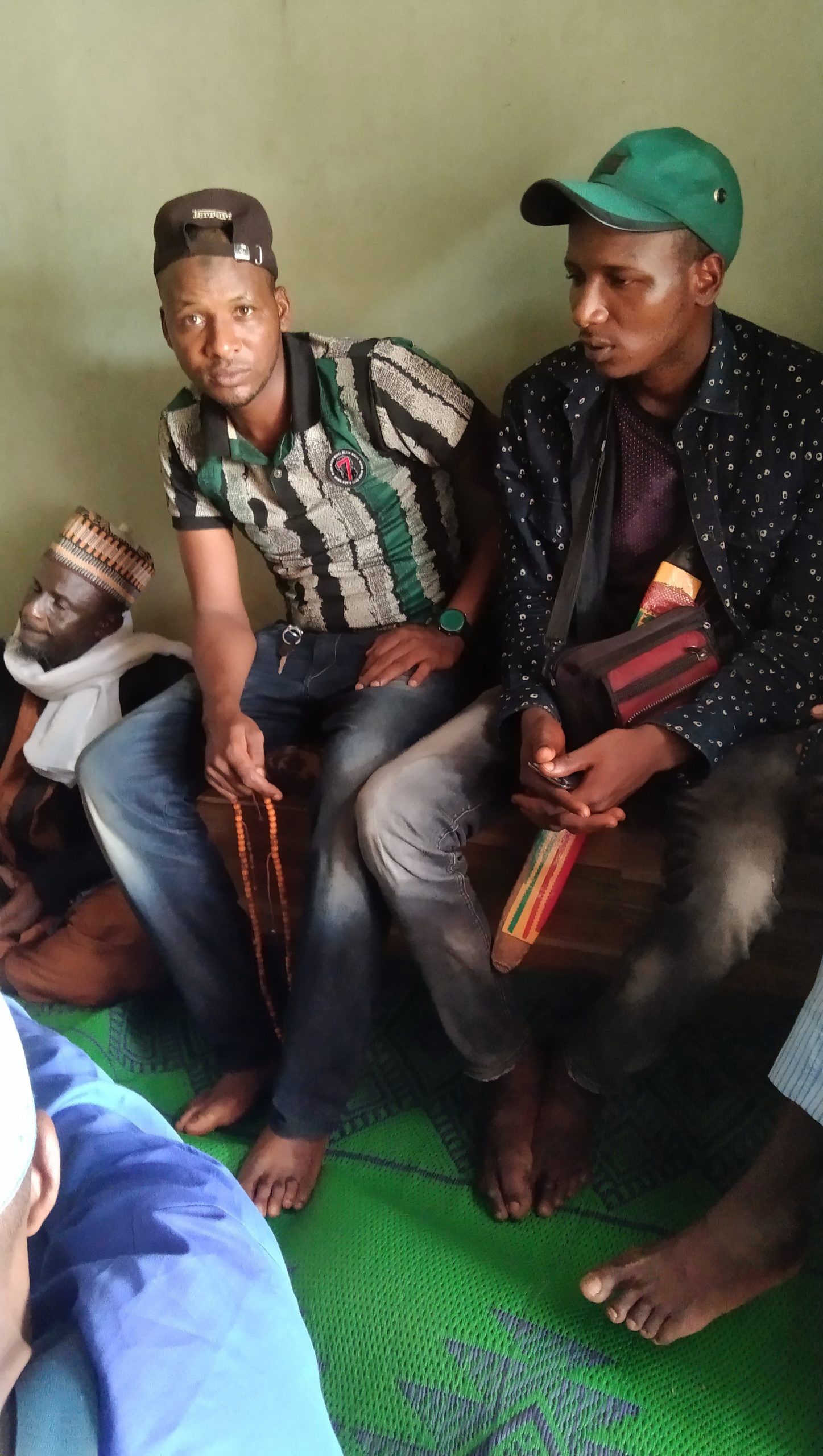
Isyaku Idris
Fulani herdsmen, Isyaku Idris and Mohammed Idris

Asked what led to that Ugwuoba attack, Idris said, “I don’t know why. Whenever our cows destroy crops in farms we usually pay compensation.”

Another member of the Fulani community, who identified himself as Alhaji Buba, said he lost a brother in one of the attacks.

“I can’t remember the date but my brother, Yunusa, was killed during an attack on herdsmen at Aguleri, in Anambra State. He went to graze his cows but when he was coming back in the evening, around 6:00 pm, one Igbo man shot and killed him. He was rushed to the hospital but died on the way. He was killed alongside his friend Isa. Isa was killed while he was grazing cows and his body was thrown into the river. Machete cuts were seen on the body,” Buba said.

A herdsman displays an alleged bullet wound sustained during an attack on the Fulani community in the South-East

He also said the killers were not arrested.

Noting that the attack was unprovoked, Buba added, “We don’t know the reason for the attack. Before we started grazing in that area we met the Igwe (traditional ruler), the president general of the town union and the youth leaders. Whenever our cows destroy crops in farms we pay compensation, we have been peaceful.”

Buba observed that differences between the herdsmen and their host communities worsened since the setting up of the Eastern Security Network.

“Many of us (herdsmen) were brought up in the South-East here, we are not newcomers. We have been having some problems with Igbo people but things became worse this year. We heard that the people attacking us are the Eastern Security Network but we don’t know whether this is true or not,” he noted.

Alhaji Buba
Alhaji Buba

Mohammed Koridu, a Fulani herdsman, told The ICIR that his brother was killed during an attack on a herders’ settlement at Amansea, in Anambra.

“They killed my brother. They also killed two other persons, Ali and Dogo. Many cows were also killed in that attack on that day. After that they came to our settlement very early in the morning and killed five people. Those killed include Adamu, Gadahi, Beto and Dere,” Koridu said.

Although he said he was born in Anambra State and had never been to the North, Koridu said he can’t speak Igbo language. “I am from Anambra but I can’t speak Igbo because we don’t usually go into the town. We are always in the bush with our cows.”

Abubakar Shagari, a cattle rearer, told The ICIR that his only son was killed during an attack on a Fulani settlement.

“They killed my only son. His name is Adamu Dere. They shot him in the leg and after that they used a machete to cut off his head and his hands. He is my only child,” Shagari said, urging the authorities to bring the killers to book.

  • Herdsmen and host communities are accusing each other of attacks, killings… Fulani chief

The leader of the Fulani cattle market at New Gariki, Enugu, Mr Baba Ali, took a break from settling a dispute to tell The ICIR that traders were not involved in the problems between Fulani herdsmen and the people of the South-East. 

“I don’t want to go deep into this issue of killings but just as members of the host communities are complaining that herdsmen are killing them, the herdsmen are also saying that the indigenes are killing them. None of our traders in the market here have been killed but the herdsmen in the bush say they are being attacked and killed,” Ali told The ICIR at his office inside the market.

Mohammed Korodu
Mohammed Korodu

Ali added that, sometimes, bodies of herdsmen who were killed in the bush are brought to the market, which also serves as a sort of settlement for the Fulani, before they are taken to the burial ground for burial.

“In such situations I always ask for doctor’s report or police report. That is to make sure that the matter was first reported to the police before they are buried because as Muslims, we don’t keep corpses before burying. They have brought bodies of killed herdsmen so many times without number here,” Ali said.

He noted the the corpses four herdsmen that were killed in the bush have been brought to the market since January 2021.

During the investigation, The ICIR‘s correspondent sat in on a meeting between leaders of the Fulani and a delegation from the Nigerian Red Cross Society at Awka on March 18. At the meeting, leader of the Miyetti Allah in the South-East, Gidado Sidiq, informed the Red Cross officials that, since Januar, more than 30 herdsmen have been killed, or gone missing, in Ebonyi. Sidiq also reported that about 22 herdsmen have been killed in Anambra, while about 15 and five, respectively, were killed in Abia and Enugu States.

“I can’t really tell why these attacks are occurring at this time. People have been alleging that Fulanis are destroying farms, kidnapping and killing people and all that but I know that, in the South-East we have mechanism for conflict resolution that were put in place by government,” Sidiq told The ICIR in an interview after the meeting with the Red Cross officials.

The Miyetti Allah South-East leader promised to furnish The ICIR with a list containing the names of the 22 Fulani that were killed in Anambra.

But he has not been able to provide the material as of the time of filing this report.

Abubakar Shagari
Abubakar Shagari
  • Police says it is not aware of the alleged killing of Fulani herdsmen in South-East 

Fulani leaders had said they reported the various incidents in which their people were attacked and killed in the South-East to the police and other security agencies. But, when contacted by The ICIR, the various police commands in the zone, particularly in Anambra, Ebonyi and Enugu, where most of the alleged killings were said to have taken place, said they were not aware of the development.

Police Public Relations Officer, Mr Ikenga Tochukwu, said the Anambra State Police Command has no record of the killings alleged by the Fulani.

“We have no record of that. We are not aware that 21 persons or more have been killed. They [Fulani herdsmen] should come up with a petition to the Commissioner of Police so that proper investigation can be done,” Tochukwu said.

He, however, also observed that, in recent times, the police received reports of attacks on some Fulani settlements. “The incidents are not as serious as what you are saying,” the police spokesman added, noting that the incidents are being investigated so as to identity the perpetrators. “But we don’t have any reports or record of the killing of 21 or so Fulani herdsmen in Anambra State,” Tochukwu stressed.

In the same vein, spokesperson of the Ebonyi State Police Command, Loveth Odah, told The ICIR – “I don’t know about 30 killed or missing Fulani herdsmen in Ebonyi State.”

Rather, Odah observed that the police has records of several cases where the Fulani have been arrested for killings in Ebonyi. According to her, recently, a 20 years old Fulani man raped a 56 years old woman to death at Ohaozara LGA. She also disclosed that, in several instances, crimes committed against Fulani herdsmen in Ebonyi were discovered to have been perpetrated by fellow Fulani.

Instances cited by Odah include the burning of about 40 huts in a Fulani settlement by a Fulani man, and the raping to death of a Fulani lady by two Fulani boys.

The police spokesperson further informed The ICIR that claims that Fulani herdsmen were leaving the state might not be unconnected to the vow by the state commissioner of police to enforce hitherto un-enforced laws which banned night grazing, as well as grazing by under-aged herdsmen.

“It was after the commissioner of police declared that he was ready to enforce the law that some herdsmen decided to leave the state,” Odah said, noting that “There is no state that is as peaceful as Ebonyi for the Fulani.”

Also, when contacted by The ICIR, spokesman of the Enugu State Police Command, Mr Daniel Ndukwe, expressed surprise at the alleged killings of Fulani herdsmen in Enugu. “I am not aware of that, we don’t have reports of such,” he said in response to enquiries by The ICIR.

  • Eastern Security Network won’t relent in securing South-East, IPOB vows

Meanwhile, despite fingers being pointed at IPOB in the allegations by the Fulani community, the pro-Biafra group vowed that its vigilante outfit, the Eastern Security Network, would not relent in securing the South-East.
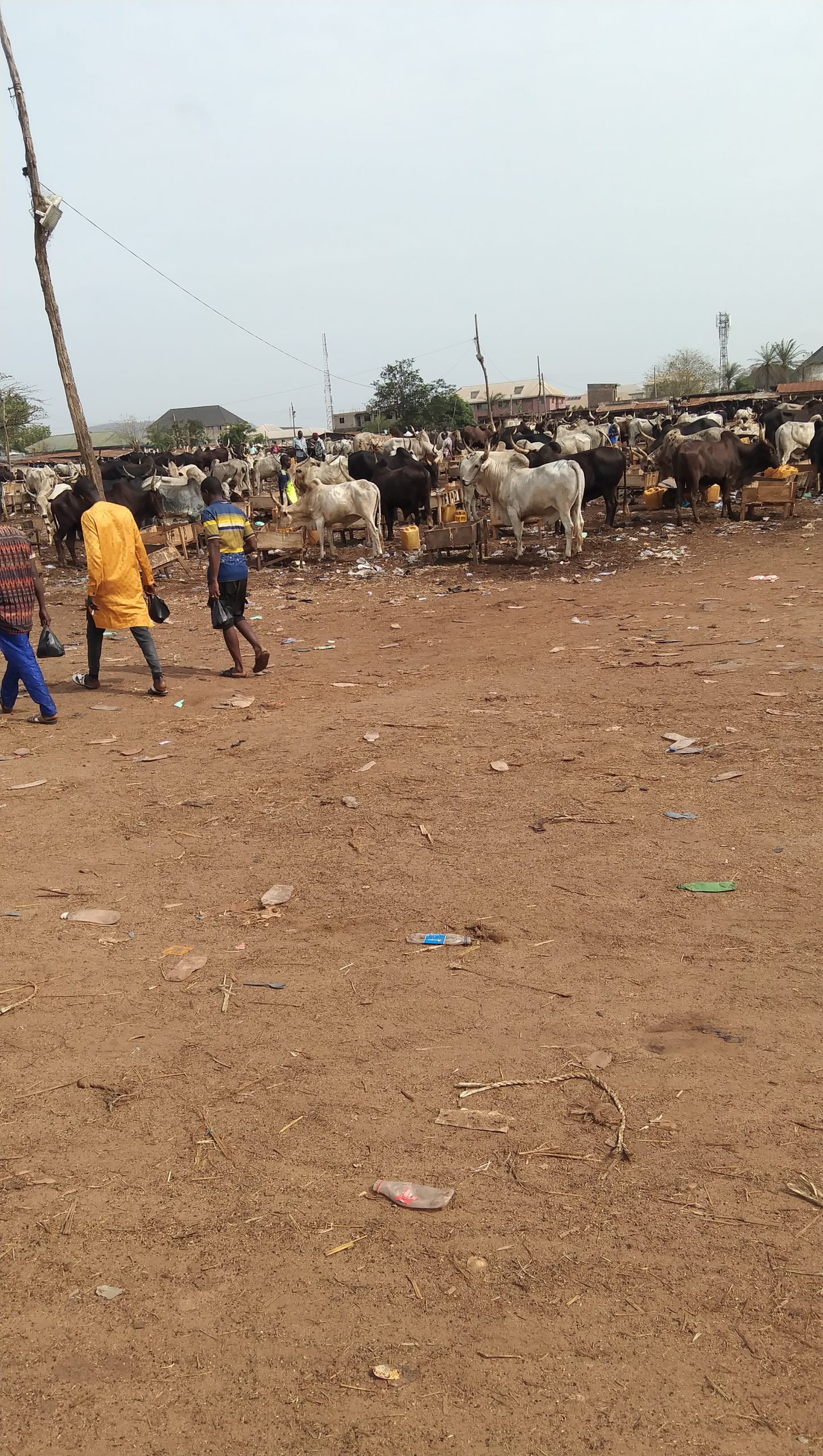
The Fulani cattle market at New Gariki in Enugu

Speaking with The ICIR, IPOB spokesman, Mr Emma Powerful, said, “We can’t relent in protecting and securing our land. IPOB and ESN will remain resolute in chasing away the terrorists ravaging our land without hindrance no matter what they do. We must chase them away with their cows.”

The IPOB spokesman further vowed that the ESN would retaliate the latest killing of about 25 indigenes of Ebonyi State by suspected Fulani herdsmen.
As climate change hits Nigeria, small scale women farmers count losses

By Yekeen AKINWALE


In Nigeria, smallholder women farmers face the worst deprivation from the effect of climate change. And things may not change soon.


GODWIN Susan and Isah Arah Zainab are thousands of miles apart − the former is in Nasarawa State, Northcentral Nigeria, while the latter resides in Zamfara, the Northwest − but both are victims of the impacts of climate change.

As climate change effect hits across Nigeria, Susan, Zainab and other smallholder women farmers bear the brunt.

Nigerian rural women farmers play vital roles in agricultural production and are key to Africa’s most populous country’s food security. They account for 70 per cent of agricultural workers and 80 per cent of food producers.

Nigerian Meteorological Agency (NIMET), the government agency that documents weather and climate data says there is evidence of climate change in Nigeria.

“These pieces of evidence are in the form of rising temperatures, more frequent and persistent heat and cold waves, severe coastal and inland floods and the ravaging wind storms,” the agency stated in its climate review bulletins.

According to Michael E. Mann, one of the world’s most influential climate scientists, the world has “finally reached the point where it is not credible to deny climate change because people can see it playing out in real-time in front of their eyes.”

Sudden rainfall stop weeks after planting

Godwin Susan
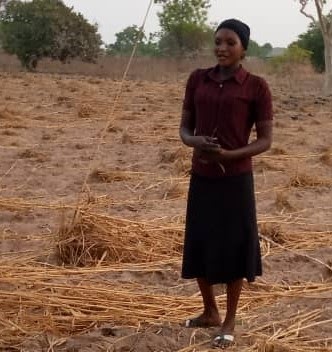
Godwin Susan: The year 2020 came with shocks for her and other women farmers/ Photo Credit: Yekeen Akinwale/HumAngle.

For 13 years, Godwin Susan, 60, has ventured into farming and raised her five children with proceeds from her farm. In those years, Godwin says 2020 stood out as year of greatest loss.

Farmers in her village were happy when the rain started earlier, but did not suspect it would stop abruptly. After Susan and others had planted their crops, the rains ceased for five weeks. Then COVID-19 pandemic broke out, and movement was restricted.

An abrupt stop of rainfall and deadly floods across parts of Nigeria are stark reminders of the climate risks facing Africa’s most populous country.

Many states in Nigeria rely on rainfall for agriculture boost, and shortage of rain makes many small scale holder farmers more vulnerable.

Susan had been cultivating groundnuts, maize, melon and cassava on her different plots of land. The crops died after the rain stopped.

“Melon that we planted early was about to flower when the rain stopped suddenly. It started drying up and eventually died. In fact, there were a lot of losses,” she laments, unable to quantify her losses.

Susan is not unaware of climate change. She knows about planting early and using improved seedlings. What she does not know are its real impacts on farmers.

“We have heard about climate change. We were always told to plant earlier and use improved seedlings. We used the improved seedlings and planted earlier but the rain that did not come.”

READ ALSOFood crisis looms as climate change negatively impacts Anambra communities

Rising global temperatures, regular flooding and rising water levels are part of the impacts of climate change. With the COVID-19 pandemic, the farmers’ woes were compounded. It was impossible for the troubled women to seek knowledge or advice from those that know about climate change.

“Things were very hard at that time, even to see the food to eat to survive was difficult, let alone to find money to buy another seedling to farm again. Maybe they could have taught us one way or the other to scale through this problem. And since there was a lockdown, we were helpless,” says Susan.

When the rain started falling again, it was already late for the farmers to replant their crops because “the little we had was what we had already planted on the farm.” The cost of clearing land and cultivating also jumped up by at least 100 per cent.

“What we usually spend N10, 000 to cultivate, last year, we paid between N20, 000 to N25, 000,” the woman laments. “People from neighbouring states used to come to cultivate our farms for us but last year, they couldn’t come because of the lockdown.”

Tomato, yam farms damaged by heat-waves

Patience’s tomatoes
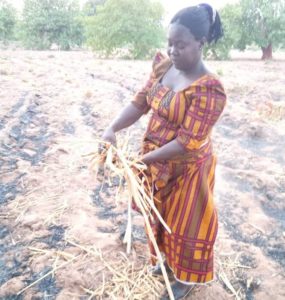
Patience’s tomatoes were all damaged by heat-waves after the rain ceased/ Photo Credit: Yekeen Akinwale/HumAngle.

Before the 2020 farming experience, Patience Emmanuel, a farmer and mother of two in Lafia whose speciality is tomato cultivation, had plans and was hoping to save to expand her farm.

A week after she transplanted her tomato from the nursery to the main farm, the rain ceased. “There was no drop of water for a week. It affected tomatoes and the yields were very low,” Patience says.

The plot where she used to harvest between 70 to 90 baskets of tomatoes only yielded 17 baskets in 2020, as the price also crashed to a record low of between N1,800 to N1,500 due to the COVID-19 pandemic as against between N2, 500 to N3,000.

“This loss really brought down our income and the money at hand couldn’t meet the family needs,” she said.

These women need more education on climate change as much as they need the government’s intervention to continue with their farming. “We need enlightened leaders that can help us in a poor situation like this before the coming of the next planting season,” Patience pleads.

Monica
Monica: Her dreams of a bumper harvest from the farm plantation was shattered by irregular rainfall/Photo Credit: Yekeen Akinwale/HumAngle.

Monica Aleku whose farm is also in Lafia is mourning her loss from the 2020 farming experience, having lost more than half of the yam she planted. “After I planted my yam, the rain didn’t fall for about a couple of weeks and there was too much sun which destroyed yams in the heaps,” she recounts. “I planted up to 2000 heaps of yams but I couldn’t harvest up to 600 tubers of yam.”

According to her, sales from her annual harvest from the farm could be as much as N180,000. But now she struggles to feed her family.

A looming hunger

In 2019, 34 million people globally were acutely food insecure due to climate extremes. The UN Office for the Coordination of Humanitarian Affairs (UNOCHA) says the humanitarian impacts of climate change will be far worse in the decades to come if there are no drastic efforts to reduce greenhouse gas emissions.

Zainab
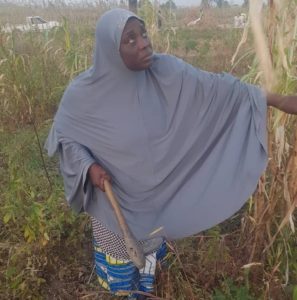
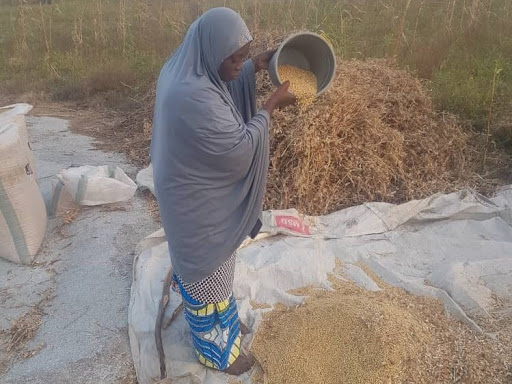
Zainab believes Nigeria faces an imminent food crisis if the problem of climate change and insecurity are not addressed. Photo credit: Yekeen Akinwale/HumAngle

Nigeria faces a serious food crisis except the government takes necessary action, given the experiences of these women who form the fulcrum of the workforce in the agricultural sector.

The loss occasioned by these changes without adaptation could be between six per cent and 30 per cent of Nigeria’s GDP by 2050, amounting to between USD 100 billion and USD 460 billion, says the Nigerian Federal Ministry of Environment, quoting a report by the Department for International Development (DFID).

“If the government did not take necessary actions, there will be serious hunger,” Susan raises the alarm because, like her, many other women such as Zainab Isah Arah, the coordinator of Smallholder Women Farmers of Nigeria (SWOFON) in Zamfara State, have lost huge investments in farming in 2020.

After last year’s experience, as an integrated farmer, Zainab believes that climate change is already resulting in low production and food scarcity coupled with insecurity.

“Now we don’t have much to feed or meet our demand,” she says with little or no hope that things may get better as the governments are not really facing the reality.

“We are battling climate change because we experienced a delay in rainfall. There was a draught at the point we were expecting rain and about to apply fertilizer. It seriously affected all the crops,” says Zainab whose state, Zamfara, is one of the most affected by insecurity plaguing Northwest Nigeria. Her farms at Wanke, Sadau, and Mohali were most affected by both irregular rainfall and floods.

She recounted how flooding washed her beans plantation, shortly after a drought, leaving her with little to no harvest. Her loss was almost N200,000.

“For my beans last year on the same piece of the farm before the flood, I harvested 15 bags but this year due to the flood I got just seven bags.”

Like Susan and Zainab, Hajia Safiyah, whose rice farm was washed away in Lokoja, Kogi state capital, Northcentral Nigeria, after the 2020 flood, says there won’t be any food security except if the government intervenes. Her experience is not different from those of others about the irregularity of rainfall.

“About climate change, we don’t know what was happening last year to farmers. It’s not only COVID-19 that is farmers’ headache. We expected rain to start, but the rain didn’t start and we have to embark on prayers,” she says, looking dejected and hopeless.

“But when it rained it resulted in flooding in Kogi State. The floods swept away our rice farms. Even our cassava farm was flooded. There would be food crises because right now, prices of food are going up even in the so-called ‘bush markets’ in the villages. There won’t be any food security with what we are experiencing and if the government did not come to our aid.”

These women have similar expectations from their respective governments. “We expect the government to assist us with inputs since floods have carried away our farms,” Hajia Safiyah said.

Susan pleads: “The actions we farmers are looking forward to from the government is to support those of us that can do dry season farming that may help reduce hunger.

“For us in Nasarawa State, we don’t practice dry season farming very much, especially women. We are not into it,” she adds.

“That is one of our charter of demands, that, if it is possible, we want the government to give us a big plot of land that can be used as a cluster farm. If the government fulfils that, we can farm as a group.”

Building resilience of women farmers against climate change

Kenya’s approach
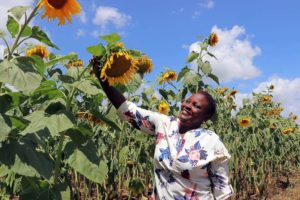
Kenya’s approach: Solutions come from the people, not from protocols/Photo Credit: Government of the Netherlands

It baffles both Susan and Zainab that their knowledge of climate change did not immune them from the pangs of destruction that it visited on them.

“I had training on climate change. It’s the ecological changes that occur due to some practices,” says Zainab. She believes there should be more awareness creation and sensitisation for grassroots women about the issue.

“Now even with the advancements in the weather forecast, they are just predicting and with the prediction is there any measure on the ground for farmers in terms of information sharing, or provision of seed to aid mitigation,” she says.

Experts in climate change and agriculture believe that an adjustment to adapt to the changing situation is crucial for a country like Nigeria whose livelihood occupation of the majority of its population is subsistence farming.

Olumide Ojo, Resilience and Private Sector Engagement Manager at Oxfam Nigeria, says climate change issues are dynamic and approaches to them too have to be dynamic. To really address the problem, he argues that knowledge is what is needed for the vulnerable, particularly the women who are directly impacted by the effects of climate change.

“What is needed to fight climate change is knowledge. The traditional approach has always been to plant early maturing crops, maybe you are expecting a shorter duration of the rainfall and you want your crops to have matured before the cessation of the rainfall,” Ojo explains but adds that the knowledge has to be holistic.

“In planting early, knowledge has to be holistic. We need to push out a holistic body of knowledge on managing climate change. Planting early in itself needs a lot of education because there are false starts of rainfall.”

With the right kind of knowledge, women, according to Ojo, can harvest as much output from a small farm size as what they will get from a large farm size without knowledge.

Ojo’s position is shared by Dr Mithika Mwenda, Executive Director of the Pan African Climate Justice Alliance, who also believes that “solutions come from the people, not from protocols such as the Paris Agreement.”

Dr Mwenda says a bottom-up approach is needed to build resilience. “What works in the Netherlands, won’t necessarily work in the Horn of Africa. People have their own ways of dealing with climate change. A bottom-up approach is needed to build resilience.”

He shares how, in Kenya, his organisation and others led a local initiative in 2020 to combat climate change by introducing sunflower – a fast-maturing, drought-resistant crop in demand for edible oil.

Around 3,000 farmers were enlisted to the project, which majorly focused on women and youth.

“We provided seeds and partnered up with Kenyan Bidco Africa to guarantee a market and a fair price for farmers. In less than four months, the project has produced results beyond our expectations and some life-transforming impacts that are already visible. We just need the will, and the spirit of partnership,” he explains.

With the near non-existence of extension programmes in Nigeria, rural women farmers can do as much as the extension officers with the right kind of knowledge.

“Gone were the days when we used to see them visit us but not now, we don’t have them,” Zainab says of the non-availability of extension workers.

Even when states and federal ministries of agriculture mount programmes on television, Zainab believes such is never enough for rural women who often don’t have access to television.

“Not enough, what they show on TV how many have access to a TV? And at the grassroots, we need sensitisation and practical examples.”

Ojo says a homegrown solution to this challenge is engagement at the grassroots. “If rural women are exposed to the same knowledge that a typical extension is exposed to for the same period of time, by the time you are evaluating their performance, the difference is always insignificant.”

He argues that the farmers will understand the concept of extension from the perspective of a core practitioner rather than from the perspective of a service delivery agent that the extension officer is.

“A core farmer is combining the knowledge with the practical know-how and she understands better from that perspective. That’s what we should be targeting at the women,” he says.

How Nigeria is responding to the climate change challenge

Nigeria ratified the Paris Agreement aimed at tackling climate change in 2017. Through this, it has pledged to reduce its greenhouse gas emissions by 20 per cent before 2030 when compared to “business-as-usual” levels. This pledge rises to 45 per cent on the condition of international support.

In other words, if Nigeria were to follow a “business as usual” pathway, it would expect its emissions to reach around 900 million tonnes of carbon dioxide a year by 2030, says Nigeria’s Carbon Brief profile.

Nigeria was the world’s 17th biggest emitter of greenhouse gases in 2015, the second-highest in Africa after South Africa.

While addressing the UN General Assembly in September 2019, Nigerian President Muhammadu Buhari said the country “stands resolutely with the international community in observing agreed carbon emission targets which I signed in 2015.”

“We have since issued two sovereign Green Bonds and have added an additional 1 million hectares of forested land taking our total forest coverage to 6.7 per cent through collective national effort,” he added.

In 2017, Nigeria made its climate pledge where the government committed to reducing the country’s emissions by ramping up the rollout of solar energy production, improving energy efficiency and ending “gas flaring”. But experts knock the government for not doing much to meet up with the pledge since then.

“The commitment to reducing carbon emission by the government by 2030 as captured in our NDC, that is, the Nationally Determined Contribution to the Paris Agreement, everything that we are doing seems not to go with the agreement,” says Ojo.

Not much has been developed in terms of solar power for the country and power generation and distribution have also been abysmal. In the same 2017, statistics from the Transmission Company of Nigeria, (TCN), indicated that power generation in the country dropped from 3,959 megawatts on January 4 to 2,662 megawatts on January 22. Many households are powered by generating sets that contribute to carbon emission.

Greenhouse gas emissions from fossil fuel production and use have increased by 16 per cent since 2015, according to data from the International Energy Agency (IEA), the Carbon Brief report published in August 2020 reveals.

Support for this report was provided by the Premium Times Centre for Investigative Journalism (PTCIJ)’ through funding support from Ford Foundation.

NCoS releases names, photographs of yet-to-return inmates from Monday’s jaibreak in Imo

THE Nigerian Correctional Service(NCS) has released the names and photographs of inmates who escaped from the Owerri Custodial Centre, Imo State, on Monday.

The NCoS released the names and photographs on its Twitter page on Friday evening.

It said that more photographs would be subsequently released.

The inmates have also been declared wanted by the NCoS.

“Please note that more photographs of the escapees on the way, and efforts are on to get clear pictures for the black spaces,” NCoS tweeted.

The ICIR had reported how some gunmen in the early hours of Monday razed  Imo State Police Command headquarters.

Some vehicles parked at the command headquarters were also burnt down. It was gathered that the hoodlums further freed suspects in almost all the cells at the State Criminal Investigation Department of the command.

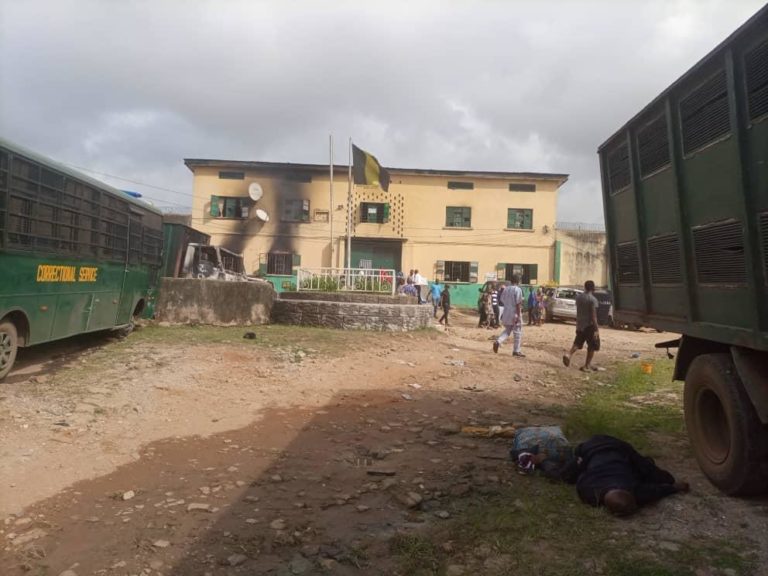
They also reportedly attacked the Owerri Correctional Prison in Imo State capital and freed more than 1,800 inmates.

Authorities of the NCoS announced on Wednesday that it had recaptured 48 of the fleeing inmates.

Spokesman of the NCoS Francis Enobore said 11 of them were recaptured by men of the 211 Nigerian Airforce Base, Owerri, while others either came back on their own volition or were returned by their relations, traditional rulers and religious leaders.

Similarly, the Akwa Ibom Police Command announced the arrest one of the fleeing inmates from the Owerri center in a statement on Friday.

Accountability Lab launches Voice Inclusion Project to empower Nigerian women, marginalised communities

THE Nigerian branch of transnational justice-seeking network Accountability Lab has announced a programme dedicated to empowering select Nigerian women and individuals from marginalised communities.

Accountability Lab, in a press release made available to The ICIR  on Friday, said the project tagged  ‘Voice Inclusion Project’ was targeted at supporting women and people from marginalised communities in a bid to make them stronger citizens that could demand accountability.

“The Voice Inclusion Project is aimed at making women and marginalized individuals stronger citizens by equipping them with useful resources to demand accountability and just institutions.”

It added that the project would foster high-level dialogues among stakeholders that would rise to the task of demanding public accountability.


READ ALSO:


“The goal of Voice Inclusion will be aimed at fostering multi-stakeholder dialogues and town hall engagements with public officials in states like Imo, Kaduna, and the FCT as well as generating a feedback mechanism that connects the newly-mentored active citizens with their accountable government officials.”

Accountability Lab also stated that the particiapants, who would be made up of young people, women, and physically-challenged people, would use a three-song peak that spoke to different parts of the marginalised experience.

READ ALSOSouth-East governors launch regional security outfit named ‘Ebube Agu’

“On the E.P. titled ‘Daughters of Gaia,’ Keizy Sugarh brings the wily determination of people living with marginalisation, detailing their story with grace while Delia, and Nanya Ijeh bring pathos and soul to their songs.”

It, however, stated that the project would use a number of digital tools in its work, stressing that a rigorous medium of tracking the conversations ensuing between government officials and citizens would be  reported.

Accountability Lab was founded in early 2012 as an effort to work with young people to develop new ideas for accountability, transparency and open government.

It has evolved into a global network of local Accountability Labs that are finding new ways to shift societal norms, solve intractable challenges and build ‘unlikely networks’ for change.

Attempted jailbreak: Five inmates, two officers injured in Bauchi

FIVE inmates and two officers of the Nigerian Correctional Service (NCS)  sustained injuries on Friday during a foiled jailbreak in Bauchi State.

Spokesperson for Bauchi Command of the NCS Abubakar Algwallary confirmed the incident.

Explaining how the incident happened, Algwallary said the chaos was triggered during a protest by aggrieved inmates who were protesting the trial of an NCS officer found to be snuggling ‘prohibited’ substances to inmates.

According to Algwallary, during the protest, some inmates from the ‘southern part of the country,’ who were aware of the happenings in Imo State, teamed up to replicate the same in Bauchi under the guise of protest.

“It was as a result of what happened in Imo State where some gunmen broke the prison and got away with some inmates from there. We have some conspirers from the South and they are serving their sentences here.

“Hearing what happened down south, they wanted to experience the same thing here in Bauchi. We thank God the issue has been quenched,” Algwallary said.

READ ALSOGunmen burn down Imo Police headquarters, attack prison, free over 1500 inmates

Bauchi State Police Public Relations Officer Ahmed Wakili also confirmed the incident to The ICIR, saying that reinforcement was sent to the facility during the course of the attack.

Wakili said the situation had been put under control and peace had been restored in the facility.

“The command has sent reinforcement to the centre to ensure that there was no breakdown of law and order. People of the area and indeed Bauchi metropolis are now going about their legitimate businesses without hindrances,” Wakili said.

The attempted jailbreak occurred four days after a similar incident at Owerri Correctional Centre in Imo State capital was attacked and 1,800 inmates released.

The gunmen, who attacked the correctional facility, also invaded the State Criminal Investigation Department  and released detained suspects in almost all the cells in the State Police Headquarters.

We found 11 soldiers dead, say Nigerian Army in reaction to Benue attack

THE Nigerian Army (NA), on Friday, said  11 soldiers were found dead in Benue communities within Konshisha Local Government Area (LGA) of the state, where they had earlier been accused of attacking a civilian population.

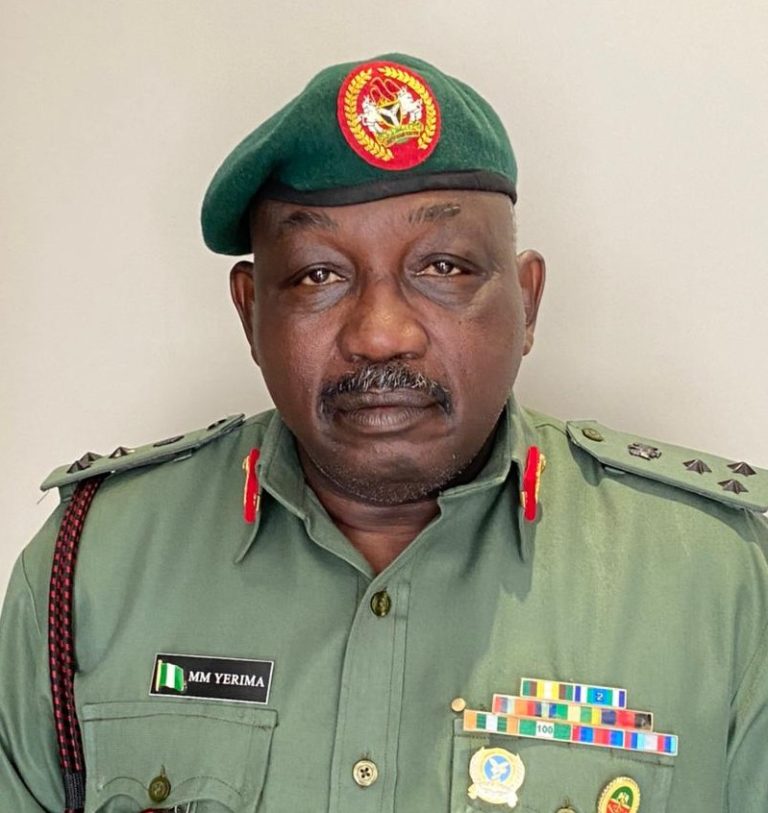
Director of Army Public Relations Mohammed Yerima, in a statement issued in Abuja, disclosed that the deceased military personnel, comprising one officer and 10 soldiers, were on ‘stabilisation operations’ as part of their routine activities to restore peace in some parts of the state when they were attacked.

“The troops comprising one officer and ten soldiers were initially declared missing which prompted the deployment of a joint search and rescue team comprising NA troops and personnel of Operation Whirl Stroke,” the statement read in part.

“The search and rescue team, unfortunately, found all the missing troops dead in Konshisha LGA of Benue State.”

The ICIR had, on Thursday, reported the incident where some Benue citizens accused the Army of an unusual attack on residents of about five different communities in Konshisha LGA.

The listed communities were Gungul, Shangev Tiev, Gbinde, Bonta, and Tse Amile.

Yerima also told The ICIR of his plans to officially respond to the situation.

However, he disclosed in the statement that bodies of the deceased soldiers had been evacuated immediately, while efforts were ongoing to track those behind the attack in order to ensure the slain officers got justice.

The Chief of Army Staff Ibrahim Attahiru also directed military commanders in the state to support in identifying the suspected criminals to restore peaceful coexistence in the state.

He restated the commitment of the Army to enduring peace in the state and other parts of the country.

Benue has recently been a serious security concern, especially since the emergence of the farmer-herder crises.

On March 20, Governor Samuel Orto, was  attacked on his farm located near Tyo-mu, along Makurdi-Gboko Road. He was reported to have narrowly escaped death when suspected herders numbering 15 allegedly attacked him.

The Human Rights Watch says cases of communal clashes and conflicts between the farmers and nomadic herdsmen have resulted in 1, 600 deaths,   with  another 300, 000 persons displaced.

The general state of insecurity in the country has remained an issue of concern to Nigerians, irrespective of their geo-political zones.

In February, the Northern Elders Forum (NEF) expressed a similar worry about the state of insecurity in the country under the leadership of President Muhammadu Buhari.

Nevertheless, the Army have appealed to the public to volunteer useful information that could lead to the arrest of the perpetrators of the recent attack.

Prince Philip, Queen Elizabeth’s husband, dies at 99

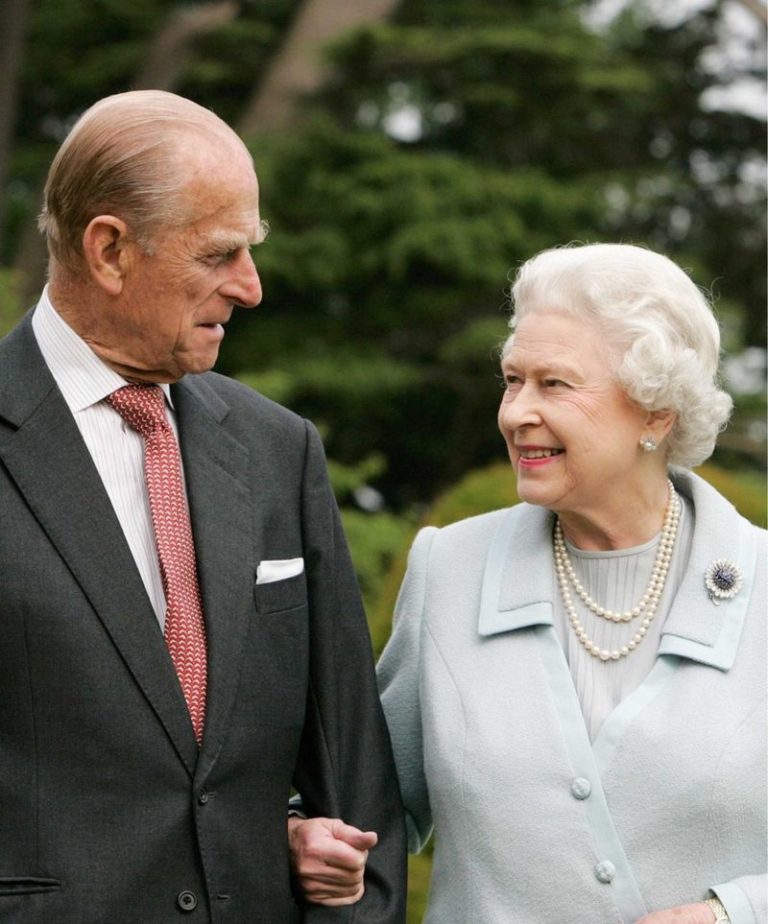
QUEEN Elizabeth’s husband Prince Philip Mountbatten has died at the age of 99, the royal family announced in a statement on Friday.

His death ultimately ends his 73-year marriage to the Queen, to whom he has been ‘strength and guide’ in her 69-year reign as monarch.

“It is with deep sorrow that Her Majesty The Queen announces the death of her beloved husband, His Royal Highness The Prince Philip, Duke of Edinburgh,” the statement read.

The Palace said The Duke of Edinburgh “passed away peacefully this morning at Windsor Castle.”

While the Palace did not give further details, Daily Mail Online reported that the late prince spent his final days at the Castle after a 28-night stay in hospital, where he was admitted in mid-February for an infection and a pre-existing heart condition.

Phillip kept a low profile since conducting his final solo public engagement in August 2017 and had since spent most of his time at Windsor and at Queen’s private Sandringham estate in Norfolk.

He died as the oldest serving partner of a reigning monarch.

READ ALSOPicture claiming Queen Elizabeth wrote a condolence letter to Nigeria over Buhari’s death resurfaces, but it’s fake

He was also the longest-serving consort in British history. He was a Royal Navy Officer with Greek and Danish royal blood and served during World War Two.

In his reaction, British Prime Minister Boris Johnson commended Philip’s  ‘extraordinary life and work.’

He said the Duke of Edinburgh “earned the affection of generations” at home, in the Commonwealth and across the world after serving in the Royal Navy and then over decades as Britain’s longest-serving royal consort.

“We give thanks, as a nation and a kingdom, for the extraordinary life and work of Prince Philip, Duke of Edinburgh,” he said.

Fleeing inmate from Imo prison arrested in Akwa Ibom

THE Akwa Ibom Police Command has arrested one of the inmates who escaped when suspected gunmen attacked a correctional centre in Owerri, Imo State, on Monday.

Akwa Ibom Police spokesman Odiko Macdon said David Ubong was arrested by the Police and he confessed to be one of the inmates that escaped from the Owerri correctional center, News Agency of Nigeria (NAN) said on Friday.

“On April 6, 2021, personnel of Ikot Udota Police Division, Eket, relying on credible intelligence, apprehended one David Victor Ubong ‘m’ of Ibaka, Mbo Local Government Area (LGA),” he said.

“Suspect confessed to be one of the inmates who escaped from the Nigerian Correctional Service in the recent jailbreak at Owerri, Imo on April 5, 2021.”

READ ALSOBenue attack: Nigerian Army vow to fish out those behind attack on troops

The Police spokesperson said the inmate is a resident of Obinze in Owerri until his conviction and would be sent back to face his jail term in Owerri.

The ICIR had reported how some gunmen in the early hours of Monday razed  Imo State Police Command headquarters.

Some vehicles parked at the command headquarters were also burnt down. It was gathered that the hoodlums further freed suspects in almost all the cells at the State Criminal Investigation Department of the command.

They also reportedly attacked the Owerri Correctional Prison in Imo State capital and freed more than 1800 inmates.

Authorities of the Nigeria Correctional Service (NCoS) announced on Wednesday that it had recaptured 48 of the fleeing inmates.

IPOB dissociates self from attacks on Police facility, NCS in Imo

Spokesman of the NCoS Francis Enobore said 11 of them were recaptured by men of the 211 Nigerian Airforce Base, Owerri, while others either came back on their own volition or were returned by their relations, traditional rulers and religious leaders.

Sanusi faults Nigeria’s political structure, says country set up to fail

FORMER governor of the Central Bank of Nigeria (CBN) and past Emir of Kano Sanusi Lamido Sanusi says the country has set itself up to fail due to its poor political structure.

Sanusi said this on Thursday during an online roundtable event titled ‘Debt Relief for a Green and Inclusive Recovery in Nigeria?’ hosted by the Heinrich Böll Foundation and the Centre for the Studies of the Economies of Africa (CSEA).

He lamented that high number of government officials was consuming the bulk of the nation’s wealth.

“We have 36 states, 774 local governments, each LGA has a chairman, a speaker, at least 10 councillors, the state has a governor, deputy and legislature. You can imagine the hundreds of legislators.

“By the constitution, we have a president and vice-president, 36 ministers. We have a bicameral legislature consisting of 360 House of Representatives members and 109 senators.

READ ALSOBenue attack: Nigerian Army vow to fish out those behind attack on troops

“Each of these political office holders has a retinue of personal staff, vehicle and so on. We have set ourselves up to fail.”

He added that even if Nigeria had debt relief, the political structure was unsustainable due to high cost of governance.

Sanusi, who is an economist, stated that another considerable element concerning debt relief in Nigeria was rapid growth in population.

“We need to have social policies around demographic growth. There are parts of this country where the fertility rate is more than eight live births per woman. Some parts are also highly polygamous.

“There’s no way you can continue growing at 3.4 per cent when your economy is growing at a slower rate and expect to deal with poverty. We should fashion policies around population, education, targeted programmes to reduce out of school children, quality jobs,” he added.

He further stated if official creditors were to grant Nigeria debt forgiveness, the creditors would like to know if the nation was transitioning from fossil fuel to green economy, which was a complicated transition.

In 2005, the Paris Club and Nigeria agreed on an $18 billion debt relief package during the Olusegun Obasanjo administration.

According to data obtained from the Debt Management Office (DMO), as of fourth-quarter 2020, Nigeria’s foreign debt stood at $33.3 billion.

I have no regrets dethroning Sanusi as emir of Kano -Ganduje

Despite its debt profile, Nigeria still borrow funds to finance major projects. The most recent of such borrowings is the $1.5 billion on Port Harcourt Refinery Company (PHRC), a project that has been found to be financially unsafe.