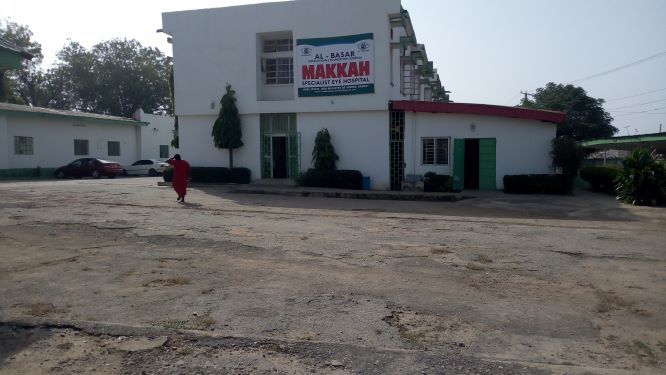
HARUNA Mohammed Salisu, publisher of WikkiTimes, an online news platform, has been threatened following an investigative piece exposing how Makkah Eye Clinic, owned by Saudi Arabia Albasar International Foundation, deviated from its creed of affordable healthcare and resorted to charging clients three times the amount in similar private institutions.
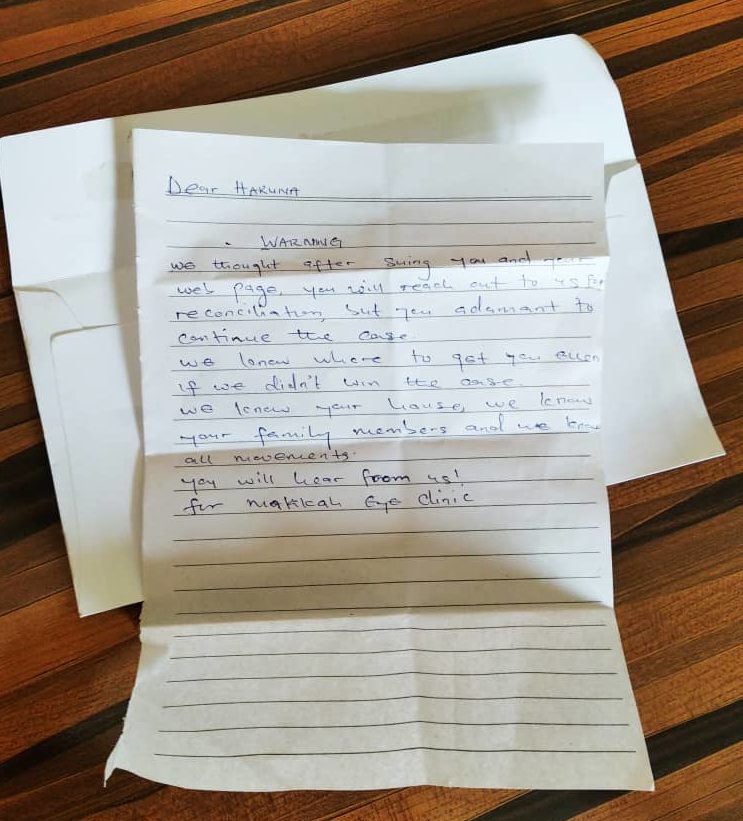
The reporter disclosed that the threat was contained in a letter sent to his office by someone from Makkah Eye Clinic.
The Makkah Eye report detailed how the clinic consistently maltreated patients seeking medical help, systematically disengaged indigenous staff on frivolous allegations, just as it continued to short-change the Bauchi State government on tax revenues for six years – allegations the management of the hospital conceded in an interview.
The two-month investigation by the reporter also documented several harrowing experiences of patients who consulted the facility and the high cost of services and medications offered by the hospital when compared to other health facilities in the state. For instance, Musa Haruna, a glaucoma patient, recounted how one Zulfikar Ahmed Abbasi, a Pakistani expatriate consultant ophthalmologist, rained insults on him for his inability to keep his scheduled appointment with the hospital.
The foundation, after the publication of the report, dragged WikkiTimes, its publisher and a reporter to court.
The investigation also led to the Christian Blind Mission, CBM, an international Christian development organisation working in Nigeria, suspending its eye care programme with Makkah Eye Specialist Hospital, Bauchi.
According to Haruna, “I went to my office this morning to search for an HDMI cable for our ongoing training at the Secretariat of the Nigeria Union of Journalists here in Bauchi.
“As soon as I opened the office, I saw an envelope on the floor. It looked as if someone pushed the letter from the doorstep.
“After opening the office, I saw an envelope on the floor by the door side. I read it and found that the content contained a threat to me and my family.”
The letter read in part, “We thought after suing you and your web page, you will reach out to us for reconciliation, but you adamant to continue the case.
“We know where to get you, even if we didn’t win the case. We know your house we know your family members and we know all movements,” the threat letter read in part.
Prior to receiving the threat letter, the journalist had said insiders at the hospital told him some officials of the hospital had issued verbal threats to the whistleblower who first gave WikkiTimes the tip-off about the dealings of the hospital.
The whistleblower said an expatriate doctor who left the services of the hospital in a telephone conversation detailed the plan of the hospital’s management to include a threat to life on the whistleblower and staff of WikkiTimes.
NIGERIANS, including medical experts, have expressed concerns over the federal government’s insistence on going ahead with the administration of AstraZeneca vaccine even when it is being suspended by countries on safety fears.
As of March 13, 2021, about eight European countries – Norway, Iceland, Austria, Estonia, Lithuania, Luxembourg, Italy, and Latvia – as well as Thailand, an Asian country, had suspended use of the vaccine as a precaution following reports of death and illness among recipients.
The death of a recipient of the vaccine was reported in Austria, which was among the first countries to halt the use of the vaccine. In rapid succession, other countries followed suit, pointing to instances of blood clot potentially linked to batches of the AstraZeneca vaccine.
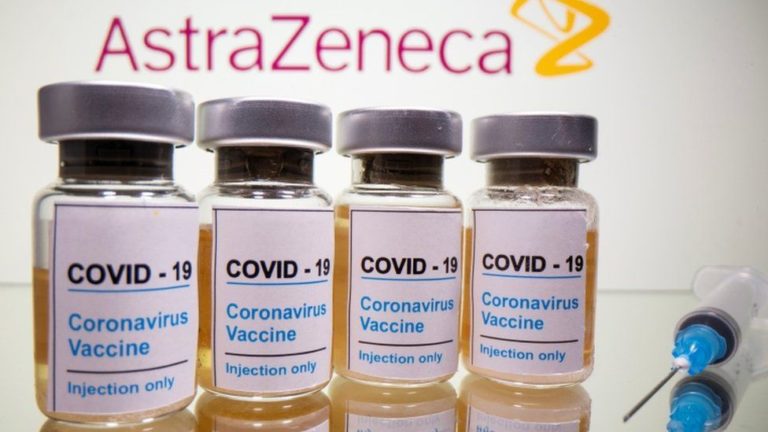
The AstraZeneca vaccine is currently being administered on Nigerians after 3.94 million doses of the drug, manufactured by the Serum Institute of India (SII), arrived in Nigeria on March 2, 2021. The Nigerian government acquired the vaccine through the COVAX Facility, a partnership between CEPI, Gavi, UNICEF and the World Health Organisation.
Despite the suspension of the vaccine in some countries as a result of severe side effects which have led to fatalities, the Nigerian government, on March 12, insisted on going ahead with the use of the vaccine in the country.
A statement released by the National Primary Healthcare Development Agency (NPHCDA), on behalf of the federal government, said the doses of the drug received by Nigeria were not part of ABV5300, a specific batch of the AstraZeneca vaccine suspected to be linked to the alleged adverse side effects.
The federal government, in the statement, stressed that, so far, all side effects reported by Nigerians who had been administered with the vaccine were mild. The government urged Nigerians who were among those being prioritised in the current phase of the vaccination to continue receiving the vaccine.
Faisal Shuaib, DG/CEO, National Primary Health Care Development Agency
Vaccine will fail, FG should discontinue vaccination… Virologist
But a virologist, Bola Oyefolu, a professor of virology at the Lagos State University (LASU), in an interview with The ICIR, warned against continuing with the AstraZeneca vaccine in the country.
Oyefolu stressed that AstraZeneca and other vaccines that were developed for COVID-19 disease would fail because they were produced without adequate information and knowledge about the virus responsible for the disease.
“The thing is that any pathogen at all, not just this particular coronavirus, that we do not have enough research on and you have just a little information, and based on that you develop a vaccine, that vaccine will surely fail, either now or in the future. My position is we are yet to have enough information about the virus and we are developing a vaccine, surely it will fail. Now we are having different variants (of the virus) and as long as we have different variants, that vaccine will fail.
“If you look at the World Health Organisation (WHO) video clip on Frequently Asked Questions about the vaccine, you will find out that it is not wise at all to say you want to take the vaccine. The answer to everything is ‘likely’ and ‘maybe.’ I wonder why the Nigerian government insists on the vaccine,” Oyefolu said.
The virologist further told The ICIR that the federal government would not continue to give the vaccine to Nigerians if it loved its citizens.
He said, “If all facts are on the table, and if the government loves the citizens, and you know that several other countries are rescinding the decision to take the vaccine, if the government is sincere and loves the people and also knows that the economy of the country depends on the health of the people, I think the government should rescind that decision to administer the vaccine on Nigerians. They should not allow it.
“If you kill all your people or you make your people diseased, I do not know the country we are going to be in.”
Oyefolu advised the federal government to return the remaining doses of the vaccine sent to Nigeria and seek a refund of the money spent to purchase it.
“As for me, the Nigerian government should not go ahead with the vaccine. They should find a way of returning it, maybe by losing some percentage of the money paid instead of giving it to people and killing people,” the virologist told The ICIR.
FG advised to monitor those who have received the vaccine for adverse reactions
Another virologist, Sunday Omilabu, also a professor of virology, suggested that the federal government should monitor all those who had received the vaccine so as to detect any possible adverse reactions.
Omilabu told The ICIR in an interview that the AstraZeneca vaccine should only be suspended in Nigeria with ‘good reason.’
“Those countries that suspended the vaccine have good reasons for the suspension, so we should also have a good reason if we want to suspend the usage of vaccine. Almost all the countries of the world, including the developed countries, are using the AstraZeneca and only a few countries are suspending its use because of certain reactions some individuals developed. We should also look out for individuals with very strange reactions. If we do not have people with such reactions, then we do not need to suspend it. But we need to monitor those who have taken the vaccine because it might depend on individuals. Most people will take it and will not react badly – just mild reactions which are normal but some individuals might react differently. So we need to be on the look-out for those with strange reactions among those who have received the vaccine,” he recommended.
The virologist, however, observed that, so far, there had been no cause for alarm in Nigeria as none of the people who received the vaccine had reported any strange reaction.
When contacted by The ICIR, president of the Nigerian Medical Association, Innocent Ujah, a professor of medicine, said the Nigerian government should get full information concerning the side effects of the vaccine.
“I do not have full information (about the side effects). I need to study why those countries are stopping the vaccine. We need to know the side effects and have full information on the situation,” the NMA president said in an interview with The ICIR.
Another medical doctor, Chidi Esike, chairman of the NMA chapter in Ebonyi State, told The ICIR that the Nigerian government should investigate the reported side effects.
Noting that Nigeria should continue with AstraZeneca vaccine if it had been validated by relevant authorities, Esike noted that the reported side effects, over which the drug was suspended in some countries, might be linked to different batches of the product, as suggested by the Nigerian government.
But the medical doctor also advised that the COVID-19 vaccination exercise should be monitored in order to identify possible issues.
“The side effects might be due to different batches of the vaccines. They might not be consistent so I think we should go ahead with the vaccine if our people have validated it so that if we have any issues we will know the type of issues we have. If we do not have, we will continue with it. We should not stop because of what happened in other places as there are batch differences and other factors. What happened in other countries might not happen in our own case.
“We have not heard any such report (of severe side effects) from the United States, which is the largest consumer, given that it is the same vaccine that is being given to Nigerians. Britain has not reported anything. So those side effects can be anecdotal cases and need to be investigated.”
Chairman of the Nigerian Medical Association chapter in Imo State, Chidiebere Okwara, when contacted by The ICIR, said he would not comment on the matter since the federal government had already gone ahead to issue an official statement.
*Nigerians on Twitter doubt FG’s assurance on vaccine safety
Meanwhile, some Nigerians, who reacted to the statement issued by the federal government, through NPHCDA, reassuring citizens of safety of the vaccine, have expressed doubts over the government’s claim that the drug was safe.
The statement was posted on Twitter by Bashir Ahmed, a media aide to President Muhammadu Buhari. Reacting to the statement, a Twitter user, New Nigeria, with the handle @NewNig48, expressed concerns that the side effects might not manifest immediately. He tweeted, “Why don’t we suspend the administration of the vaccine for now? Those who are complaining did not get the vaccine yesterday. Side effects may take a longer time to show up. Please suspend its administration until cleared.”
Nnamdi, @iamNikeAce, stressed, “Even before this new development, I have said to myself to not take any vaccines. A lot of controversies behind this pandemic and vaccines.”
Also, P. C. Erudite, with the Twitter handle, @chimepat, tweeted, “Thank God that men at the helm of Nigeria’s affairs have already taken it.”
In the same vein, Micah Ugalah, @UgalaMicah, said, “So, I don’t just trust their sudden interest to save our lives. A Nigerian was part of the team that came up with one of the vaccine. Why can’t we encourage our own people to give us what will be peculiar to us. I don’t also trust this COVID-19 enterprise at all.”
Another Twitter user, NnanyiMoe, observed, said: “But this (FG statement on safety of vaccine) would have been better believed if it had been addressed in a live broadcast by the President. Our leaders must learn to interact with those they lead. Very important.”
Still reacting to the statement, Uncle Goody Goody told the Nigerian government, “Your assessment isn’t in line with Spain and the UK, you just depend on them for information and work with their conclusions. Don’t tweet like you are doing any special work to protect Nigerians.”
Ola Williams PhD observed, “The most painful part of this whole scenario is making me lose trust in NAFDAC who said they have certified this vaccine and did so in less than 24 hours. That was when I knew there is a foul play. There are levels to this thing.”
And, in a tweet that captured the seeming prevailing mood among ‘ordinary’ Nigerians, another Twitter user, Ntare, @Obatala, noted, “Our leaders thinking they will take vaccine and carry shoulder for us. Good thing they are the Guinea pigs this time.”
Twitter reactions suggest high level of vaccine hesitancy in Nigeria
The tone of the reactions trailing the statement issued by the federal government to assure Nigerians of the safety of the vaccine suggests that there might be a high level of ‘vaccine hesitancy’ in Nigeria, a phenomenon that has been observed in developed countries, including the United States.
Vaccine hesitancy is an unwillingness to accept the COVID-19 vaccine, which can be caused due to one of, or a combination of scepticism, misinformation and political polarisation.
A recent study conducted by Texas A&M University found that vaccine hesitancy posed a big threat to the actualisation of plans by the US government to vaccinate between 70 to 90 percent of the population in order to achieve herd immunity in the country. About 31 percent of 5,009 Americans surveyed in the study (before the vaccine was developed) said they did not plan to take the COVID-19 vaccine when it became available to them.
*WHO says no reason to stop using AstraZeneca vaccine
Reacting to the suspension of the AstraZeneca vaccine by some countries, the WHO said no link had been established between the drug and blood clot.
Margaret Harris, WHO spokesperson, said on March 12, 2021, “We have reviewed the data on deaths. There has been no death, to date, proven to have been caused by vaccination. We should continue using the AstraZeneca vaccine.”
HALIMA Aminu returned home from school one sunny afternoon in June and collected a bowl filled with Alewan Madara from her mother, to sell. The 8-year-old still had her uniform on when she stepped out with the local candy made from milk, looking to sell her stock to other students who were making their way home after school. Just the previous day, she had sold out her bowl of the local candy and thought it was a lucky streak when an older man, Adamu* a trader approached her, requesting to buy the entire stock.
Aminu recalls that he asked her politely to deliver the bowl of candy to his shop, which was a few meters from her house. She obliged, oblivious to any sense of danger. When they got to the shop, the 21-year-old trader fondled and penetrated her private area with his fingers. After which he sent her back home, threatening to kill her if she told anyone.
Unaware of what had happened to her daughter, Aminu’s mother was happy that she had been able to sell all the candy.
Afraid of getting killed, Aminu kept quiet and returned to Adamu’s shop for three consecutive days. Over that time he moved from fondling to raping the little girl. He promised to take care of Aminu, making her believe he would provide financial assistance for her and her family.
“Most minors who fall victims of rape in this region (northern Nigeria) return to the abuser for many reasons, one of which is the belief that the abuser will provide financial support. Some others who might have suffered neglect crave the attention the abuser gives, even when it is a painful experience,” says ThankGod Ocheho, a mental health practitioner working with Sexual and Gender-Based Violence survivors like Aminu who are living in conflict zones.
Aminu’s mother, Maryam only realised something was wrong with her daughter on the fourth day.
“When she came back that day, she didn’t want to talk. She was in a terrible state. And when i asked her what was wrong, it was then she told me what had happened to her. She was afraid that Adamu would carry out his threat to kill her if she told anyone,” Maryam said.
Maryam went to the police station to report the assault on her daughter. But they refused to record the incident or take any action, saying it was a family dispute and advised her to settle it within the family.
“I believe Adamu bribed the police with money because they were pushing for us to settle the case. They told me to accept it as fate. My husband also supported them in this. As far as he was concerned, the rape had happened and we should leave the consequences to God!” an angry Maryam said.
Undeterred by the lack of support from the police and her husband, Maryam did not give up trying to get Adamu arrested and punished for raping her daughter.
She approached the Save The Child Initiative (STCI), a Sokoto-based Non-governmental Organisation (NGO), which took up the matter. The organisation filed a report with the Criminal Investigation Department (CID) of the Nigeria Police Force (NPF), before he was finally arrested and detained in a cell.
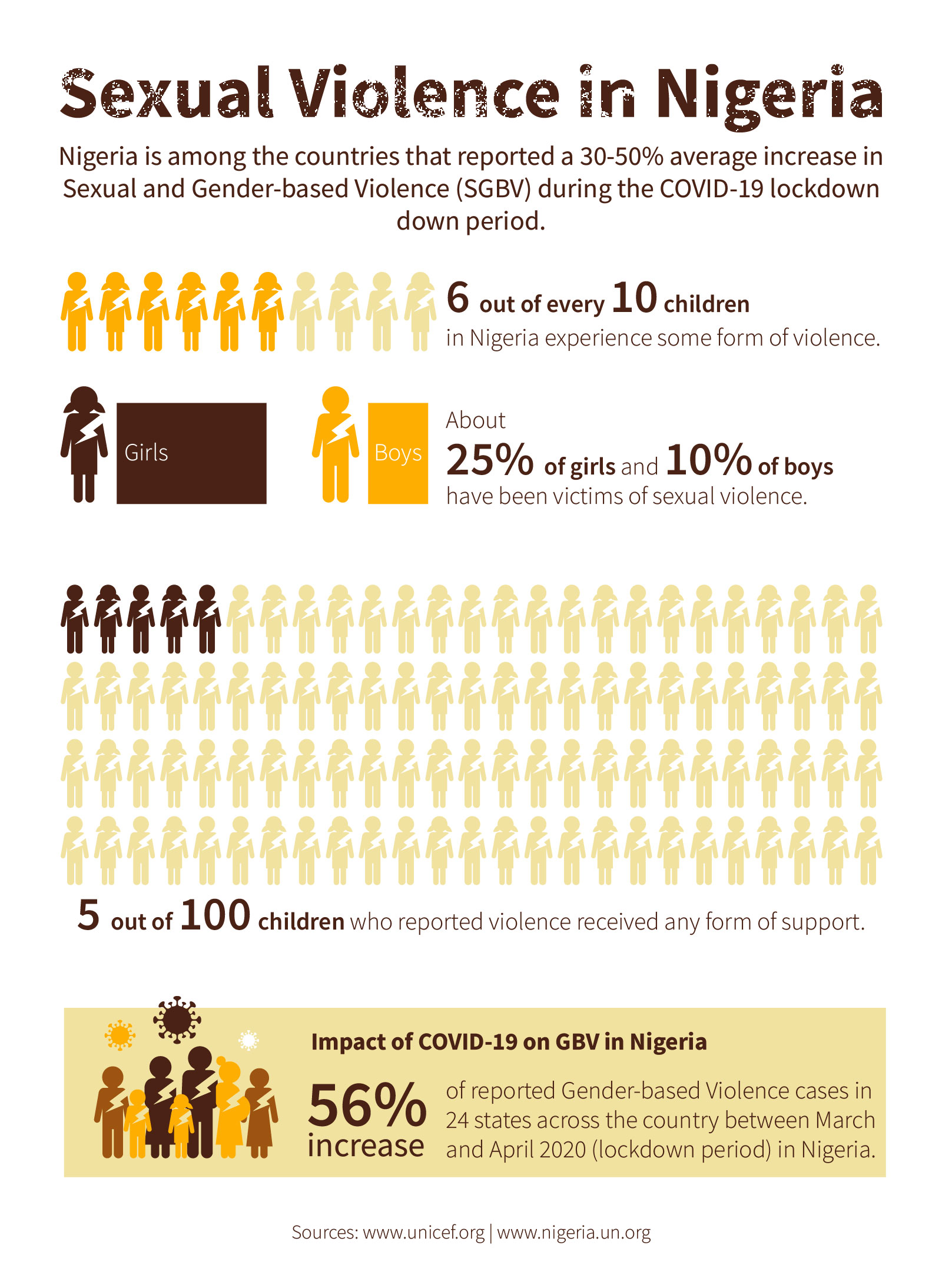
According to UNICEF, six out of every 10 children in Nigeria experience some form of violence. One in four girls and 10 per cent of boys have been victims of sexual violence. Of the children who reported violence, fewer than five out of a 100 received any form of support.
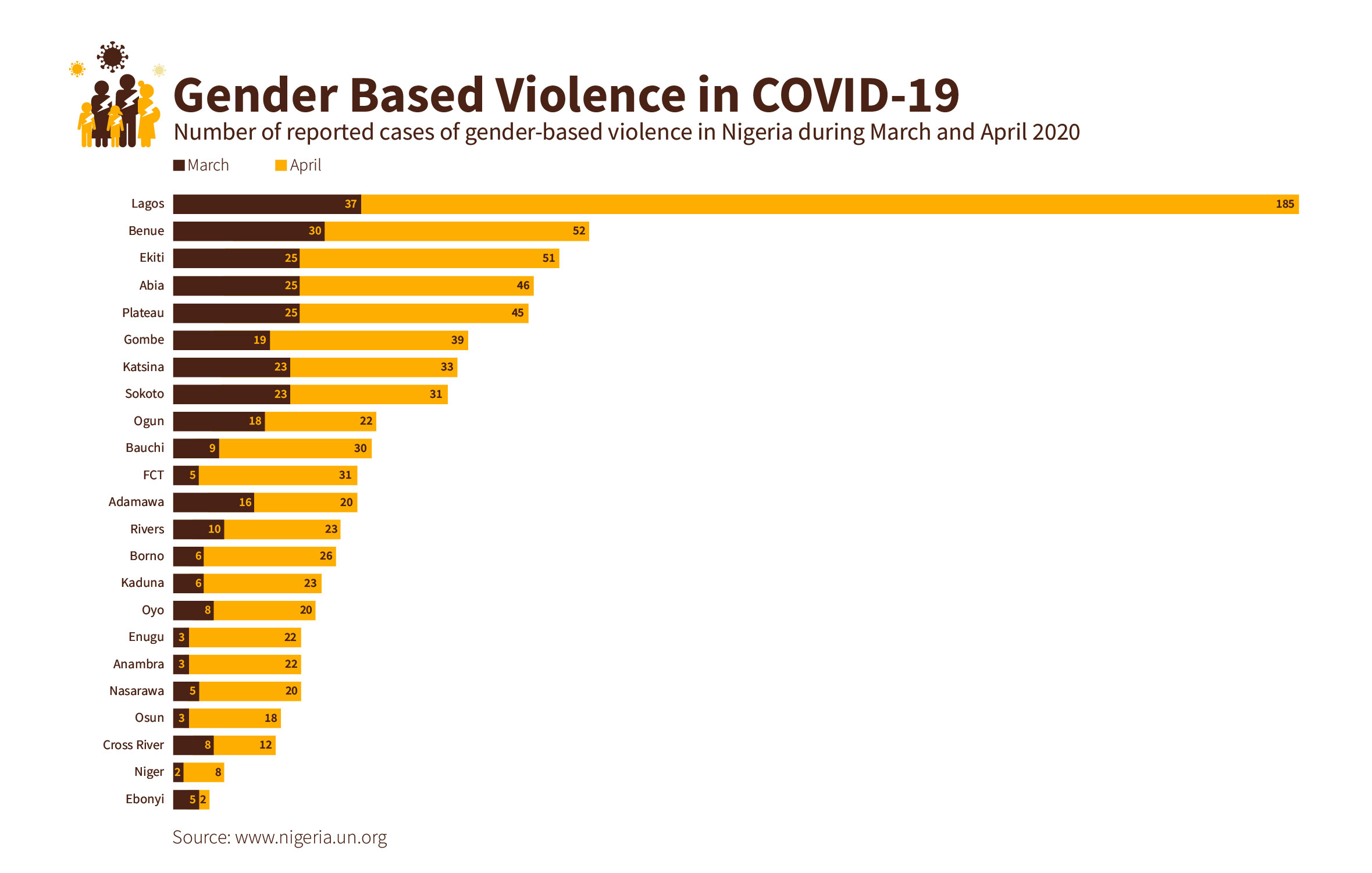
Nigeria is among the countries that reported a 30-50 percent average increase in Sexual and Gender-based Violence (SGBV) during the COVID-19 lockdown down period according to organisations such as the Lagos State Domestic and Sexual Violence Response Team (DSVRT). The most recent data revealed that between March and April 2020 – the peak lockdown period in Nigeria – there was a 56 percent increase of reported Gender-based Violence (GBV) cases from 24 states across the country.
While cases of SGBV spiked during the lockdown period, victims seeking assistance had no access to support networks and exigent support services.
Rukayya Ibrahim Iyayi, a SGBV advisor with Connected Development (CODE) said that most states simply don’t have Sexual Assault Referral Centres (SARC) and the few that do, shut them down immediately after the restrictions were implemented, leaving victims with no choice but to return home to their abusers.
“Most apparent was that the government didn’t prepare to tackle cases of SGBV during the lockdown period and most victims were stranded,” Iyayi submitted in an interview.
Access to centres where they can get affordable quality services is one of the biggest challenges that survivors of SGBV face. A brief by the United Nations (UN) women released in May last year, confirmed that survivors had little or no access to the few GBV referral centres. The centres that exist—mainly in urban areas, are underfunded and unable to deal with the demand for services from survivors.
At the most fundamental, the Violence Against Persons Prohibition (VAPP) Act, the single law in place that transcends the criminal and penal code in guaranteeing justice, protecting the rights and properties of SGBV victims, is yet to be domesticated in 23 out of 36 states since it was enacted in 2015.
The consequence of this failure to implement the ACT sets the eradication of GBV many decades behind as there is no structure in place to protect and provide for victims and survivors, says Chioma Agwuegbo, founder of TechHer who started a Twitter campaign #StateofEmergencyGBV and offline demonstrations to raise awareness of the problem and to push all the 36 State governors to adopt a call to declare a state of emergency against rape and gender-based violence.
More concrete response comes in the form of the Spotlight Initiative a global, multi-year partnership between the European Union(EU) and the United Nations (UN) to eliminate all forms of violence against women and girls. The initiative has partnered with several civil society organisations (CSOs) in Nigeria who provide services to vulnerable women and girls and particularly those experiencing multiple forms of discrimination.
The CSOs are also partners in the IDeyWithHer campaign which has been using advocacy material developed by the UN in Nigeria on GBV during the COVID crisis to address the upsurge in gender-based violence, as well as on the state of emergency declared by state governments and stakeholders in response to the crisis of violence against women and girls.
With six programming pillars including; informing policy, building institutions, women protection and empowerment, the intervention has engaged a number of Civil Society Organizations (CSOs) to implement thematic areas of the programme in states across the six geopolitical zones.
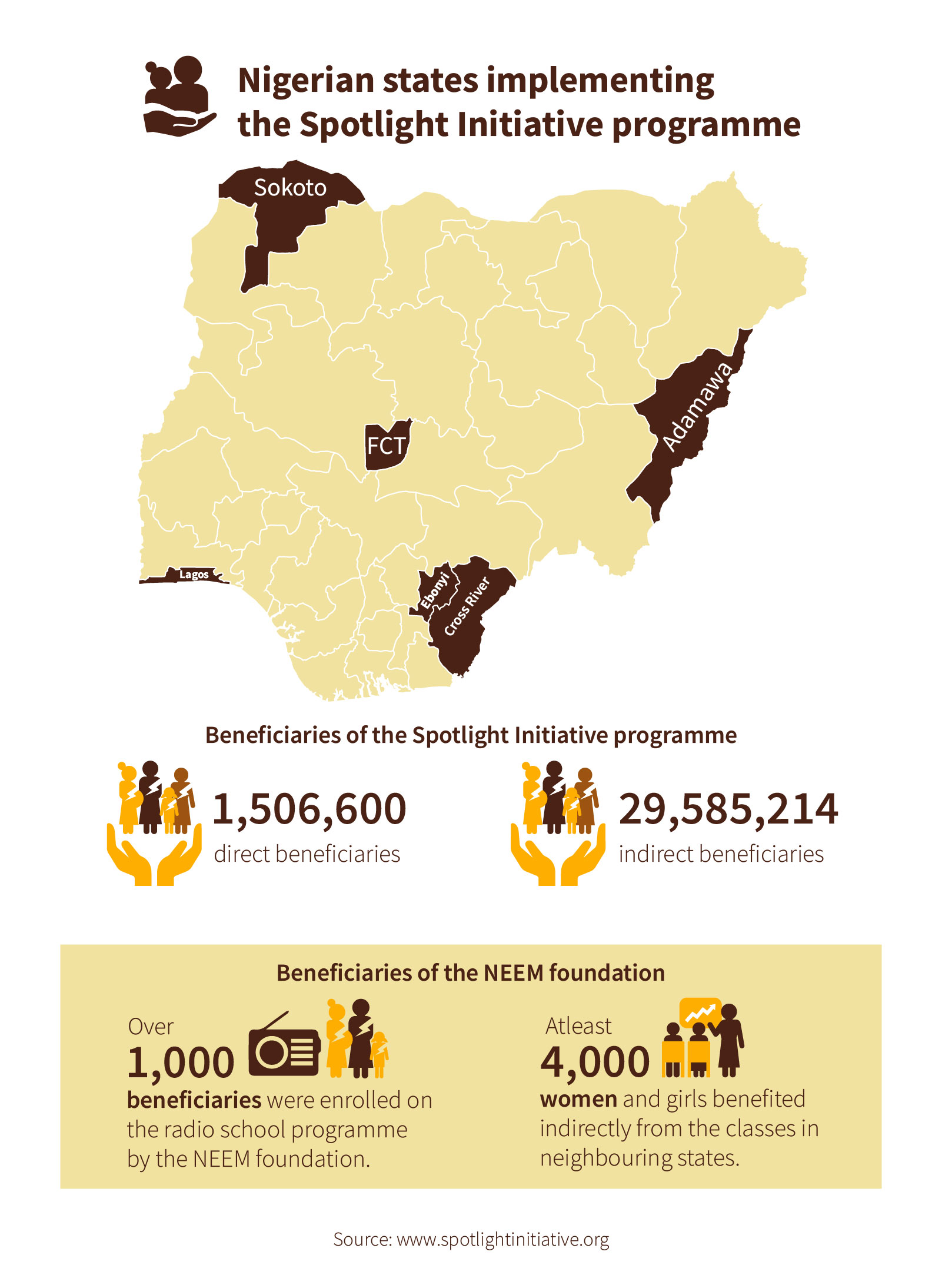
The programme is being implemented in Lagos, Sokoto, Ebonyi, Adamawa, Cross River states and Abuja, the Federal Capital Territory (FCT). It already boasts of 1,506,600 direct beneficiaries and 29,585,214 indirect beneficiaries in Nigeria alone.
NEEM Foundation is one of the partnered CSOs. The organization which primarily focuses on improving lives of those affected by insurgency in the northern region of Nigeria, employs basic education and psychological care tools to train, empower and care for victims/survivors of SGBV in Sokoto and Adamawa states. Both states are located in the northwest and northeast region of Nigeria, respectively. They have both recorded a significant measure of SGBV prevalence although the number of actual incidents are under-reported says Ibrahim due to cultural hindrances, discrimination and stigma which impedes collation of accurate data.
“Most SGBV cases are under-reported because of the stigma and delay in getting justice for victims. It is worse when the victim has to relive the terrifying moments over and over again in the courts or in the media, causing the stigma to linger for a longer period,” Ibrahim said.
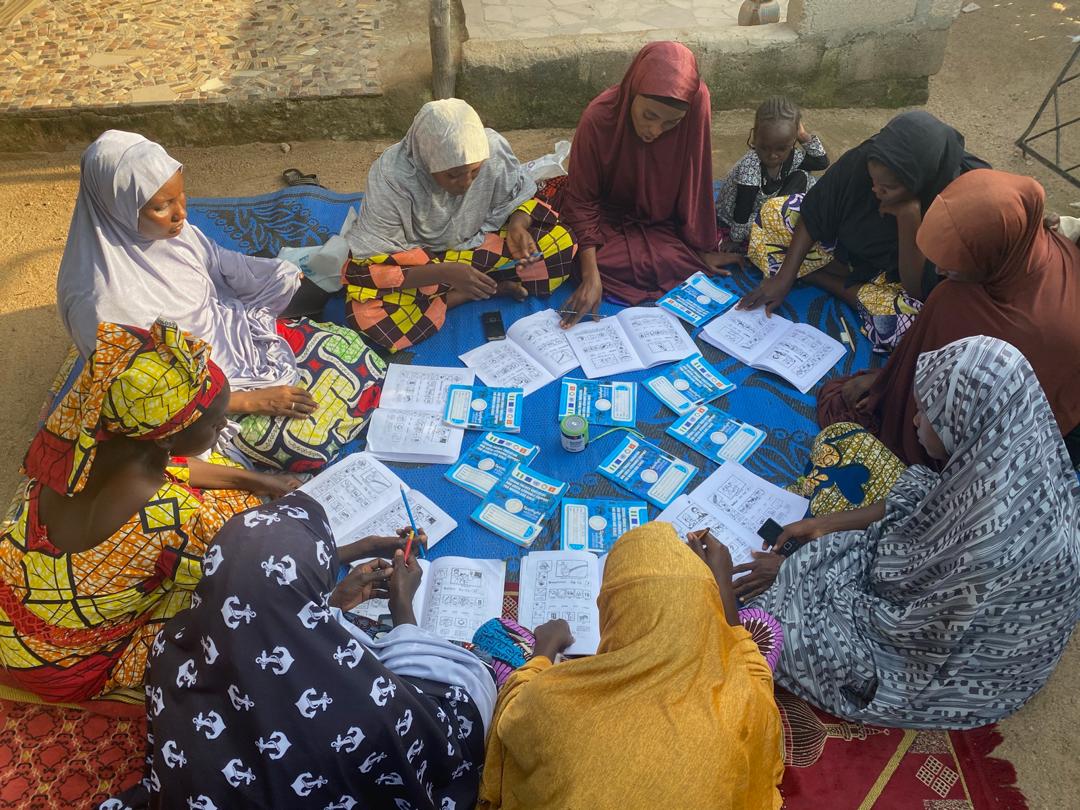
A traditional lecture method is used to reach out to women and girls who are survivors or are at risk of SGBV. These classes are set up in local communities where the women and girls receive basic knowledge to communicate and understand English, as well as numeracy skills and becoming advocates in their own right, says Comfort Ene Abah, a second-chance educator at NEEM Foundation.
“I interact with over 200 women and girls daily in these classrooms and what I find most interesting is how they come together to help each other achieve a certain goal. They support and carry each other along in every class work and assignment. It motivates me,” Abah said.
Beneficiaries like Aminu are also provided with psychological care after undergoing the Depression, Anxiety, and Stress-Scale (DASS), a psychometric instrument used to assess the severity of symptoms related to depression, anxiety and stress – conditions common with victims of SGBV.
Since joining the programme, Maryam and her daughter have undergone a series of counseling sessions and reported an improvement in the way the young girl now relates with adults and peers, where she had formerly grown cold and shy.
However, as COVID-19 happened, it disrupted the programme that had registered 6,000 beneficiaries before the lockdown period, says Mustapha Alhassan, NEEM’s Head of Education and Inclusive Communities.
How the programme fared during COVID-19 lockdown period
Aisha Ahmad, a single mother of one and a victim of domestic violence, first heard of NEEM Foundation and the Spotlight Initiative in Sokoto, over the radio. Ahmad, 35, had suffered consistent physical torture and abuse from her husband for two years.
On one occasion, he had beaten her over an argument and locked her up in a room for several hours. They presented the case to the Hisbah Commission, a religious police force in northern Nigerian states responsible for the enforcement of Sharia law, and the commission helped the couple resolve their supposed differences.
“Despite that, he did not stop what he was doing to me. The beatings became worse until he divorced me,” Ahmad recounted in a hushed tone, as though reliving the abuse and expressing a sense of shame.
As a single mother with no skills or money, Ahmad reached out to the Spotlight Initiative and was immediately enrolled as a beneficiary. She has been attending counselling sessions three times in a week and is learning basic numeracy and literacy skills at Kashin Kadangare School but the counselling sessions and the literacy lessons came to an abrupt halt when the pandemic hit. These services and lessons have yet to resume nearly a year later.
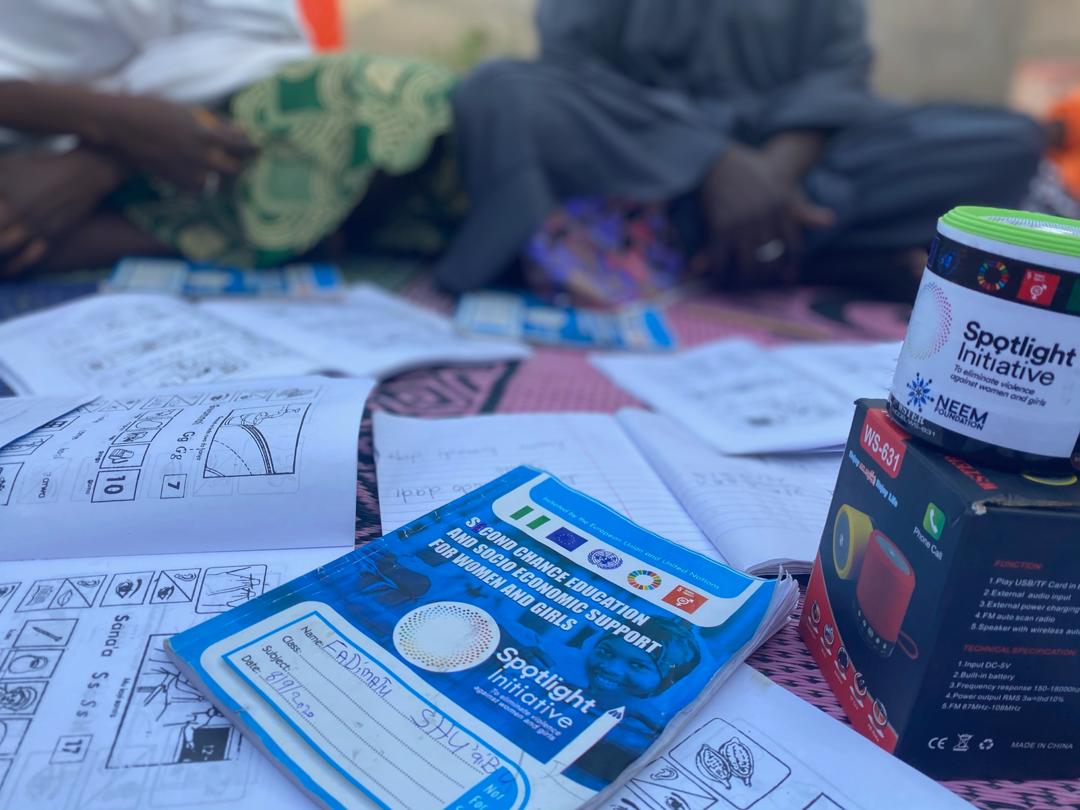
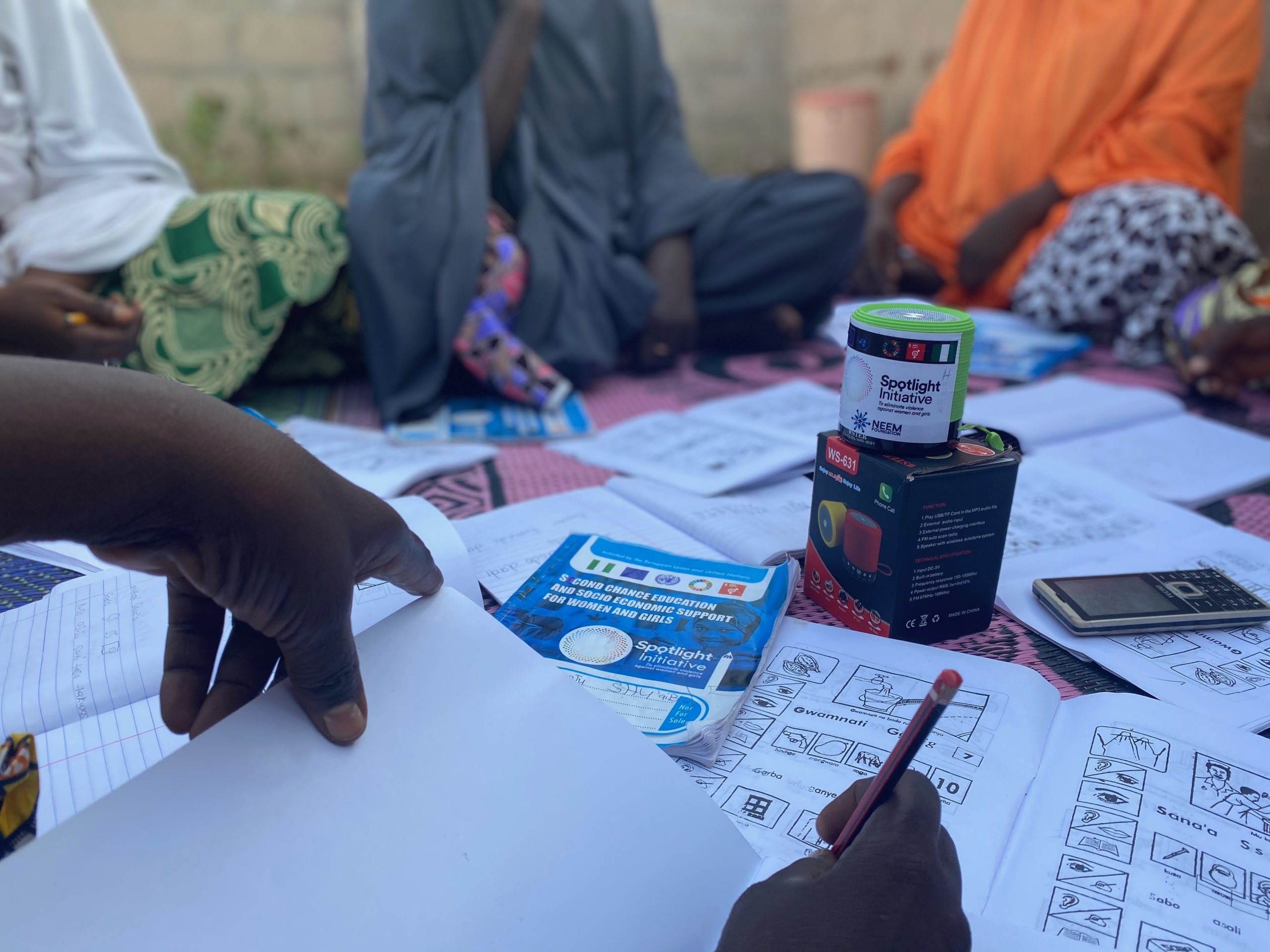
Transistor radio and notebooks distributed to cluster of students
“The COVID-19 pandemic led to the closure of all schools. For the majority of our learners, they could not and still do not have access to the internet and could not afford e-learning platforms,” says Alhassan
A broadcast and tele-therapy solution
As COVID-19 disrupted learning for thousands of beneficiaries, NEEM Foundation adopted a new initiative to reach the women and girls at risk.The foundation distributed transistor radios to their registered beneficiaries to help them continue with their lessons which are aired in local languages to clusters of 10 women and girls in 10 communities across the state.
Students in cluster receiving lessons via radio
During one of the lessons, we found Ahmad seated on a large mat with nine other women, holding a pencil, as they all listened in for instructions on how to solve an exercise earlier announced by their teacher via a transistor radio. The station was tuned to Garkuwa FM, a broadcast programme which started airing radio lessons during the lockdown period in Sokoto.
“Over 1,000 beneficiaries were enrolled on the radio school programme and at least 4,000 women and girls benefited indirectly from the classes in neighbouring states,” Alhassan disclosed.
The radio school programme is not the first of its kind in Nigeria. Earlier, the Niger State government had adopted a similar approach to curb the adverse effect of COVID-19 on education. The Niger State Basic Universal Education Board (NSUBEB) started a radio programme, running for 30 minutes daily, airing all subjects for primary and secondary schools in the state. However, the state government in a report about the initiative said that it could not assess the number of beneficiaries of the programme.
For women and girls like Ahmad who needed counseling sessions, NEEM Foundation adopted a tele-therapy solution in which registered beneficiaries were able to talk via telephone with psychologists at least twice a week, depending on the need of the survivor.
Those without telephones were reached through mobile devices distributed to selected leads of the women’s cluster groups.
“It helped women and girls become their sister’s keeper,” Alhassan explained.
But the approach also had hiccups. Factors like poor network and availability of survivors to speak on the phone at specific times frustrated efforts, says Ocheho.
As much as the organization found ways to overcome challenges presented by the realities of COVID-19, the big question remains whether its approach of addressing vulnerability factors is an effective response to tackling SGBV, especially when in Nigeria, policies to protect the rights of women and girls exist only as paper tigers.
Does the approach help?
There are reports showing that empowering women directly addresses gender inequality – the driving factor of SGBV, according to the UN general assembly, which in 1993 recognised that violence against women is a manifestation of unequal power relations between men and women. And there are also studies showing that economic empowerment of women have resulted in increased GBV.
In a 2012 research report by Governance and Social Development Resource Centre (GSDRC), it submitted that the connection between economic empowerment and violence against women is an inverted ‘U-shaped relationship’.
“Where women have long-established economic power, they tend to be at lower risk of violence. However, where women’s economic power is in transition, men are more likely to feel threatened by this, and there is often a (relatively) short-term spike in male violence against women,” the report reads in part.
An immediate advantage can be recognised when girls like Aminu and women like Ahmad are empowered to function and thrive in society. However, for this to be successful, the states have to domesticate the VAPP Act.
In the meantime, outreach programmes such as those being delivered through community radio stations are providing the much-needed support.
*This report was supported by the Africa Women Journalism Project (AWJP) in partnership with the International Center for Journalists (ICFJ).
BABAGANA Monguno, national security adviser, has denied saying that money meant for arms were missing under the leadership of former service chiefs of the country.
Monguno denied the statement earlier attributed to him during an interview with BBC Hausa on Friday.
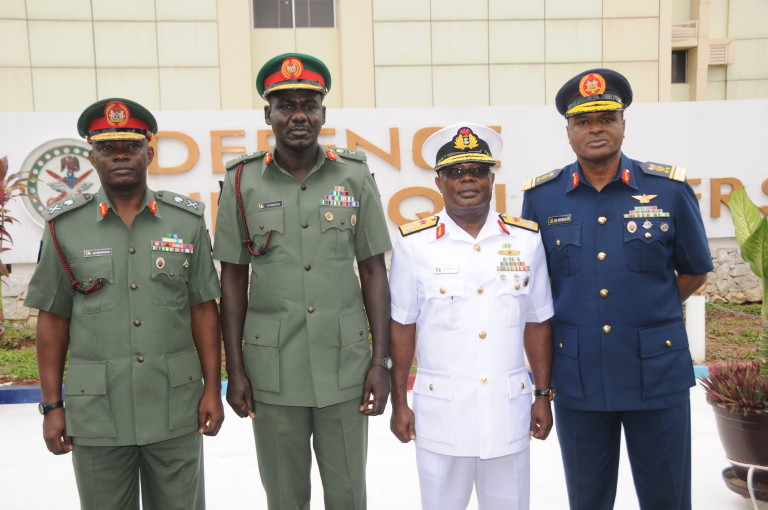
The former service chiefs, now appointed non-career ambassadors, are Abayomi Olonisakin, former chief of defence staff; Tukur Buratai, former chief of army staff; Ibok Ekwe Ibas, former chief of naval staff, and Sadique Abubakar, former chief of air staff.
Earlier on Friday, the NSA was reported to have said that huge funds meant for the purchase of arms were missing during the tenure of the former service chiefs.
Monguno had said that he was not implying that the funds were diverted by the former service chiefs, stressing, however, that the money was not there, so were the arms.
“The president has done his best by approving huge sums of money for the purchase of weapons, but the weapons were not bought, they are not here. Now, he has appointed new service chiefs, hopefully, they will devise some ways.
“I am not saying the former service chiefs diverted the money, but the money is missing. We don’t know how, and nobody knows for now. I believe Mr President will investigate where the money went,” Monguno said.
He had noted that the Nigerian Governors’ Forum and the new service chiefs had also raised concerns about the whereabouts of the funds meant for arms purchase, adding that preliminary investigation had shown that neither the money nor arms were in the military.
However, against his assertions during the interview, a statement from the Office of the National Security Adviser late Friday evening said Monguno was ‘quoted out of context.’
According to the statement, the NSA meant that the president had ‘provided enormous resources for arms procurement, but the orders were either inadequate or yet to be delivered and that did not imply that the funds were misappropriated under the former service chiefs.”
On whether President Muhammadu Buhari was investigating missing arms in the military, the statement read that the president was only following up on the procurement process.
DEATHS from insecurity in Kaduna State in 2020 were three times higher than those recorded in five states in the North-East within the same year, The ICIR can report.
On Wednesday, March 10, the Kaduna State government released the state security report for the year 2020, which shows that 937 persons were killed by bandits and other criminals in the state within the year.
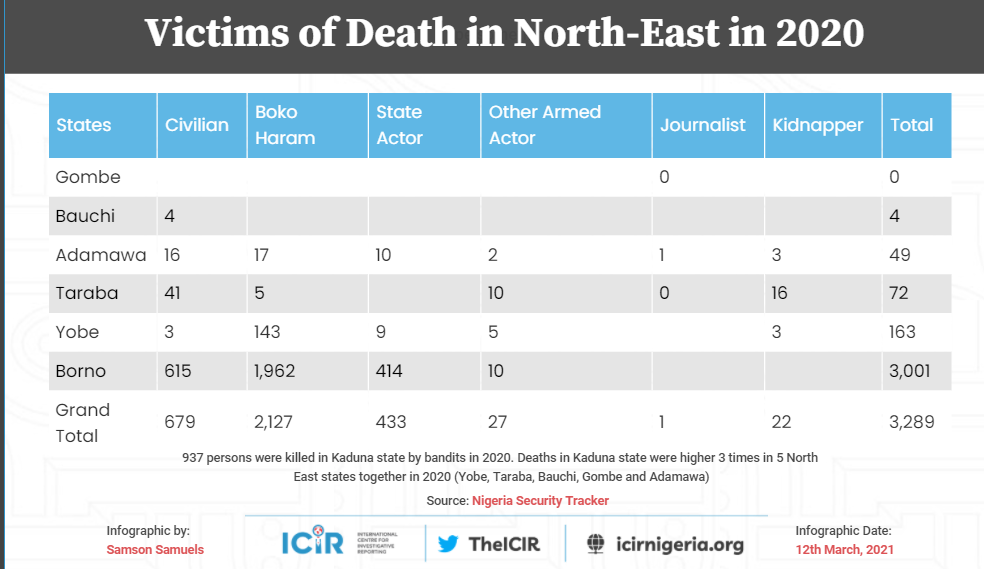
According to data obtained from the Nigerian Security Tracker, the figure is much higher than what was recorded within the year in five North-East states of Adamawa, Bauchi, Gombe, Taraba and Yobe.
Nigeria Security Tracker, sponsored by the New York-based Council on Foreign Relations, said there were 288 deaths due to insecurity in the five states within the period.
Victims of Death in North-East in 2020. Infographics by Samson Samuels
All deaths from insecurity within the year captured civilians, insurgents, military, police, local vigilantes, kidnappers and other persons involved in the region.
In Adamawa, there were 49 deaths; Bauchi saw 4; Taraba witnessed 72, and Yobe had 163 deaths arising from insecurity in 2020, data from the Nigerian Security Tracker show.
There was no death linked to Gombe’s insecurity, but Borno, the epicentre of insurgency in Nigeria, recorded 3,001 deaths.
Submitting the Kaduna state security report to the governor of the state, Samuel Aruwan, Commissioner for Internal Security and Home Affairs in the state, said
1,972 people were kidnapped, while 7,195 cattle were rustled within the year.
Aruwan said victims of kidnapping, banditry and other criminal activities cut across all ethnic and religious groups in the state.
According to him, Igabi Local Government Area has the highest figure of the number of deaths from insecurity in the state, with 152, followed by Kajuru, 144.
Four local governments in the state central senatorial district, comprising Birnin Gwari, Igabi, Giwa and Chikun, have 468 deaths, representing over 50 percent of people who died from insecurity-related issues in the state in 2020.
‘’The southern senatorial district accounts for 286 deaths, which is about one-third of the total, due in large part to sporadic clashes, alongside banditry which triggered attacks and counter-attacks, especially between June and November 2020,” Aruwan said.
He added that out of 1,972 people kidnapped within the period, Kaduna central senatorial district accounts for 1,561. Of the total, 1,461 were kidnapped within Birnin Gwari, Igabi, Giwa and Chikun local government areas.
Nasir el-Rufai, the state governor, reiterated that he would never negotiate with bandits and other criminals under whatever guise while receiving the report.
El Rufai said the government had invested in technology to help secure the state, adding that close circuit television was being deployed in Kaduna metropolis. At the same time, options for consistent operations of its drones were being explored.
Governor El-Rufai visited communities in Kajuru Local Government that were attacked on February 11, 2019. 66 people died in the attack.
The governor added that the state had collaborated with its neighbouring states to tackle insecurity by funding military operations against bandits in the Kamuku-Kuyambana forest range in 2015.
He then regretted a halt in the operations. He revealed that failure to contain and defeat the bandits and other criminals had emboldened them to further wreak havoc on people and communities and threaten the nation’s unity.
“The security of our communities depend on the robust projection of state power, and that can only be done with sufficient security numbers to overawe and deter criminals,’’ he stated, as he called for decentralisation of policing in the country.
Brief note about security crisis in Nigeria’s North-East
Late Mohammed Yusuf led a group of youths opposed to western ideals at the beginning of this century in Borno state. After a few years, the group transmuted into a terror group, wreaking highly devastating attacks on public facilities and communities.
The group, later known as Boko Haram, has since rendered many communities in Borno, the epicentre of the crisis, uninhabitable, as most basic amenities in them such as schools, health facilities, means of communications, among others, have been destroyed in the insurrection. A string of bombardments was also carried out in neighbouring Yobe and Adamawa states by the sect, resulting in loss of life, displacement of people and large-scale destruction of communities.
Many people, including mothers and children, have been abducted for ransoms by the sect, while many abductees have been killed. United Nations reports that more than 1,000 children were abducted by the sect in the North-East, including the 276 kidnapped in Government Girls Secondary School, Chibok, Borno state on 14th April 2014 and another 110 students at Government Girls’ Science and Technical College (GGSTC) in Dapchi, Yobe state, on February 19, 2018.
Activities of insurgency in Nigeria have produced many orphans, widows and widowers. An estimated 3.2 million people are displaced, including over 2.1 million internally displaced persons (IDPs) in the North-East; over 684,000 IDPs in Cameroon, Chad and Niger and 304,000 refugees in the four countries, according to United Nations High Commissioner for Refugees (UNHCR).
On Wednesday, March 10, 2021, The ICIR reported how 5,000 refugees in Cameroon returned home to Borno after fleeing the belligerents’ onslaughts for years.
Boko Haram killed about 30 travellers, burnt 18 vehicles at Auno, Borno State, on February 9, 2020. Source: Pulse
A sustained war between the group and the Nigerian military had resulted in the occupation of some local government areas of Borno and Yobe by the insurgents. Most of the occupied communities have been retaken by the Nigerian military.
While Nigerian security forces launching an offensive against the insurgents are backed by regional and security forces of contiguous countries, namely Chad, Cameroon and Niger, Boko Haram blossoms with support from the Islamic State West African Province (ISWAP), which it has named itself after.
The most recent attacks by the insurgents in the North-East with many casualties were the slaughtering of over 70 farmers on a rice farm in Zabarmari, Borno state, in November 2020.
How sect almost tore the heart of Nigeria’s capital
Boko Haram expanded its offensives beyond the North-East with the bombing of Nigeria police headquarters in Abuja on June 16, 2011. Two months later, the group attacked the United Nations Building in the same city on August 26, 2011. Another deadly attack was launched by the group on a church during a mass on Christmas Day near the nation’s capital, killing 41 people. The last assault by the group on Abuja was carried out on the edge of the capital on April 13, 2014. The attack claimed over 70 lives.
The group has carried out attacks in Kano, Bauchi.
Different figures have been estimated as deaths from the insurgency in Nigeria, but Nigeria Security Tracker said there had been 37,500 casualties since May 2011.
Reported cases of attacks on Kaduna by bandits in Kaduna
Kaduna, located in North-West Nigeria, has been reeling under bandits’ attacks over the past years. On Saturday, November 28, 2020, two children were abducted after six people had been killed at Ungwan Bido village and Ungwan Pah village in Jema’a Local Government Area of the state.
On October 3, 2019, The ICIR reported how six students and two teachers were kidnapped in Kaduna.
On Friday, January 29, 2021, 21 passengers were reportedly kidnapped along the Kaduna-Kachia road.
In December 2020, kidnappers reportedly killed their victim after they had collected ransom, even as the military foiled another attack in the state.
Samaila Inusa, a military colonel, was abducted and killed by bandits in March 2016 in Kaduna state.
In December 2020, Sani Khalil was killed was by his captors two weeks after he was abducted from Rigasa area of Kaduna State.
Reporting on worsening insecurity in the nation on July 28, 2020, The ICIR had detailed how 142 persons were killed and 44 others were kidnapped in the northern part of the country within six days.
On Saturday, March 6, 2021, bandits attacked the Kaduna Airport and reportedly whisked away nine people.
Similarly, on Wednesday, March 10, the bandits also reportedly attacked Igabi, Giwa and Chikun local government area of the state, killing seven people and burning houses.
Bandits carried out yet another attack on the Federal College of Forestry in Kaduna and abducted many students on Friday, March 12, 2021,
The number of students abducted in the attack was not available at the time of filing this report.
The spokesperson of the state police command, Mohammed Jalige, confirmed the assault.
The attack came days after President Buhari boasted that the Jangebe abduction in Zamfara would be the last in the country.
Security agencies neutralize, arrest criminals, despite growing insecurity in the state
Though insecurity in the state and other parts of Nigeria is worsening, security agencies in the country are apprehending and neutralizing as many criminals as they could get. In April 2020, police arrested the suspected killers of Nnadi Michael, a seminarian at the Good Shepherd Major Seminary, Kaduna. Michael, one of the four kidnapped students from his school, was killed after spending three weeks with his captors.
Motorists stopped by abductors along the Abuja-Kaduna highway. Source: Daily Nigerian
In late November 2020, the military rescued 39 kidnap victims and killed bandits in the state.
Similarly, in November 2020, some gunmen suspected to be kidnappers abducted six persons, including a nursing mother with her three-week-old baby in the state.
In February 2021, troops of the Nigerian navy apprehended three suspected kidnappers in Kujama, Chikun local government area of Kaduna.
The Kaduna state police command said on December 31, 2020, that the command arrested 29 suspected kidnappers and 53 others who committed various crimes from October 31st to December 31st.
Fighting erupted between rival kidnappers groups in the state in December 2020, leading to the death of notorious banditry and kidnap kingpin, terrorising Kaduna-Abuja highway and other parts of Kaduna State, Nasiru Kachalla, and other criminals in the groups.
The Kaduna State government revealed on March 4, 2021, that bandits commander Rufai Maikaji was neutralized with some of his gang in late February by the Nigerian Air Force.
Maikaji, who was allegedly operating in Birnin Gwari axis of the state, and responsible for many killings and kidnappings in the state, was said to have been killed in an air raid.
In July 2020, the police said they apprehended 207 bandits, rapists and kidnappers terrorizing communities in the state.
Kaduna, Niger, Katsina faced cases of abduction of school children in past weeks
On February 17, 2021, shooters dressed in military uniforms attacked Government Science College (GSC) in Kagara, Niger, and whisked away 42 children from the all-boys school. One of the boys was killed by the assailants during the operation. They were later released 10 days after.
Similarly, over 300 schoolgirls were abducted at Jangebe Government Girls’ Secondary School, Talata-Mafara, Zamfara state, on February 26, 2021.
Earlier, on December 12, 2020, shooters had abducted over 300 children at Government Science Secondary School, Kankara, in Kankara Local Government Area of Katsina State, shortly after President Buhari visited the state. They were released five days later.
On February 27, 2021, The ICIR detailed how 881 school children had been abducted under the Buhari administration.
No amnesty for criminals, Buhari’s government says
An Islamic scholar, who appears to be mediating between the Nigerian government and the bandits, has recently advocated amnesty for the bandits.
But President Buhari said he would treat all non-state fighters and other criminals as enemies of the state. He ordered security agencies in the country to shoot such persons dead on sight.
Nigeria has anti-kidnapping laws, but crime persists
Parents besieged school after school children were abducted. Source: BBC
Anti-kidnapping laws in place in states, but the crime rate worsens.
Some state governors have signed anti-kidnapping bills into law to curb the crime within their jurisdictions.
In the anti-kidnapping bill signed by Abdullahi Ganduje, Kano state governor, kidnappers who kill their victims face the death penalty. In contrast, those who kidnap but do not kill their victims will be sentenced to life imprisonment.
Bello Masari, Katsina State governor, had in May 2019 approved maximum sentence for kidnappers and rustlers in the state by signing the amended Penal Code Law in the state.
In February 2019, Abdullahi Sule, Nasarawa state governor, signed into law the “Nasarawa State kidnapping Act Prohibition Law 2020” and “Child-Protection Executive Order” Bill. The law prescribes death penalty kidnappers in the state.
Muhammed Abdullahi, former Bauchi state governor, had signed the bill seeking death penalty and life imprisonment for kidnappers in his state in March 2017.
Similarly, Bayelsa state, through Seriake Dickson, its former governor, had its anti-kidnapping law in 2013. The law recommends a maximum penalty for persons who indulge in the crime.
In March 2020, the Osun state House of Assembly approved death penalty for kidnappers in the state.
Some other states which have approved maximum punishments for kidnappers are Nasarawa, Plateau, Lagos, Benue, Enugu, Kogi, Delta, Imo, Akwa-Ibom, Rivers, Edo, Abia, Kaduna and Kano.
The Nigerian Senate had, on Thursday, September 29, 2017, approved death sentence for kidnappers in the country. The bill also prescribes 30 years jail term who persons who collude with kidnappers.
The ICIR’s data on kidnapping between 2011 and January 2021 show a total of 849 kidnap incidents in the country, leading to 529 deaths. A total of 1,990 persons were kidnapped, and security agencies neutralized 288 kidnappers.
The crime peaked in the country in 2020, as 219 cases and 110 deaths of victims were recorded. The number of victims was 601, and the security men killed 58 of the kidnappers. The year 2011 recorded the lowest case with only one kidnap case and one death. But in January 2021 alone, 20 cases were recorded. There were 10 deaths. 96 persons were kidnapped; the security agents killed eight kidnappers.
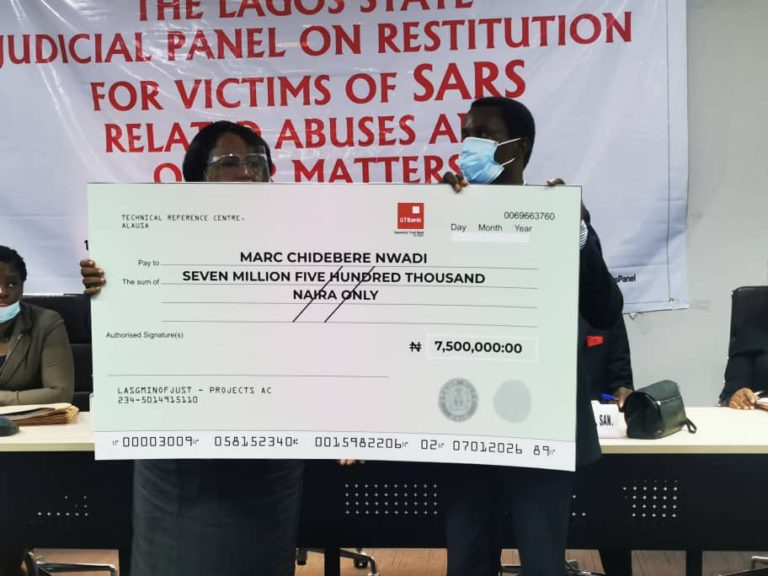
CHIDIEBERE Nwadi, who spent six years in Kirikiri prison while awaiting trial, has been awarded the sum of 7.5million naira by the Lagos State Judicial Panel of Inquiry.
Doris Okuwobi, chairperson of the panel, who delivered the judgment on Friday, said the petitioner suffered a lot in the hands of the police officers because he could not offer them bribes.
“His inability to provide bribes led to trumped-up charges. As a result, he was kept in the awaiting trial section of the Kirikiri maximum security for six years,” Okuwobi said.
Nwadi was said to have been tortured and incarcerated by police officers before being taken to Kirikiri where he was kept for six years.
Okuwobi presented the 7.5 million naira cheque to the petitioner on behalf of the state government, saying the petitioner was never tried or sentenced for any crime.
“Despite enduring a long six-year stay in prison and losing a vital part of his youth and opportunities, he was never tried,” she said.
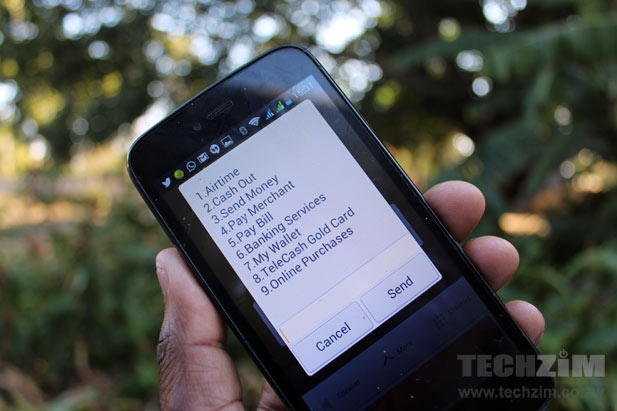
THE Association of Licensed Telecommunication Operators of Nigeria (ALTON) has threatened to withdraw Unstructured Supplementary Service Data (USSD) services to financial service providers (FSPs) starting from March 15.
ALTON made this known on Friday in a statement signed by its chairman, Gbenga Adebayo, and head of operations, Gbolahan Awonuga.
The association said with the agreement of the minister of communications and digital economy and the Nigerian Communications Commission (NCC), the mobile network operators would disconnect FSPs from USSD services until their huge debt was paid.
ALTON noted that its members were initiating a phased process of withdrawal of USSD services, starting with the most significant debtors within the FSPs, effective March 15.
It said that members had continued to provide USSD services because their primary concern was to ensure that millions of Nigerian customers accessed financial services through USSD infrastructure every day.
“Unfortunately, due to huge indebtedness and the possibility to agree on a structure for these payments without asking end-users to pay, the government has been forced to intervene.
“The government intervened to ensure that a sustainable cost-sharing solution is agreed on so that consumers do not get affected in the long-term,” the statement read in part.
ALTON also stated that its members deeply regretted reaching a point where the withdrawal of these services had become unavoidable, adding that they would remain committed to working closely with the relevant ministries and regulators to resolve the issue as quickly as possible to minimise disruption to customers.
According to reports, the NCC did not charge banks for using USSD to provide financial services due to the benefit of boosting digital financial inclusion in Nigeria.
However, in January, NCC released a directive stipulating the issuance of licenses to banks and other institutions for the USSD services.
In the directive, for banks to provide USSD services to their customers, it would attract 10 million naira as an allocation fee, while the renewal fee was fixed at 10 million naira. For non-core financial institutions, it would be 6 million naira allocation fee and 6 million naira renewal fee. Microfinance banks would pay 500,000 naira for allocation and 500,000 for renewal.
Umar Garba Danbatta, executive vice chairman of the Nigerian Communications Commission (NCC), had said commercial banks in the country owed telecommunications companies over 17 billion naira following the regulator’s suspension of its Determination on Unstructured Supplementary Service Data (USSD) Pricing in 2020.
THE Nigerian government has apologised for the increase in price of petrol earlier announced by the Petroleum Products Pricing Pricing Authority (PPPRA) on Friday, saying the hike is completely untrue.
Timipre Sylva, minister of states for petroleum, who stated this in a statement on Friday, said the decision did not get his approval or that of President Muhammadu Buhari.
He noted that it was unthinkable for the government to abandon the ongoing consultation with labour leaders to suddenly hike the price of fuel without a mutual agreement on the issue.
While calling on marketers to maintain the current price, he urged Nigerians to disregard the misleading information.
“You are all aware that for the past few months, the govt has been in consultation with the organised labour to find the least painful option to respond to the global rise in the price of crude, which in turn has inevitably led to an increase in the price of PMS. It is unthinkable that govt would unilaterally abandon these discussions and act in the manner suggested by the information under reference,” he said.
“I would like to equally assure you that the engagement with organised labour and other stakeholders will continue even as the calculations to arrive at a reasonable price regime are being done; all in good faith, and you will be availed of the final outcome at the appropriate time.
“Until then, all marketers are strongly advised to maintain the current pump price of PMS before the emergence of this unfortunate information. Those who may want to take advantage of this unfortunate misinformation to extort Nigerians should not give in to such temptation as there are regulatory mechanisms that govt can enforce to protect its citizens.
“In conclusion, I want to sincerely apologise to all Nigerians for any distress and inconvenience the unfortunate information might have caused.”
The ICIR had reported how the PPPRA announced an increase in the price of petrol from 186 naira to 212.6 naira per litre, contradicting a recent statement by the Nigerian National Petroleum Corporation (NNPC) assuring Nigerians that there would not be an increase in the price of petrol in the country.
The development has also sparked a lot of reactions from Nigerians on the social media, with many lamenting the effect that the increase would have on food prices and transportation in the country.
Others called for a protest, noting that the Buhari’s administration had failed the masses
THE National Primary Health Care Development Agency (NPHCDA) has said that reported side effects from the use of AstraZeneca vaccine in Nigeria have been mild.
This is contained in a statement signed by Mohammad Ohitoto, NPHCDA head of public relations, on Friday, following growing concerns about the AstraZeneca vaccine across the world.
According to Ohitoto, NPHCDA was aware of the ‘precautionary concerns’ about a specific batch of the AstraZeneca vaccine, namely ABV5300, saying that investigations had been launched into it.
“While we await the outcome of the investigations, it is important to clearly state that Nigeria did not receive any doses from the batch of vaccines which are at issue. Vaccinations in Nigeria started earlier this month and we have not observed any similar adverse reactions. All side effects reported by those who have been administered the vaccine have been mild,” Ohitoto said.
He added that the NPHCDA was satisfied that the clinical evidence certifying Oxford-AstraZeneca vaccine safe and effective, stressing that Nigeria’s assessment was in line with countries such as Spain and the UK who had indicated that they would continue to administer the vaccine.
The statement read that the safety of vaccines delivered to Nigeria was paramount to the Presidential Task Force on COVID-19 which had led to enhanced multi-sectoral collaboration among stakeholders and technical entities, including the World Health Organisation (WHO).
NPHCDA further stated that it would continue to monitor the developments regarding the ABV5300 batch and would share further information as it became available.
“In the meantime, we encourage Nigerians who are among those being prioritised in the current phase to continue their confidence and enthusiasm for our vitally important national vaccine programme. Together, we can save lives,” the statement read in part.
The ICIR had reported how some European countries and Thailand suspended the administering of the AstraZeneca vaccine due to reported cases of blood clot death.
Europe, Denmark, Iceland and Norway have stopped administering the AstraZeneca vaccine as investigations have commenced into the cause of the reported cases. Italy has also suspended a batch of the vaccine.
Latvia and Austria said they would stop using doses from a separate batch of the vaccine, ABV5300, which had been linked to death from coagulation disorders and an illness from a pulmonary embolism in Austria.
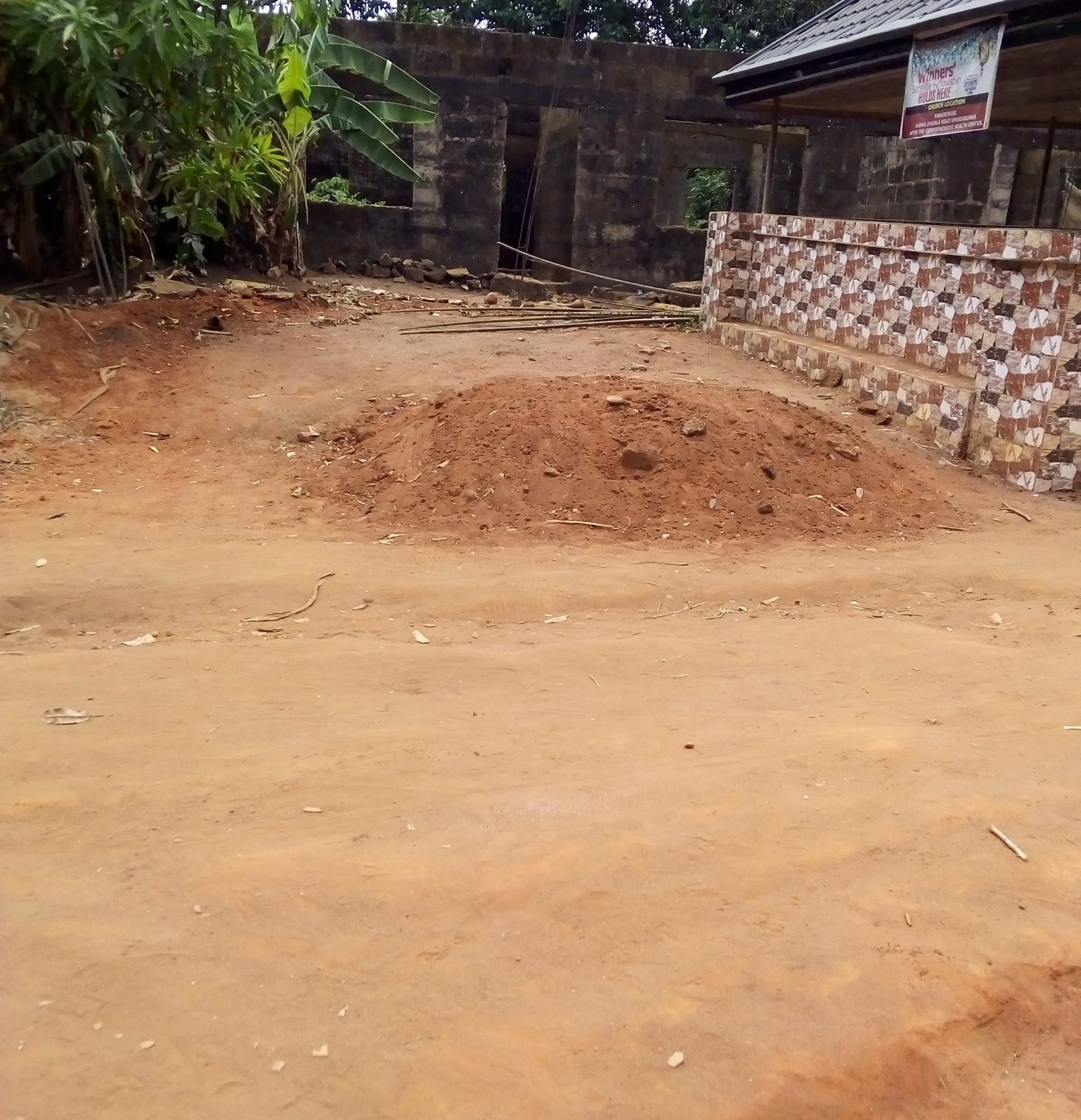
Umuocha is located in Mbaitoli Local government area of Imo state in Nigeria. Residents of the community would not forget in a hurry the incident occasioned by the EndSARS protest that took place in October 2020, which led to the fracas and the attendant tragedy that still plague the land as at the time of this report. When this reporter visited the community, there was somberness and strange quietness except for the occasional sound of moving vehicles and few persons sighted outside their homes. Also, there was a heavy presence of the army in strategic locations within the community. In this REPORT, OLANDREWAJU OYEDEJI examines the alleged cases of human rights abuse and crimes that characterised the EndSARS protest and the military attack against the people of Umuocha, Awo-Mbieri and Orlu communities.
How the fracas started
Last October, the media was awash with stories of how youths protesting police brutality in the country set ablaze the Nwaorieubi Police Divisional Headquarters in Mbaitoli Local Government Area of Imo state, freed inmates and killed two soldiers in the process. When this reporter visited the scene of the incident three months after to report the root cause of the crisis, the ruins of the police station burnt by the mob remained visible, yet the police officers are there occupying the preserved part of the building.
According to an eye-witness who pleaded for anonymity for his safety, the problem started when a group of youths visited the Nwaorieubi police station chanting “EndSARS, EndSARS’, and demanded the release of prisoners whom they said were innocent. The agitation continued until the divisional police officer was compelled to order for the cells to be opened.
Nwoerubi community, Imo State
“The divisional police officer was scared because protesters were taking over the station, so he ordered that cell be opened. When they opened the cell, one of the police officers shot out of fear. And the mob asked immediately that the police should identify the officer that shot but none was produced,” the eye-witness who owns a business close to the vicinity narrated.
This angered the protesters and they began to burn down the police station. And many prisoners escaped (the number cannot be ascertained as at the time of this report). When the matter got out of hand, police officers also abandoned the building and ran for their lives.
Corroborating this, another resident who identified himself as Alex recounted: “The only thing heard in the community before the incident of burning down of the station was EndSARS, EndSARS which we did not expect to become very fatal, I went out afterwards but came home with luck that my family escaped”.
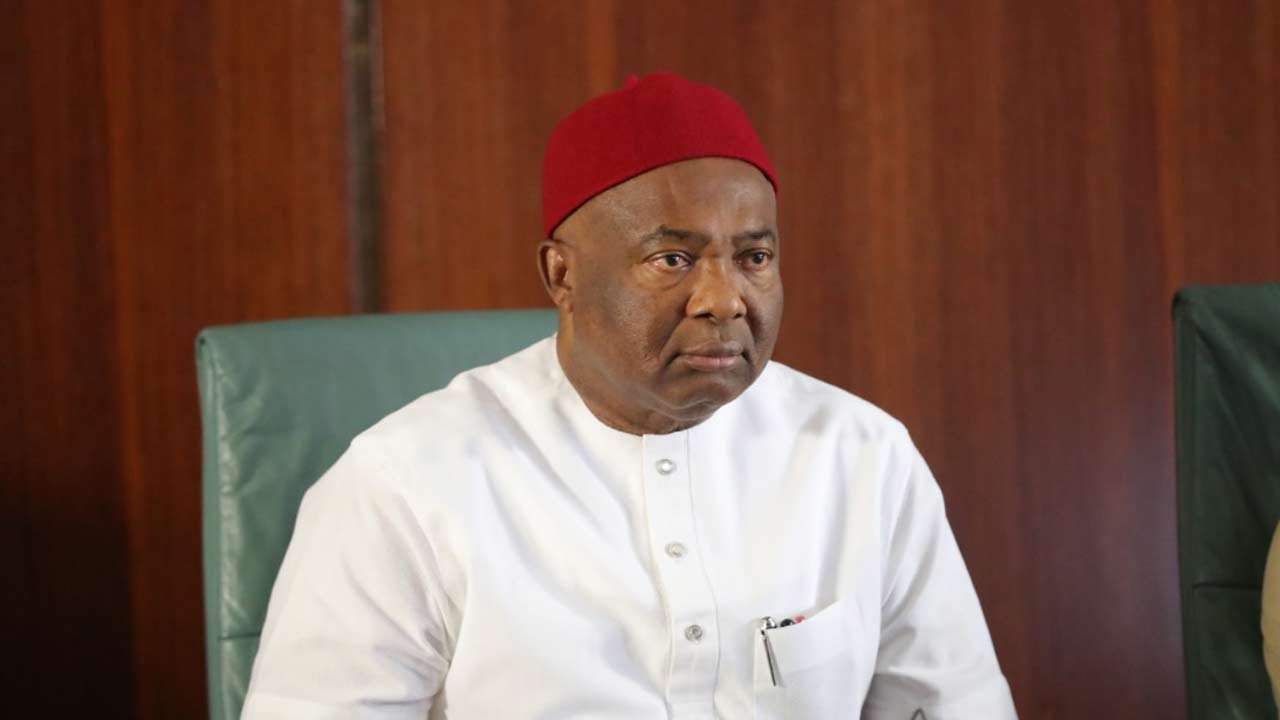
Hope Uzodinma, Imo State Governor
The Nigerian Army to the rescue
After burning down the station, the youths who allegedly were armed with guns attempted to leave the vicinity through the Army check-point at Umuocha but were denied passage, leading to a confrontation with personnel of the Nigerian Army.
“The soldiers stood their ground and refused to allow them passage, the boys said they were not there for the army, they had already completed their mission. One of the Army officers then shot at the hoodlums, it was at this point that the exchange started and we all started running helter-skelter, they killed two soldiers and one Army officers with an axe when bullet did not penetrate him, one of the soldiers escaped,” a resident identified as Fidelis told our reporter.
Speaking further, he said: “They burnt both the vehicle and the Army check-point because after the death of the personnel, others ran away leaving behind their equipment. In another 30 or 45 minutes, we saw Army Hilux in their numbers in our community, they started shooting sporadically and it was at this time that we started picking race. My mum and dad had to lie down on the floor; I was the one that told them to do so. We believed that young men maybe the target but old persons may still be respected by the soldiers on the rampage”.
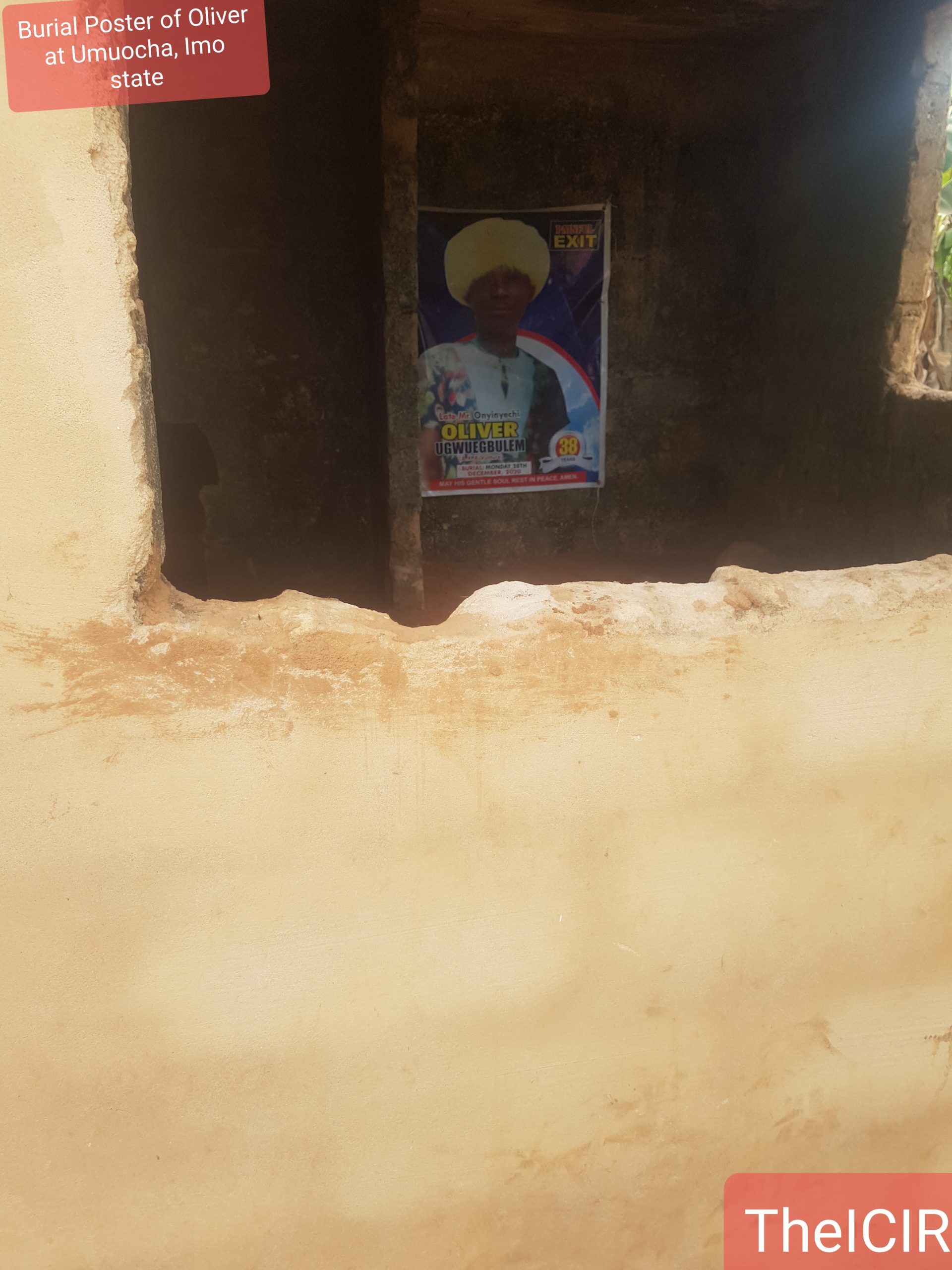
Burial Post of Oliver at Umuocha, Imo State
Fidelis lamented that the Nigerian Army personnel in revenge for the death of their colleagues attacked the community close to their check-point despite knowing that the youths were not from the community – “My unhappiness or that of this community is that the Nigerian Army attacked this community leading to loss of lives despite knowing that the hoodlums cannot and are not from this community. As you can see, this place is now a shadow of itself,” he noted.
Another source confirmed to The ICIR that the soldiers attacked some communities in Umuocha, believing that most persons staying there are indigenes and they should know those who attacked their men. Multiple sources also confirmed Army’s attack on Umuocha, and the death of indigenes.
That same day, angry soldiers reportedly stormed Nwaorieubi where the police station had been razed down and started shooting sporadically leading to several deaths. This newspaper was able to identify at least seven persons who lost their lives that day from the shooting and has decided to use only their first names as sources requested.
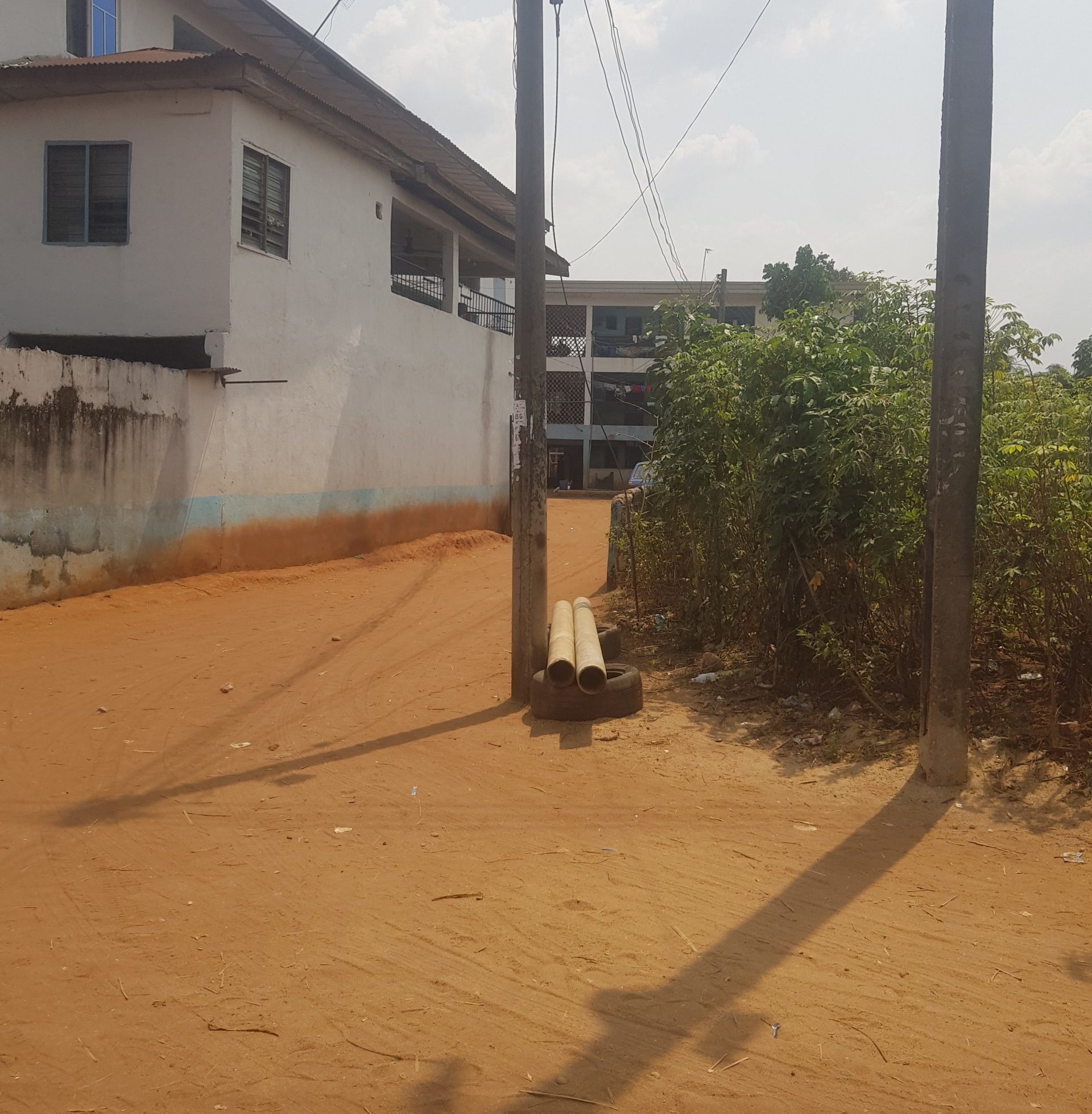
This investigation confirms that a 38-year old man, Onyinyechi Oliver, was killed by stray bullet which pierced his heart at a T-junction within the community. He was later framed up as a “bad guy”.
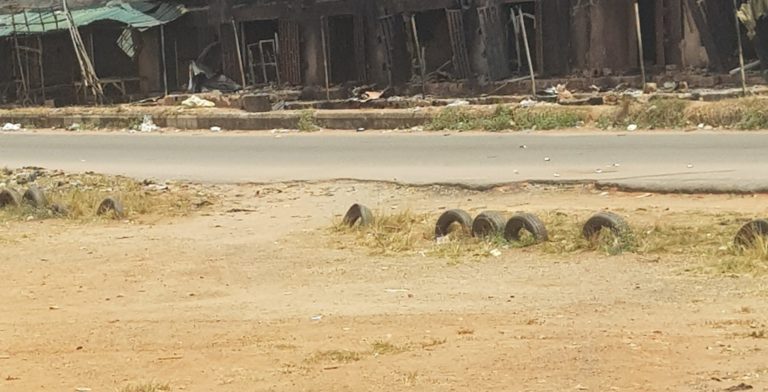
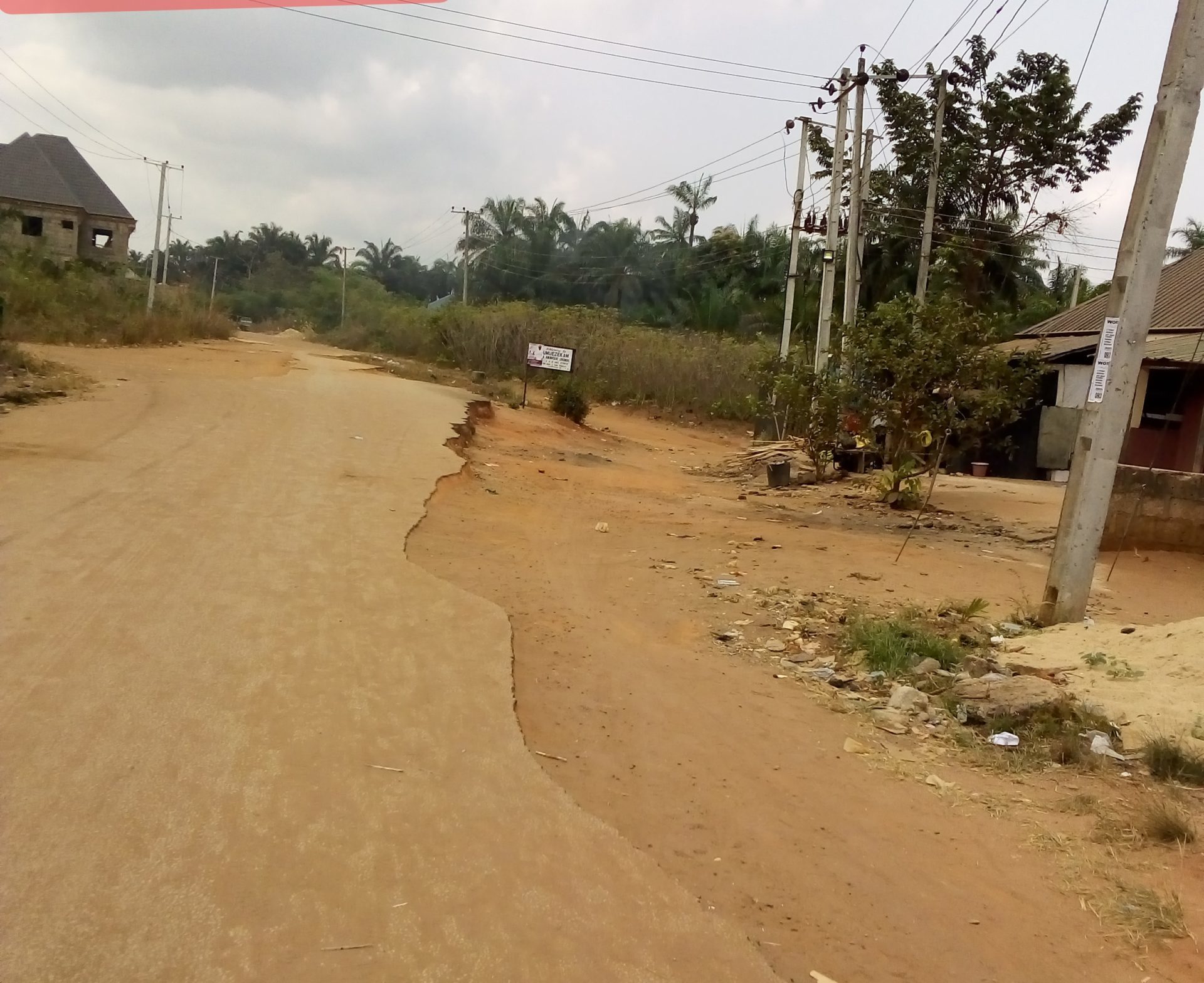
The junction where Oliver was reportedly gunned down
“When the family attempted to hold a burial ceremony for him, the soldiers refused to allow that to happen, they claimed that Oliver was a ‘bad guy’ before his death. His wife has been left distraught by the incident,” a source told our reporter
Onyiyechi’s house was deserted when we visited. His grave was covered with sand while the poster made by his family for his burial event which was refused by the Nigerian Army still lay on the wall of his building (picture below).
Another victim, Benedict Dioku, said to be in his late forties was also killed in Nwaorieubi. He ran all the way from Umuocha to his untimely death according to an eyewitness.
Graveside of Benedict Diakwu
“Benedict was caught in the sporadic shooting by the soldiers from Umuocha, so he ran all the way from Umuocha to Nwaorieubi. Even-though he could escape shooting at Umuocha, he could not escape being gunned down at Nwaorieubi. The Army personnel shot him upon sighting him from where they were shooting; we could not do anything” a resident who witnessed the incident recounted the helplessness of the community.
The reporter visited Benedict’s house where his brother narrated how life has been hard since his demise. He noted that it took the intervention of the court before Benedict’s body could be released.
“We had to go to the court to fight for release of his body, the survival of his family is a big issue now, I am the one fending for the family and it is not easy” he said. Benedict’s father did not utter a statement throughout the interview.
Benedict had six children before his death; the eldest is 14 years old. To make ends meet, his wife started a food vendor business as a means to sponsor her children to school after the sudden death of their breadwinner.
Chisom worked as a plumber at Awo-Mbieri. He too fell from a bullet that day while trying to rescue a wounded young man who also was gunned down. Chisom attempted to save the fallen 20-year old man but was hit by a stray bullet, as everybody else ran away in the frenzy. Neither of them survived the bullet wound. Chisom, according to sources, left behind a pregnant wife who has now put to bed. His neighbors described him as good-hearted whose kindness cost him his life.
Benedict Dioku’s Wife
A medical expert, who examined the boy after his death told this reporter that the bullet hit him in the heart.
“I examined him and saw that the bullet hit his heart” he said.
Another resident told our reporter that the incident had forced his family to move out of the community, “What they did was unprecedented and they have moved out of this area ever after that, we have not heard about them again,” he said.
Other victims recount experiences
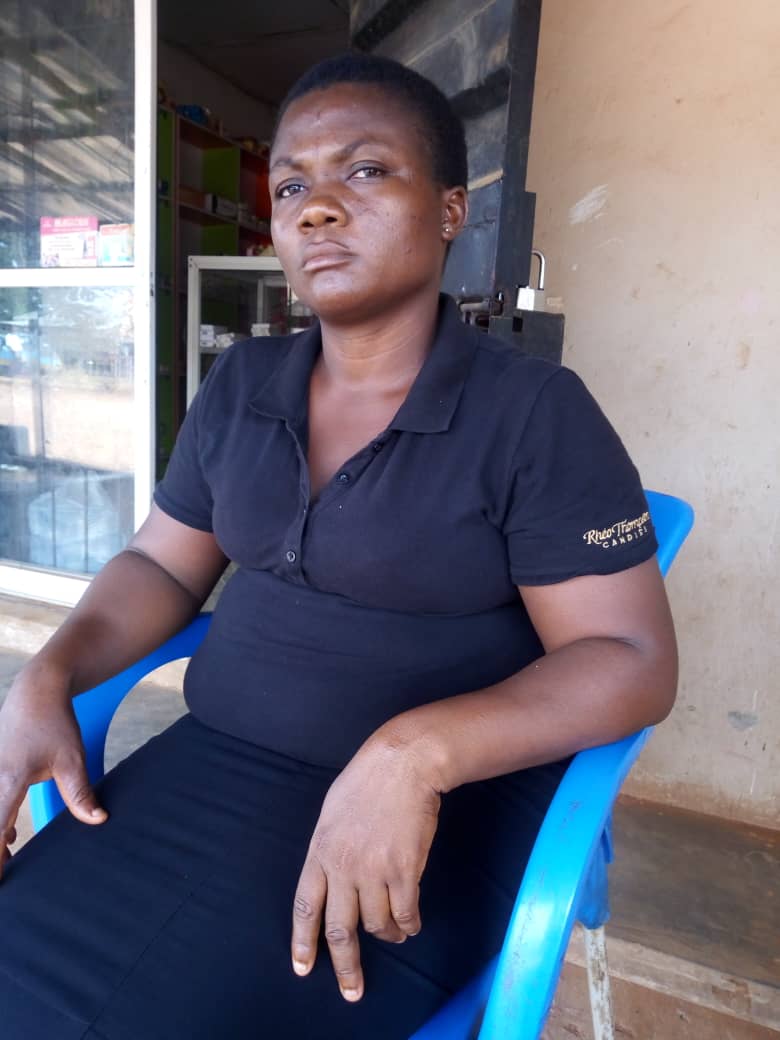
Alex, a pharmacist at Nwaorieubi shared his family experience during the incident, he told this reporter that his children still suffer psychological trauma as a result of the clash.
“My family was here at the time of the incident, I was not around when the Army came because they came after over three hours of the police station being burnt. Many persons were brought down by bullets. My family ran into the shop, in this shop, there is no window, I have little children. My kids were suffocating in the shop, even my daughter who was barely three weeks as at that time was not spared.
My daughter was three weeks old as at that time and my other three children were aged 2, 5 and 7 years respectively. My son whenever he hears a sound or police will start crying. It really affected us and even my business is affected as you can see that
20-year-old boy’s former apartment at Ada Mbieri
everyone is scared,” he lamented.
Another resident, identified as Chidi Eze who used to work as a mechanic was said to have been arrested by the police for allegedly stealing items from the police station while it was on fire. He has been in prison ever since, and even though his pregnant wife was delivered of twins, he has not been able to see his children, nobody also knows the state of the case nor his own state.
“There was a crowd invasion of the station during the burning down, everyone was scared and then ran to the police station to salvage things but the police came to arrest Chidi days after, they accused him of theft, we have yet to hear from him soon after. His wife was pregnant when he was arrested but she has now delivered a twin babies but we do not know of the state of their father” a friend of Chidi told this reporter.
A Chief in Nwaruebi, (name withheld) who resides at Mbaitoli but visited his hometown when the shooting occurred was lucky to escape with his life wearing only his briefs and a polo shirt. A relative of Charles told our reporter that “He had to abandon his car and run for his life. He was lucky to escape before the shooting spread to the village where he stayed. He is from Mbaitoli and only went home as an indigene of the village. We saw him and felt bad, he did not return to Nwaruebi till he left, I had to pick up his car days after the incident as he could not even go there himself,”
How Orlu crisis degenerated
The reporter later visited Okporo community in Orlu. Obioma, a resident of the community, where the incident reportedly started recounted his experience. He noted that the situation got heated when men dressed in black tops, black and red caps stormed Amawusa, a market in the area demanding that everyone in the area should evacuate the place.
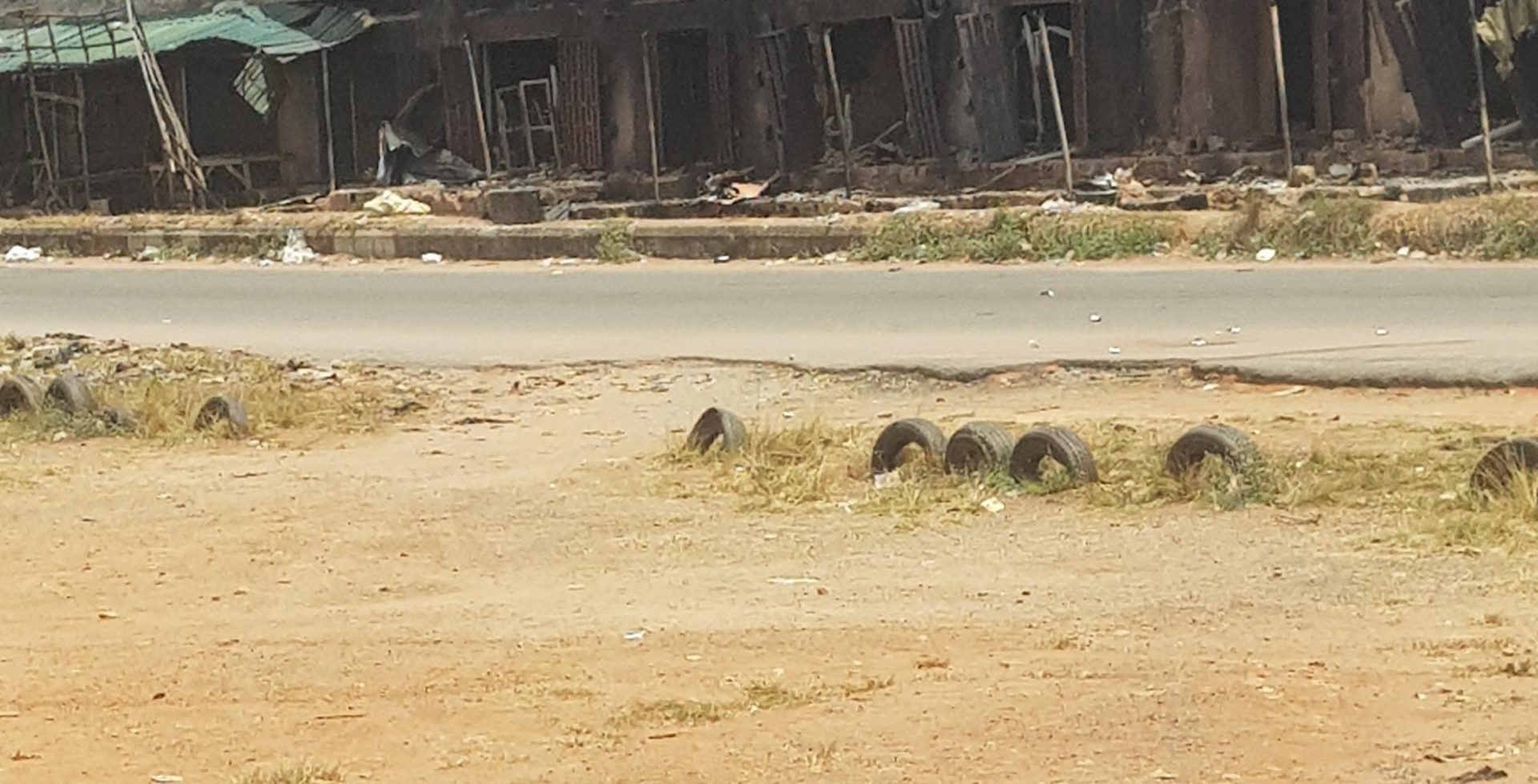
Amausa Market remains
“On a Friday in January, there in Okporo and Umu-town, we heard reports that two soldiers were shot by unknown gunmen in the town, they were killed, leaving the bodies of the soldiers. On Saturday, we also heard that about four hilux vans went to that area, they took the bodies of the dead soldiers and shot bullet in the air,” Obioma said.
“People were scared. Some people lost their properties, in the instance of a man I know who lost his tricycle to the soldiers’, his Tricycle was burnt. They set-up blockages soon after this. On the following Monday, some men on black at around 10am came to Amawusa and set the place ablaze, they asked occupants of the market to leave and then burnt it down. They went to the police station close to the market and damaged it partially. The shops were also looted,” he explained.
Alex Akunne’s
The ICIR learnt that there is a place called Ogbosisi where building materials are sold, the attackers met army personnel at the area and they shot at them. A resident of the area said two soldiers were killed and one injured, adding that the attackers also burnt down an amy Hilux van and went away with the bodies of the slain soldiers.
“Around 1 pm, 20 Hilux vans from Obinze came to Banana junction area. People were outside thinking everything was calm already. This sudden attack from the army took everybody by surprise and people started running. There used to be a woman who sells food here, along a village nearby, she was hit by a bullet and died instantly. There is a woman in Amawusa who was also hit by bullet, you would think this place is a war zone as over 300 soldiers took over this location, they were shooting sporadically,” an eye-witness told this reporter.
Another eyewitness who simply identified herself as Amarachi and owns a tailoring shop few metres from the Amawusa market, gave her account of the incident: “I was in the shop with my boy when we saw these boys shooting in the air. I had to run with my small kid. It was a very painful experience, as you can see my situation. Life has not been the same after this, especially for business. This area has been abandoned by many, I just came back myself as I did not want to return due to the clash”
Orlu residents’ clash with soldiers
Orlu witnessed a clash between soldiers and armed men identified to be members of the Eastern Security Network (ESN) in January. Not only have they being faced with pains of such occurrence since then, Okporo, in Amaifeke, Orlu has remained a shadow of itself with shops closed, heavy police presence and destruction visible in the area. While the destruction that occurred remained visible, Policemen were scattered in different areas of Okporo, Imo state with many roadblocks and locked up buildings, with very few vehicular movements.
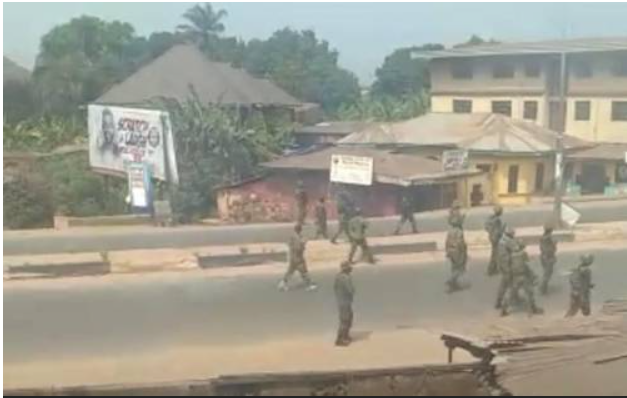
Soldiers in Orlu Photo Credit: Sahara Reporters
“By 5pm, the streets would be deserted already, you would rarely see anyone on the road because no one knows what will happen next. For instance some days ago, members of the ESN were reported to have passed through Orlu again and the next day the Nigerian Army helicopter numbering about four started flying in the air, this was after the clash,” a resident told this reporter.
The aftermath
Following the protests and killings, life for residents of Umuocha, Nwaorieubi and Orlu has not remained the same. While many who fled are yet to return, those who had nowhere to go are living in perpertual fear and business owners are yet to recover from their losses, as patronage for their products and services is still low. Parents are also reluctant to send their wards to school due to the uncertainty that hovers around these communities, despite the heavy presence of security personnels deployed to the area.
“We have been doing business in fear ever since the incident, although I personally rely on God but I have my colleagues who have failed to return to the area,” a furniture business owner at Nwaorieubi who identified himself as Emmanuel told this reporter. Another business owner said it has not been the same since the incident. “I lost many things during the attack, I abandoned my shop and could only salvage few things, since then although we see it as the past, my stock has not remained the same again, even here, you can see the mood,” he said.
An education administrator who spoke under anonymity revealed that student presence in schools has drastically reduced: “Parents are scared of bringing their wards to school, the few we have here had to be convinced to come especially given the presence of police men. However, we have been hit hard by the situation. Students no longer want to come to school, although we have kept reassuring them of their safety. It would have been worse if many students were in school that day and that has been the fear of parents who refused to allow their children back to school”.
Clash with police continues In Imo
Clashes between hoodlums in the state and police formations have continued unabated as at the time of this report. This is coming as the police headquarters at Aboh Mbaise was attacked leading to injury of one female police officer. At Obowo in Imo state, two police officers were killed by hoodlums during an attack.
The attack on Police formations in Imo state has been strengthened since the EndSARS protest incident.
The station which was said to be renovated after being set ablaze during the protest was burnt down again. It would be recalled that in 2019, protesting youths set ablaze a police station at Otowo, Obowo local government area of Imo state.
It was reported that on sighting the youths, the Divisional Police Officer of the station alongside his men scampered for safety.
While the state says it would investigate the crisis, the police say it would not give in to cheap blackmail of the attackers.
According to the Nigeria Security Tracker, a project of the Council on foreign relations that tracks violence that is both casual and symptomatic of Nigeria’s political instability and citizen alienation, over Eleven thousand deaths (11,872) have been caused by state actors. This is according to the most recent information by the tracker. The data started from May 29, 2011.
Police, Army, Imo Government reacts as Ohaneze calls for caution
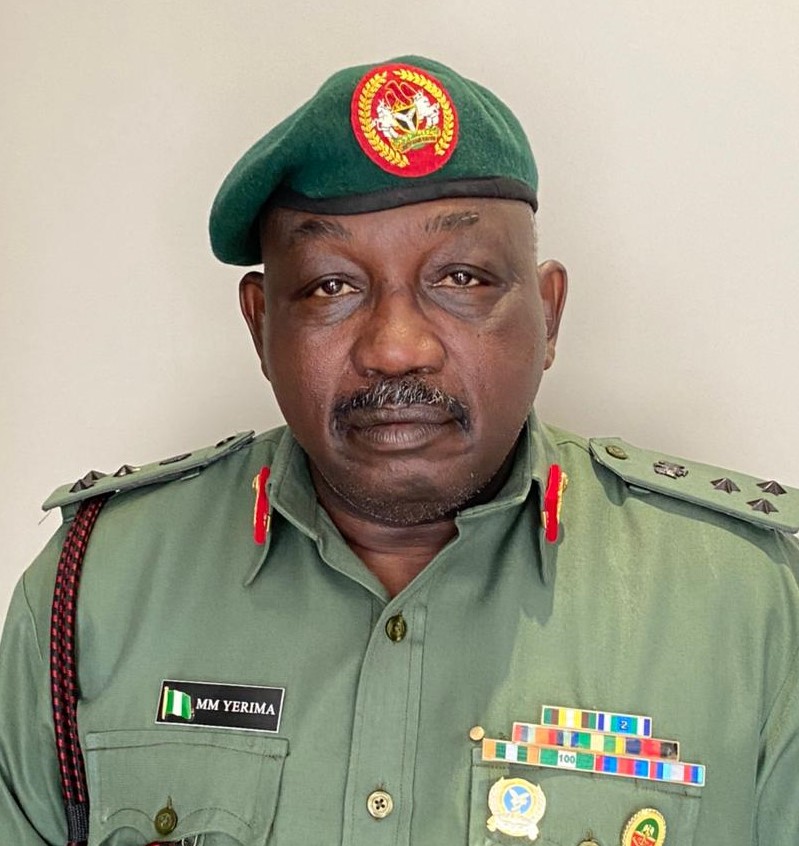
Speaking on the incidents, the Nigerian Army Spokesman, Brigadier General Mohammed Yerima denied any Human Rights abuse. “There was nothing of such, we have stated this and we will continue to restate it, there was no human rights abuse by our officials, we even released a statement on it,” he told our reporter.
Speaking under anonymity, an official close to the Nigerian Army who is also familiar with the issue said that hoodlums attacked the officials of Nigerian Army killing two, and took over communities.
“Our duty is to protect the country which we would do rigorously. What happened is that some hoodlums attacked the Nigerian Army killing two officers in the process; they also sacked the communities which warranted our intervention. We went there because it is
Director, Army Public Relations, Brig.-Gen. Mohammed Yerima
our duty to ensure that security operatives are not overwhelmed, we however did not shoot at anyone,” the source said.
While blaming IPOB (Indigenous People of Biafra) for the fracas, the officer denied the allegation of human rights abuse or indiscriminate shooting: “We did not shoot or kill anyone, what we did is to ensure that we restore order into the community. It is impossible that we decide to kill civilians at will; however, we cannot allow someone to issue orders from out of the country, instigating people to violence. The only case of any soldier shooting civilians would be a case of self-defence, if the civilians are attempting to attack such soldier. We went to secure the community, not kill,” he maintained.
similarly, the Imo state Police command Public Relations Officer (PRO), Ikeokwu Orlando, who spoke to our reporter during an interview denied knowledge of any human rights abuse or killing in Umuocha, Nwaorieubi, Imo state. He also denied the escape of prisoners during the EndSARS protest in Nwaorieubi, adding that the Police remained committed to securing Imo state.
“There was nothing like that, there was no kind of protest within that area. Protests were only recorded in Owerri metropolis and all the protests were peaceful. At a time I was detailed by the Commissioner of Police then to address the protesters and I was always around to address them,” he said, blaming the social media for escalation of the protests.
“Then until when the protest was hijacked from other commands, you know what happened had to do with influence of Social media especially issues that had to do with issues of palliatives, when people see that the protests went violent in other states, they want to do same here and when they saw that they had started burning down police station and attacking police stations, they did same. Here we have a very sensitive situation because we are dealing with IPOB, then every state has its own peculiarity. We had an ‘Intel’ that if the protests continued they may cash in on that to cause mayhem and that really happened,” Orlando further explained.
Late Chisom rented apartment at Ada Mbieri
Confirming the killing of security personnel, the PRO for the Force said: “They just took advantage of the situation. Hoodlums moved first to a military check-point, killed Military men, I think two or three, burnt their patrol vehicle and moved to the station and then did the same thing. Even before getting to the police station, they already attacked two policemen, one died, one did not die. Nobody attacked the protesters and nobody shot at them”.
The Police spokesman also denied that the Police or Military attacked communities to revenge the death of their colleagues. “I have not heard of anything like that prior to the EndSARS, during the EndSARS and after the EndSARS protest. The Aftermath of the protest did not witness any soldiers deployment, the only thing that was done was a collaborative show of force,” he said.
“When the burning down happened for two days, on the third day, we thought it was time to occupy the public space and gain public confidence. We shared the convoy into two and we began to do a show of force and that was all. We never stopped anybody or harassed anyone. We went to the Police stations burnt to take stock, we also had an assessment team that evaluated the level of damage so that security can return back to those communities where those things happened,” he explained.
When presented with hard evidence of Policemen found in a video molesting male and female residents, Orlando noted that disciplinary action was ongoing: “The officers have been identified and are going through orderly room trial, so that is the stage we are, the Force do not condone any irresponsibility or abuse of rights. I can assure you that people should not shy away from reporting infractions, if we can confirm such, we will ensure that justice is served,” he said.
When asked to comment on the crisis in Orlu, the Police spokesperson noted that he can only confirm that peace has returned to the area.
Ndigbo Is Not At War With Nigeria- Ohaneze Ndigbo
The Ohaneze Ndigbo has reacted to the crisis stating that the incidences in Orlu for instance are unfortunate, stressing that Ndigbo is not at war with Nigeria and called for calm.
A statement signed by the group’s National Publicity Secretary, Chiedozie Alex Ogbonnia, read in part: “Ohaneze Ndigbo notes with sorrow and agony the recent disturbances inside Orlu Local Government Area of Imo state that resulted to loss of lives and properties plus caused serious hardship on people of Orlu and others… We advise people to remain calm as no goal is worthy of loss of lives of youth and others.”
We Are Not Aware of Any Human Rights Abuse, Securing Imo Is Our Topmost Priority- Imo Government
The Chief Press Secretary to the Imo State governor, Oguwike Nwachukwu, in a chat noted that the governor of the state is not aware of any instance of Human Rights abuse during the incidents occasioned by EndSARS protest or clashes in Orlu.
Nwachukwu said that the governor has enjoyed tremendous support from youths of the state which has ensured that the security situation of the state improves.
“What happened during the EndSARS protest in Imo state is not in the same magnitude with what happened in other states given that the governor enjoys the support of the youth. During that time too, Imo youths came out en-masse to condemn the wanton destruction of properties in Imo state,” he said.
The state’s spokesman also denied that there had been attacks on Imo state residents by Army using helicopters, saying that the surveillance was routine exercises by the military. According to him, allegations of Human Rights abuses by security operatives in the state were politically motivated and the handiwork of mischief-makers.
“Don’t play into the hands of politicians, such news are not factual but untrue. Most of the things we hear are unconfirmed information, there is no insecurity in the state,” he said.